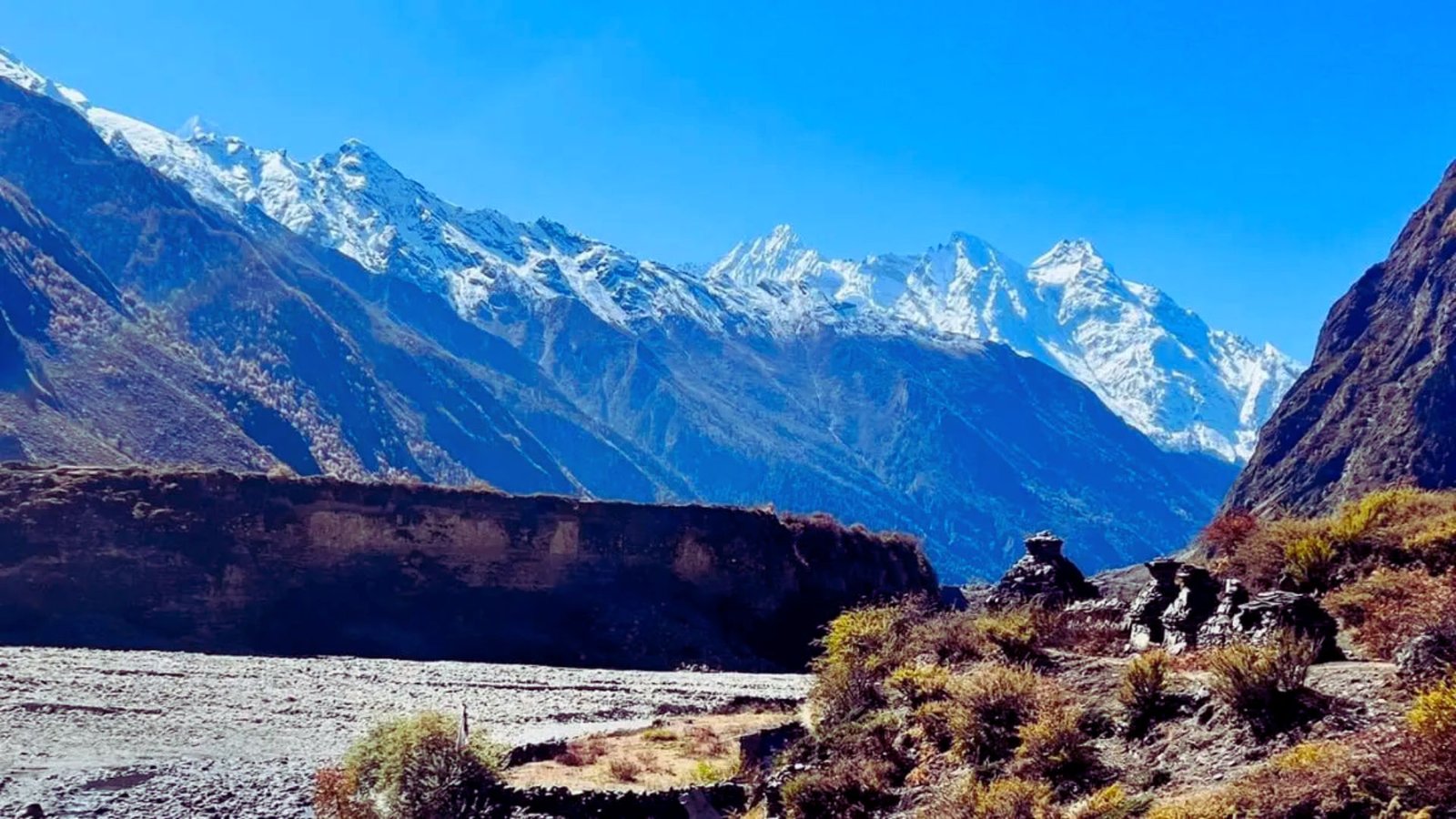

Planning a trek to Tsum Valley? You’re in the right place.This guide covers everything you need
the complete 15-day itinerary, real costs, permit requirements, and practical tips. I’ve broken down each day of the trek, shown you exact expenses, and shared what to expect on the trail.
Tsum Valley sits in Nepal’s Manaslu region. It’s a restricted area with Tibetan Buddhist culture still intact. You won’t find crowds here like Everest or Annapurna.
This trek offers something different. High mountain views, old monasteries, and genuine cultural experiences. Read on to plan your Tsum Valley trek with confidence.
Why Choose Tsum Valley Trekking in Nepal
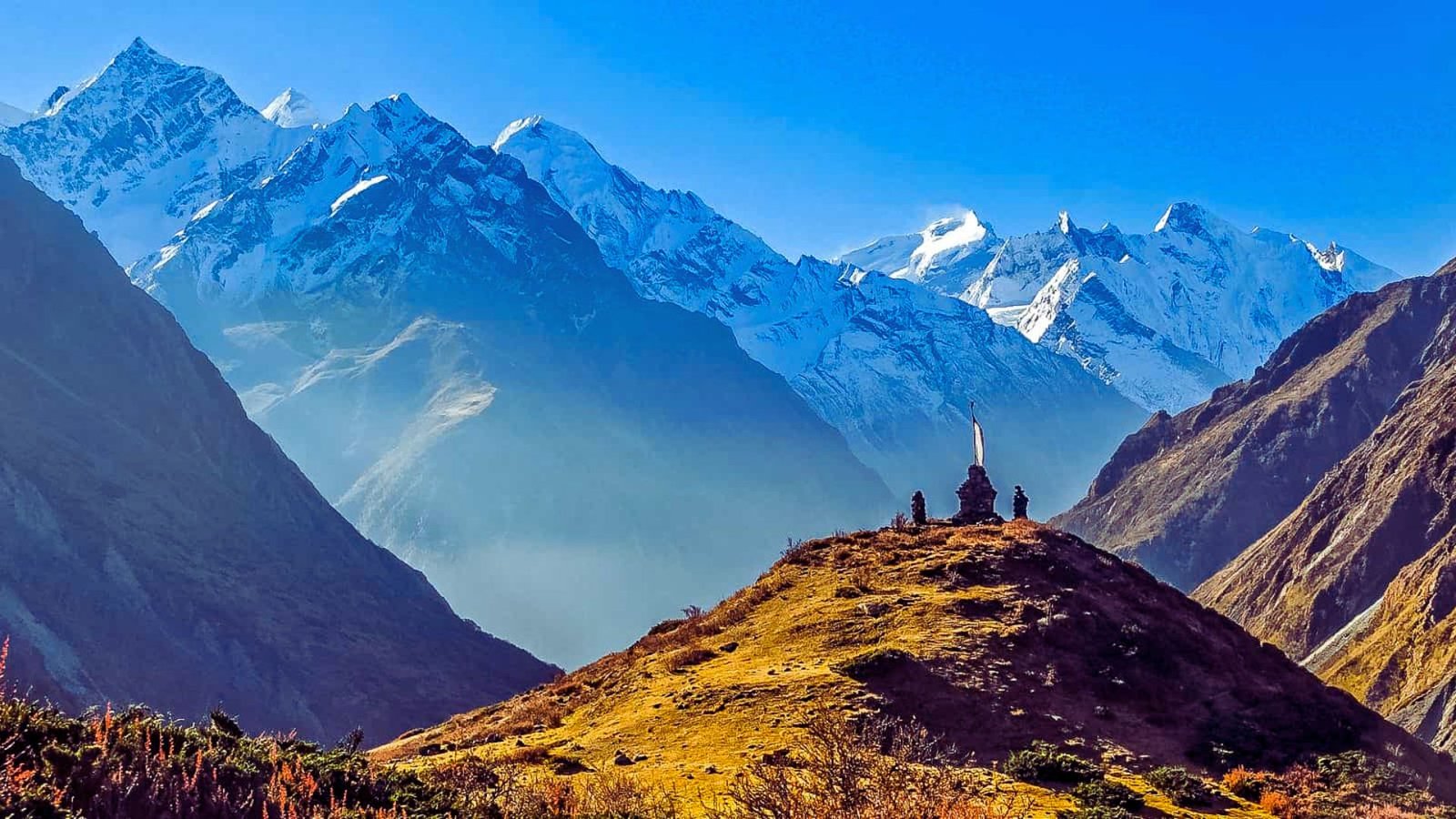
Tsum Valley offers sacred Tibetan culture, fewer crowds, and spiritual experiences unlike busy Everest and Annapurna treks.
Tsum Valley remains one of Nepal’s least crowded trekking regions. The valley opened to tourists only in 2008.
This means the local culture stays authentic. What makes this valley special? Tibetan Buddhism shapes daily life here.
Monks chant in ancient monasteries. Prayer flags flutter across mountain passes. The people follow old traditions passed down through generations.
Compare this to Everest Base Camp or Annapurna Circuit. Those trails see thousands of trekkers each season.
Teahouses overflow during peak months. The experience feels rushed. Tsum Valley gives you space to breathe.
You’ll walk for hours without seeing another trekking group. Villages remain quiet. Locals have time to chat and share stories. This pace lets you absorb the culture deeply.
Detailed Tsum Valley Trekking Itinerary (15 Days)
Complete day-by-day breakdown from Kathmandu through Tsum Valley’s monasteries, returning via Budhi Gandaki river trail southward.
Day 1-3: Kathmandu to Jagat via Soti Khola
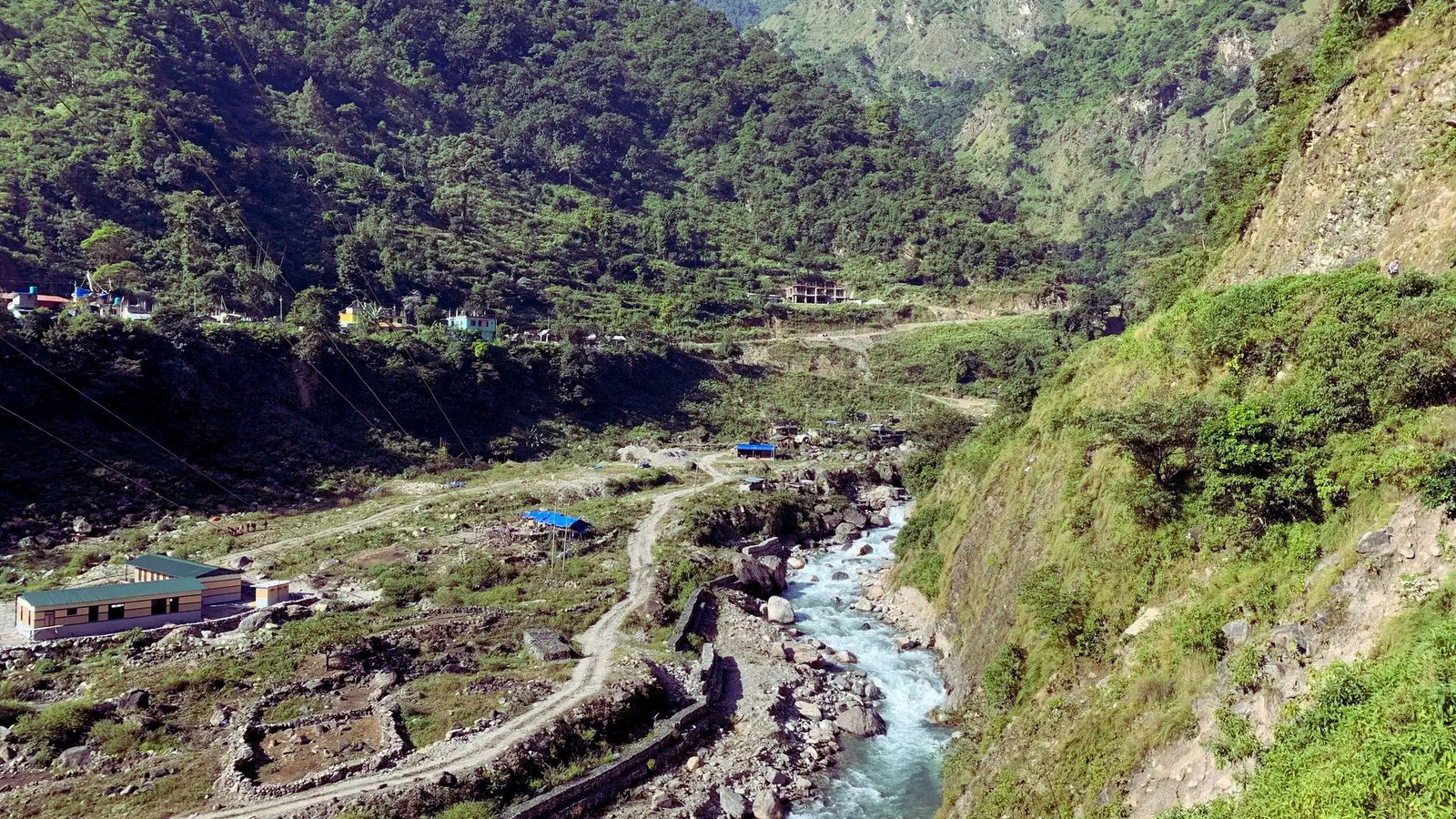
Day 1: Drive Kathmandu to Soti Khola (710m)
Start early from Kathmandu. The bus leaves around 7 AM. You’ll reach Soti Khola by late afternoon. Check into a teahouse. Rest after the long drive.
Day 2: Trek Soti Khola to Machha Khola (900m)
Walking time: 5 to 6 hours
The trail follows the Budhi Gandaki river. You’ll cross suspension bridges. Pass through small villages. The path goes up and down constantly. Not too steep yet.
Day 3: Trek Machha Khola to Jagat (1,340m)
Walking time: 6 to 7 hours
More ups and downs today. The trail crosses the river several times. You’ll see waterfalls. Pass through Khorla Besi village. Jagat is a small settlement where you spend the night.
Day 4-6: Jagat to Chhokangparo (Entering Tsum Valley)
Day 4: Trek Jagat to Lokpa (2,240m)
Walking time: 6 hours
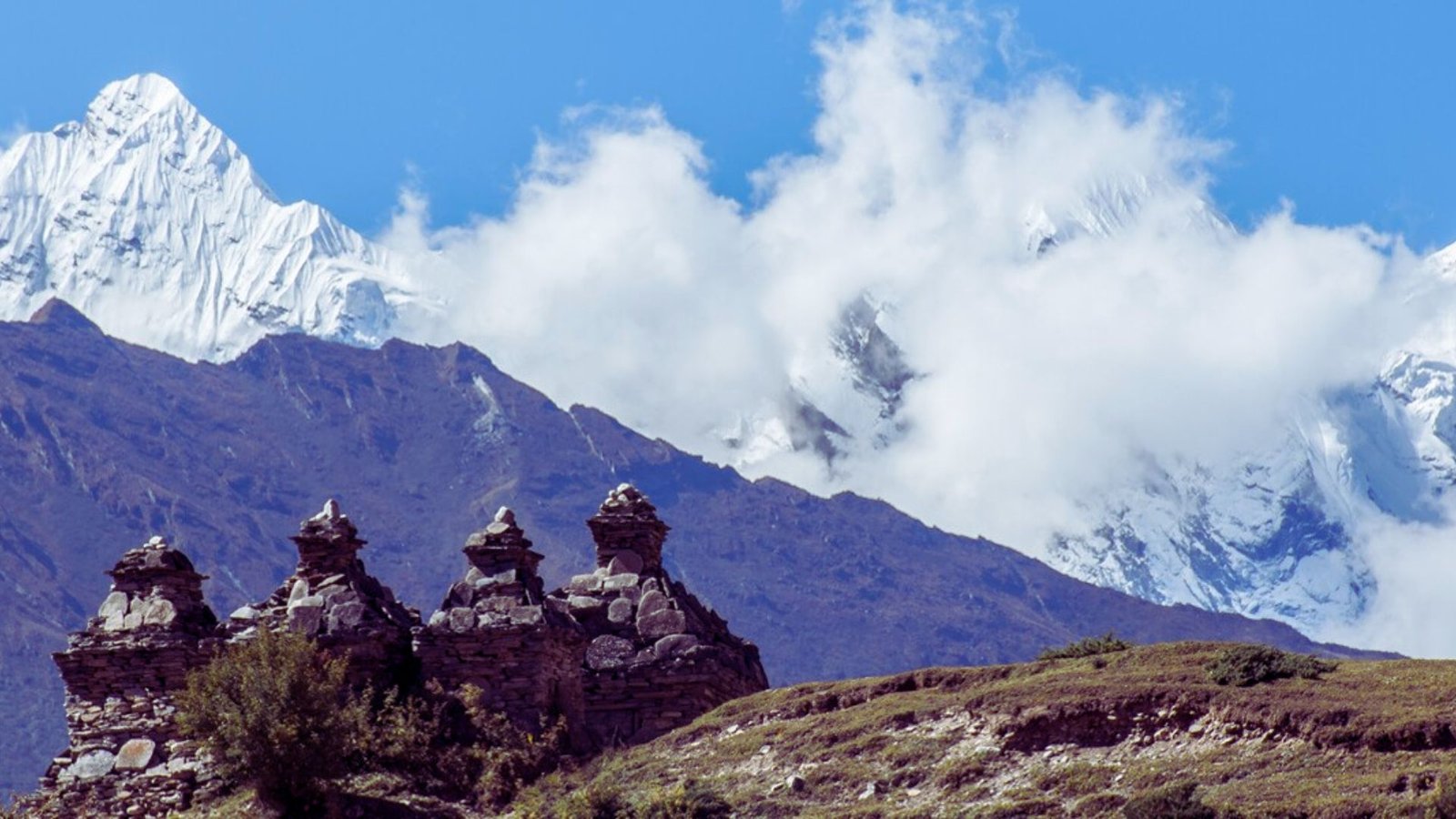
This is where you enter Tsum Valley proper. The landscape changes. Tibetan-style houses appear. Prayer wheels line the path. You’ll see your first mani walls (stone walls with Buddhist prayers).
Day 5: Trek Lokpa to Chumling (2,386m)
Walking time: 5 hours
Shorter day. The valley opens up. Views of Ganesh Himal appear to the south. Himal Chuli rises to the east. The villages feel more Tibetan now.
Day 6: Trek Chumling to Chhokangparo (3,010m)
Walking time: 5 to 6 hours
You’re gaining altitude steadily. Take it slow. Drink plenty of water. Chhokangparo sits at over 3,000 meters. Some people feel the altitude here.
Day 7-9: Chhokangparo to Mu Gompa and Rachen Gompa
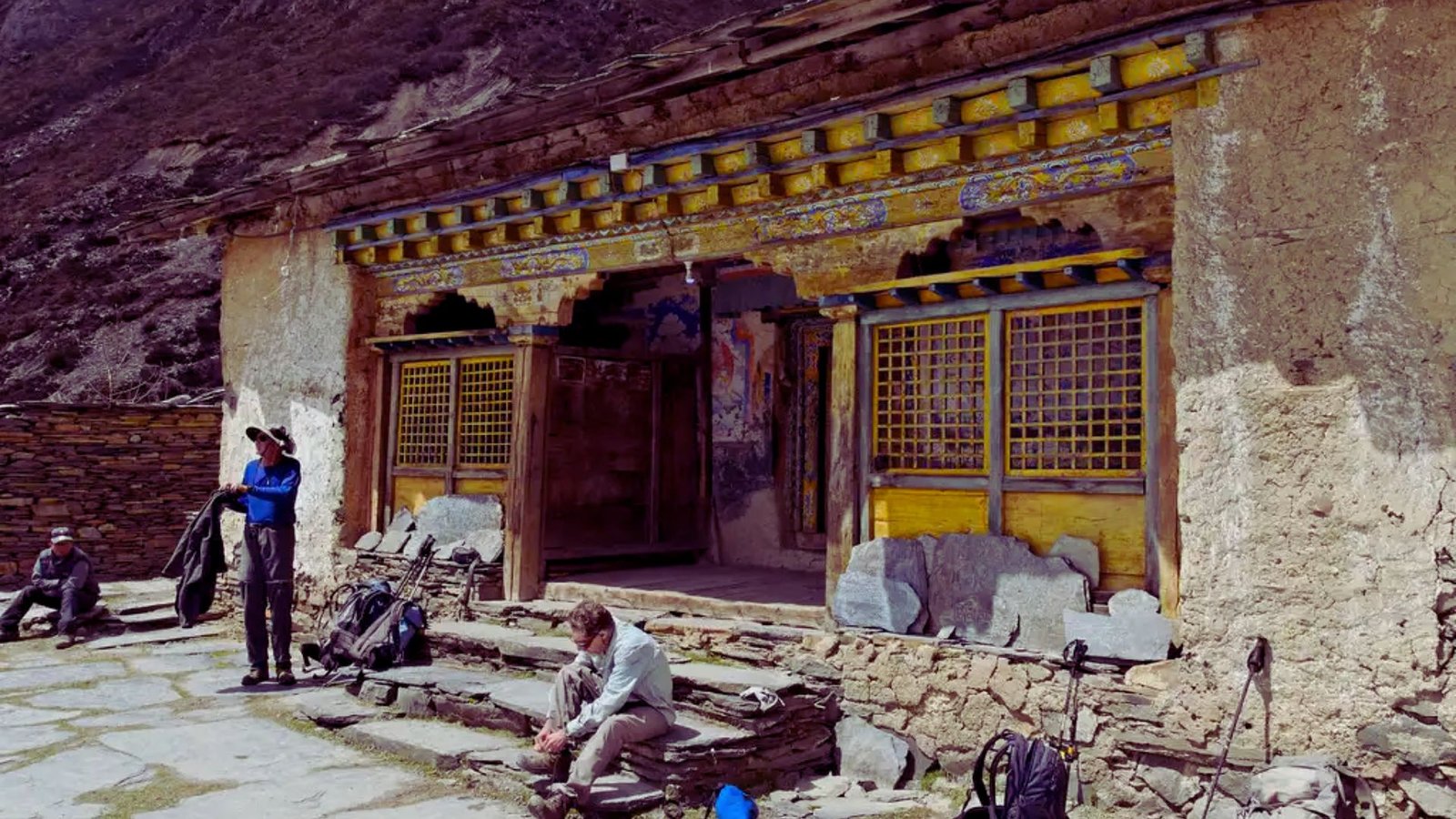
Day 7: Trek Chhokangparo to Nile (3,360m)
Walking time: 4 to 5 hours
Another gradual climb. Pass through Phurbe and Pangdun villages. The air gets thinner. Walk slowly and breathe deeply.
Day 8: Trek Nile to Mu Gompa (3,700m) and back to Nile
Walking time: 5 hours total
This is the high point of the trek. Mu Gompa is a working monastery. Monks live here year-round. The views stretch to the Tibetan plateau. Spend a few hours at the gompa. Then descend back to the Nile for the night.
Day 9: Visit Rachen Gompa, trek to Chhokangparo (3,010m)
Walking time: 5 hours
Rachen Gompa is a nunnery. It sits below Mu Gompa. Meet the nuns. Learn about their daily lives. Then trek down to Chhokangparo.
You can also visit Milarepa Cave near here. It’s a pilgrimage site. The Tibetan Buddhist saint Milarepa meditated in this cave centuries ago.
Day 10-11: Ganesh Himal Base Camp Side Trip
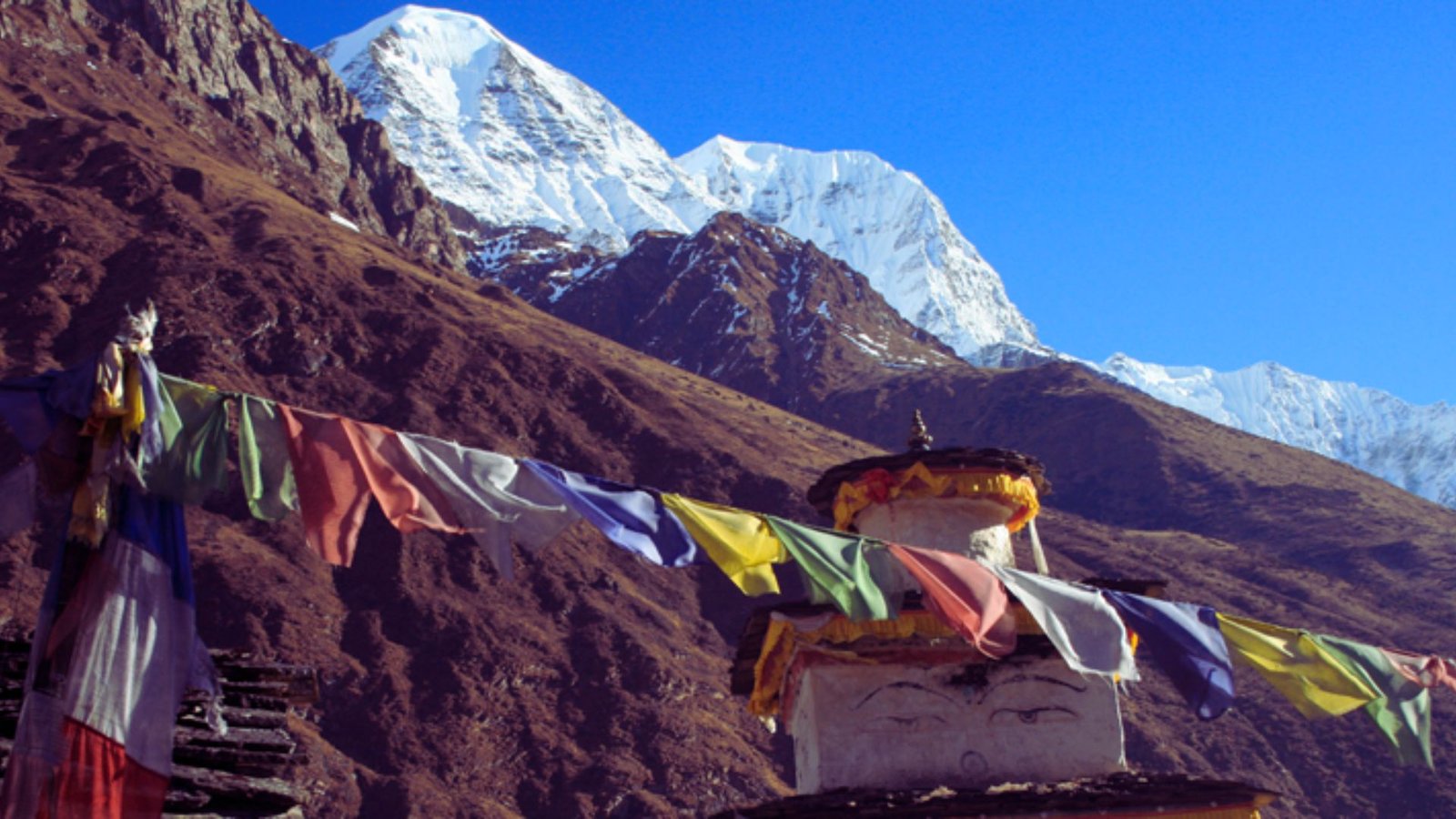
Optional two-day extension to Ganesh Himal Base Camp adds altitude challenge for experienced trekkers seeking more views.
Day 10: Trek Chhokangparo to Ganesh Himal Base Camp (4,200m)
Walking time: 6 to 7 hours
This is optional. Only do it if you feel strong. The base camp sits at 4,200 meters. That’s high. Altitude sickness risk increases.
The views are worth it though. Ganesh Himal dominates the skyline. Prayer flags mark the base camp.
Day 11: Return to Chhokangparo
Walking time: 5 hours
Descend carefully. Your knees will feel this. Take breaks. Enjoy the valley views as you go down.
If you skip this side trip, use Day 10 as a rest day in Chhokangparo. Or start heading down the valley.
Day 12-14: Return Trek to Machha Khola
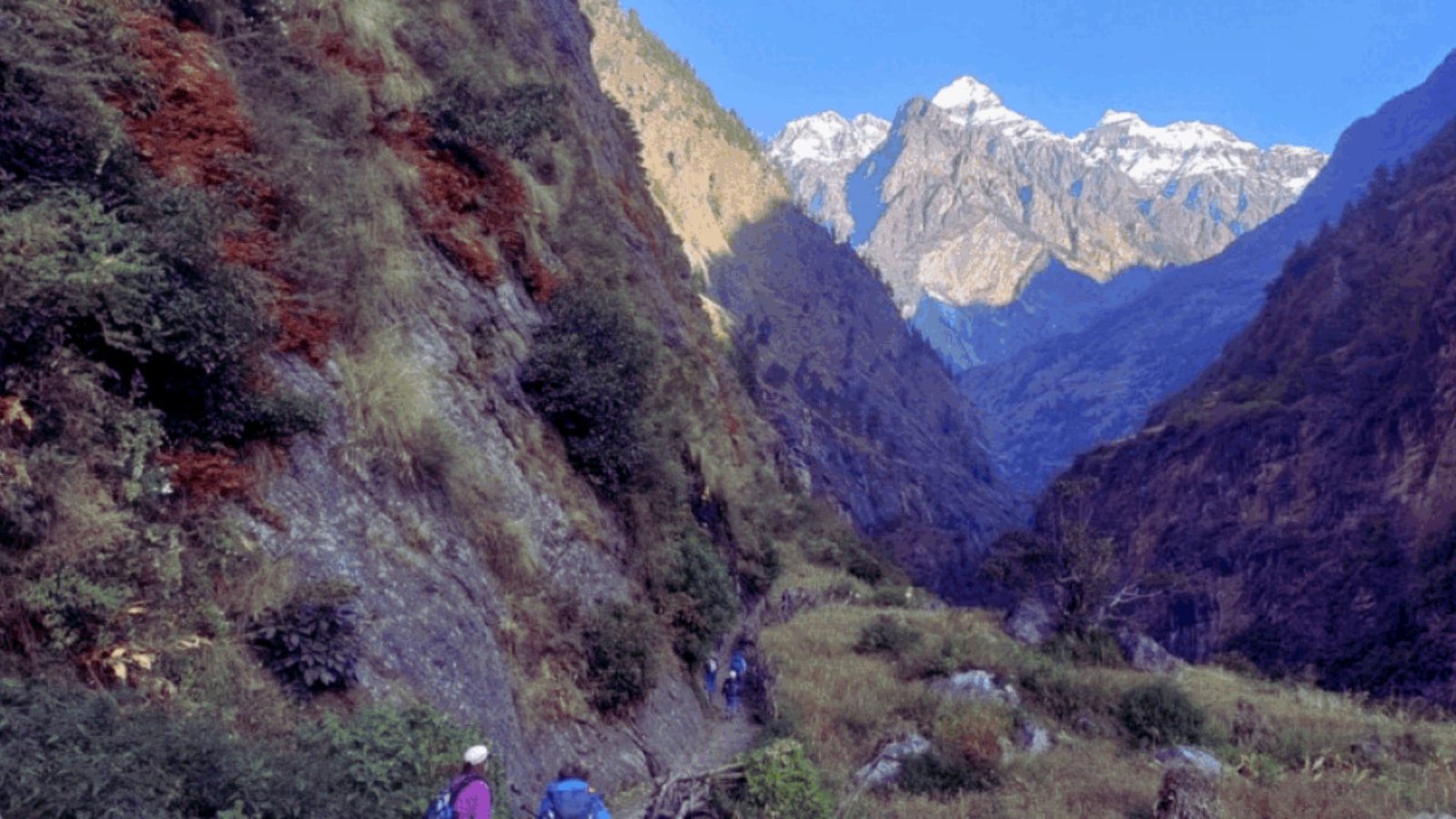
Walking time: 5 hours
You’re retracing your steps. Going down is faster. But it still takes time. The knees work hard.
Day 13: Trek Lokpa to Jagat (1,340m)
Walking time: 5 to 6 hours
More descent. You’ll notice the temperature warming up. The air feels thicker. Breathing gets easier.
Day 14: Trek Jagat to Machha Khola (900m)
Walking time: 5 hours
Final trekking day. The path feels familiar now. You know these bridges and villages. Reach Machha Khola by afternoon.
Day 15: Drive Back to Kathmandu
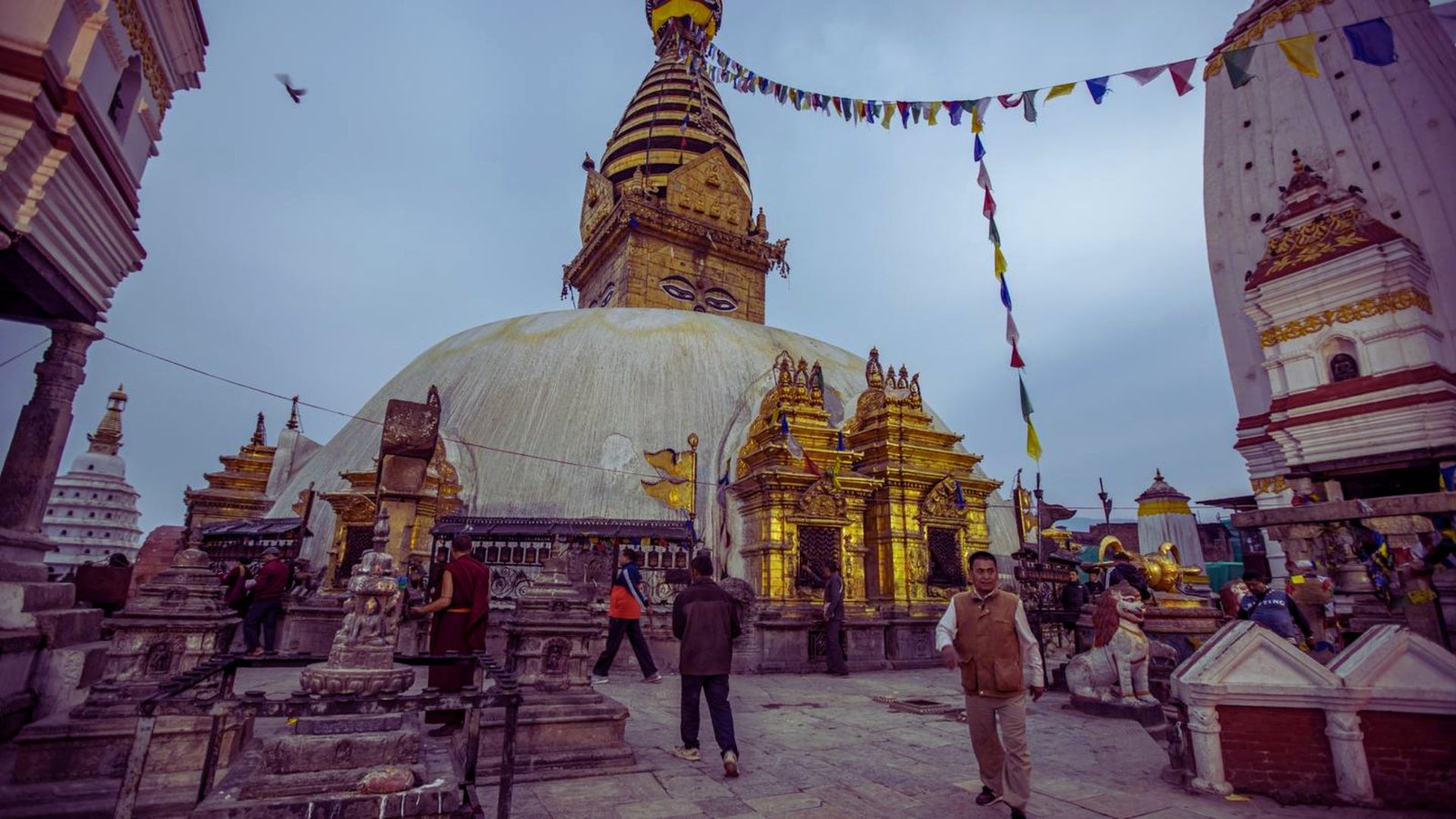
Catch a jeep or bus early in the morning. The ride back takes 7 to 9 hours. You’ll be in Kathmandu by evening.
Most people feel relieved to finish. But also sad to leave the mountains. That’s normal.
Useful Tips for Tsum Valley Trekking
Bring enough cash since ATMs are unavailable, expect limited internet connectivity, and arrange comprehensive travel insurance before starting.
- Carry sufficient cash in small bills – No ATMs exist in Tsum Valley. Bring $500-$900 in Nepali rupees using 100 and 500 rupee notes. Split money between bags for safety.
- Get specialized trekking insurance – Standard insurance doesn’t cover high-altitude trekking. Buy coverage for trekking up to 4,500 meters and emergency helicopter evacuation from World Nomads, IMG Global, or Allianz.
- Expect limited connectivity – Phone signal works only in lower villages and disappears above Lokpa. Wi-Fi costs $3-$5 per day but is extremely slow. Download offline maps before starting.
- Practice environmental responsibility – Carry out all trash, use refillable water bottles, avoid plastics, and stay on marked trails to preserve the valley’s beauty.
- Respect local customs – Learn basic Nepali phrases, don’t give money to children, drink only purified water, get vaccinated before traveling, and trust your guide’s altitude advice.
Conclusion
Tsum Valley showed me something I didn’t find on busier trails. Real quiet. Deep culture. Time to think.
The trek takes effort. Your legs will hurt. You’ll get cold some nights. But the experiences stick with you.
Sitting with monks. Watching prayer ceremonies. Seeing mountains without crowds around you.
If you want authentic Himalayas, go to Tsum Valley.
Start planning now. Book your permits through an agency. Train your body. Pack your bags.
Then just go walk. The valley is waiting.
Share your thoughts below or ask questions about the trek.
Frequently Asked Questions
Can I trek Tsum Valley without a guide?
No, solo trekking is not allowed in Tsum Valley. Restricted area regulations require hiring a registered guide through a licensed trekking agency for cultural protection and trekker safety.
How difficult is Tsum Valley trekking compared to Everest Base Camp?
Tsum Valley is moderately difficult with less altitude, reaching 3,700 meters versus 5,364 meters at EBC. Daily walking hours are similar at 5-7 hours but focus more on culture than altitude challenge.
What permits do I need for Tsum Valley trekking?
You need three permits: Tsum Valley Restricted Area Permit ($96), Manaslu Conservation Area Permit ($30), and Annapurna Conservation Area Permit ($30). Your trekking agency arranges all permits in Kathmandu.
Is there internet and phone signal in Tsum Valley?
Limited phone signals exist in lower villages but disappear completely above Lokpa. Some teahouses offer slow Wi-Fi for $3-5 per day, suitable only for messaging apps.
What is the best month to trek Tsum Valley?
October and April offer the best conditions with stable weather and clear views. Spring (March to May) and autumn (September to November) are recommended seasons.