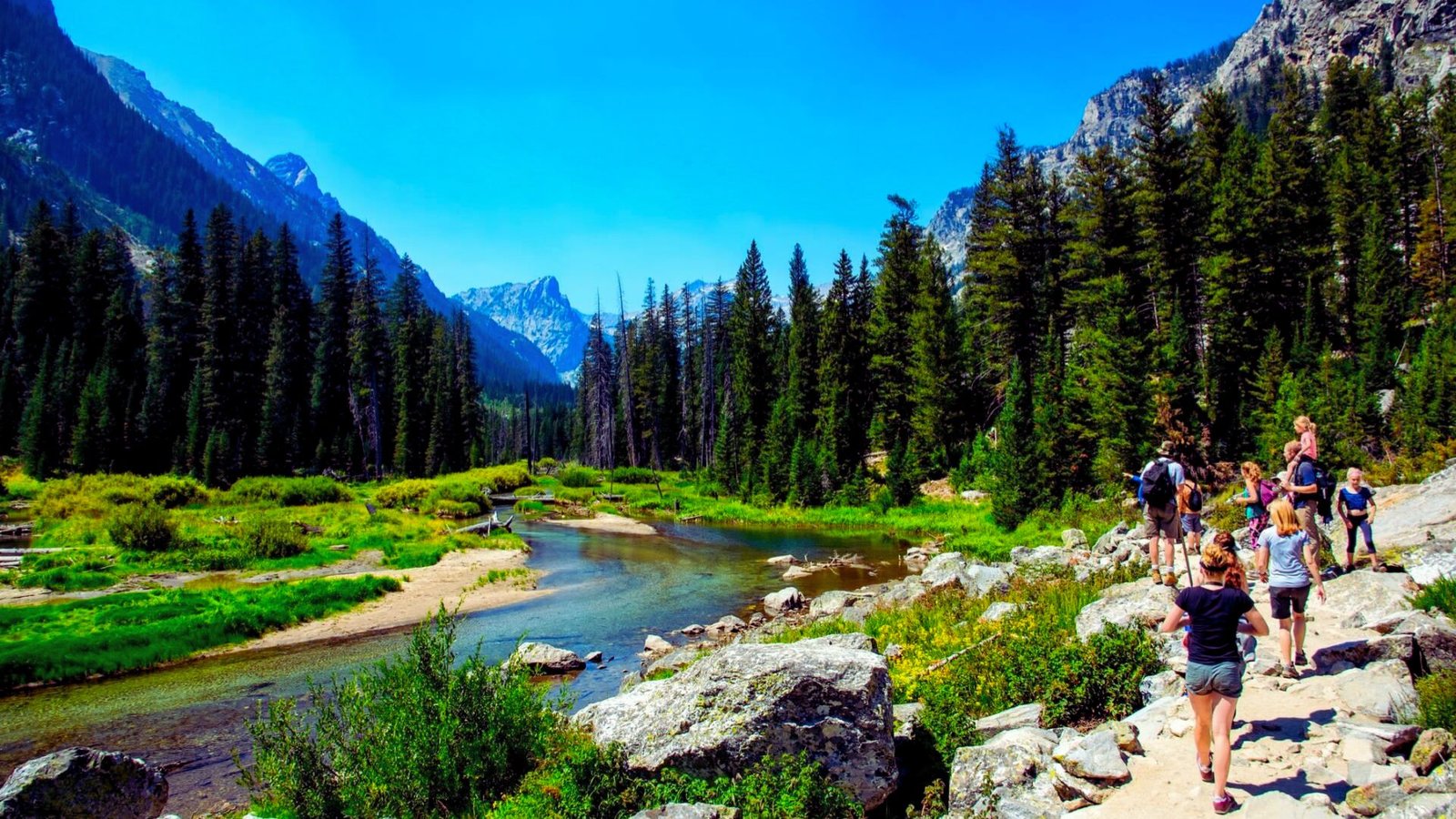

Finding the right trail in Grand Teton can feel overwhelming. Hundreds of miles of paths cross the park. Some are gentle walks. Others will test your limits.
With 23 trails covered here, you’ll know exactly which path fits your skill level.I’ve hiked these routes myself and sorted them from easiest to most challenging.
This guide includes maps, safety tips, and real talk about what each hike demands. No fluff. No guessing.
You’ll learn about distance, elevation, and terrain. Families will find kid-friendly options that won’t end in meltdowns.
Experienced hikers get advanced routes that deliver serious mountain scenery. First-timers get beginner trails that build confidence.
What Makes Grand Teton Hikes Easy, Moderate, or Hard
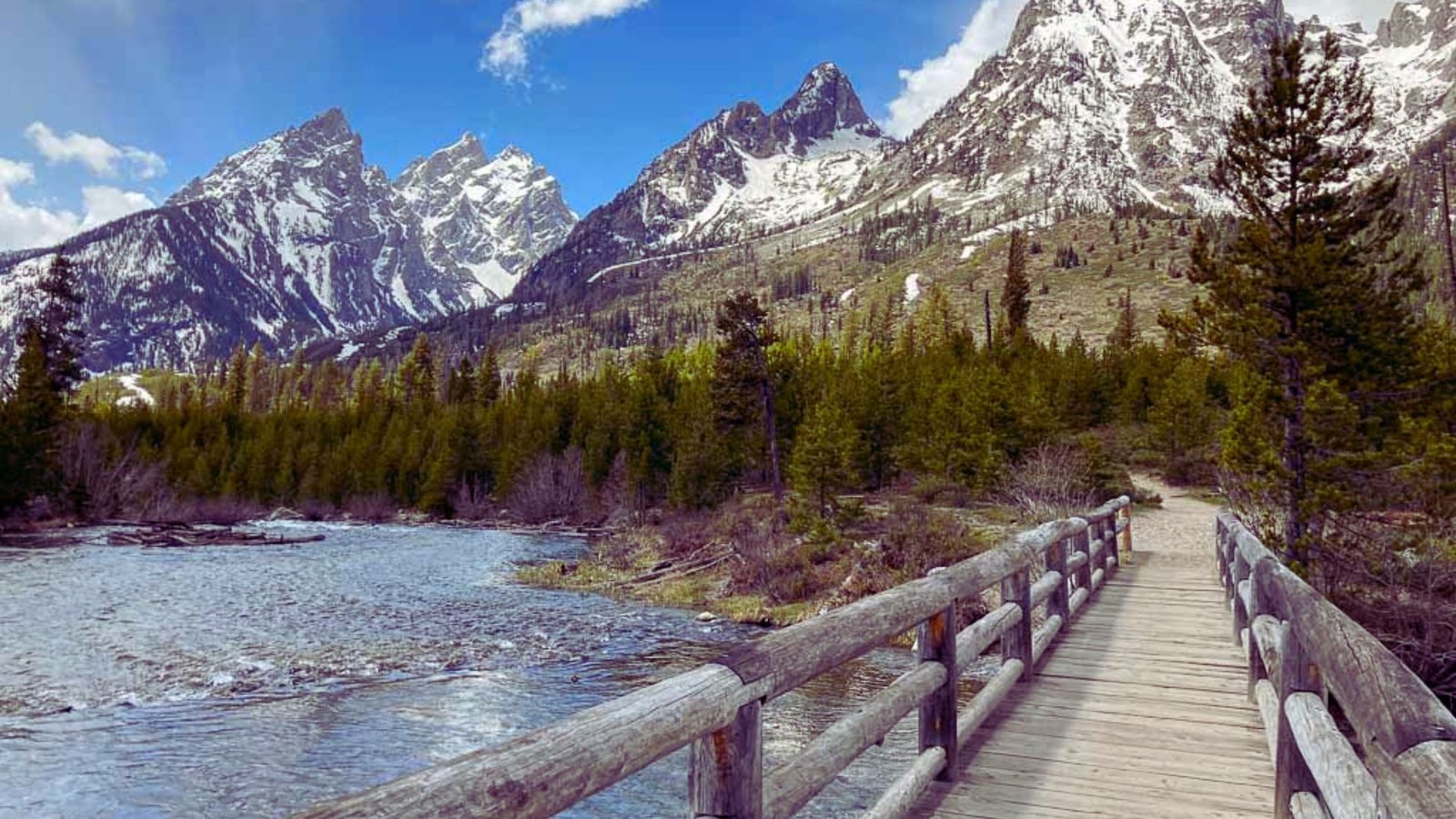
Knowing what makes a trail easy or hard helps you hike safely and enjoy yourself more.
Easy trails gain under 500 feet with smooth, wide paths. Total distance stays under 3 miles. You’ll walk on packed dirt or boardwalks.
Moderate trails climb 500 to 1,500 feet over 4 to 8 miles. Expect rocky sections and steeper grades. You need decent fitness but won’t feel destroyed.
Strenuous hikes gain over 1,500 feet, sometimes 3,000+ feet. Rocky scrambles and distances over 10 miles are common. These demand strong legs and lungs.
Elevation gain matters more than distance. A 2-mile climb gaining 1,000 feet feels harder than a flat 5-miler. Climbing tires your muscles and spikes your heart rate.
Grand Teton sits at 6,000 to 13,000 feet. Thin air means less oxygen. You’ll breathe harder and tire faster than at sea level. Loose rocks, roots, and scree make footing tricky.
Complete List of 23 Grand Teton Hikes
From easy lakeside strolls to brutal high-altitude climbs, here’s every trail ranked by difficulty.
1. Lakeshore Trail
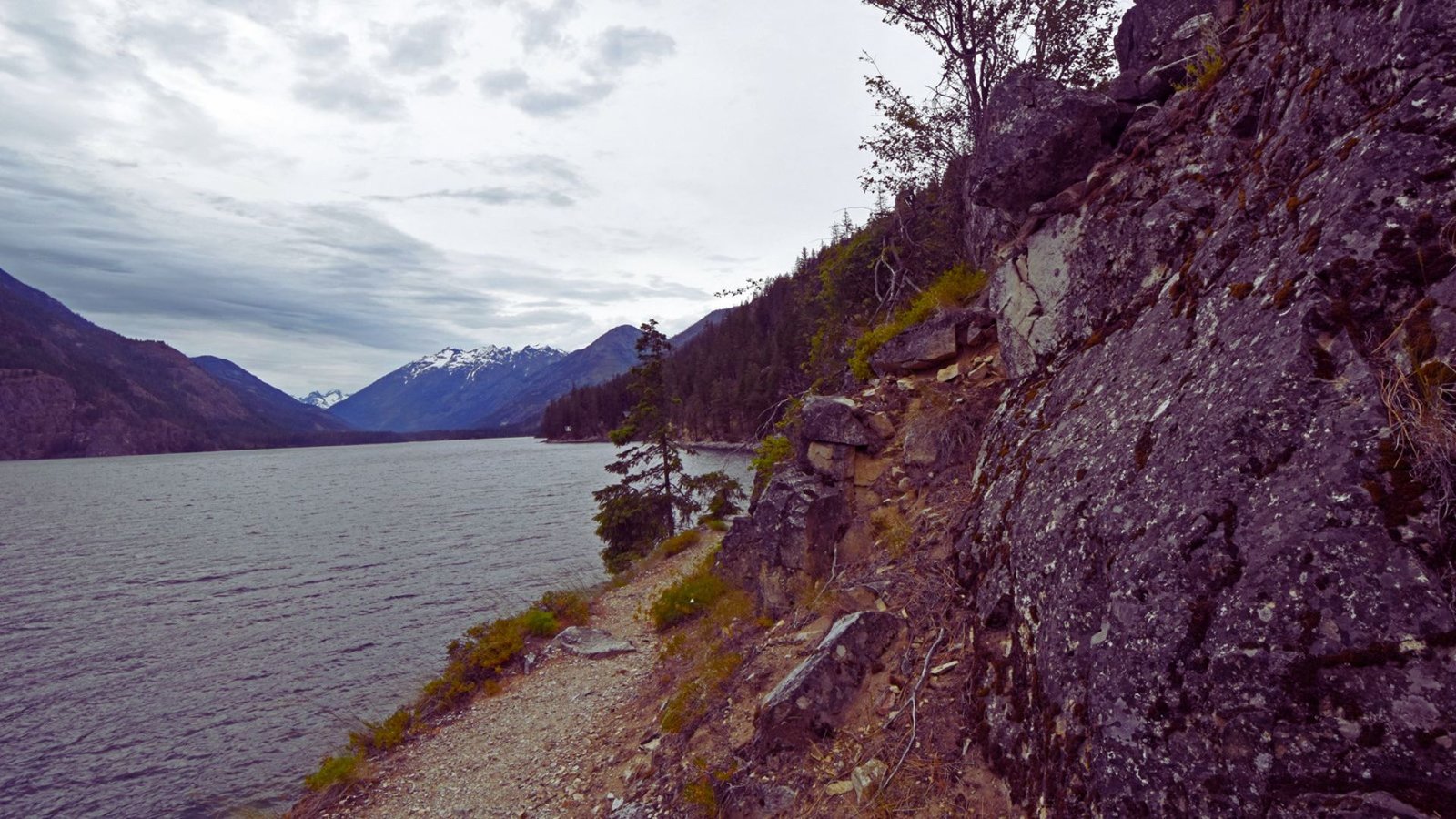
Easy 2-mile lakeside stroll with Mount Moran views and excellent moose spotting opportunities.
This gentle, mostly flat trail follows the northeastern shore of Jackson Lake through willow thickets and meadows where moose frequently browse, especially during early morning hours.
2. Schwabacher’s Landing Trail
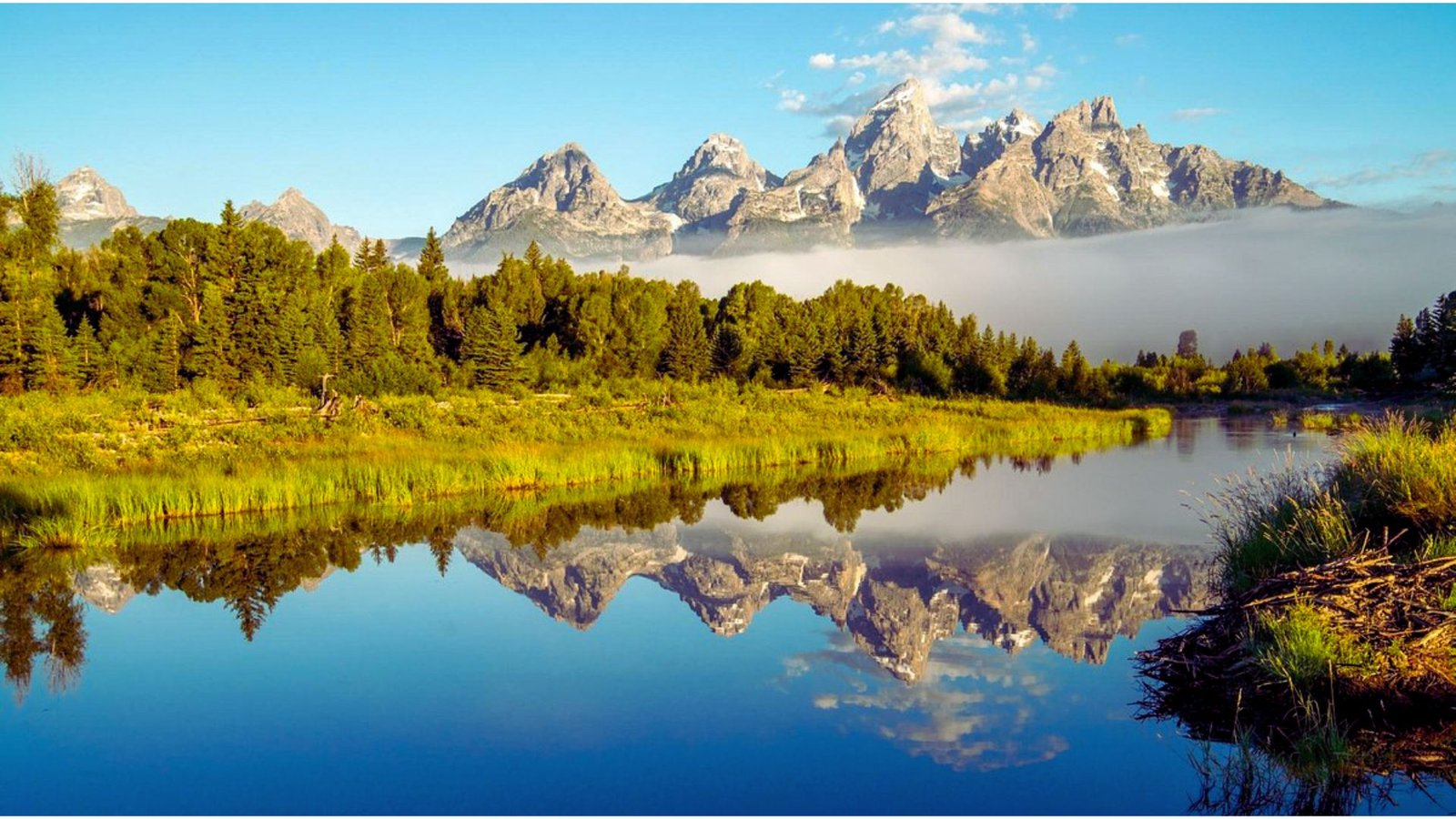
Famous 1-mile photographer’s trail with iconic Teton reflections in Snake River beaver ponds.
This nearly level trail has become legendary for its mirror-perfect reflections of the Teton Range in still waters created by beaver dams, with dawn offering the best conditions for photography.
3. Lunch Tree Hill
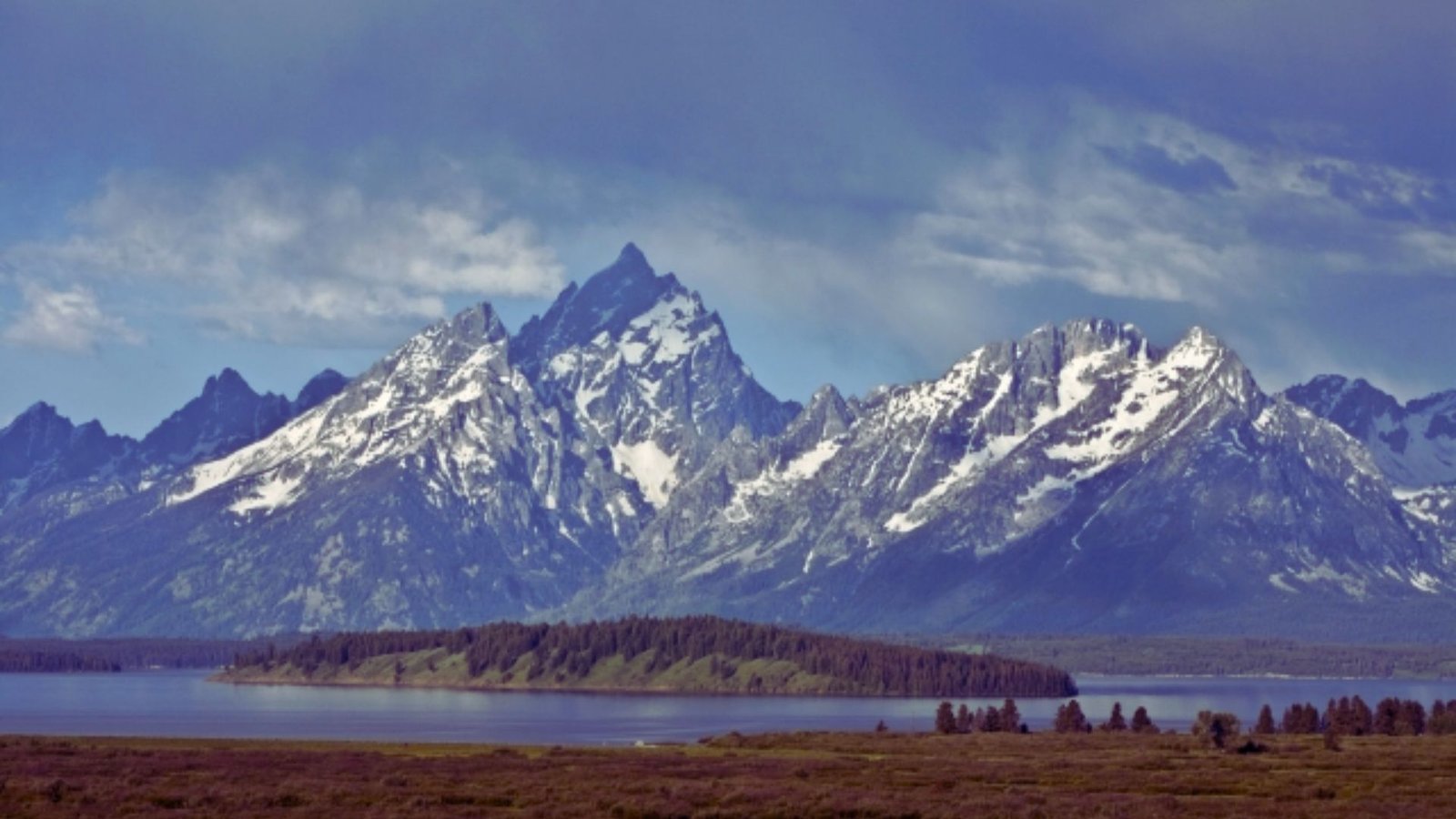
Quick 0.5-mile loop offering panoramic Teton Range views with minimal effort, perfect for sunset.
Despite its brevity, this trail climbs about 200 feet to deliver 360-degree views of the entire Teton Range, Jackson Lake, and surrounding valleys, making it ideal for sunset alpenglow.
4. Taggart Lake Trail
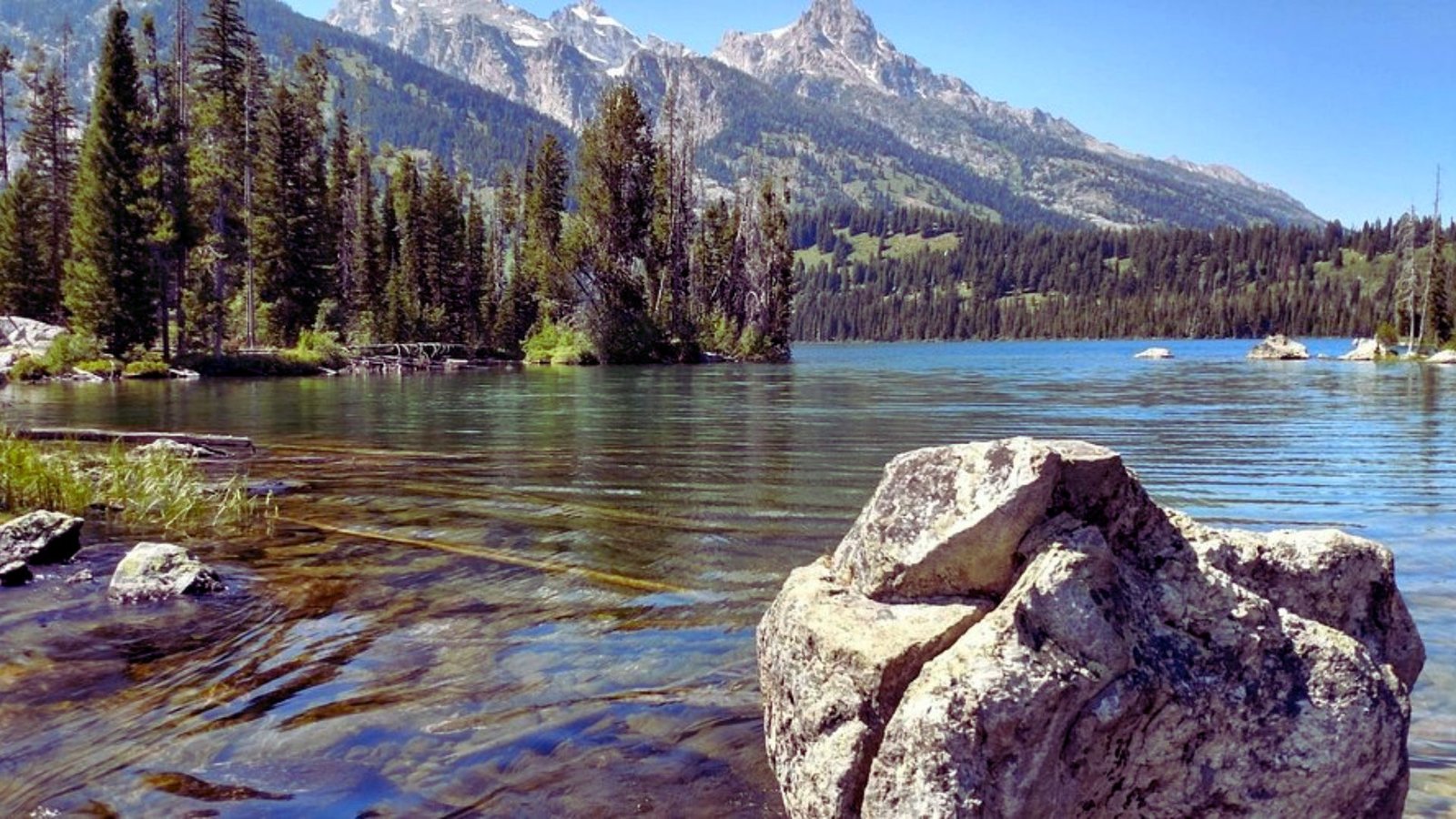
Popular 3.2-mile loop through wildfire regeneration zones to a pristine glacial lake with 400-foot elevation gain.
This moderately easy trail passes through areas burned in the 1985 fire, now showing impressive regeneration, before reaching crystal-clear Taggart Lake nestled below Avalanche Canyon.
5. Heron Pond & Swan Lake Loop
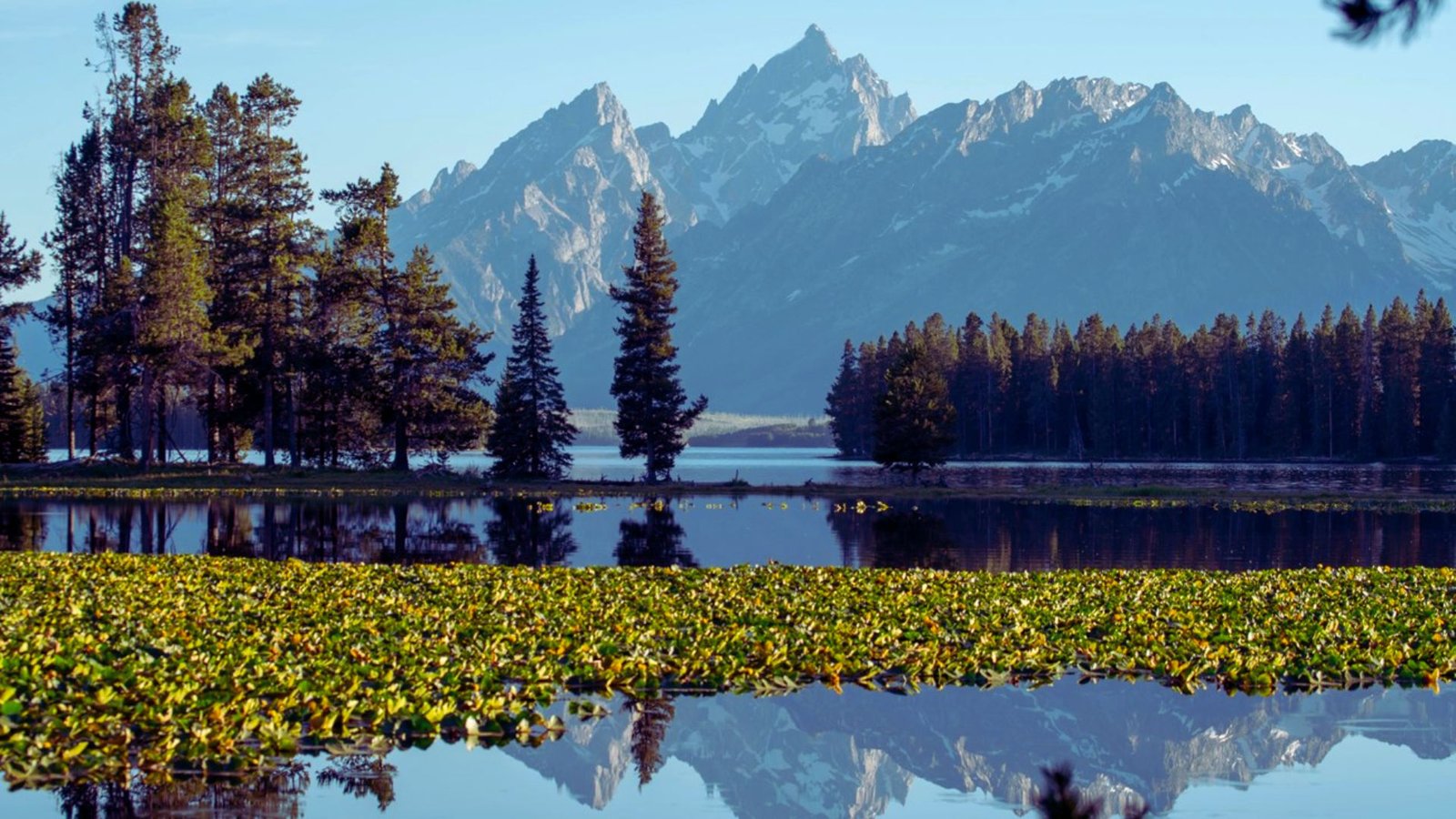
Easy 3-mile wetland loop with exceptional birdwatching, moose sightings, and peaceful boardwalk sections.
This flat trail visit rich riparian ecosystems with boardwalks crossing marshy areas, providing excellent viewing platforms for herons, swans, cranes, and frequent moose encounters.
6. Phelps Lake Overlook
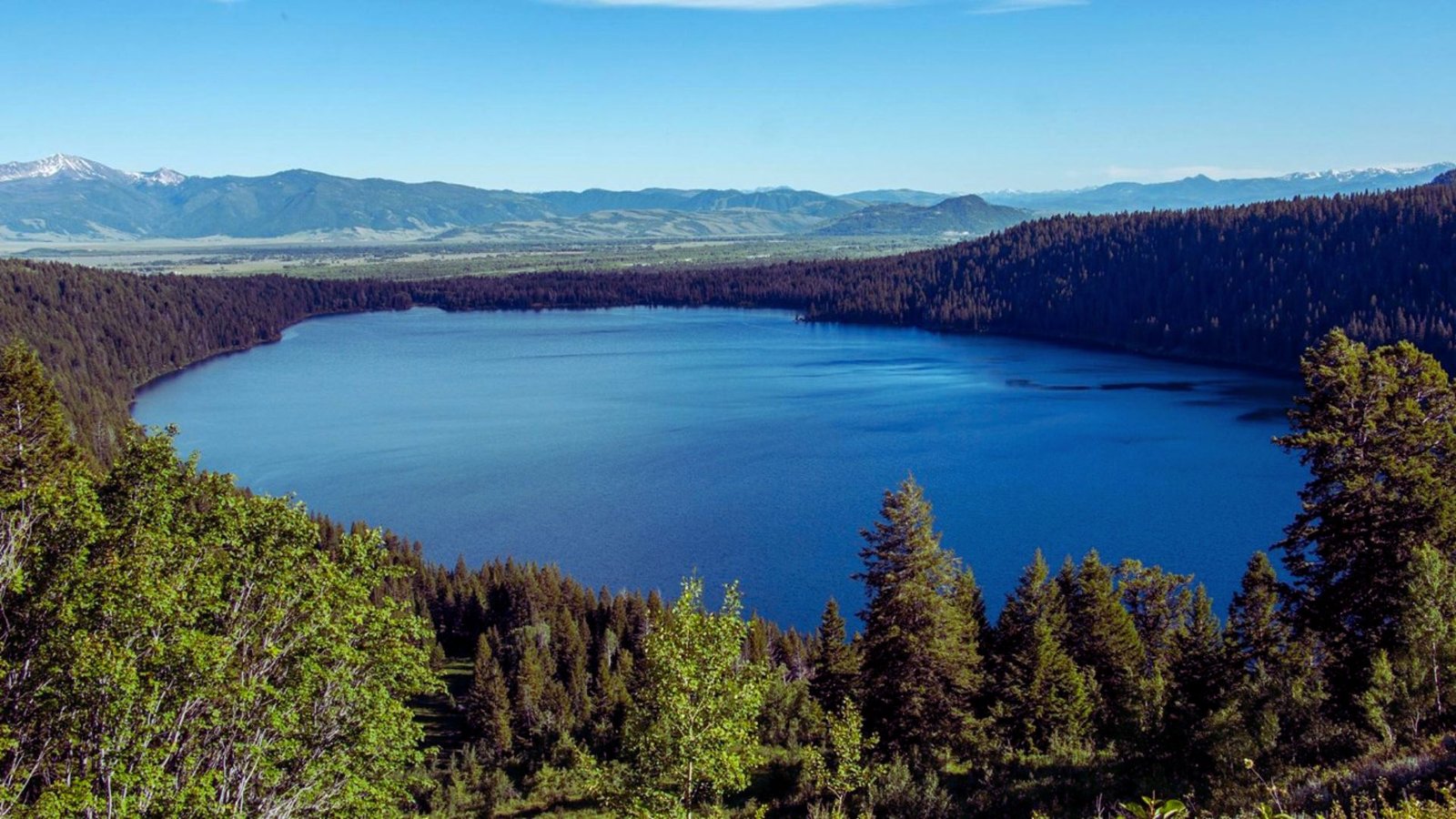
Short 1.8-mile hike with 420-foot climb rewarding you with stunning overlook of deep blue Phelps Lake.
The trail ascends through Douglas fir forest to a dramatic viewpoint perched above the sapphire waters, with Death Canyon’s walls and Cathedral Group peaks beyond.
7. Hidden Falls (via Jenny Lake Ferry)
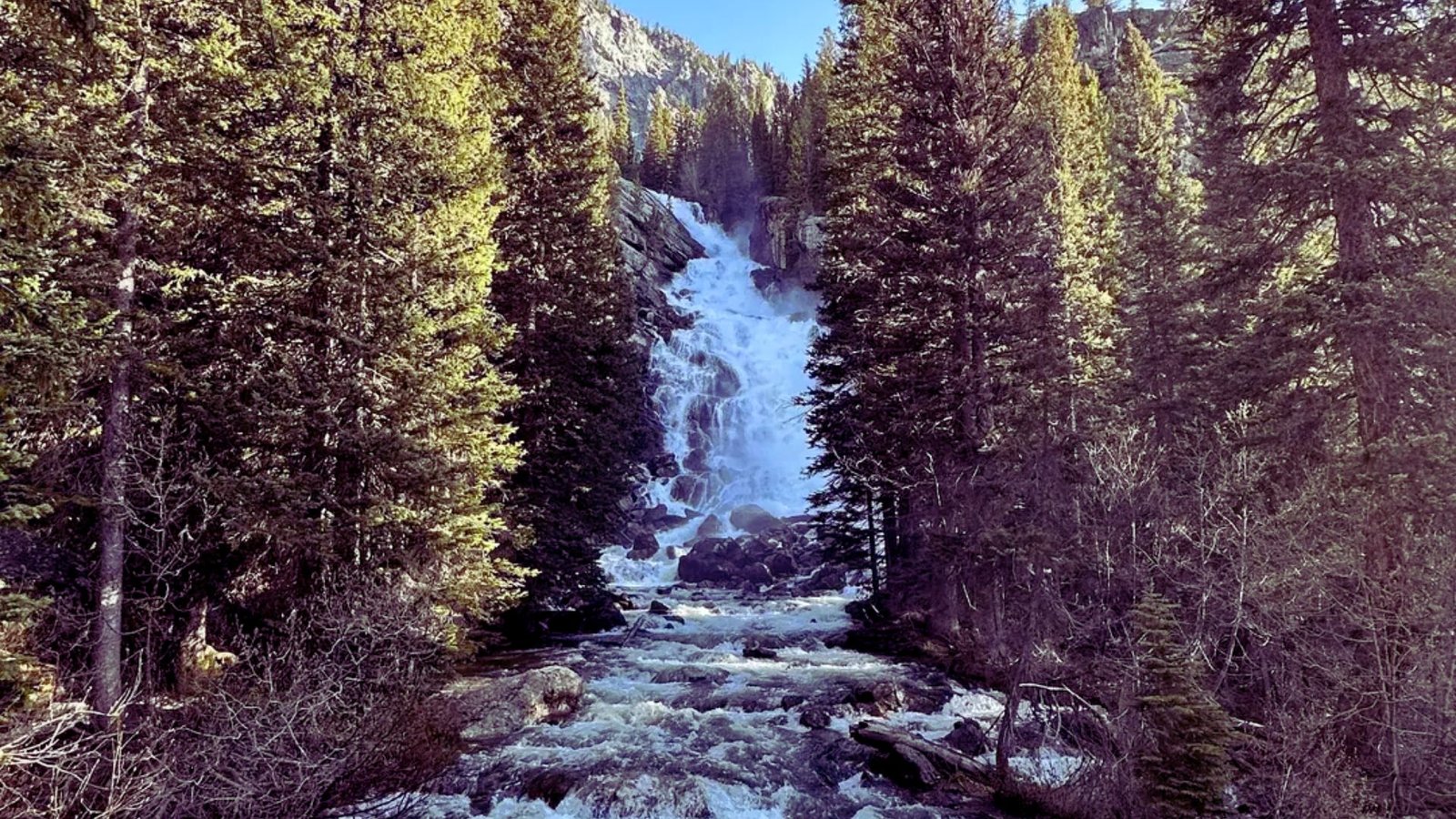
Easy 1-mile walk from ferry to a beautiful 200-foot waterfall, shortcut option using boat shuttle.
The boat shuttle saves nearly 5 miles of hiking, allowing an easy forest walk to this spectacular cascade tumbling over granite cliffs with impressive early-summer flow.
8. Inspiration Point
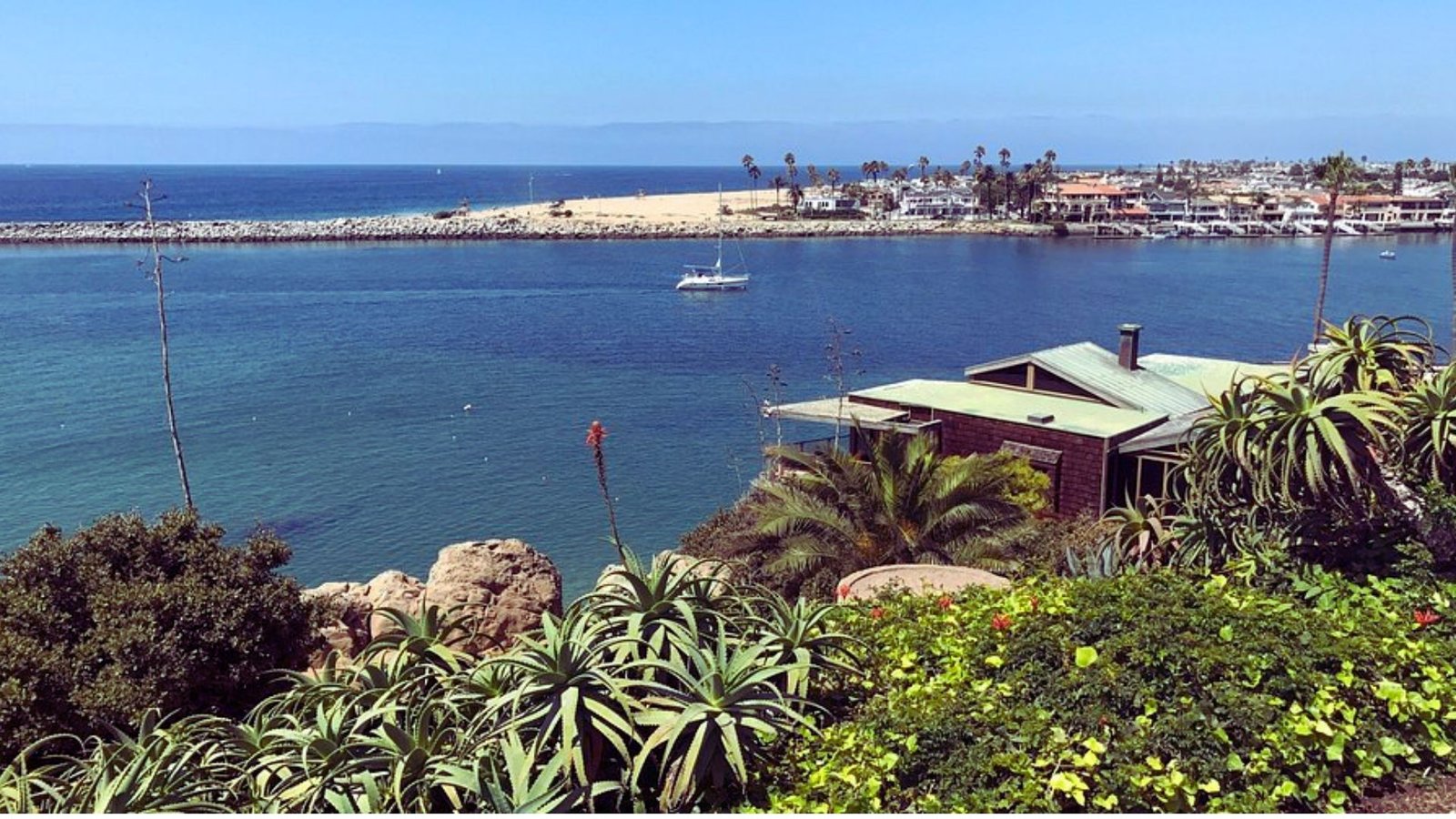
Another 0.5 miles beyond Hidden Falls with breathtaking Jenny Lake and Cascade Canyon panoramas at 7,200 feet.
Switchbacks gain 400 feet to this dramatic overlook providing one of the park’s most photographed vistas of Jenny Lake below and the Cathedral Group peaks across the valley.
9. Jenny Lake East Shore
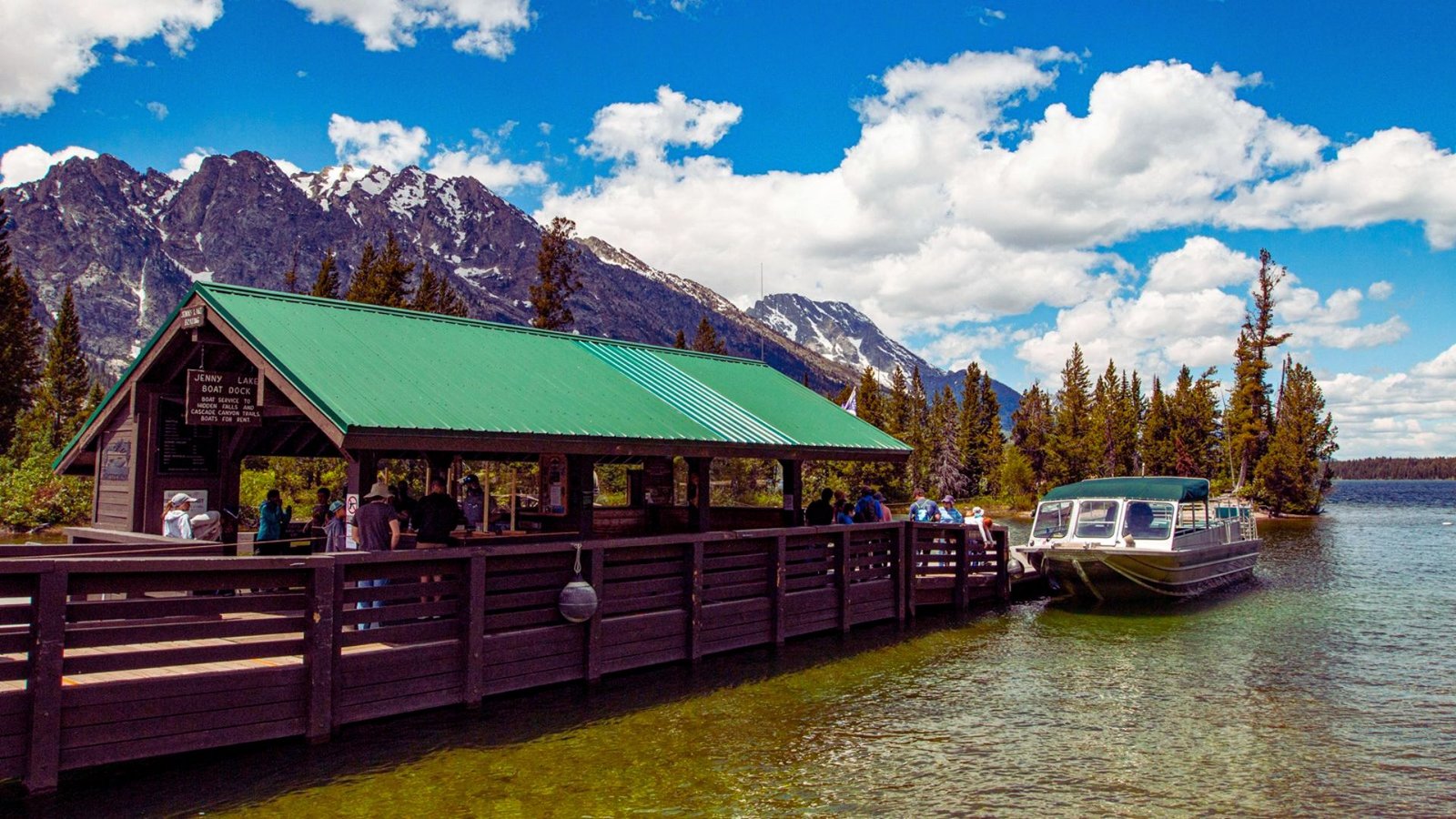
Scenic 2.5-mile flat trail along the lake’s eastern edge with incredible mountain reflections and beach access.
This level, well-maintained path offers continuous views across pristine waters to the Cathedral Group, with small beaches inviting rest stops and morning light creating mirror-perfect reflections.
10. Jenny Lake South Shore
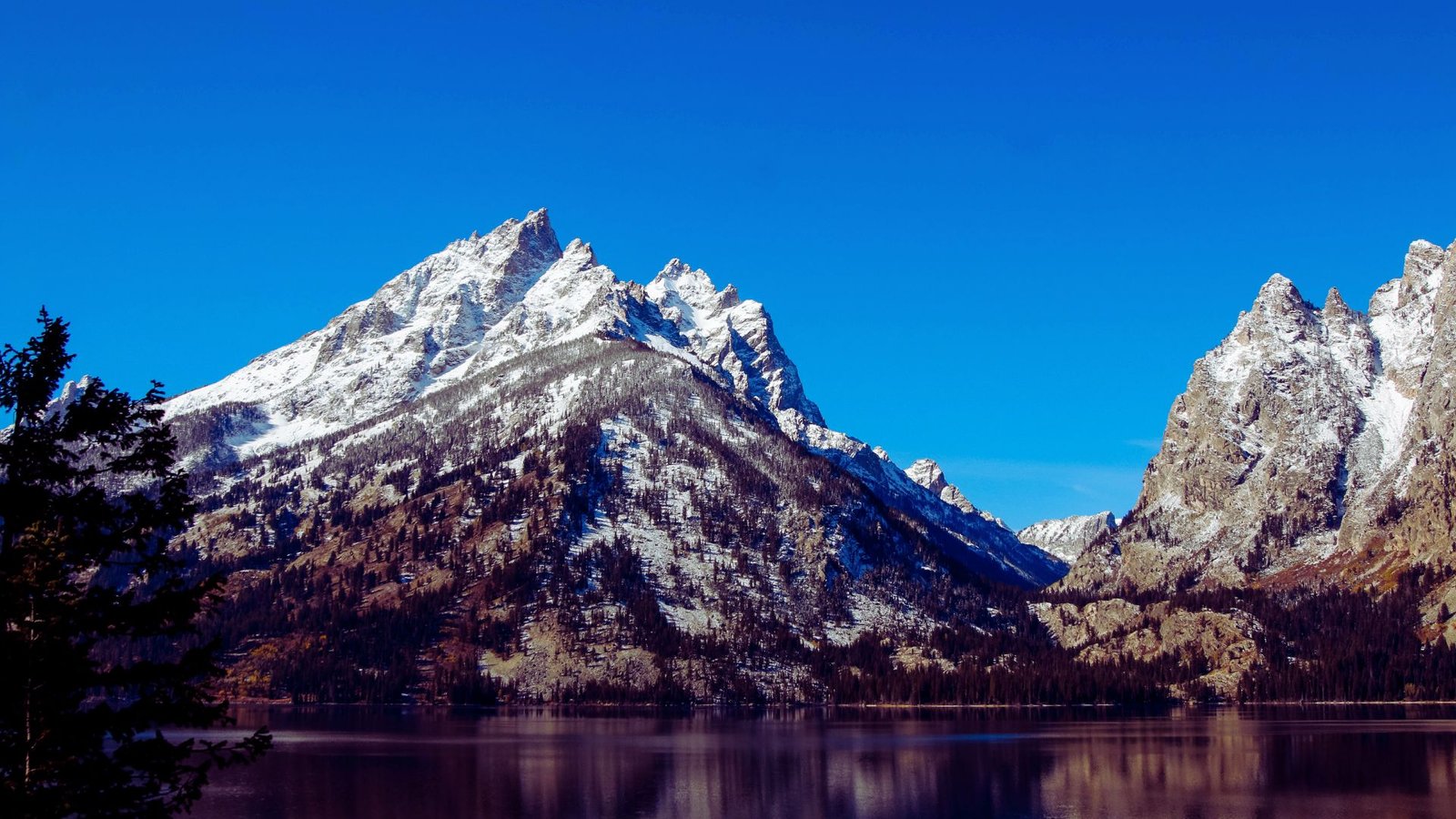
Continuation of the lakeshore path offering quieter stretches and dramatic views of the Cathedral Group peaks.
This 2-mile section provides more secluded hiking with massive glacial boulders, shifting perspectives of Mount Teewinot and the Grand Teton, and excellent sunset viewing spots.
11. Taggart Lake & Bradley Lake Loop
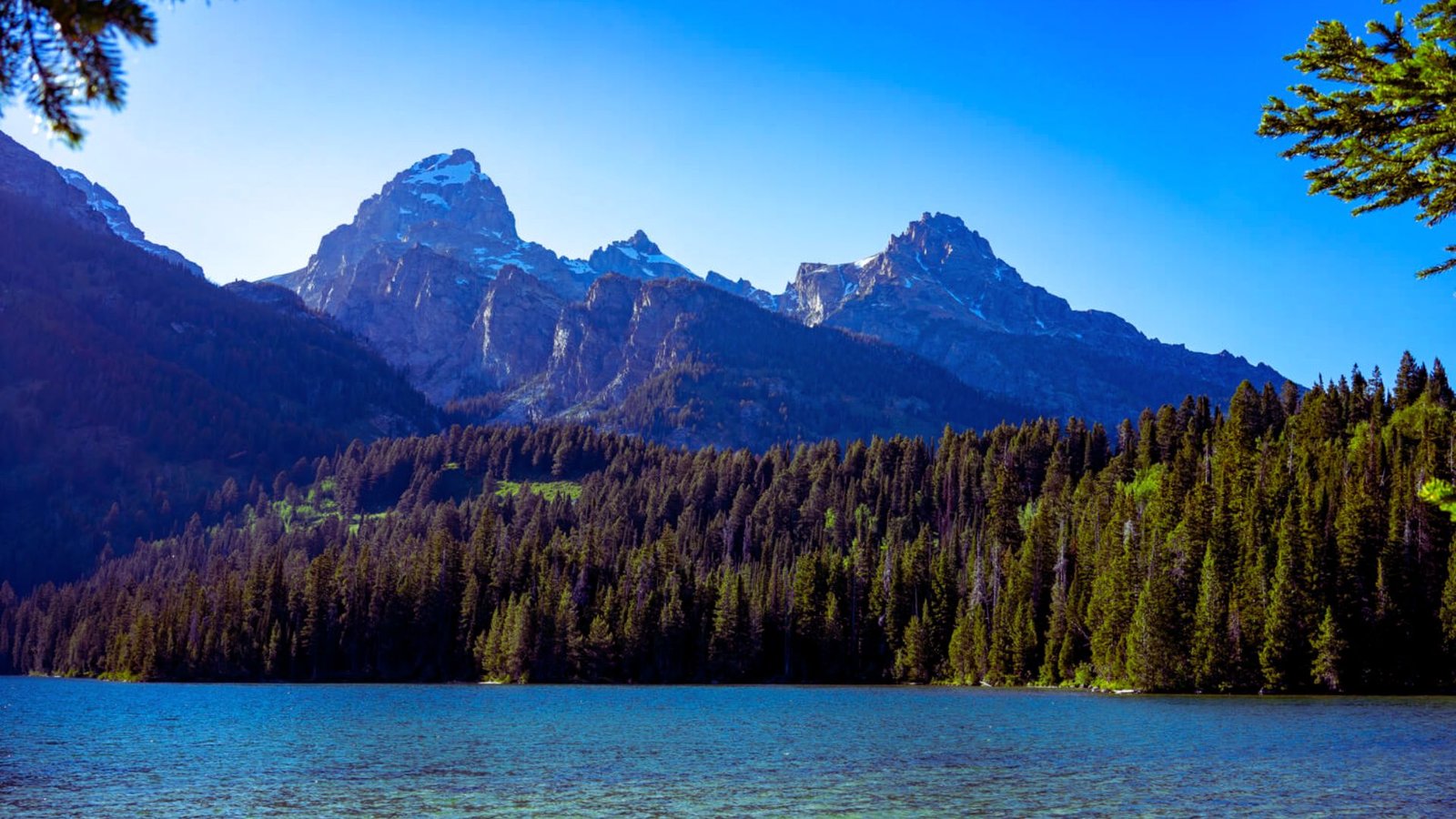
Extended 6-mile moderate loop connecting both pristine alpine lakes through mixed forest and meadows.
This rewarding hike combines two beautiful glacial lakes with 800 feet total elevation gain, passing through wildfire regeneration areas and offering excellent wildlife viewing opportunities.
12. Phelps Lake via Valley Trail
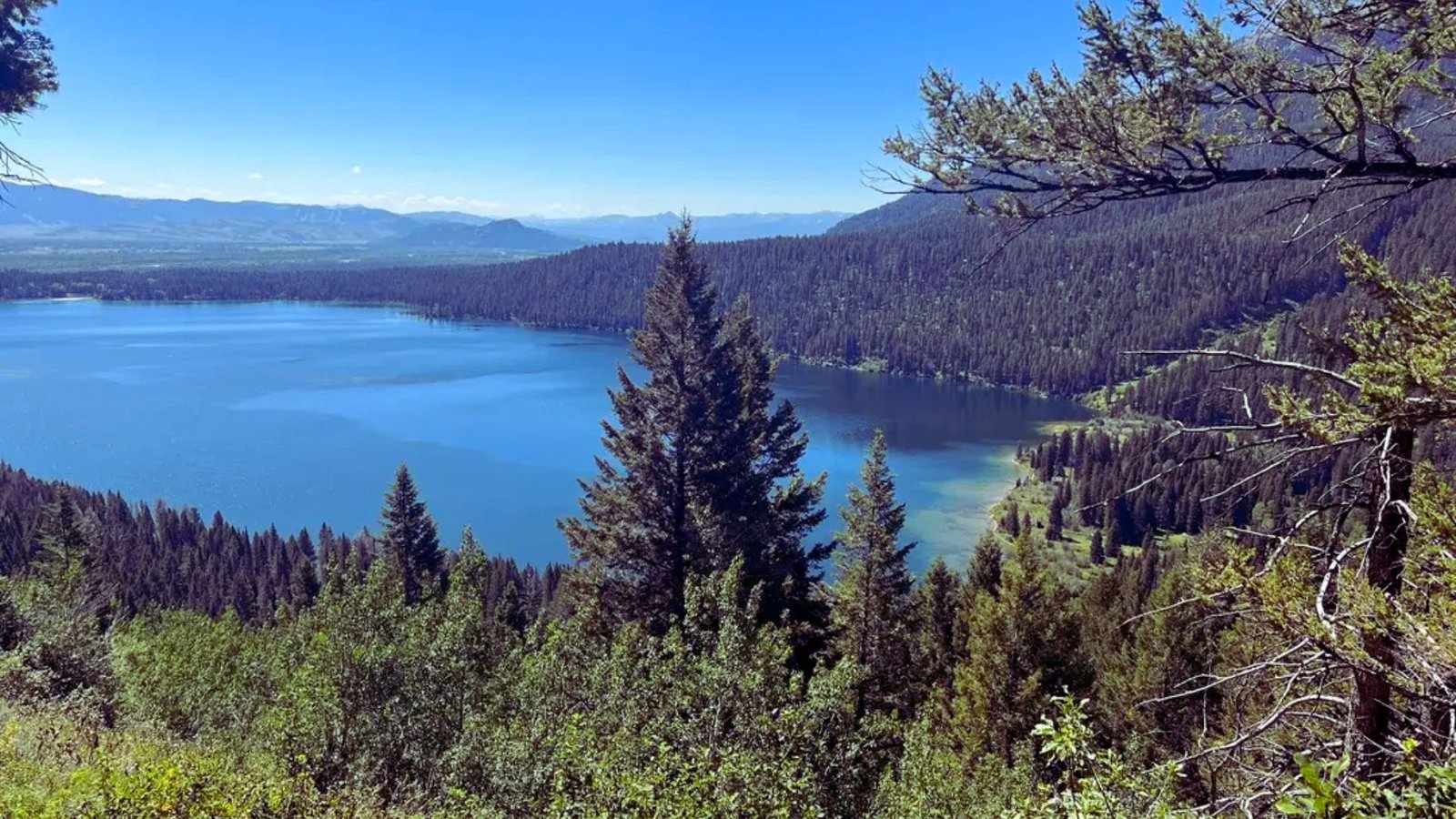
Moderate 4.5-mile hike descending to the lake shore with options for swimming and backcountry exploration.
Starting from the Rockefeller Preserve, this trail descends 600 feet to a beautiful pebble beach popular for swimming, with trails continuing toward Death Canyon for extended adventures.
13. Jenny Lake Loop
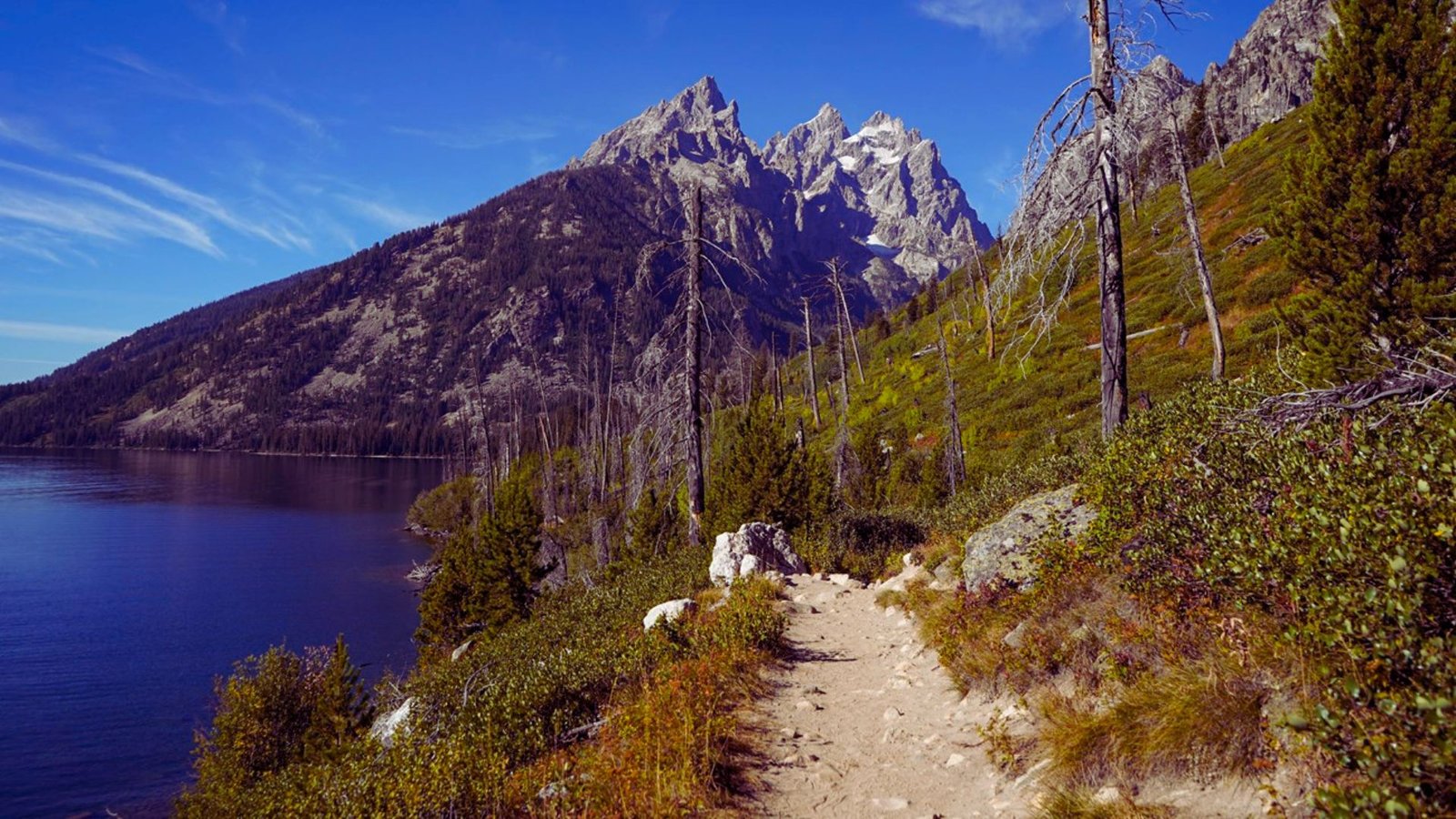
Classic 7.5-mile loop circling the entire lake with varied terrain, forests, and continuous mountain vistas.
This popular circumnavigation combines spectacular scenery with moderate challenge, featuring beach access, forest sections, and 800 feet of cumulative gain through diverse ecosystems.
14. Cascade Canyon (Lower Section)
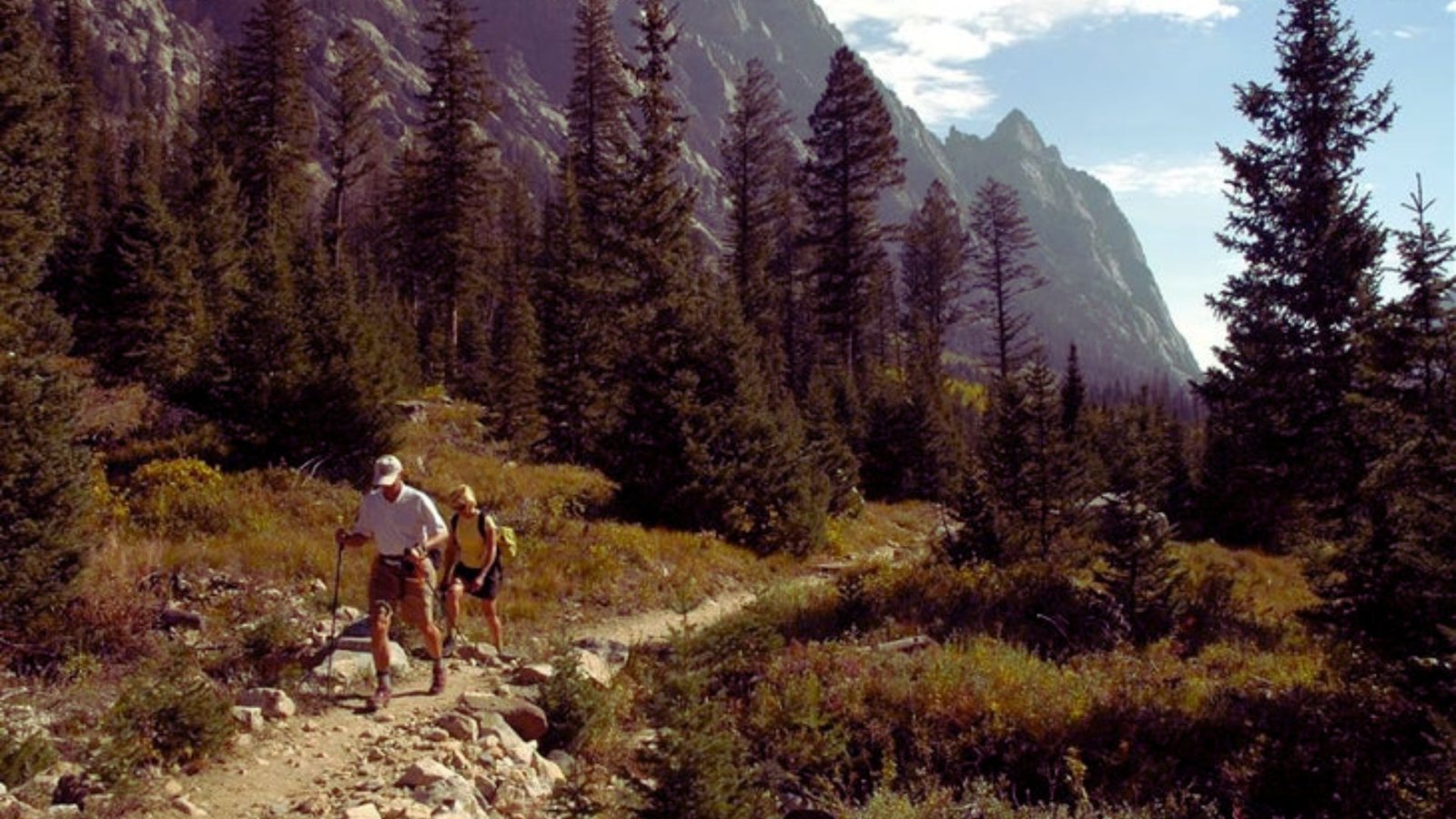
Moderate 9-mile round-trip into a spectacular glacier-carved canyon with waterfalls and potential moose encounters.
The trail follows Cascade Creek through a classic U-shaped glacial valley with 640 feet of elevation gain, towering walls, side waterfalls, and excellent moose habitat.
15. Death Canyon Trail
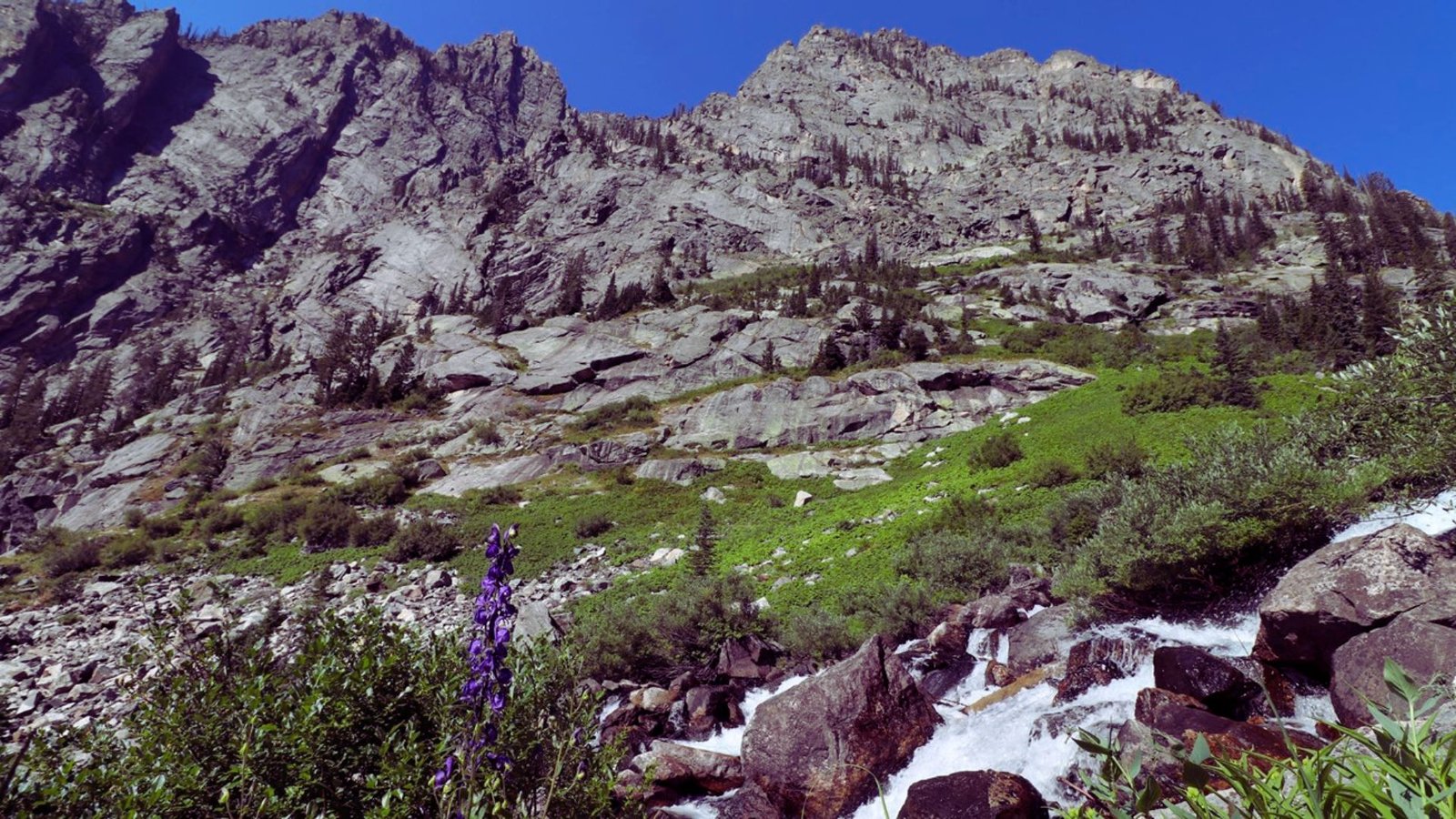
Challenging 8-mile trek into a dramatic canyon with 2,000-foot elevation gain and rugged backcountry scenery.
After descending to Phelps Lake, the trail climbs steadily into Death Canyon’s narrow mouth with massive walls, wildflower meadows, and remote wilderness character.
16. Amphitheater Lake (Alternative Route)
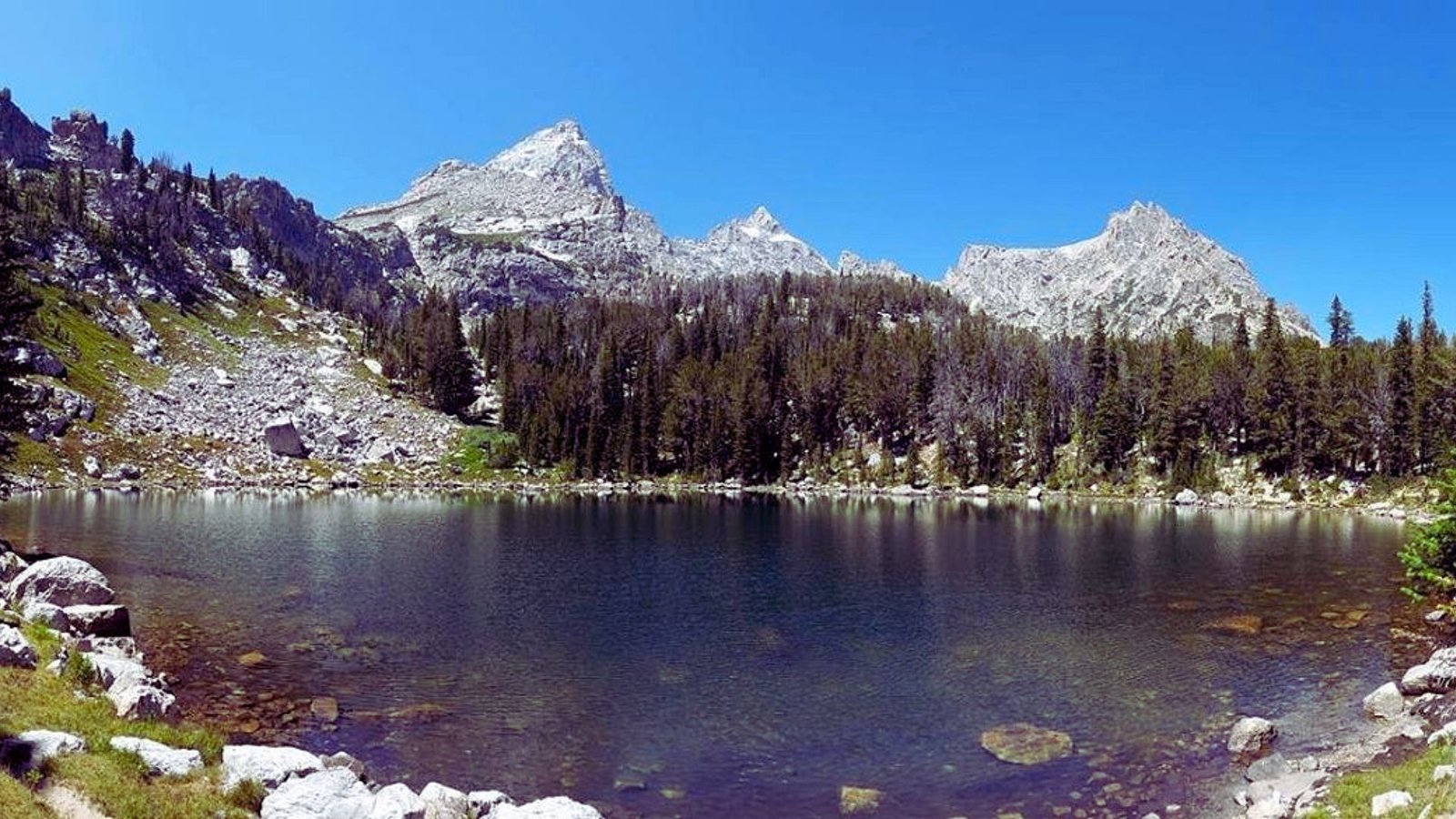
Strenuous alternate approach via Garnet Canyon offering different perspectives and slightly less traffic.
This route involves more scrambling through spectacular rocky terrain with perfect views of the Middle and South Tetons, suitable only for experienced mountain hikers.
17. Surprise & Amphitheater Lakes
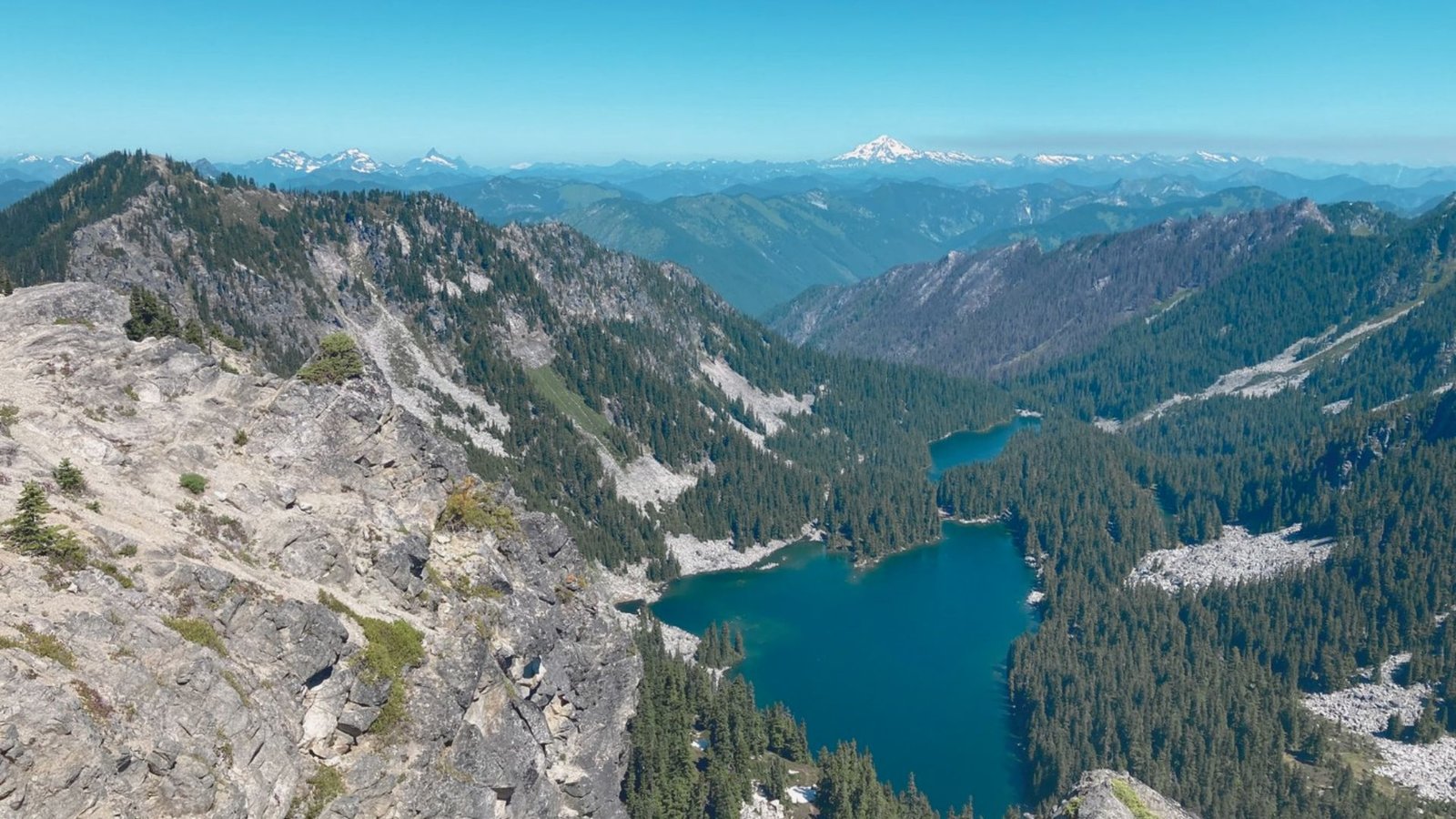
Demanding 10-mile, 3,000-foot climb to two stunning alpine lakes perched in high cirques.
Relentless switchbacks from Lupine Meadows climb at 1,000 feet per mile to reach these pristine lakes at 9,500+ feet, dramatically positioned below Disappointment Peak and the Grand Teton.
18. Lake Solitude
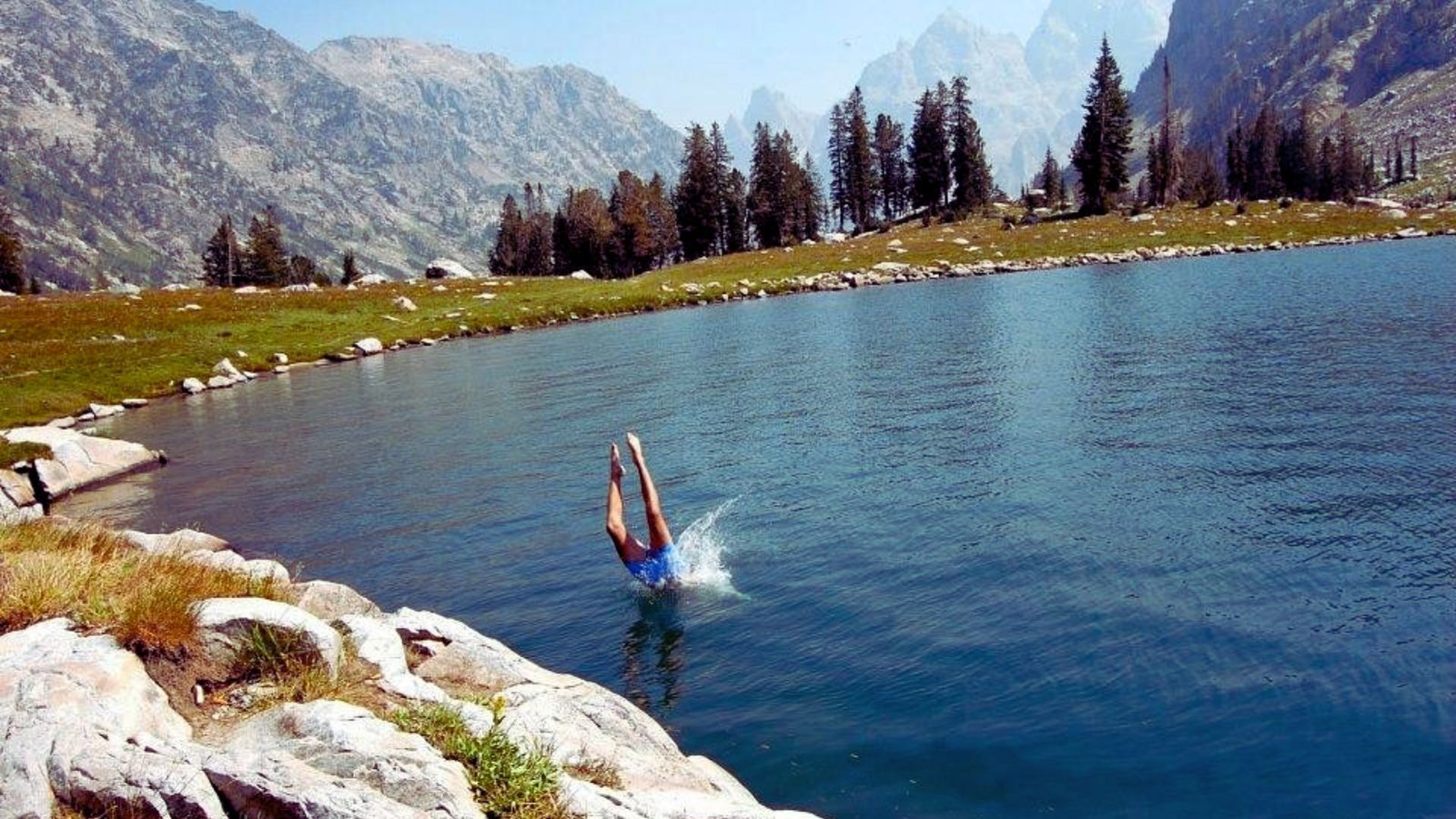
Epic 14-mile round-trip through Cascade Canyon to a remote high-altitude lake at 9,035 feet elevation.
This ambitious journey ventures deep into the Teton wilderness with 2,300 feet of elevation gain, passing through increasingly dramatic terrain to reach a sublime cirque lake surrounded by jagged peaks.
19. Delta Lake
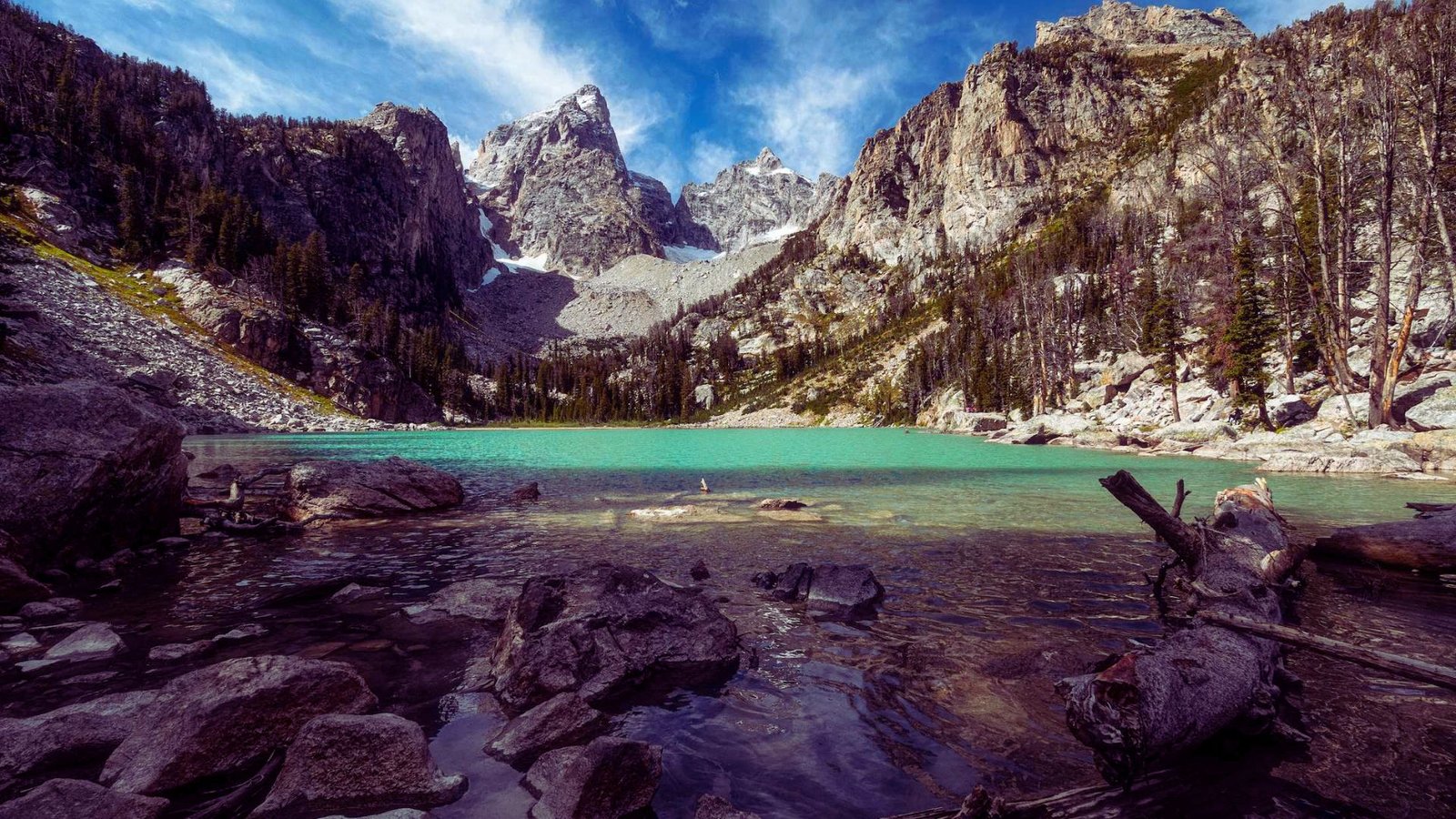
Strenuous 7.4-mile hike with steep 2,300-foot gain to a brilliant turquoise glacier-fed lake below the Grand Teton.
This unmarked climber’s trail requires scrambling through rough terrain to reach the stunning glacial-blue lake at 9,060 feet in a dramatic amphitheater setting.
20. Table Mountain
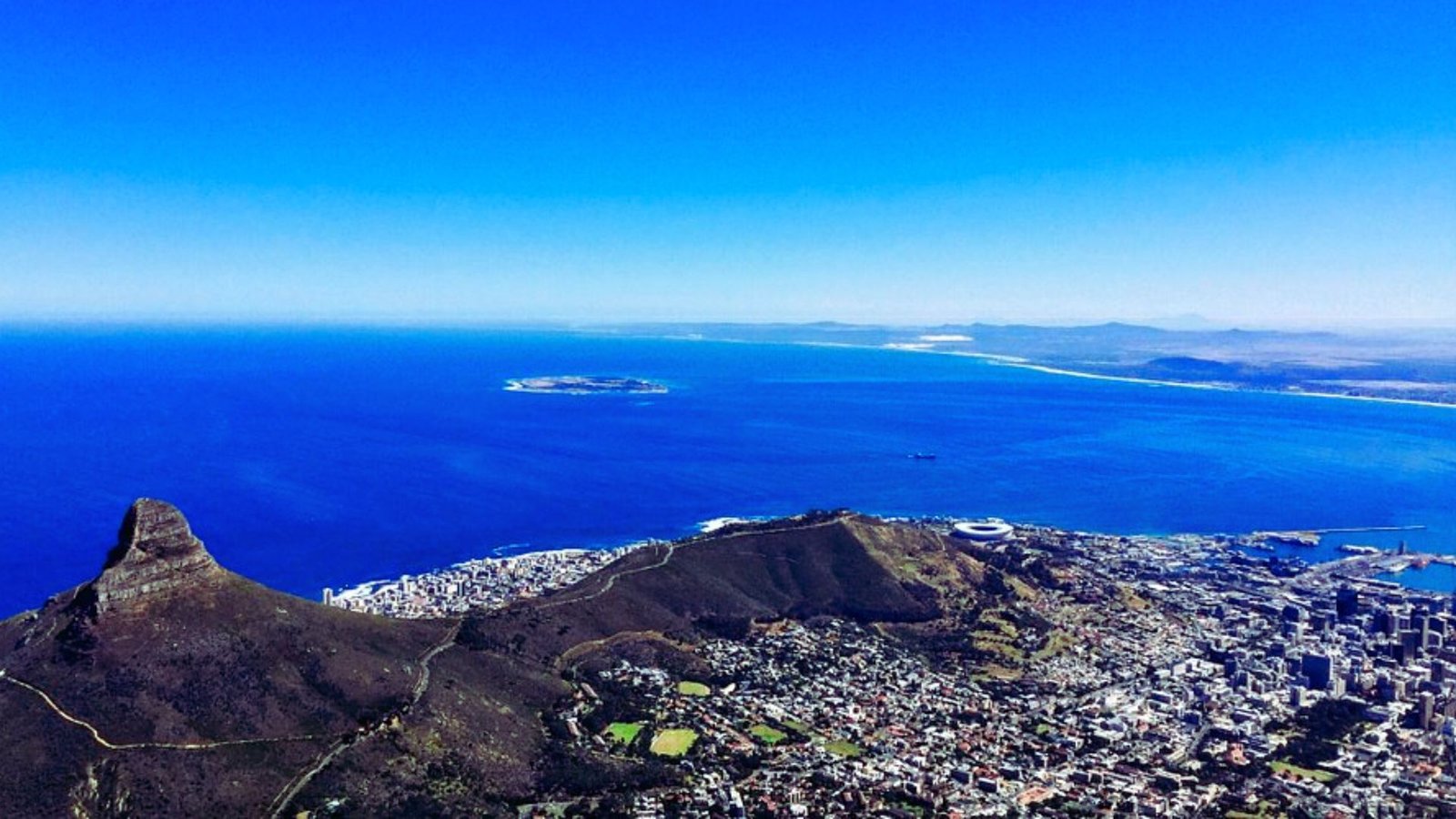
Incredibly challenging 12-mile climb via Idaho side gaining 4,000 feet to summit overlooking the Grand Teton’s west face.
This epic trail ascends to the 11,106-foot summit offering one of mountaineering’s most spectacular views of the Grand Teton’s massive western face rising across the divide.
21. Death Canyon to Static Peak Divide
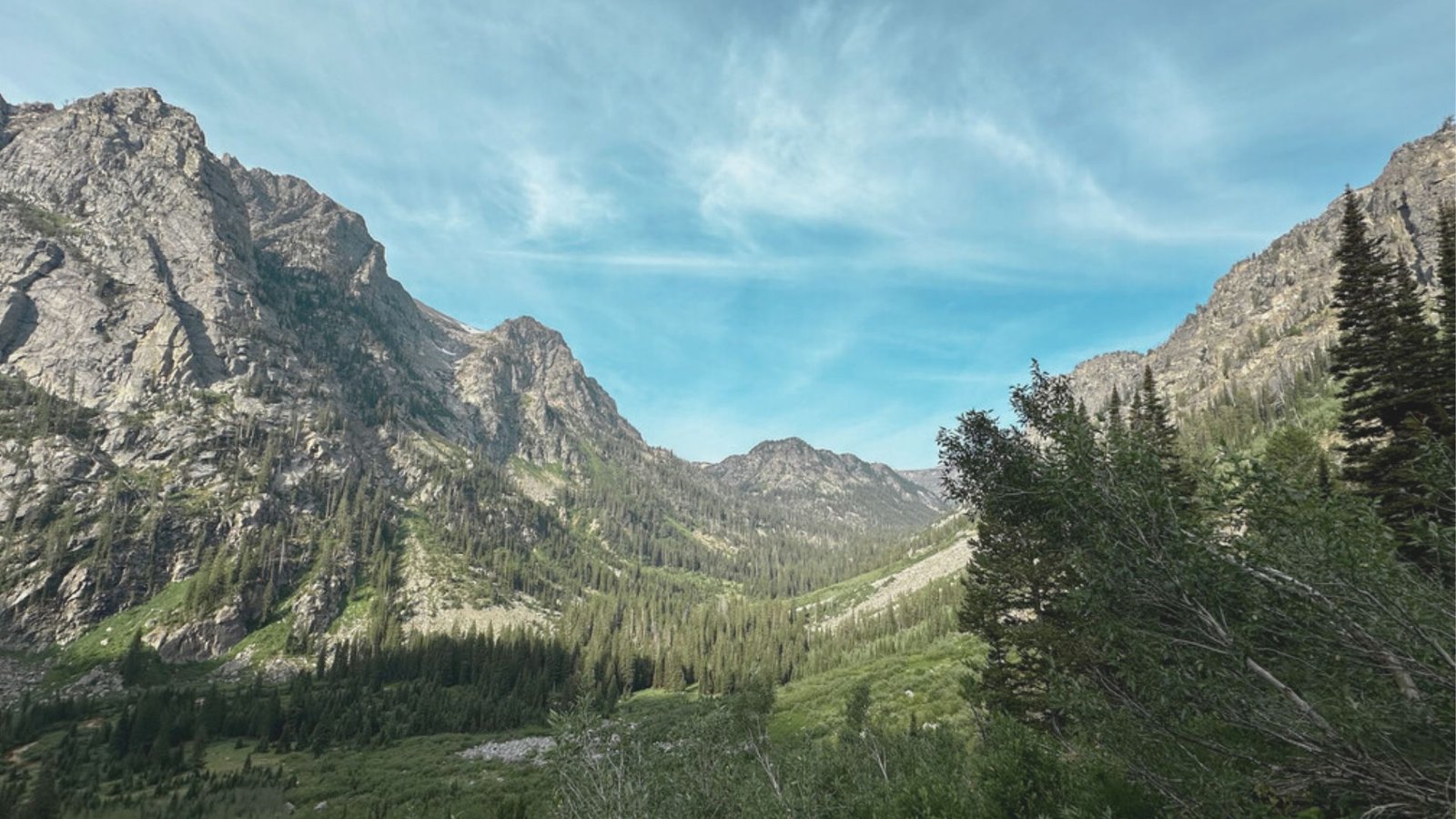
Extreme 16-mile backcountry adventure with 4,500-foot gain to a high alpine divide with 360-degree views.
This expedition-level hike climbs to the 10,790-foot divide between Death Canyon and Alaska Basin, offering panoramic Teton Range views in harsh, beautiful alpine environments.
22. Paintbrush Canyon–Cascade Canyon Loop
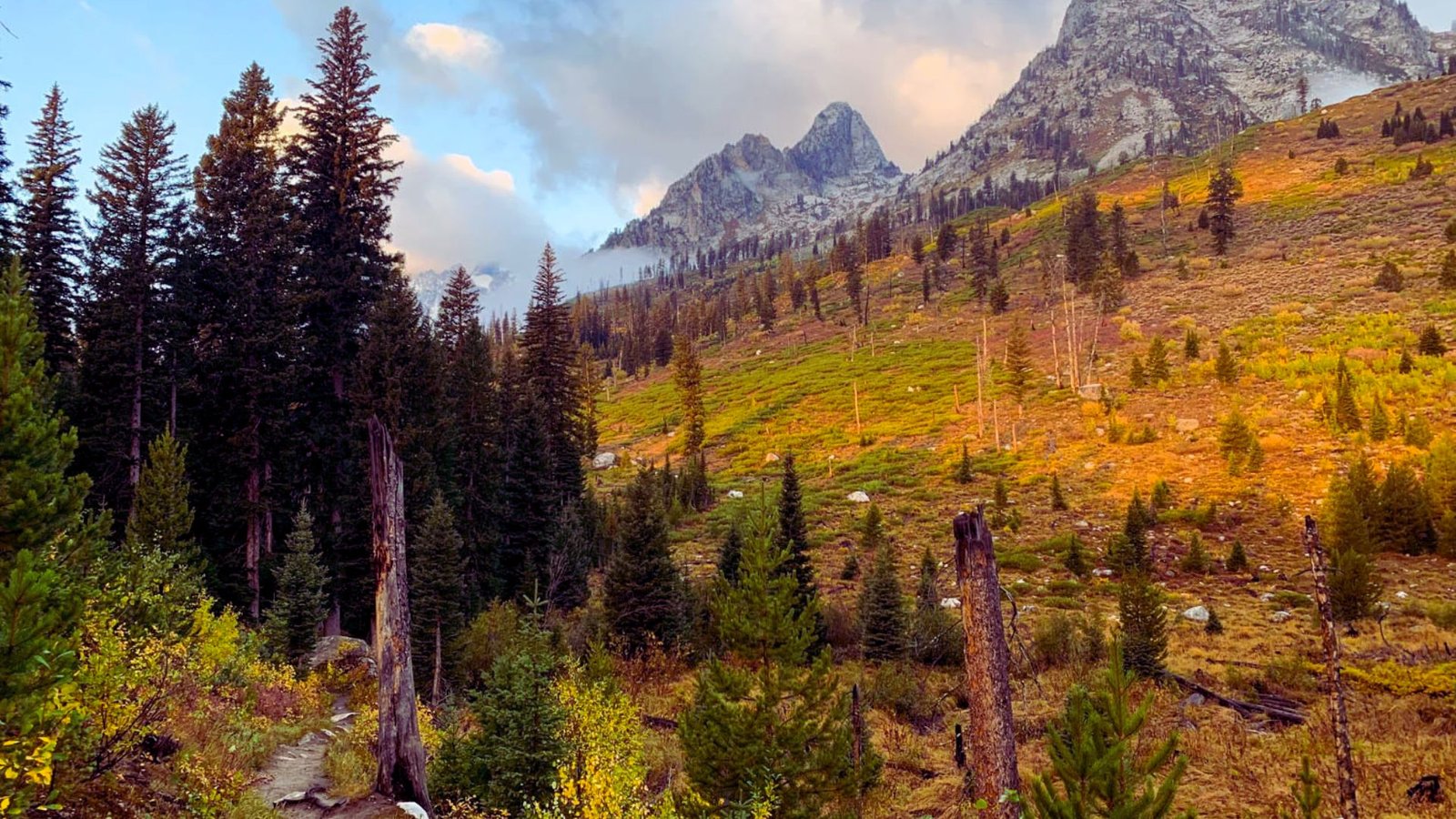
Legendary 19-mile loop crossing 10,700-foot Paintbrush Divide, the park’s premier backpacking route (doable as long day hike).
This iconic loop combines two spectacular canyons with 4,500 feet of elevation gain, crossing an exposed alpine pass and passing through every life zone from lake shores to high tundra.
23. Teton Crest Trail (Day Hike Section)
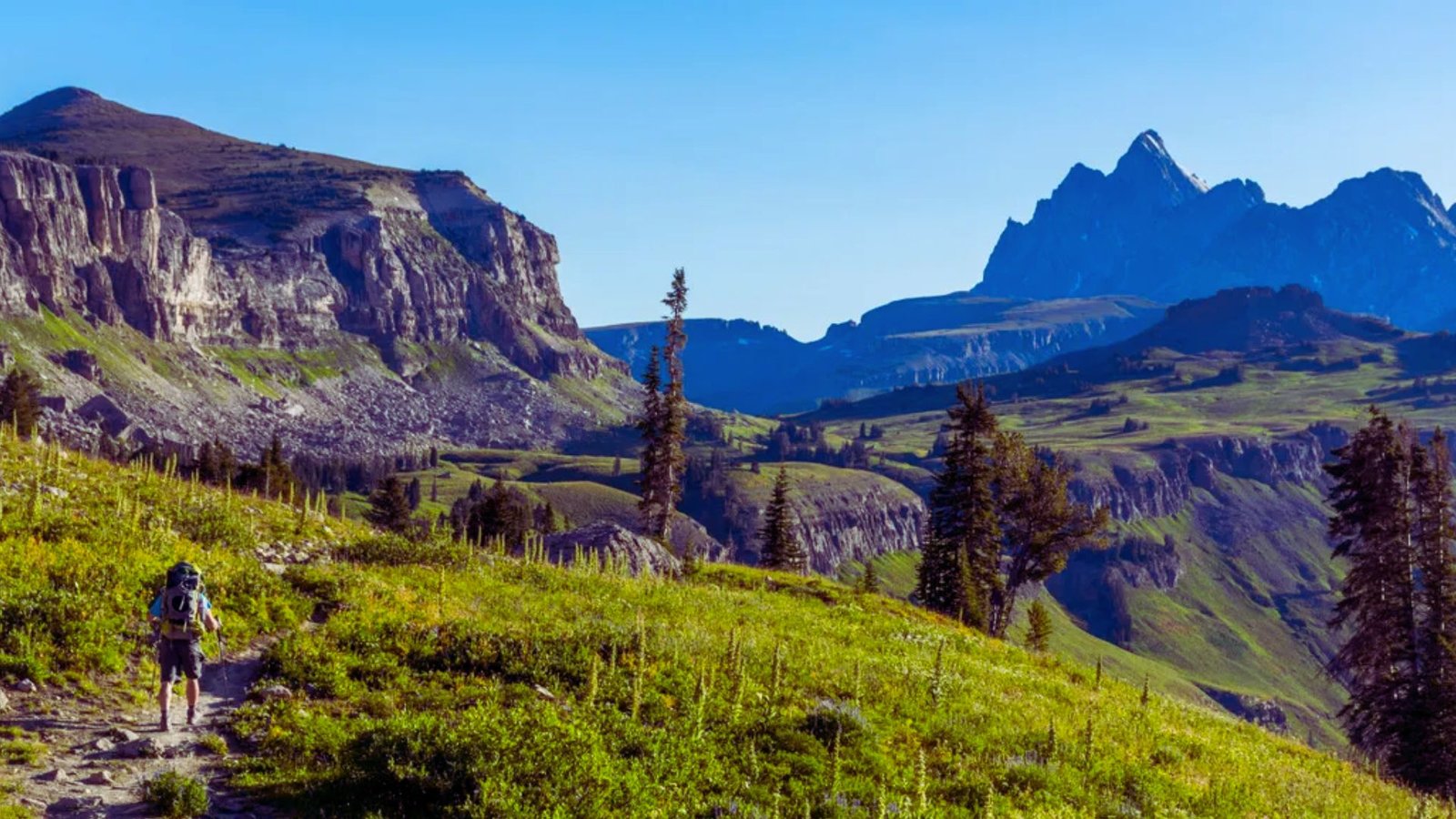
Sample portions of the iconic 40-mile high-route, typically hiking from Tram to Marion Lake and back (14+ miles).
The Jackson Hole Tram provides instant access to spectacular alpine terrain at 10,450 feet, allowing day-hikers to visit high meadows, snowfields, and continuous panoramic views along the famous crest route.
Safety Tips for Hiking in Grand Teton National Park
These mountains demand respect and preparation.
- Carry bear spray on your hip. Both black bears and grizzlies live here. Make noise on blind corners. Never run from a bear. Back away slowly while facing the animal.
- Start hikes early to avoid afternoon storms. Get below the treeline by 1 PM. Lightning kills on exposed ridges. Descend immediately if you hear thunder.
- Watch for altitude sickness. Headaches, nausea, and dizziness mean you need to go down. Drink water before you feel thirsty.
- Download maps before entering the park. Cell service is terrible. Check your map frequently at trail junctions. Wrong turns waste hours.
- Tell someone your plans. Leave your itinerary with a friend or at your hotel before heading out.
Tips to Avoid Crowds & Find Parking
Popular trails fill up fast in summer.
- Hit the trail by 6 or 7 AM. Parking lots fill by 8 AM at Jenny Lake and String Lake. Early starts beat the rush.
- Hike midweek instead of weekends. Tuesday and Wednesday see half the people. Avoid Saturday and Sunday chaos.
- Use less popular trailheads. Death Canyon and Granite Canyon get you into the backcountry with fewer crowds than Jenny Lake.
- Visit in September for ideal conditions. Crowds thin out after Labor Day. The weather stays good through mid-month. June has fewer people but more snow and mud on high trails.
- Avoid July 4th week. Parking chaos and crowded trails make this the worst time to visit. Pick any other week for a better experience.
Conclusion
I still remember my first Teton hike. I picked a trail way too hard and suffered through it. That’s why I built this guide.
You now have 23 options ranked by difficulty, plus maps and real advice. Pick something that matches your current fitness. Start small if you’re unsure.
The mountains will still be there tomorrow for a harder route. Which trail are you going to try first? Drop a comment below and let me know how it goes.
Frequently Asked Questions
What Are the Best Grand Teton Hikes for Beginners?
Taggart Lake (3.2 miles) and Lakeshore Trail (2 miles) work perfectly for new hikers. Both offer mountain views and minimal elevation gain. Schwabacher’s Landing provides a flat, 1-mile option with wildlife viewing potential.
Are Grand Teton Hikes Good for Kids?
Yes, many trails suit families with children. Keep distances under 3 miles for younger kids. Lakeshore Trail, Taggart Lake, and Schwabacher’s Landing all work well. Pack extra snacks and plan for frequent stops.
Do I Need a Permit for Day Hikes?
No permits required for day hiking in Grand Teton. You only need your park entrance pass ($35 per vehicle for 7 days). Overnight backpacking requires backcountry permits booked in advance through the park system.
Are Dogs Allowed on Trails?
Dogs cannot go on trails in Grand Teton National Park. Pets are only allowed on roads, parking areas, and campgrounds. This rule protects wildlife and prevents conflicts with bears.
When Is the Best Time to Hike Grand Teton?
July through September offers the most reliable conditions. All trails open by mid-July when snow melts from high elevations. September provides fewer crowds and cooler temperatures while weather remains mostly stable.