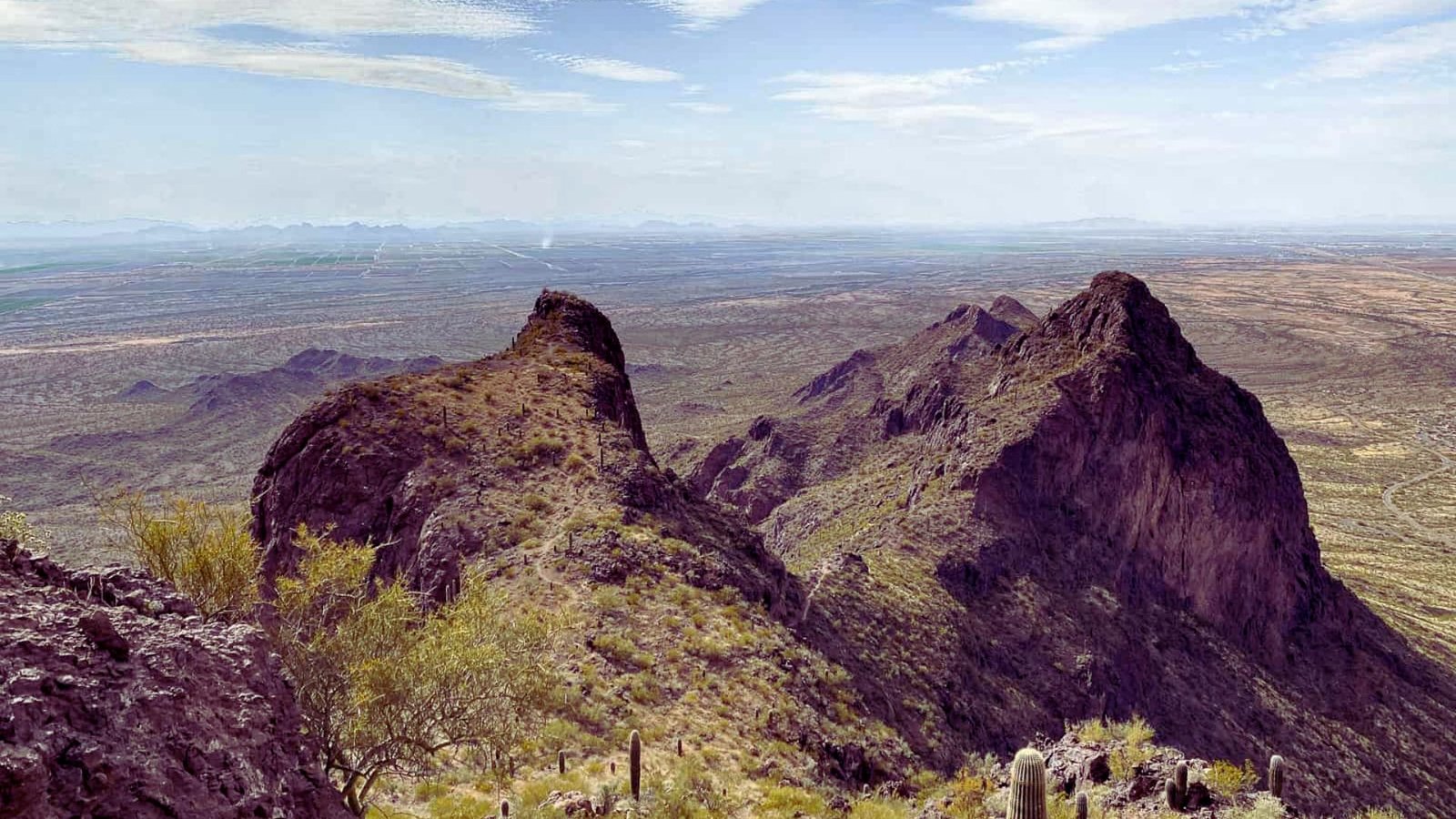

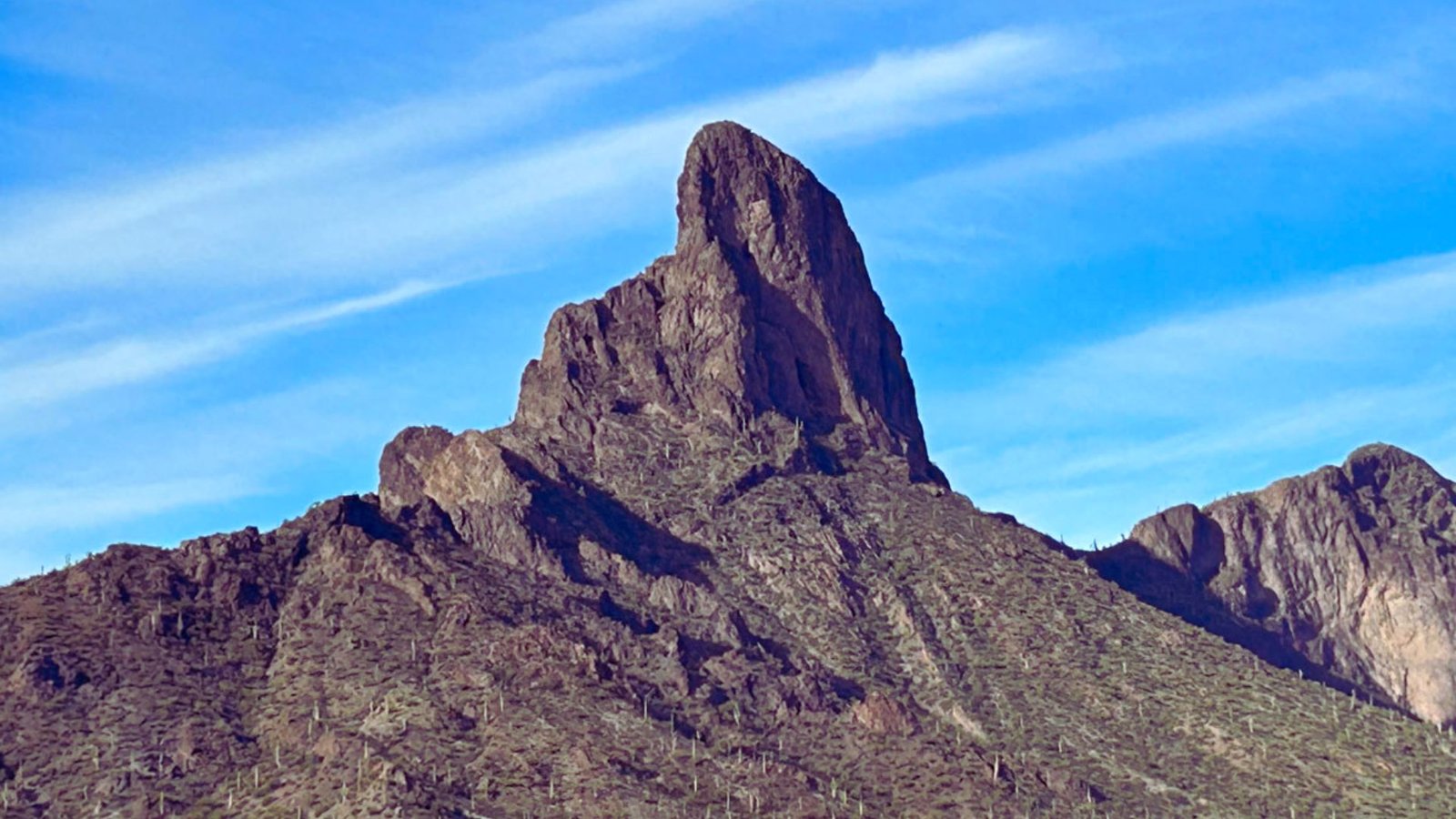
Picacho Peak rises 1,500 feet above the desert floor. This Arizona landmark sits between Phoenix and Tucson, calling to hikers who crave a challenge.
You’re here because you want the facts. How hard is the climb? What gear do you need? Are those cables safe? I’ll answer all of that.
I’ve hiked this peak myself, and I’ve helped hundreds of readers prepare for it. This guide covers everything from parking to summit.
You’ll learn the trail breakdown, safety tips, and what makes this hike special. No fluff. Just practical advice you can trust.
Let’s get you ready to climb.
Why Picacho Peak Is One of Arizona’s Most Popular Hikes
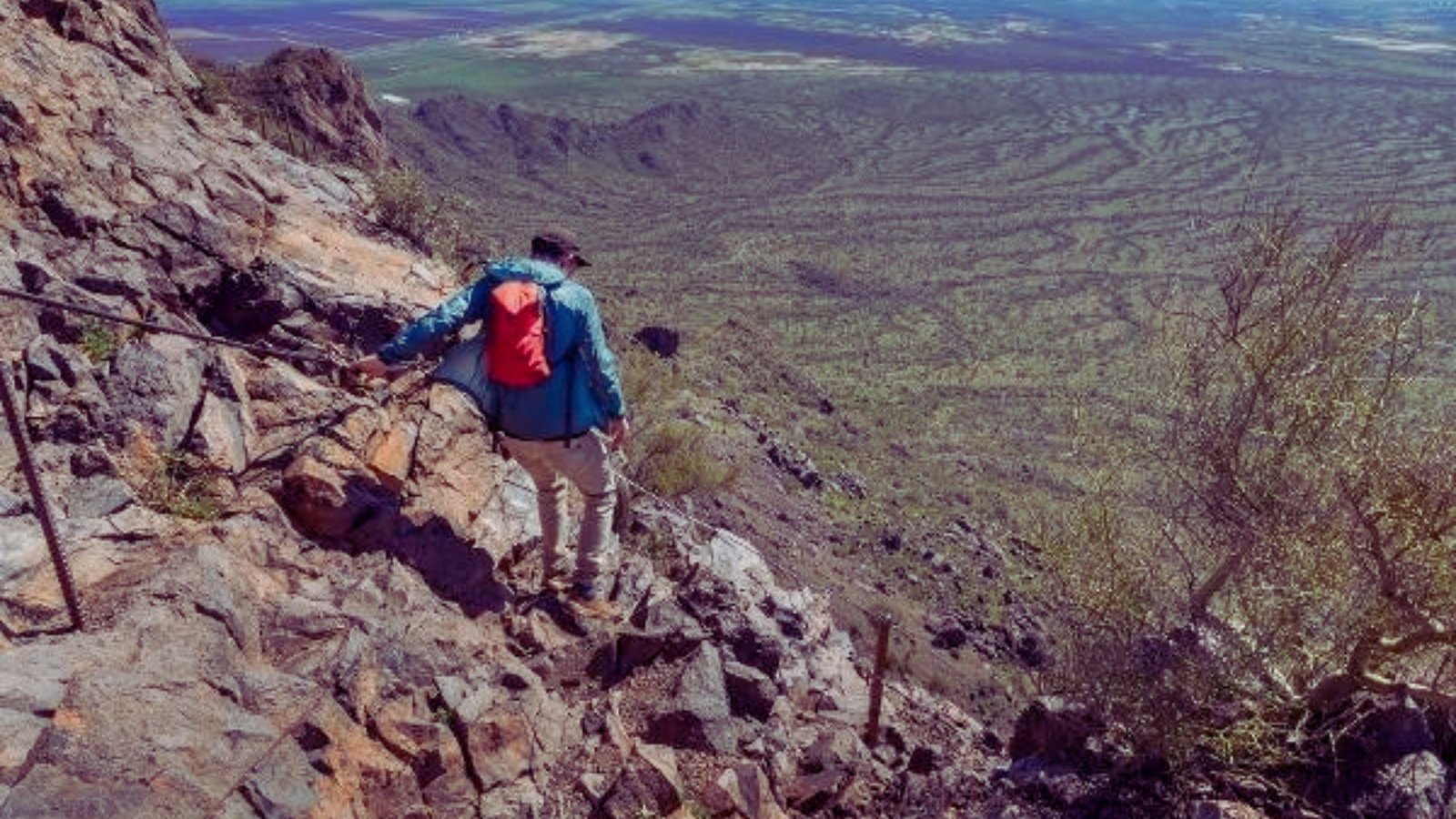
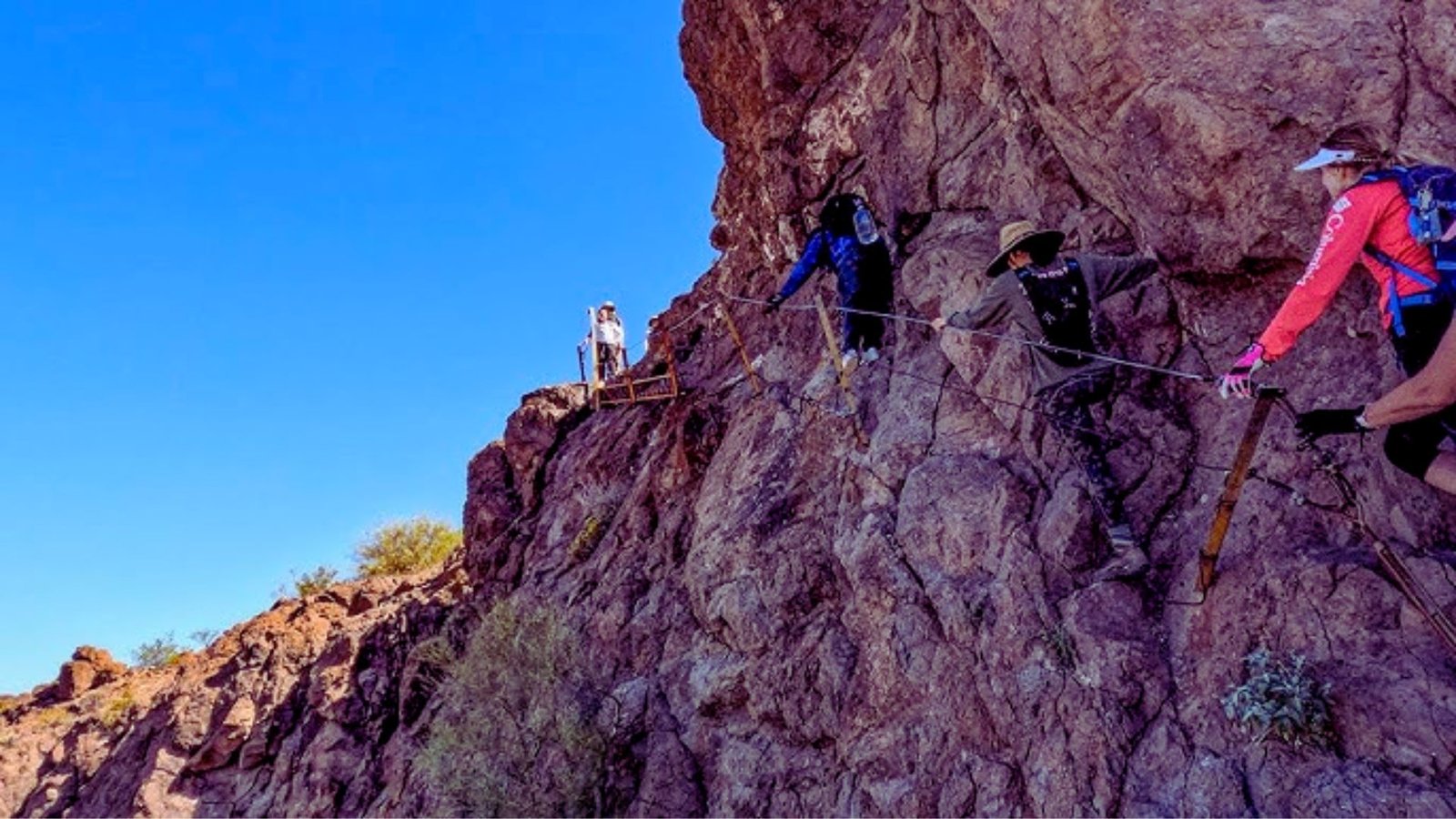
The cables make this hike famous. They turn a difficult scramble into an achievable challenge for fit hikers. Peak season brings hundreds of climbers each weekend.
The trail offers something most Arizona hikes don’t: vertical climbing sections that feel like mild rock climbing.
Views from the summit stretch 50 miles in every direction. You’ll see mountain ranges, desert valleys, and the curve of the Earth.
Spring wildflowers draw photographers from across the state. When conditions align, the desert blooms with gold poppies, lupine, and desert marigolds.
The hike tests you without requiring technical climbing skills. It sits in that sweet spot between hiking and mountaineering.
Picacho Peak Hike Length, Distance & Elevation Gain
The Hunter Trail covers 3 miles round trip with 1,500 feet of climbing packed into a short but brutal ascent.
Picacho Peak Hike Distance
The round trip is only 3 miles, but it feels much longer due to the steep, technical terrain.The Hunter Trail measures 1.5 miles from trailhead to summit. Round trip totals 3 miles.
Those 3 miles pack more punch than most 10-mile hikes. The steep grade and cable sections slow your pace significantly.
Other trails in the park offer different distances. The Sunset Vista Trail runs 3.2 miles round trip but doesn’t reach the summit.
Plan for slower mileage than normal. Your typical hiking pace won’t apply here.
Picacho Peak Hike Length (Out & Back vs Loop Options)
You’ll retrace your steps on this out-and-back trail with no loop alternatives available.
The Hunter Trail is an out-and-back route. You’ll return the way you came.
No loop option exists for the summit trail. The mountain’s steep faces limit routing options.
Some hikers combine shorter trails at the base for variety. The Calloway Trail can add distance without the summit’s intensity.
Most people focus on the Hunter Trail alone. It’s the main attraction.
Picacho Peak Hike Elevation Gain
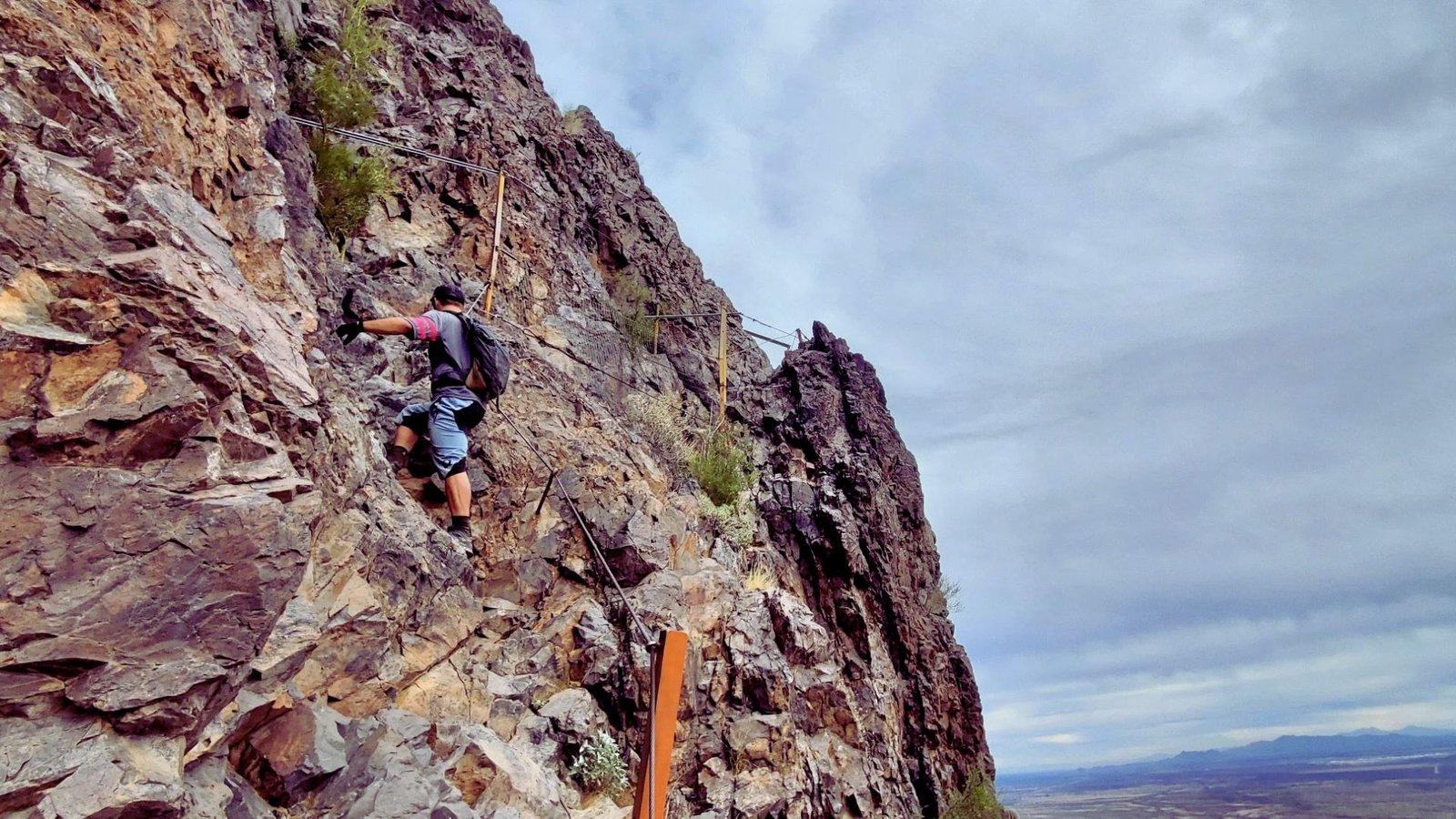
You’ll climb 1,500 vertical feet, equivalent to scaling a 150-story building on rocky terrain.
You’ll climb 1,500 feet from trailhead to summit. That’s a 20% average grade, with some sections steeper.
The first mile gains 1,200 feet. The final half-mile gains the remaining 300 feet but includes the most technical sections.
This elevation gain compares to climbing a 150-story building. Your legs will feel it.
The descent challenges your knees and ankles. Going down steep terrain requires just as much care as going up.
How Long is Picacho Peak Hike?
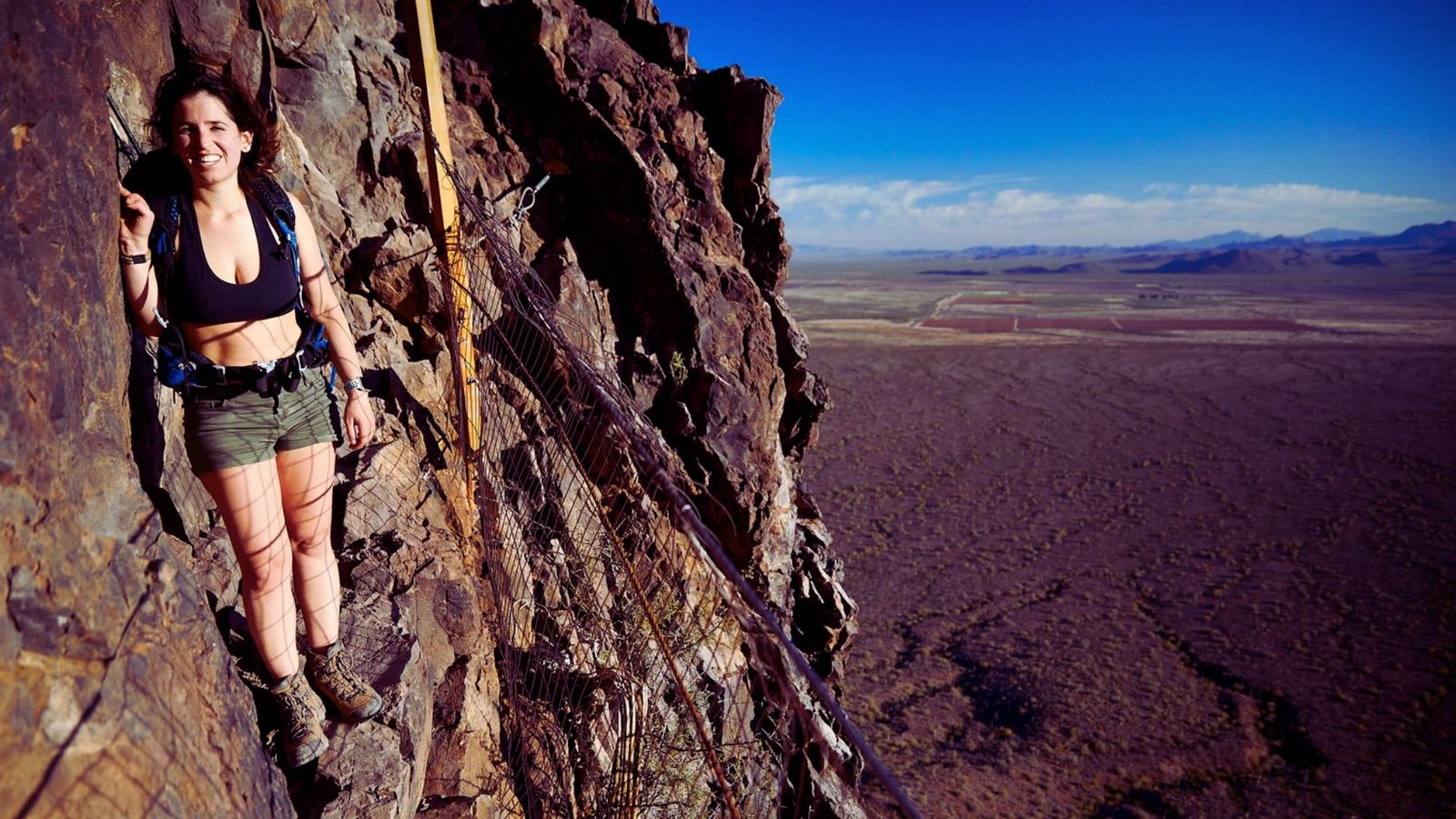
Most hikers spend 2.5 to 3.5 hours completing the round trip, including rest breaks and summit time.
Most hikers need 2.5 to 3.5 hours total. That includes summit time and breaks.Ascending takes 1.5 to 2 hours. Descending usually takes 1 to 1.5 hours.
Fast hikers can complete it in 2 hours. Beginners might need 4 hours.Don’t rush. The cables require focus. Tired hands lead to mistakes.
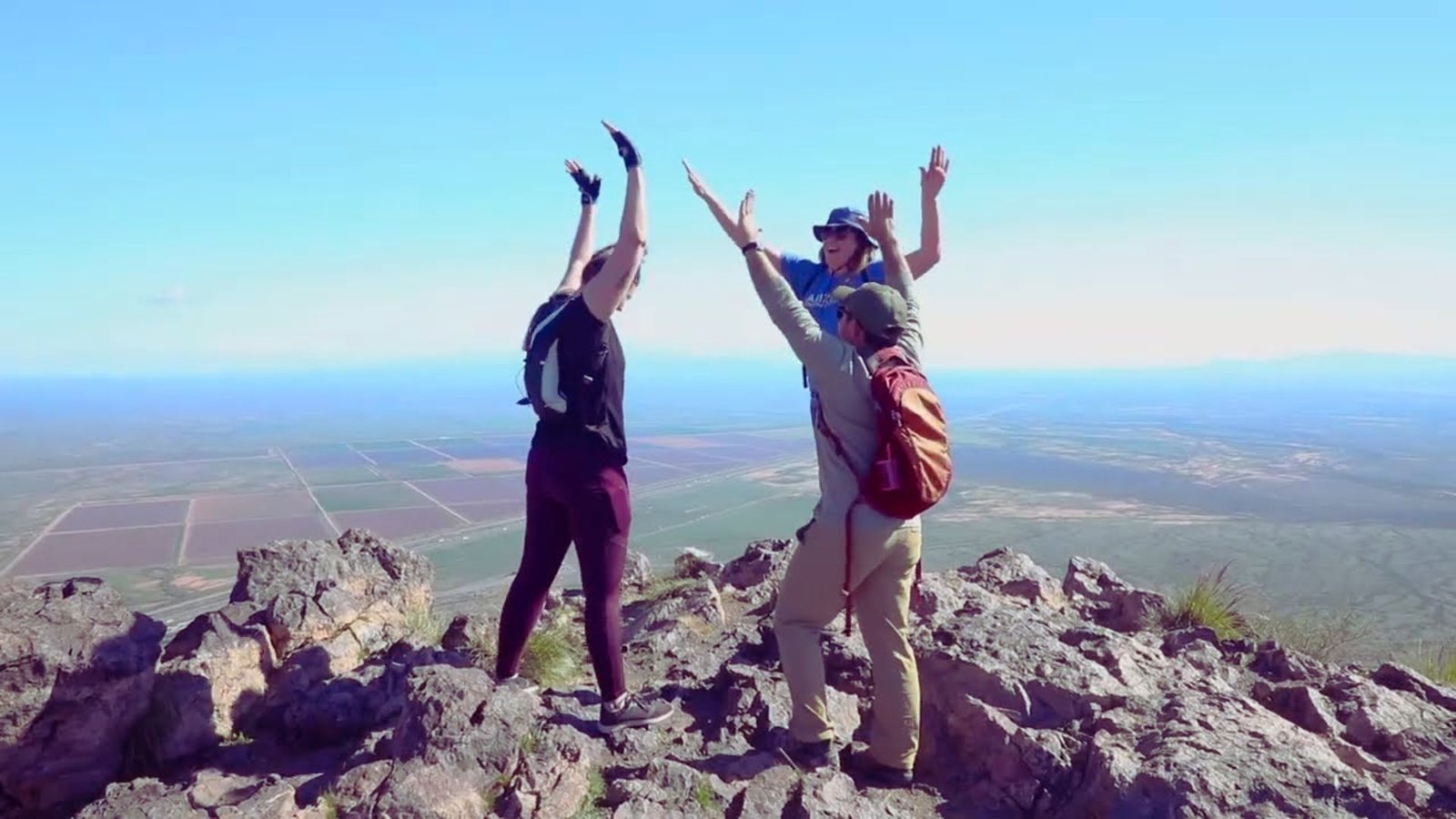
Allow 15-20 minutes at the summit. The views deserve your time.
Picacho Peak Hike Difficulty & Rating
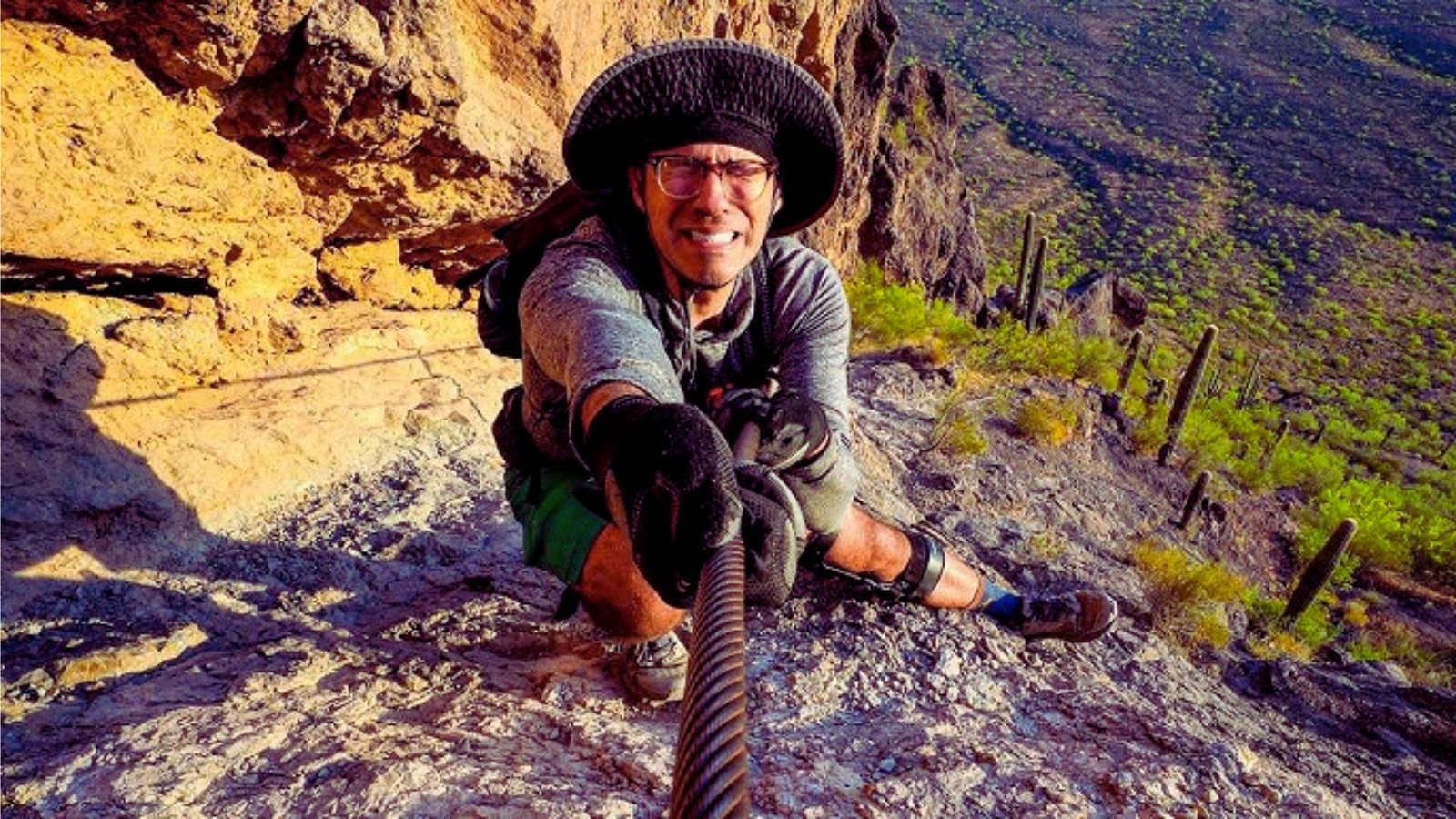
This strenuous hike rates as difficult due to steep climbs, exposed cable sections, and physical demands requiring good fitness.
This trail rates as hard to very hard on standard hiking scales. You’ll use your hands as much as your feet, and upper body strength is critical.
If you can’t do 5-10 pull-ups, the cables will exhaust you.The mental challenge matches the physical one.
Sections drop off sharply on both sides with real exposure to heights. Weather intensifies everything-heat, wind, or rain make it significantly harder and more dangerous.
Fit beginners can complete it, but it will push their limits. Intermediate hikers find it challenging but manageable.
Advanced hikers consider it a solid moderate workout. Compare it to Half Dome’s cables in Yosemite, but shorter and steeper.
What to Bring for Picacho Peak Hike
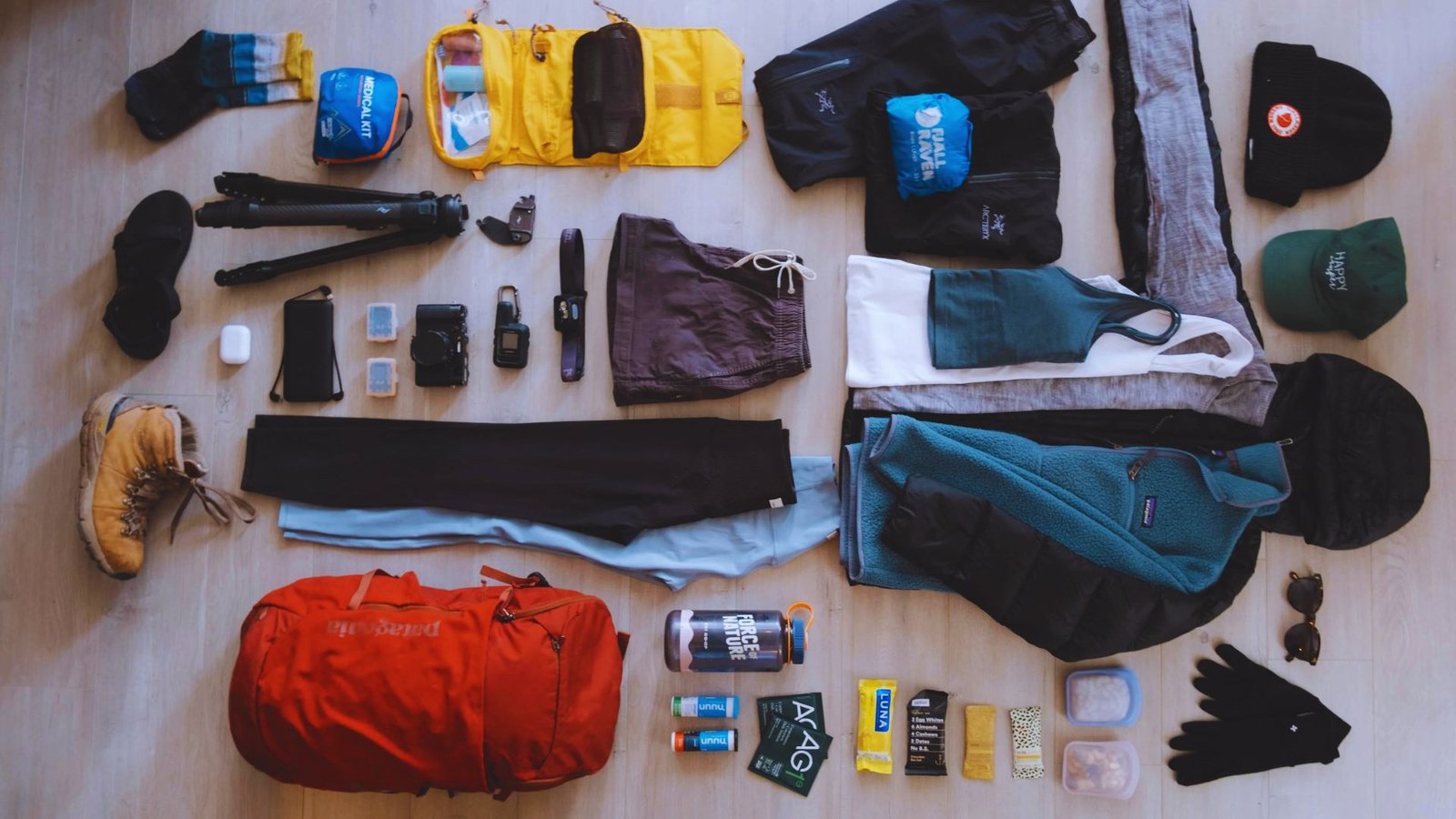
Pack gloves, plenty of water, sun protection, sturdy shoes, and snacks for this demanding climb requiring proper gear preparation.
Bring gloves (garden or climbing), 2-3 liters of water per person, and hiking shoes with ankle support.
Pack SPF 30+ sunscreen, a wide-brim hat, energy snacks, a basic first aid kit, and a fully charged phone. Cell service works at the summit.
Wear moisture-wicking layers and long pants to protect against cactus and sharp rocks. Bring a light jacket for the windy summit.
Avoid loose clothing that can catch on cables or rocks.Start hydrated by drinking 16 oz before you begin.
Sip water every 15-20 minutes and eat small snacks every 30-45 minutes. Save water for the descent many hikers run dry on the way down.
Safety Tips for Picacho Peak Hike
Stay safe by starting early, using cables correctly, watching for wildlife, and knowing when to turn back during changing conditions.
- Start before dawn and check weather forecasts. Lightning and rain make this hike deadly. Turn back immediately if storms approach or you feel dizzy and nauseous from heat.
- Face the rock on cables and keep both hands gripping. Move one hand at a time and never let go completely. Lower yourself hand-over-hand when descending.
- Watch for rattlesnakes on rocks and make noise to avoid wildlife. Give bees in rock crevices space and never feed any animals.
- Turn back if exhausted before the saddle or if winds exceed 20 mph. Injury, illness, or bad weather means immediate descent.
- Support anyone who wants to quit. There’s no shame in turning around. The mountain will still be here tomorrow.
Conclusion
I’ve climbed Picacho Peak six times, and it still gets my heart racing. The cables challenge you in ways most trails don’t.
Your arms shake, your legs burn, but that summit view makes every bit of it worthwhile.
This hike isn’t for everyone, and that’s okay. But if you’re ready to test yourself, Picacho Peak delivers an experience you won’t forget.
Start training now. Your future self will thank you at the summit.
Have you hiked Picacho Peak? Share your experience in the comments below. And if this guide helped you, pass it along to someone planning their climb.
Frequently Asked Questions
How Long Is the Picacho Peak Hike?
The Hunter Trail is a 3 miles round trip. Most hikers complete it in 2.5 to 3.5 hours total, including breaks and summit time.
Is Picacho Peak Hike Dangerous?
The hike is challenging but safe when done properly. Main risks are falls from cables, heat exhaustion, and loose rock-use gloves, stay focused, and start early.
Do You Need Gloves for Picacho Peak Hike Cables?
Yes, gloves are strongly recommended. The steel cables get very hot and can tear up your hands without protection.
Are Hiking Shoes Required?
Proper hiking shoes with ankle support and grip are highly recommended. Tennis shoes or sandals are unsafe on steep, rocky terrain and can cause ankle injuries.
Can I Hike Picacho Peak in Summer?
Summer hiking is not recommended due to extreme heat exceeding 100°F. If you must go, start before sunrise and finish by 9:00 AM.