
Looking for the best trails in Acadia National Park? You’re in the right place.
This complete guide covers top Acadia hikes with detailed maps, difficulty ratings, and local insider tips you can trust.
I’ve spent years hiking these trails and know what works for different skill levels. You’ll find options for families with kids, dogs, beginners, and experienced hikers. Learn when to go, what to pack, and how to avoid the crowds.
From easy seaside walks to challenging mountain climbs, I’ll help you pick the perfect trail for your visit.
Why Acadia National Park Is One of the Best Places for Hiking
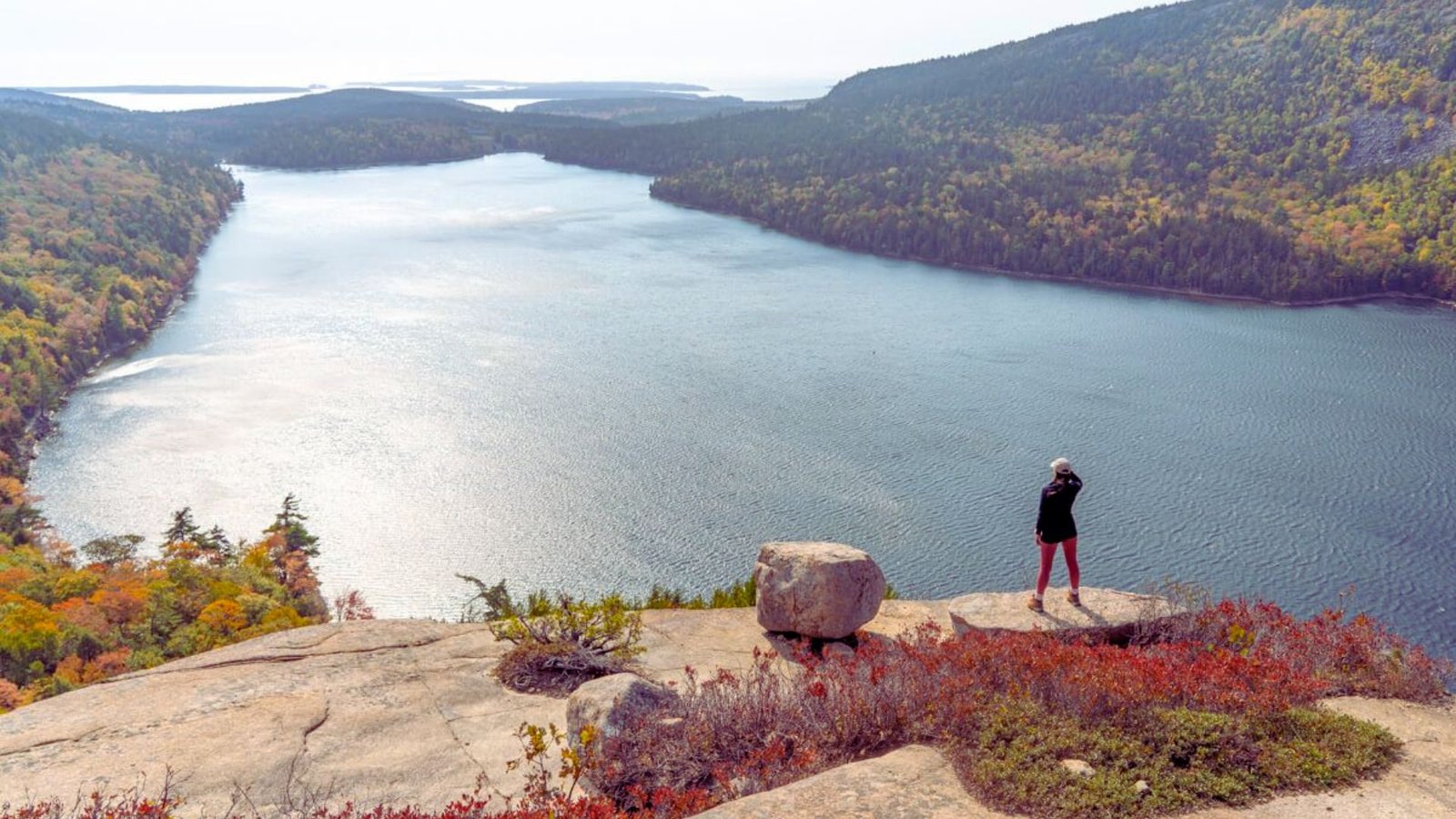
Acadia combines mountains and ocean like nowhere else on the East Coast. You can summit a granite peak and see the Atlantic stretching to the horizon.
The park packs rocky coastlines, forests, glacial ponds, and mountain ridges into 49,000 acres. Everything sits within a few miles.
Granite staircases and iron rung climbs make Acadia different from typical woodland trails. You get excited without technical climbing skills.
Carriage roads offer 45 miles of car-free paths perfect for easy walks or biking. The trail system dates back over 100 years.
You’ll find options for every fitness level. Families with toddlers can stroll Jordan Pond Path. Experienced hikers can tackle Precipice.
Views from summits like Cadillac rival anything in New England. At 1,530 feet, it rises straight from sea level for dramatic elevation gain.
Best Acadia Hikes
These top trails feature ocean vistas, mountain summits, pond loops, and clifftop views across Mount Desert Island’s diverse terrain.
1. Easy Acadia Hikes
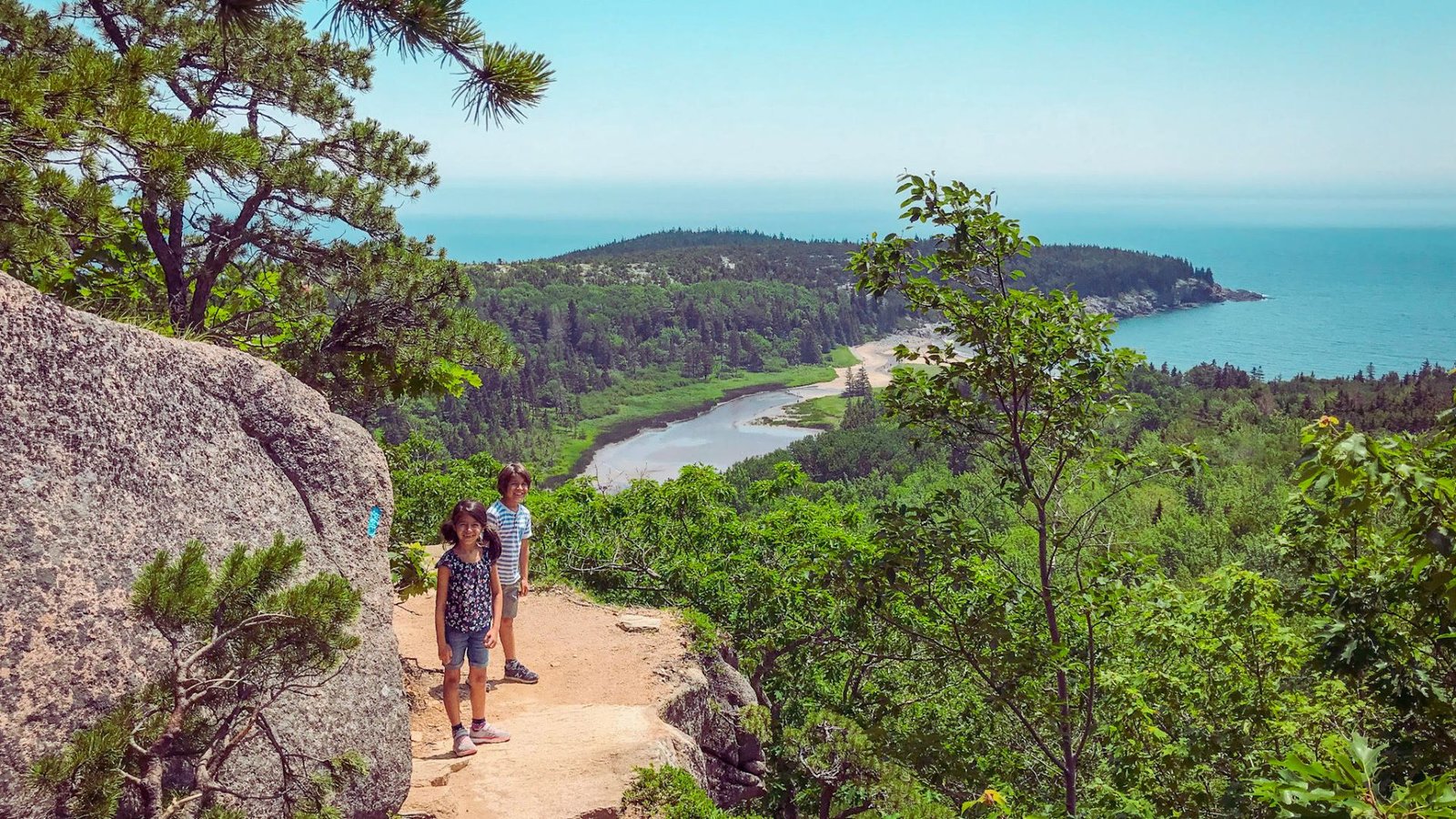
These paths work for most fitness levels with elevation gain under 200 feet and smooth surfaces.
Jordan Pond Path circles the pond on a flat, well-maintained trail. Ocean Path follows the coastline with gentle grades. Cadillac Summit Loop offers mountain views without the climb.
Carriage roads provide the easiest walking. These wide, crushed stone paths have gradual slopes perfect for families.
2. Moderate Acadia Hikes
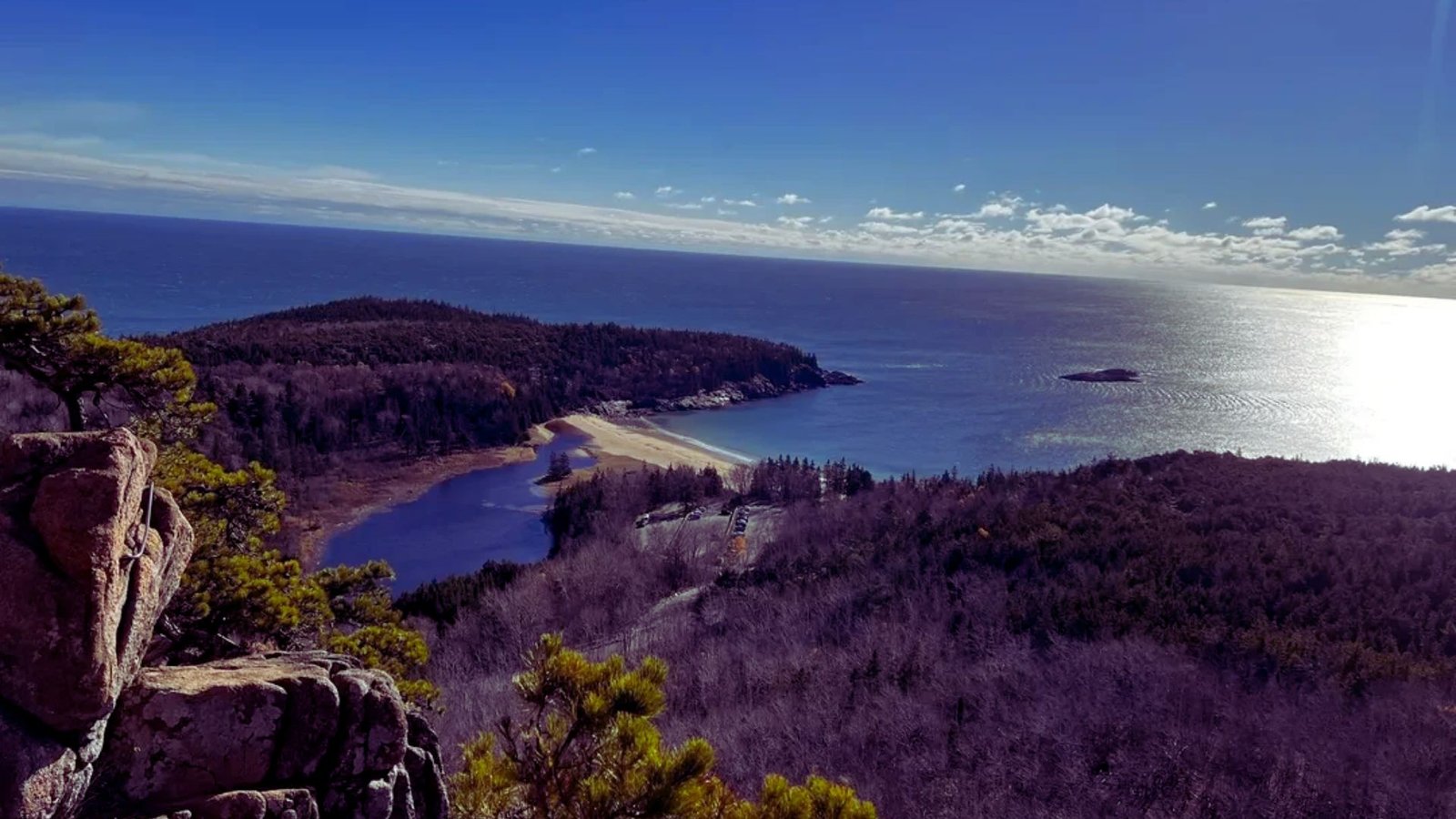
Moderate hikes involve 200-700 feet of climbing with uneven terrain, rocks, roots, and stone steps.
Gorham Mountain Loop climbs to ocean views with steady but manageable grades. Beech Cliff Loop includes a short steep section but rewards you with pond vistas.
The Great Head Trail has rocky sections but nothing technical. North Bubble offers a good workout without extreme difficulty.
3. Hardest Acadia Hikes
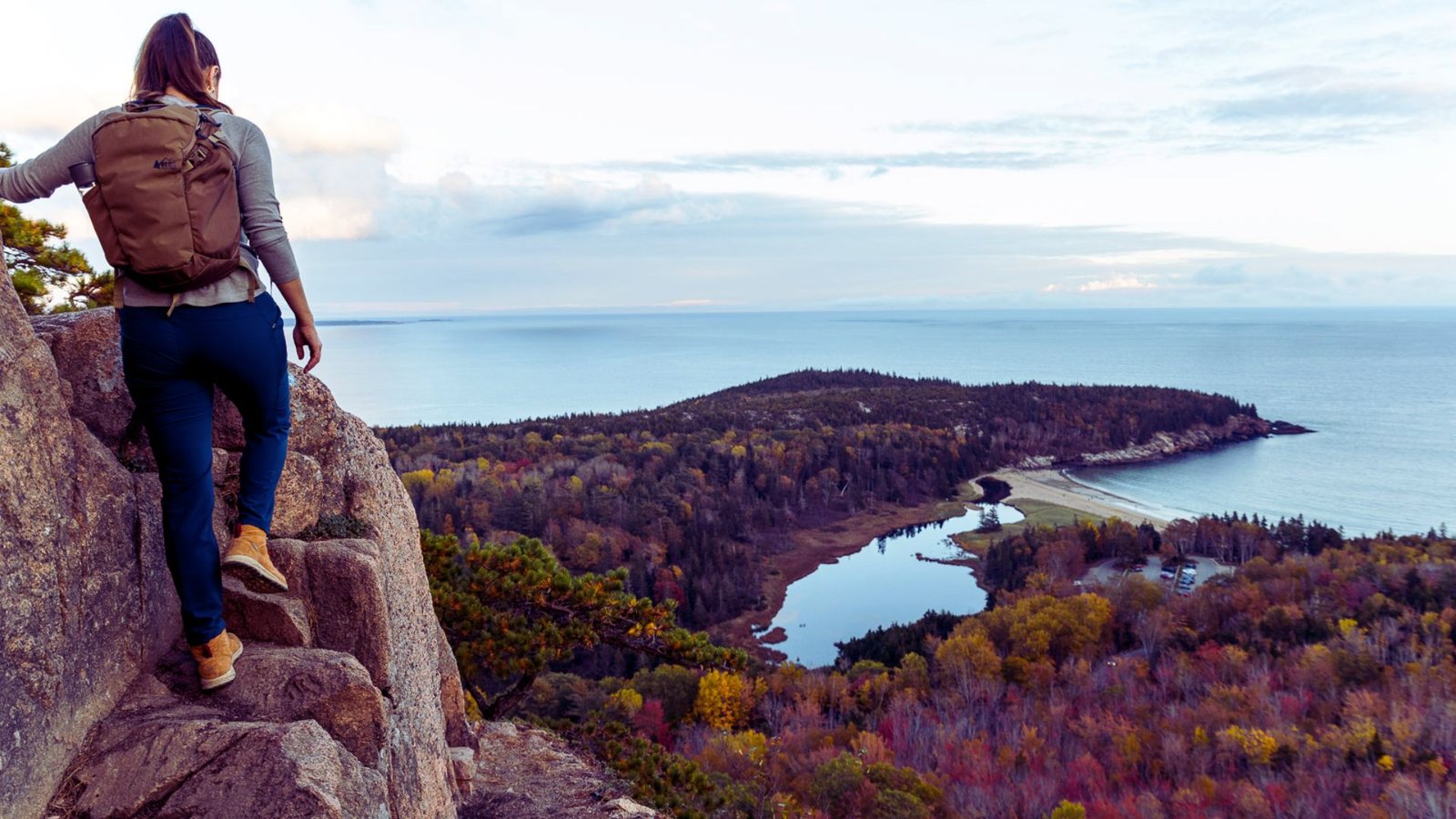
These routes challenge experienced hikers with elevation gain exceeding 700 feet plus steep climbs and iron rungs.
Beehive Loop uses iron rungs bolted to cliff faces. You climb nearly vertical sections with big drops below. Precipice is even more intense with longer ladders.
Cadillac North Ridge and South Ridge involve sustained climbing. Champlain Mountain combines steep grades with some scrambling.
4. Beehive Loop Trail
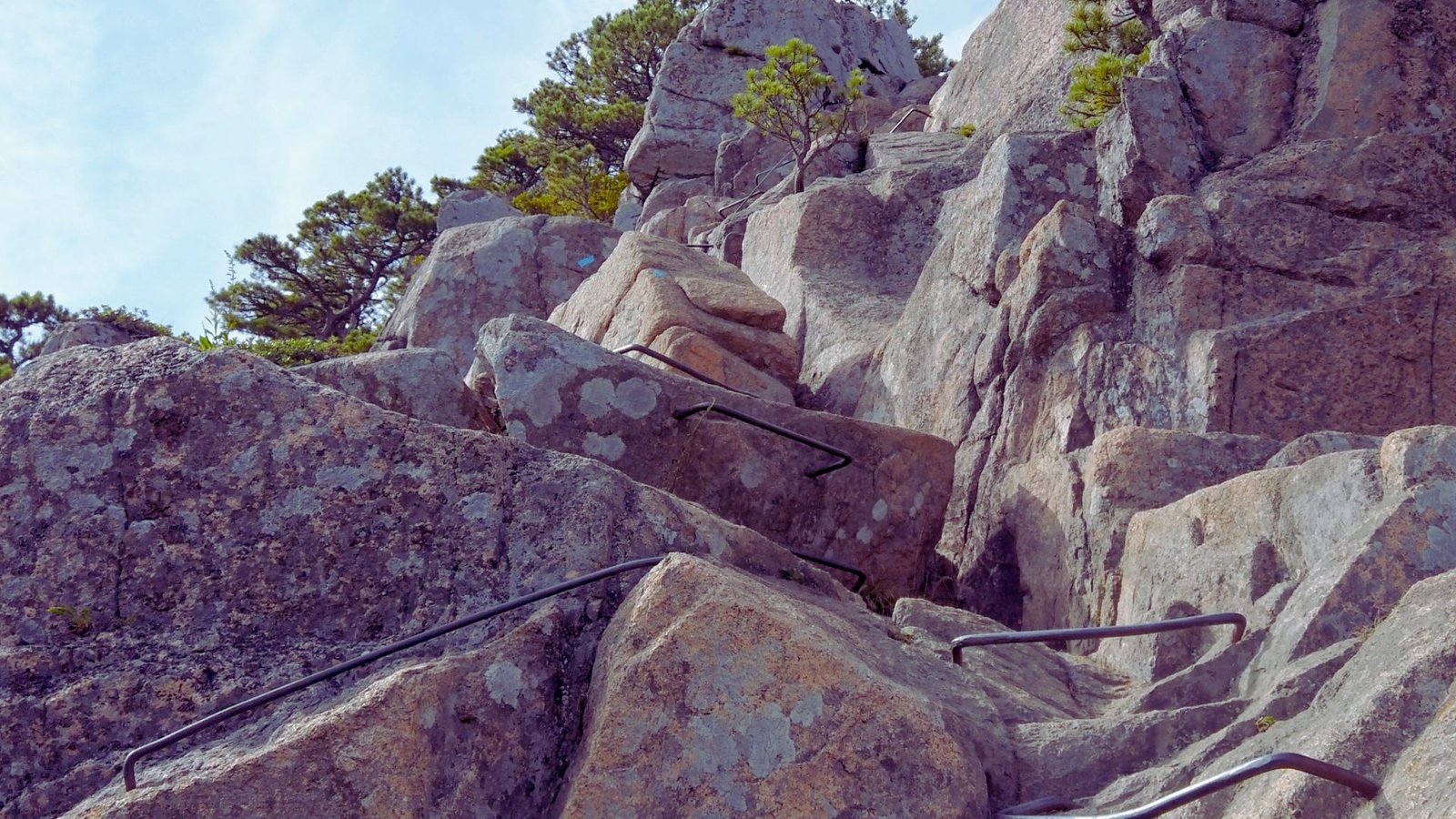
This thrilling 1.4-mile climb uses iron rungs to scale cliff faces with 488 feet of elevation gain.
You’ll pull yourself up metal ladders with ocean views the whole way. The descent follows a gentler path through the forest. Total time runs 1-2 hours depending on how long you pause at viewpoints.
Not recommended for anyone afraid of heights. The exposure is real. Some sections drop straight down for hundreds of feet.
5. Jordan Pond Path
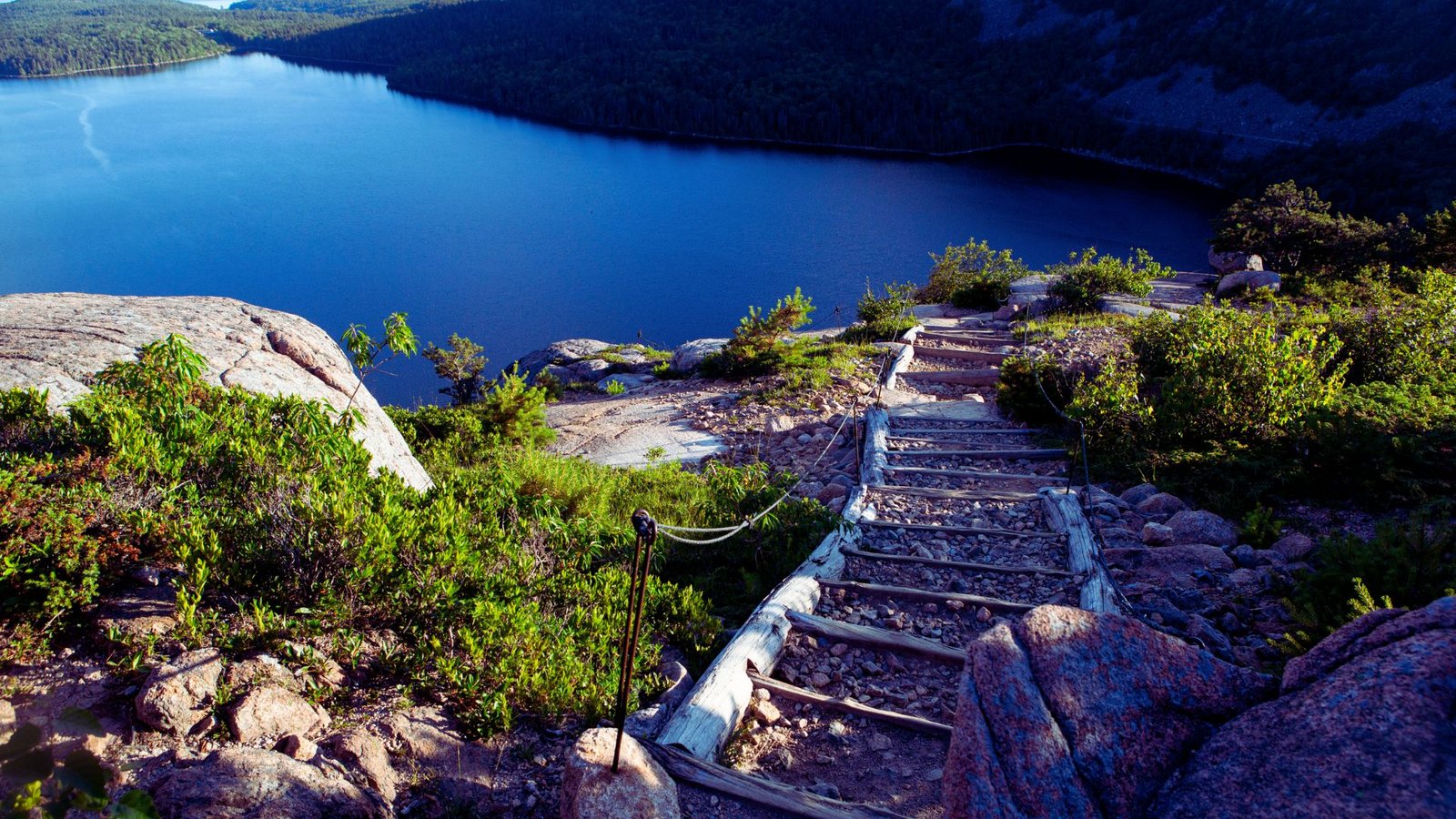
A flat 3.3-mile loop around a glacial pond that works for all ages and abilities.
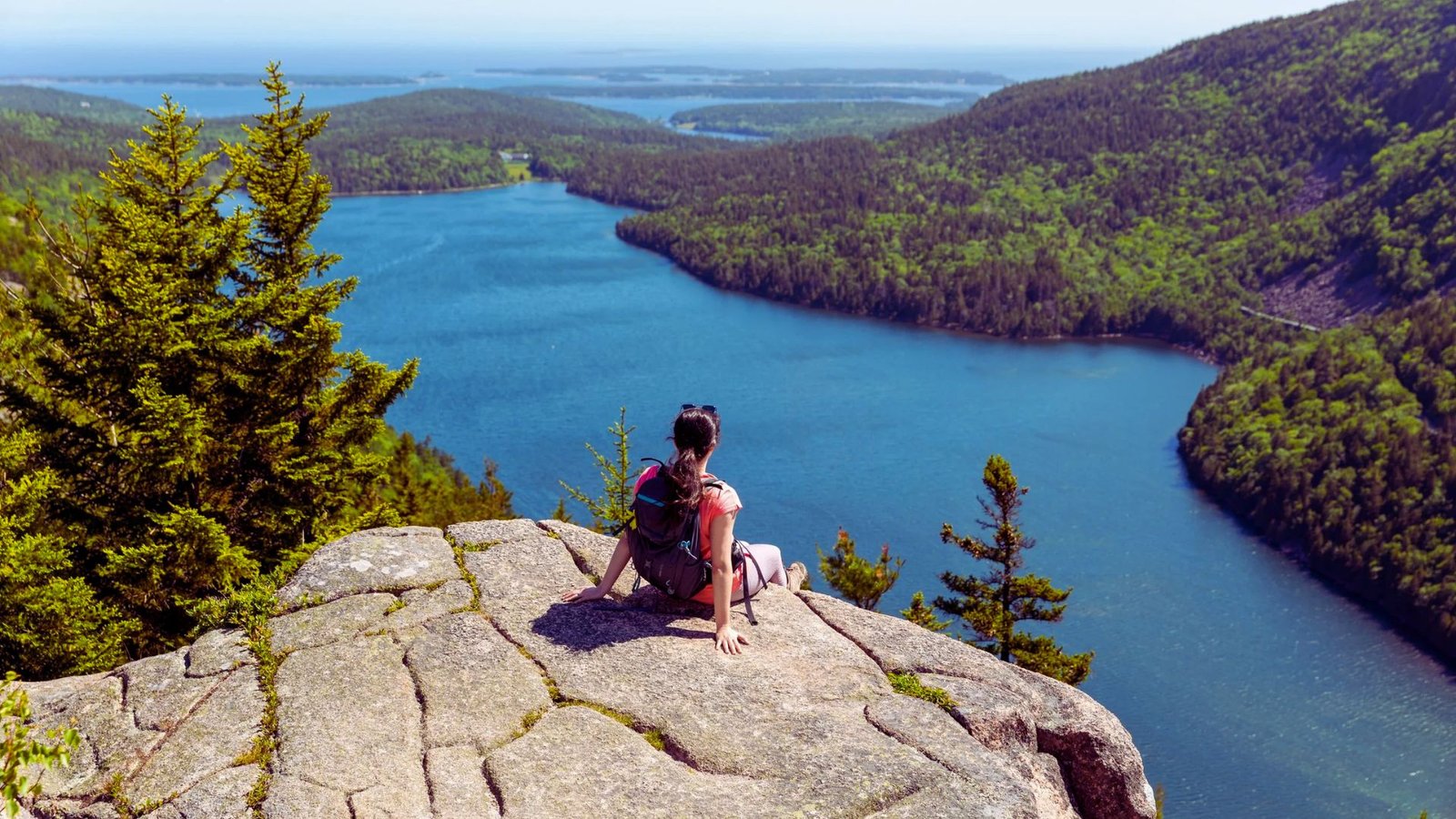
The path stays level with minimal rocks or roots. Views of the Bubbles (two rounded mountains) reflect perfectly in the water. Wooden boardwalks cross wet sections near the shore.
Plan 1.5-2 hours for a leisurely walk. Bring a picnic to enjoy on the rocks along the eastern shore.
6. Gorham Mountain Loop
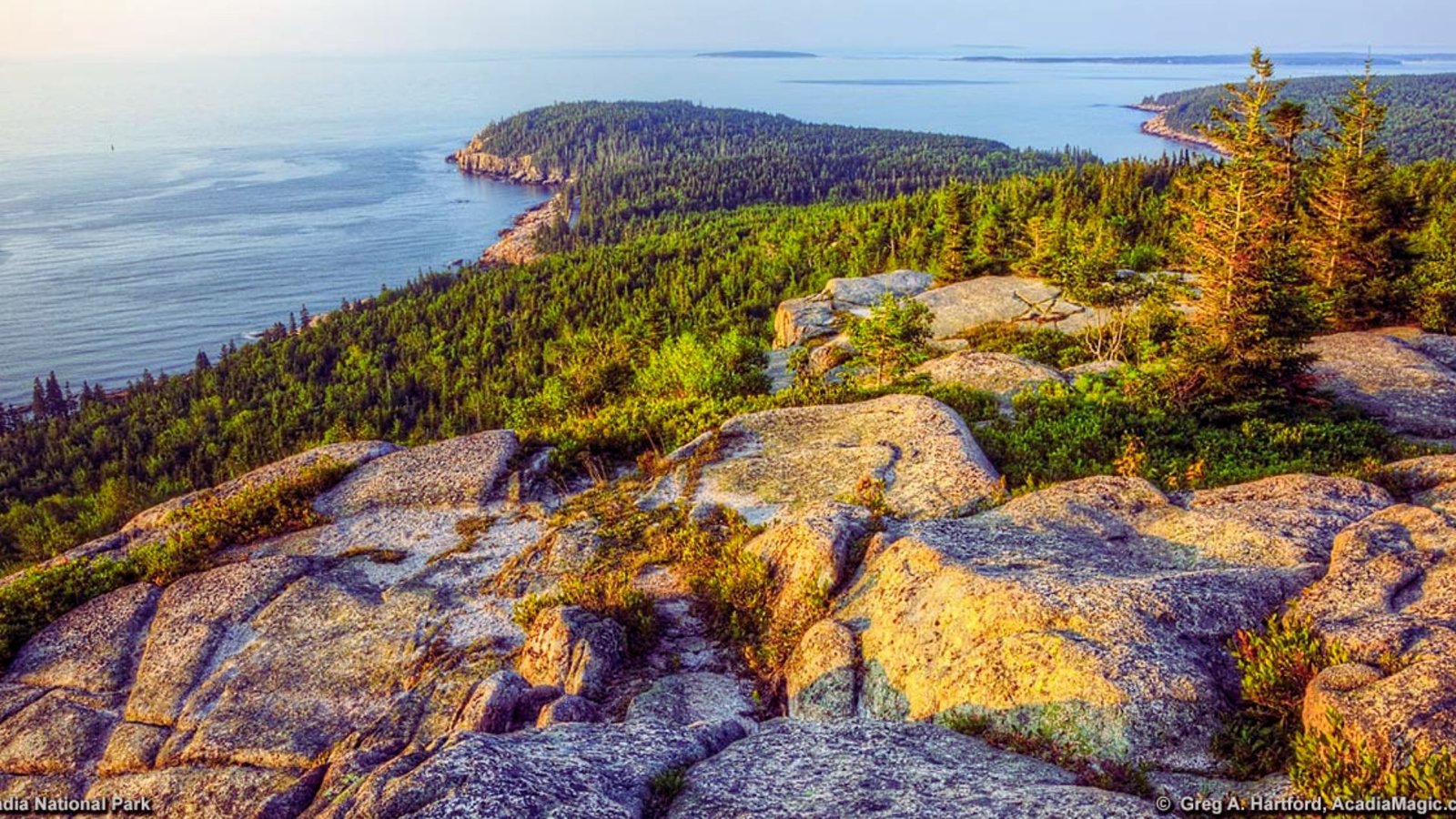
A 1.8-mile trail that climbs 525 feet to panoramic ocean views with moderate grades.
Stone steps help with the steeper sections. The summit offers 360-degree vistas. The loop returns on a different path for variety.
Cadillac Cliffs spur trail adds dramatic cliff walking. This optional detour follows the edge of vertical drops.
7. Ocean Path Trail
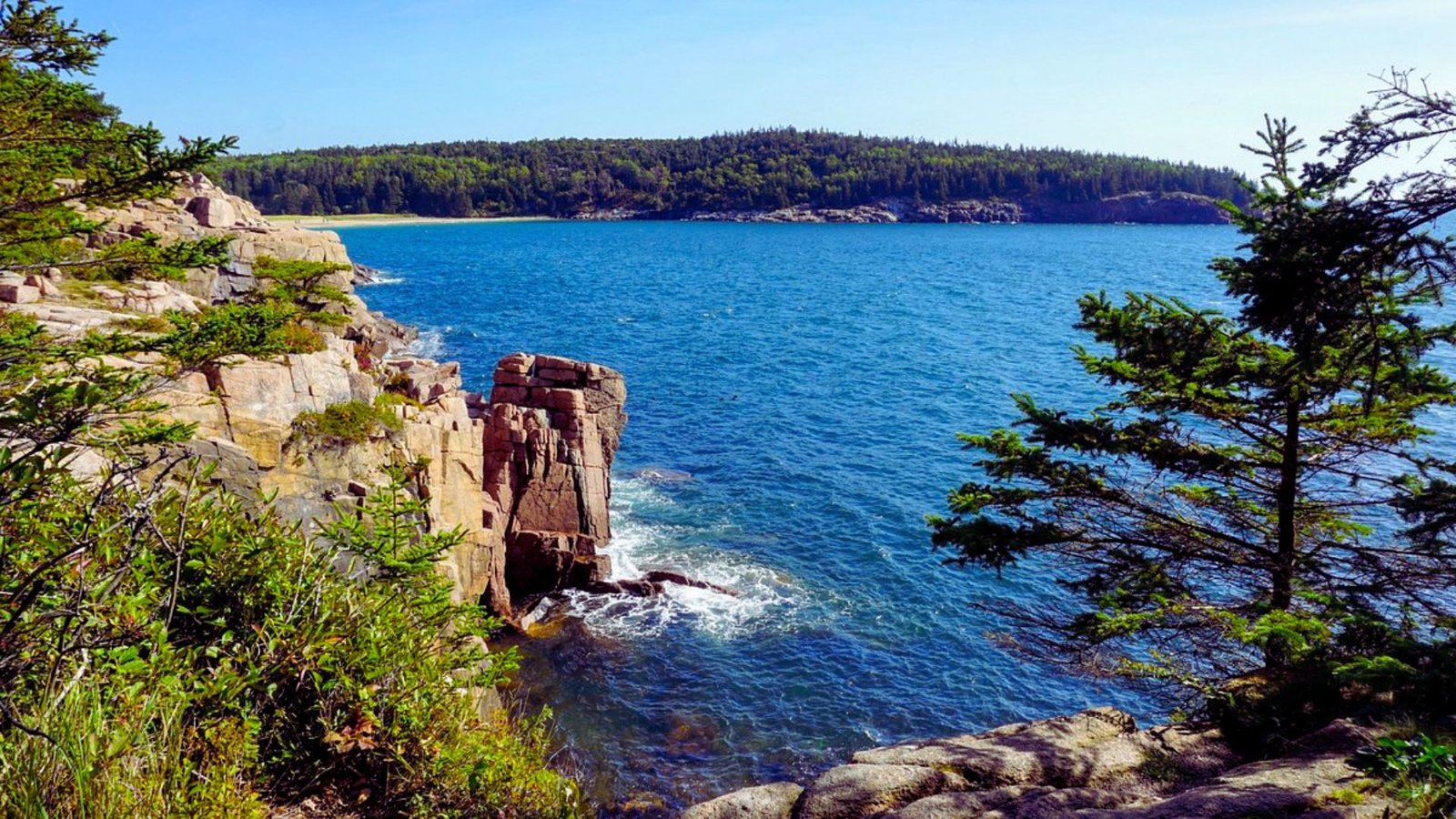
This 2-mile coastal walk follows the rocky shoreline with minimal elevation change.
Thunder Hole, Monument Cove, and Otter Cliff all sit along this route. Waves crash against pink granite cliffs. The path stays mostly flat on gravel and pavement.
Check tide schedules before going. High tide blocks access to some beach areas. Low tide reveals tide pools full of sea life.
Acadia Hikes Map & How to Use It
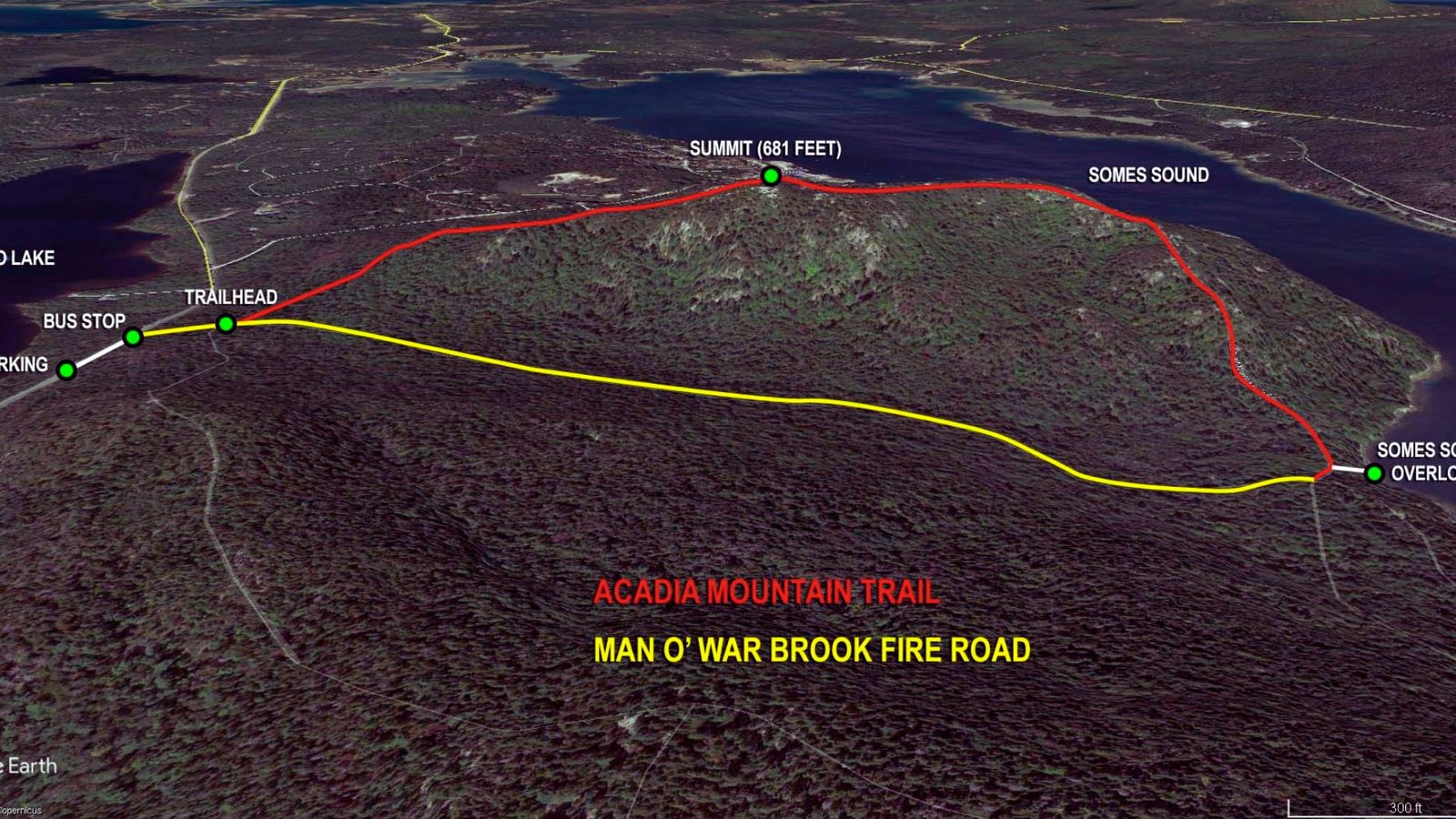
Get official park maps at visitor centers or use trail apps like AllTrails for GPS tracking and real-time conditions.
Pick up a free waterproof map at the Hulls Cove Visitor Center. The official paper map shows all major trails and parking areas. Blue marks hiking trails, brown indicates carriage roads, and green shows park loop roads.
Download AllTrails before your visit. Save maps for offline use while you have wifi. Cell service is spotty throughout the park. The app includes elevation profiles and recent hiker reviews.
The official NPS Acadia app also offers good maps and audio guides for popular routes.
Trail blazes help you stay on track. Look for blue paint marks on trees and rocks. Above the tree line, cairns (stacked rock piles) mark the route.
Carry a paper map as backup. It never runs out of battery.
Tips for Planning Your Acadia Hikes
Start early to find parking and beat crowds while using the free Island Explorer bus.
- Arrive at trailheads before 7 AM during peak season. Parking lots at Beehive, Precipice, Jordan Pond, and Ocean Path fill by 8 AM. Late arrivals face long walks from overflow areas.
- Use the free Island Explorer bus from late June through Columbus Day. It stops at all major trailheads. Park at the visitor center and bus to different trails for one-way hikes.
- Pack two liters of water minimum for hikes over 3 miles. There are zero water sources on trails. Bring layers even in summer as summit temperatures drop 10-15 degrees with strong winds.
- Download offline maps the night before. Cell service is unreliable throughout the park. AllTrails works great but only if you save maps while you have wifi.
- Check weather and tide times before hiking. Conditions on summits differ dramatically from parking lots. Ocean Path and Great Head flood at high tide. Tell someone your hiking plan and expected return time.
Conclusion
Acadia’s trails have given me some of my most memorable hiking experiences. The mix of mountain and ocean makes every hike feel special.
Start with an easy trail to get your bearings, then work up to the iron rung climbs if you want a thrill. My advice? Go early, bring snacks, and don’t rush.
The views are worth savoring. Which trail are you most excited to try? Drop a comment below or share this guide with someone planning their Acadia trip.
Happy hiking, and I hope these trails treat you as well as they’ve treated me.
Frequently Asked Questions
How Many Hiking Trails Are in Acadia National Park?
Acadia has over 150 miles of trails ranging from easy carriage roads to challenging mountain climbs. The park maintains around 120 miles of dedicated hiking trails across Mount Desert Island.
What Are the Best Acadia Hikes?
The best trails include Beehive Loop for thrill seekers, Jordan Pond Path for easy scenic walks, and Cadillac Mountain for summit views. Precipice offers the most challenging climb while Ocean Path provides accessible coastal beauty.
Are There Accessible Acadia Hikes?
Yes, several trails accommodate wheelchairs and strollers including Ocean Path and Jordan Pond Shore Trail. The Cadillac Summit Loop is paved and offers mountain views with minimal difficulty.
Can You Hike in Acadia Without a Car?
The free Island Explorer shuttle connects major trailheads from late June through early October. You can easily reach popular hikes like Jordan Pond, Beehive, Precipice, and Cadillac Mountain.
What Should I Wear for Acadia Hikes?
Wear sturdy hiking boots with good traction for rocky trails and iron rung climbs. Dress in layers as mountain weather changes quickly, and bring rain gear even on clear days.