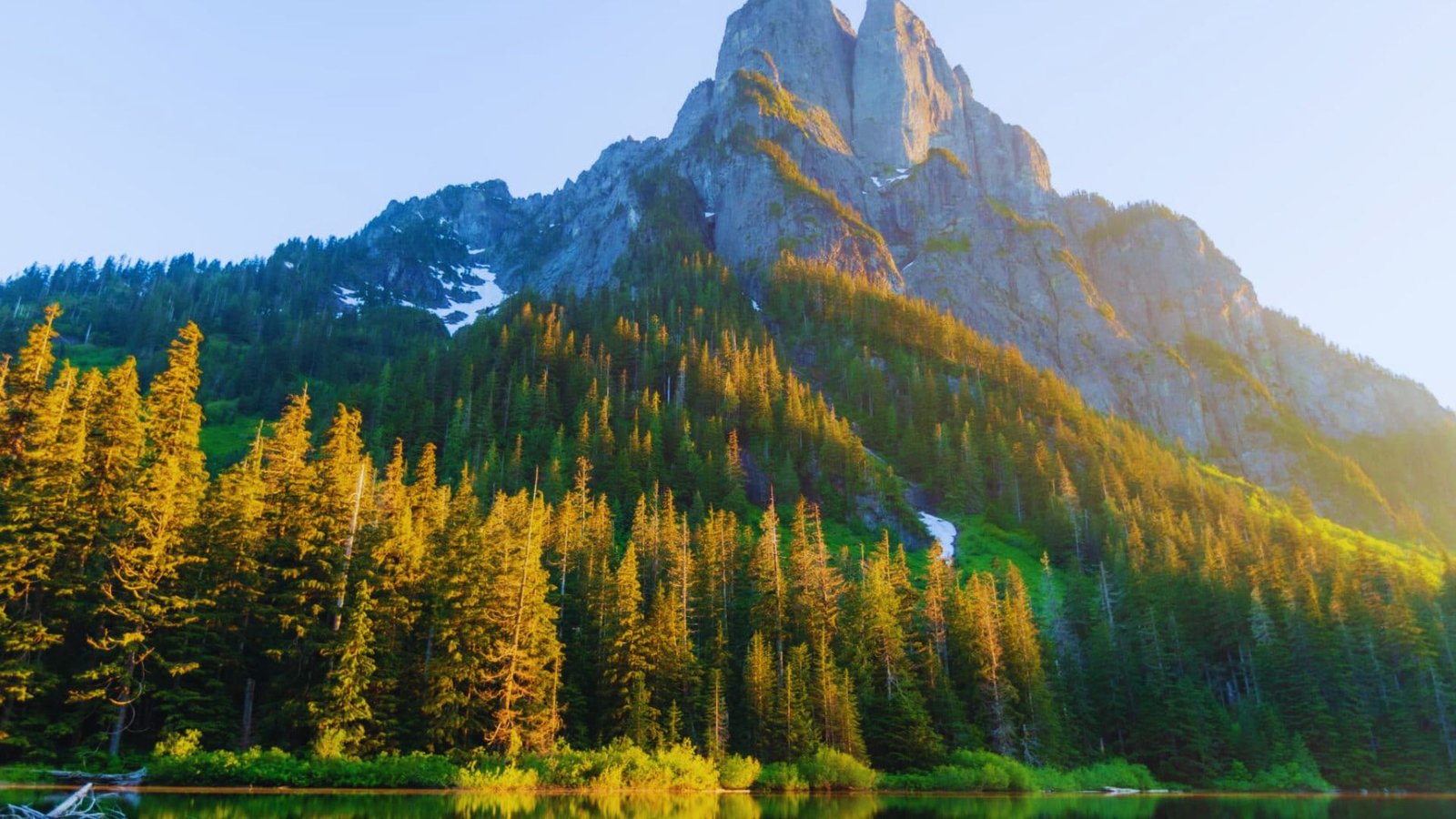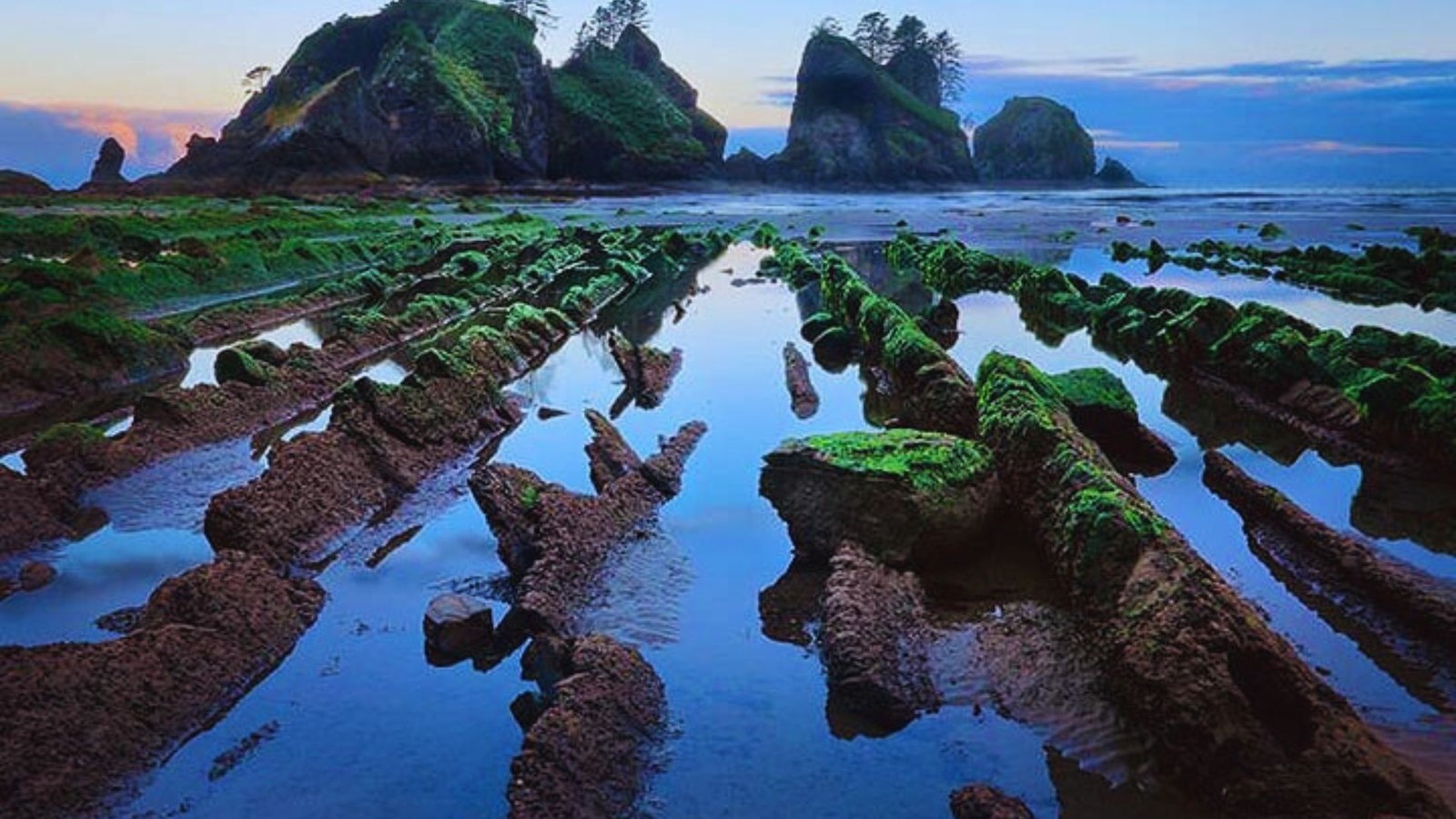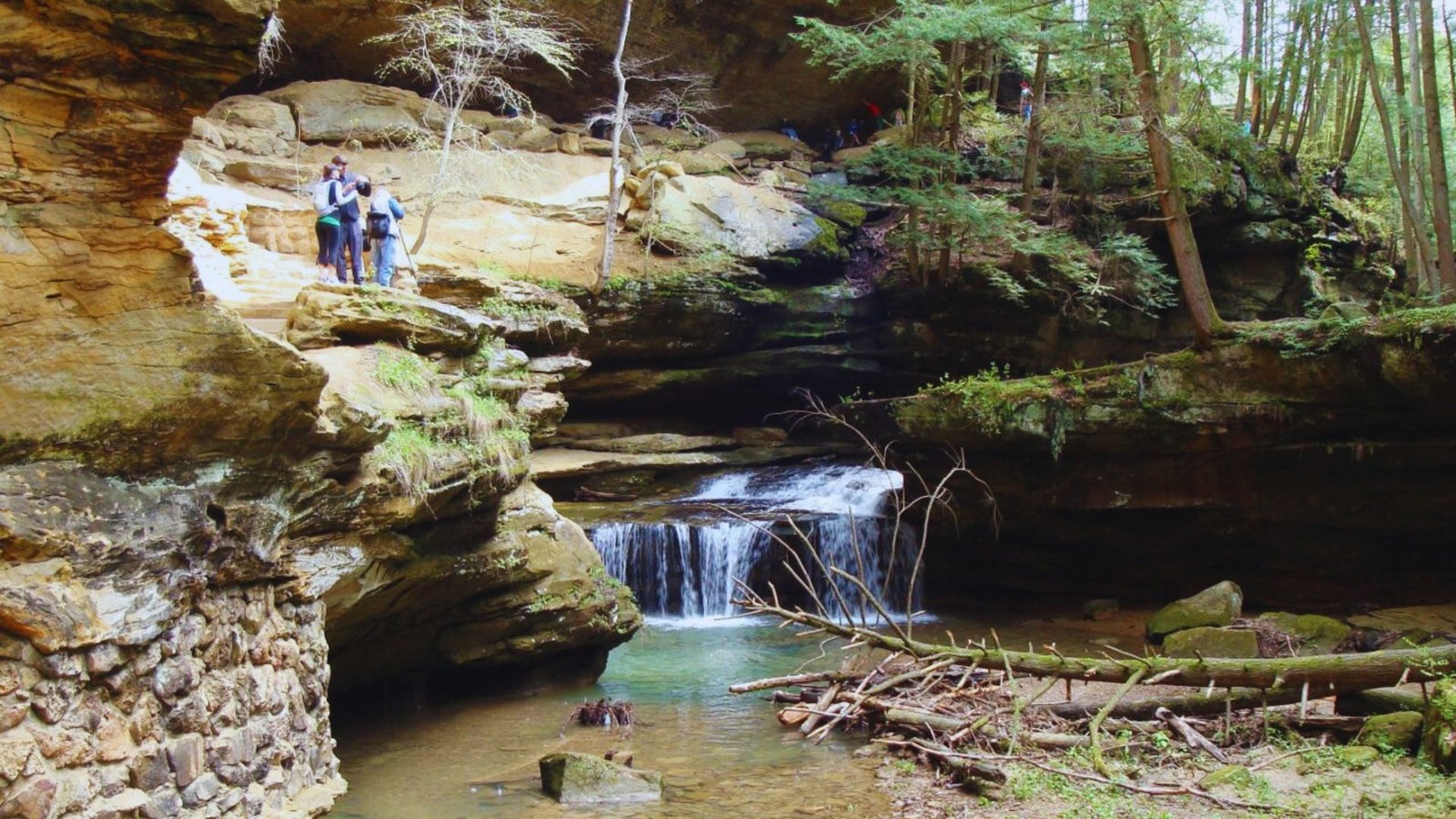

Looking for the best trails for hiking Olympic National Park? You’re in the right place. This guide covers 17 top-rated trails across mountains, rainforests, and coastline.
I’ve researched each path to help you pick the right hike for your skill level. You’ll learn about trail difficulty, the best seasons to visit, and what gear you need.
From waterfalls to ocean views, the Olympics has something for everyone.This isn’t just another trail list. You’ll get distance, elevation gain, and insider tips for each hike.
The park has over 600 miles of trails, and this guide simplifies your planning. Let’s find your perfect trail.
Is Camping in the Rain Worth It? What to Expect
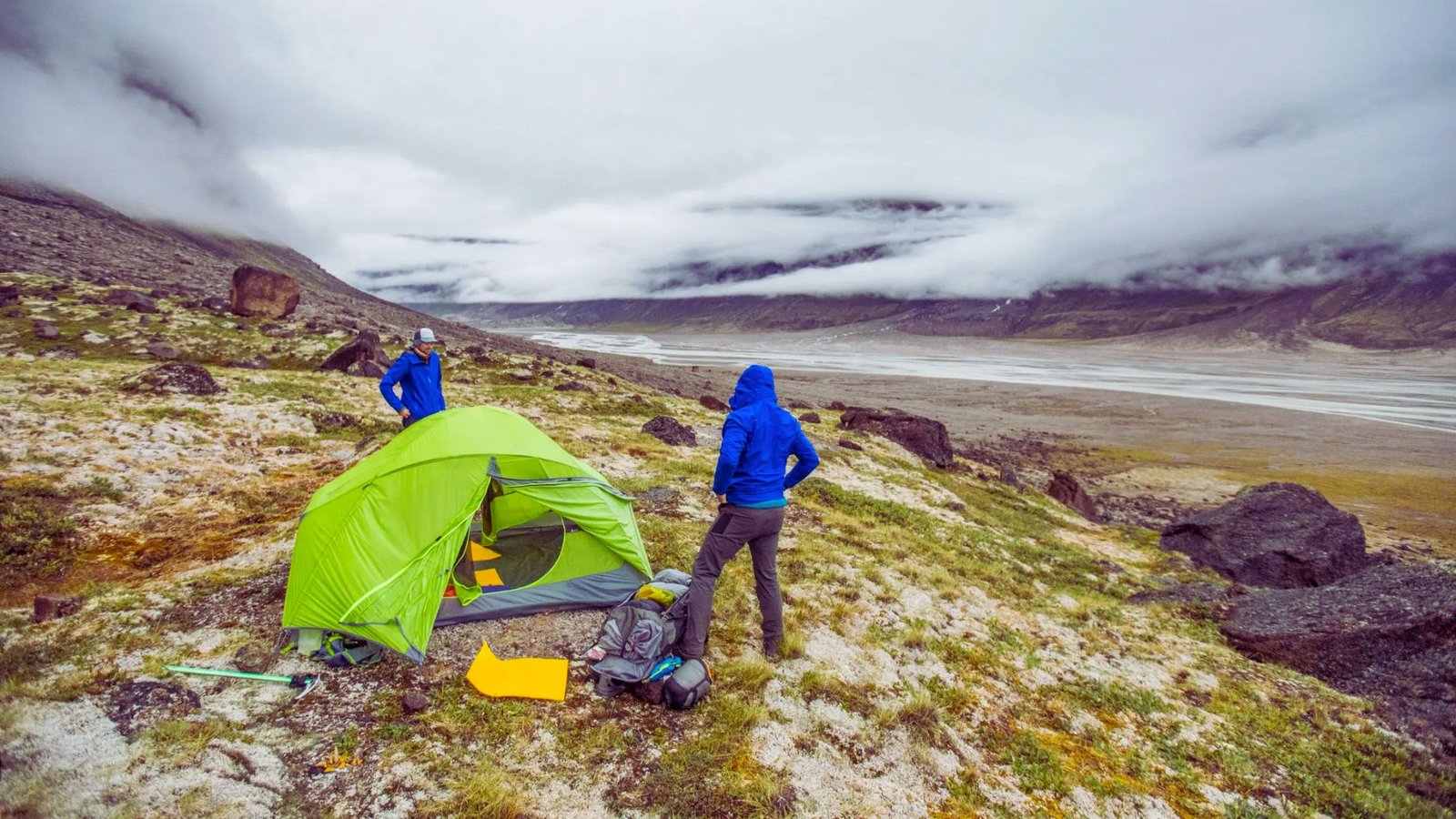
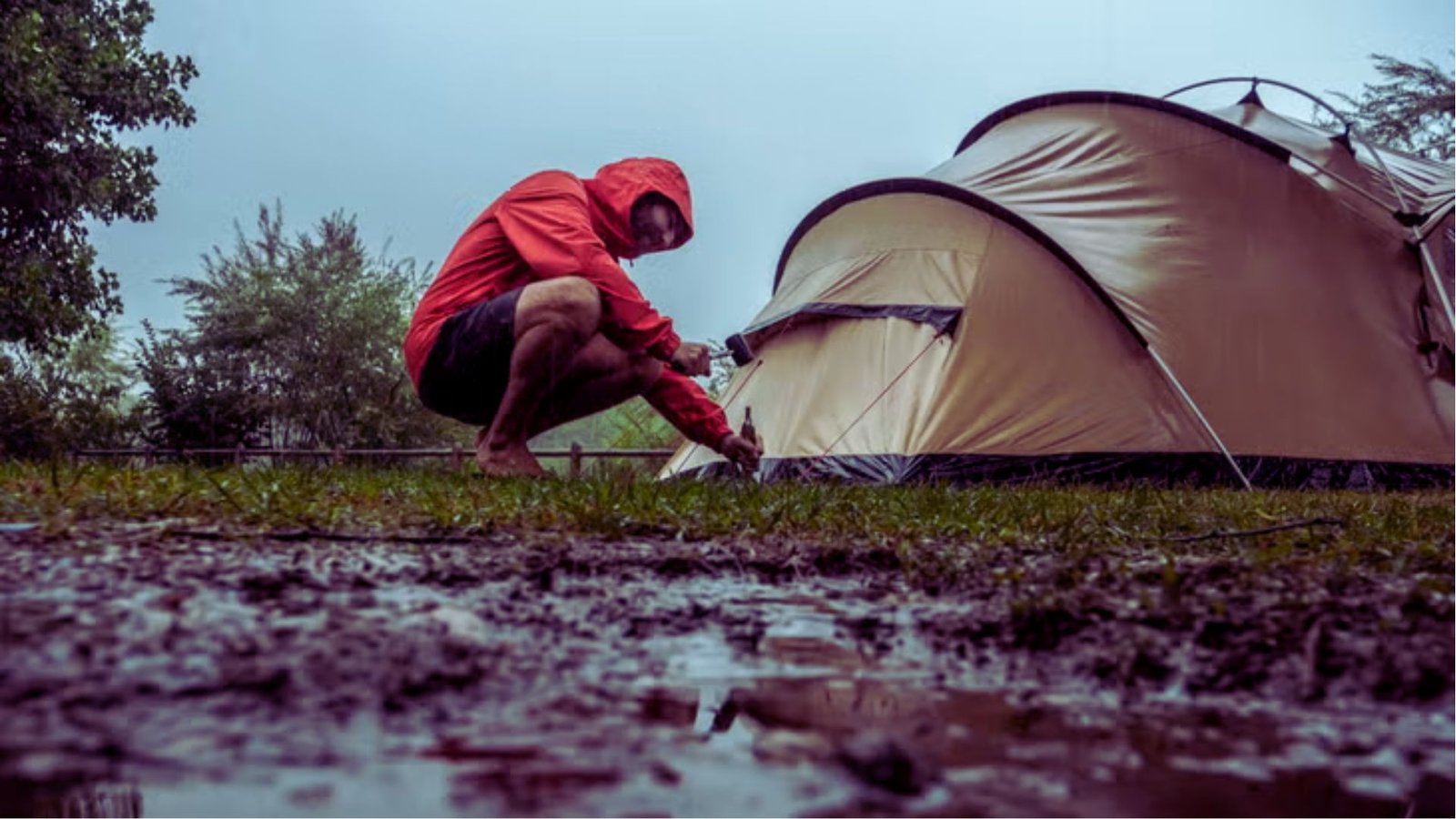
Rainy camping offers a different kind of outdoor fun that many people enjoy once they try it.
The good parts: Fewer crowds mean more privacy and quiet. Nature looks greener and smells fresh after rain. Campgrounds stay mostly empty.
Prices drop during rainy seasons. The patter on your tent is relaxing. Cooking warm meals inside feels extra cozy.
The challenges: Everything takes more effort when wet. Gear gets heavy and muddy. You need to pack more items. Setup and takedown require extra time. Humidity makes tents feel damp inside. You’ll spend more time confined to your tent.
Stop seeing rain as a problem. Think of it as a different camping experience. Embrace the weather instead of fighting it. Plan for downtime with books or games. Accept that you’ll get a little wet sometimes.
Focus on small comforts. Hot drinks taste better in bad weather. Dry socks feel amazing. A warm sleeping bag becomes your best friend.
Rain Camping Preparation: Gear, Tents, and Setup
Getting ready for wet weather starts with the right equipment and smart camping strategies.
Waterproof Clothing and Layers
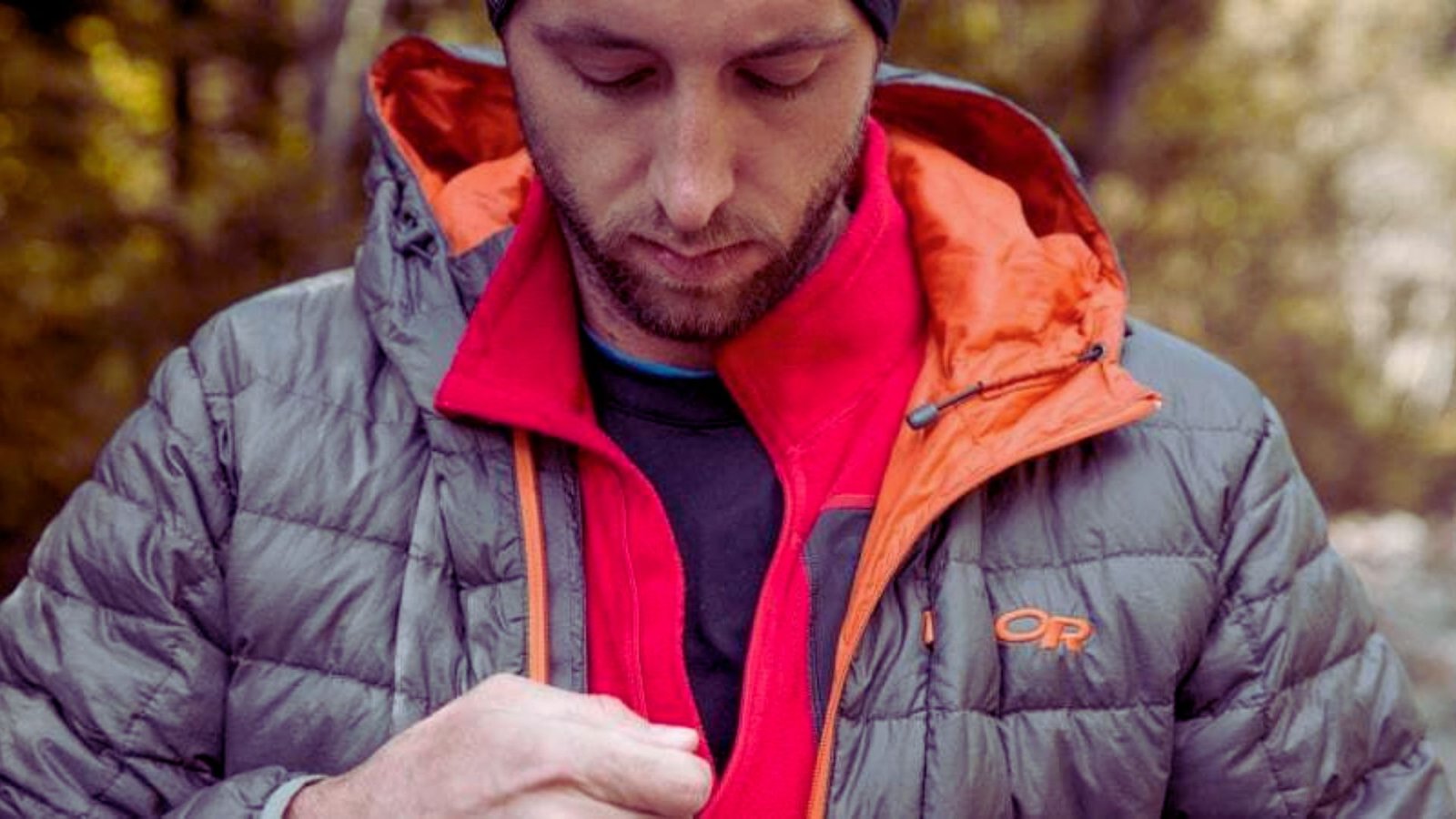
The right clothes keep you warm and dry when everything around you is soaked.
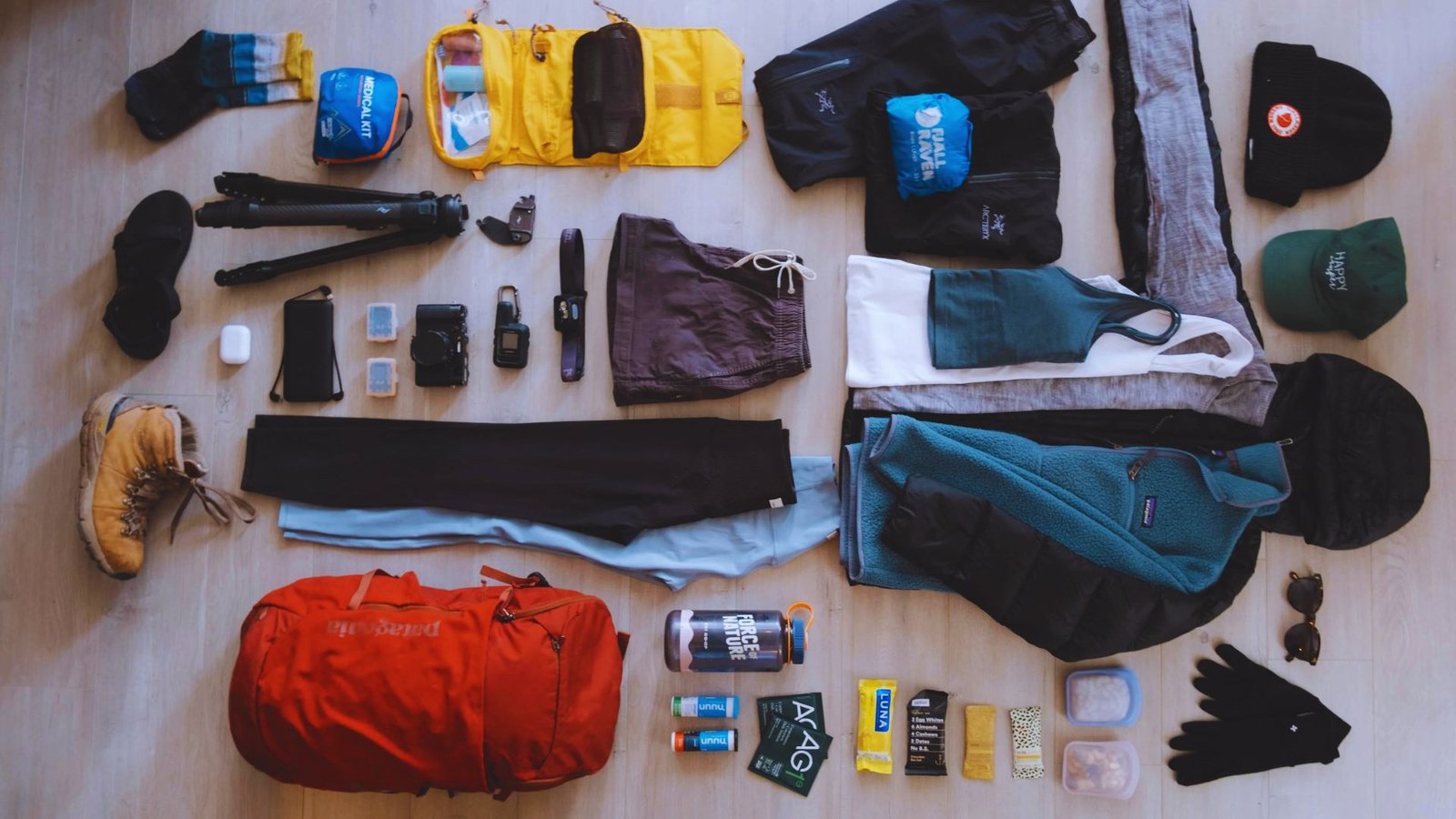
Start with a good rain jacket with sealed seams and a hood. Pack waterproof pants too. Regular pants soak through quickly. Bring base layers made from synthetic materials or merino wool.
Cotton stays wet and makes you cold. Add a warm fleece or insulated jacket. Pack one extra warm layer beyond what you think you need.
Extra Socks, Towels, and Dry Bags
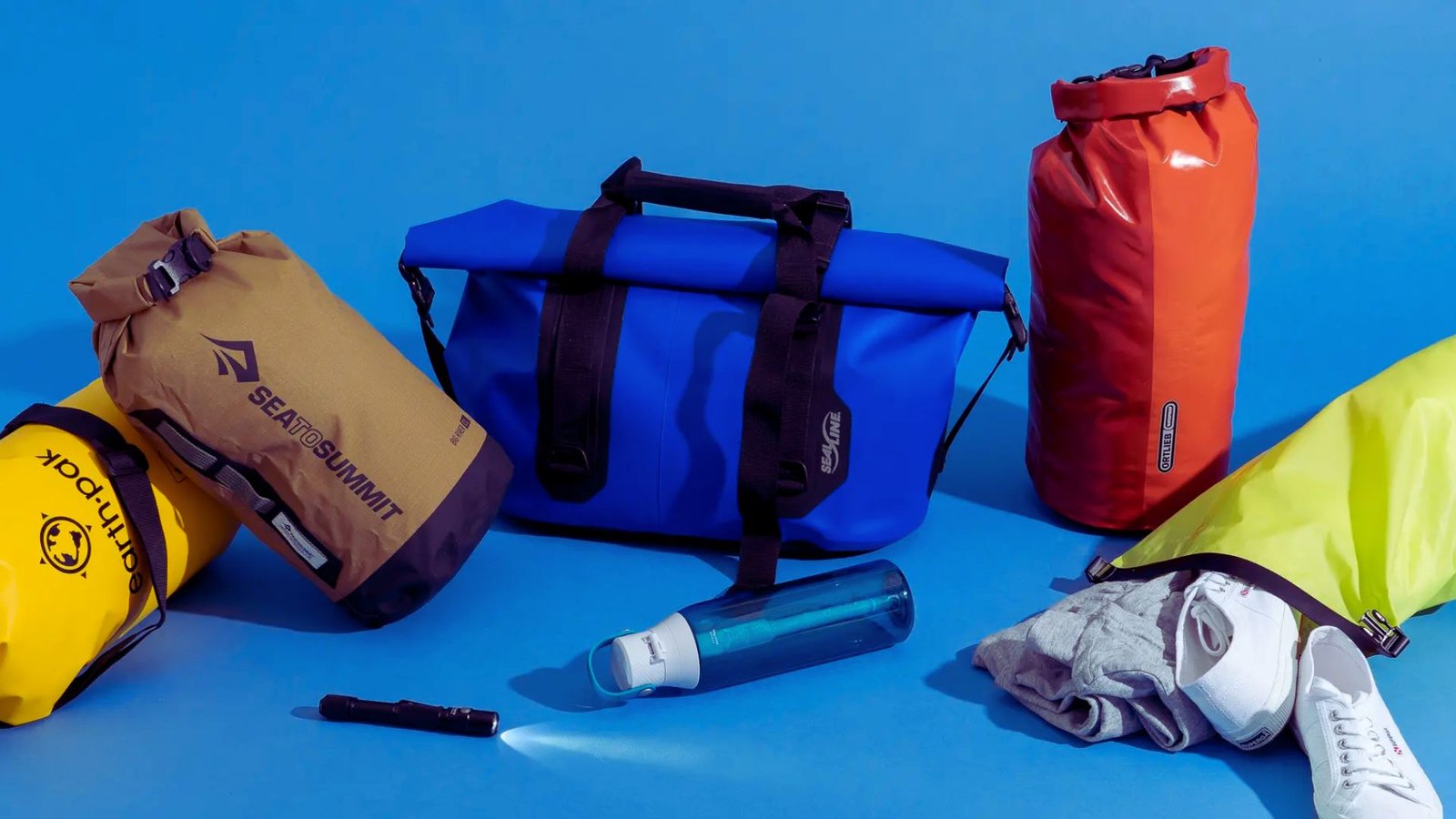
Small items like dry socks can make or break your rainy camping trip.
Bring three pairs of socks for every day. Wet socks ruin trips faster than anything else. Pack microfiber towels that dry quickly.
You’ll need at least two small towels per person. Store clothes, electronics, and sleeping bags in dry bags. Color-code them so you find things fast.
Use compression sacks for sleeping bags and keep them sealed until bedtime.
Rainfly, Tarp, and Groundsheet
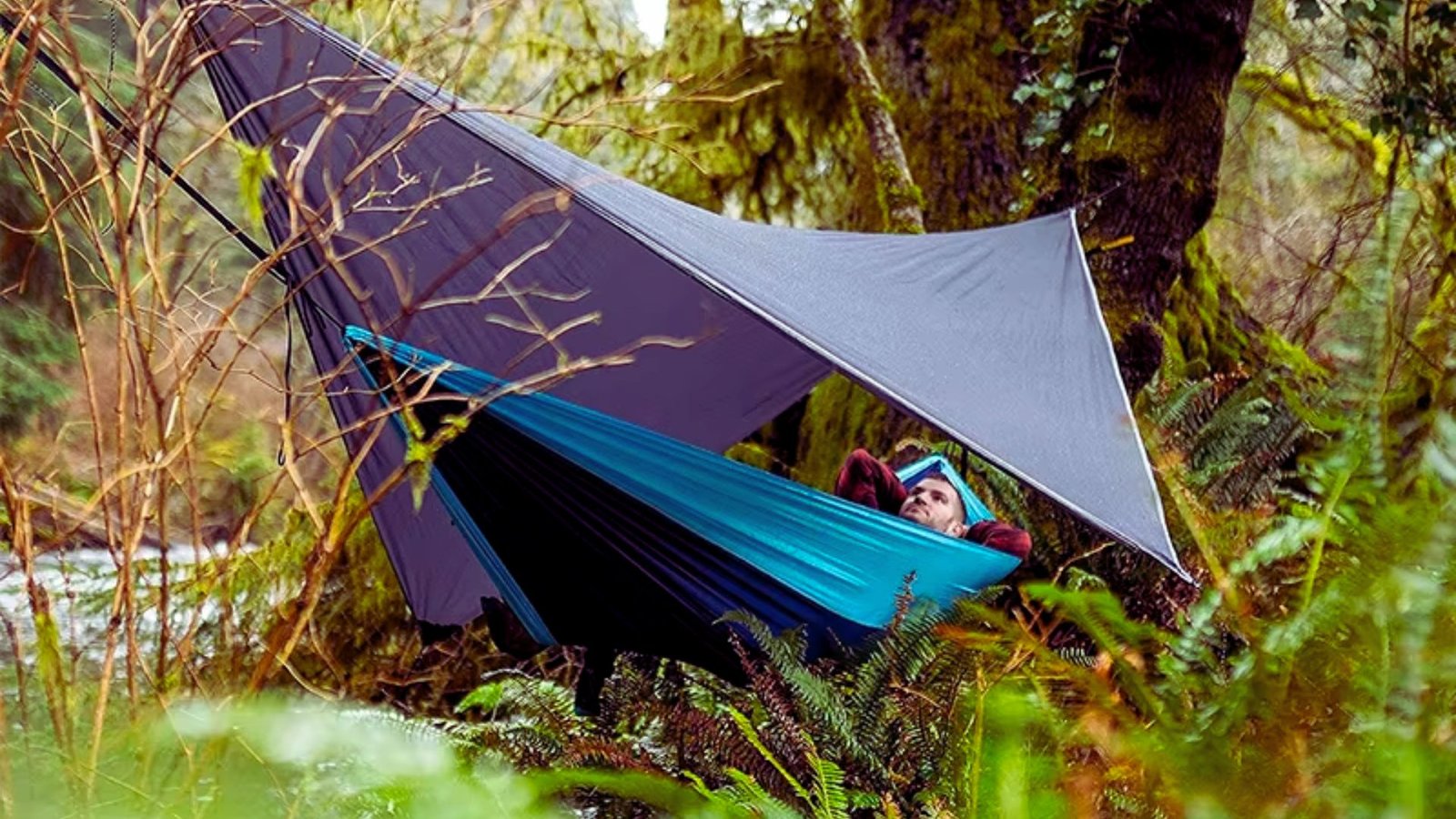
These shelter additions create dry zones and protect you from ground moisture.
Check your tent rainfly for holes before leaving home. Bring a 10×10 tarp to create covered outdoor space above your tent door.
A groundsheet goes under your tent to stop water from seeping through the floor. Make it smaller than your tent footprint. Pack extra stakes and guylines as backups.
Lighting, Power Banks, and Hand Warmers
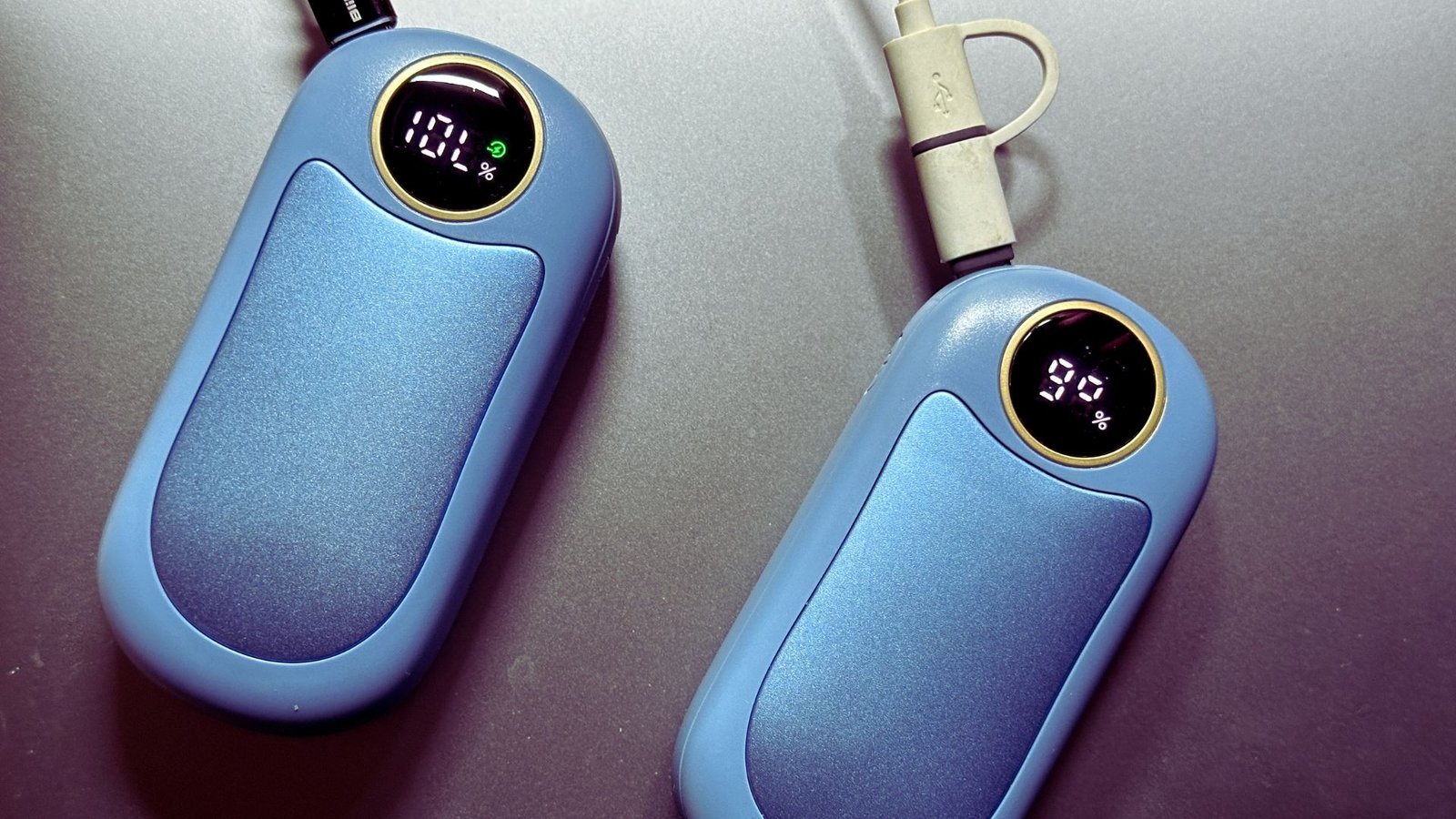
Power and warmth become priorities when you’re stuck inside during storms.
Headlamps work better than flashlights in rain. You need both hands free. Bring extra batteries in waterproof bags. A lantern brightens your tent at night.
Power banks keep phones charged since cold and wet drain batteries faster. Hand warmers provide instant comfort. Tuck them in gloves or pockets for quick relief.
Choosing the Right Tent
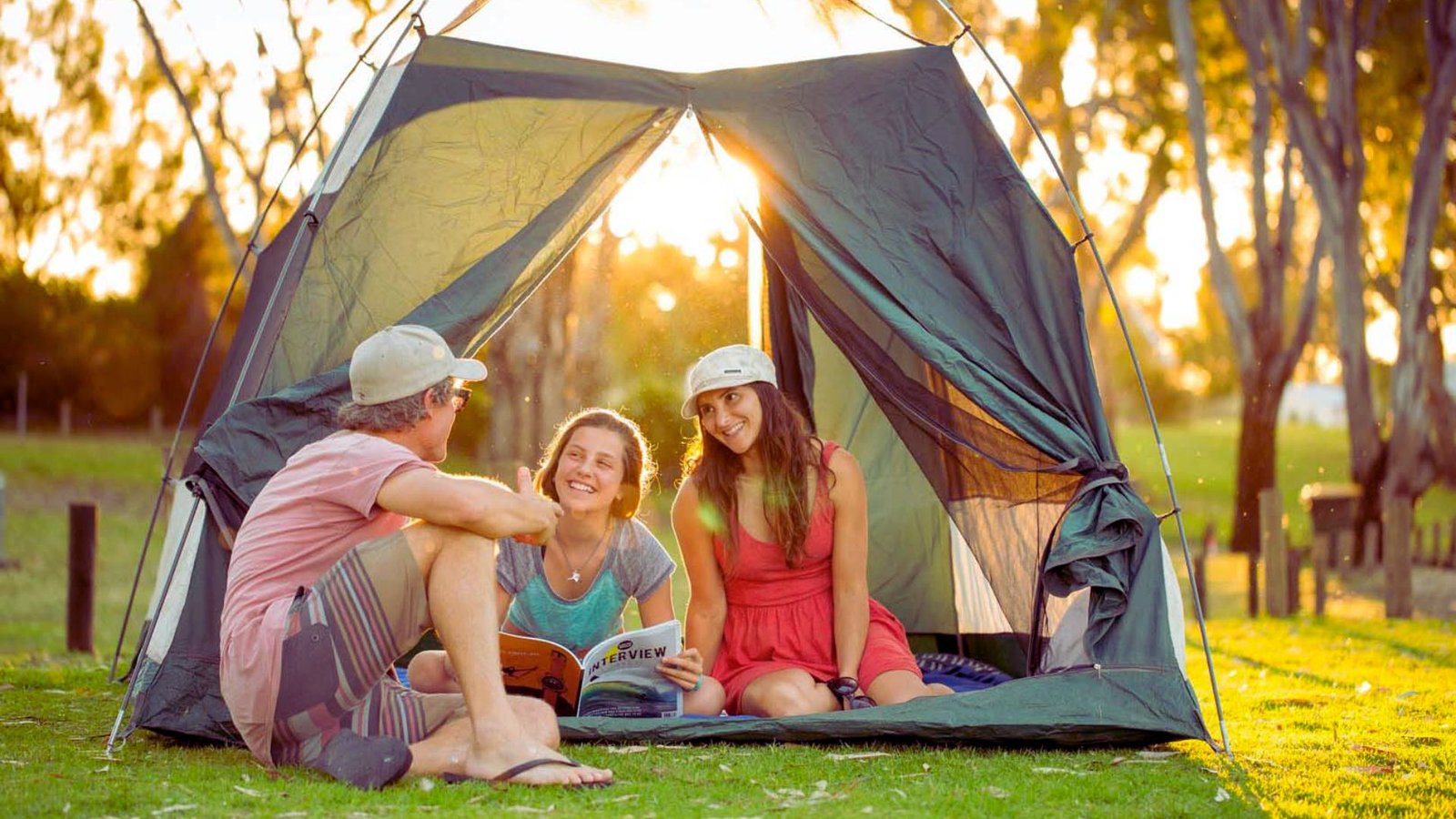
Understanding tent ratings and styles helps you pick gear that keeps water out.
Look for tents rated at least 1500mm waterproof. 3000mm handles heavy downpours with ease. Check for sealed seams and bathtub-style floors.
Dome tents shed rain naturally and handle wind well. Three-season tents with full rainflies work for most rainy camping. Look for vestibules, closeable vents, and freestanding designs.
Best Tent Features for Heavy Rain
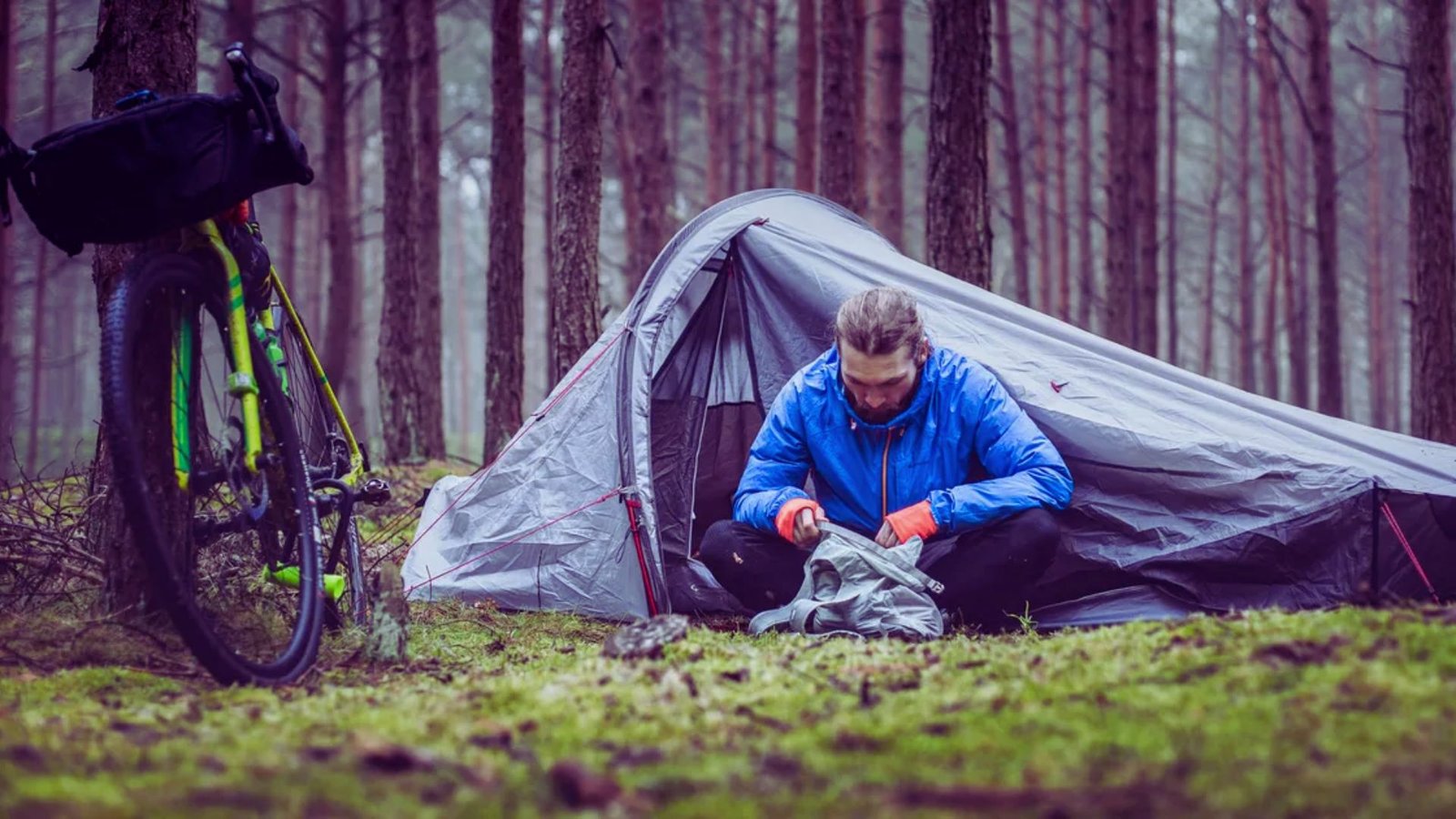
Specific design elements separate tents that leak from tents that protect.
Double-wall construction prevents condensation better than single-wall. Aluminum poles bend under stress but don’t break. Fiberglass poles can snap in high winds.
Extra guy-out points let you anchor firmly. Quality zippers resist water and don’t snag. YKK zippers last longer. Storm flaps over zippers add extra protection.
Picking High, Well-Drained Ground

Your campsite location matters more than your tent quality when rain starts falling.
Never camp in a depression or valley bottom. Water pools in low spots. Look for slightly elevated ground with a gentle slope.
Check the ground for hardness. Soft, muddy soil means water is already there. Stay away from dried creek beds that can flood fast. Give rivers and streams extra space.
Using Footprints and Extra Tarps
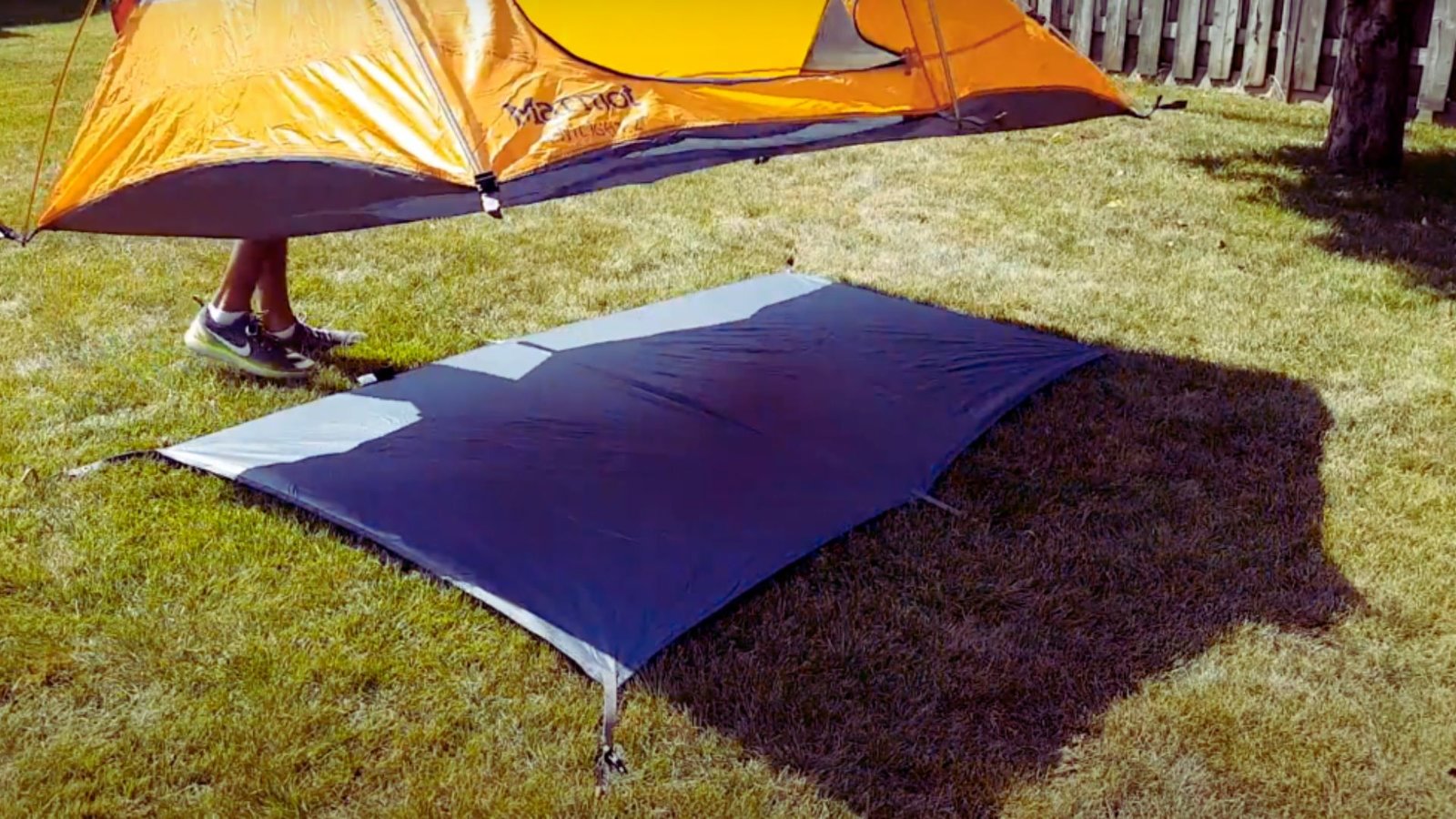
Layering protection above and below your tent creates multiple barriers against moisture.
Place a groundsheet under your tent floor. Make it smaller than your tent so rain doesn’t pool on top. String a tarp above your tent entrance angled so rain runs off away from the door.
Use tarp clips or bungee cords for secure attachment. Some campers put tarps inside the tent too for a clean, dry floor surface.
Ventilation to Reduce Condensation
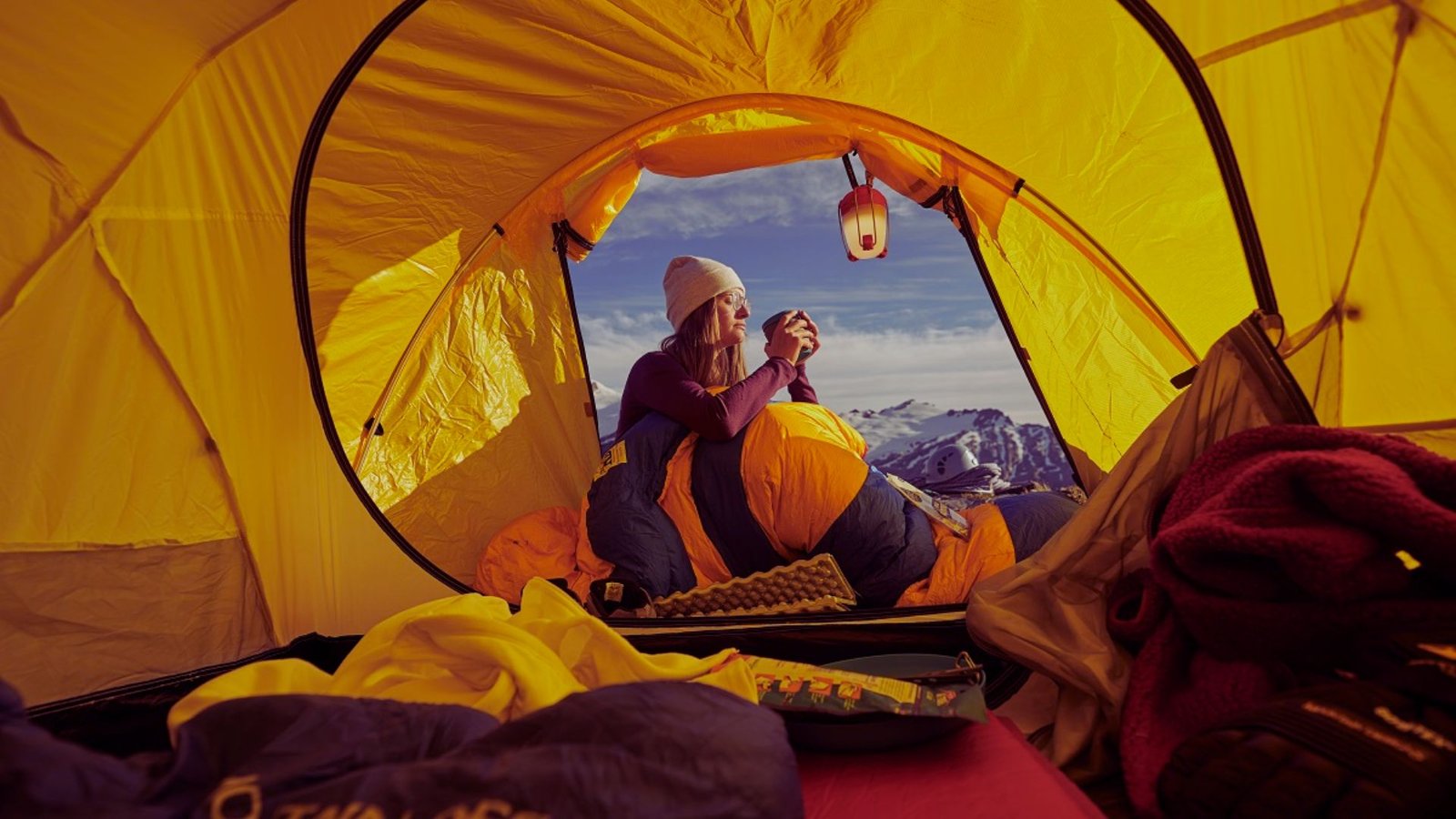
Your breath and body heat create as much moisture inside as rain creates outside.
Condensation is your sneaky enemy in rain. Open roof vents even when it’s raining. Modern vents are designed to stay open safely.
Crack a door or window slightly for cross-ventilation. Wipe down interior walls in the morning with a microfiber towel. This small task prevents bigger moisture problems.
Creating Wet and Dry Zones
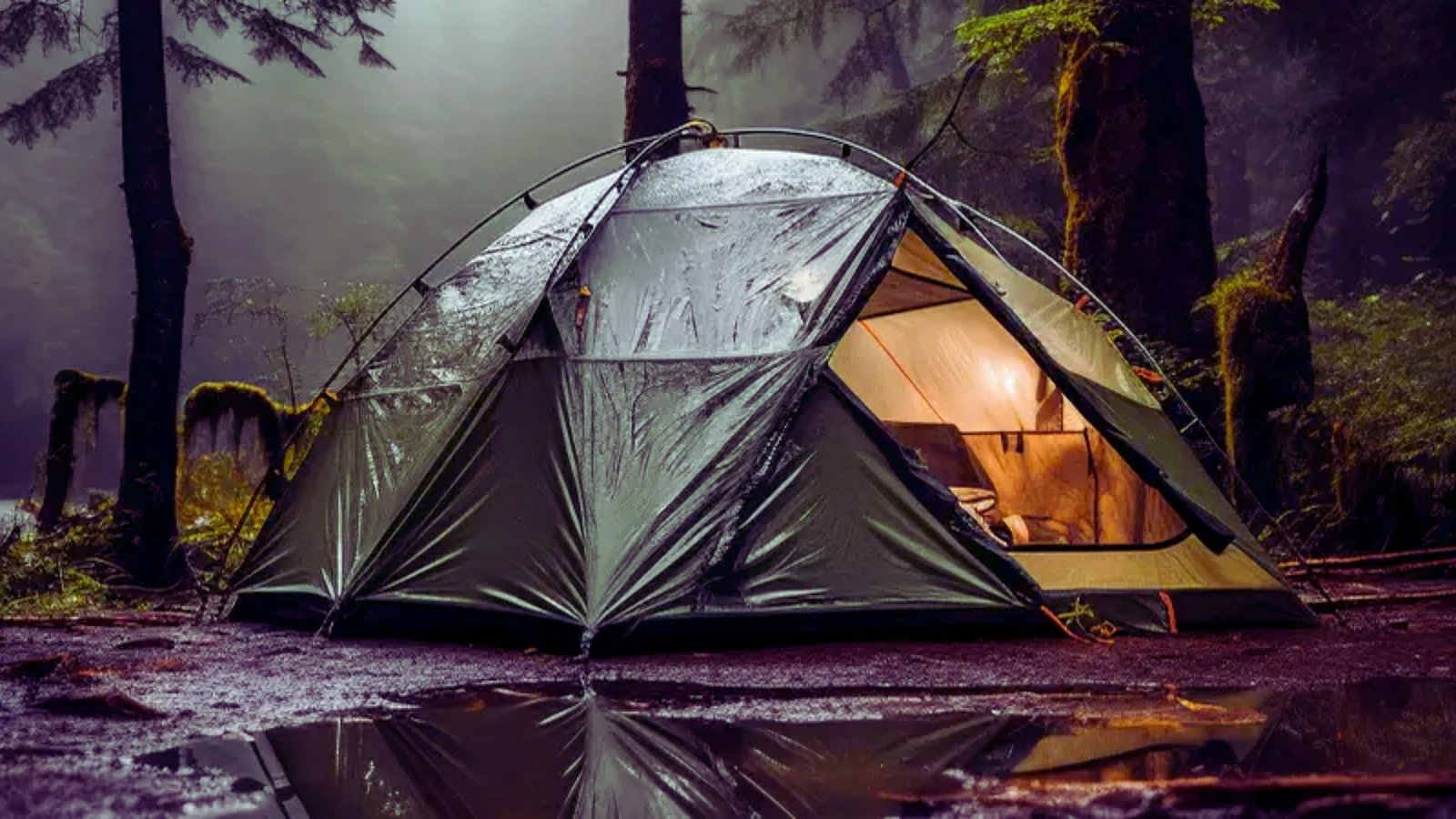
Organizing your tent into separate areas keeps at least some gear perfectly dry.
Designate one part of your tent for wet items near the door. Never mix wet and dry zones. Keep boots outside the vestibule when possible.
Hang wet clothes at the top of the tent where they’ll drip less on your gear. Keep sleeping bags and clean clothes in the back in dry bags.
Rain Camping Preparation: Gear, Tents, and Setup
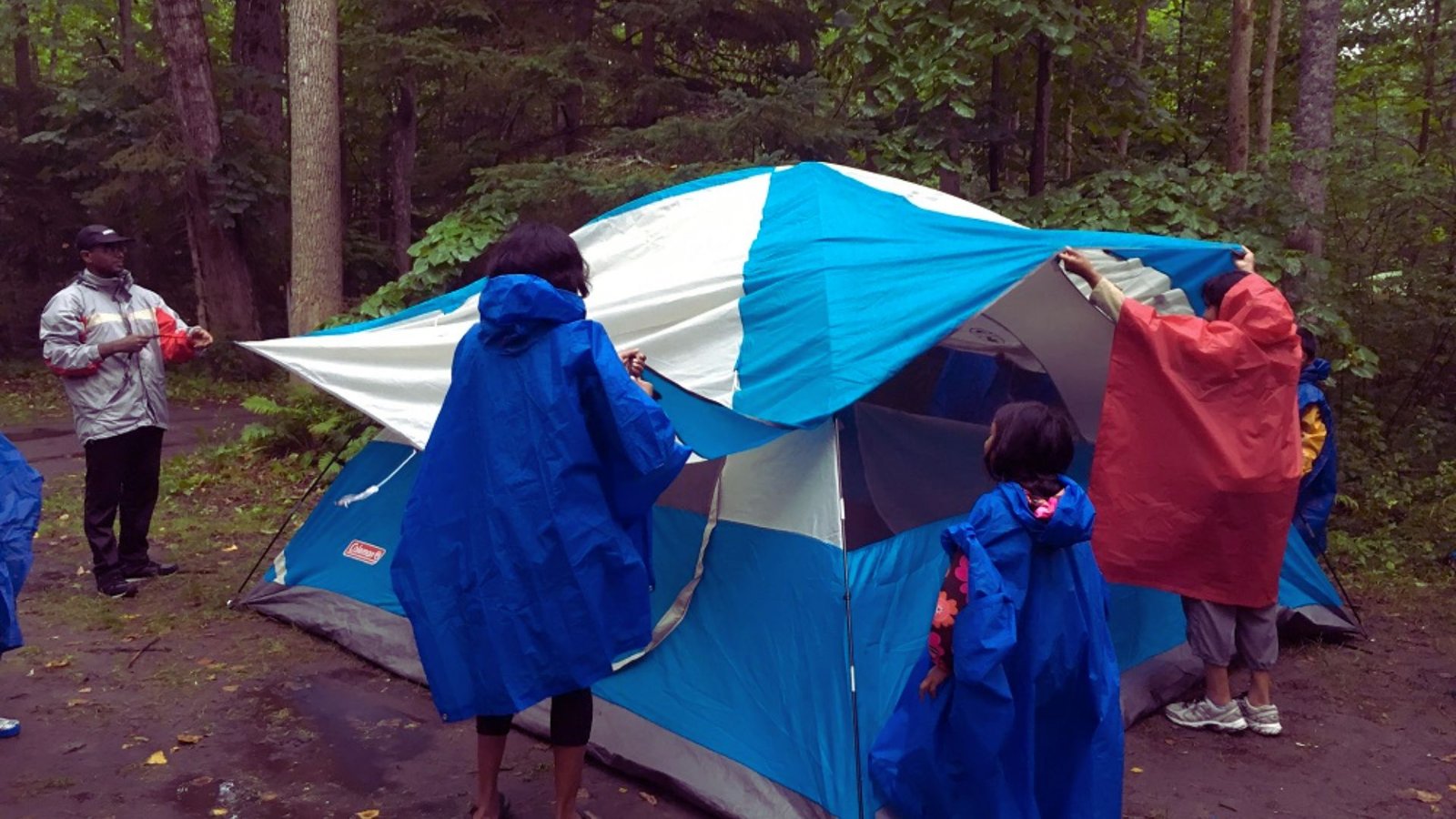
Getting ready for wet weather starts with the right equipment and smart camping strategies.
Bring a rain jacket, waterproof pants, and synthetic or merino wool base layers. Cotton stays wet and makes you cold.
Pack three pairs of socks per day. Use microfiber towels, dry bags, and compression sacks.
Check your tent rainfly for holes. Bring a tarp, groundsheet, extra stakes, headlamps, batteries, power banks, and hand warmers.
Look for tents rated 1500mm waterproof minimum. 3000mm handles heavy downpours. Dome tents with full rainflies and double-wall construction work best.
Never camp in low spots. Pick elevated ground with good drainage. Stay away from dried creek beds.
Place your groundsheet under the tent smaller than the footprint. String a tarp above the entrance. Open vents for airflow. Keep wet items near the door and dry gear in the back.
Conclusion
Rain camping has taught me that comfort is a choice, not a condition. I’ve learned my best skills during wet trips, not sunny ones. You’ll surprise yourself with what you can handle.
Start with a short rainy camping trip close to home. Build your confidence before going remote. Test your gear and systems in manageable conditions.
Remember that every camper has gotten soaked at some point. Stories from rainy trips become your favorites later. The challenge makes success feel better.
What’s your biggest concern about camping in the rain? Drop a comment below and share your thoughts. If this guide helped you, pass it along to a friend planning their next trip.
Frequently Asked Questions
Can you safely camp in a thunderstorm?
No, tents provide no lightning protection. Move to a hard-topped vehicle or building when lightning is close. Wait 30 minutes after the last thunder before returning outside.
How do I keep my sleeping bag dry while camping in the rain?
Store it in a waterproof compression sack or dry bag until bedtime. Keep it in the driest part of your tent, away from walls, and line your sleeping area with an extra tarp.
What should I do if my tent starts leaking during rain?
Mark the leak and use seam sealer or waterproof tape for temporary fixes. If severe, move into your car or set up a tarp inside the tent to divert water.
Is it better to camp in a tent or RV during heavy rain?
RVs offer better protection, space, and heating for heavy rain with storms. Quality tents with proper setup work fine for light to moderate rain and cost less.
How can I dry out wet camping gear after a rainy trip?
Set up your tent at home to air dry completely and hang clothes on a drying rack. Never pack wet gear away as mold will grow and damage everything.