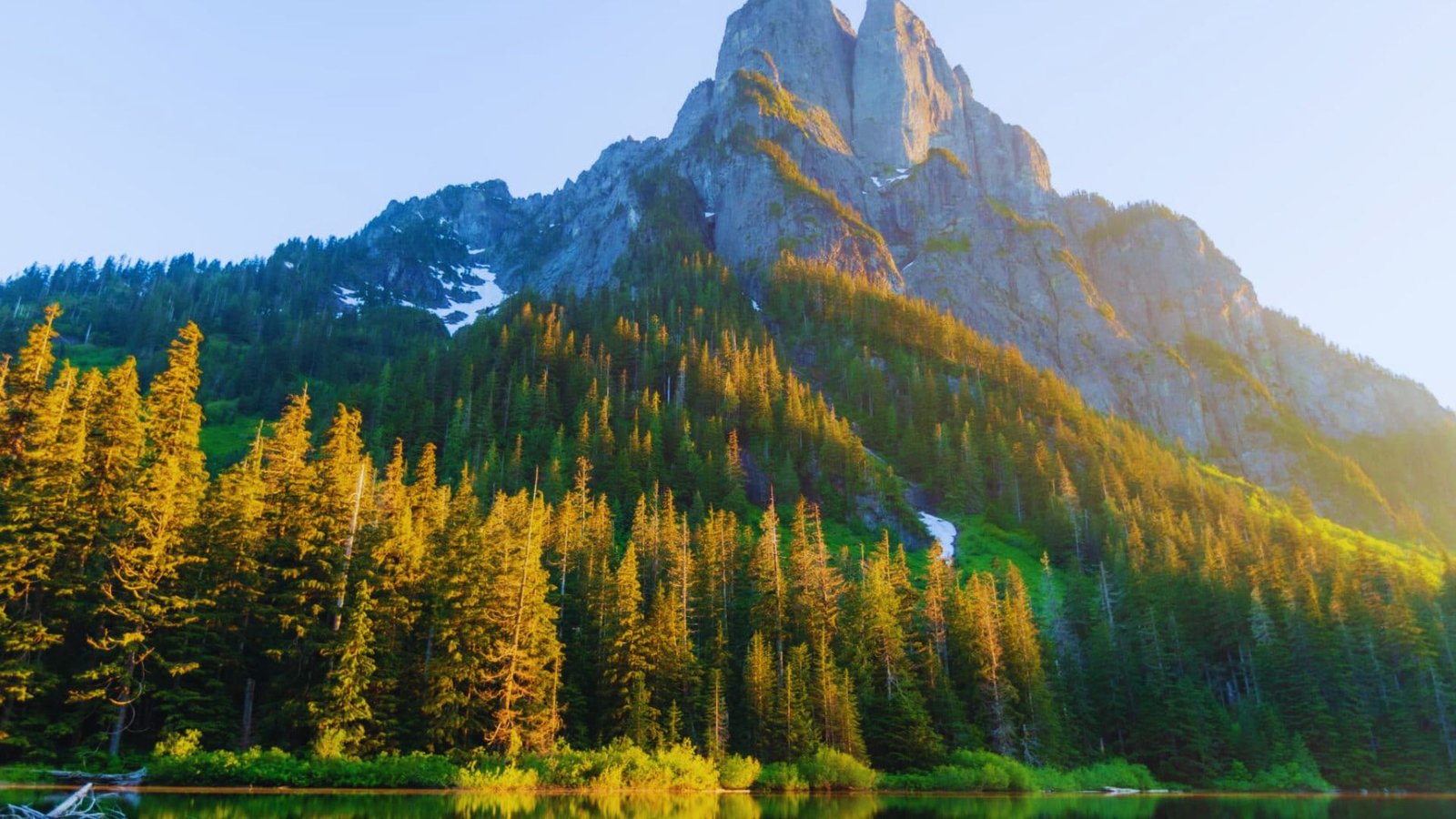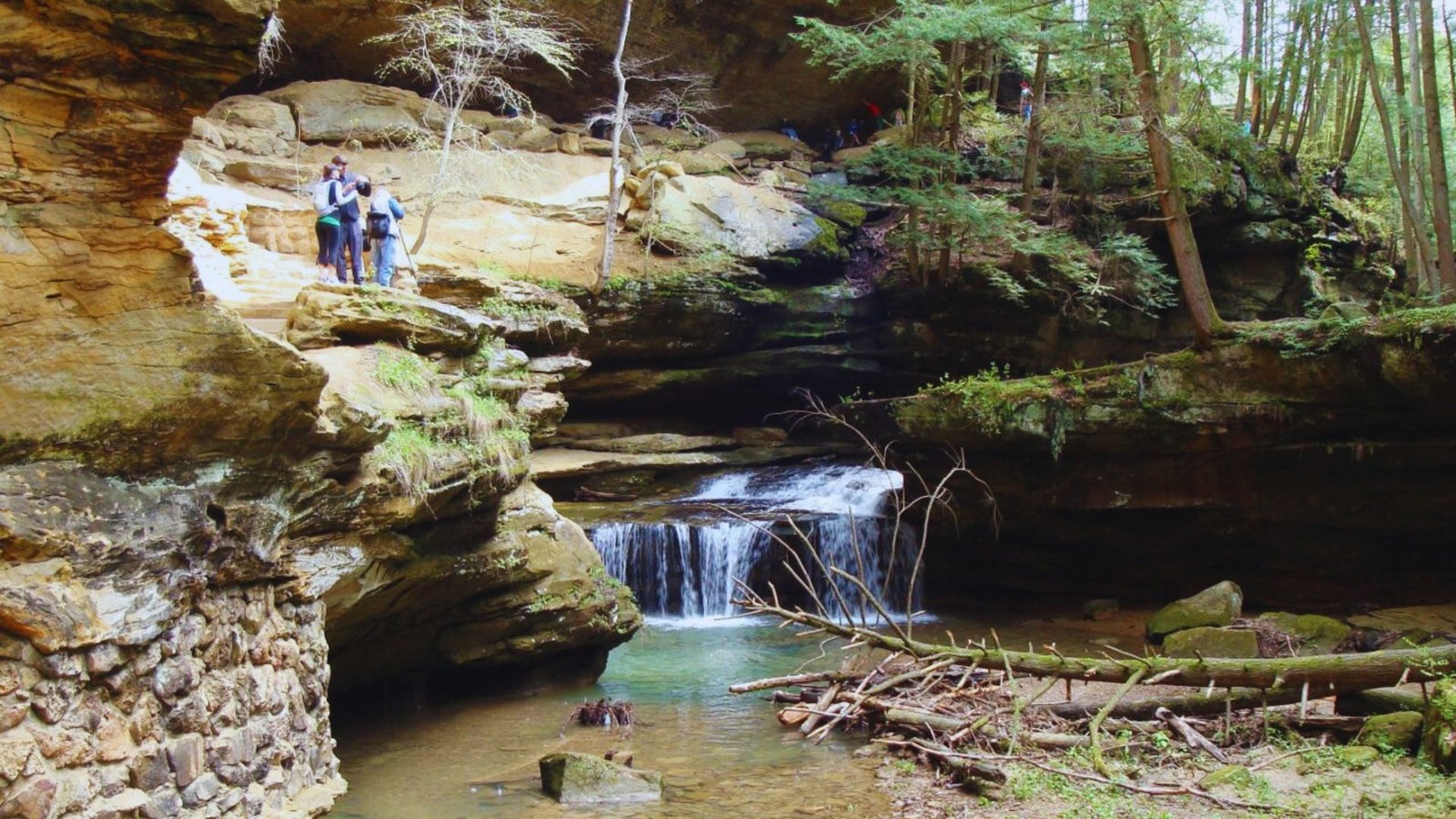
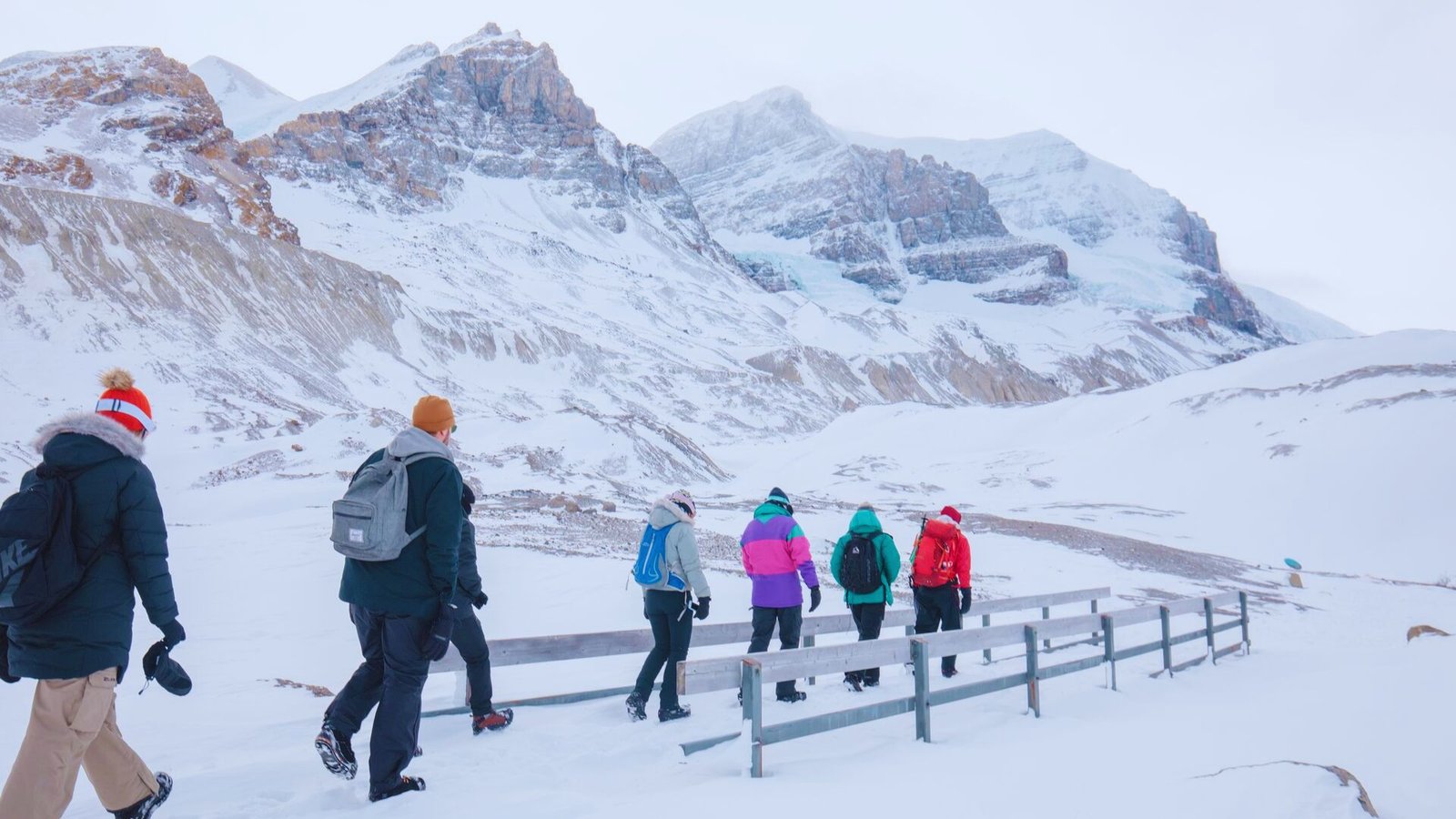

I’ve spent years visiting winter hiking trails across the country, and I can tell you there’s something magical about them. Winter hiking trails offer peace, impressive snow-covered views, and fewer crowds than summer hikes.
In this guide, I’ll walk you through 13 popular winter hiking trails worth Visiting in the USA. You’ll find snowy peaks and snow-free paths perfect for your skill level.
I’ll also show you how to find winter hiking trails near you safely. If you are a beginner or experienced hiker, I’ve got options that work.
Let’s find your next winter outing together.
What Makes a Trail Ideal for Winter Hiking?
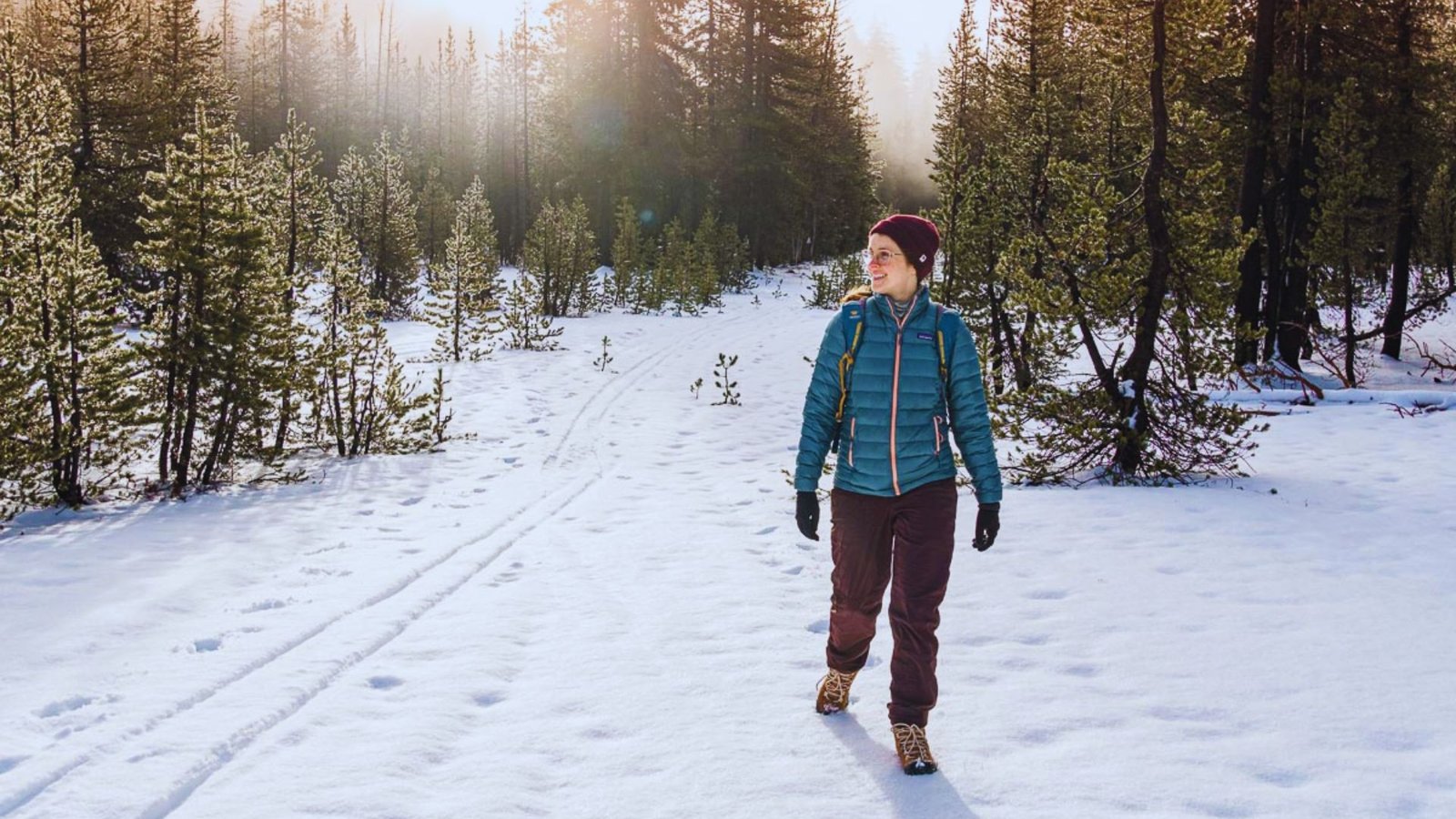
Winter trails vary widely across the country. Snowy trails offer alpine beauty and snowshoeing opportunities that change the hiking experience. Snow-free trails stay accessible year-round at lower elevations, perfect for those who prefer milder conditions. Your choice depends on experience level and desired scenery.
Winter conditions change trail difficulty significantly. Easy summer hikes become moderate in snow and ice. Ice adds technical challenges that require special equipment and skills. Research trail ratings for winter conditions specifically before you go.
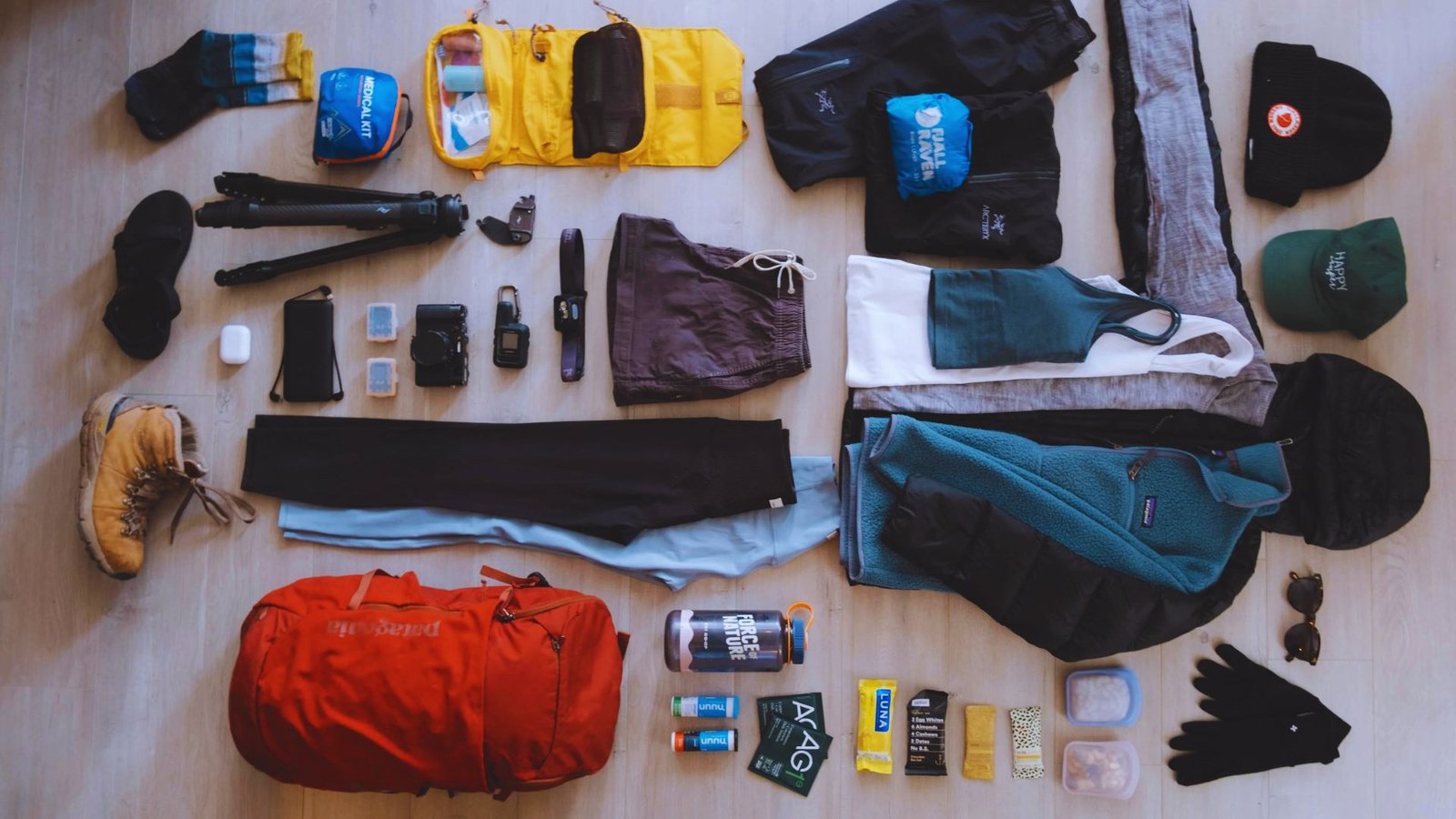
Check weather forecasts before heading out on any winter hike. Bring extra layers and emergency supplies beyond what you’d pack in summer. Daylight hours are shorter in winter, limiting your hiking window. Start early and plan to finish before dark to stay safe.
13 Popular Winter Hiking Trails Worth Visiting in the USA
Find Impressive winter trails from snowy Pacific Northwest peaks to snow-free California paths, each offering Varied beauty and Outing.
1. Artist Point at Mount Baker, Washington
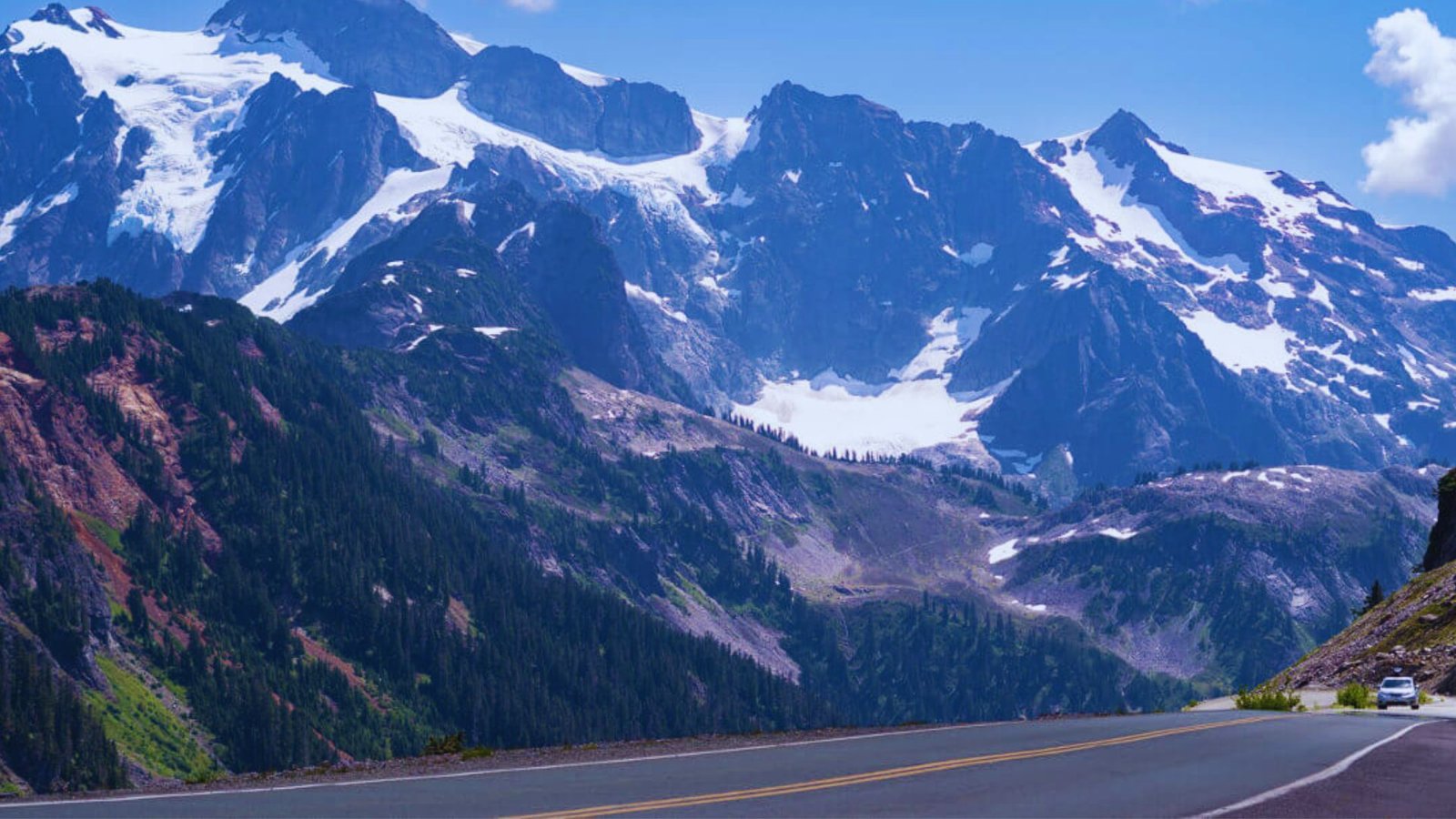
This ranks among the most scenic winter hiking trails in the USA. Snow-covered peaks surround you completely. The trail is ideal for snowshoeing and winter photography. Expect Impressive alpine views throughout your hike.
2. Mazama Ridge at Mount Rainier National Park, Washington
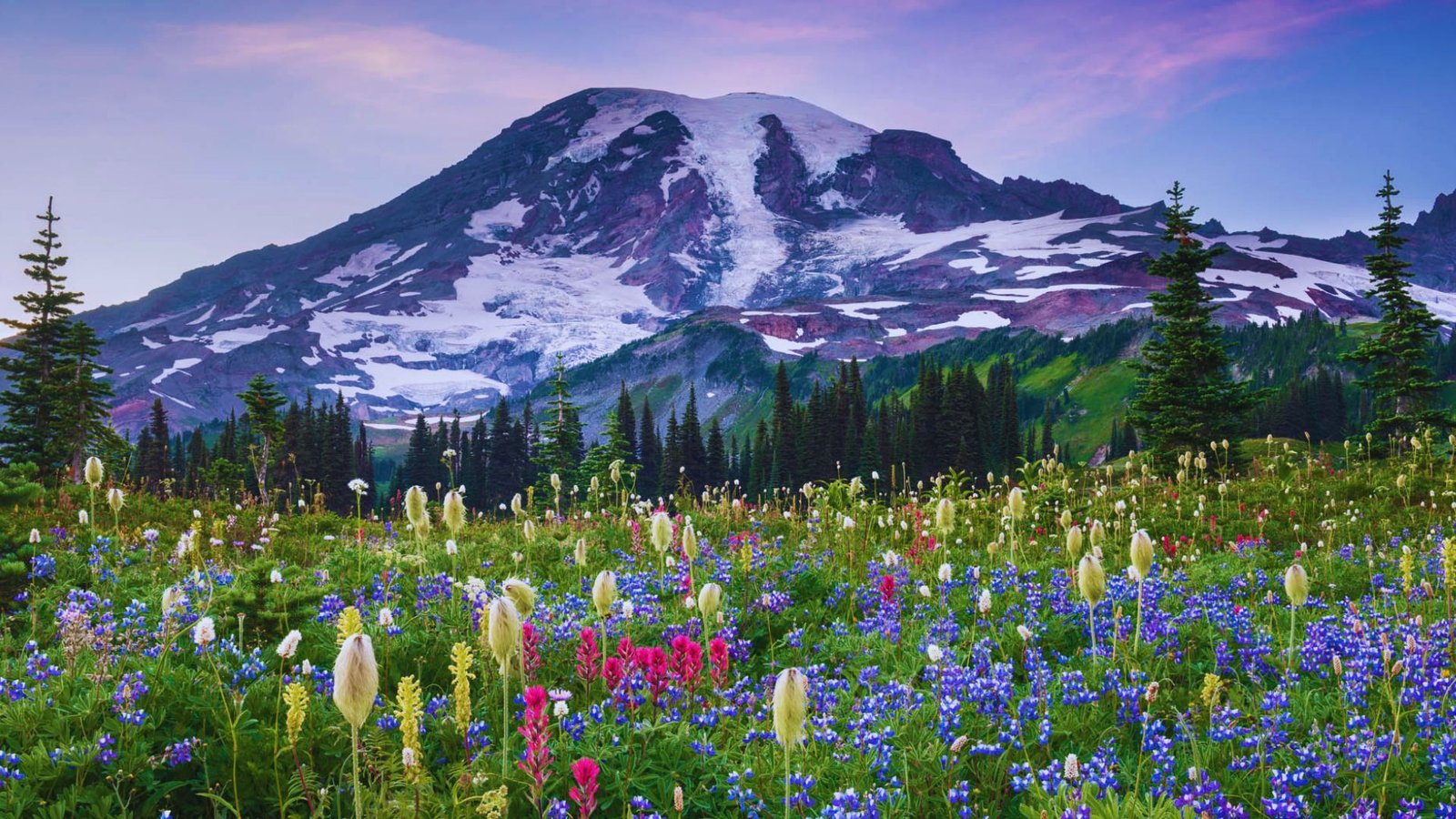
Snowy alpine terrain defines this popular winter hiking trail. Mount Rainier dominates the skyline with iconic views. The path offers pristine winter beauty. Prepare for snow-covered conditions.
3. Winter Hiking Trails in Grand Teton National Park
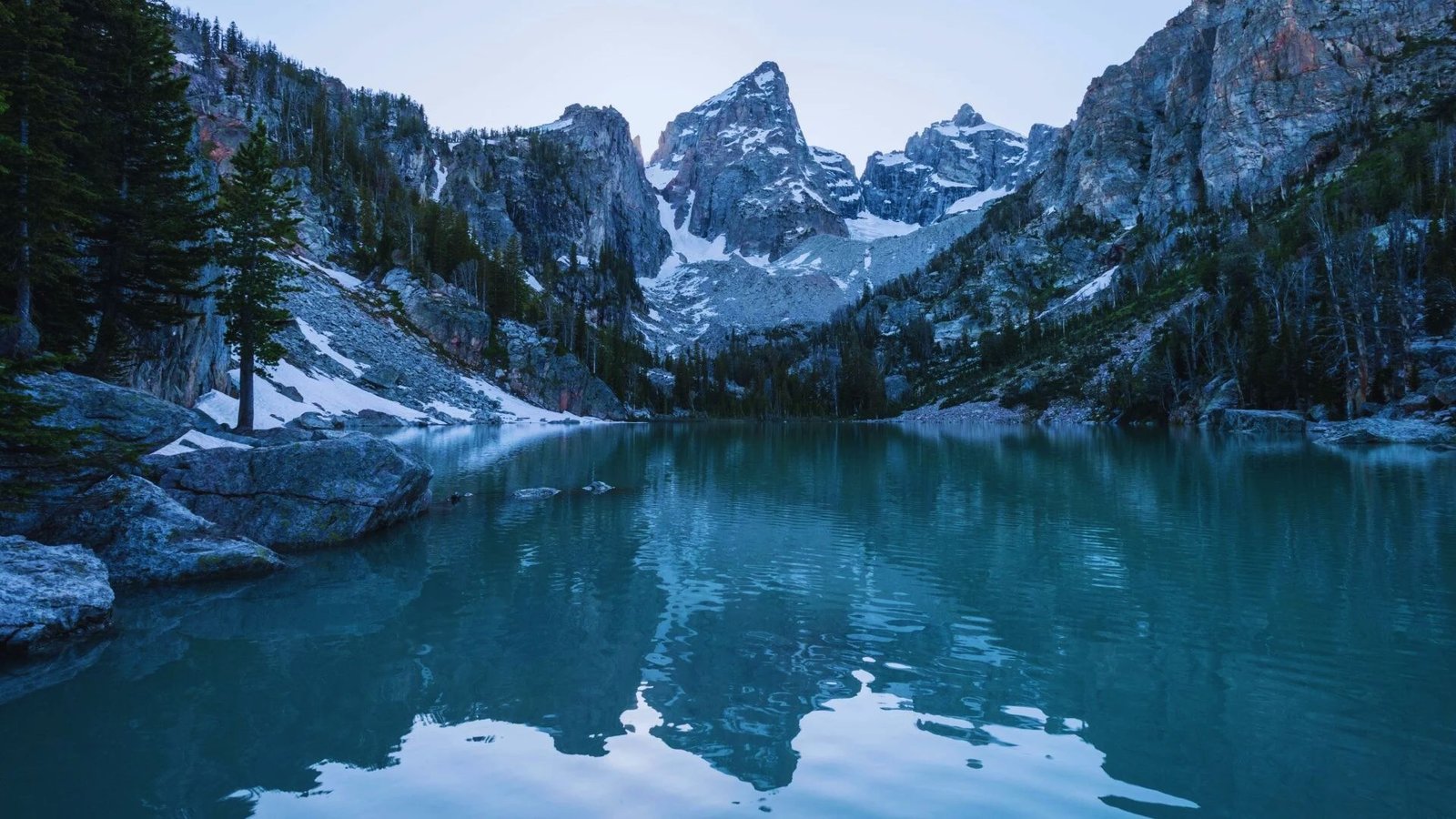
Peaceful winter landscapes await here. Wildlife viewing opportunities increase in winter months. Moose and elk appear frequently. The trails offer solitude and natural beauty.
4. Hurricane Ridge at Olympic National Park, Washington
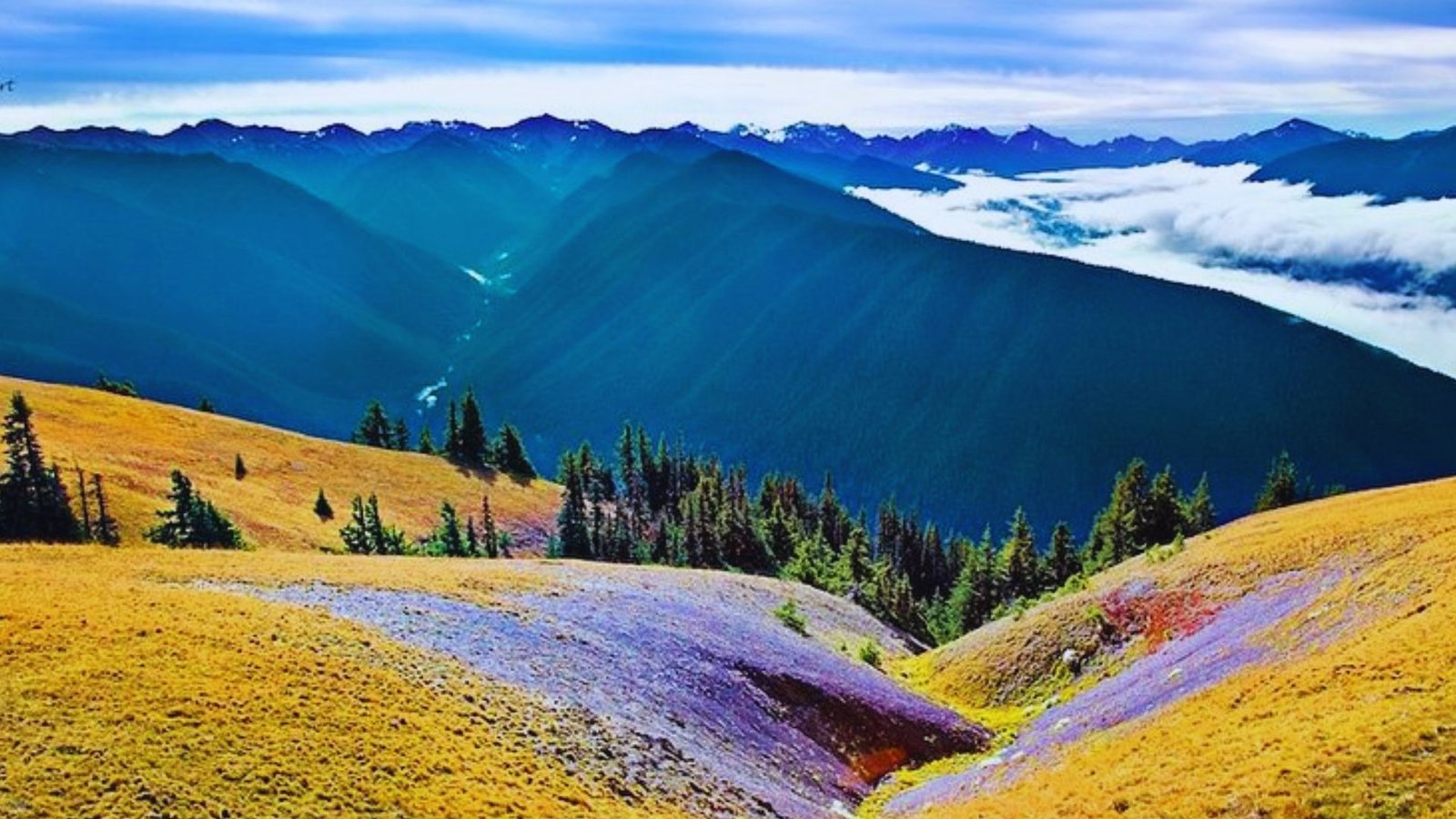
High-elevation winter hiking trails provide expansive mountain views. The ridge offers panoramic vistas across Olympic peaks. Snow blankets the landscape from December through March.
5. Pine Knob Loop in Cornwall, Connecticut
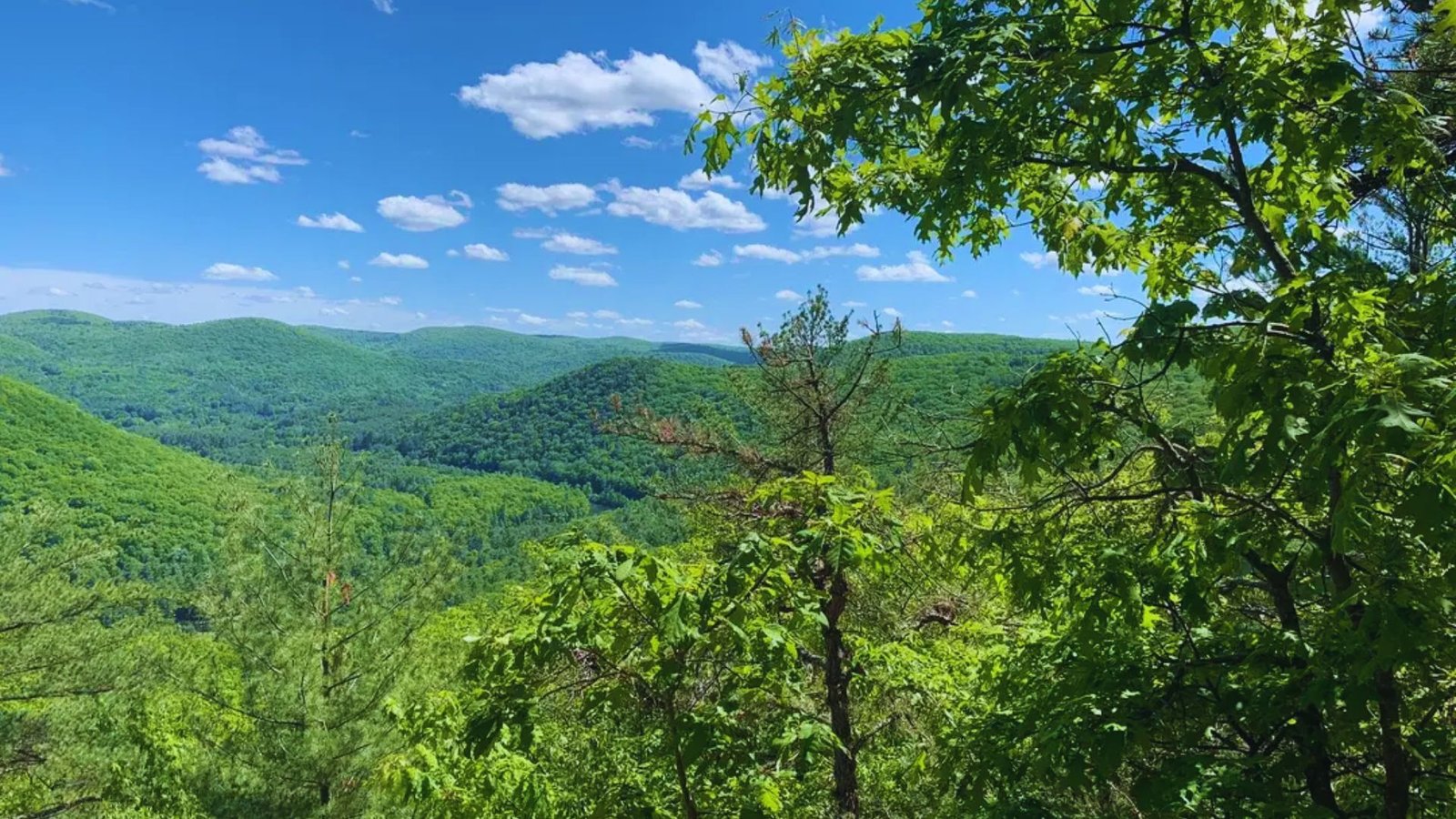
Waterfalls and lookouts make this trail special. It’s one of the best winter hiking trails in New England. The 3-mile loop stays accessible most winters. Perfect for moderate winter hikers.
6. Bear Mountain at Mount Riga State Park, Connecticut
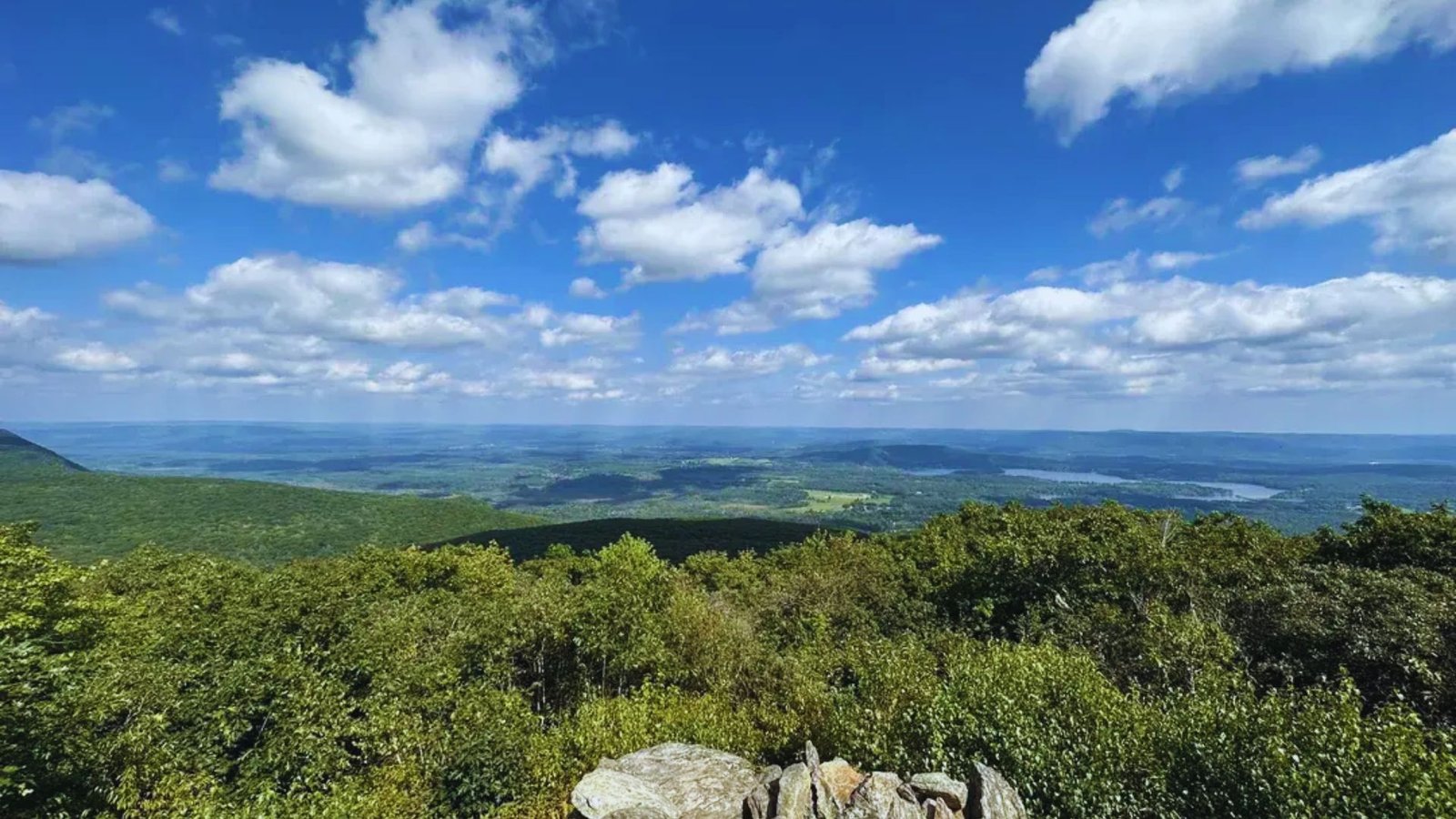
This challenging winter hike tests your skills. Summit views in snowy conditions reward the effort. Elevation gain makes it suitable for experienced hikers only.
7. Steep Rock Preserve in Washington Depot, Connecticut
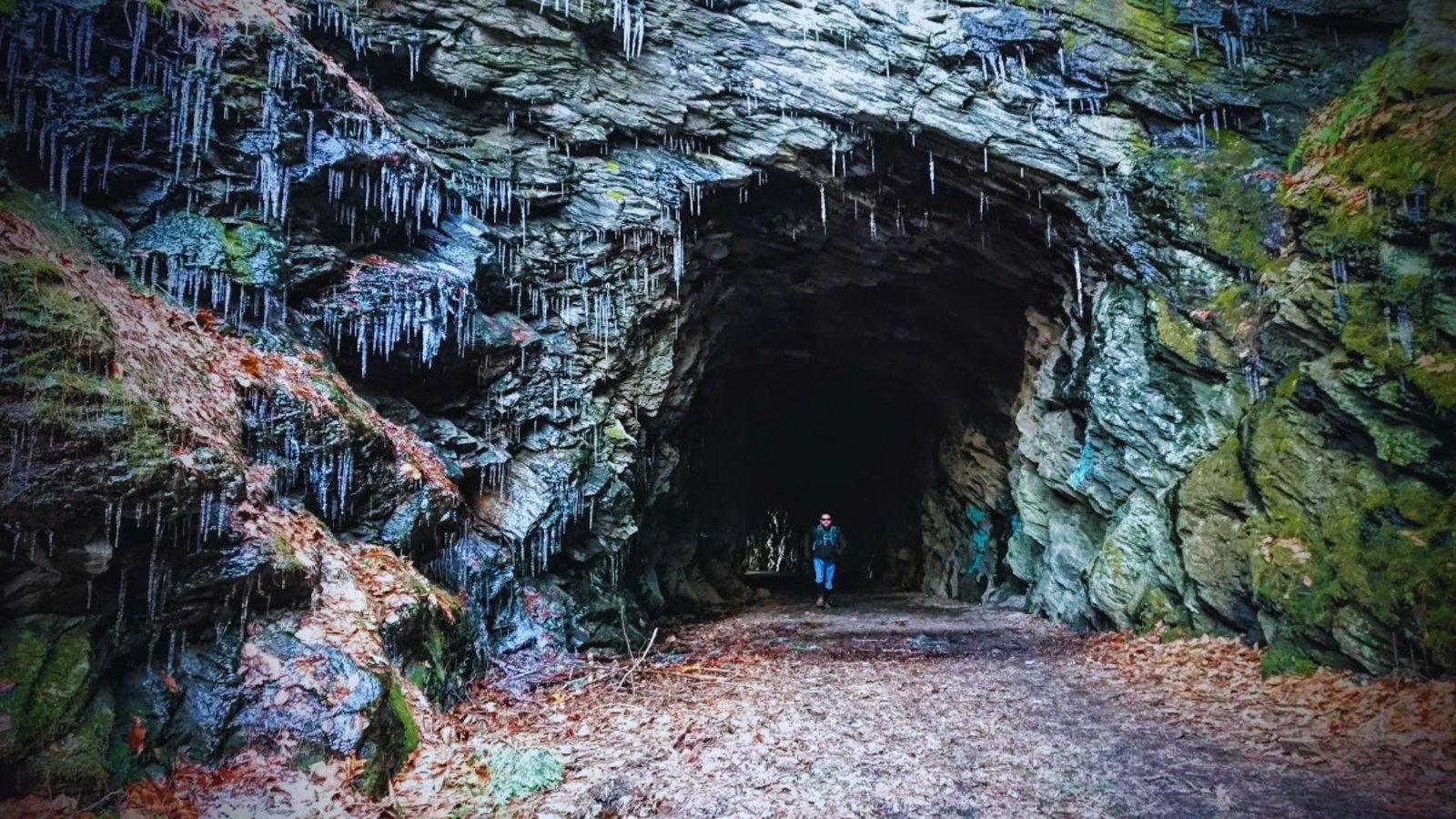
River walks and tunnels create varied scenery. This easy-to-moderate winter hiking trail follows the Shepaug River. Tunnels carved through rock add Outing.
8. Big Bear Winter Hiking Trails in California
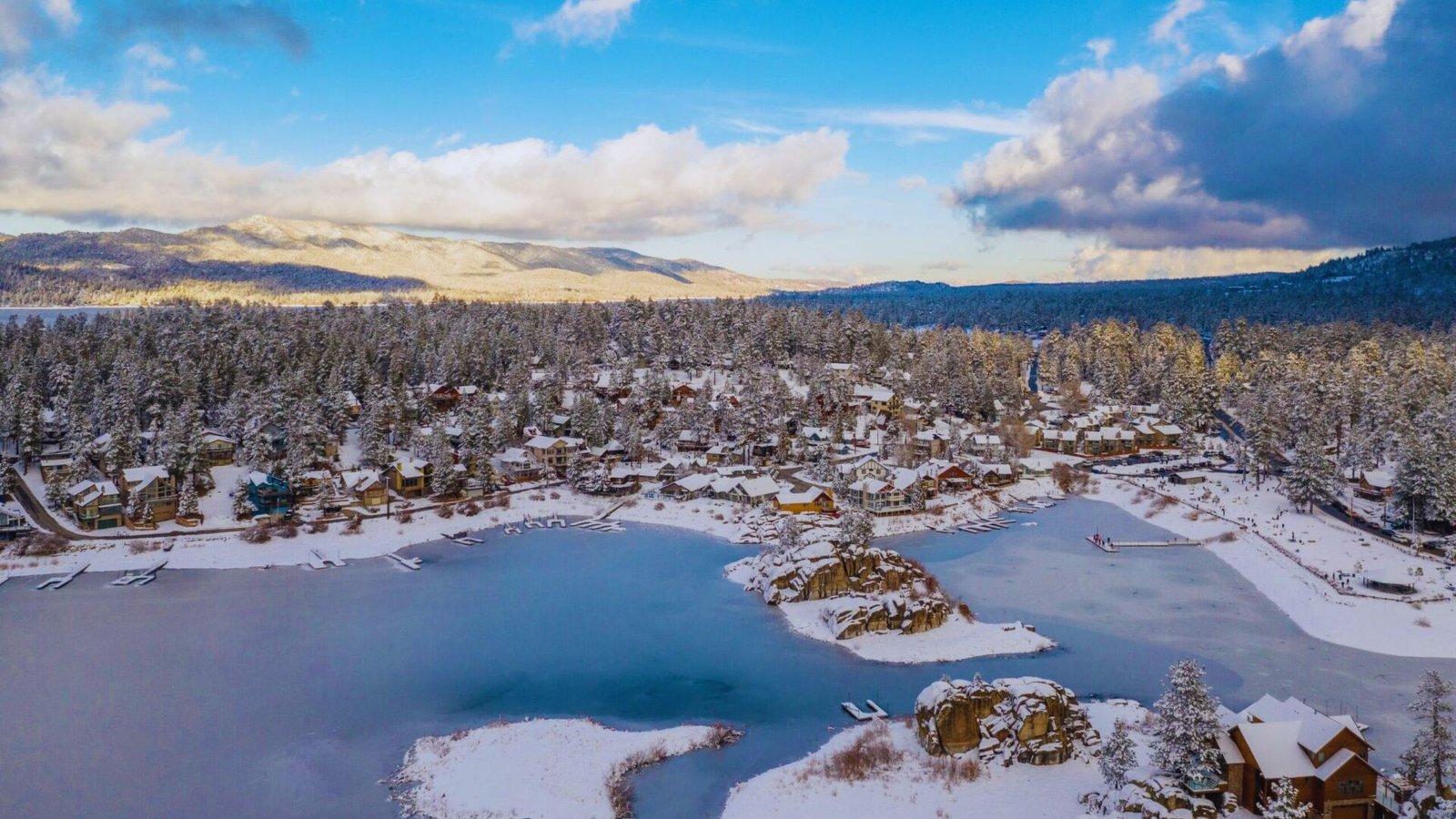
Snow-covered forest paths surround Big Bear Lake. This area offers accessible winter hiking in Southern California. Multiple trails suit different skill levels.
9. Winter Hiking Trails at Mount San Antonio (Mount Baldy), California
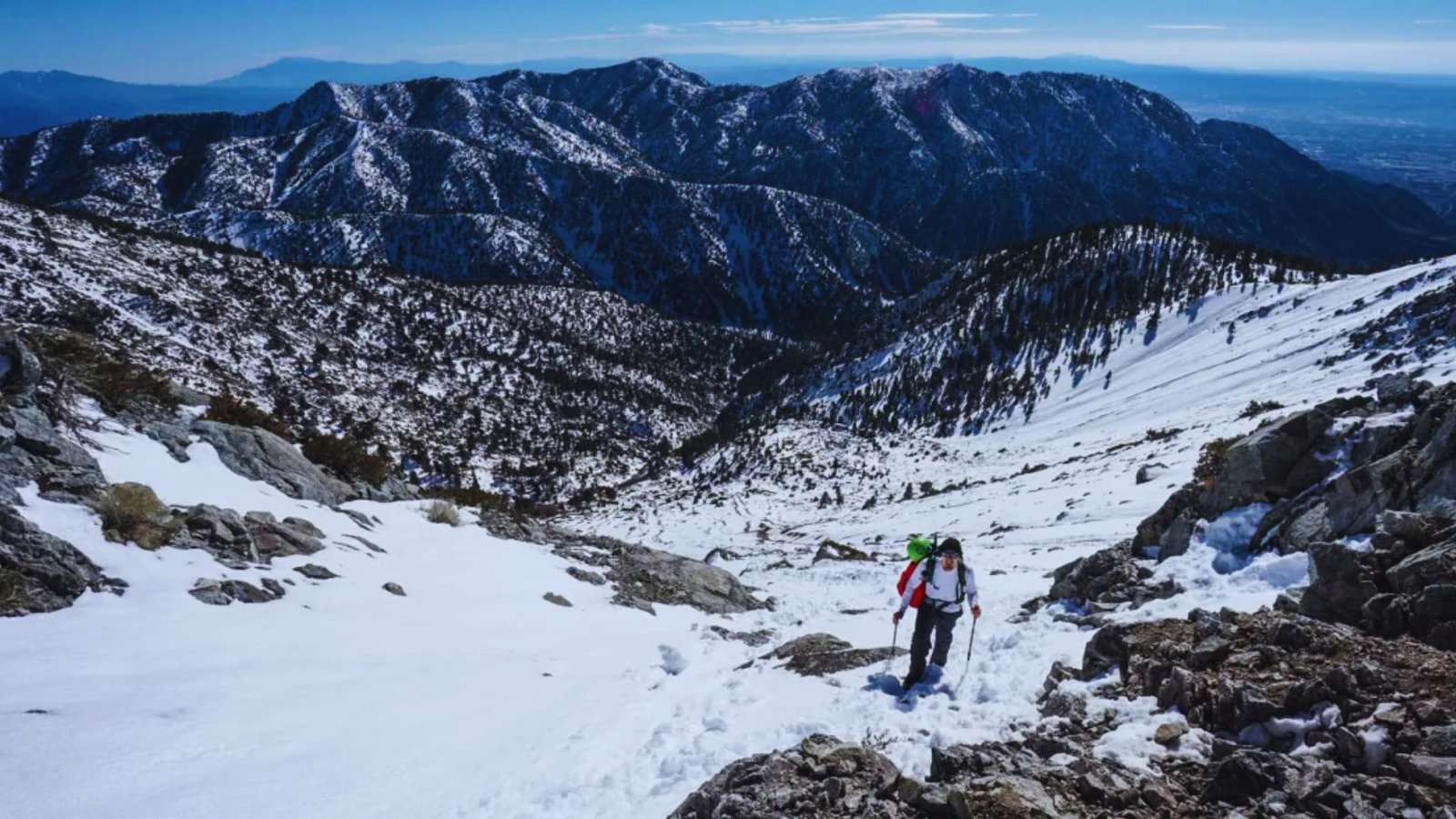
The alpine winter experience here is serious. Advanced winter hiking conditions require proper equipment. Ice axes and crampons are often necessary.
10. Winter Hiking Trails in Auburn, CA
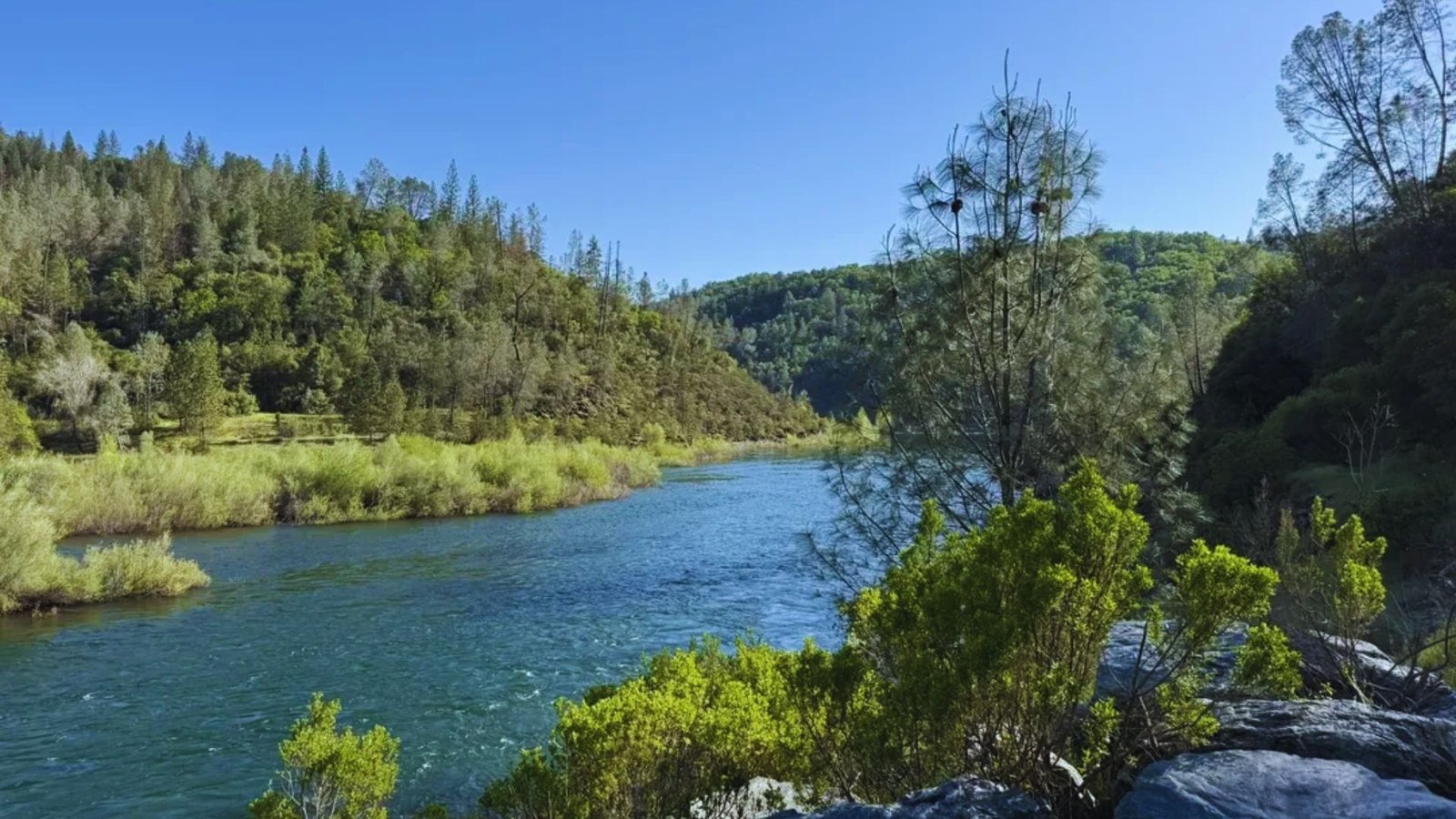
Lower-elevation trails stay mostly snow-free. This makes Auburn a great option for snow-free winter hiking. Enjoy mild temperatures and accessible paths.
11. Gold Creek Pond at Snoqualmie Pass, Washington
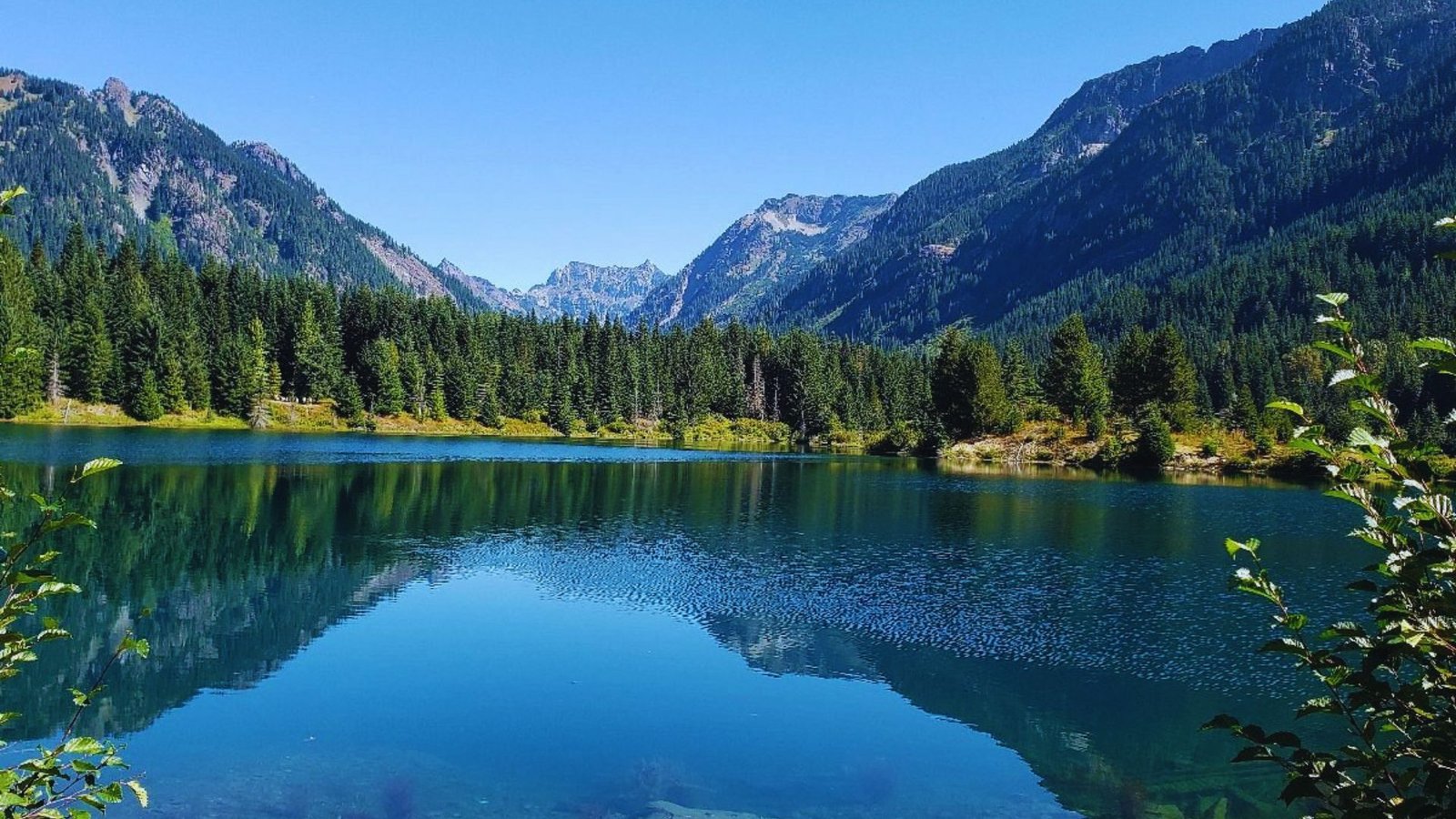
This easy winter hiking trail works perfectly for families. The loop circles a scenic pond. Snow reflects mountain peaks Scenic. Just 1 mile total distance.
12. Lake 22 in Washington
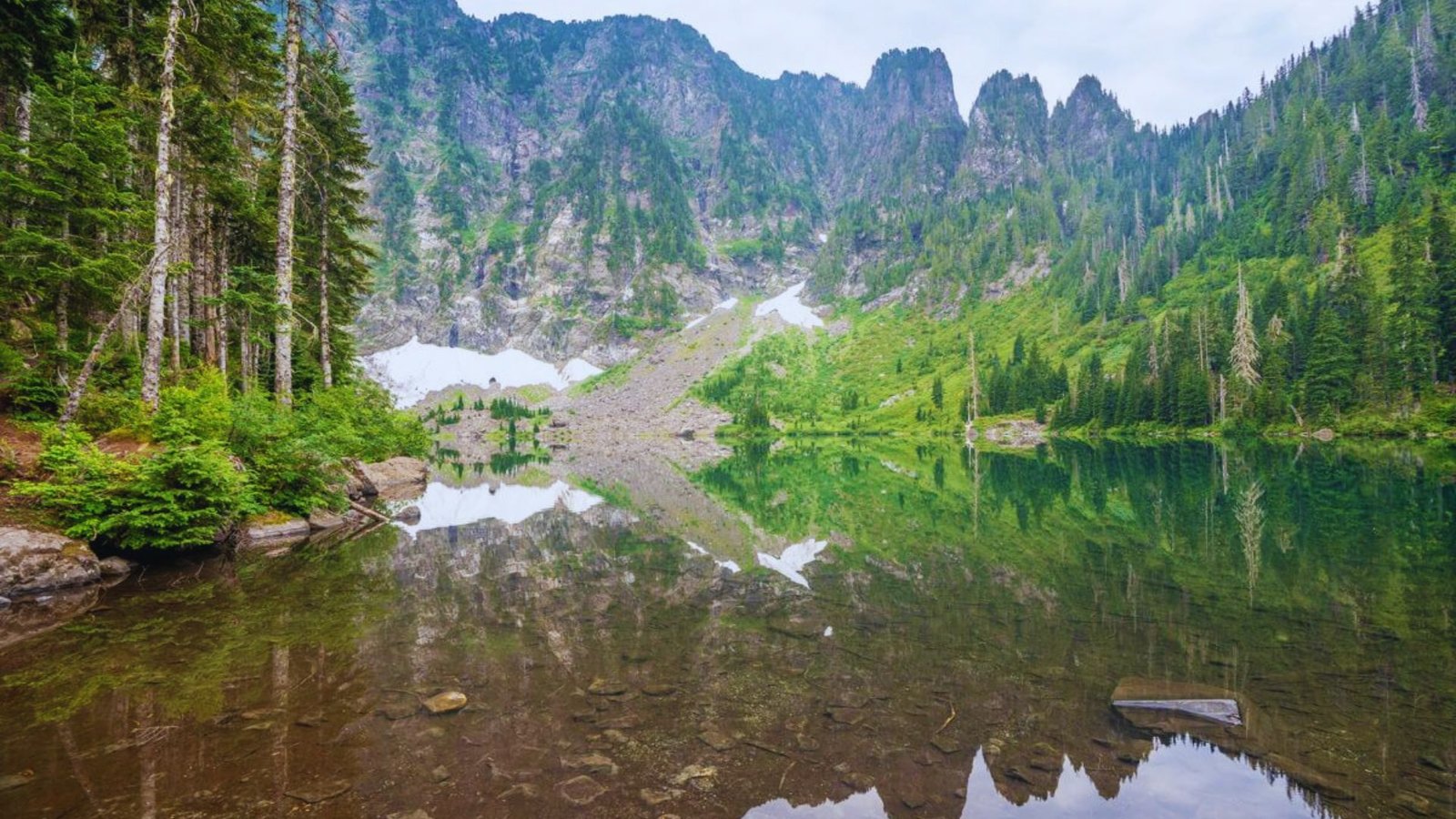
Frozen lake views make this destination popular. The trail climbs through old-growth forest. Ice formations create winter magic. Moderate difficulty with some elevation gain.
13. Mount Tom Tower in Litchfield, Connecticut
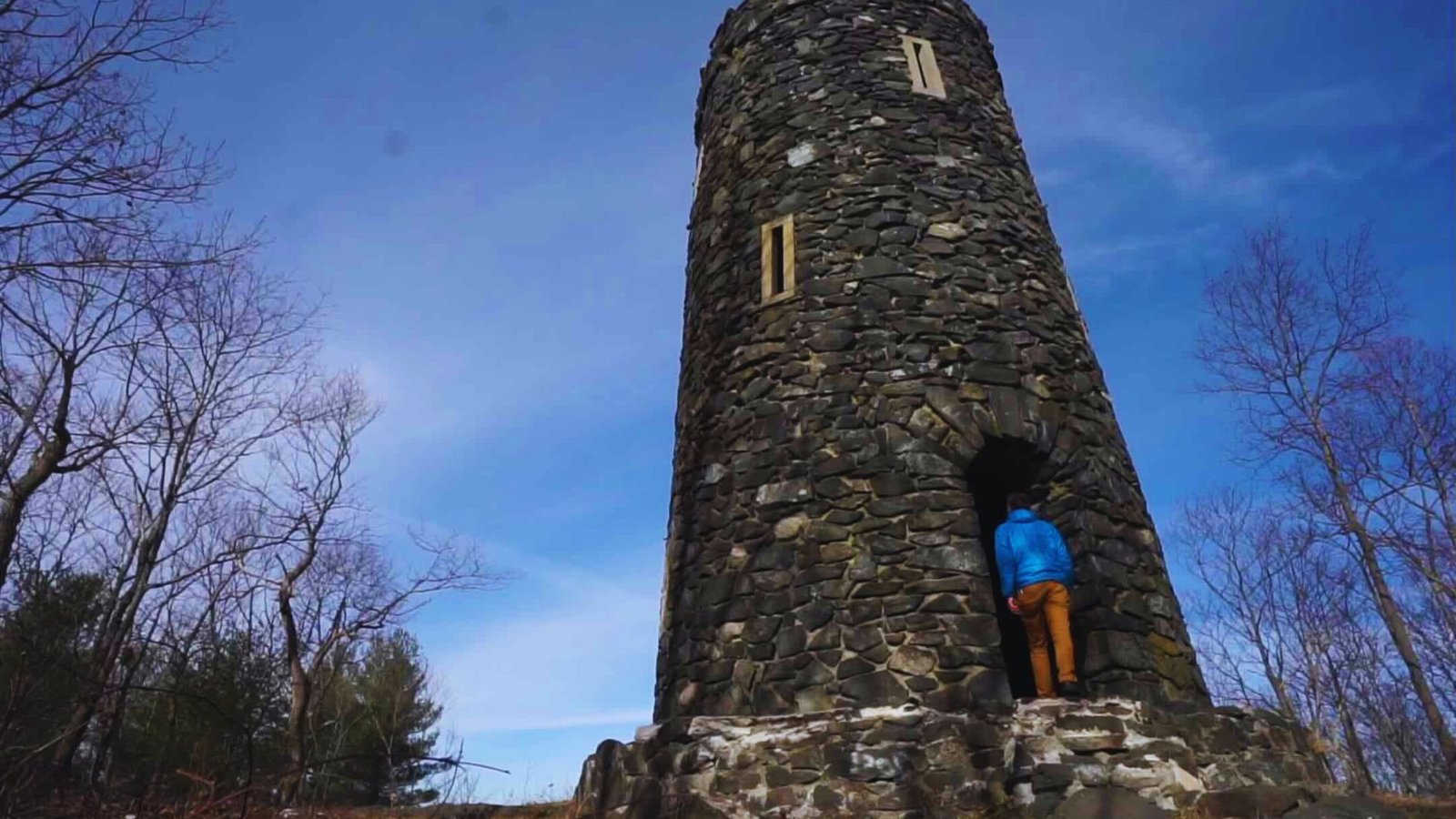
A short hike with big views describes this trail. The stone tower stands at the summit. Ideal for sunrise and sunset in winter. Only 1.5 miles round trip.
Easy Winter Hiking Trails Near Me
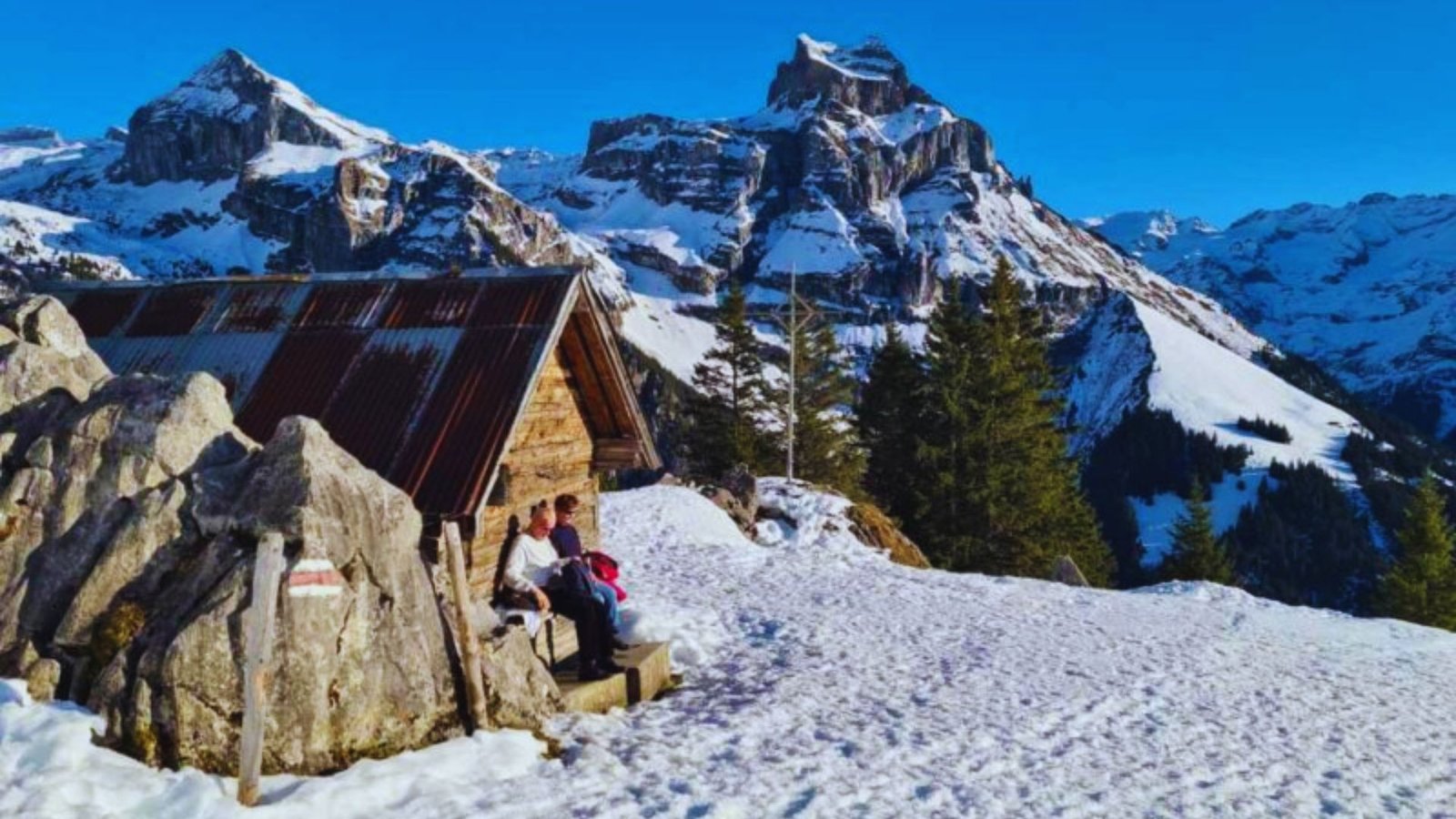
Find beginner-friendly and family-suitable winter trails in your local area with these helpful tips and distance guidelines.
Best Winter Hiking Trails Near Me for Beginners
Start with local parks offering groomed winter paths. Look for trails under 3 miles with minimal elevation. Community parks often maintain accessible winter routes. Ask local hiking groups for recommendations.
Good Winter Hiking Trails Near Me for Families
Family-friendly trails need gentle grades and short distances. Choose loops under 2 miles for young children. Trails with nature centers provide educational opportunities. Pack hot chocolate for breaks.
Short and Easy Winter Hiking Trails Under 5 Miles
Many Scenic trails fit this category. Gold Creek Pond and Mount Tom Tower both qualify. These shorter hikes let you enjoy winter without overcommitting. Perfect for building confidence.
Tips to Find Winter Hiking Trails Near You?
Use these practical tools and strategies to locate safe, accessible winter trails in your area.
- AllTrails shows winter conditions and recent trip reports, while state park websites list seasonal trail statuses and closures
- Download offline maps before hiking and join local hiking Facebook groups for real-time updates from other hikers
- Check elevation and recent snowfall reports, as lower elevations often stay snow-free while higher trails may require snowshoes or microspikes
- Call ranger stations for current conditions and tell someone your hiking plans and expected return time before heading out
- Bring the ten required items plus extras, pack emergency shelter and fire-starting materials, and turn back if conditions worsen
Winter Hiking Trails in the USA Regional Highlights
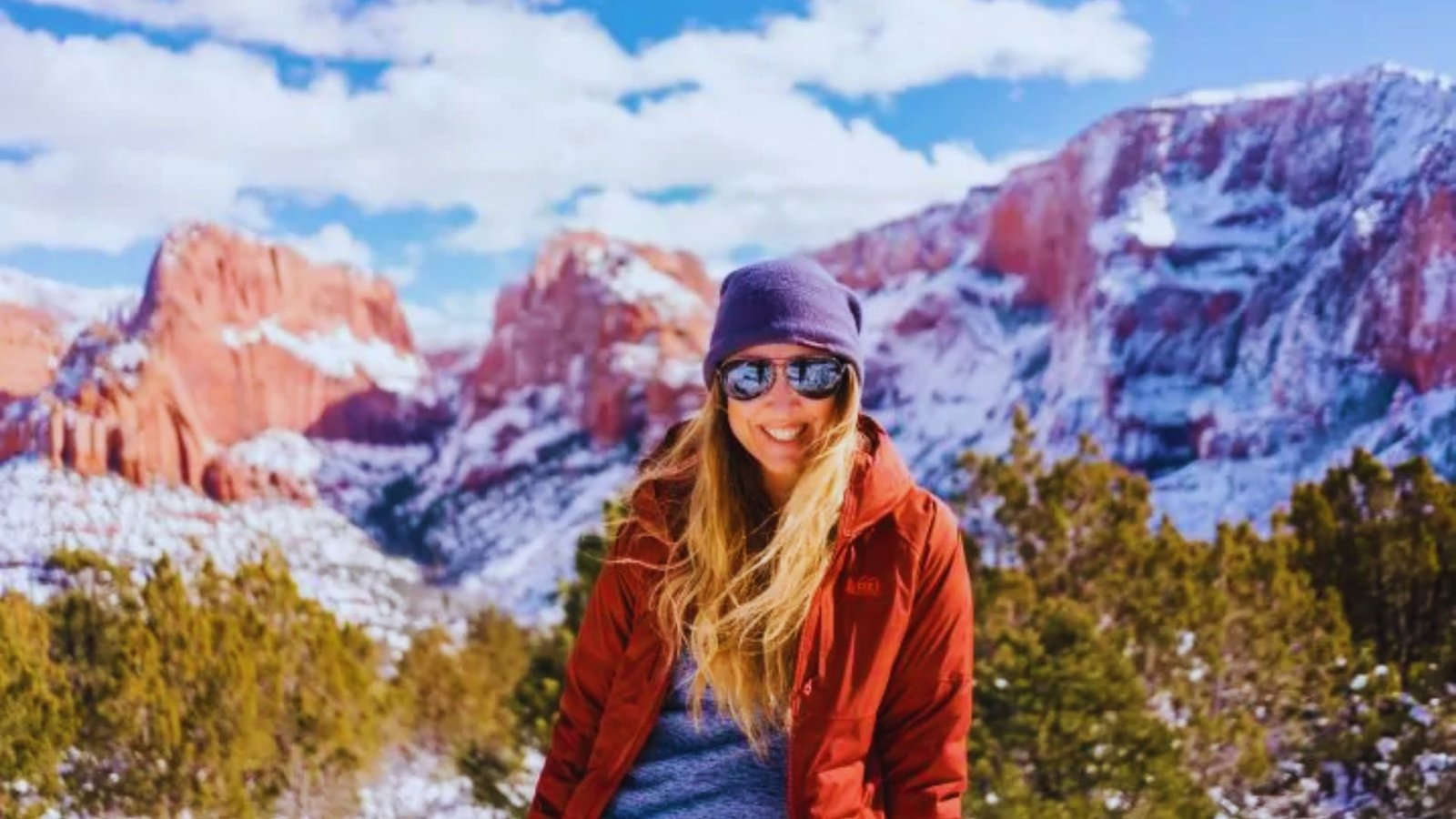
Check out the best winter hiking regions across America, from Washington’s snowy peaks to Connecticut’s waterfalls and California’s diverse elevation options.
Pacific Northwest
Washington state leads with popular winter options. Mount Baker, Mount Rainier, and Olympic National Park change into winter wonderlands. Heavy snowfall creates impressive landscapes. Snowshoeing opportunities abound.
New England
Connecticut offers hidden gems for winter hikers. Pine Knob Loop features waterfalls even in cold months. Bear Mountain challenges experienced hikers. Mount Tom Tower gives big views from a short hike. Trails mix moderate difficulty with seasonal beauty.
California and the Southwest
California surprises many winter hikers. Big Bear provides snow-covered forest paths. Mount Baldy offers serious alpine conditions. Auburn trails stay mostly snow-free. The variety means year-round options. Choose your experience based on elevation.
Conclusion
Winter hiking has changed how I see the outdoors. The quiet trails and crisp air create experiences you won’t find in summer. There’s something peaceful about hiking when nature sleeps under snow.
Start with easy winter hiking trails if you’re new to cold-weather hiking. Build your skills gradually and always check weather conditions before heading out. Pack proper gear and respect winter’s power. Winter hiking trails reward those who prepare well and stay safe.
I hope this guide helps you find your new favorite trail this season. Share your winter hiking experiences in the comments below. Your stories inspire others worth visiting.
Frequently Asked Questions
What should I wear for winter hiking trails?
Layer your clothing with moisture-wicking base layers, insulating mid-layers, and waterproof outer shells. Wear insulated boots, warm gloves, and a hat to protect against cold temperatures.
Are winter hiking trails safe for beginners?
Yes, many winter hiking trails suit beginners perfectly. Start with easy, well-marked trails under 5 miles and always check weather conditions before heading out.
When is the best time for winter hiking trails?
The best time is typically mid-morning to early afternoon when temperatures are warmest. Avoid hiking during storms or when avalanche warnings are active.
Do I need special gear for winter hiking trails?
Basic winter gear includes traction devices like microspikes, trekking poles for stability, and extra warm layers. Snowshoes may be needed for deeper snow conditions.
How do I find winter hiking trails near me?
Use trail apps like AllTrails or local park websites to find nearby options. Search for trails labeled “winter accessible” or contact ranger stations for current conditions.