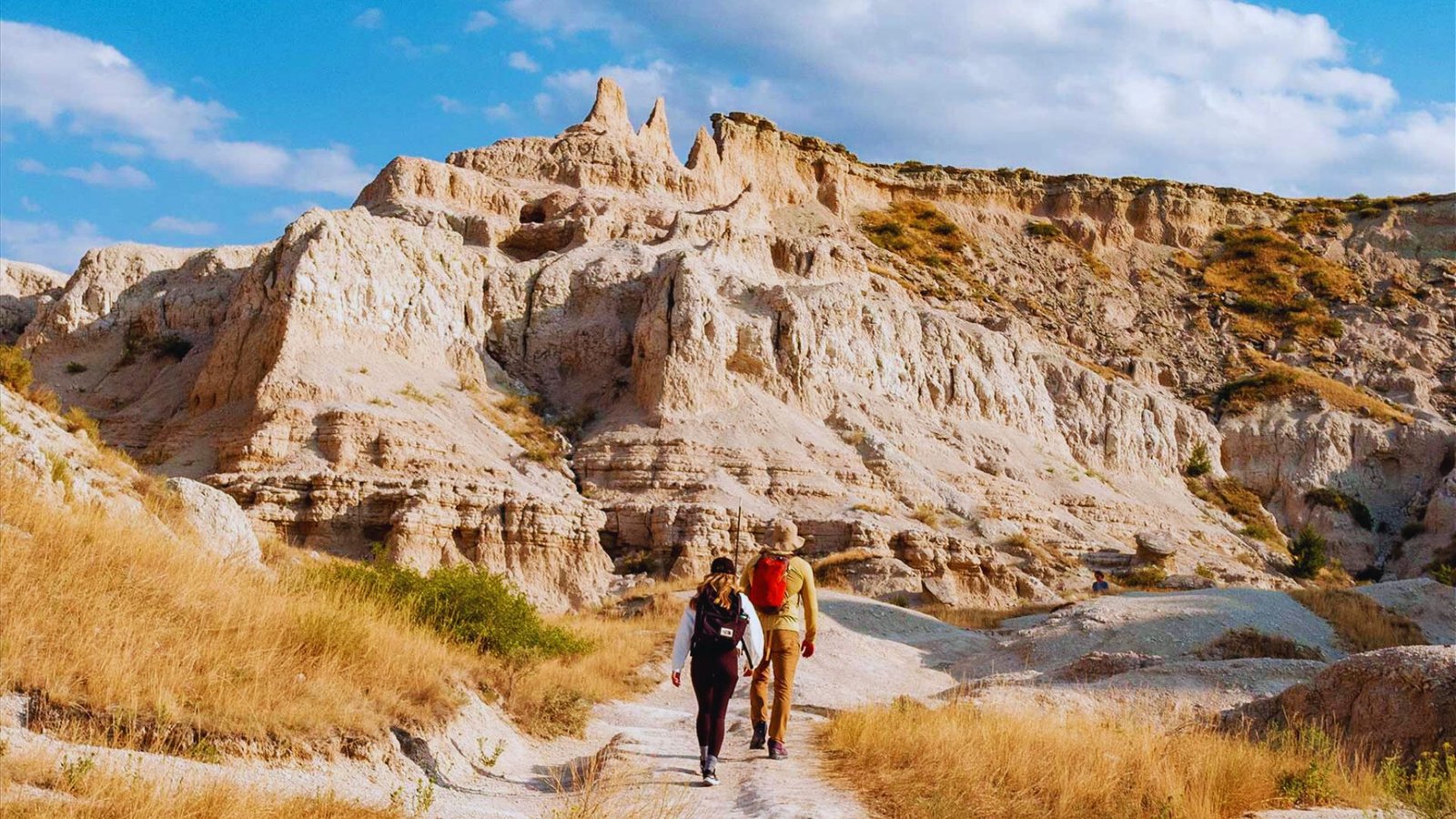

I’ve spent years hiking across South Dakota’s rugged landscape, and Badlands National Park trails remain my favorite. This guide shows you the 11 best hikes worth your time. You’ll learn which trails match your skill level and when to visit for the best conditions.
We’ll cover easy walks, moderate climbs, and challenging routes through layered rock formations. You’ll get trail maps, safety tips, and what to pack.
I’m sharing firsthand knowledge from countless trips to help you plan confidently.
My goal is simple: help you pick the perfect hike. Trust me, these trails will leave you speechless.
Badlands National Park Trails Map and Hiking Overview
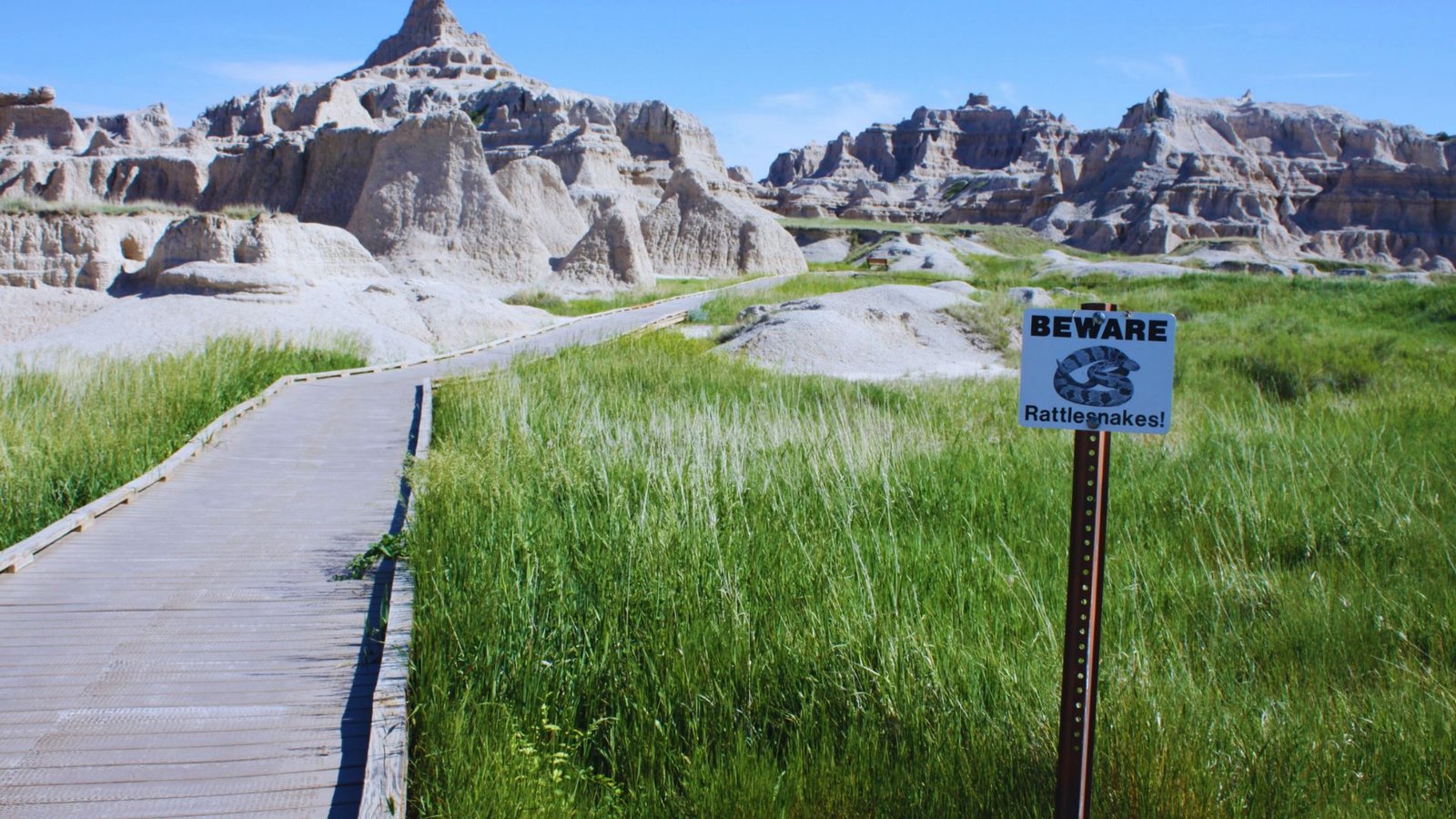
The park provides official trail maps at visitor centers and online. Download a digital copy before you arrive since cell service is limited. Most trails start from pullouts along Badlands Loop Road. The map shows distances, difficulty ratings, and elevation changes.
The park offers three main trail types: paved boardwalks, maintained dirt trails with clear markers, and wilderness routes requiring map skills. Terrain varies from flat grasslands to steep cliff faces. You’ll walk on compacted dirt, loose gravel, and rocky surfaces. Easy trails are under one mile with minimal elevation gain.
Moderate trails range from one to five miles with some uphill sections. Challenging trails exceed five miles or include steep climbs and exposed ledges. Always check current conditions at ranger stations before starting.
11 Iconic Hikes You Can’t Miss in Badlands National Park Trails
These eleven trails showcase the park’s most impressive geological features and diverse landscapes.
1. Door Trail
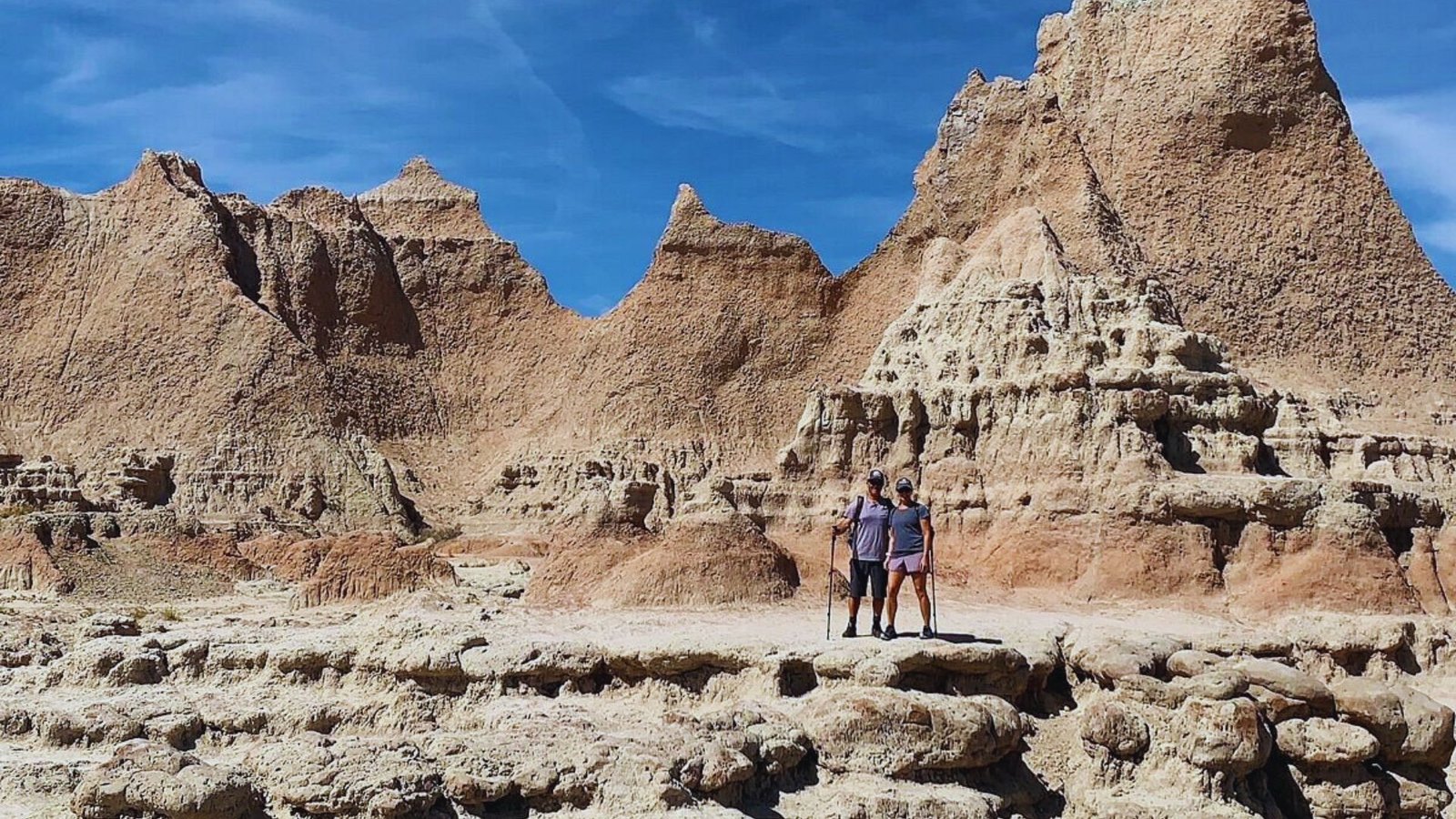
Distance: 0.75 miles round tripDifficulty: Easy
This short boardwalk leads to a break in the Badlands Wall. Beyond the paved section, you can continue on unmarked terrain. Door Trail offers quick access to classic Badlands scenery with formations towering on all sides.
2. Notch Trail
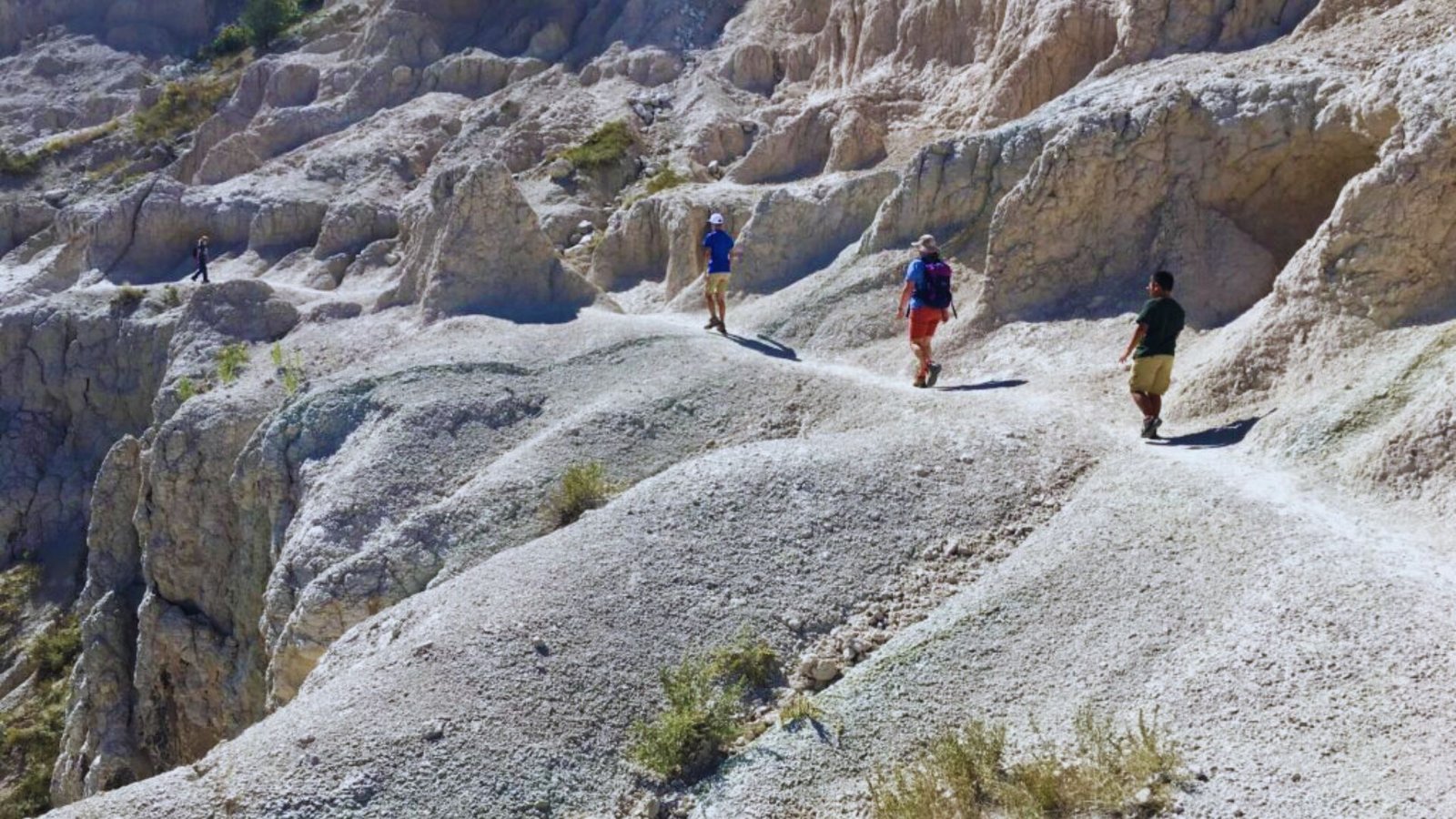
Distance: 1.5 miles round tripDifficulty: Moderate to challenging
This trail includes a log ladder climb up a cliff face. The ladder section adds excitement to the hike. Views from the notch overlook the White River Valley and vast prairie stretching for miles.
3. Window Trail
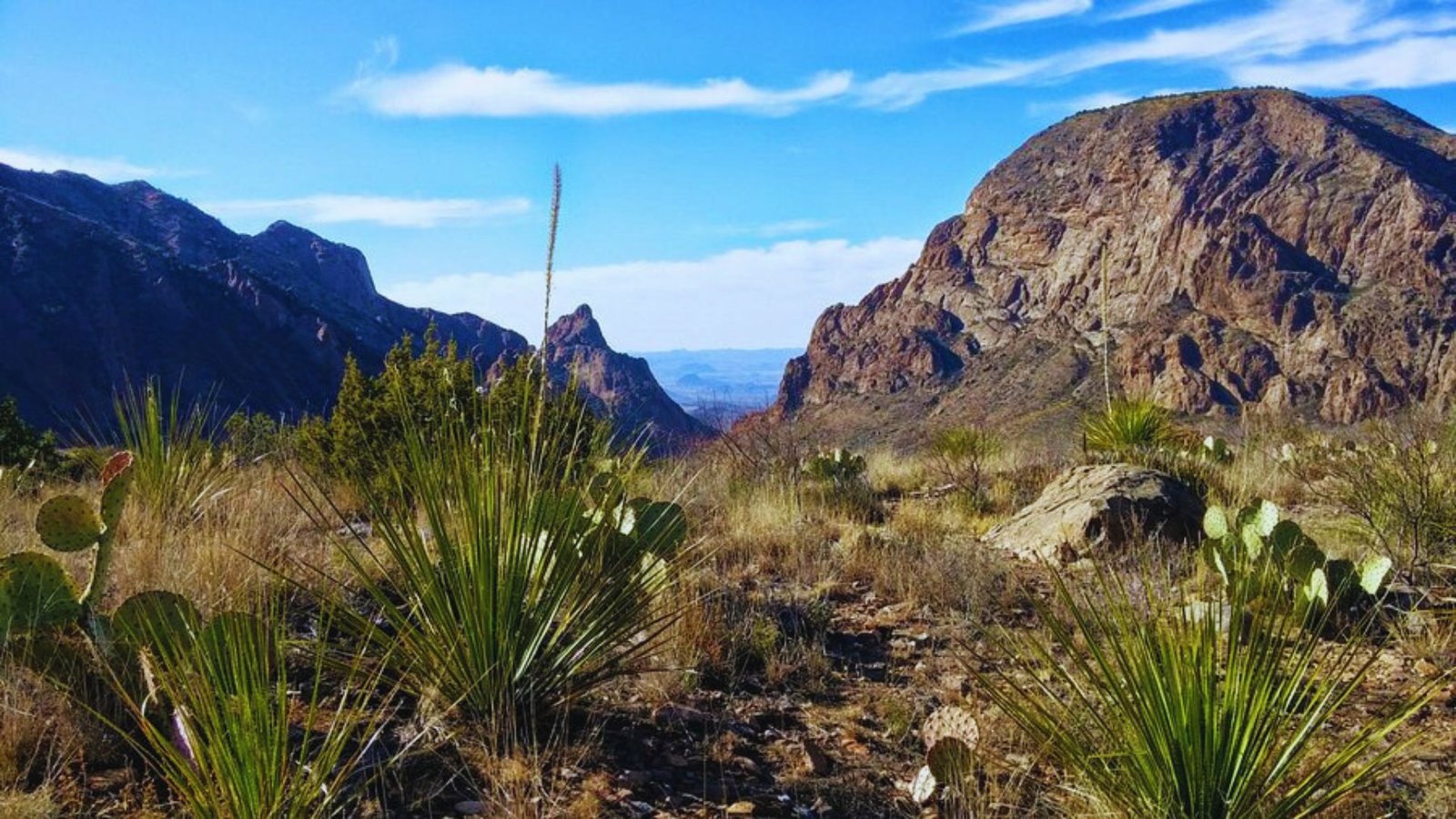
Distance: 0.25 miles round tripDifficulty: Easy
A short paved trail leads to a natural window in the rock wall. The path is wheelchair accessible. The window frames a view of eroded peaks and canyons. It’s one of the most photographed spots in the park.
4. Castle Trail
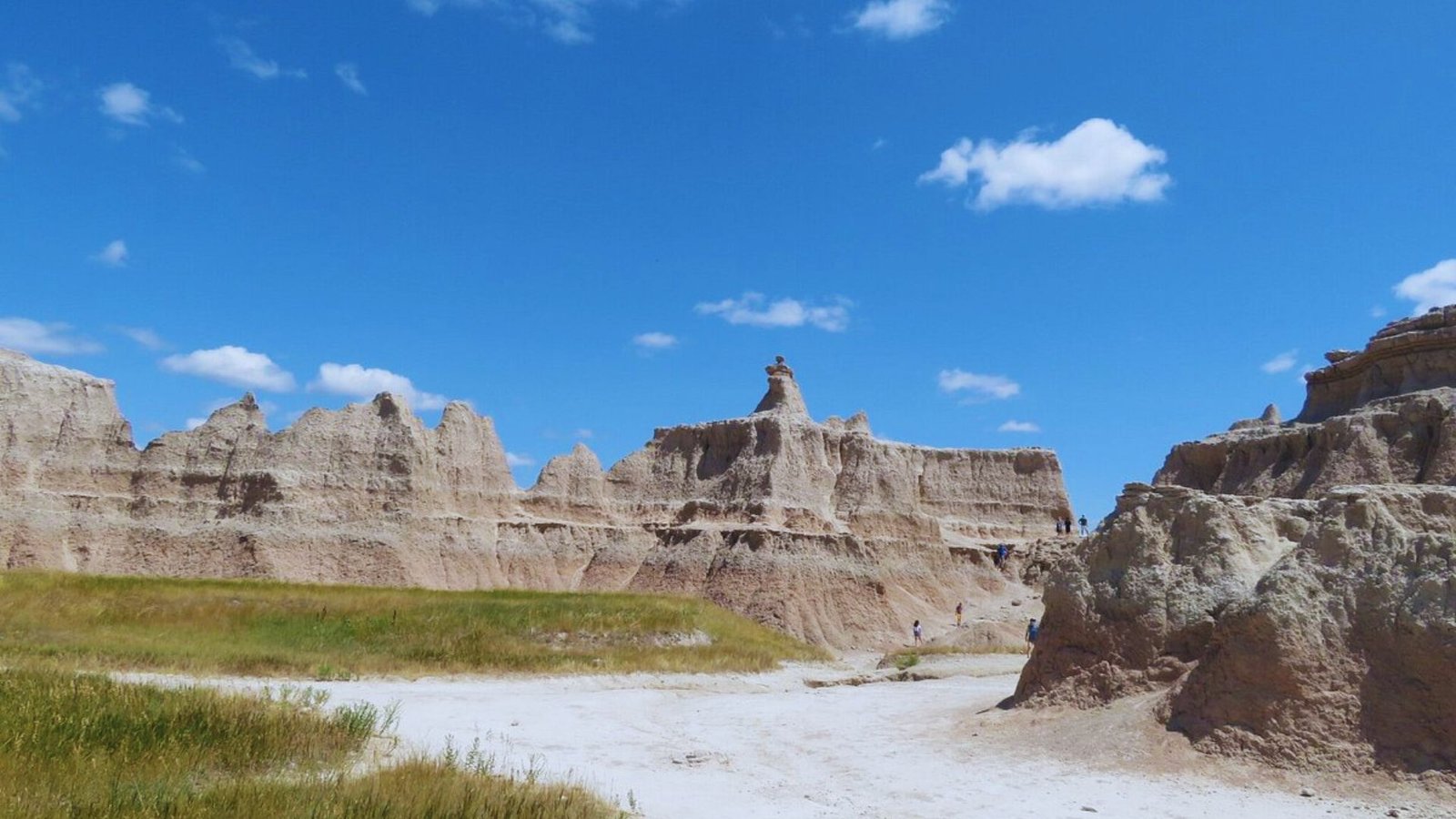
Distance: 10 miles round tripDifficulty: Moderate
The park’s longest maintained trail crosses prairie grassland with views of the formations. Castle Trail shows both prairie and Badlands environments. You might spot bison, bighorn sheep, or pronghorn along the way.
5. Medicine Root Trail
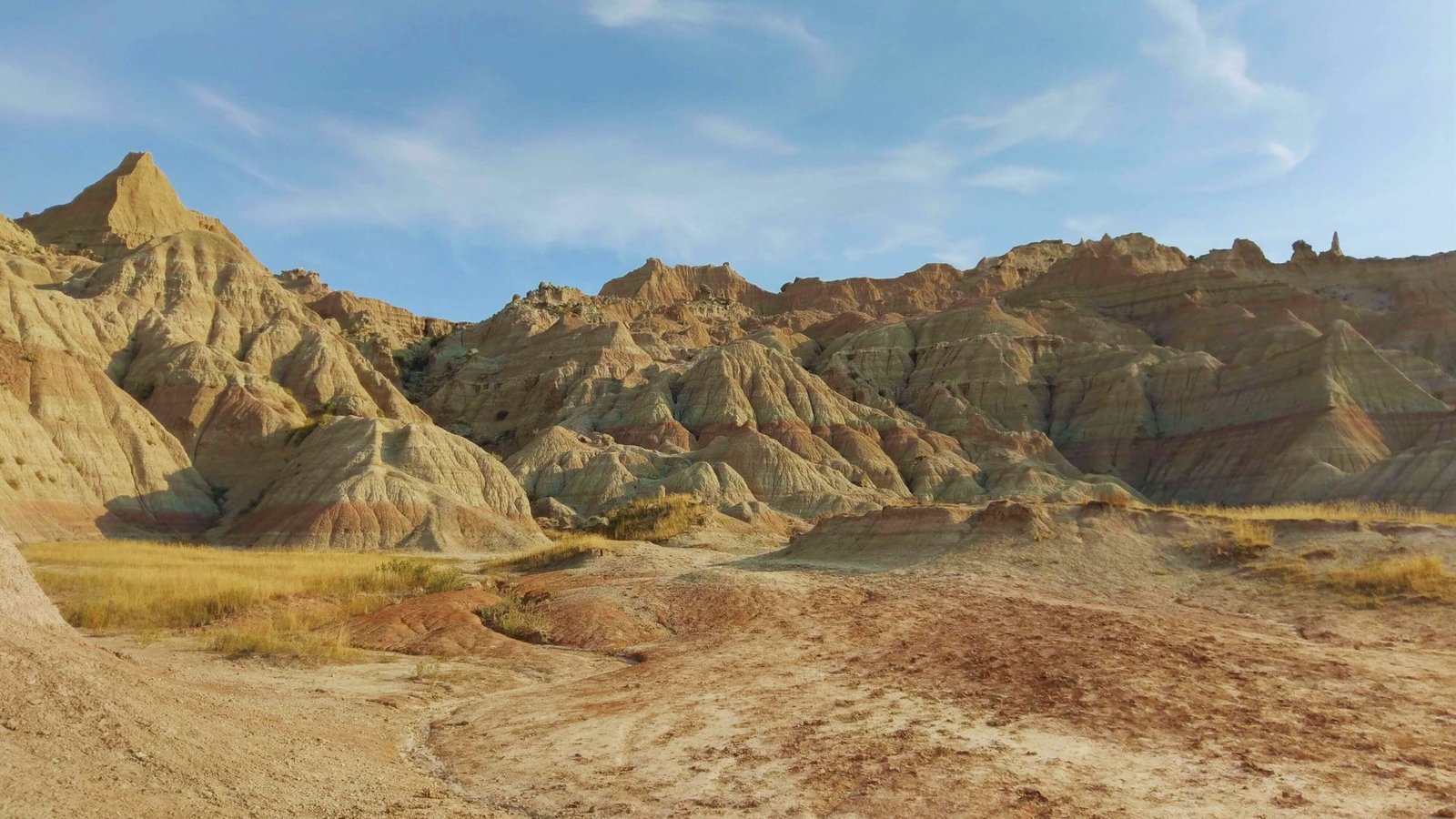
Distance: 4 miles round tripDifficulty: Moderate
This loop trail takes you deep into the Badlands formations. You’ll feel isolated from other visitors on this quieter route. It’s a good choice for photographers seeking fewer crowds.
6. Saddle Pass Trail
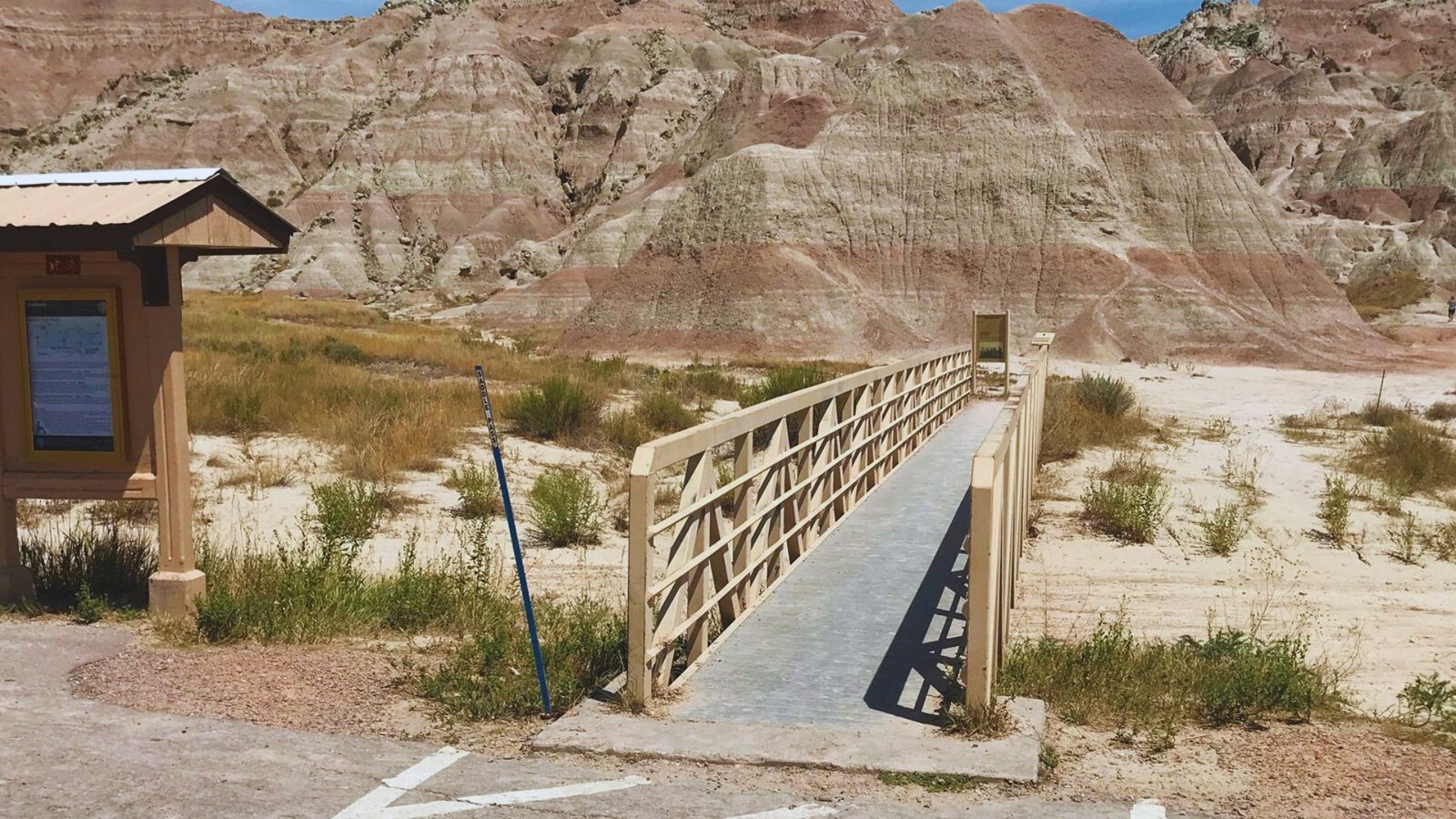
Distance: 0.25 miles one wayDifficulty: Challenging
Don’t let the short distance fool you. This trail climbs steeply up the Badlands Wall, gaining 200 feet in a quarter mile. The climb is intense but brief with sweeping prairie views at the top.
7. Fossil Exhibit Trail
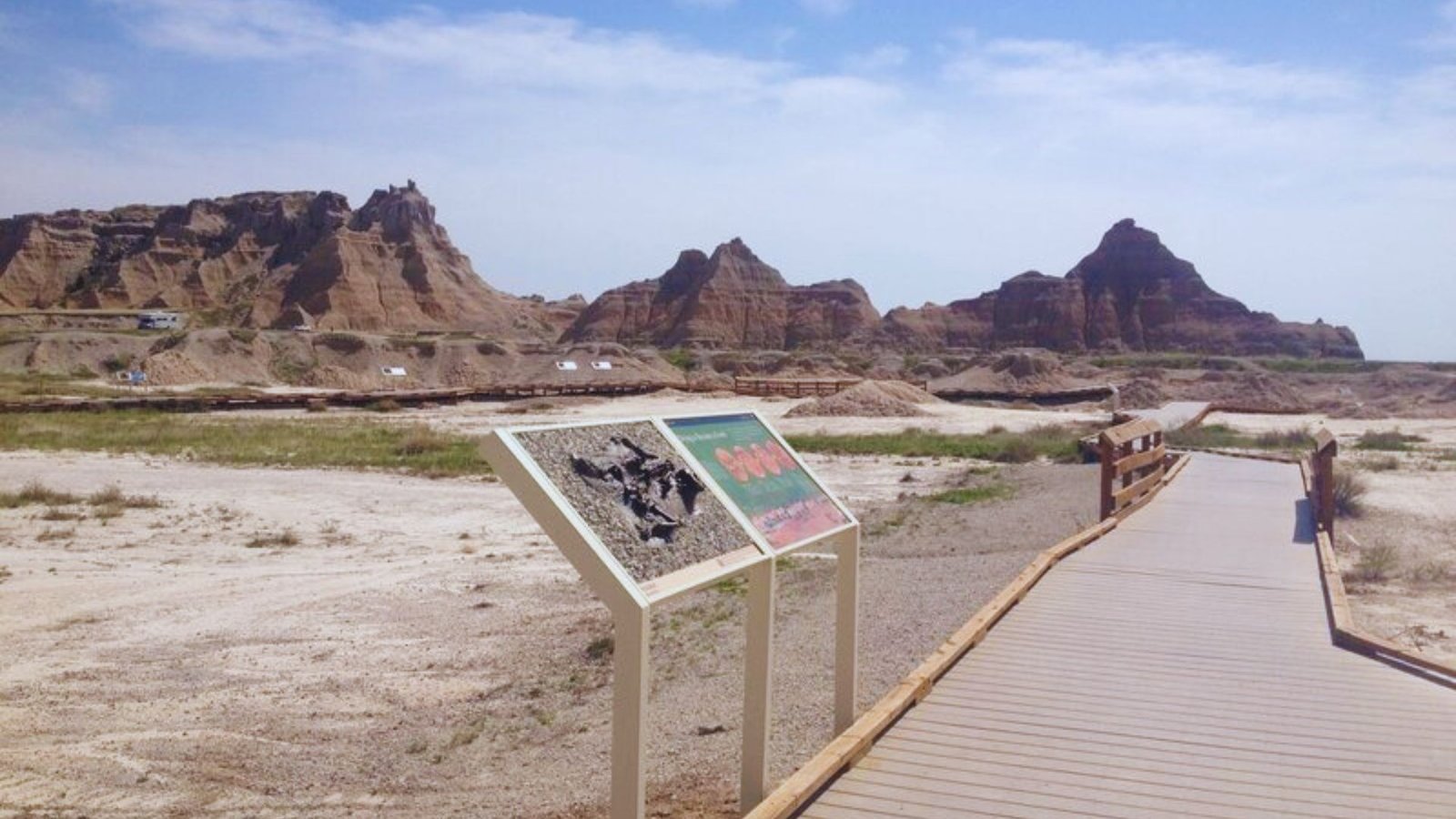
Distance: 0.25 miles round tripDifficulty: Easy
A boardwalk loop displays replicas of fossils found in the park. You’ll learn about prehistoric mammals that roamed this area. It’s great for kids and anyone interested in paleontology.
8. Cliff Shelf Nature Trail
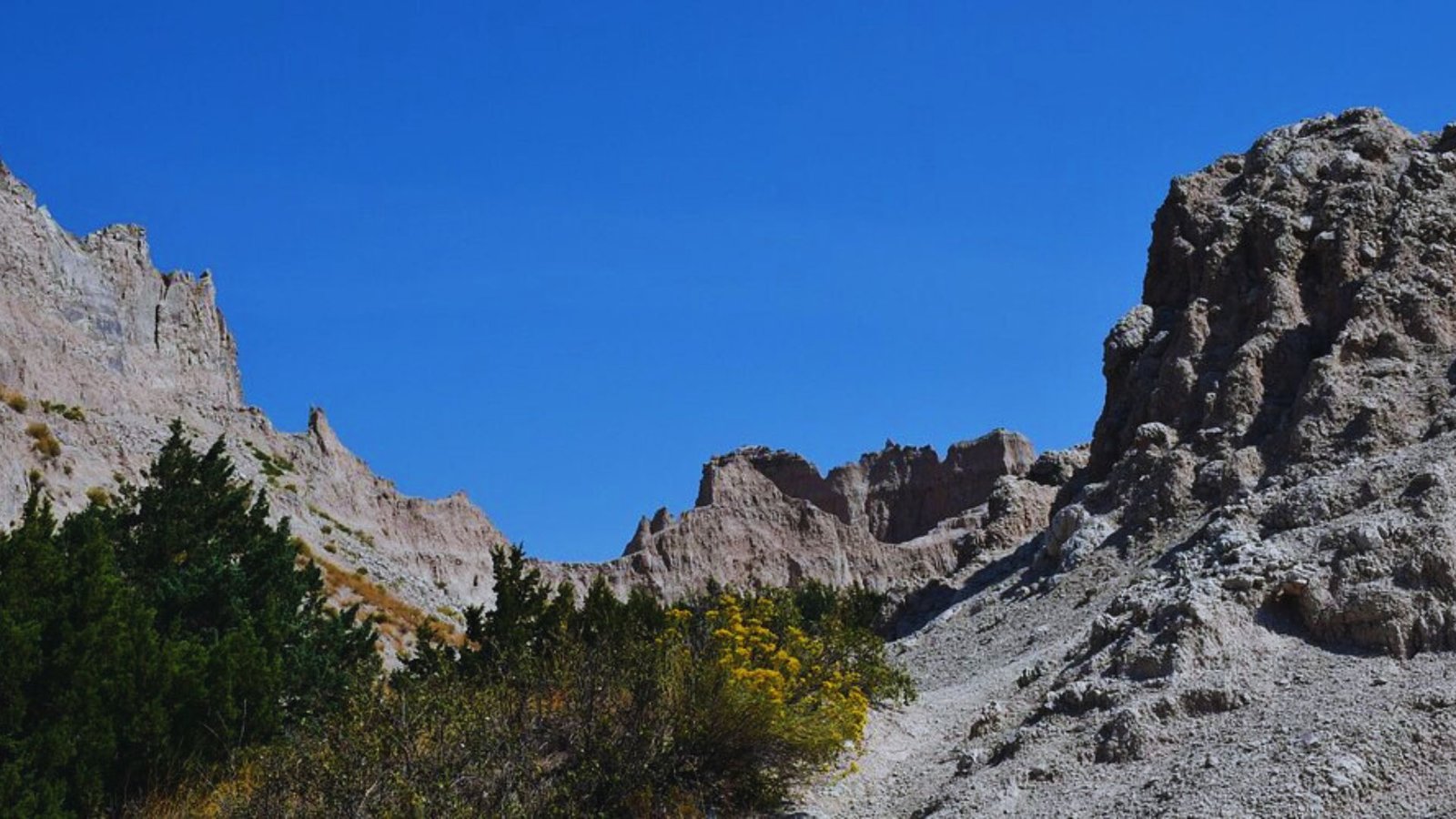
Distance: 0.5 miles round tripDifficulty: Easy to moderate
This boardwalk and stairs loop through a small ecosystem. A slump in the cliff created a shelf where trees and plants grow. The juniper trees attract birds and small mammals.
9. Deer Haven Trail

Distance: 1 mile round tripDifficulty: Easy
This trail follows the base of the Badlands Wall through mixed-grass prairie. Early morning offers the best wildlife viewing. Deer and pronghorn often graze near the trail.
10. Big Badlands Overlook Trail
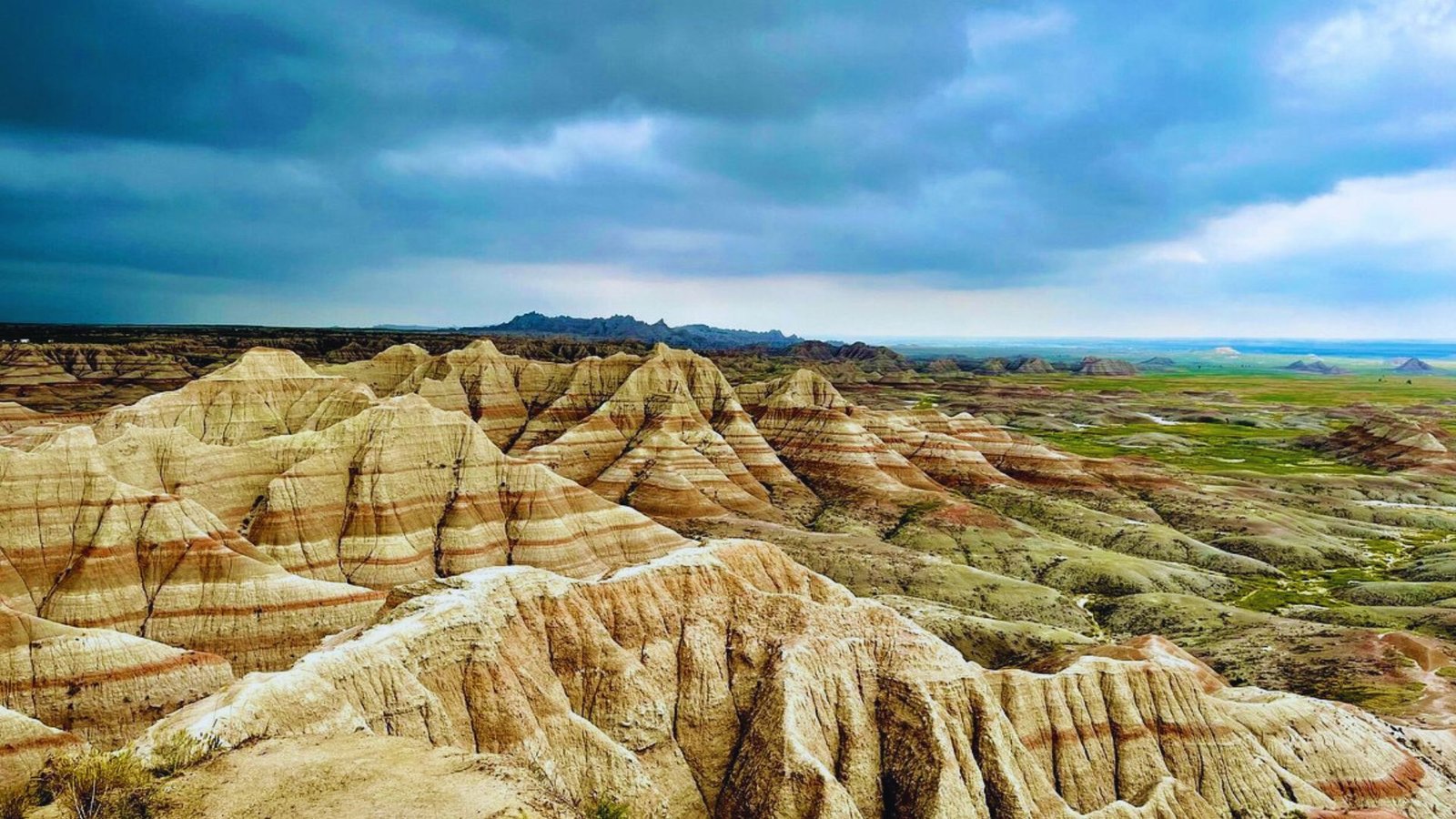
Distance: 0.5 miles round tripDifficulty: Easy
A short walk from the parking area leads to expansive overlook points. You’ll see layers of colorful rock stretching to the horizon. The overlook faces northwest for great sunset views.
11. Sage Creek Wilderness Trail
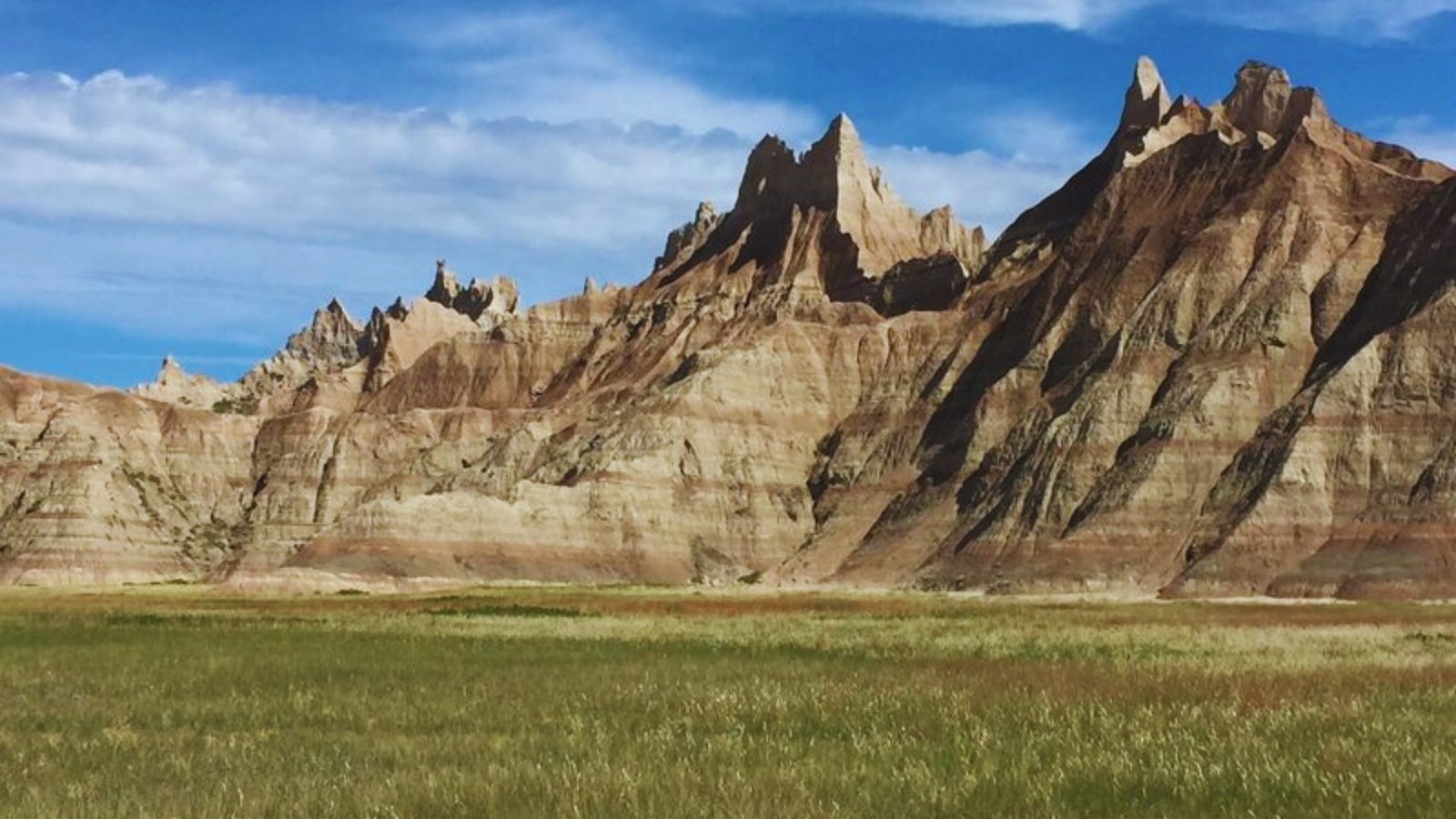
Distance: Variable (unmarked wilderness)Difficulty: Challenging
This backcountry route has no maintained trail. You’ll hike through pristine Badlands terrain with zero development. Solitude is nearly guaranteed. Backcountry camping is allowed in this area.
Best Badlands National Park Trails by Difficulty
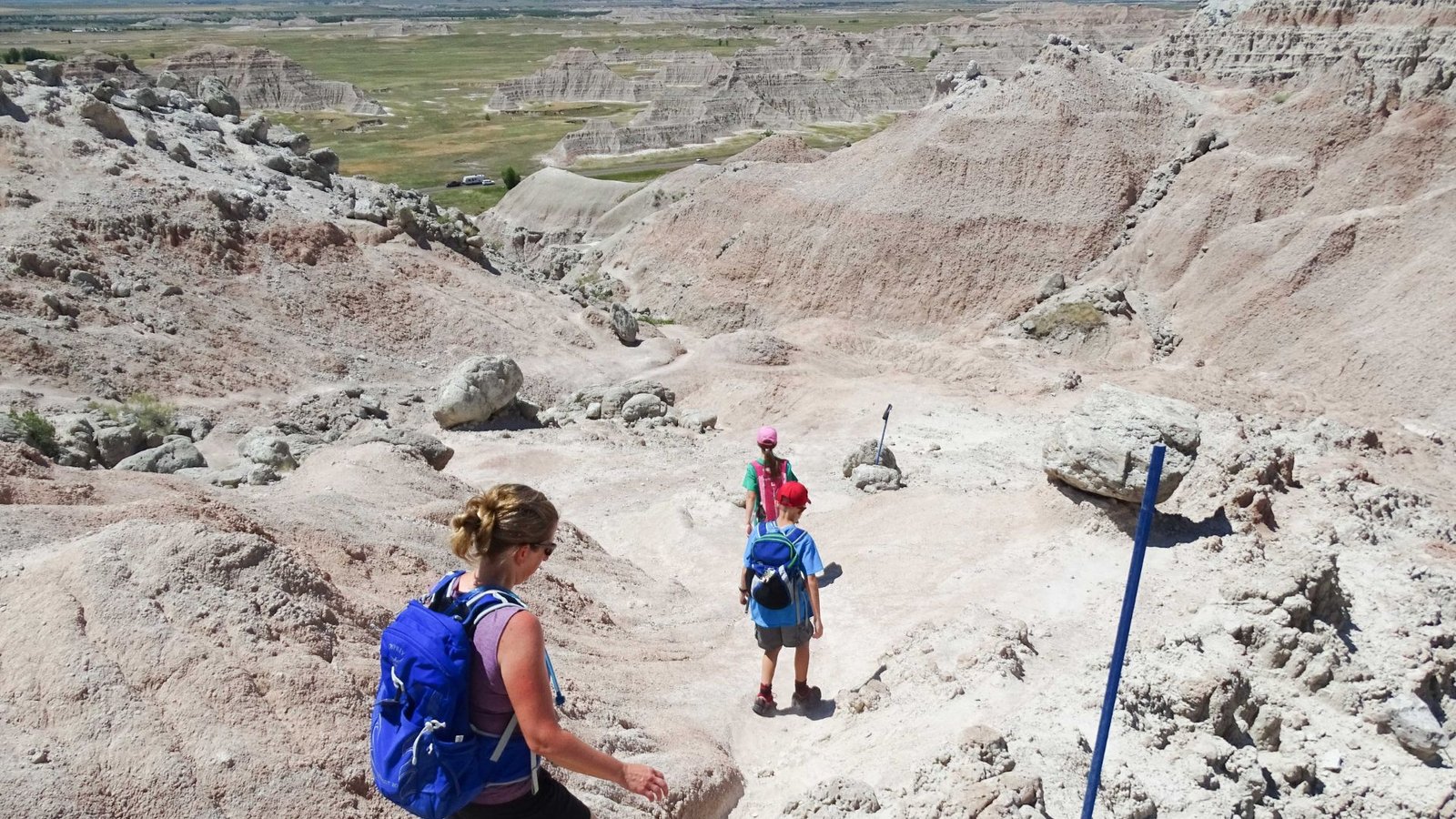
Matching trails to your ability ensures a safe and enjoyable hiking experience.
Easy Badlands National Park Trails for Beginners
Window Trail is the shortest at 0.25 miles with a paved surface. You’ll get classic views without breaking a sweat. Fossil Exhibit Trail offers easy walking with educational content about prehistoric life.
Door Trail works well for families with 0.25 miles of paved path. Big Badlands Overlook Trail provides impressive views with minimal effort on a gentle path suitable for all ages.
Moderate Trails with Scenic Views
Castle Trail spans 10 miles round trip without major elevation changes. You can turn back early if needed. Notch Trail adds excitement with its ladder climb over 1.5 miles.
Medicine Root Trail offers a 4-mile loop away from crowds. Cliff Shelf Nature Trail includes stairs but stays accessible for a quick park tour stop.
Challenging Trails for Experienced Hikers
Saddle Pass Trail packs serious elevation into a short distance. The steep climb tests your fitness quickly. Strong hikers complete it in 30 minutes.
Sage Creek Wilderness Trail has no marked path and requires topographic maps and compass skills. Full Castle Trail hikes require endurance for 10 miles with heat and sun exposure adding difficulty.
Best Time to Hike Badlands National Park Trails
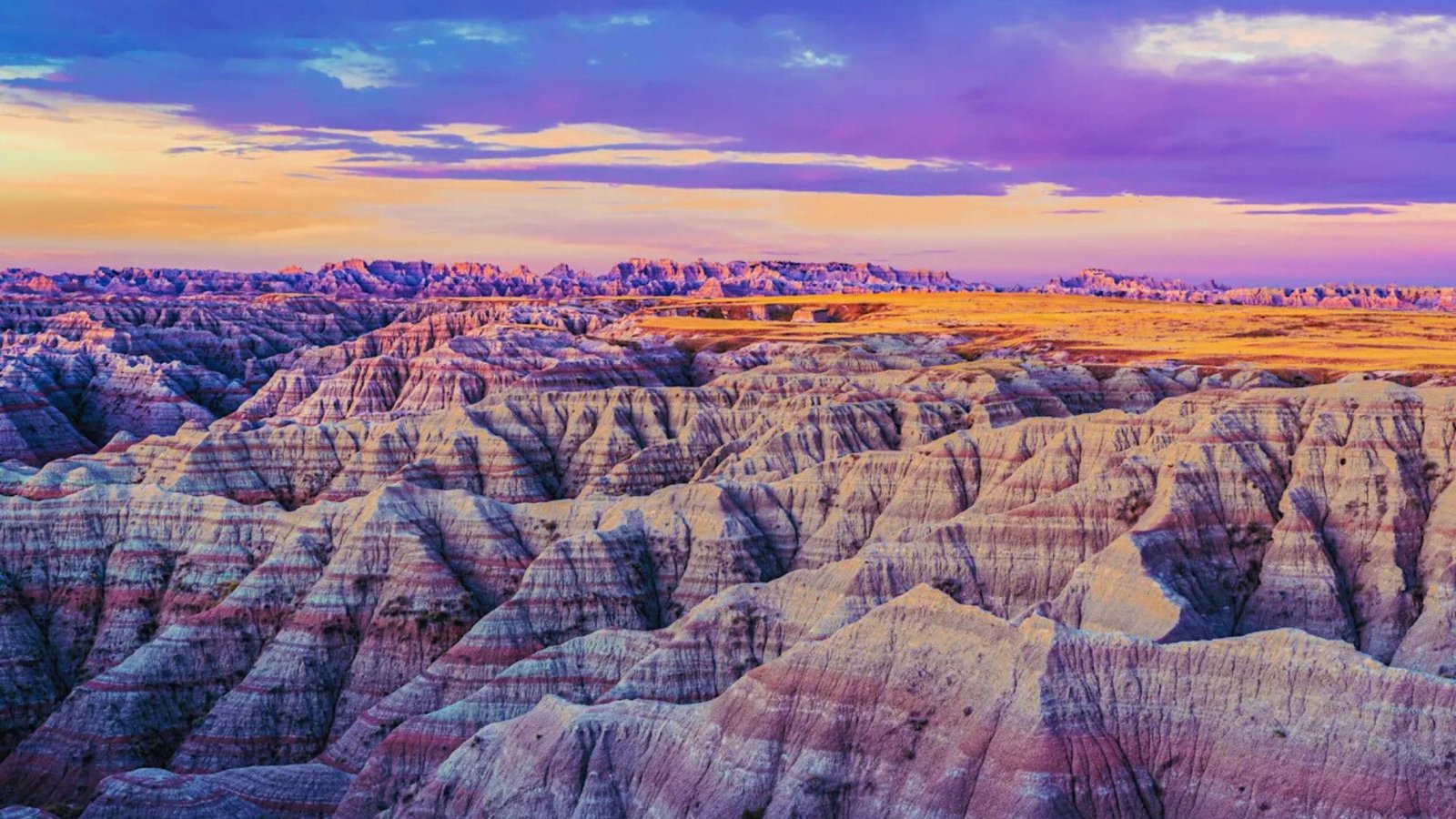
Weather and seasons dramatically affect hiking conditions and your overall experience in the park.
Spring and Fall Conditions
Spring offers mild temperatures in the 60s and 70s from March through May. Wildflowers bloom across the prairie in April and May.
Fall is ideal for hiking with clear skies and cool air in September and October. Crowds disappear after Labor Day. Both seasons can bring sudden storms, so pack rain gear.
Summer Heat and Safety Tips
Summer temperatures often exceed 100°F with zero shade on trails. Heat exhaustion is a serious risk in July and August. Start hikes at sunrise to avoid peak heat. Carry twice the water you think you need.
Wear light-colored clothing and a wide-brimmed hat. Watch for dizziness, nausea, and confusion as signs of heat illness. Lightning storms build quickly on summer afternoons.
Weather Considerations Year-Round
Winter brings cold but clear conditions. Trails can be icy or snow-covered. Wind is constant year-round with gusts often exceeding 30 mph.
Check weather forecasts before visiting since conditions change rapidly. Rangers provide current trail updates and warnings.
Important Tips Before Hiking Badlands National Park Trails
Proper preparation keeps you safe and makes your hiking experience more enjoyable.
- Download trail maps before you arrive and carry a physical backup since cell service is limited
- Bring one liter of water per hour of hiking and pack sunscreen with high SPF
- Wear sturdy hiking boots with ankle support for rocky and uneven terrain
- Keep safe distance from bison, bighorn sheep, and rattlesnakes – they’re wild and dangerous
- Tell someone your hiking plans and expected return time before heading out
- Stay on marked trails to protect yourself and the fragile rock formations
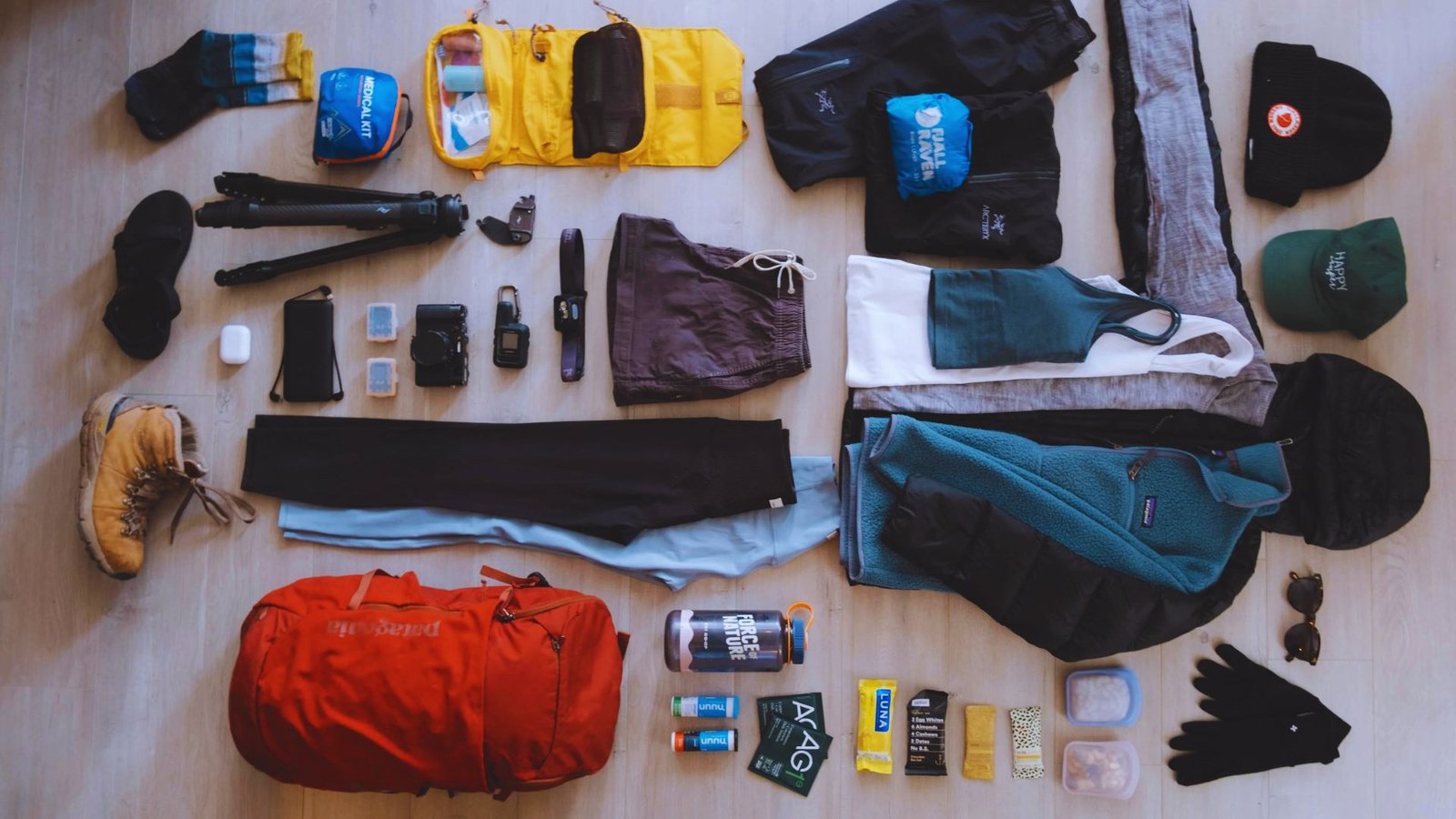
- Pack a first aid kit, salty snacks, and extra layers for temperature changes
Conclusion
I’ll never forget my first time standing at the Window Trail overlook. The rock formations took my breath away. Now I’m hoping Badlands National Park trails give you that same feeling. Pick a trail that matches your abilities. Start with the easy routes if you’re new to hiking.
Work your way up to the longer paths as you build confidence. Remember to check the weather before you go and pack plenty of water.
These trails have something for everyone. Share your favorite Badlands hike in the comments below. I’d love to hear which trail impressed you most.
Frequently Asked Questions
Are Badlands National Park trails well marked?
Popular trails have clear markers and signs. Wilderness routes are unmarked and need map skills. Always carry a map for safety.
Can I hike Badlands trails with my dog?
Dogs must stay on leash and are allowed on most trails. They’re not permitted on boardwalks or in wilderness areas.
How long does it take to hike all the main trails?
Shorter trails take a few hours. All eleven trails would take two to three full days to complete.
Do I need a permit to hike in Badlands National Park?
No permits needed for day hiking. Backcountry camping requires a free permit from ranger stations.
What’s the best trail for sunrise views?
Big Badlands Overlook Trail and Door Trail offer excellent sunrise views. Arrive 30 minutes early for the best experience.