
Looking for the best hikes in Tucson? You’ve come to the right place.
This guide covers 17 incredible trails with everything from waterfall hikes to mountain peaks. You’ll find options for every skill level.
I’ve spent years hiking these paths. I’ll share the details of your difficulty levels, what to pack, and the best times to visit.
Tucson sits in the Sonoran Desert with over 700 miles of trails. Five mountain ranges surround the city. You can hike at 2,000 feet in the desert or climb to 9,000 feet on Mount Lemmon.
Most trails stay accessible year-round. Many trailheads sit right inside city limits.
Why Tucson Is a Top Hiking Destination in Arizona
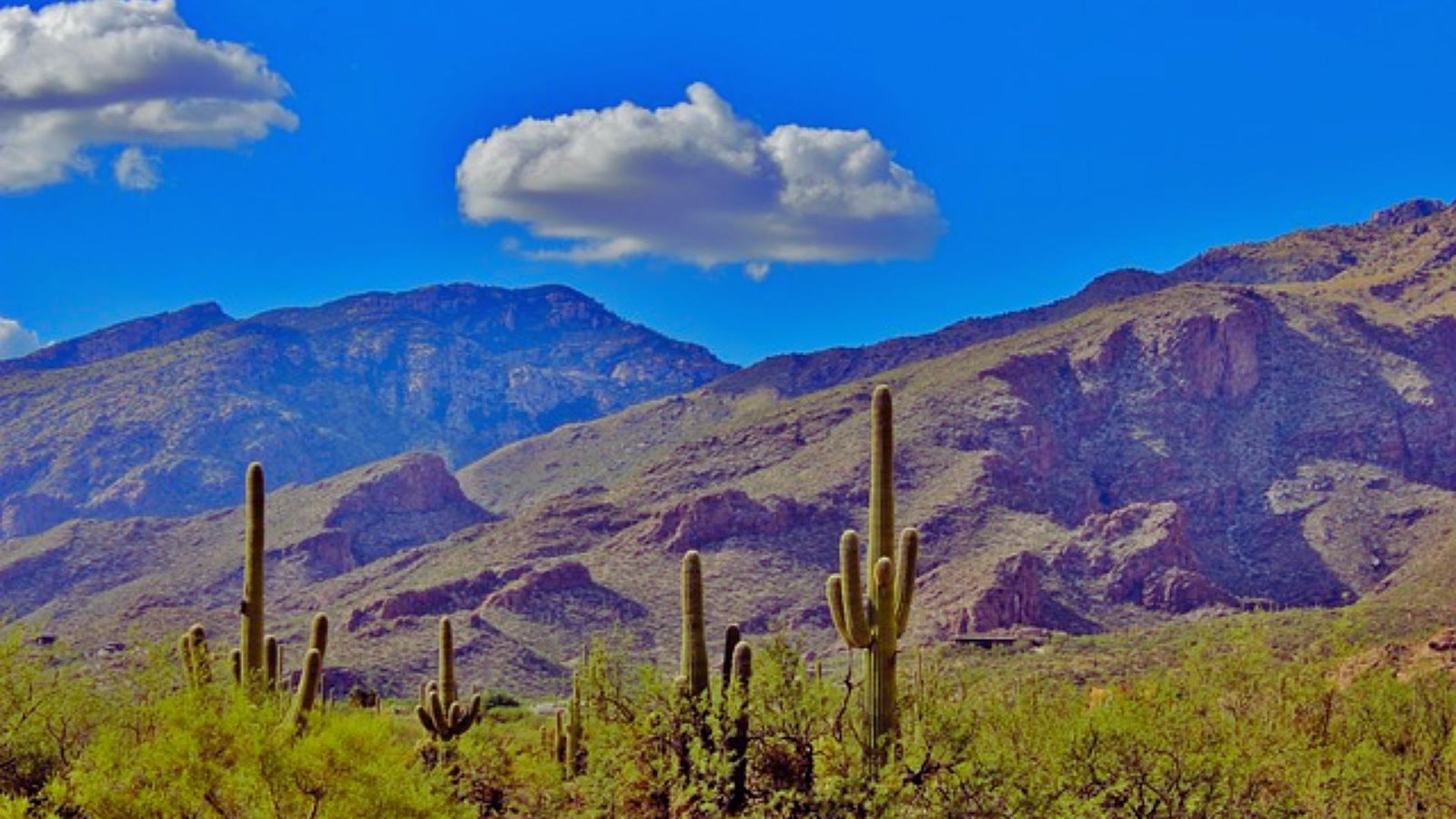
Tucson offers hiking experiences you won’t find anywhere else. The combination of desert and mountains creates remarkable trails.
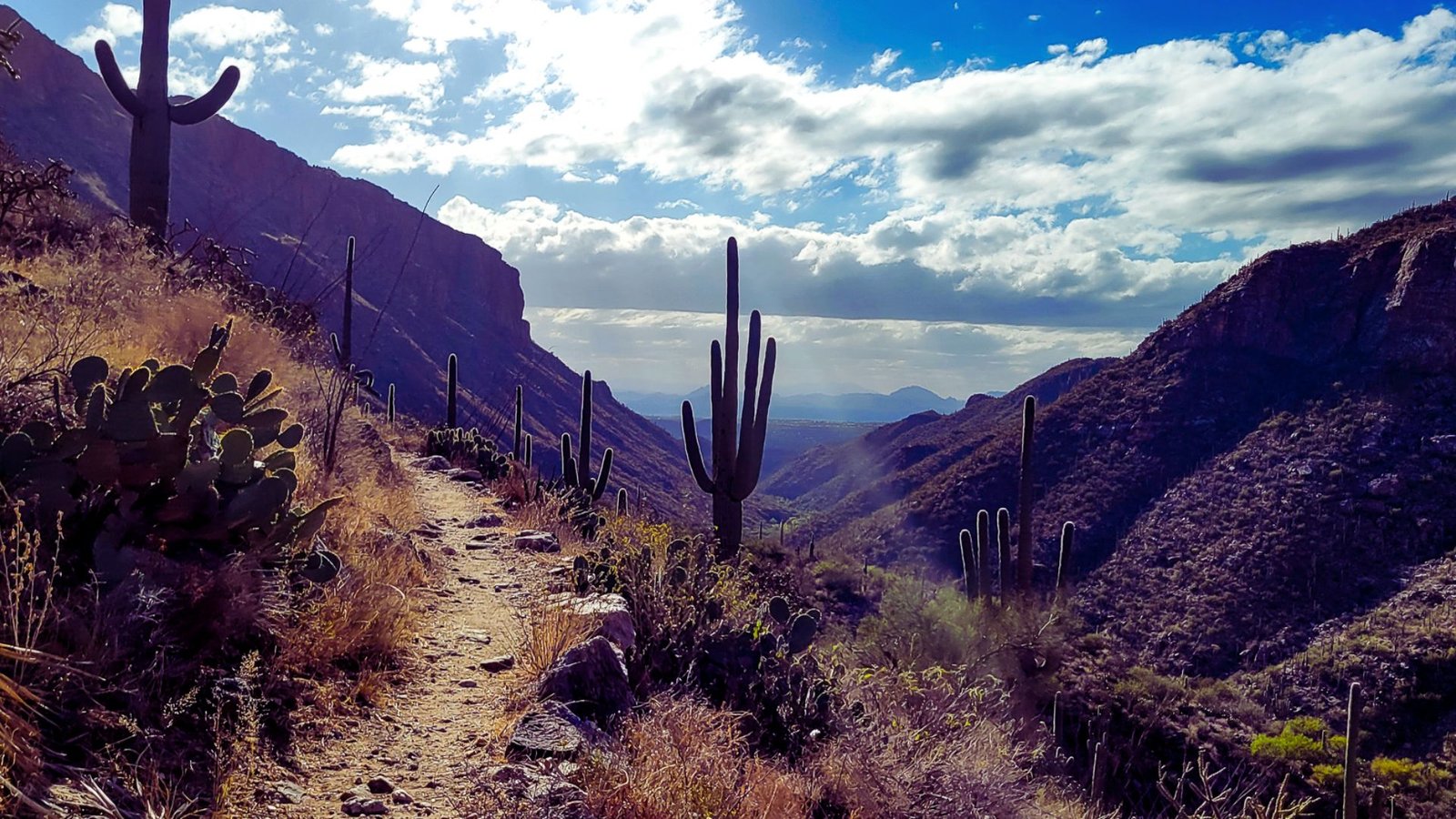
You’ll hike through iconic saguaro cactus forests that only grow in the Sonoran Desert. Rock formations range from smooth granite to jagged volcanic peaks.
Trails wind through narrow canyons or climb open ridgelines with 360-degree views.
The hiking season never ends here. Winter brings mild temperatures.
Spring offers wildflower blooms and flowing waterfalls. Summer works if you start early or head to Mount Lemmon where temps drop 20-30 degrees. Fall provides comfortable temperatures and fewer crowds.
Five mountain ranges surround Tucson. The Santa Catalina Mountains rise north, topping out over 9,000 feet. The Rincon Mountains sit east.
The Tucson Mountains form the western boundary. The Santa Rita Mountains lie south. The Tortolita Mountains anchor the northwest.
17 Best Hikes in Tucson (Must-Do Trails)
Here’s the complete list of top trails, from waterfall hikes to mountain peaks.
1. Sabino Canyon Recreation Area
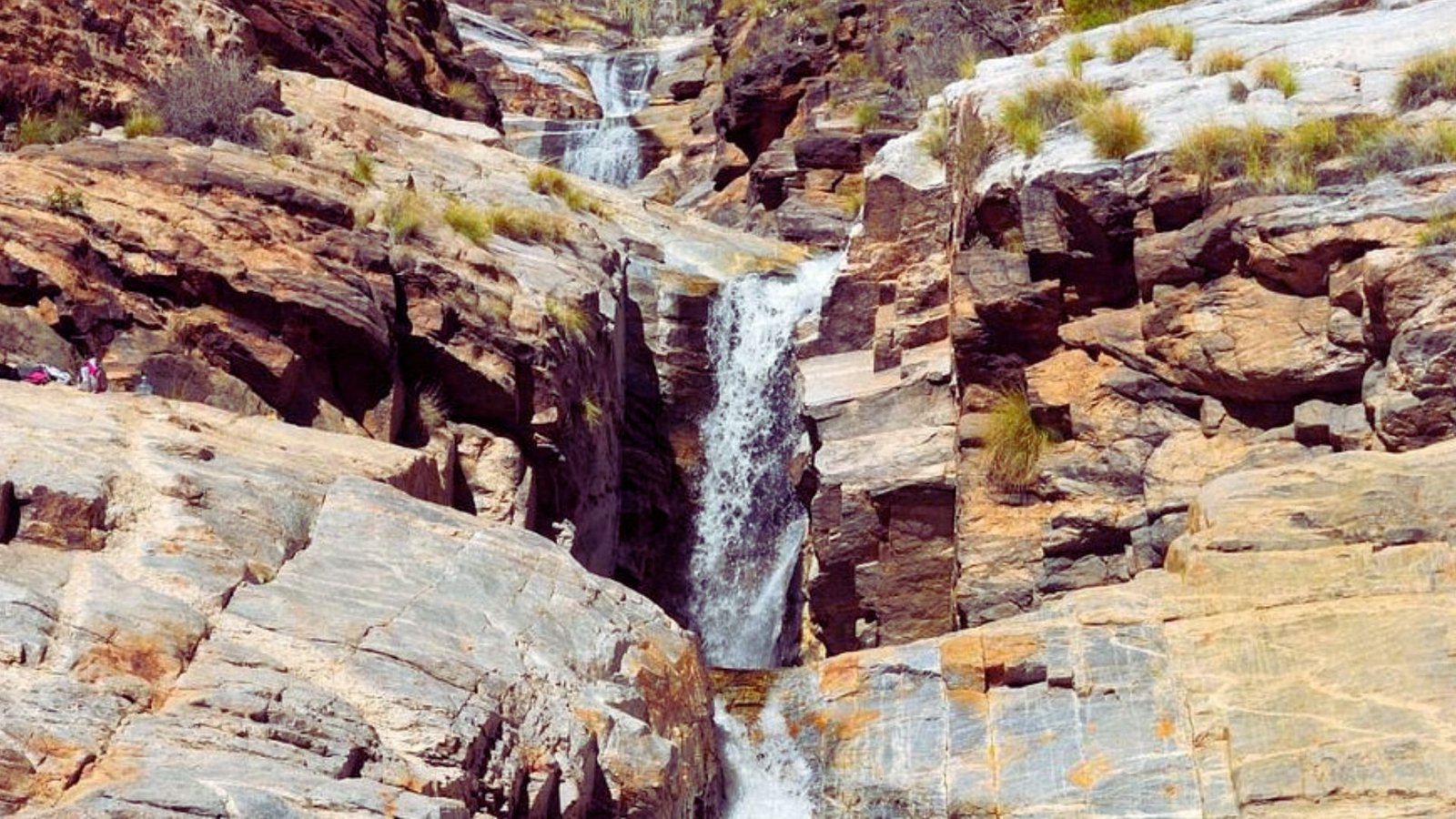
Tucson’s most popular waterfall hike features seven cascading pools connected by a picturesque desert stream.
The trail winds through a stunning canyon carved into the Santa Catalina Mountains, passing towering saguaros and riparian vegetation.
During spring snowmelt and monsoon season, the waterfalls are at their most spectacular, creating perfect spots for cooling off and photography.
2. Catalina State Park
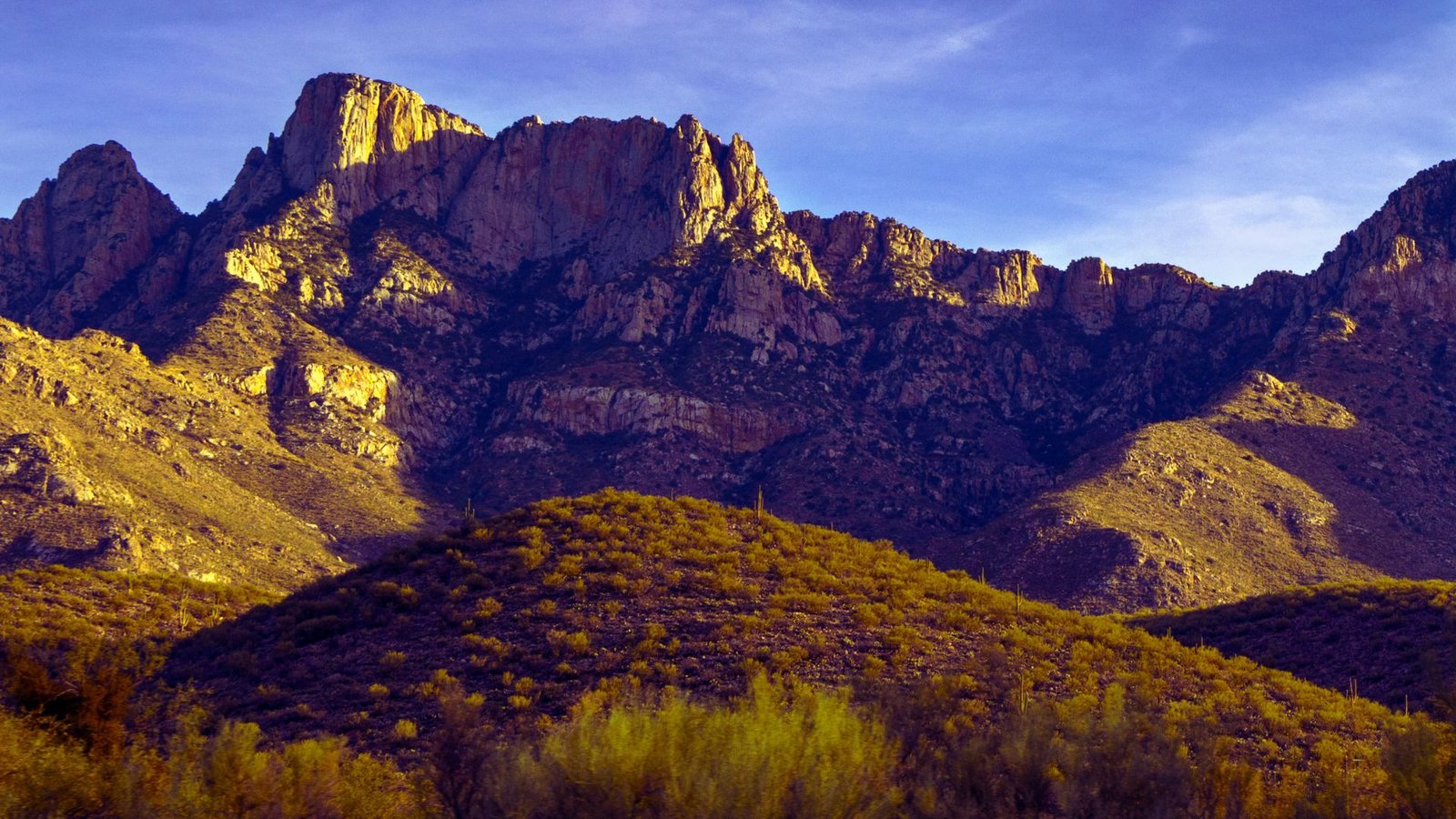
This trail leads adventurous hikers through classic Sonoran Desert landscapes to hidden natural pools tucked within dramatic canyon walls.
The route offers excellent birdwatching opportunities and showcases the diverse desert ecosystem.
The pools provide a refreshing reward after the moderately challenging trek, though water levels vary seasonally.
3. Tucson Mountain Park
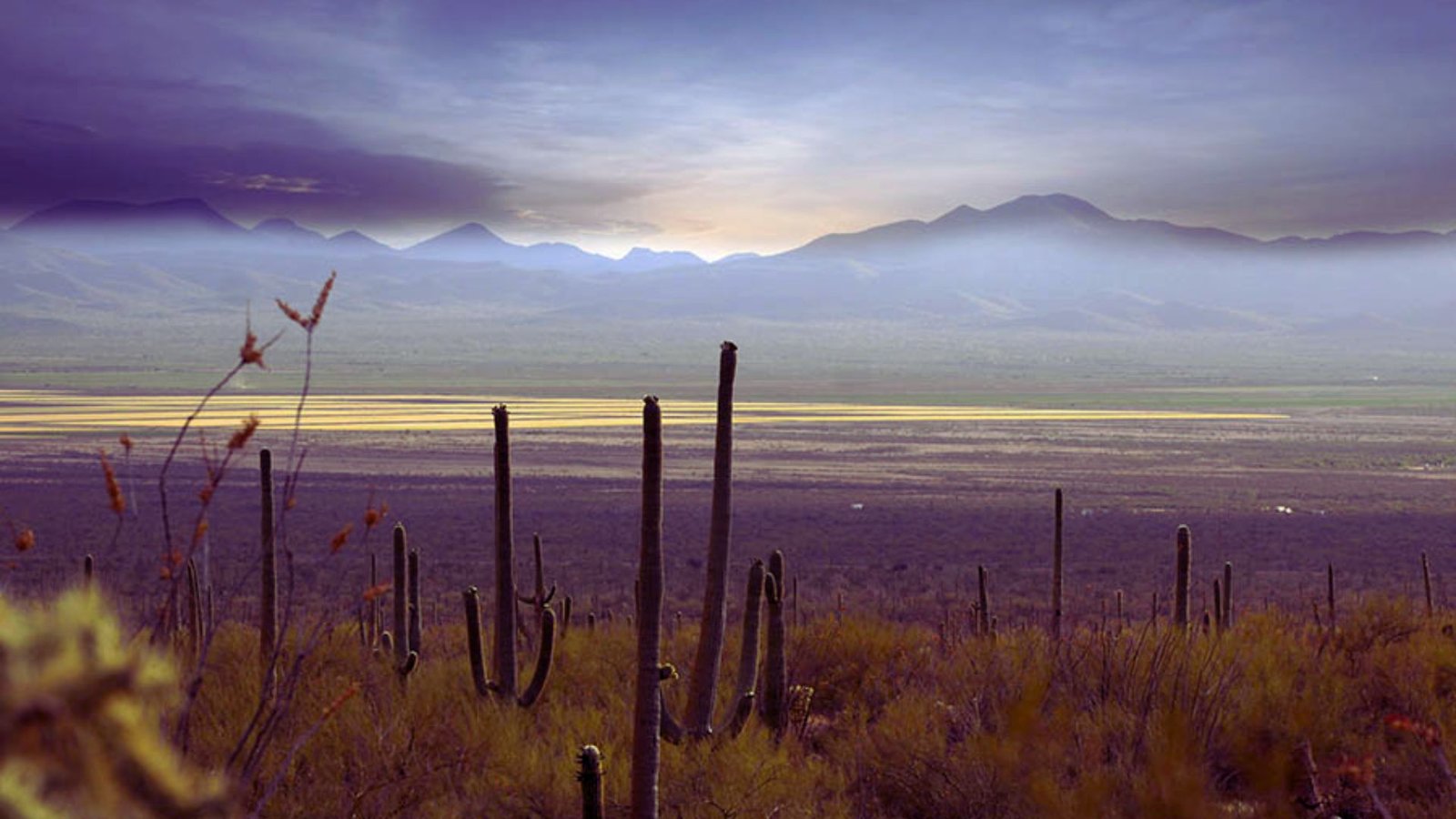
Reaching the highest point in the Tucson Mountains, this hike rewards visitors with sweeping panoramic views across the valley below.
The trail traverses rugged desert terrain dotted with saguaros and offers stunning vistas of the surrounding mountain ranges.
Sunset hikes are particularly popular for the dramatic lighting across the landscape.
4. Tumamoc Hill Trail
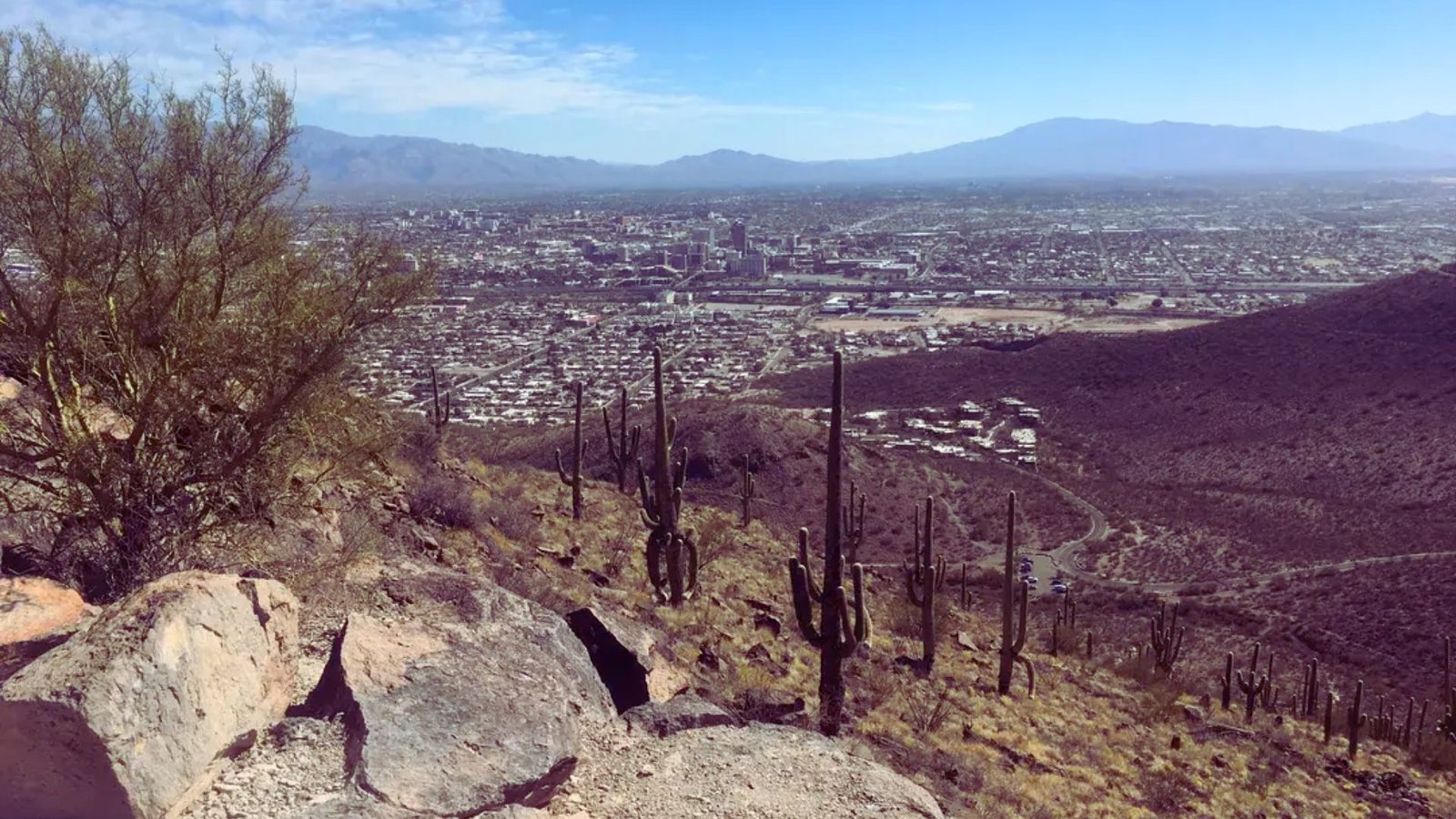
This best paved trail climbs a prominent volcanic hill rising from Tucson’s west side, offering one of the best urban hiking experiences in the city.
The steep but well-maintained path provides sweeping 360-degree views of Tucson and the surrounding mountain ranges.
Popular with locals for sunrise and fitness training, the hill also serves as an ecological research site.
5. Catalina Foothills
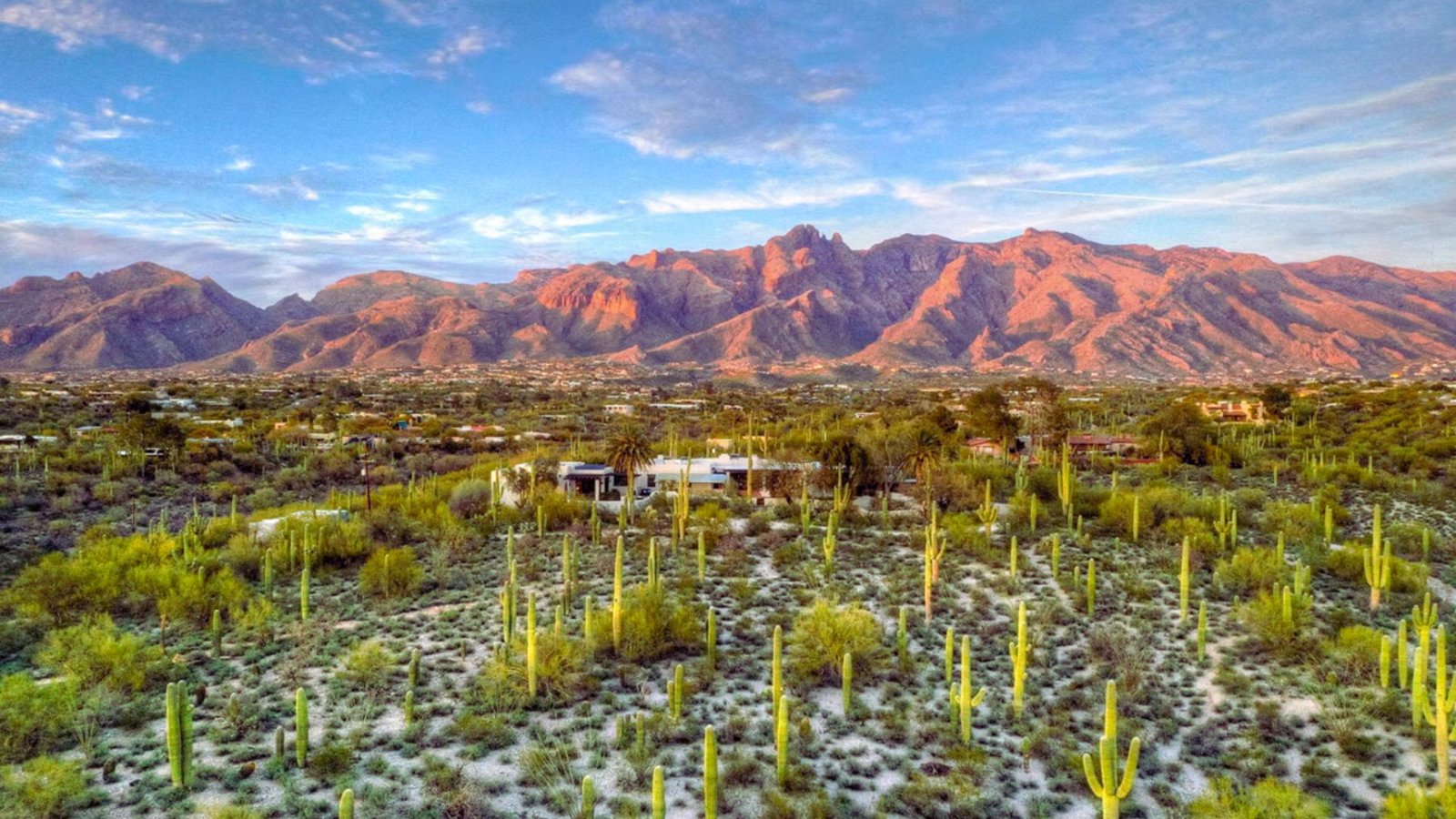
One of Tucson’s most demanding hikes leads determined adventurers to a distinctive rock spire that towers over the Catalina Foothills.
The challenging route requires scrambling skills and solid fitness, but rewards climbers with incredible views and a sense of accomplishment.
The iconic rock formation is visible from much of the city below.
6. Sabino Canyon
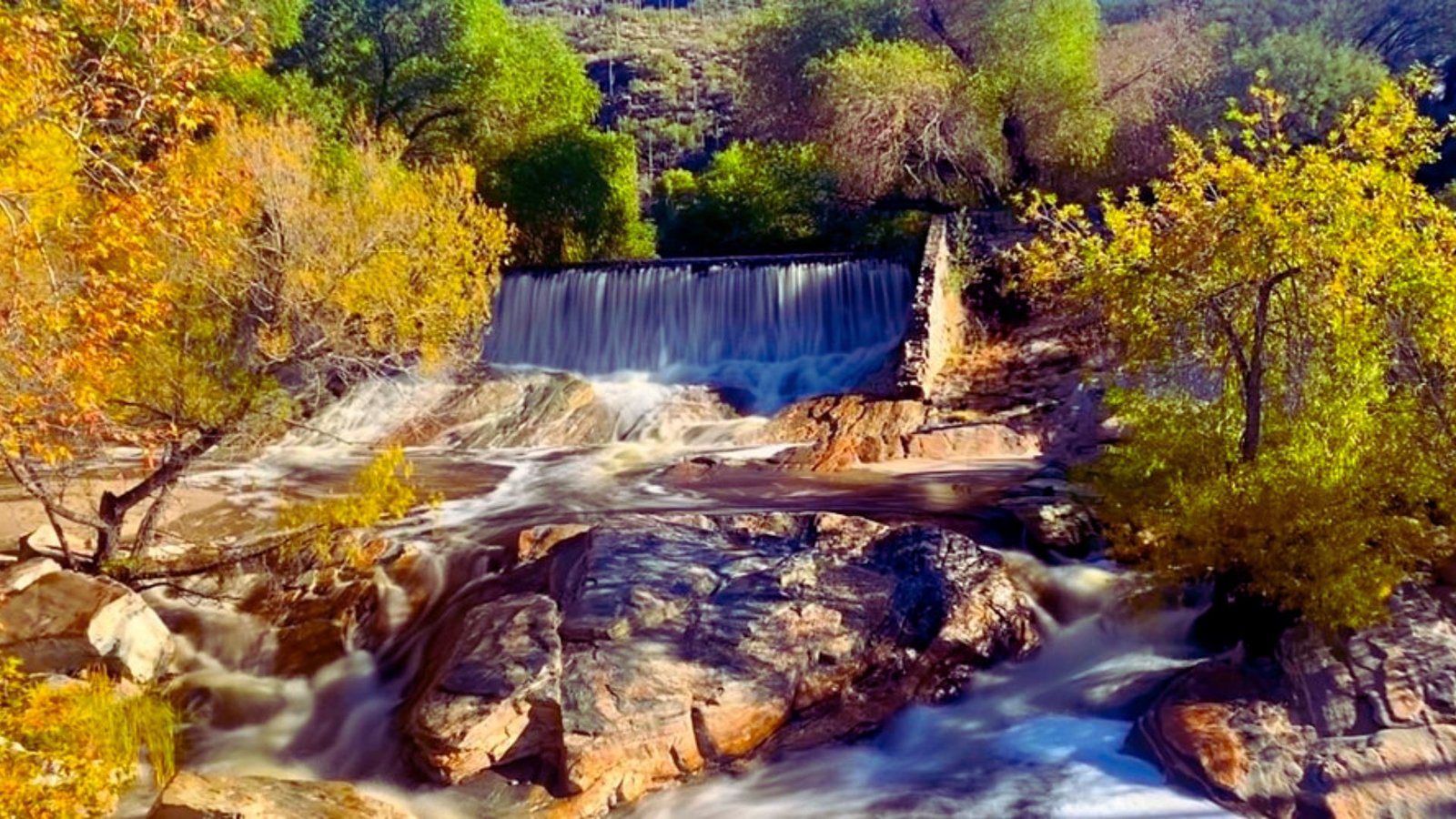
This strenuous climb tackles steep switchbacks and rocky terrain, ultimately delivering hikers to breathtaking panoramic vistas overlooking both Sabino Canyon and the Tucson basin.
The challenging ascent tests endurance but provides constantly improving views as you gain elevation. Best attempted in cooler months due to significant sun exposure.
7. Saguaro National Park West
An easy, accessible walk takes visitors to remarkably well-preserved 800-year-old Hohokam petroglyphs etched into dark volcanic rocks.
The ancient rock art depicts geometric patterns, human figures, and animals, offering a fascinating glimpse into the area’s Indigenous history.
Interpretive signs help visitors understand the cultural significance of the site.
8. Saguaro National Park East
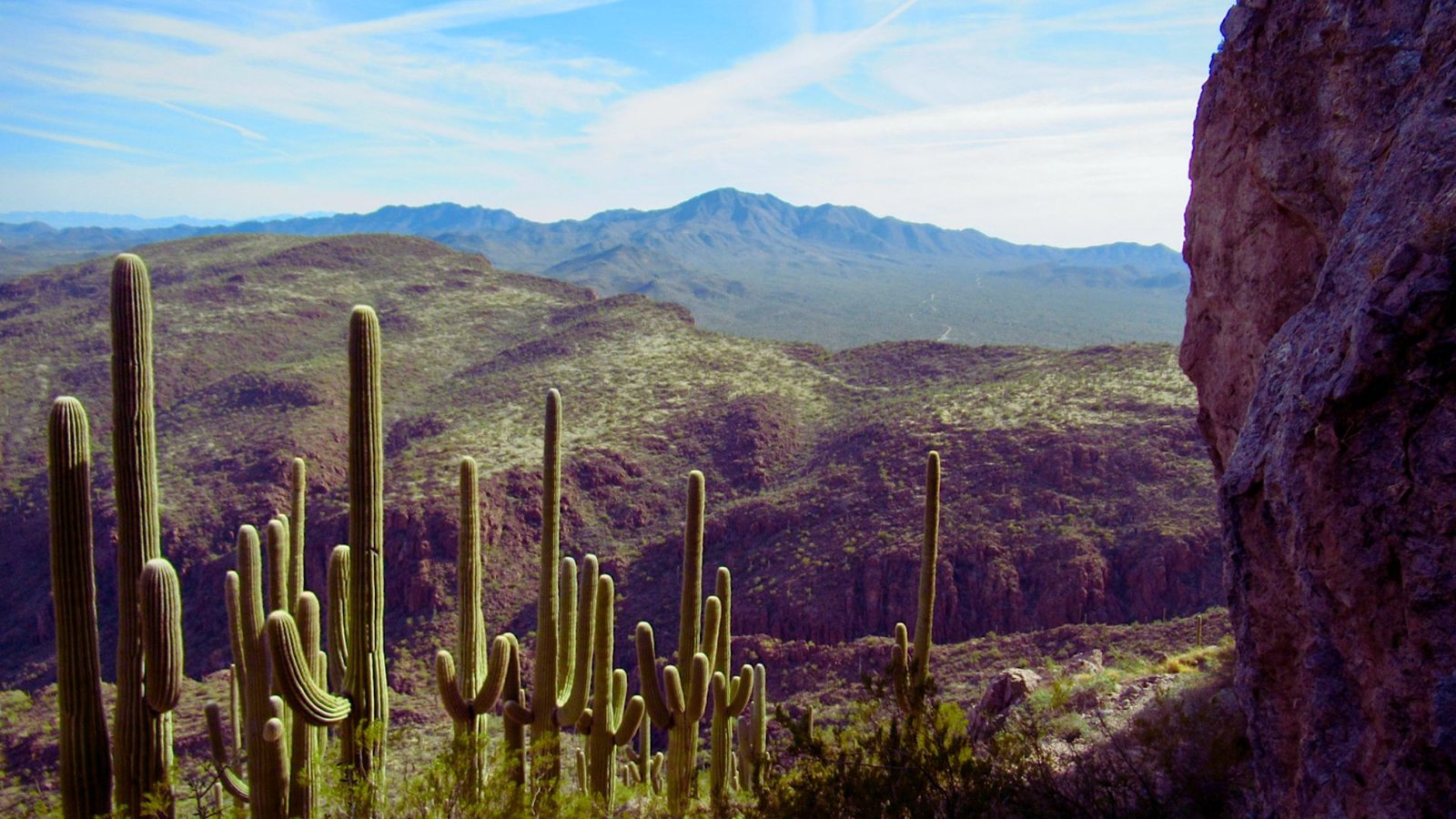
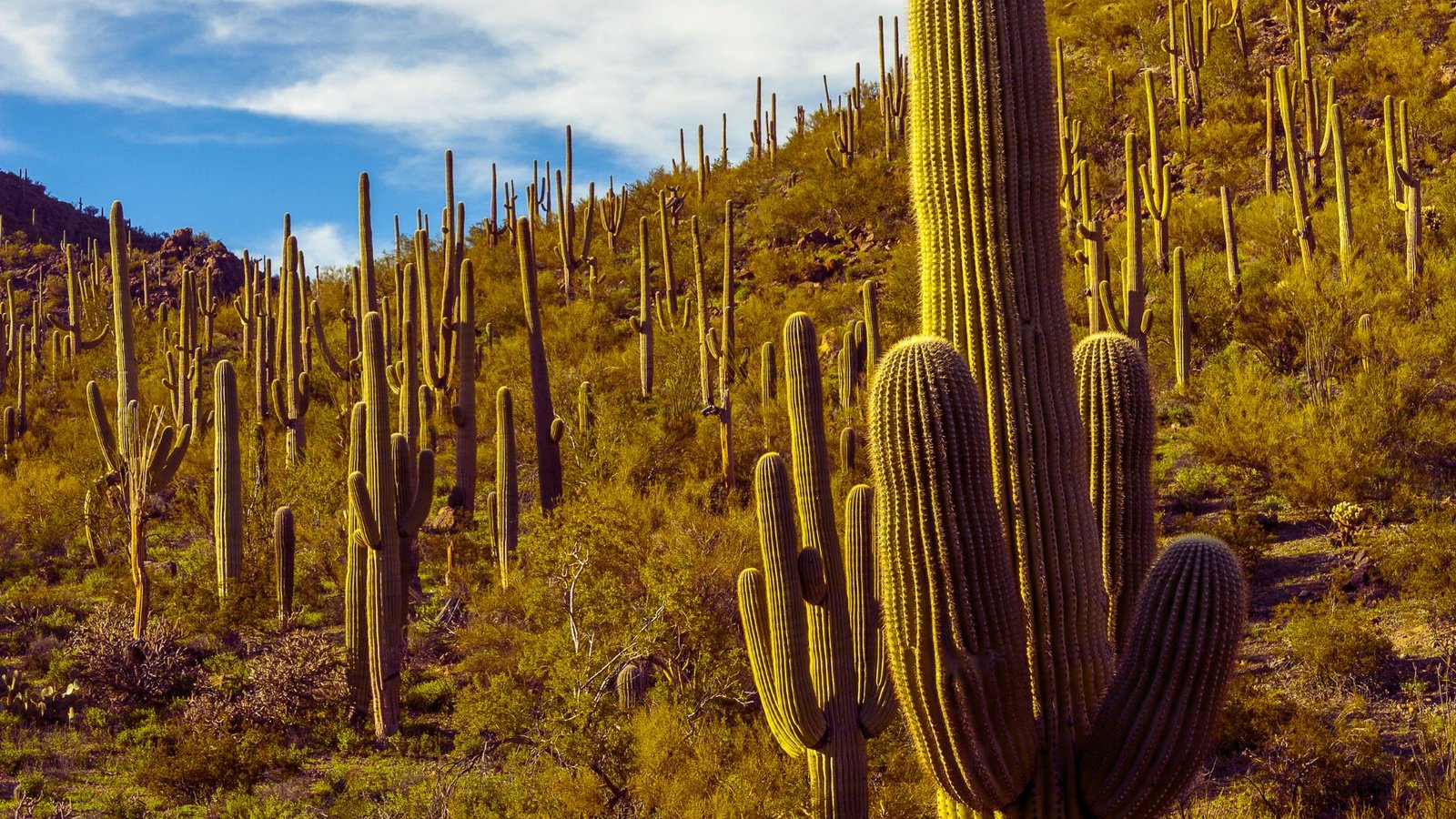
Gentle, flat trails meander through some of Arizona’s most impressive stands of massive old-growth saguaro cacti.
These ancient giants, some over 200 years old, create a surreal forest-like setting perfect to the Sonoran Desert.
The easy terrain makes this perfect for families and photographers seeking iconic desert landscapes.
9. Tanque Verde Falls Trail
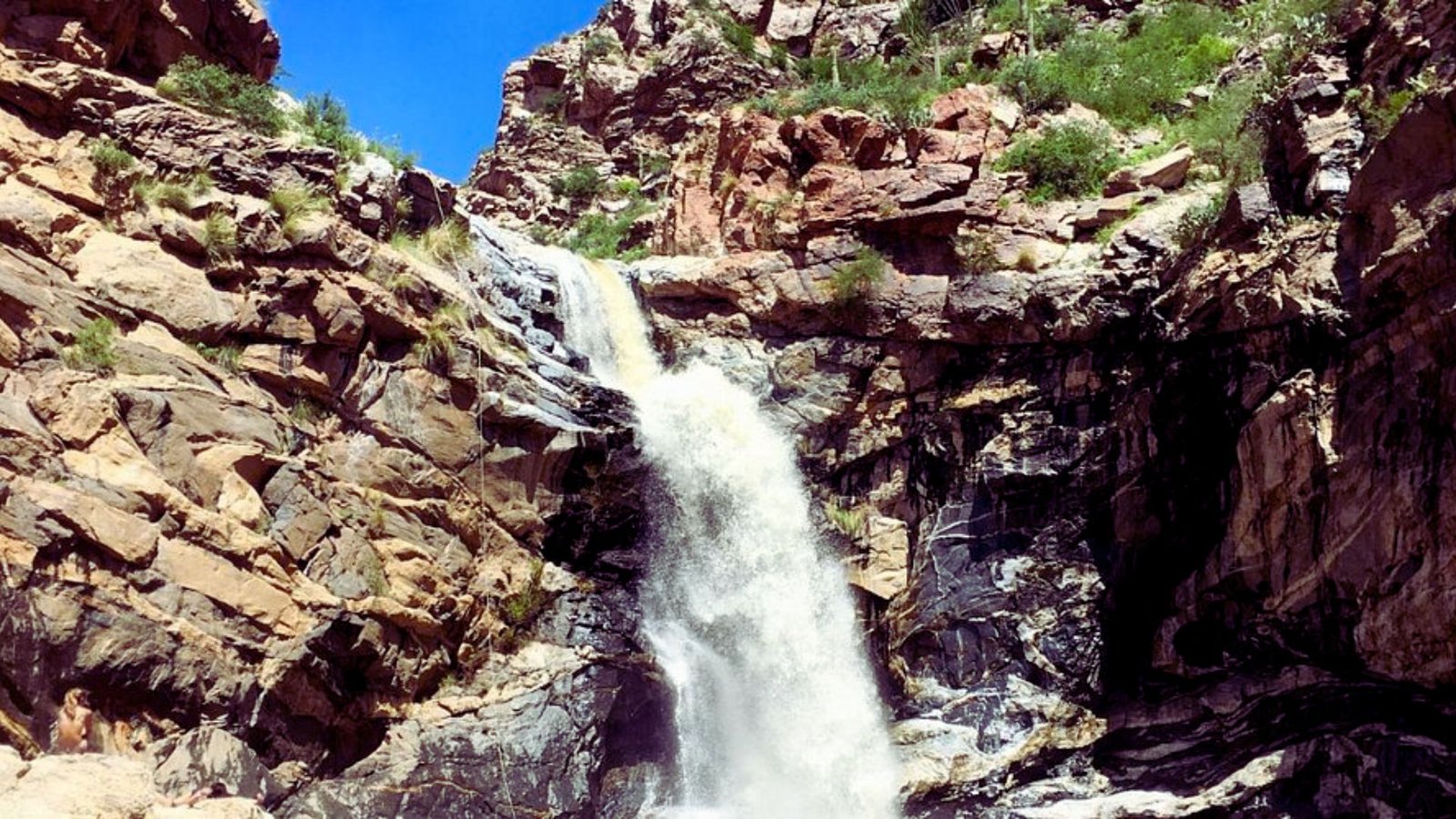
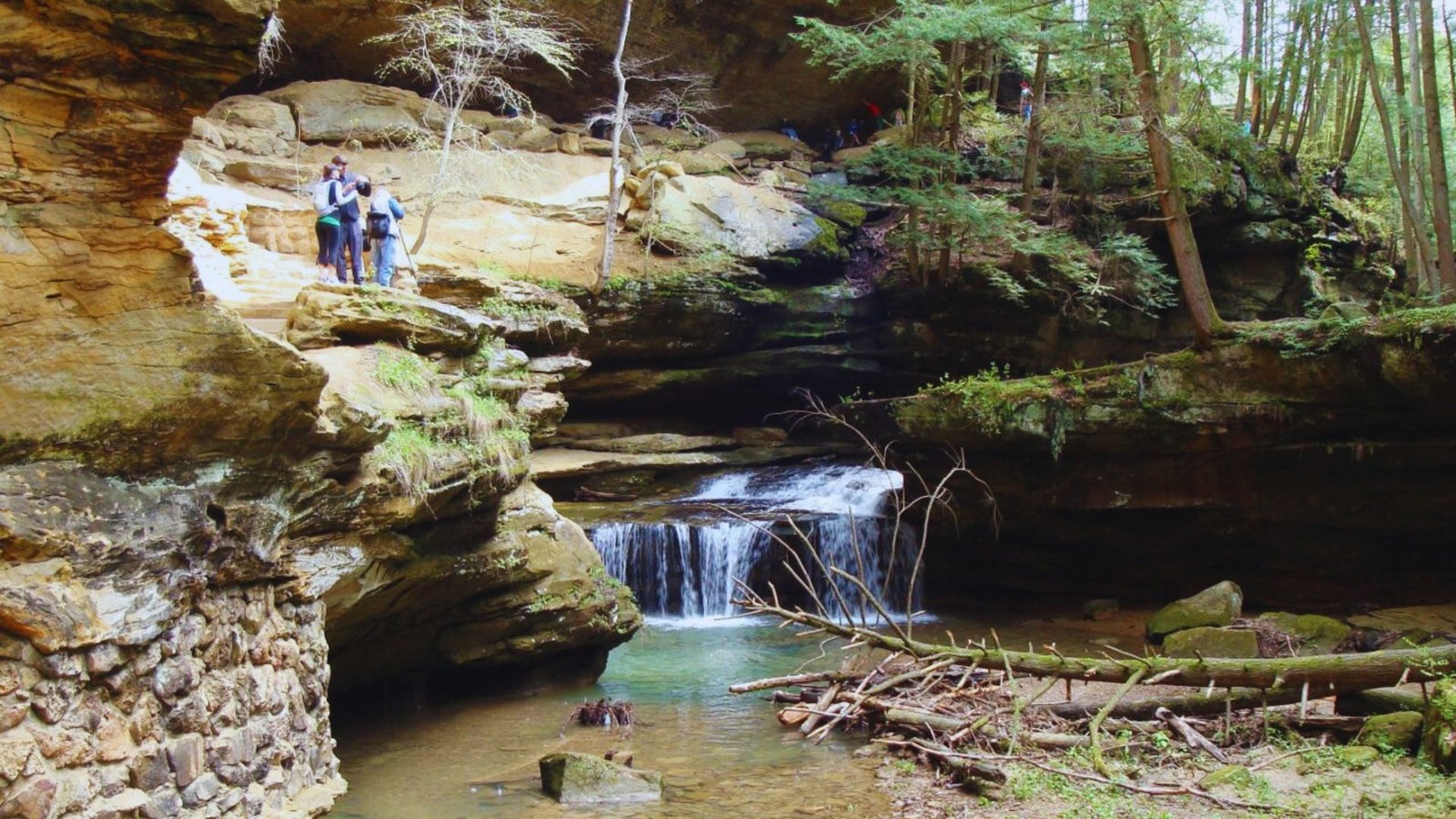
The most convenient waterfall hike from downtown Tucson leads to seasonal cascades tumbling over smooth rock faces.
The relatively short trail follows a wash through desert vegetation, ending at pools and falls that flow strongest during spring runoff and after summer monsoons.
The accessibility makes it extremely popular when water is flowing.
10. Pima Canyon Trail
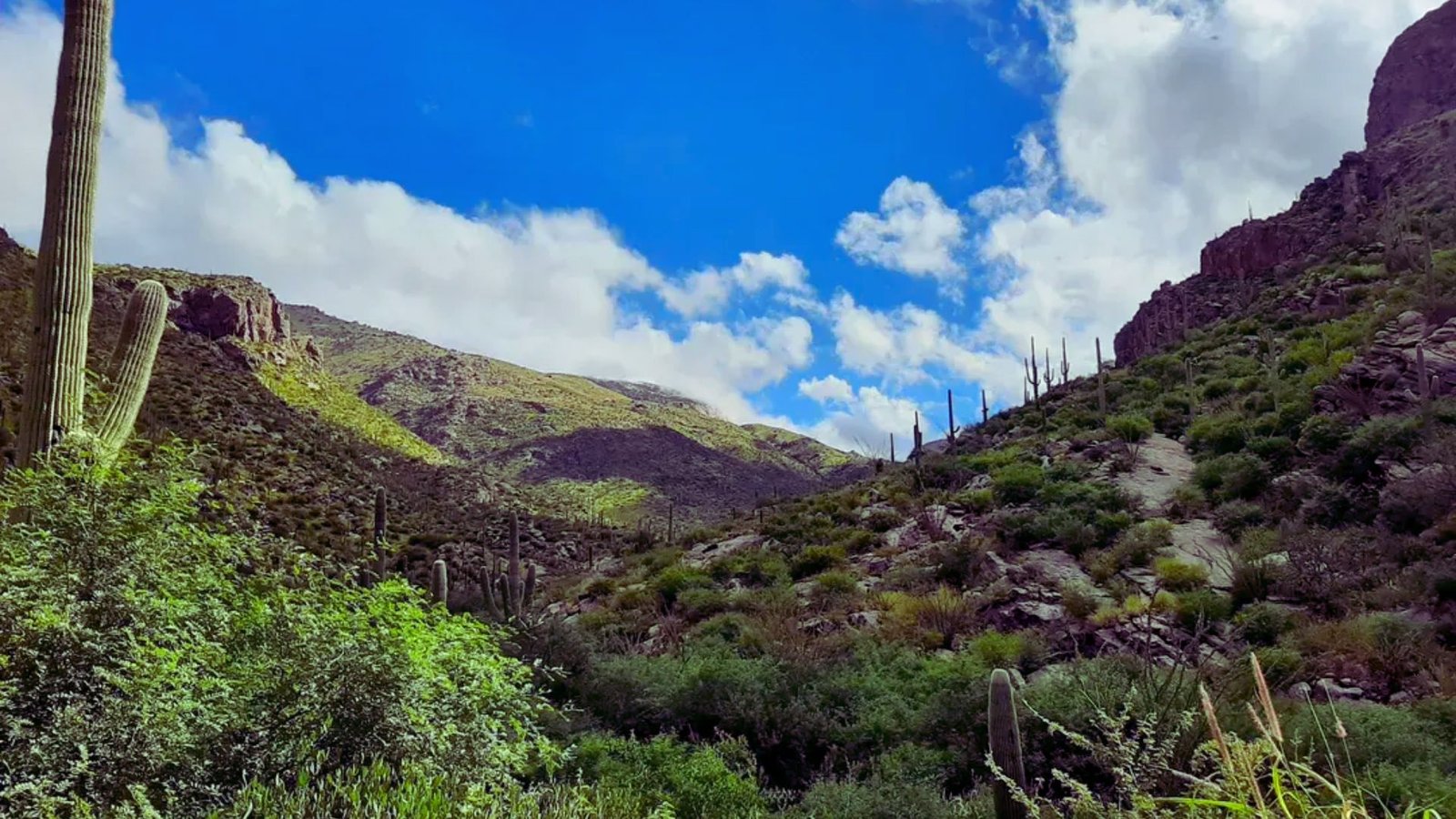
This demanding trail offers a serious cardiovascular workout while providing scenic canyon views without the crowds found at more popular locations.
The route climbs steadily through a beautiful desert canyon, passing between rocky walls and beneath towering cliffs.
Experienced hikers appreciate the solitude and natural beauty.
11. Ventana Canyon Trail
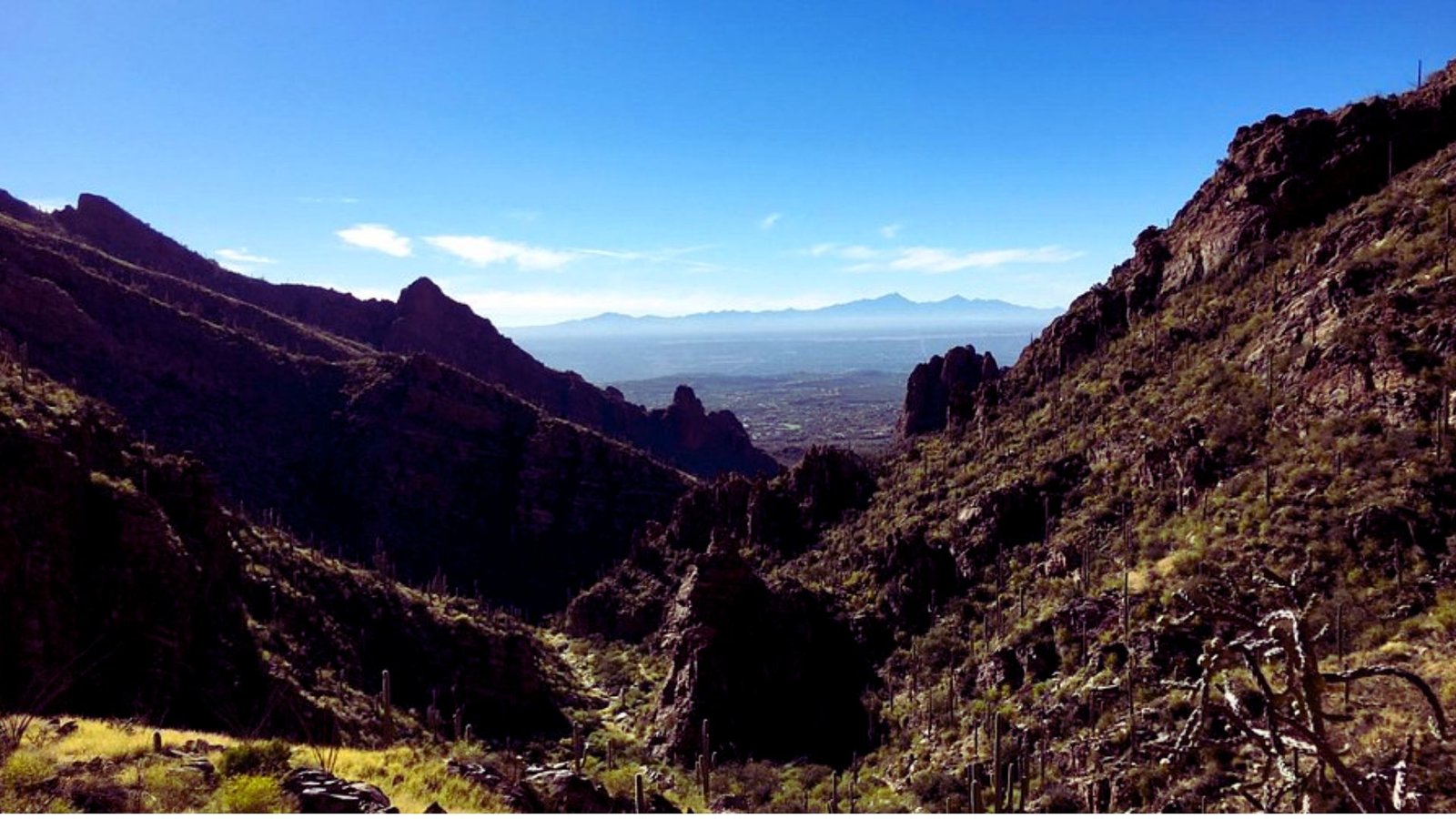
A long, steep ascent challenges hikers on their way to the famous Ventana Window, a natural arch carved into the Catalina Mountains that’s visible from Tucson below.
The strenuous trail gains significant elevation through diverse terrain, from saguaro-studded slopes to shaded canyons. The iconic window formation provides a dramatic photo opportunity.
12. Douglas Spring Trail
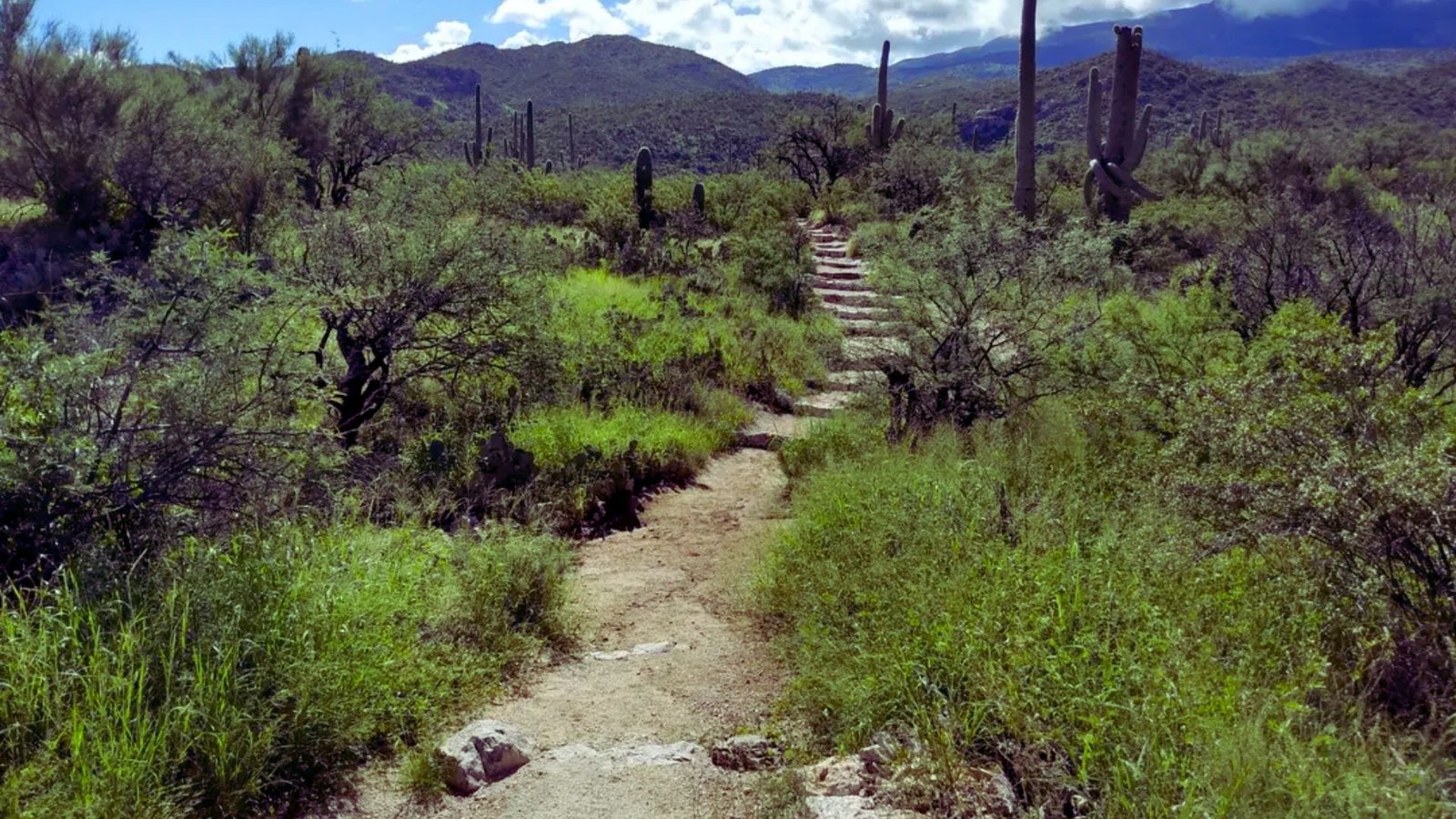
This wilderness trail climbs gradually from desert grasslands through multiple ecological zones, eventually reaching cooler oak woodlands at higher elevations.
The long route offers solitude and wildlife viewing opportunities while showcasing the remarkable biodiversity of the Rincon Mountains. Backpackers often use this as an access point for overnight trips.
13. Meadow Trail – Mount Lemmon
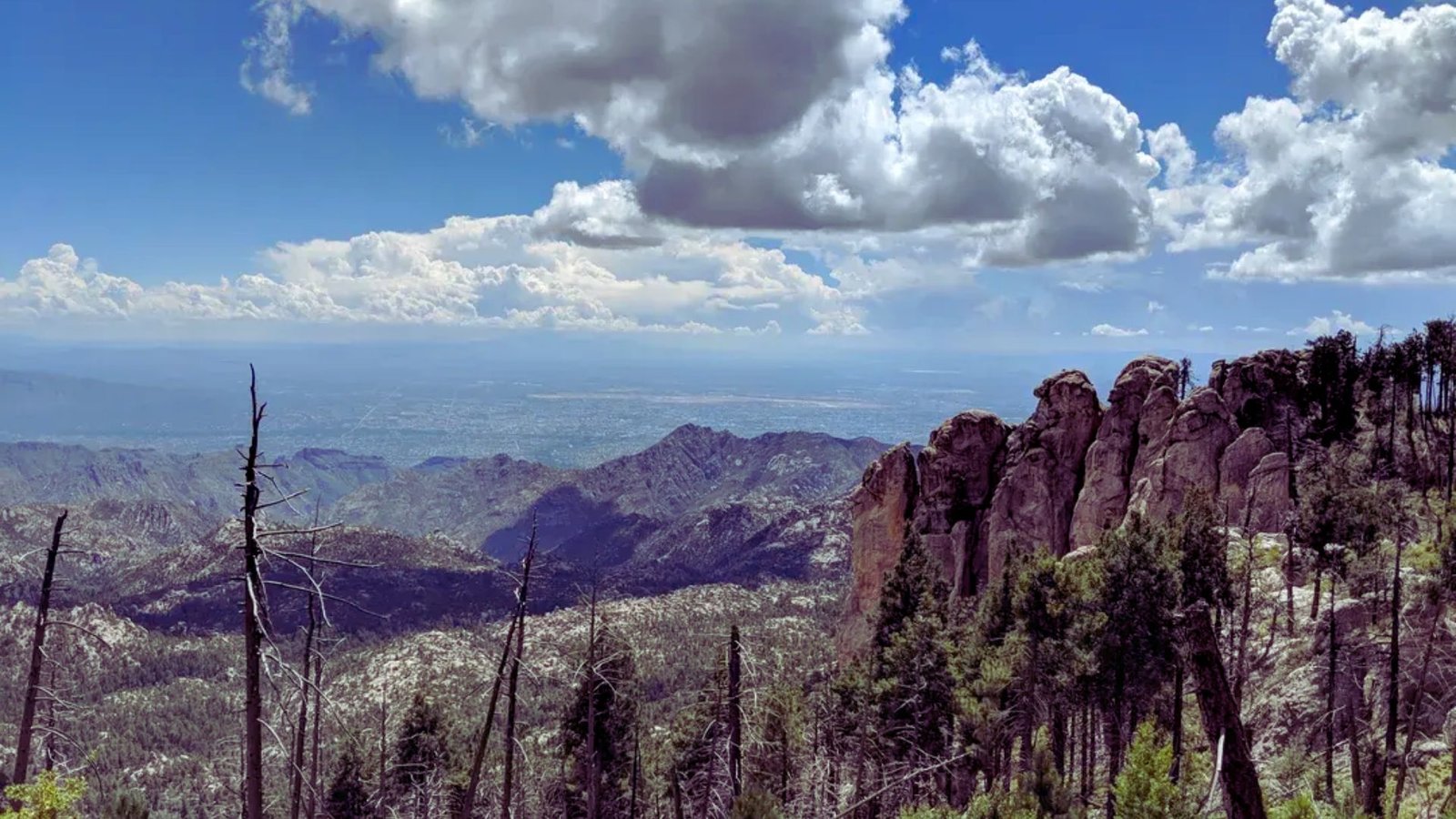
Escape the desert heat on this cool forest trail located at 8,000 feet elevation on Mount Lemmon.
The gentle path winds through ponderosa pine and aspen groves, offering a completely different landscape than the desert below.
Wildflowers bloom abundantly in summer, and the temperature is typically 20-30 degrees cooler than Tucson.
14. Hunter Trail – Picacho Peak State Park
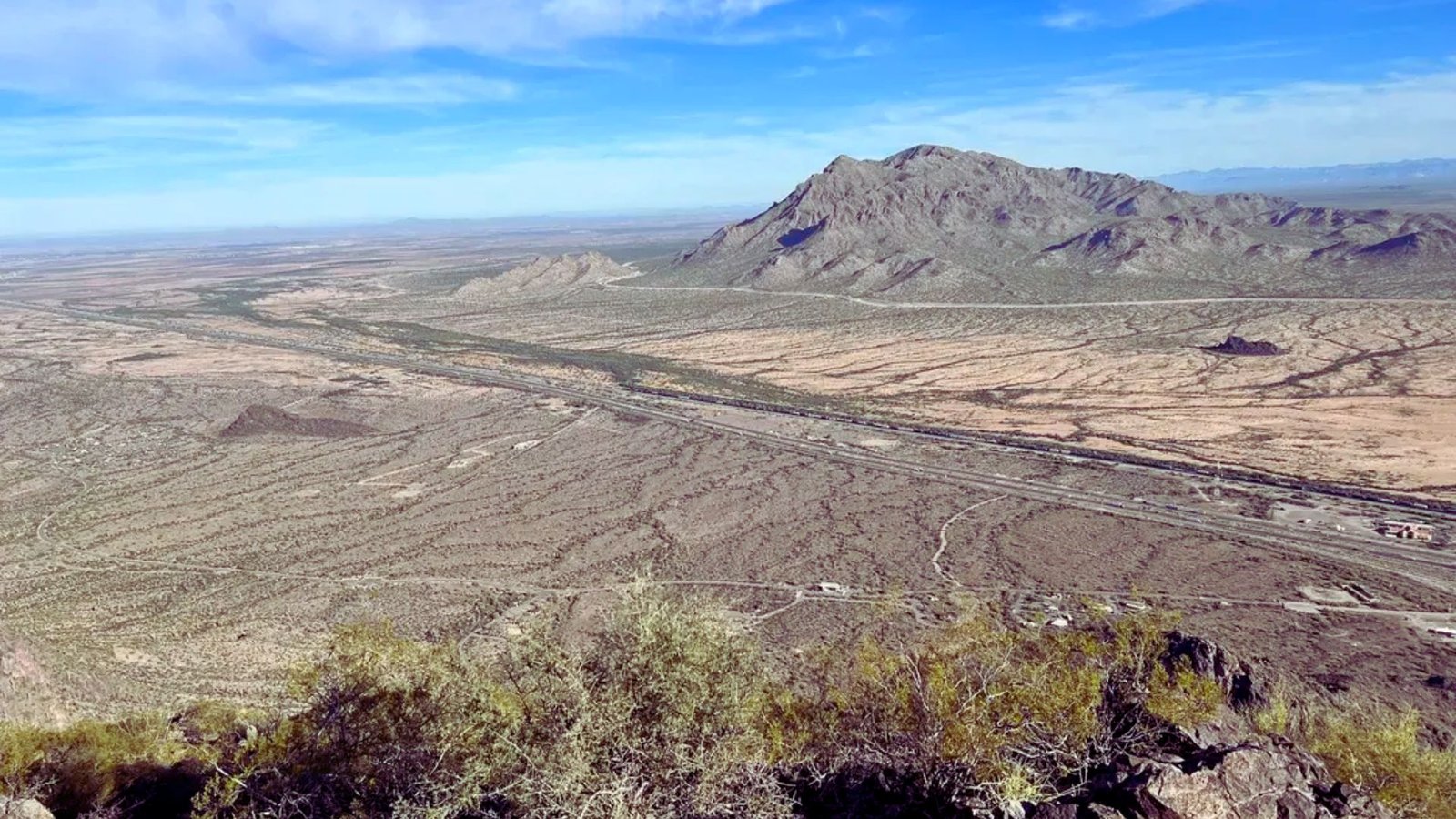
An exhilarating steep climb equipped with cable handrails leads to the summit of the distinctive Picacho Peak.
The thrilling route features exposed sections requiring use of the cables for safety, creating an adventurous experience.
Summit views stretch across the desert in all directions, with wildflower displays in spring adding spectacular color.
15. Bowen House Trail – Saguaro National Park East
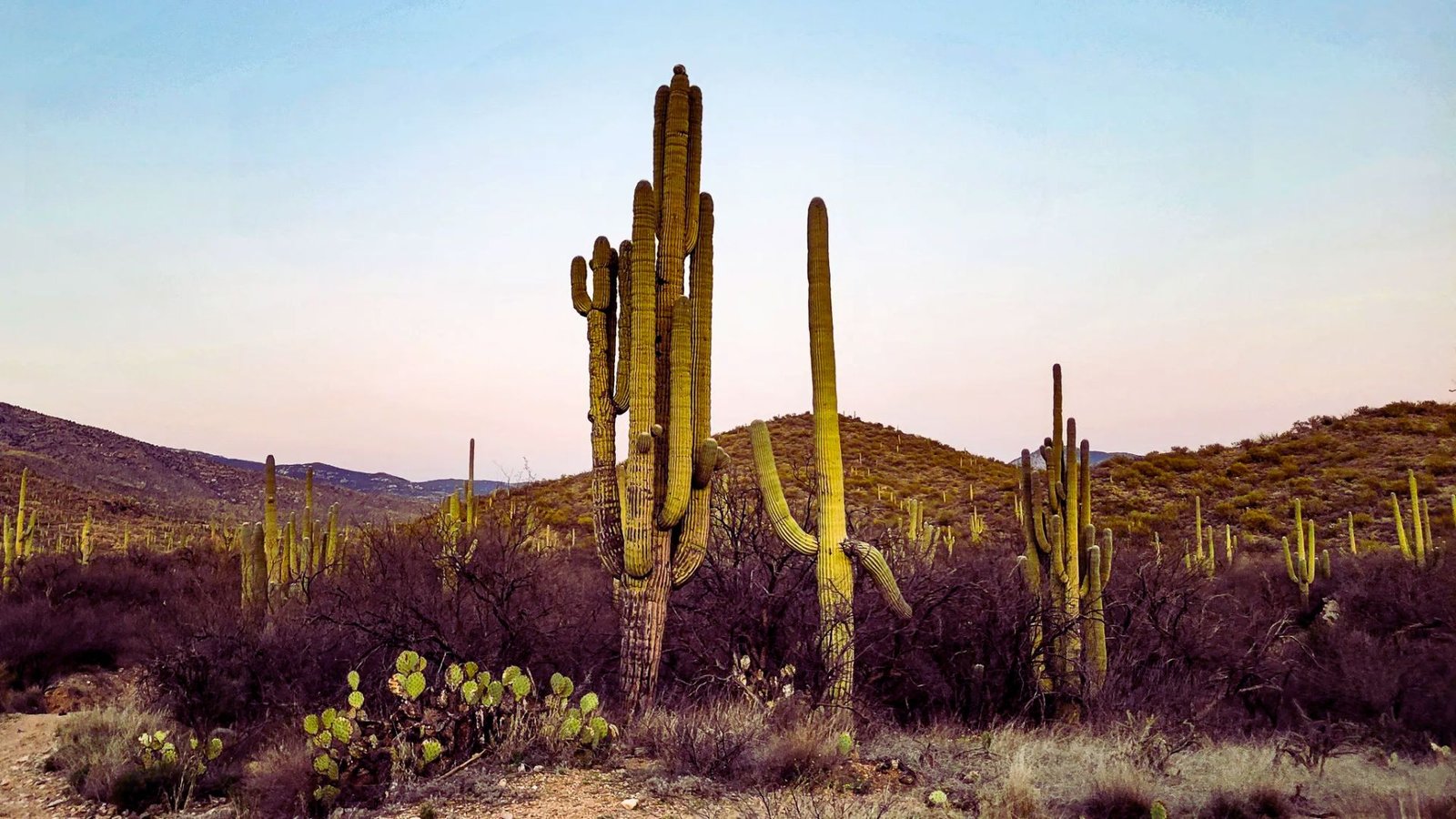
This gentle trail makes an easy walk to the atmospheric ruins of a historic homestead, offering a glimpse into early ranching life in the Rincon Valley.
The well-preserved stone foundation and surrounding structures tell the story of the Bowen family who lived here in the early 1900s. Interpretive signs provide historical context.
16. King Canyon Trail to Wasson Peak Loop
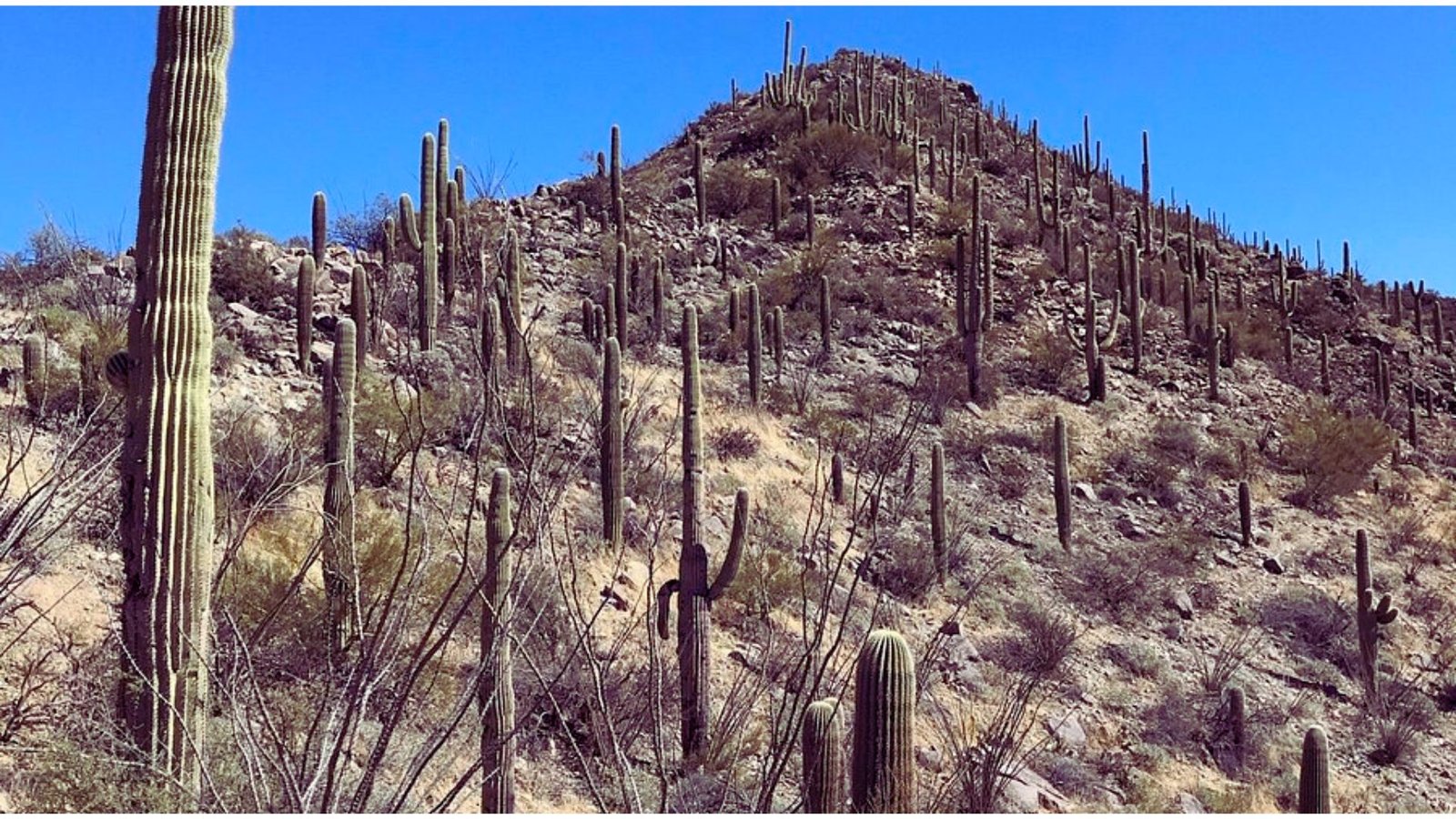
This loop configuration offers more scenic variety than the standard out-and-back route to Wasson Peak, Tucson Mountains’ highest point.
The trail traverses diverse terrain and provides constantly changing perspectives of the surrounding desert landscape.
The loop allows hikers to experience different canyon environments in a single journey.
17. Sabino Canyon Walkway
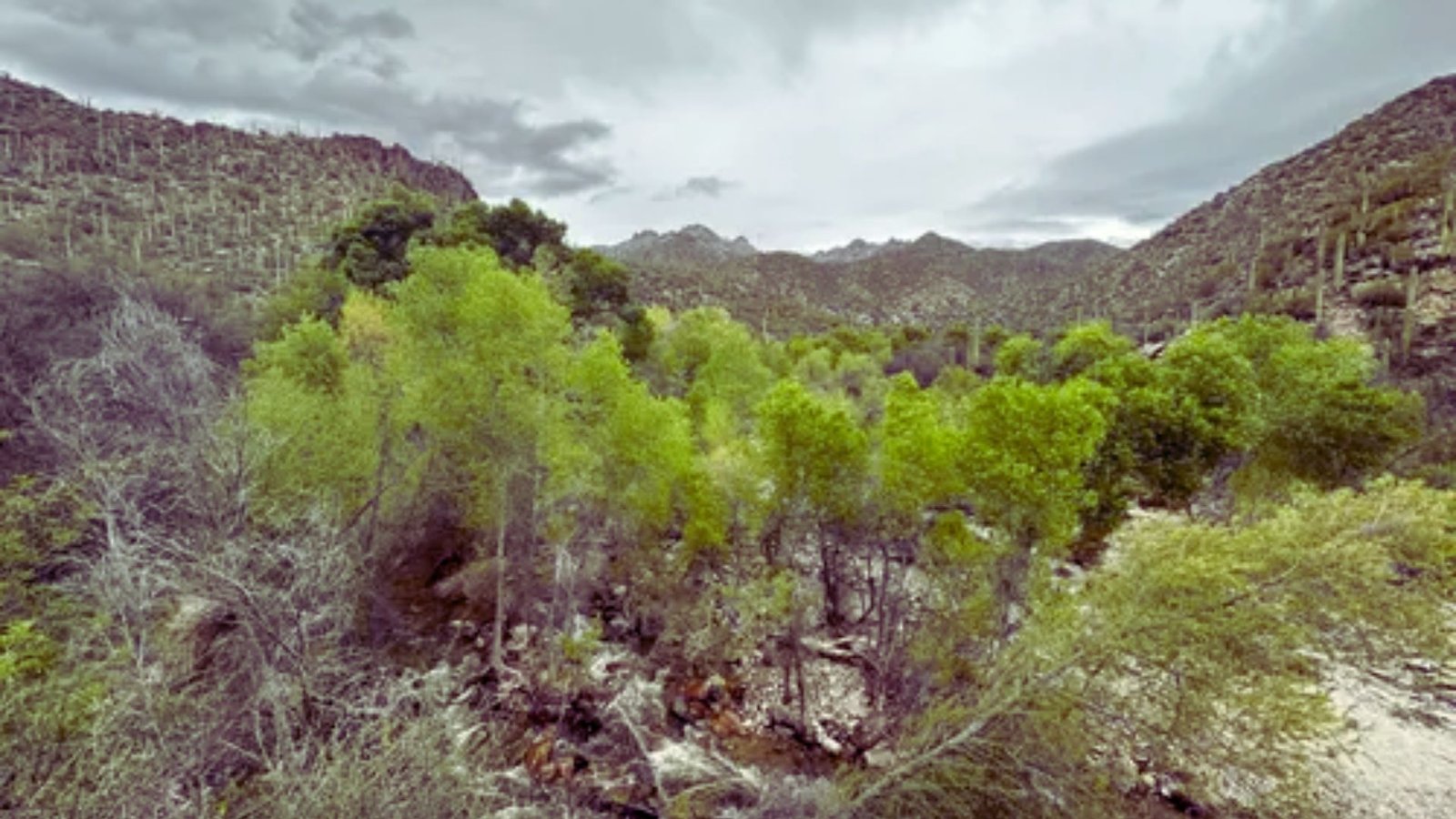
An easy, paved path follows a year-round creek through the lower reaches of Sabino Canyon, making it accessible to visitors of all abilities.
The gentle route passes through lush riparian habitat that attracts diverse wildlife and provides welcome shade.
Perfect for casual walks, photography, and nature observation without significant physical demands.
Saguaro National Park vs Tucson Mountain Park: Where to Hike
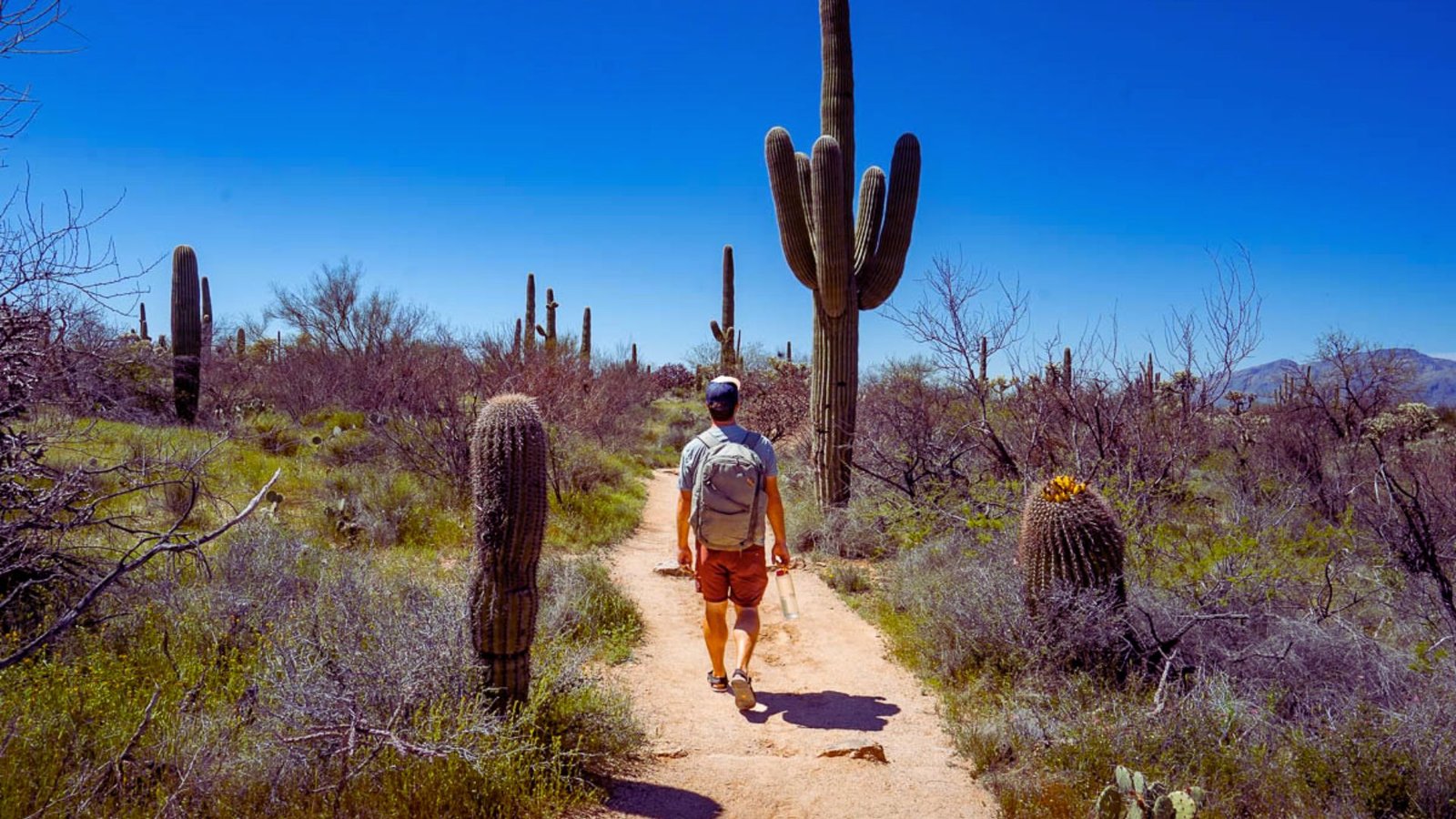
Both areas offer great hiking with key differences.
Saguaro National Park: has two districts. The east district features old-growth saguaro forests and higher elevation options. The west district has dense cactus stands and volcanic rock formations. The park charges $25 per vehicle for a 7-day pass.
Tucson Mountain Park: sits adjacent to Saguaro National Park West. The terrain is similar but free to access. You’ll find the same saguaro forests and desert scenery. Local hikers frequent these trails.
Best trails in each area: Saguaro National Park East has Mica View, Cactus Forest Loop, and Bowen House. Saguaro National Park West offers Signal Hill, Hugh Norris Trail, and Valley View Overlook. Tucson Mountain Park features Wasson Peak via King Canyon, Brown Mountain, and Starr Pass.
Choose based on your priorities: Pick Saguaro National Park for visitor centers, maintained facilities, and ranger programs. Pick Tucson Mountain Park for free access, fewer crowds, and a more rugged experience.
Hiking Safety Tips for Tucson Arizona
Desert hiking requires extra precaution.
- Drink before you feel thirsty. Start hikes early in summer and finish before 10 AM. Know the signs of heat exhaustion: heavy sweating, weakness, nausea, and headache.
- Rattlesnakes are common but rarely aggressive. If you hear a rattle, stop and back away slowly. Check boots and gear before putting them on. Give javelina and other wildlife space.
- Pack out all the trash. Yield to uphill hikers. Cutting switchbacks damages the environment and causes erosion.
- Cell service is unreliable in canyons and mountains. GPS and offline maps are critical for safe hiking.
- Tell someone your hiking plan, including which trail, expected return time, and vehicle description before you head out.
Conclusion
Tucson offers some of Arizona’s best trails. From desert canyons to mountain peaks, there’s something for everyone.
I’ve hiked these trails for years, and they never get old. The variety keeps every hike feeling fresh. Start with the easier trails if you’re new. Build up to the challenging peaks.
Remember to bring plenty of water. Respect the desert environment. And most importantly, get out there and enjoy these incredible landscapes.
Which trail will you try first? Drop a comment below and share your Tucson hiking plans. If you found this guide helpful, share it with fellow hikers planning their Arizona trip.
Frequently Asked Questions
Are there good hikes in Tucson year-round?
Yes, Tucson offers year-round hiking thanks to varied elevations. Winter is ideal for desert trails, while summer hikers should head to Mount Lemmon or start desert hikes before sunrise.
Are dogs allowed on Tucson hiking trails?
Most trails allow leashed dogs, but dogs are prohibited in Saguaro National Park and on Tumamoc Hill. Always bring water for your dog and watch for hot ground that can burn paws.
Which hikes have waterfalls or swimming holes?
Seven Falls, Tanque Verde Falls, and Romero Pools are your best bets. Water flows from December through April, with unpredictable monsoon-fed waterfalls in summer.
Do I need a permit for hiking in Tucson?
Day hiking requires no permits on most trails. You’ll pay entrance fees at Saguaro National Park ($25) and Catalina State Park ($7).
What should I do if I encounter a rattlesnake on the trail?
Stop moving, locate the snake, and back away slowly. Never try to touch or move a rattlesnake.