
You want to know how bouldering differs from rock climbing. Maybe you’re at the gym looking at both areas. Or you’re researching before your first visit.
This guide breaks down everything you need to make the right choice.We’ve worked with climbers at every level. We know where beginners get confused.
And we’ll clear that up today.You’ll learn about heights, gear, costs, and techniques. We’ll show you which style matches your goals.
By the end, you’ll know exactly where to start. No confusing jargon. No overwhelming details.
Just clear answers to help you climb with confidence.
Let’s get into it.
Why Climbers Compare These Two Styles
Both sports involve climbing walls and rocks. But they work in completely different ways.
Bouldering uses short walls without ropes. Rock climbing goes much higher with safety gear. Many climbers try both. Some stick with one. Others mix them for better training.
Knowing the differences helps you pick the right starting point. It saves time, money, and frustration.
This guide covers every major difference between the two styles. You’ll see how height, safety gear, and techniques vary.
We’ll compare shoes, grading systems, and gym setups. You’ll get tips for beginners and advanced climbers. We’ll also show how the two styles work together. By the end, you’ll know which one to try first.
What Is Bouldering?
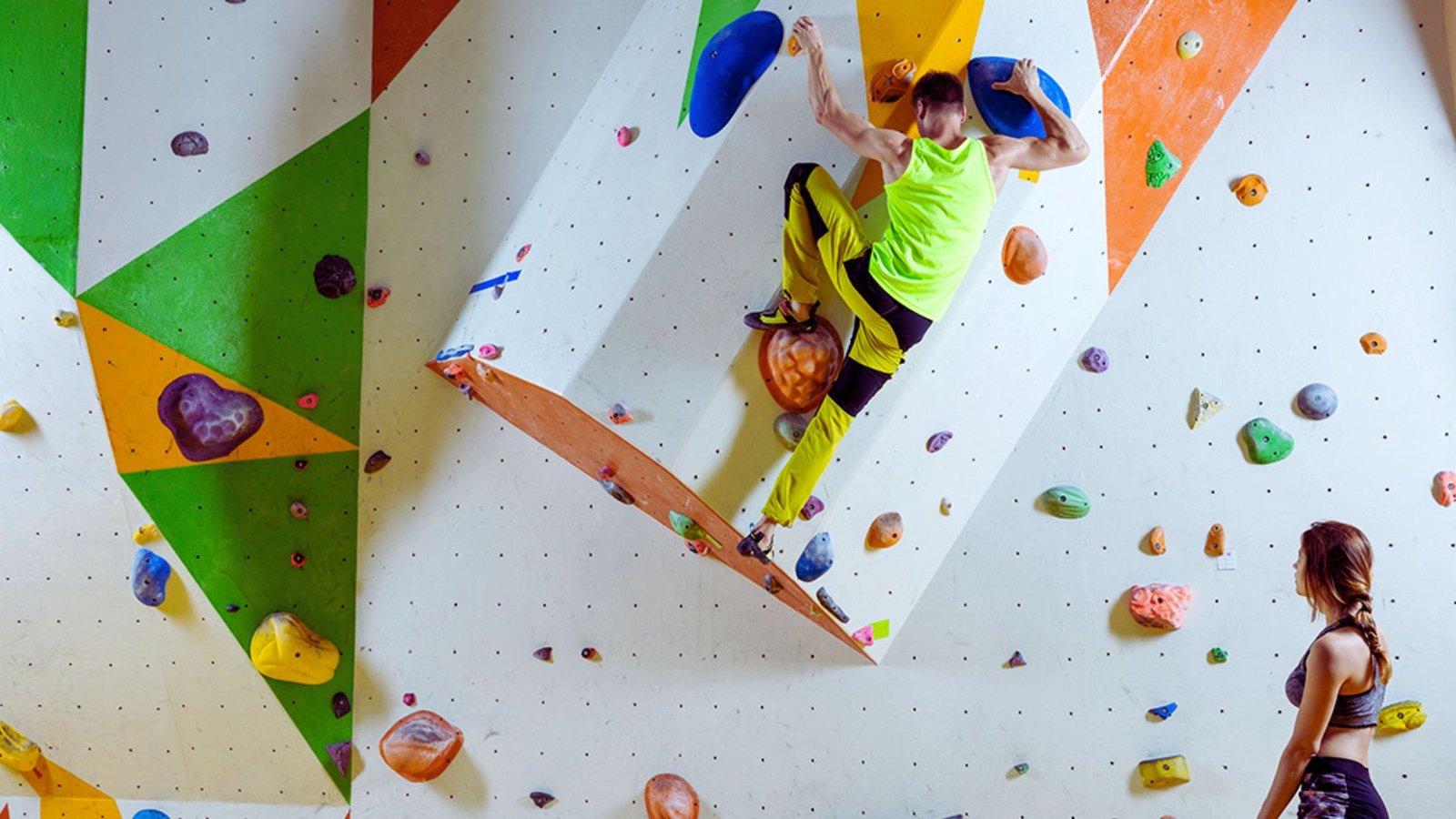
Bouldering involves climbing short walls or rocks without ropes, using crash pads for safety and focusing on powerful moves.
Definition and Basic Concept
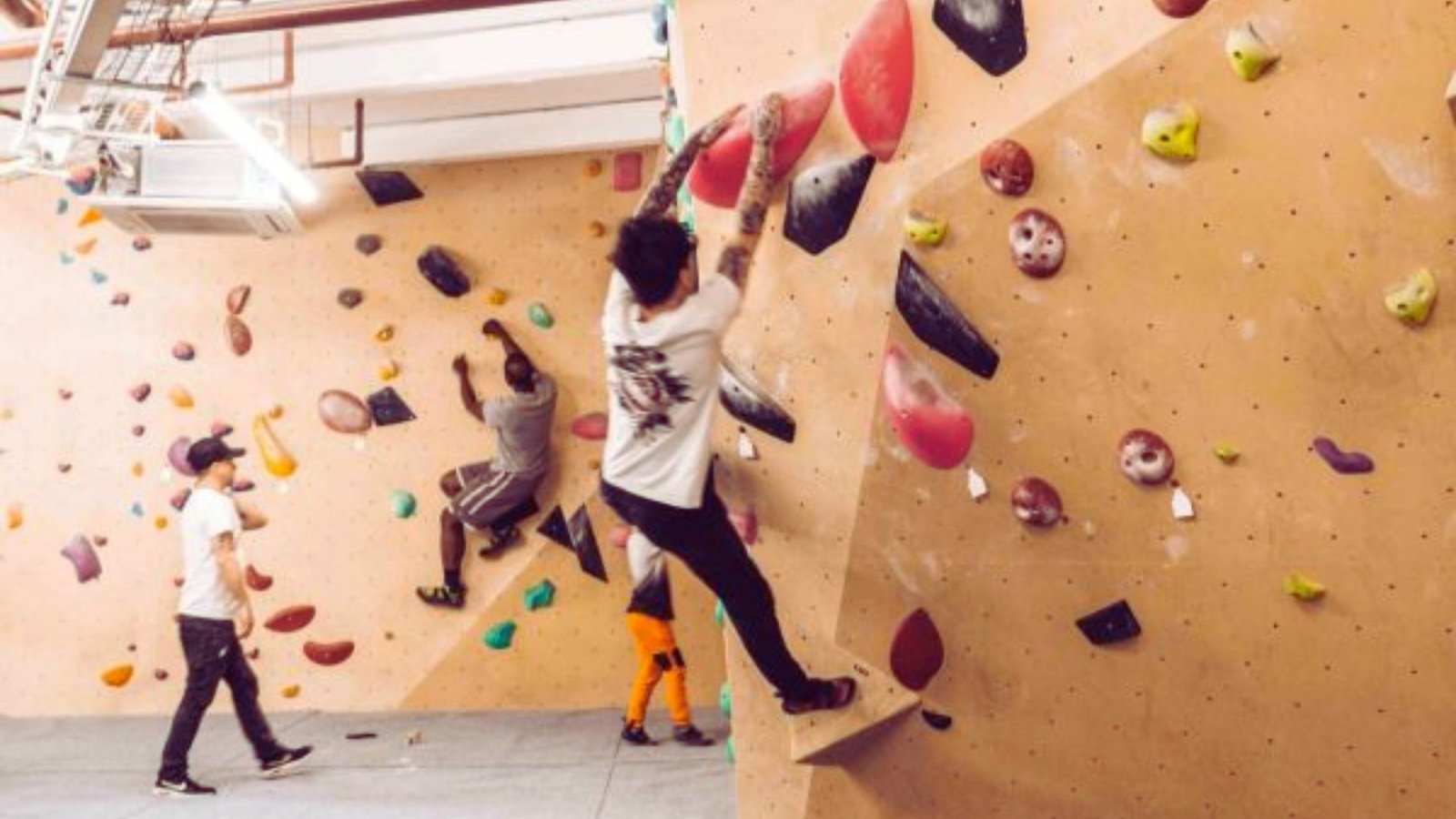
Bouldering means climbing short routes called problems. You don’t use ropes or harnesses. Instead, you rely on crash pads below.
The goal is to reach the top or complete a specific sequence. Falls are common and expected. That’s why the pads matter so much. Most problems take seconds to minutes to finish.
Typical Height and Environment
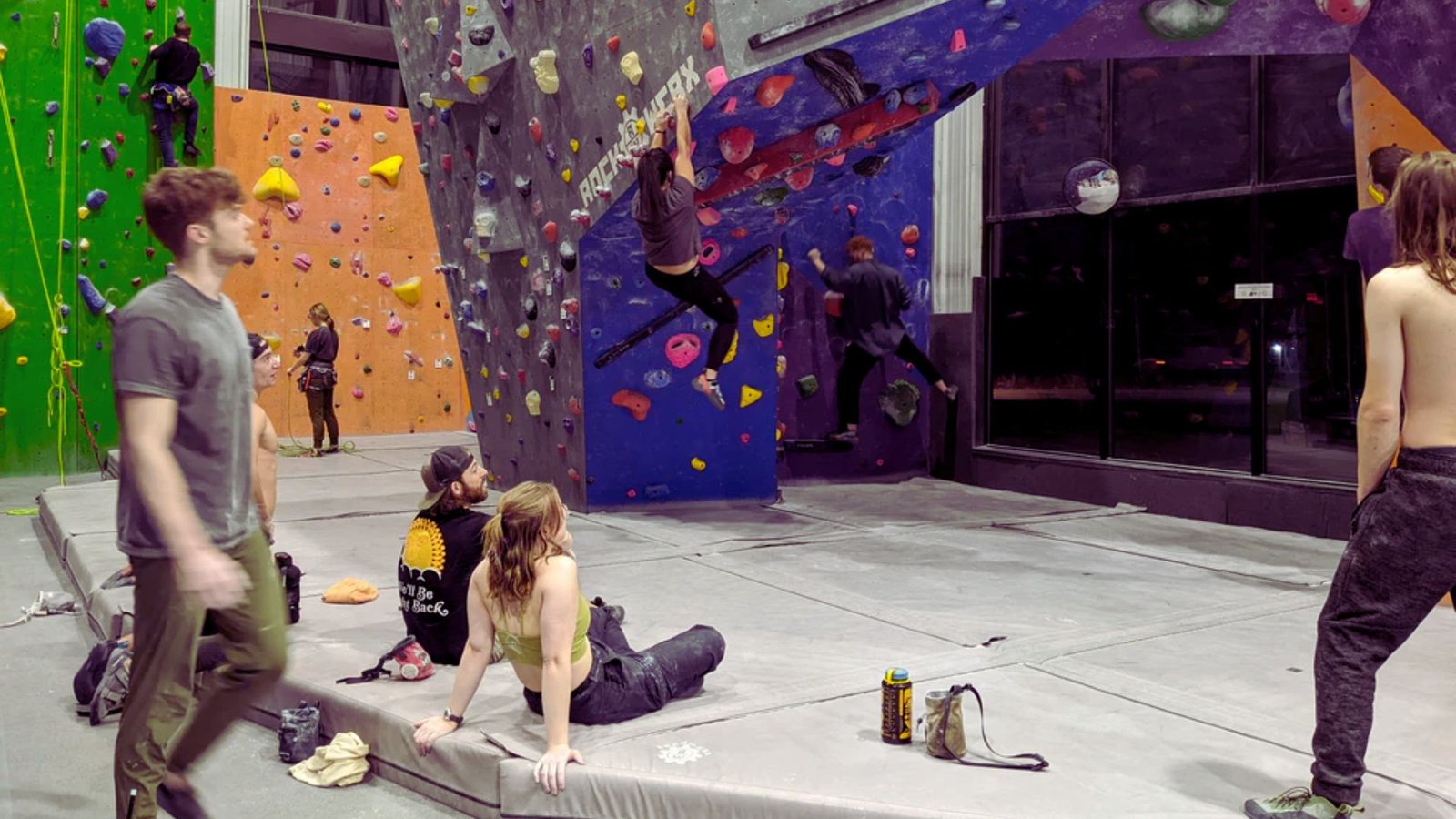
Boulder problems usually max out at 15 to 20 feet. That’s low enough to jump down safely. Outdoors, you climb natural rock formations.
Indoors, gyms have special bouldering walls. The height stays consistent for safety. Lower heights mean less fear for beginners. But the moves can still be incredibly tough.
Indoor vs Outdoor Bouldering
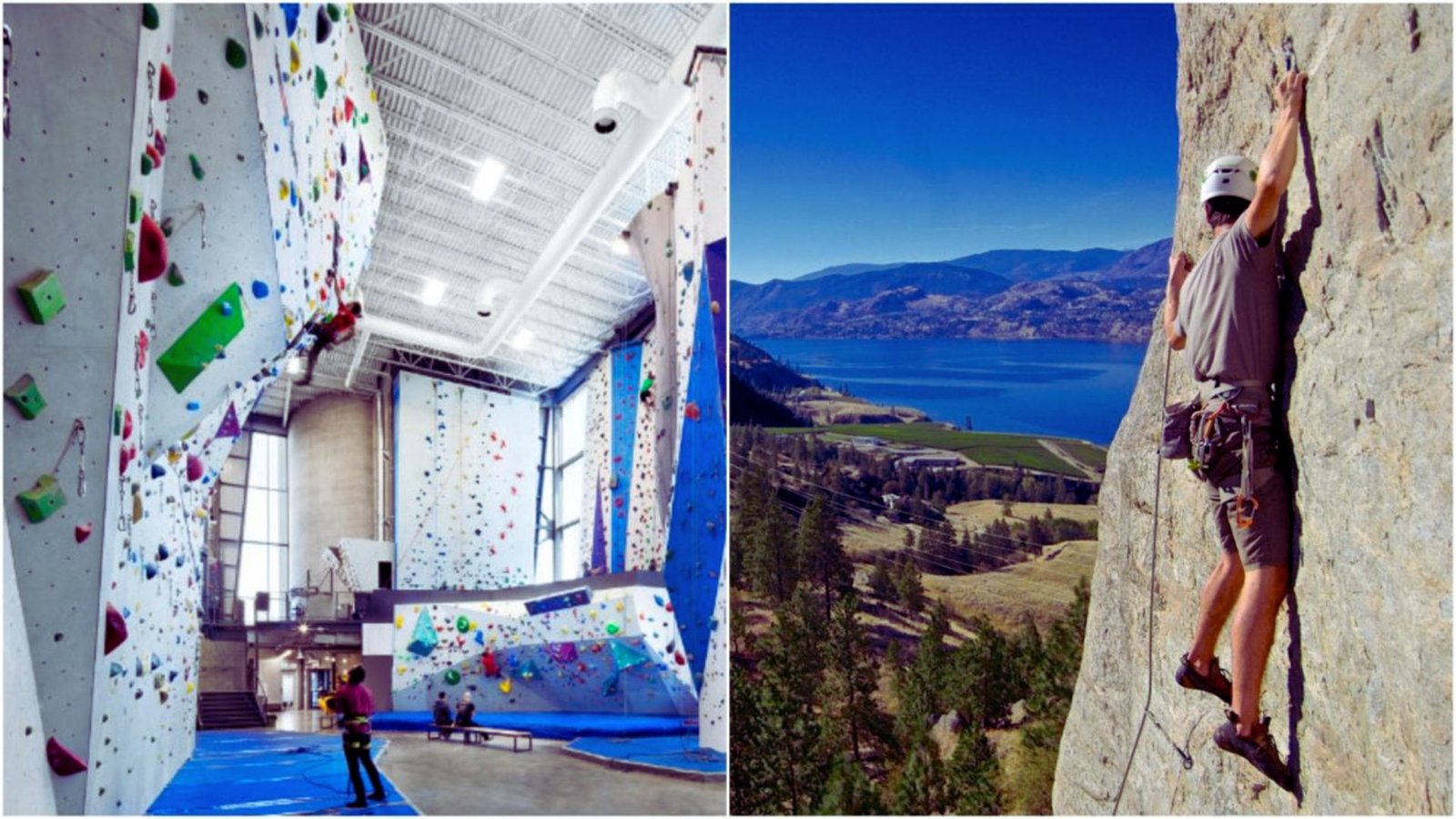
Indoor gyms offer controlled settings. Holds are color-coded by difficulty. Crash pads cover the floor completely.
Outdoor bouldering happens on real rock. You bring your own pads. The rock texture and conditions change constantly. Weather affects your grip.
Indoor climbing lets you train year-round. Outdoor climbing gives you real rock experience.
What Is Rock Climbing?
Rock climbing involves ascending tall walls or cliffs with ropes and harnesses, requiring a partner and protective gear.
Definition and Overview
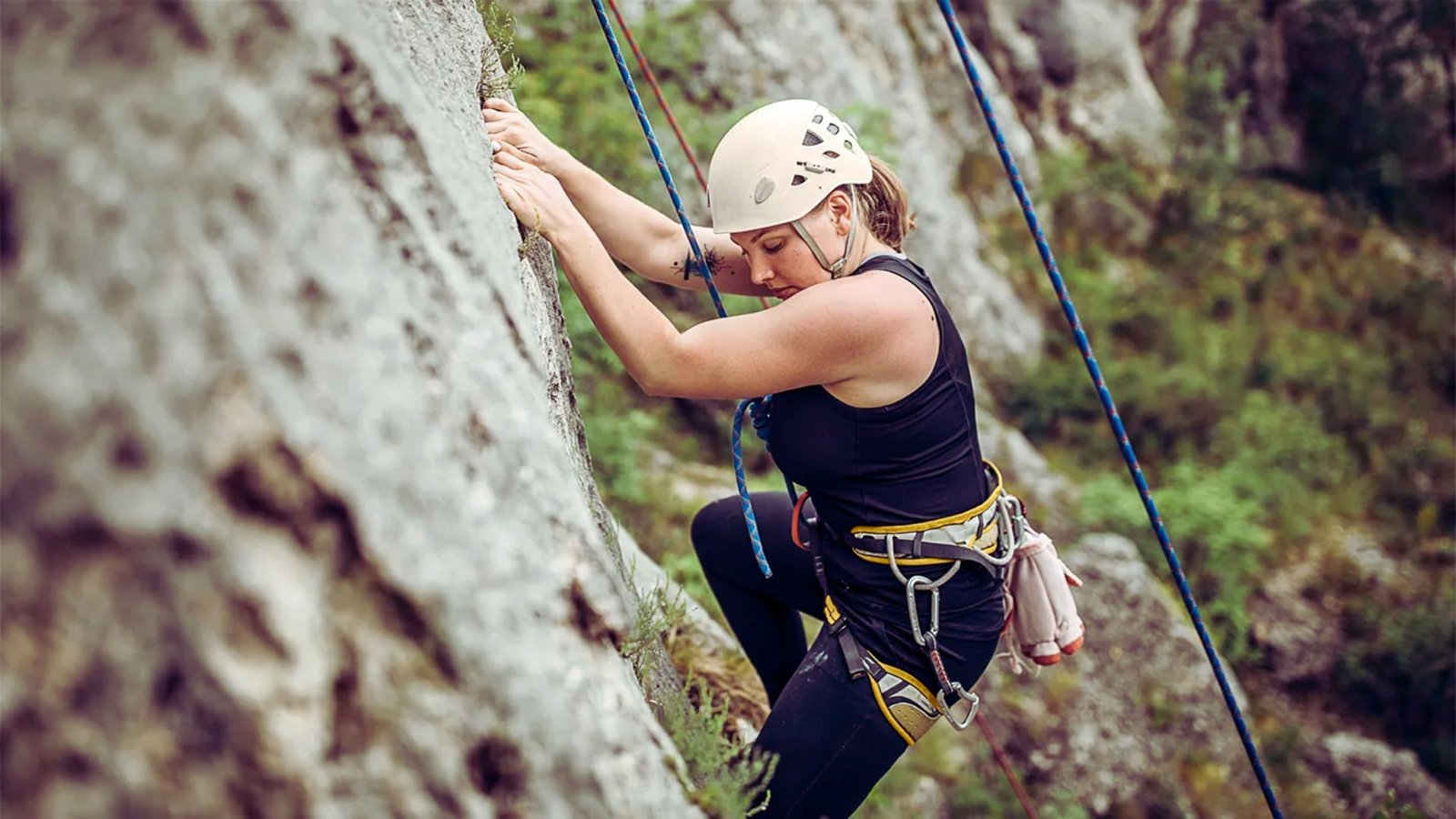
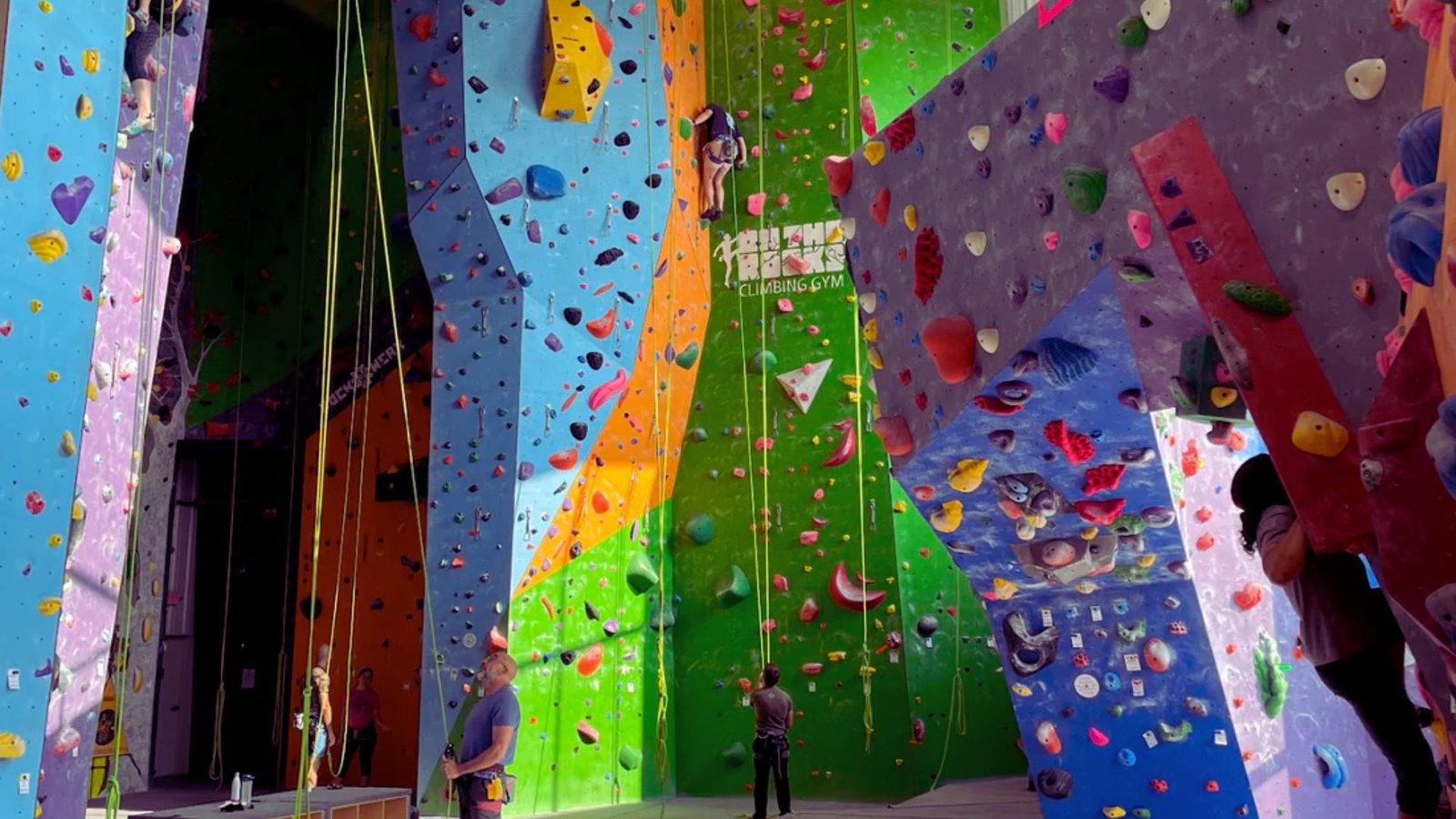
Rock climbing means going up tall walls or cliffs. You wear a harness connected to a rope. A partner manages your safety from below.
The routes are called climbs, not problems. They range from 30 feet to thousands of feet tall. You need more gear than bouldering. But the rope catches you when you fall.
Types of Rock Climbing (Top Rope, Sport, Trad)
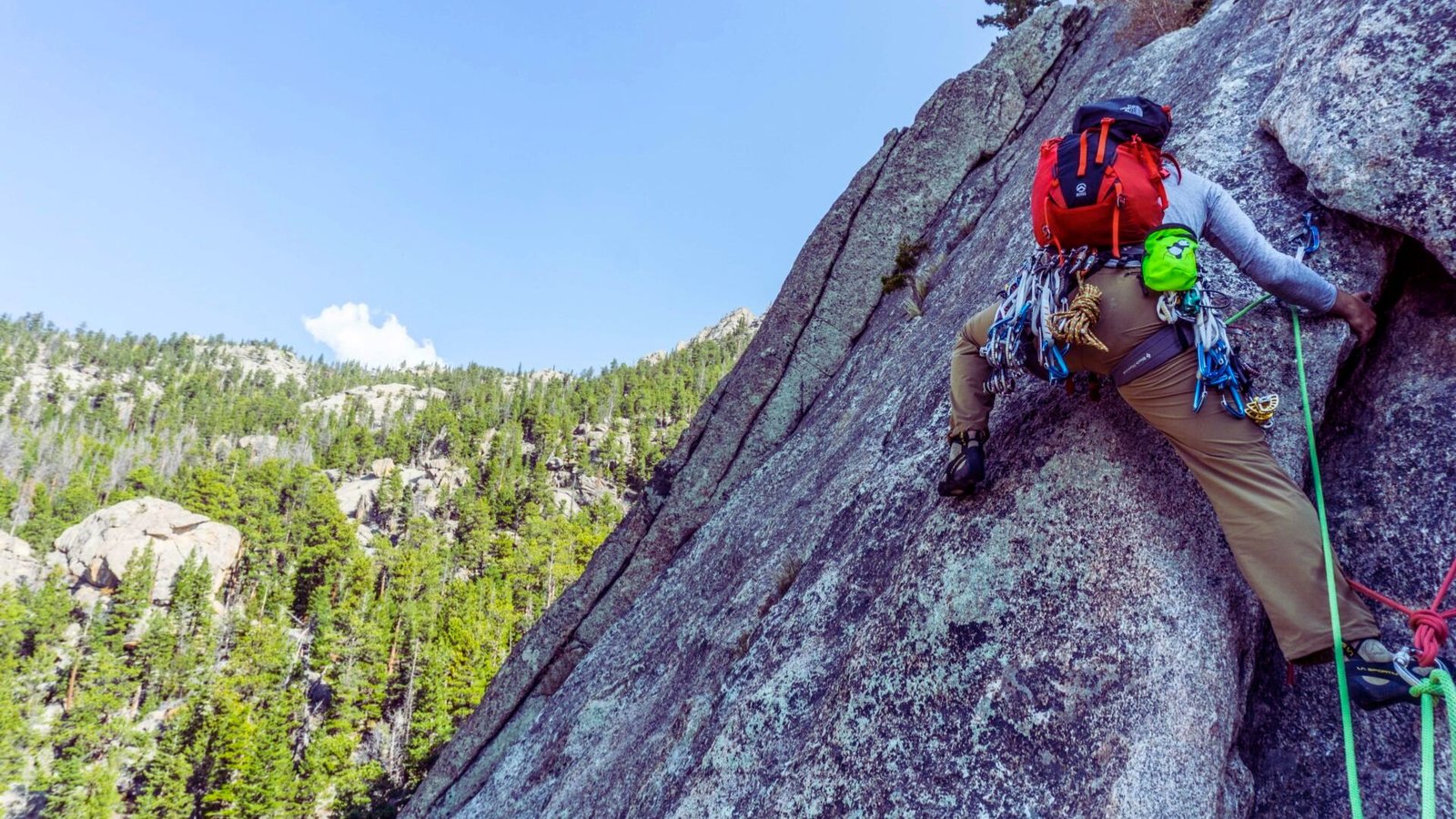
Top rope climbing has an anchor at the top already. Your partner pulls in slack as you climb. This is the safest style for beginners.
Sport climbing uses bolts drilled into the rock. You clip your rope to them as you go up. Trad climbing requires placing your own gear. Each type needs different skills and equipment.
Indoor Rock Climbing vs Outdoor Rock Climbing
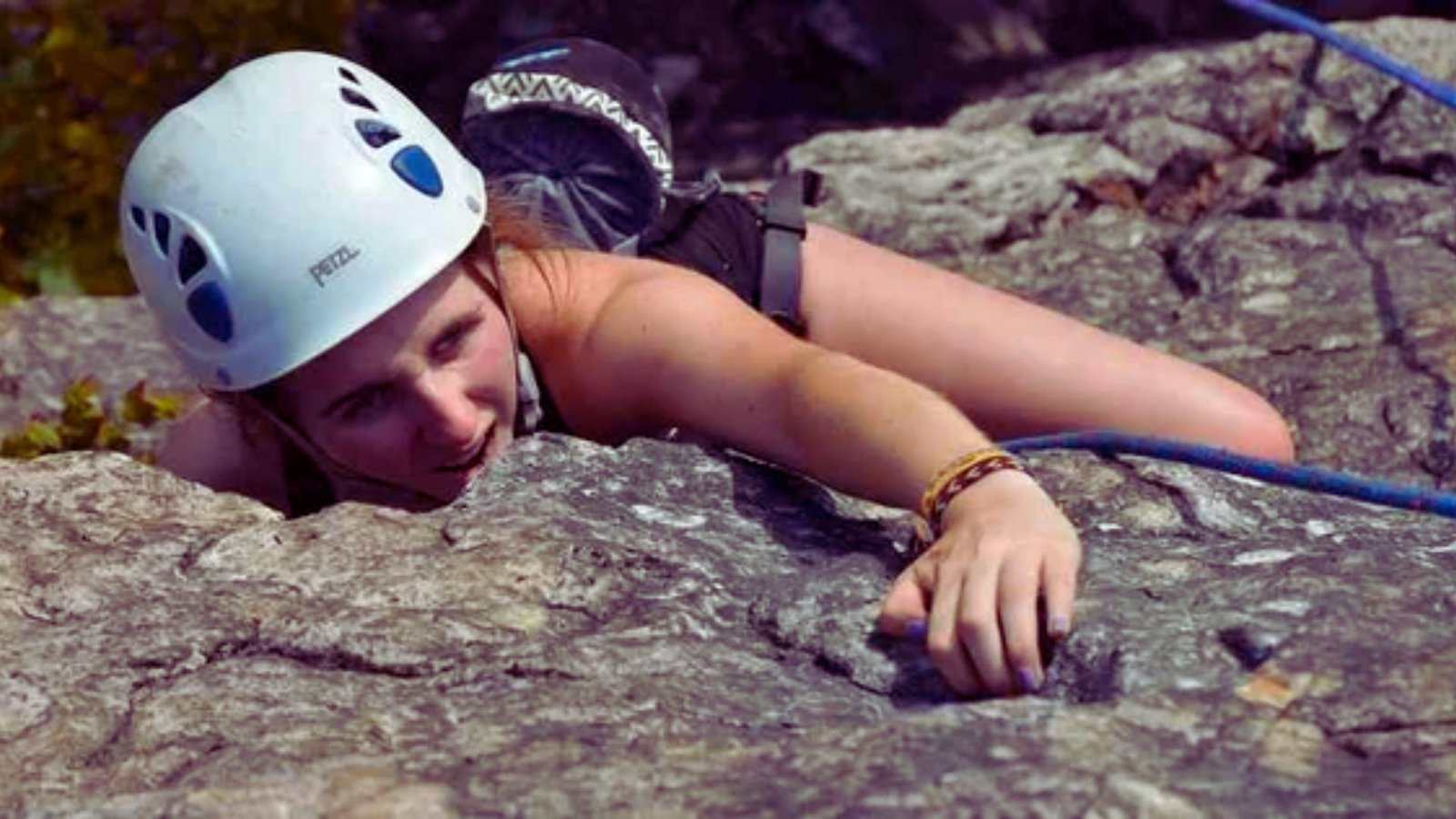
Indoor gyms have tall walls with plastic holds. Routes are marked by tape or color. Everything is controlled and predictable.
Outdoor climbing happens on natural cliffs. You deal with weather, loose rock, and real consequences. Gym climbing builds strength safely. Outdoor climbing tests real-world skills.
Bouldering vs Rock Climbing Differences
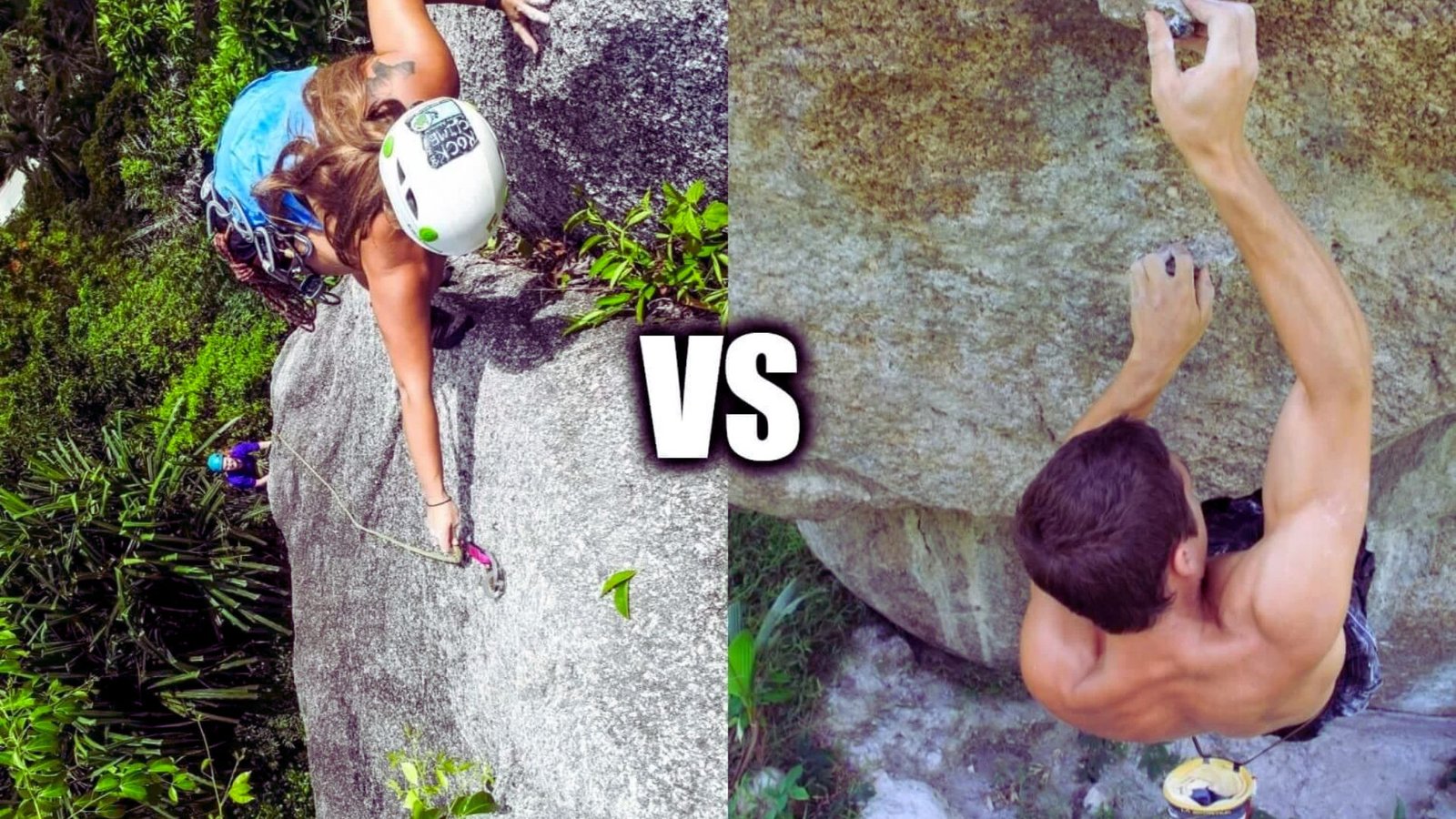
Here’s a side-by-side comparison to make the differences crystal clear.
| Aspect | Bouldering | Rock Climbing |
|---|---|---|
| Height | Under 20 feet | 30 to 1,000+ feet |
| Duration | Seconds to minutes | Minutes to hours |
| Safety Equipment | Crash pads, spotters | Ropes, harness, belay device, carabiners |
| Physical Demand | Explosive power, max strength | Sustained endurance, stamina |
| Mental Challenge | Problem-solving, sequence memorization | Fear management, route finding, pacing |
| Partner Required | No (optional for spotting) | Yes (belayer mandatory) |
| Typical Session | Multiple short attempts | Fewer, longer climbs |
| Falls | Expected and frequent | Avoided when possible |
Which Style Should You Choose?
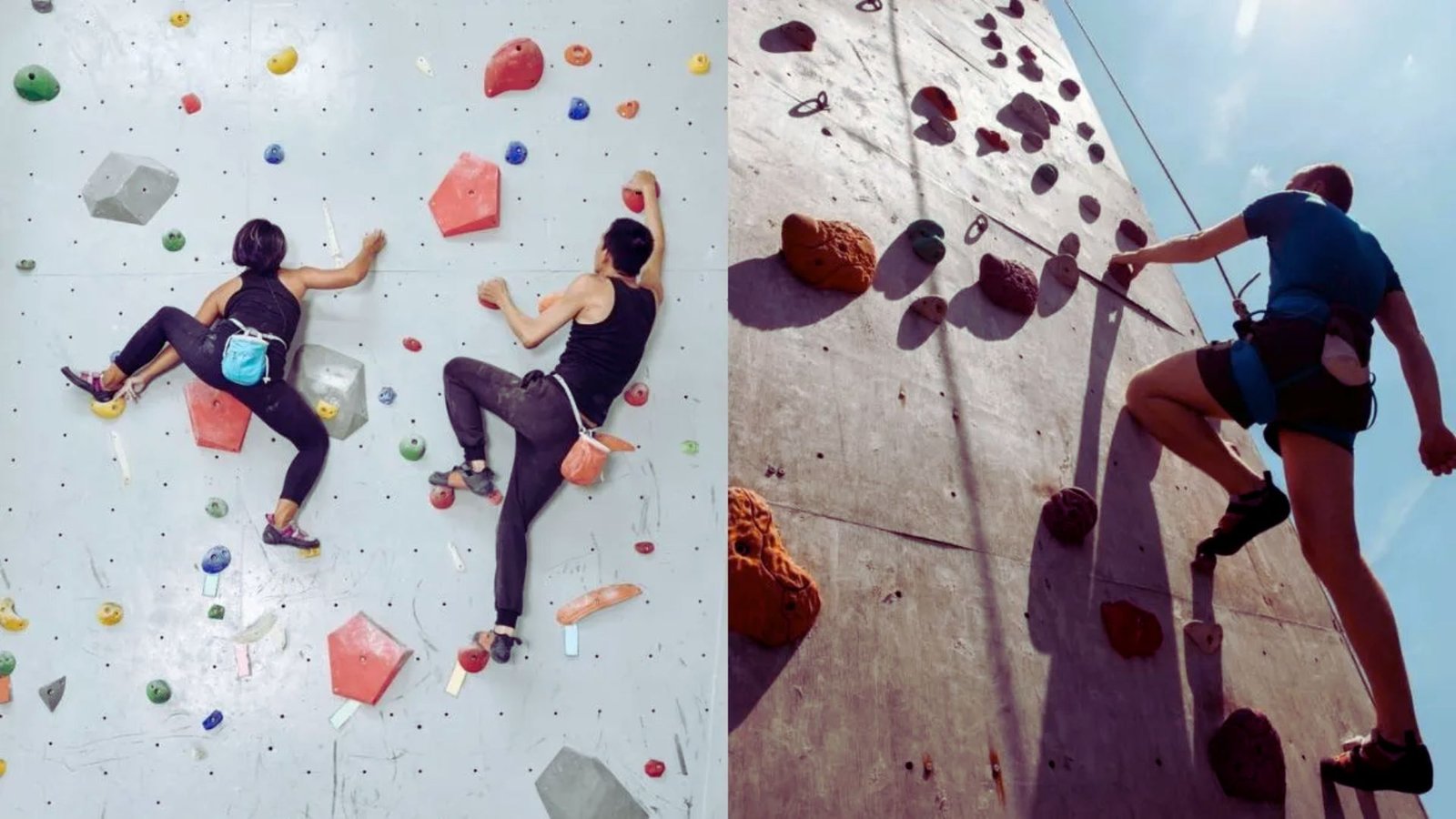
Your choice depends on personal goals, fear of heights, partner availability, and what type of challenge excites you most.
Pick bouldering if you like puzzles and power. It suits solo athletes and those with flexible schedules.
Fear of heights matters less here. Choose rock climbing if you want height and endurance challenges.
It works for people who like partner activities. The commitment feels bigger but so does the reward.
Most climbers eventually try both styles. You might start with one and add the other later. There’s no wrong choice.
Many gyms offer both options. Take a few sessions of each. Your preference will become clear quickly.
Tips for Bouldering and Rock Climbing
Success in both styles requires proper warm-ups, technique focus, safety awareness, and adequate recovery between intense climbing sessions.
- Warm up properly. Start with easy problems for 15-20 minutes. Do dynamic stretches first. Warm your fingers on big holds before trying small ones.
- Focus on footwork. Watch your feet instead of over-gripping with your hands. Place them precisely. Good technique beats raw strength. Film yourself to spot bad habits.
- Practice safe falling and belaying. Land on your feet when bouldering. Roll backward onto pads. Take a belay class before rope climbing. Double-check your systems every time.
- Rest between sessions. Tendons need 48 hours to recover. Don’t climb hard every day. Listen to your body and back off when fingers feel tweaky.
- Prioritize sleep and nutrition. Recovery happens outside the gym. Eat enough protein and carbs. Sleep matters as much as training for building strength.
Conclusion
Both bouldering and rock climbing offer incredible challenges and rewards. I started with bouldering because I didn’t have a regular partner.
The instant feedback hooked me. Later, I added rope climbing for variety.
Try both styles if you can. One might fit better now, but you’ll likely love both eventually. Start with whatever feels most accessible.
Frequently Asked Questions
What is bouldering vs rock climbing?
Bouldering means climbing short walls without ropes, using pads for safety. Rock climbing involves tall walls or cliffs with ropes and harnesses. Both are types of climbing but use different safety systems.
Which is harder, bouldering or rock climbing?
Bouldering demands more raw power and intense moves. Rock climbing requires greater endurance and height management. Neither is objectively harder. They challenge you in different ways.
Is bouldering safer than rock climbing?
Both have risks when done improperly. Bouldering has lower fall distances but more frequent falls. Rock climbing goes higher but uses rope protection. Proper technique makes both reasonably safe.
Can I do both bouldering and rock climbing?
Yes, most climbers do both styles. They complement each other well. Bouldering builds strength while rock climbing develops endurance. Mixing both creates well-rounded skills.
Do I need a partner for bouldering?
No, you can boulder alone safely. Other climbers can spot you, but it’s optional. Rock climbing always requires a partner for belaying. This makes bouldering more flexible for scheduling.