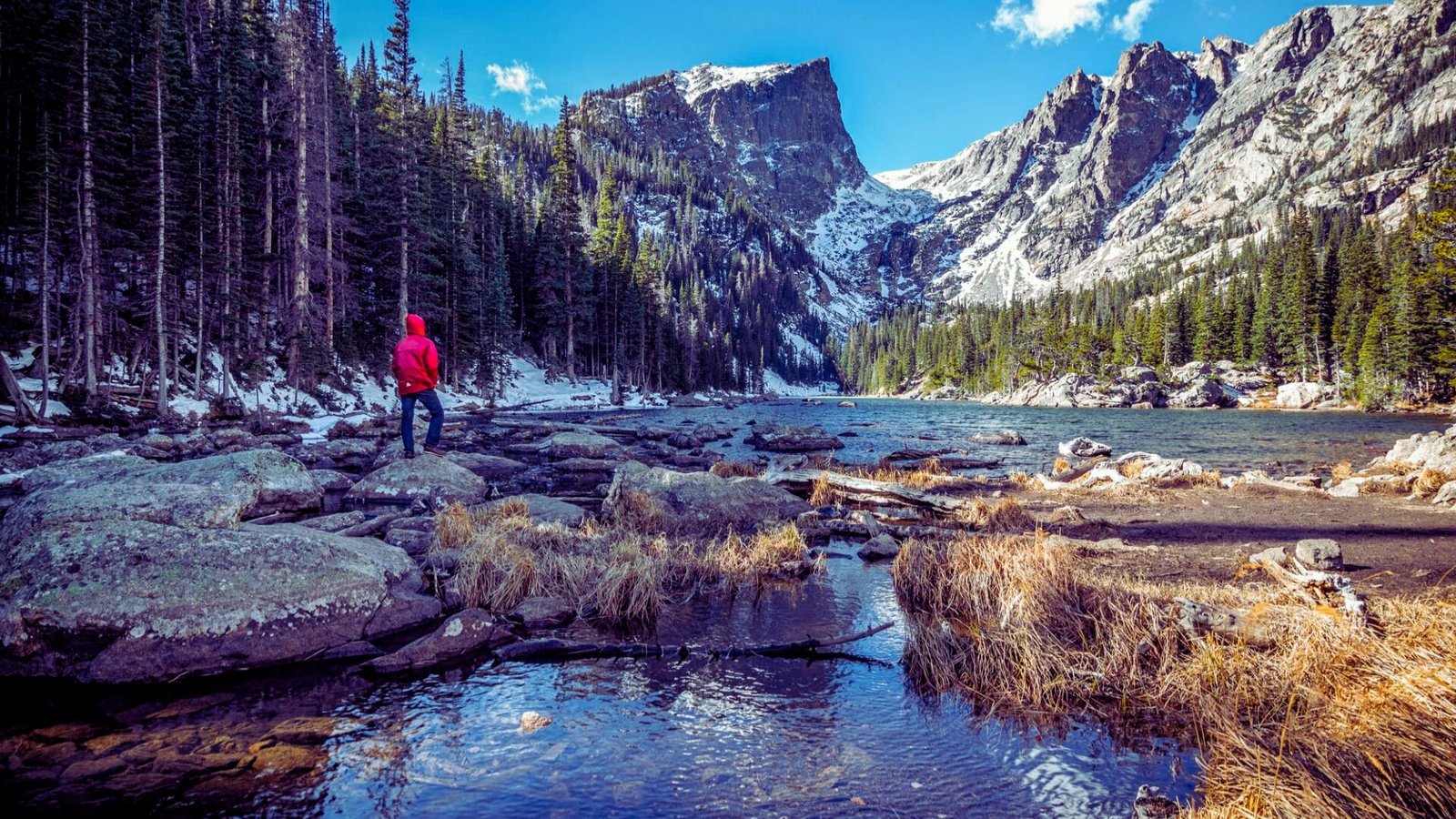

Looking for the best trails in Colorado? You’re in the right place.
This guide covers 13 amazing hikes across the state, from beginner-friendly paths to challenging mountain climbs.
I’ve hiked these trails myself and know what makes each one special.You’ll learn about lakes, waterfalls, and mountain views. I’ll show you when to go and what to pack.
The info here works for first-timers and experienced hikers alike.Colorado has over 900 trails. Picking the right one matters.
This list helps you find trails near Denver, Aspen, Breckenridge, and more. Let’s get you on the trail.
What Makes Colorado One of the Best Hiking States in the USA
Colorado has over 50 mountain ranges with 58 peaks above 14,000 feet. The Continental Divide runs through the state, creating different ecosystems on each side.
Over 2,000 alpine lakes sit in high country basins with crystal clear water that reflects surrounding peaks.
These pristine lakes are accessible by day hikes in places like Indian Peaks Wilderness and Rocky Mountain National Park.
Hundreds of waterfalls cascade down the mountains, with the strongest flows from May through July during snowmelt.
You’ll find year-round falls, seasonal cascades, and multi-tiered drops in Rocky Mountain National Park, the San Juan Mountains, and Glenwood Canyon.
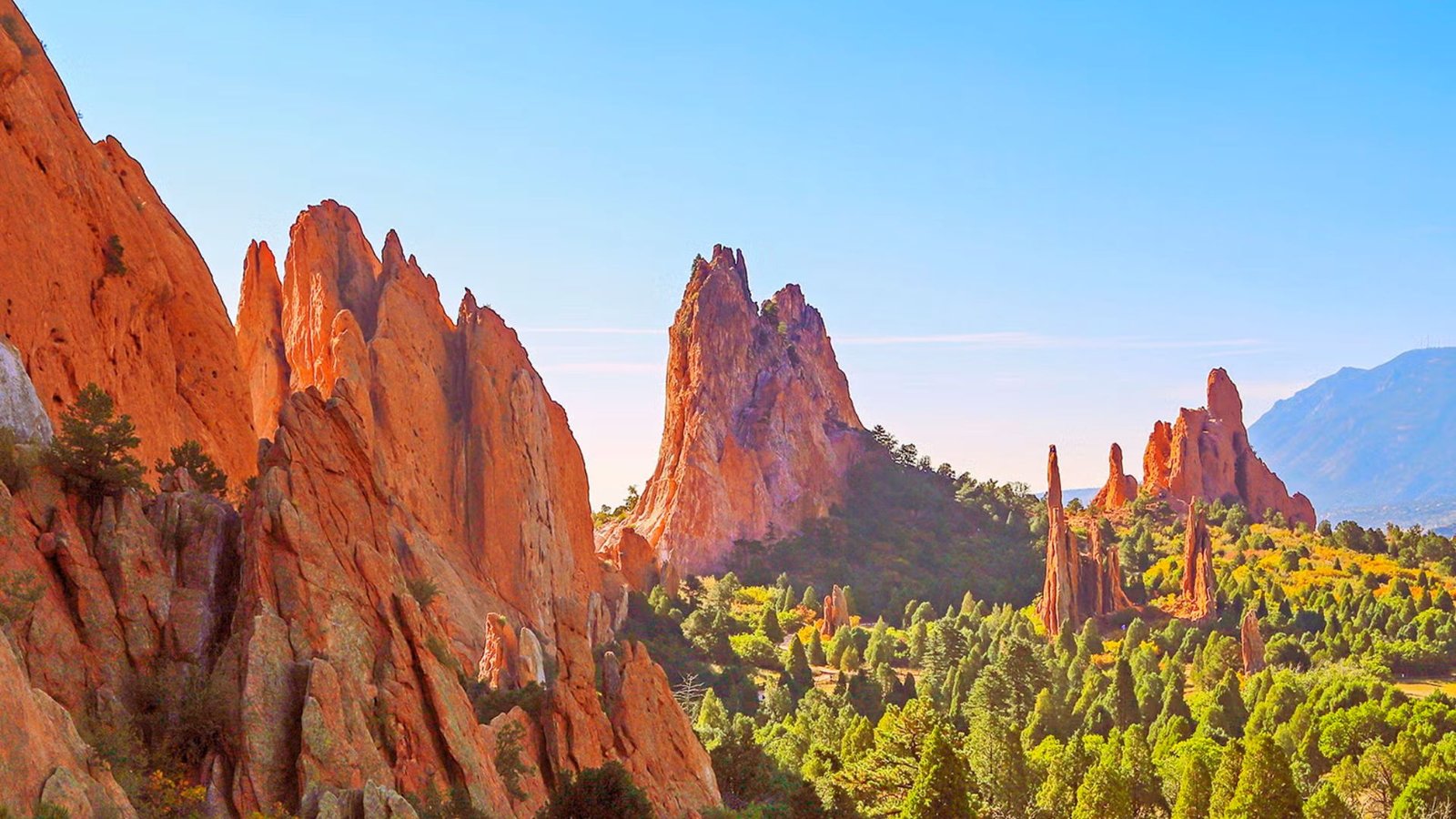
Red rock canyons in western Colorado offer desert-style hiking at places like Colorado National Monument and Garden of the Gods, providing warmer winter options with dramatic rock formations.
Top 13 Colorado Hikes
From alpine lakes to 13,000-foot summits, these trails showcase Colorado’s best mountain scenery.
1. Lake Isabelle
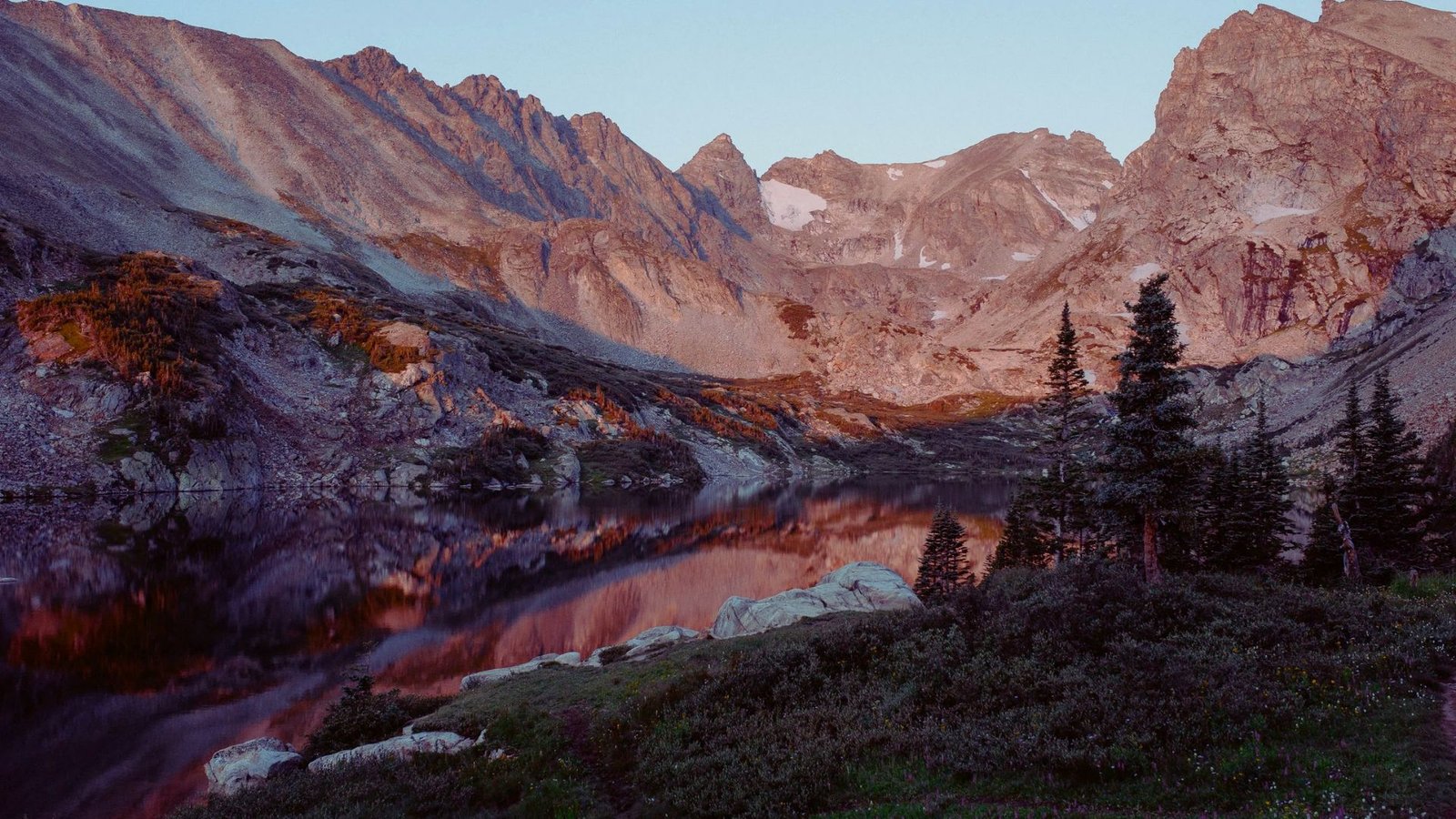
This 8.4-mile moderate hike in Indian Peaks Wilderness climbs 1,950 feet to a turquoise alpine lake beneath Navajo Peak.
The trail passes through wildflower meadows that explode with color in July. Just 90 minutes from Denver, it starts at Brainard Lake and offers stunning alpine scenery without requiring technical skills.
2. Sky Pond, Emerald & Haiyaha
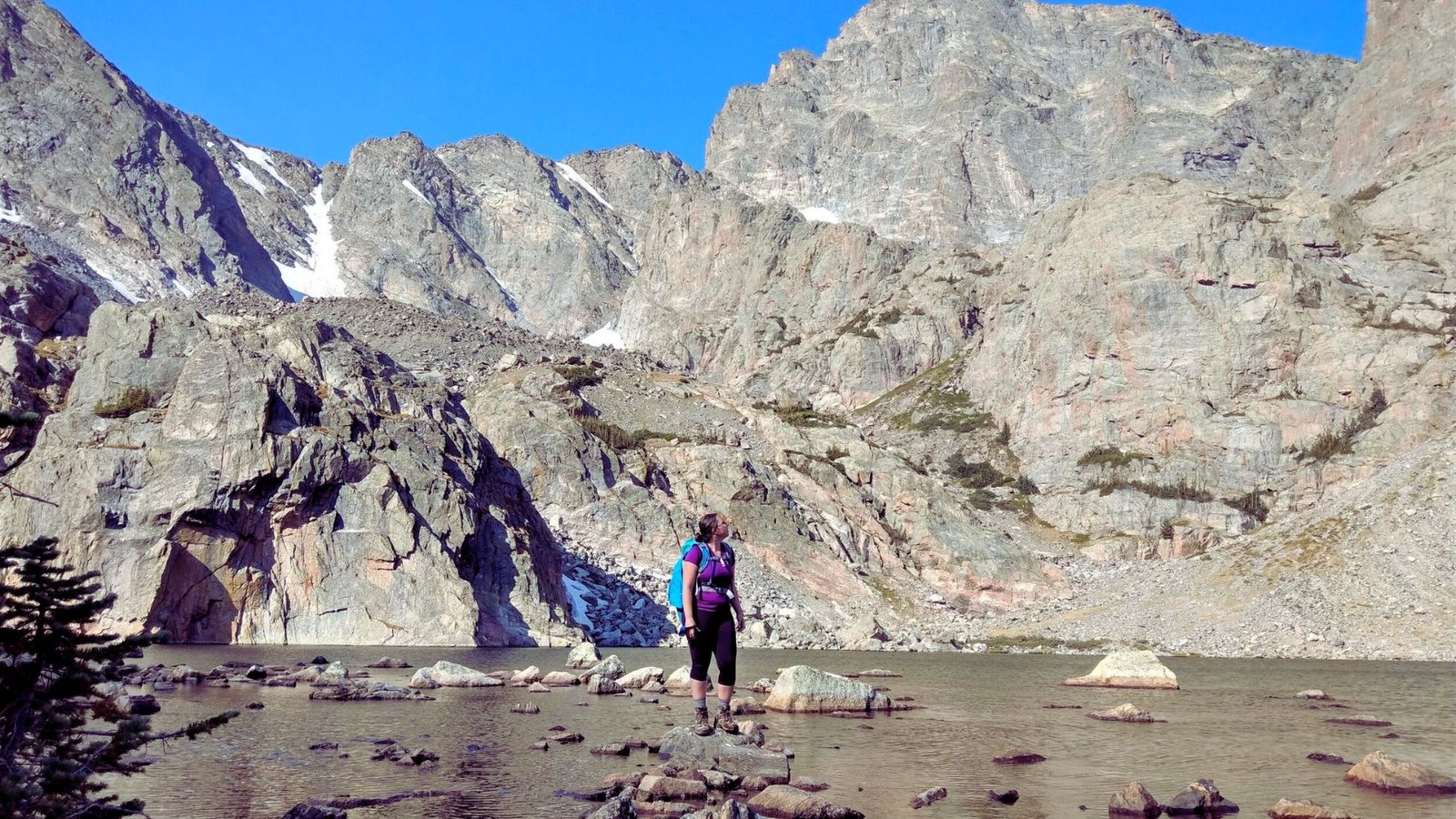
Starting from Bear Lake in Rocky Mountain National Park, this 9-mile loop visits three alpine lakes with 1,700 feet of elevation gain.
The highlight is Sky Pond, reached by scrambling up beside Timberline Falls to a dramatic cirque beneath the Continental Divide’s sheer walls.
3. Chasm Lake
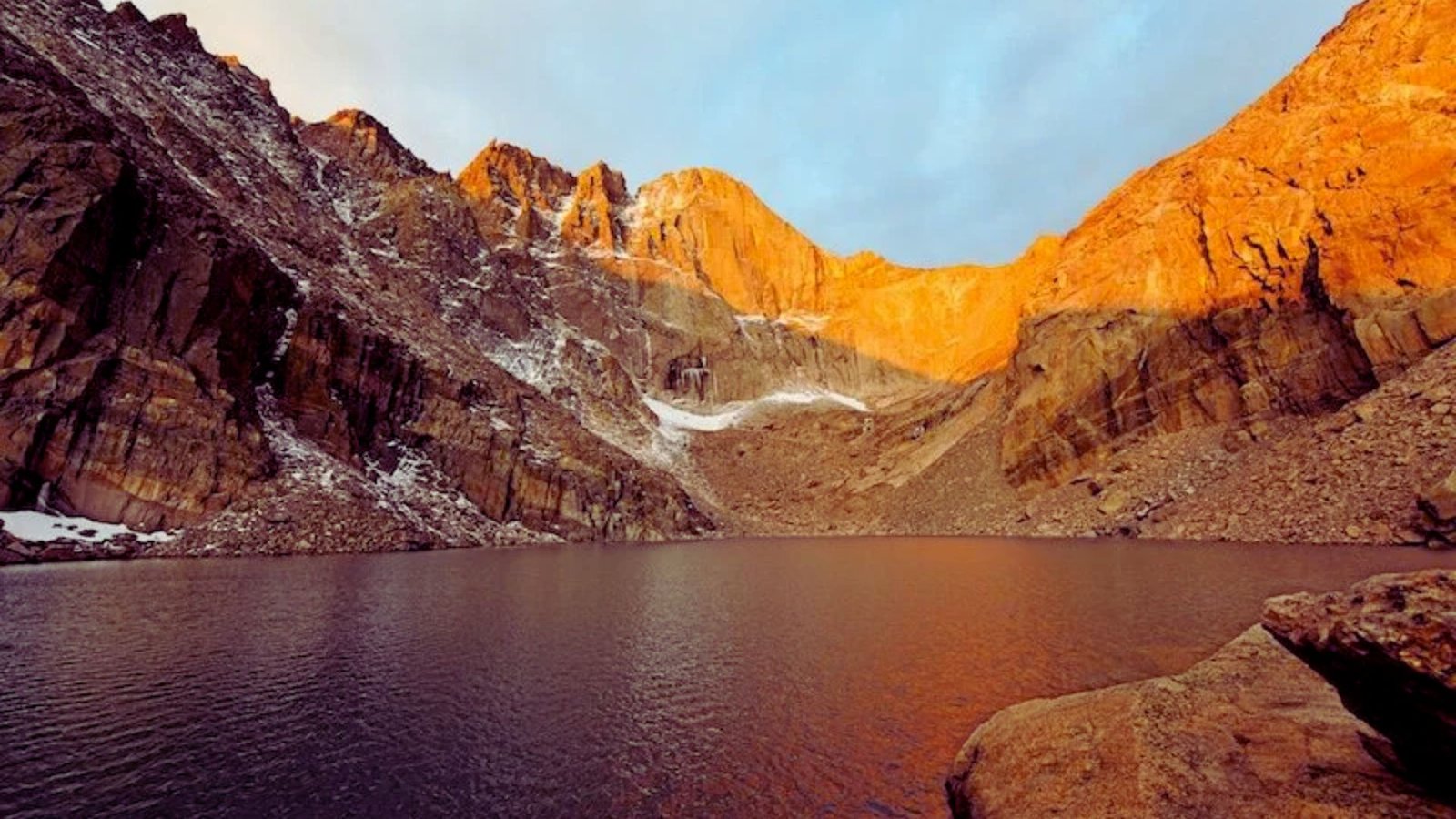
Sitting directly below Longs Peak’s 2,500-foot east face, Chasm Lake offers some of Colorado’s most dramatic alpine scenery.
The 8.4-mile trail gains 2,360 feet through forest and tundra, delivering views of “The Diamond” granite wall that draw climbers from around the world.
4. Chief Mountain
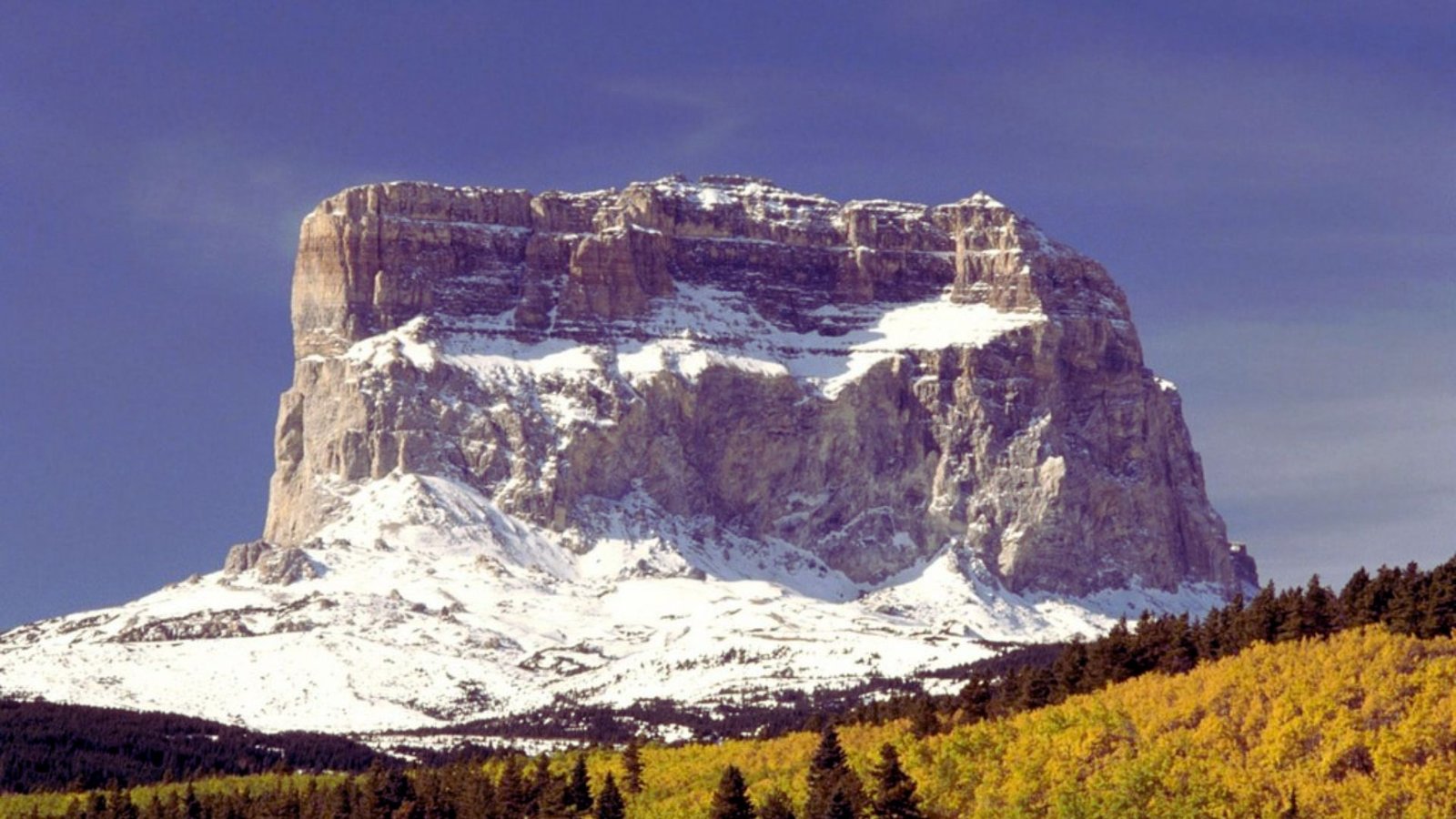
This 3.6-mile hike near Golden is perfect for after-work adventures, gaining 1,300 feet to panoramic Front Range views.
Watch for bighorn sheep along the open trail, and enjoy vistas of Denver, Mount Evans, and the Continental Divide especially stunning at sunset.
5. Silver Dollar Lake
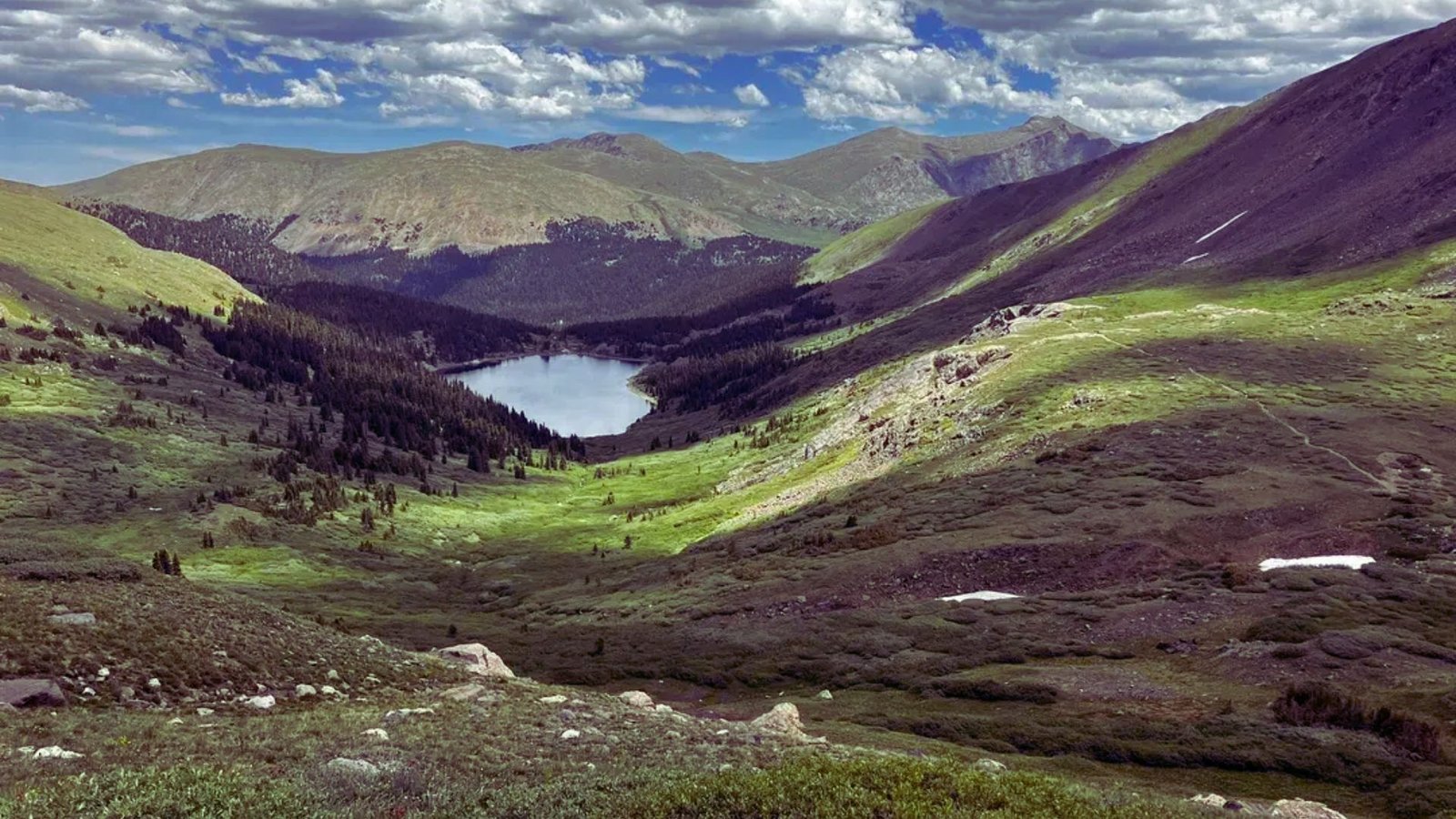
Starting at 11,600 feet on Guanella Pass, this 6-mile trail climbs 1,900 feet through alpine tundra to a pristine lake reflecting Mount Bierstadt.
Just 30 minutes from Georgetown, the high elevation provides immediate alpine scenery but requires proper acclimatization.
6. Mohawk Lakes
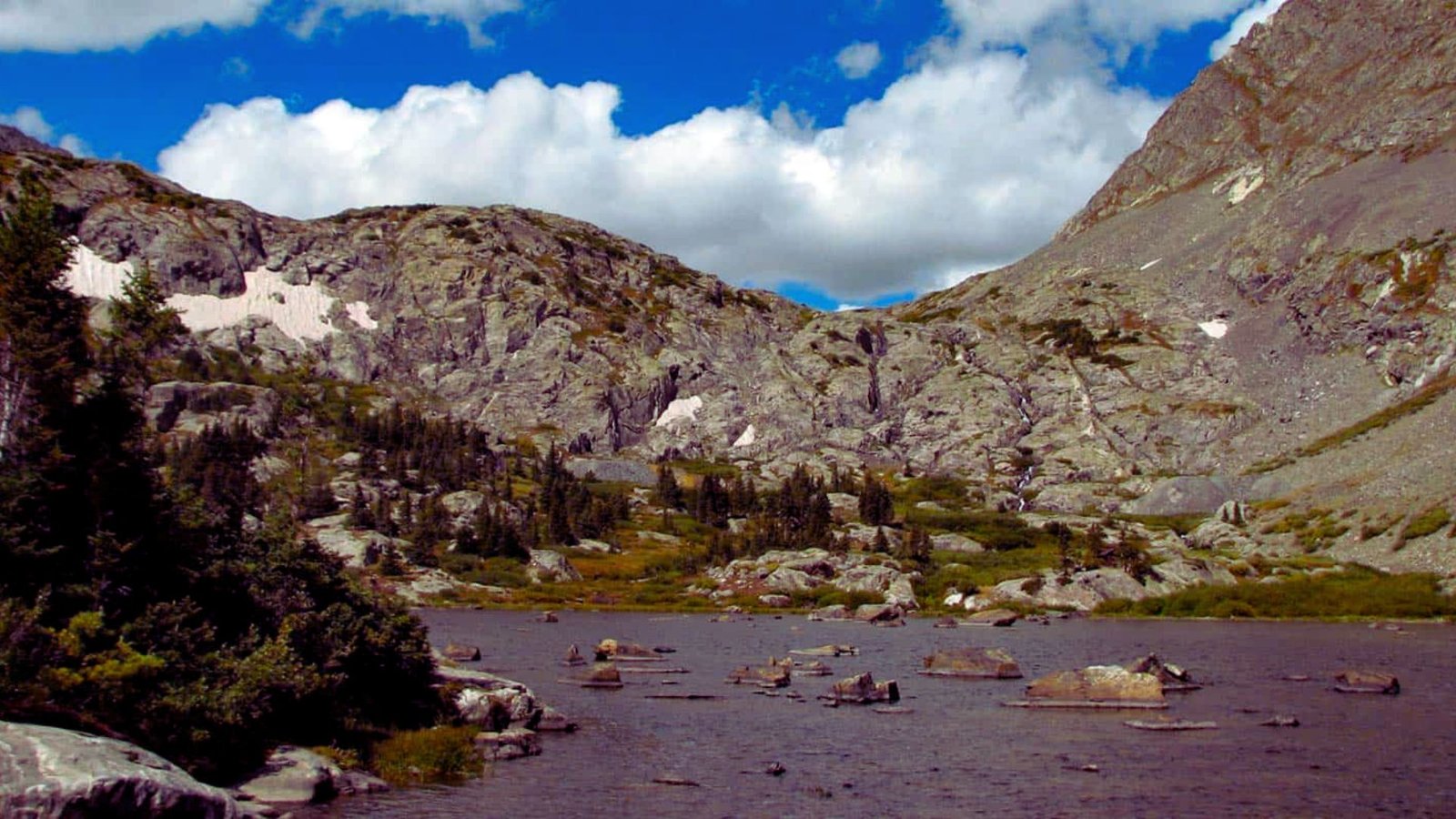
This steep 6.6-mile trail near Breckenridge gains 2,850 feet past mining ruins and waterfalls to reach lakes at 12,100 feet.
The upper lake offers stunning Pacific Peak views, while historic mining relics add perfect character to the challenging alpine hike.
7. Loch Lomond
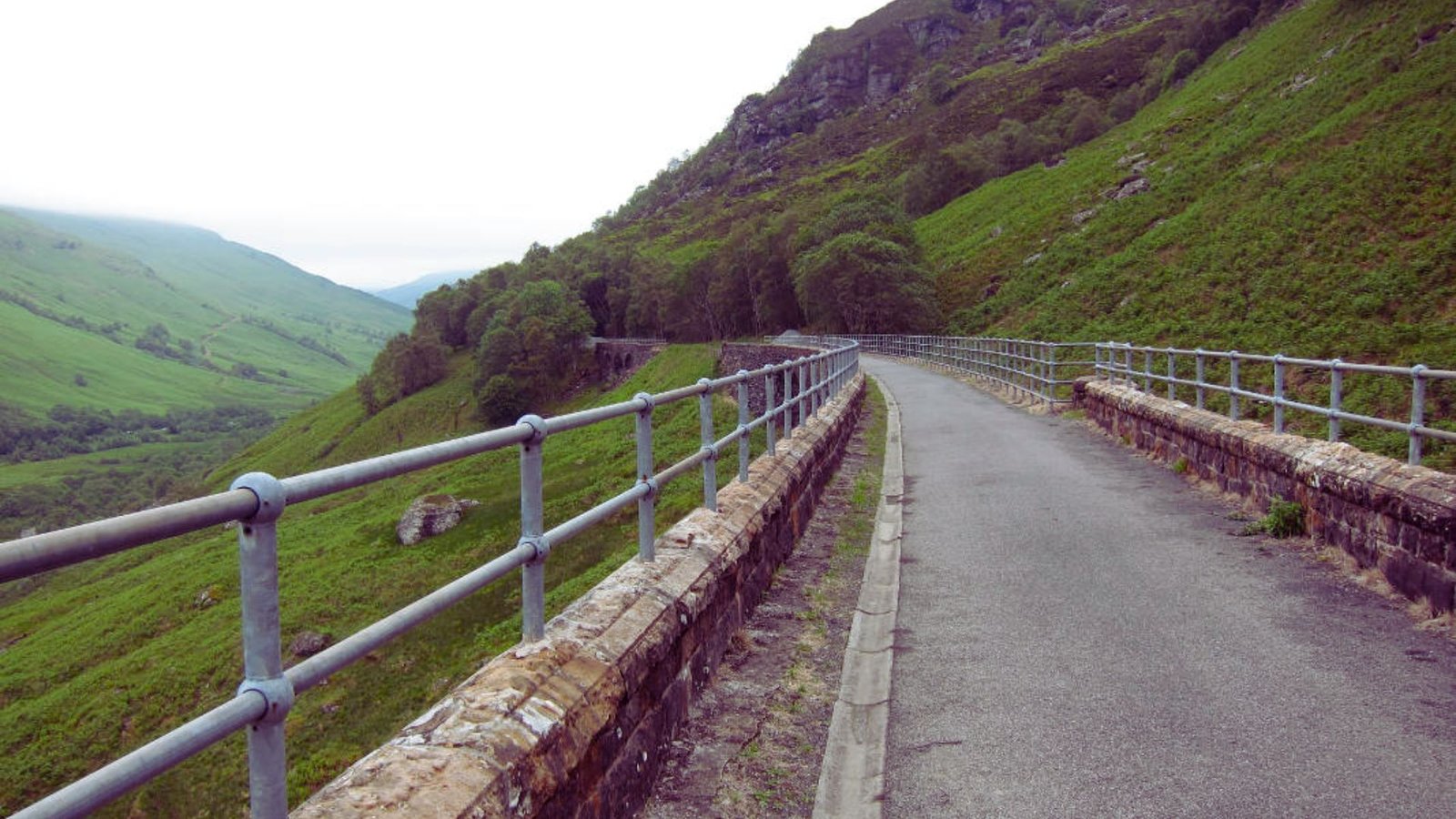
Just 45 minutes from Denver near Georgetown, this 8.2-mile moderate hike gains 1,450 feet to a peaceful alpine lake surrounded by 13,000-foot peaks.
It offers classic Colorado scenery with far fewer crowds than Rocky Mountain National Park.
8. Maroon Bells Loop
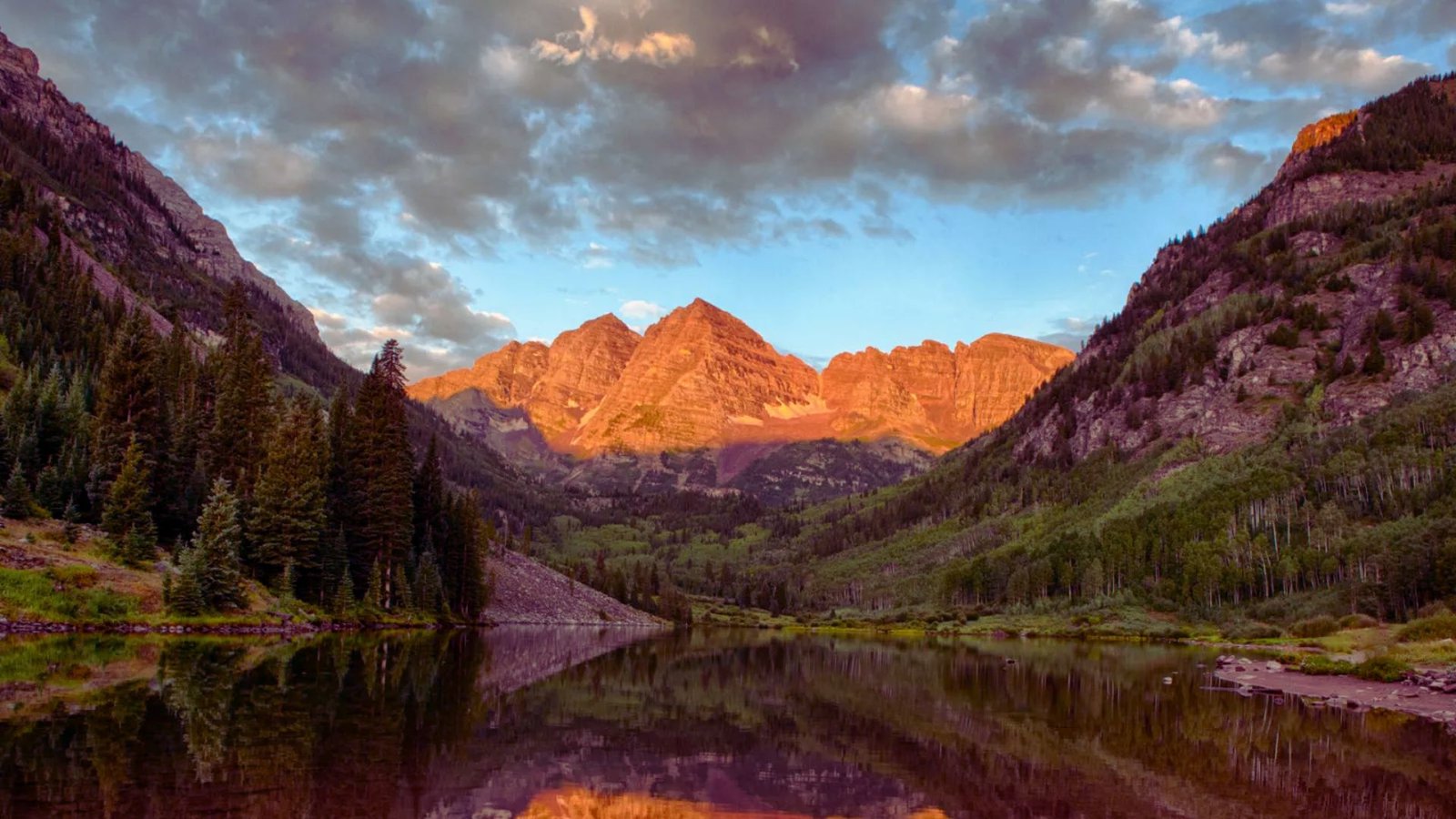
Colorado’s most photographed peaks shine on this easy 1.8-mile loop with just 200 feet of gain. The twin Maroon Bells reflect perfectly in the lake, especially during fall aspens.
Summer shuttles required; book ahead and arrive at sunrise for best conditions.
9. Bear Creek Trail
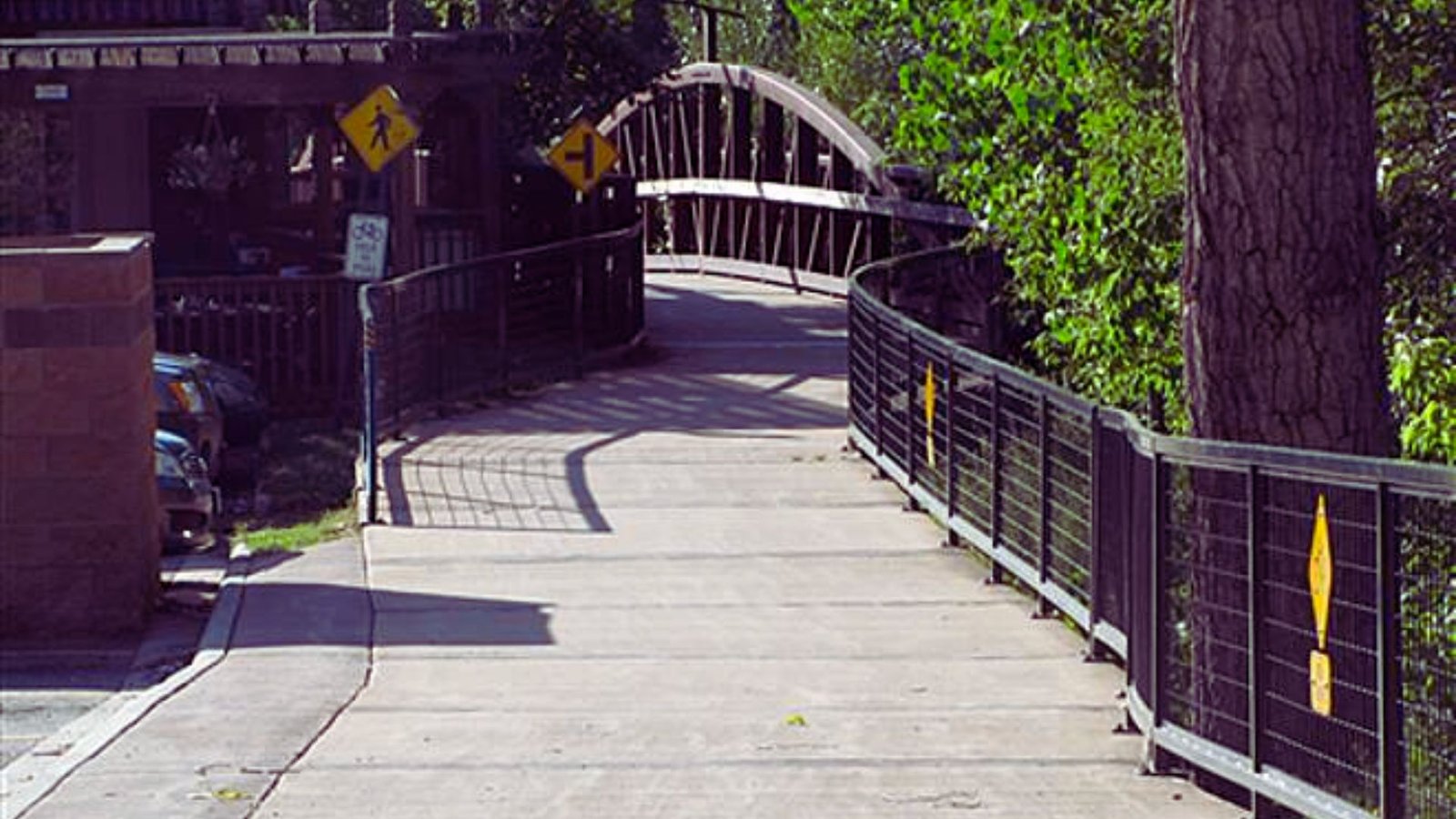
Starting in downtown Telluride, this 4.5-mile moderate trail gains 1,000 feet to an 80-foot waterfall.
The creek roars loudest in June, and the trail offers great views back toward town through aspen and evergreen forests.
10. Emerald Lake
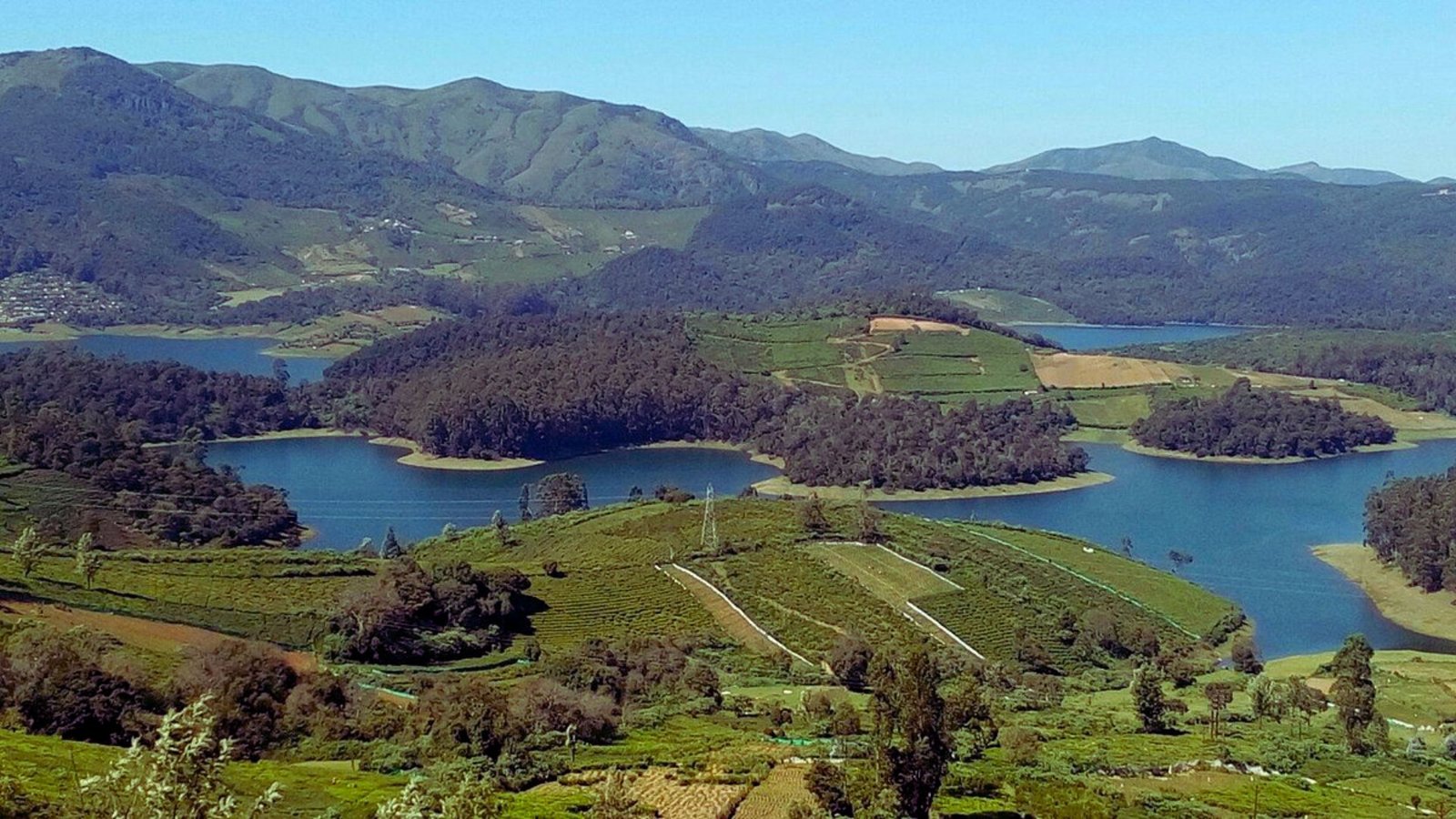
Rocky Mountain National Park’s family-friendly classic visits three lakes Nymph, Dream, and Emerald in 3.6 miles with just 650 feet of gain.
Emerald Lake sits in a stunning cirque beneath Hallett Peak, making it perfect for introducing beginners to alpine hiking.
11. Hanging Lake
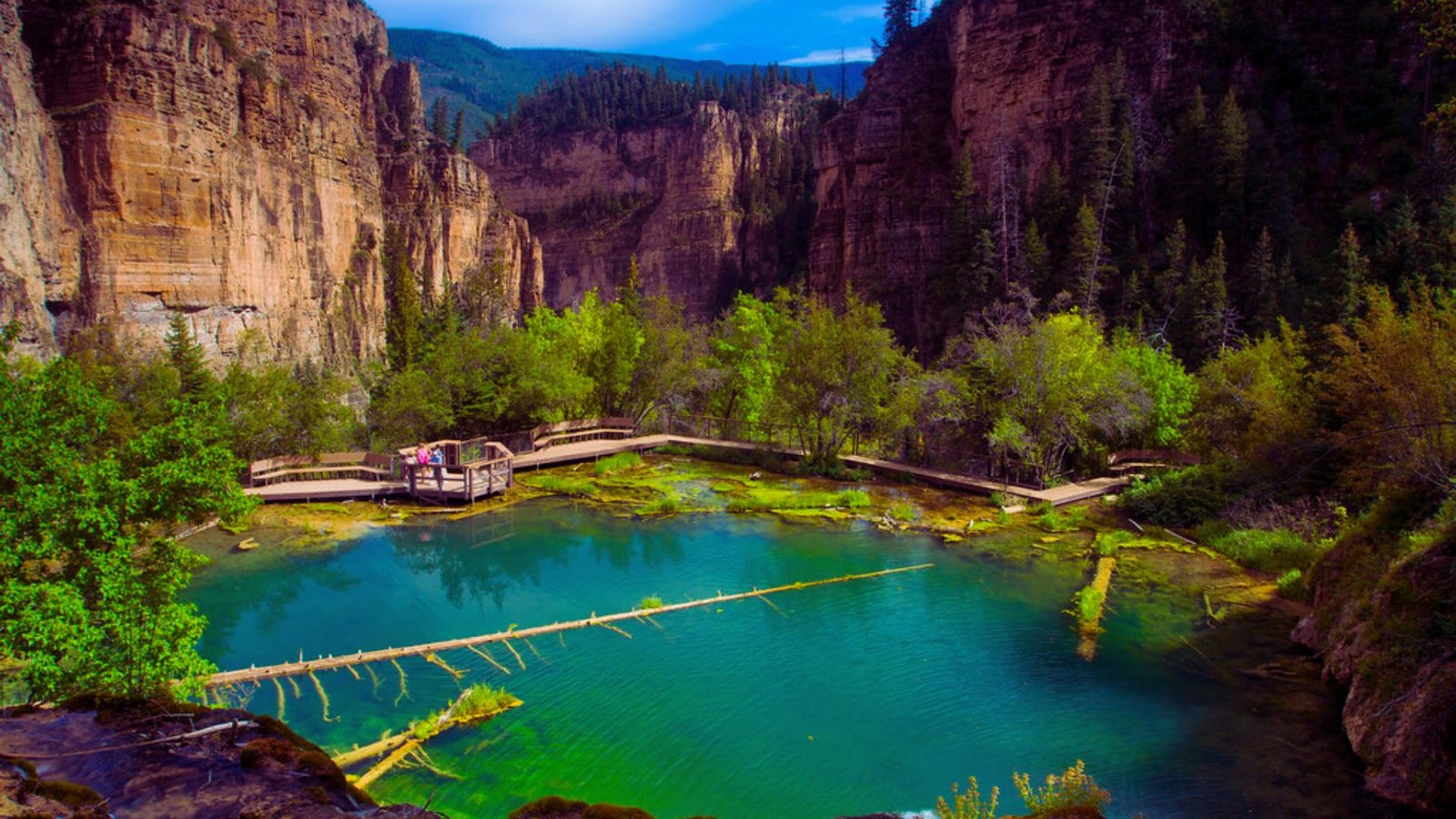
This 3.2-mile trail near Glenwood Springs climbs steeply 1,200 feet to rare travertine formations and turquoise waters.
Reservations required months in advance due to popularity and ecosystem fragility. The perfect geological shelf and cascading water create an unforgettable scene.
12. Blue Lakes
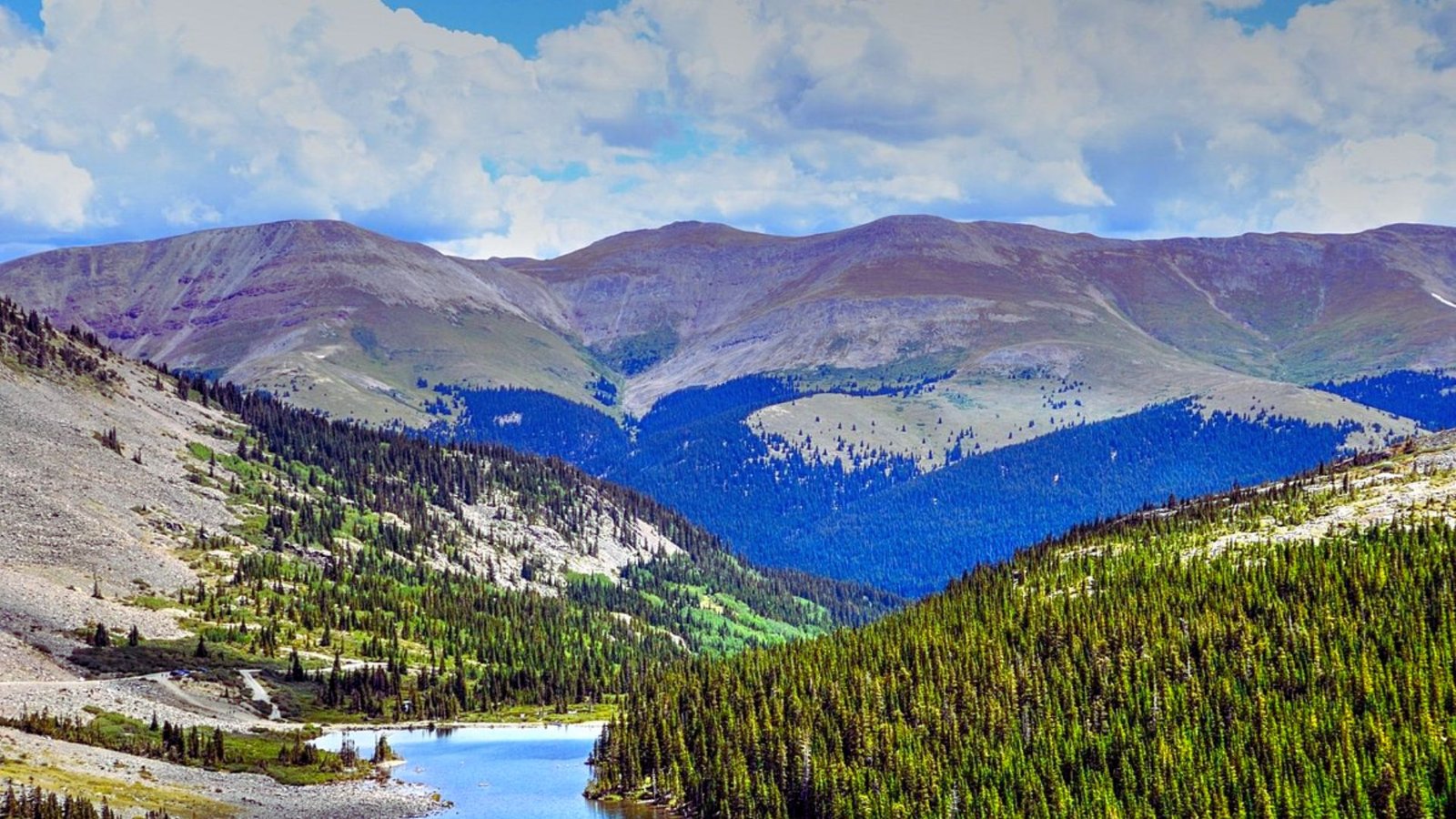
In the San Juans near Ridgway, this challenging 7.8-mile trail gains 2,500 feet to vivid blue-green lakes beneath Mount Sneffels.
High-clearance vehicle needed for the rough access road. The lakes’ remarkable color against dramatic peaks makes the effort worthwhile.
13. Mount Flora
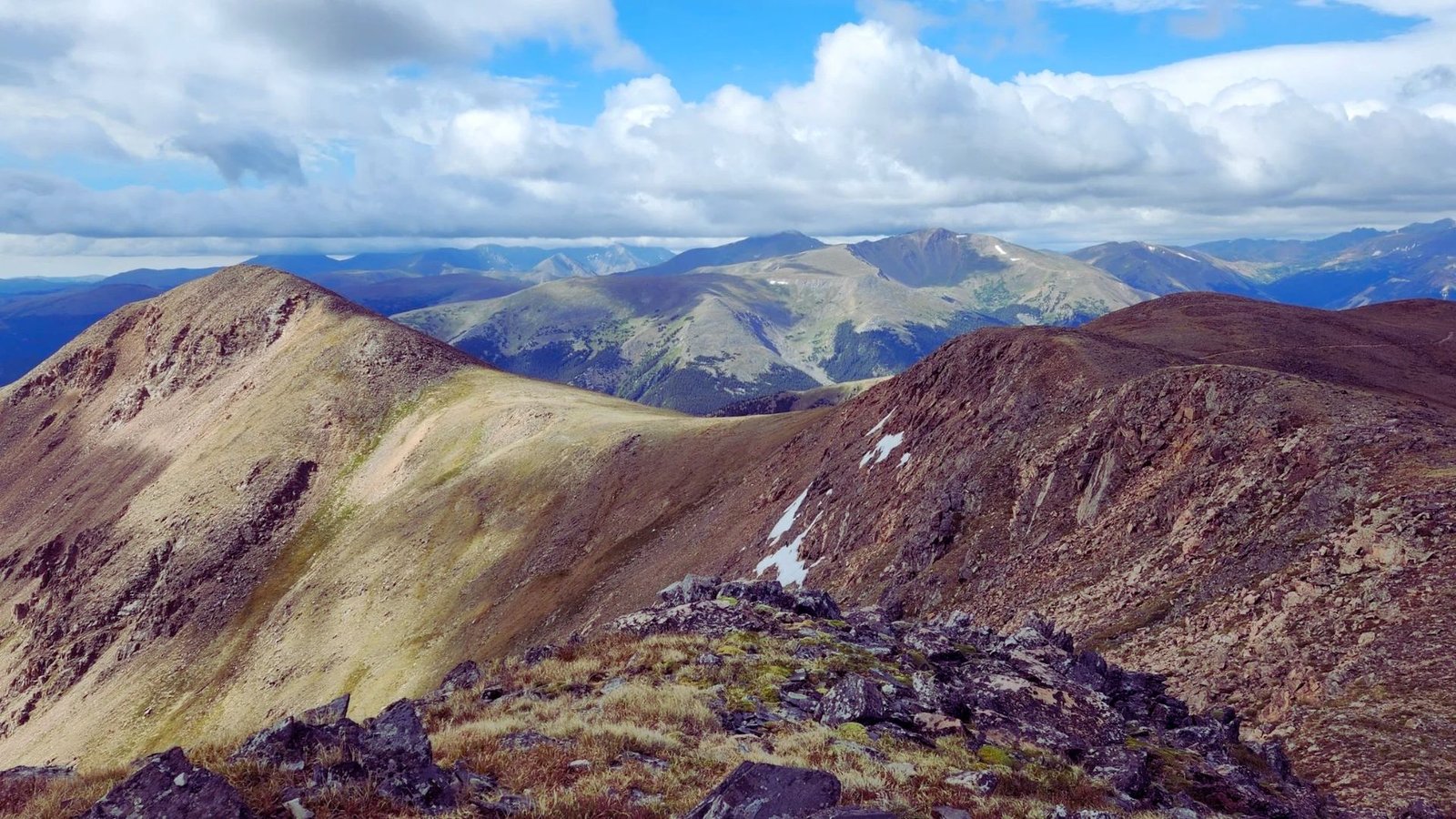
One of Colorado’s easiest 13ers, this 3-mile hike starts at 11,300 feet on Berthoud Pass and gains just 950 feet to the 13,132-foot summit.
Above treeline the entire way, it offers Continental Divide views and summer wildflowers with minimal effort.
Best Time to Experience Colorado Hikes
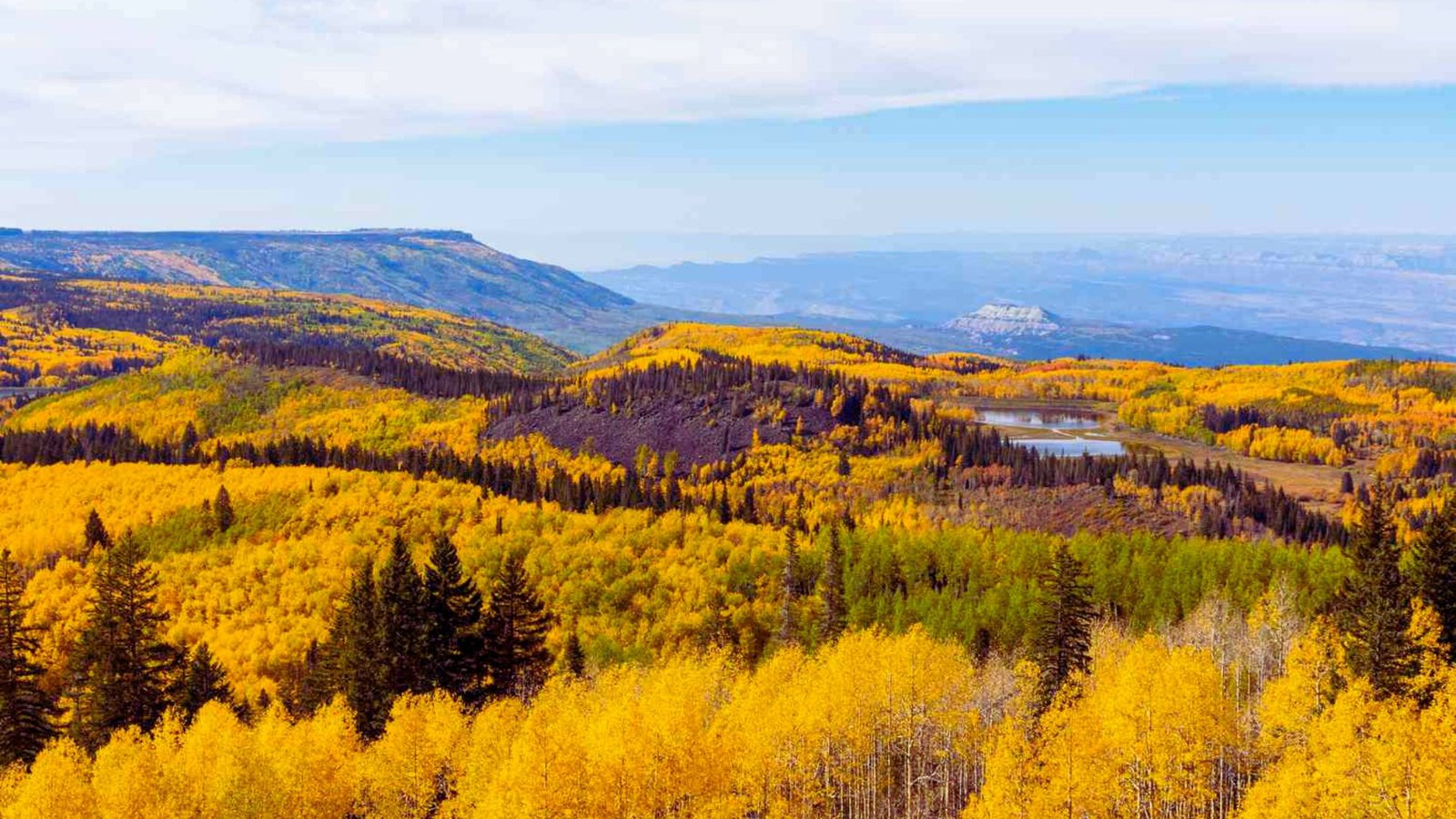
Pick your season based on what you want to see. Each time of year offers something different on Colorado trails.
Spring (April-May): Lower trails open up while the high country stays snowy. Wildflowers start blooming at lower elevations. Check trail reports for snowpack conditions. Some passes don’t open until late May or June.
Summer (June-August): All trails become accessible. This is peak hiking season. Afternoon thunderstorms roll in around 2 PM. Start early to avoid lightning. Crowds fill popular spots on weekends.
Fall (September-October): Aspens turn gold across the mountains. Cooler temps make hiking comfortable. Fewer crowds after Labor Day. First snow can hit the high country by late September.
Winter (November-March): Only lower elevation trails stay clear. The high country requires snowshoes or skis. Avalanche danger exists on many mountain routes. Stick to established winter trails.
Snowpack: Mountain trails above 10,000 feet can hold snow until July. Check recent trip reports online before you go.
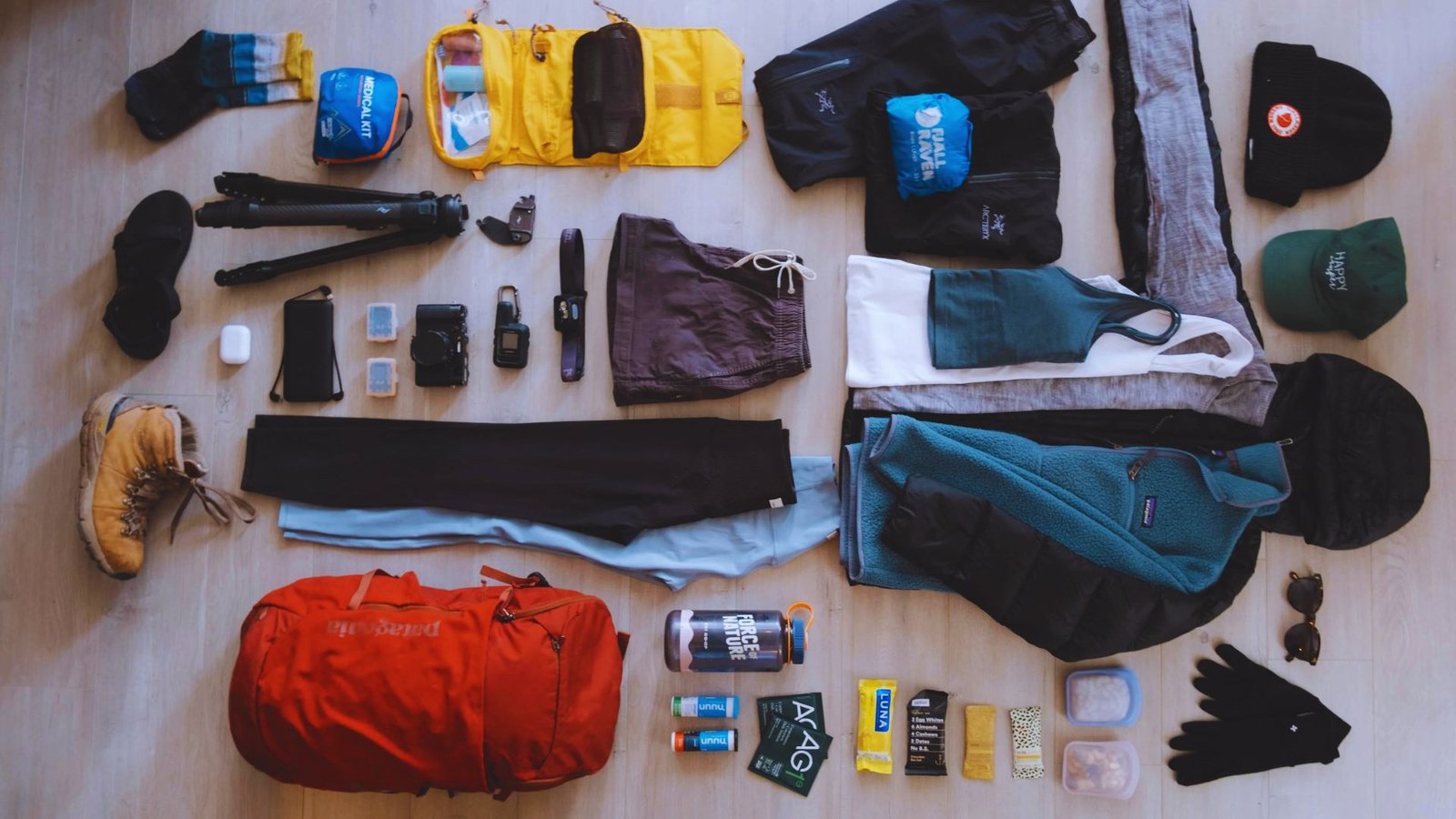
Weather: Conditions change fast in the mountains. Bring layers even on warm days. Rain gear saves the day when storms move in.
Colorado Hiking Tips for First-Time Visitors
The mountains demand respect. Follow these tips to stay safe and have fun.
- Acclimate to altitude – Spend 1-2 days at moderate elevation before high trails. Drink twice your normal water intake and slow your pace. Descend immediately if you feel headache, nausea, or dizziness.
- Start early for weather – Finish hikes by noon in summer afternoon thunderstorms roll in by 2 PM. Get off ridges and summits when storms approach.
- Avoid lightning – Don’t shelter under lone trees or stand in open meadows. Crouch low if caught in a storm.
- Layer up – Temps drop 3-5°F per 1,000 feet gained. Always pack a rain jacket and warm layer, even on sunny days.
- Leave No Trace – Pack out all trash including food scraps. Stay on trails, camp 200+ feet from water, don’t pick wildflowers or disturb wildlife.
Conclusion
Colorado’s trails have changed how I see the mountains. Every hike teaches something new about the landscape and myself.
The 13 trails in this guide offer a solid start for your Colorado hiking goals.
Pick a trail that matches your fitness level. Check conditions before you go. Bring the right gear and plenty of water. Most importantly, get out there and see these mountains in person.
Drop a comment below about your favorite Colorado hike. I’d love to hear where you’re headed next.
Frequently Asked Questions
What are the best Colorado hikes for beginners?
Start with Maroon Bells Scenic Trail, Emerald Lake, or Alberta Falls. These trails offer amazing views with minimal elevation gain and short distances. All three stay well-maintained and easy to follow.
What is the best month to go hiking in Colorado?
July and August provide the most reliable weather and full trail access. Snow clears from the high country by early July. September offers fewer crowds and fall colors but brings colder temps and early storms.
Are permits required for popular Colorado hikes?
Rocky Mountain National Park requires timed entry permits during summer months. Hanging Lake needs advance reservations year-round. Most other trails don’t require permits, but some charge parking fees.
Can you hike year-round in Colorado?
Lower elevation trails stay hikeable all year, but high mountain routes close from November through June due to snow. Winter hiking requires proper gear like snowshoes or microspikes. Check current conditions before any winter hike.
How do I avoid altitude sickness on Colorado hikes?
Arrive a day or two early to acclimate before hiking high trails. Drink extra water and slow your pace above 9,000 feet. Descend immediately if you develop headaches, nausea, or dizziness that gets worse.