
I’ve driven parts of the Florida Adventure Trail, and I’m here to help you plan your trip. This guide covers everything you need to know before you hit the dirt.
You’ll find detailed maps, route breakdowns, gear lists, and camping options. I’ll walk you through the terrain challenges and show you how to prep your vehicle.
You’ll learn when to go, where to fuel up, and how to stay safe. I’ve spent years visiting Florida’s backcountry, so you can trust this info.
Let’s get you ready to tackle one of the best off-road routes in the Southeast.
Why the Florida Adventure Trail Is So Popular
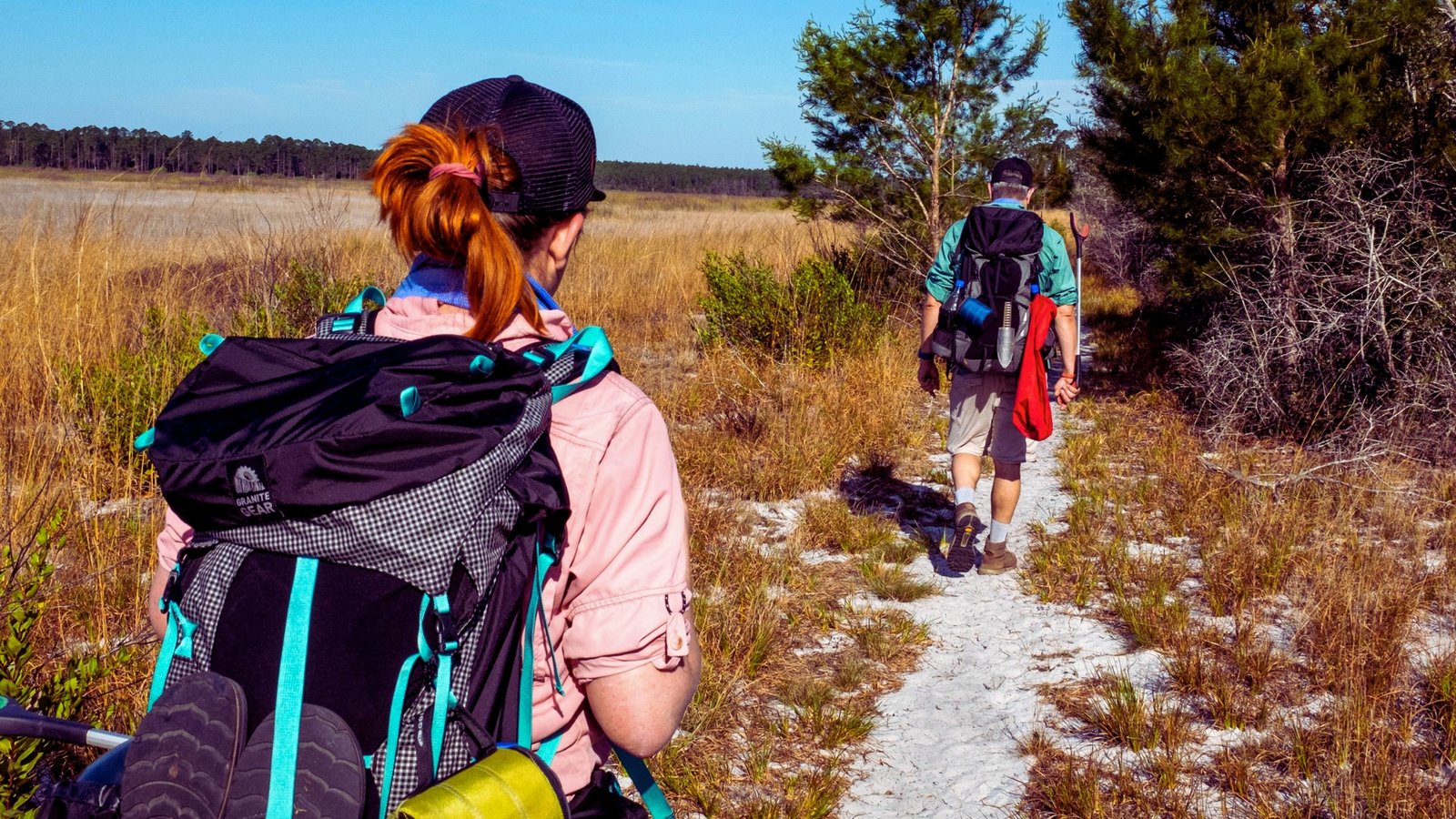
The Florida Adventure Trail draws thousands of overlanders every year. It’s completely free and spans over 1,000 miles through pine forests, cypress swamps, and open prairies.
What makes it stand out? No permits. No fees. The challenges come from water, sand, and mud instead of rocks. You’ll spot gators, wild hogs, and birds while camping in different ecosystems each night.
The overlanding community shares waypoints and trail conditions online. This helps newcomers plan trips easily.
The trail works for different skill levels. Beginners start with northern sections. Experienced drivers tackle the muddy south. A stock 4×4 handles most areas during the dry season.
Perfect for multi-day off-road trips, free camping, and testing your skills. Solo trips and small groups work best.
Florida Adventure Trail Routes, Maps, and Terrain Guide
Get the maps, route details, and terrain info you need before hitting the trail.
Understanding the Trail Map System
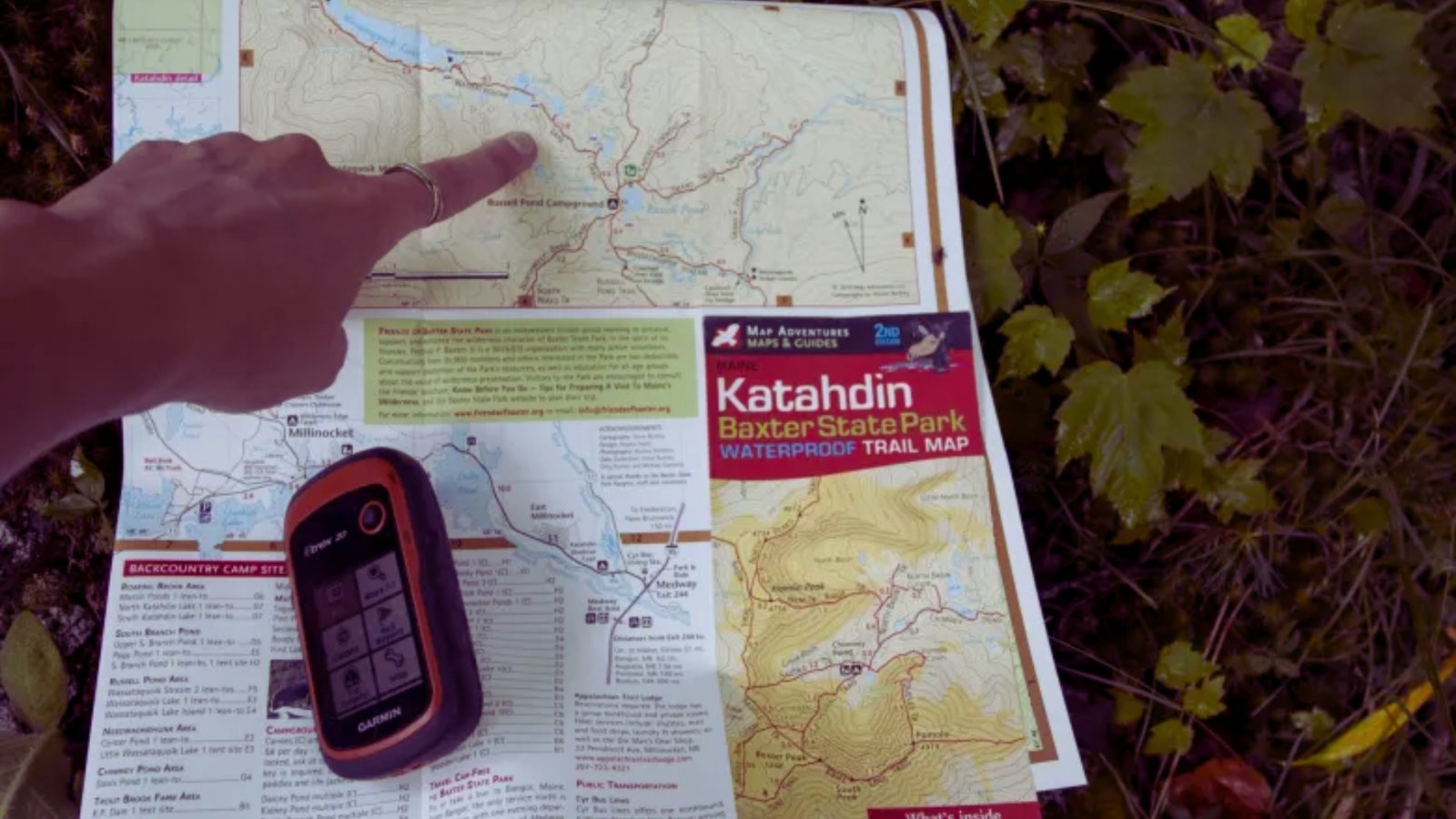
Good maps make or break your trip.
The trail crosses state forests, water management districts, and wildlife areas. Roads aren’t always marked. Cell service disappears quickly.
The complete trail runs from the Georgia border down to the Everglades. It’s broken into sections you can run separately or link together.
Northern sections run through Osceola and Apalachicola National Forests. Central sections cross the Green Swamp. The southern route goes through Big Cypress toward the Everglades.
Where to Download Maps and GPX Files
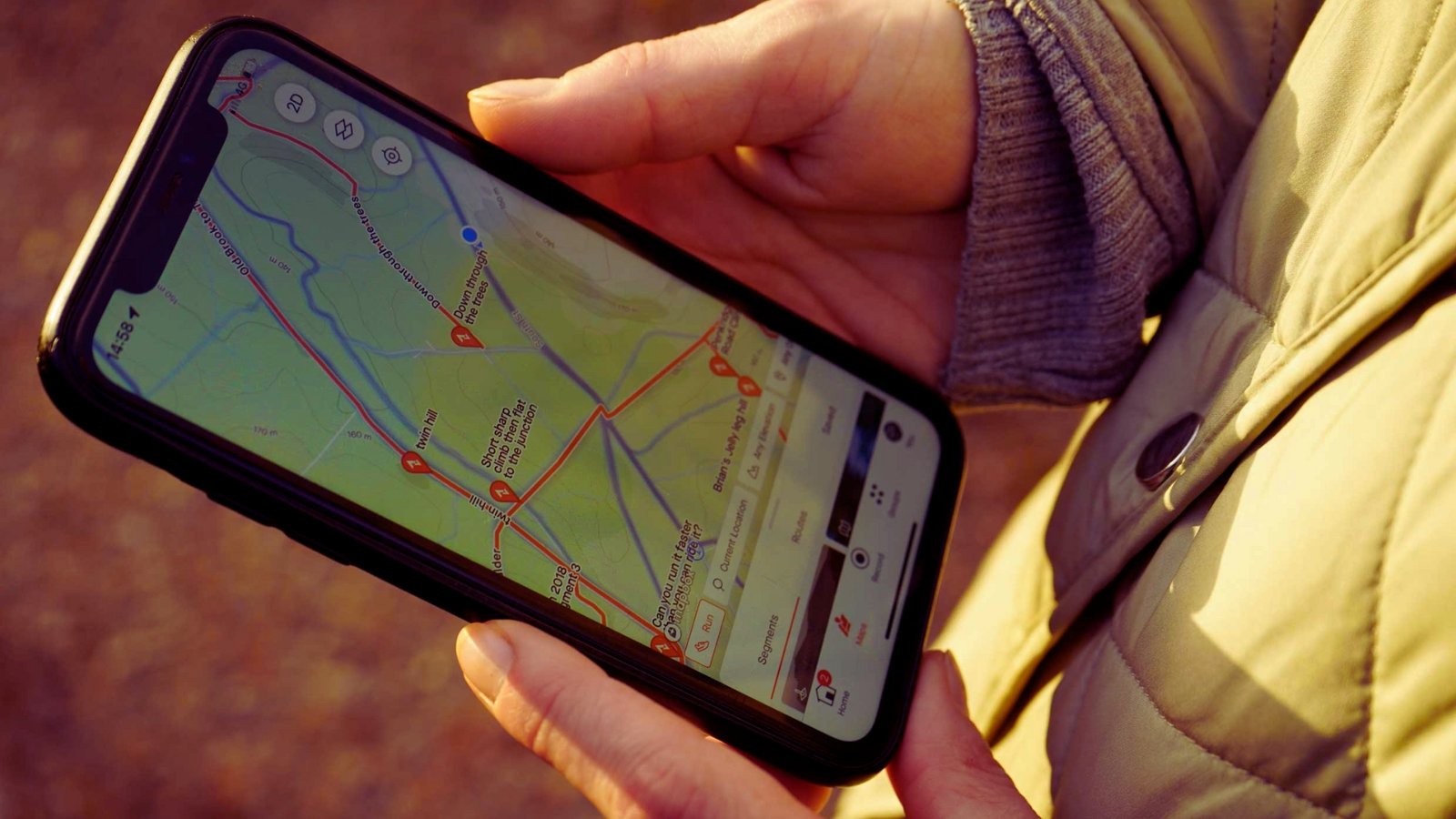
Free maps are available from multiple sources.
The Florida Adventure Trail website has official PDF maps for each section. These show waypoints, camping areas, fuel stops, water crossings, and emergency exit routes.
Download all maps before you leave home. Save them to your phone and tablet. Print physical copies too. Electronics fail in wet conditions.
GPX files are digital route files that load directly into your GPS unit or phone app. Each section has its own GPX file. Download the ones you plan to run and load them before you lose cell service.
Northern and Central Florida Sections

The northern sections start easy and get harder as you go south.
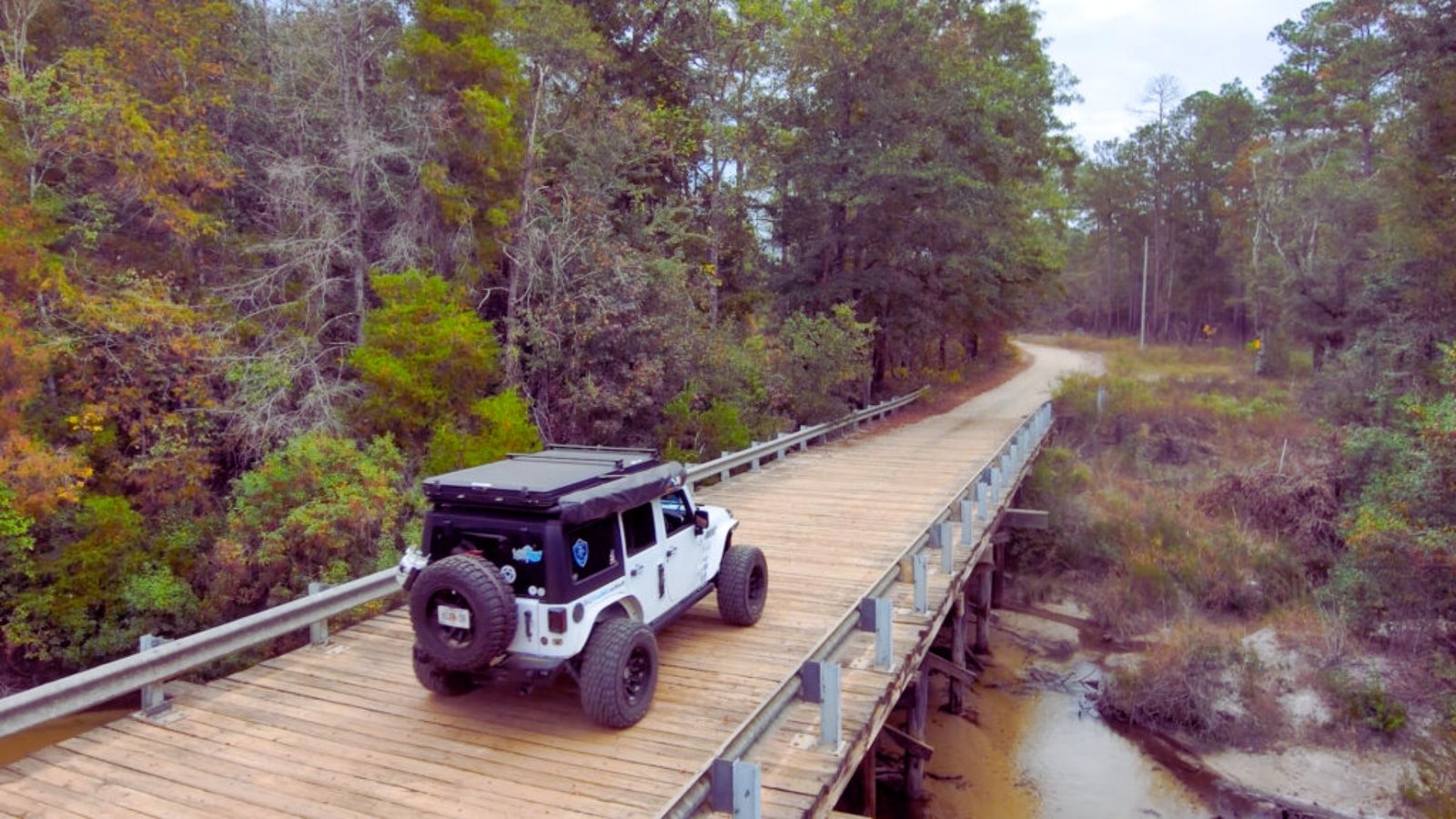
Osceola National Forest offers sandy trails through pine forests. The terrain is relatively flat. Good for beginners.
Ocala National Forest is the crown jewel. Nearly 400,000 acres with multiple trail sections. The terrain is mostly deep, soft sand. Dozens of dispersed camping sites with fire rings.
Several springs and lakes sit near the trail. You can run Ocala as a weekend trip or part of a longer route.
South Florida Adventure Trail (SOFAT)
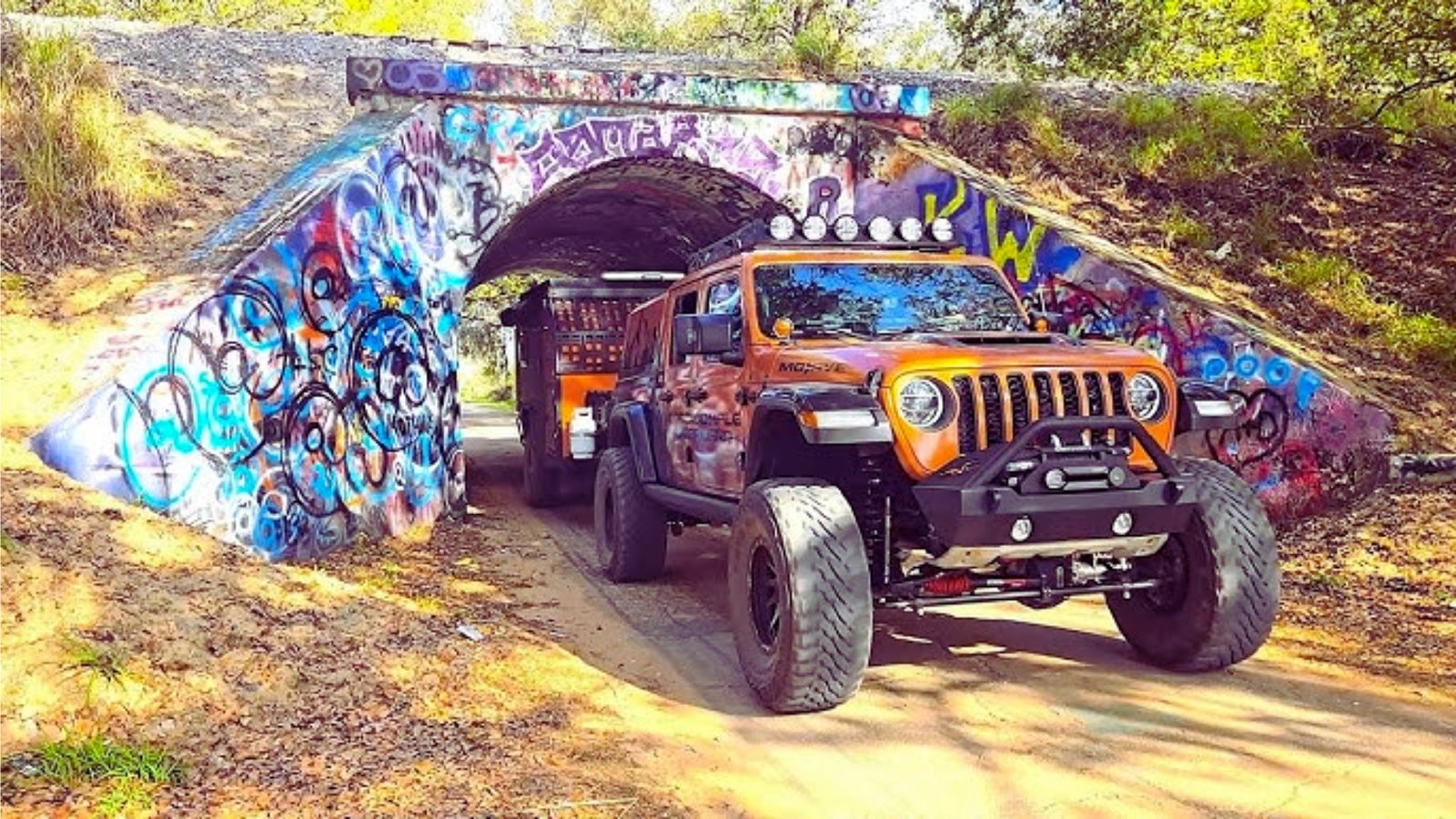
SOFAT is where things get real.
The southern route runs through Big Cypress and surrounding areas. Mud becomes your main challenge. Summer rains turn the trail into soup.
Water crossings are deeper. The terrain is flat but thick with vegetation.You’ll need recovery gear here. Getting stuck isn’t an if but a when.
The payoff is incredible scenery. Cypress swamps, sawgrass prairies, and wildlife everywhere. Run SOFAT in winter when the ground is drier. Even then, expect mud and water.
Terrain Challenges You’ll Face
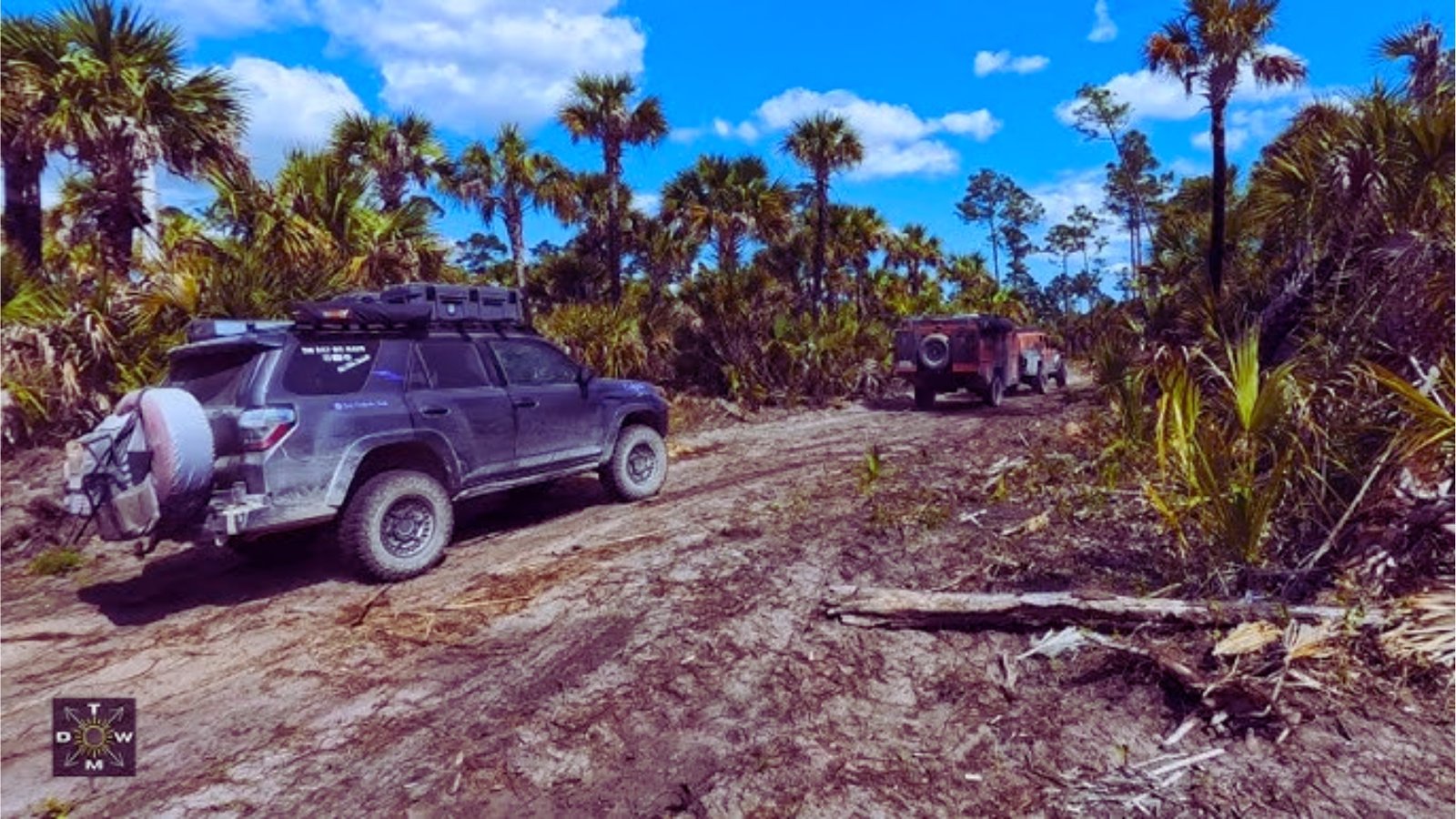
Florida’s challenges come from water and soil, not rocks.
Sand is everywhere. Deep, soft sand that slows you down. Lower your tire pressure to 15-20 PSI. Keep momentum but don’t floor it.
Mud hits you in the central and southern sections. It’s thick and sticky. Pick your line carefully and maintain steady throttle.
Clay shows up when wet. It’s slippery and dense. Your tires will pack with it. Go slow and stay in established tracks.
Vehicle Requirements and Skills Needed
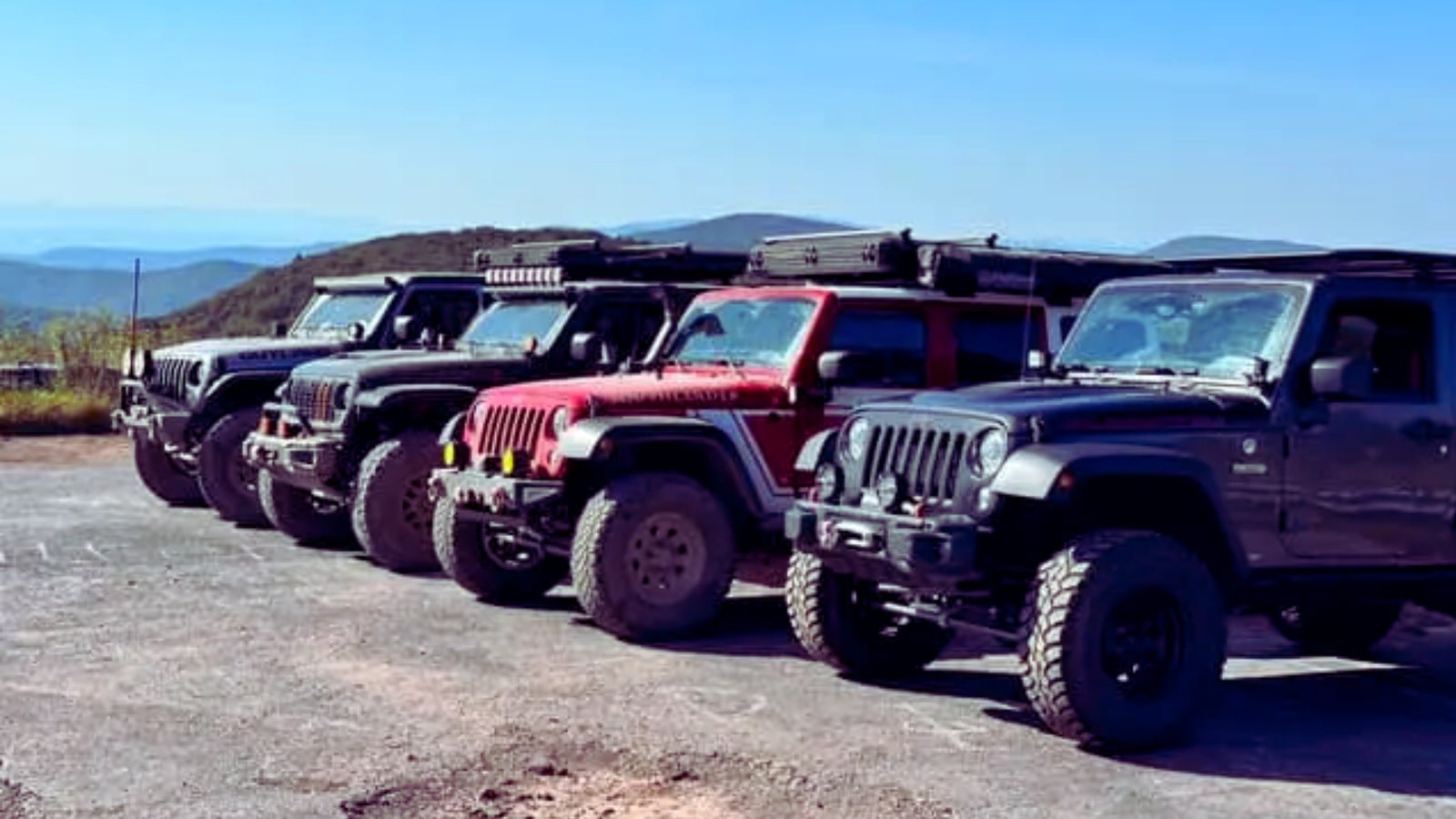
You need a 4×4 with decent ground clearance.
Stock trucks and SUVs work fine on northern sections. Southern routes demand more capability.
Minimum requirements: four-wheel drive with low range, all-terrain or mud-terrain tires, 8+ inches of ground clearance, recovery points front and rear, and basic recovery gear.
You should know how to air down tires, use your 4×4 system properly, read terrain, recover your vehicle from sand or mud, and handle basic trail repairs.
Best Time to Run the Trail
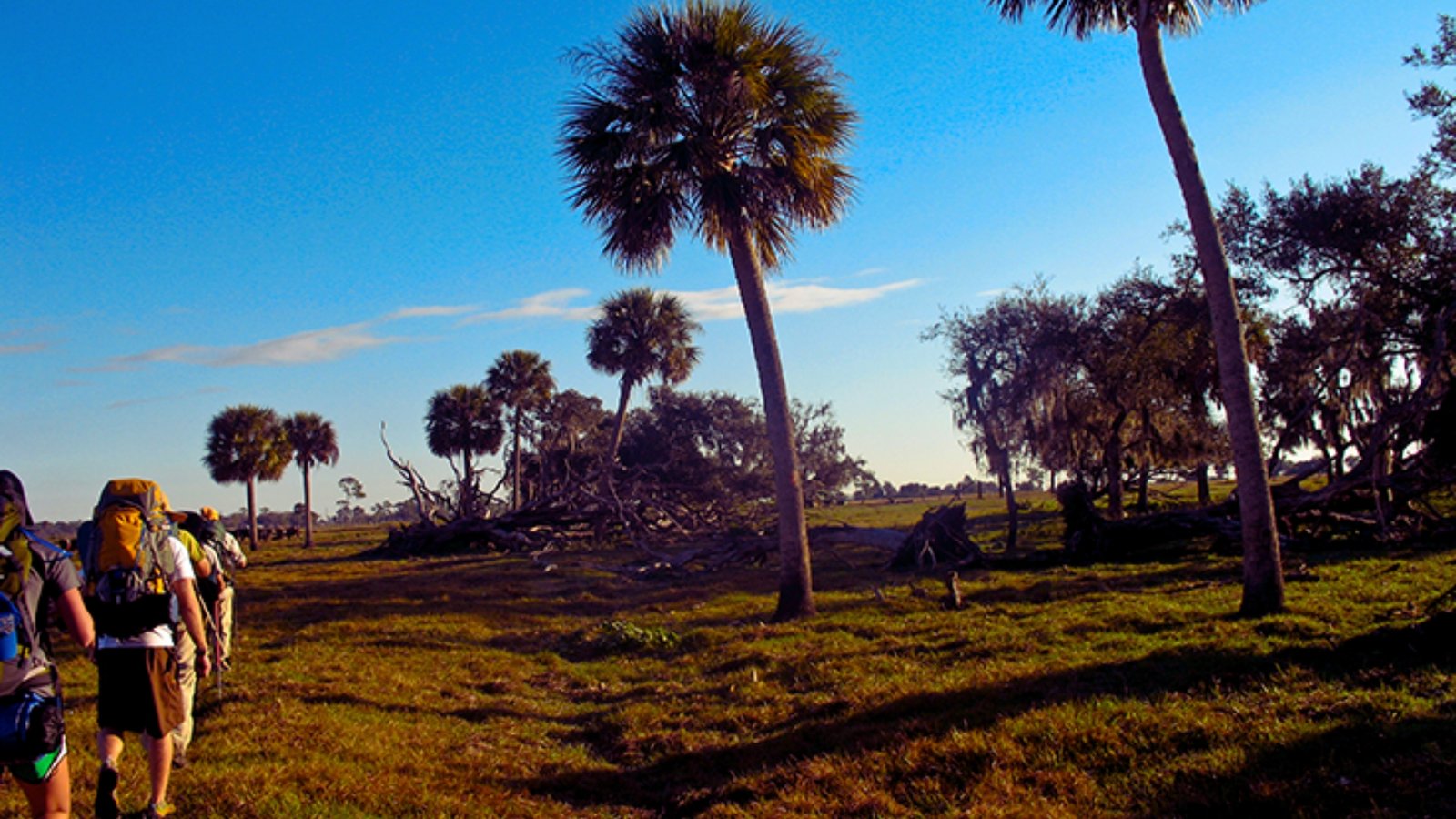
Winter is prime time for the Florida Adventure Trail.
Winter (December-March): Dry ground, cooler temps, minimal bugs. This is when most people run the trail.
Spring (April-May): Rains pick up. Some sections get muddy. Still doable.
Summer (June-September): Brutal heat, humidity, thunderstorms, and mud. Only for experienced overlanders. Mosquitoes are insane.
Fall (October-November): Weather cools down. Wet season ends. Trails dry out gradually.
Plan your trip for winter if you can.
Short Description: The Florida Adventure Trail spans 1,000+ miles with northern, central, and southern sections offering different terrain and difficulty levels.
Florida Adventure Trail Tips for First-Time Overlanders
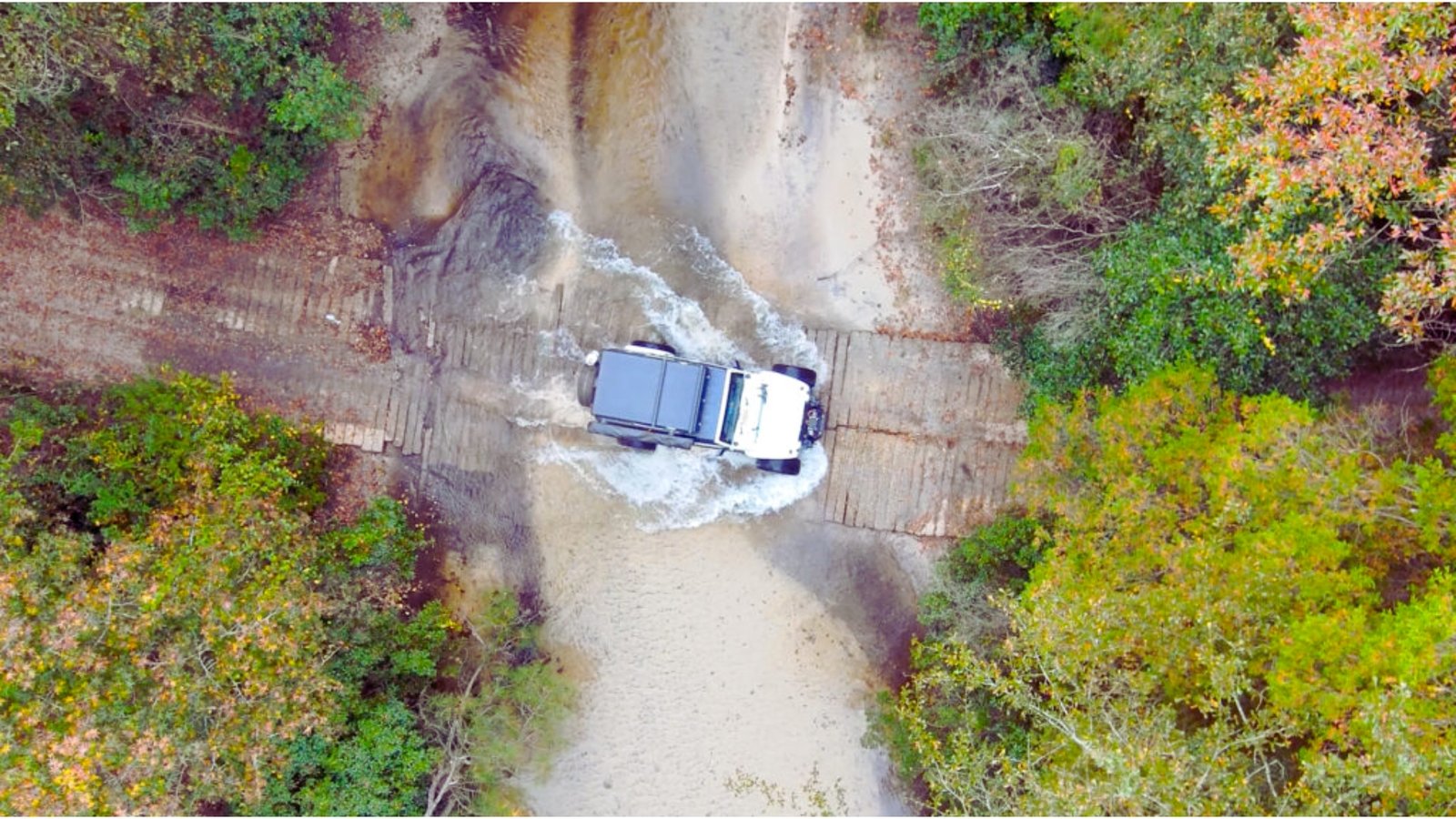
Your first time on the trail can feel overwhelming. These tips will help you succeed.
Start with a 50-mile section, not the whole trail. Northern Ocala, Apalachicola, and Osceola National Forests offer easier terrain and more bailout options. Build confidence before tackling harder routes.
Download maps to multiple devices before you leave. Test them in offline mode. Print a paper copy too. Batteries die and screens crack.
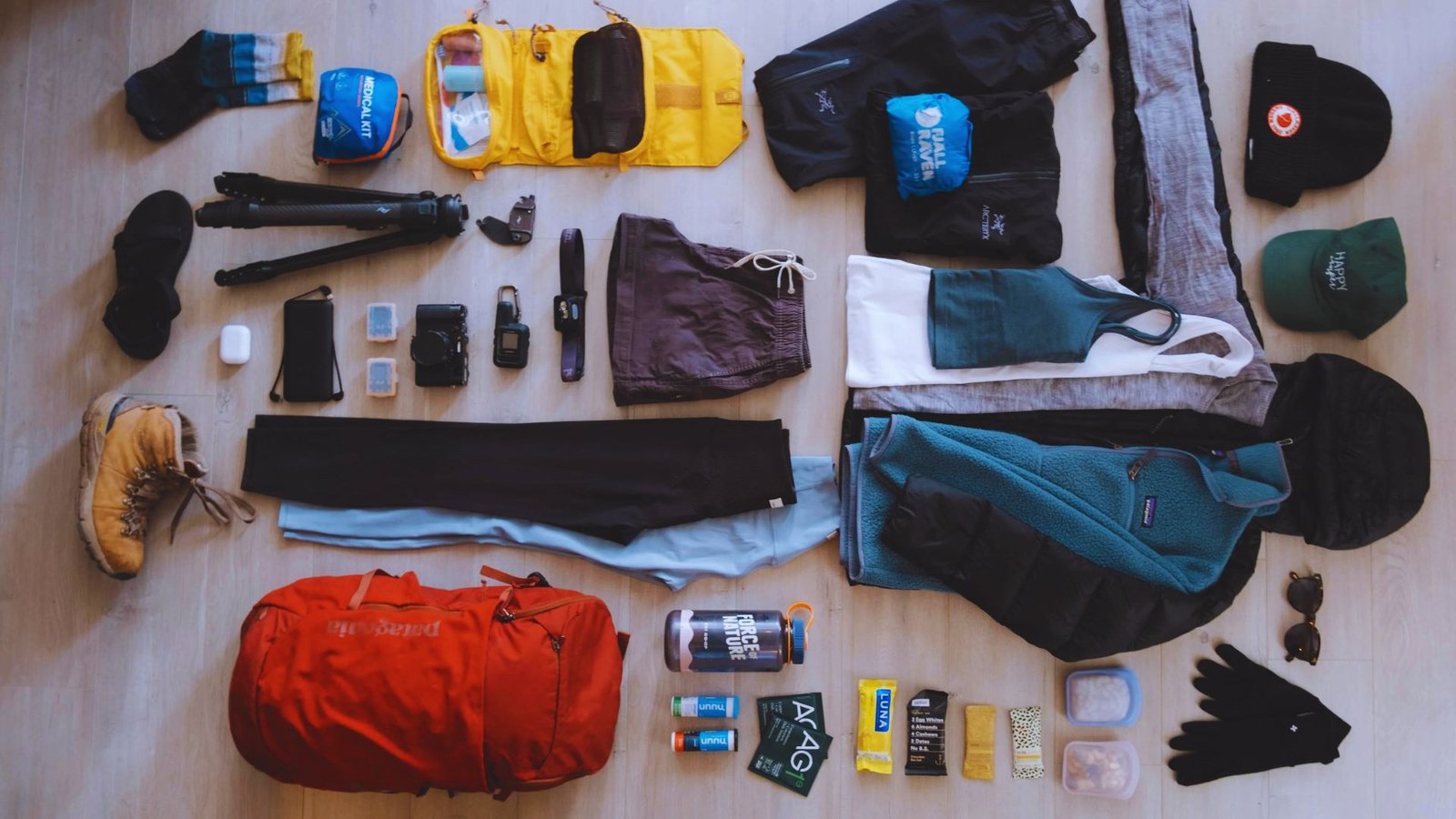
Pack extra supplies. I carry 10 gallons of fuel, 10 gallons of water, and 3 extra days of food. Getting stuck burns fuel fast. Recovery makes you thirsty.
Check weather forecasts and trail conditions online. The Florida Overlanders Facebook group posts current updates. If heavy rain is forecast, postpone your trip.
Tips for Conquering the Florida Adventure Trail
These tips come from experience. They’ll save you time and trouble.
- Run the trail in the dry season. Winter and early spring offer firmer ground, fewer bugs, cooler temps, and easier recovery. Summer runs are possible but much harder.
- Air down tires for sand sections. Drop to 15-20 PSI before hitting deep sand. This increases your tire’s footprint for better flotation. Carry a good air compressor to air back up later.
- Mark campsites and fuel stops in advance. Pre-plan your stops as GPS waypoints. Mark potential campsites every 20-30 miles, fuel stations within 10 miles of the trail, water sources, and emergency exit routes.
- Carry recovery boards and winch. Recovery boards work in sand, mud, and clay. A winch helps but isn’t required. If you bring one, practice using it safely before the trail.
- Share your route with someone at home. Send them your GPX file and set check-in times. They need to know where you are, when you should check in, who to call if you don’t, and your vehicle details.
- Short Description: Run the trail in dry season, air down for sand, mark important spots in advance, carry recovery gear, and share your route.
Conclusion
After running parts of this trail multiple times, I can say it’s absolutely worth your time. The Florida Adventure Trail offers real backcountry driving without traveling out West.
You’ll test your skills, see incredible landscapes, and camp under the stars. Plan well, respect the land, and take it section by section if you’re new to overlanding.
The trail will challenge you but reward you even more.Ready to go? Download your maps, check your gear, and pick a section to start with.
I’d love to hear about your experience once you run it. Drop a comment below with your questions or trip reports.
Frequently Asked Questions About the Florida Adventure Trail
Is the Florida Adventure Trail Beginner-Friendly?
Northern sections like Ocala and Osceola are beginner-friendly with sandy terrain. Southern sections require more experience due to mud and water.
Can You Drive the Florida Adventure Trail in Sections?
Yes, most people run it in sections. Each works as a standalone weekend trip or can be linked for longer adventures.
Is the Florida Adventure Trail Free to Access?
Yes, it’s completely free with no permits or fees. Camping at dispersed sites is also free.
What Type of Vehicle Do I Need for the Florida Adventure Trail?
A 4×4 with low range and decent clearance. Stock trucks work on northern sections. Southern sections may need lift kits and better tires.
How Do I Know If Trail Conditions Are Good?
Check the Florida Overlanders Facebook group for current conditions. Call local ranger stations for updates. Winter offers the best conditions.