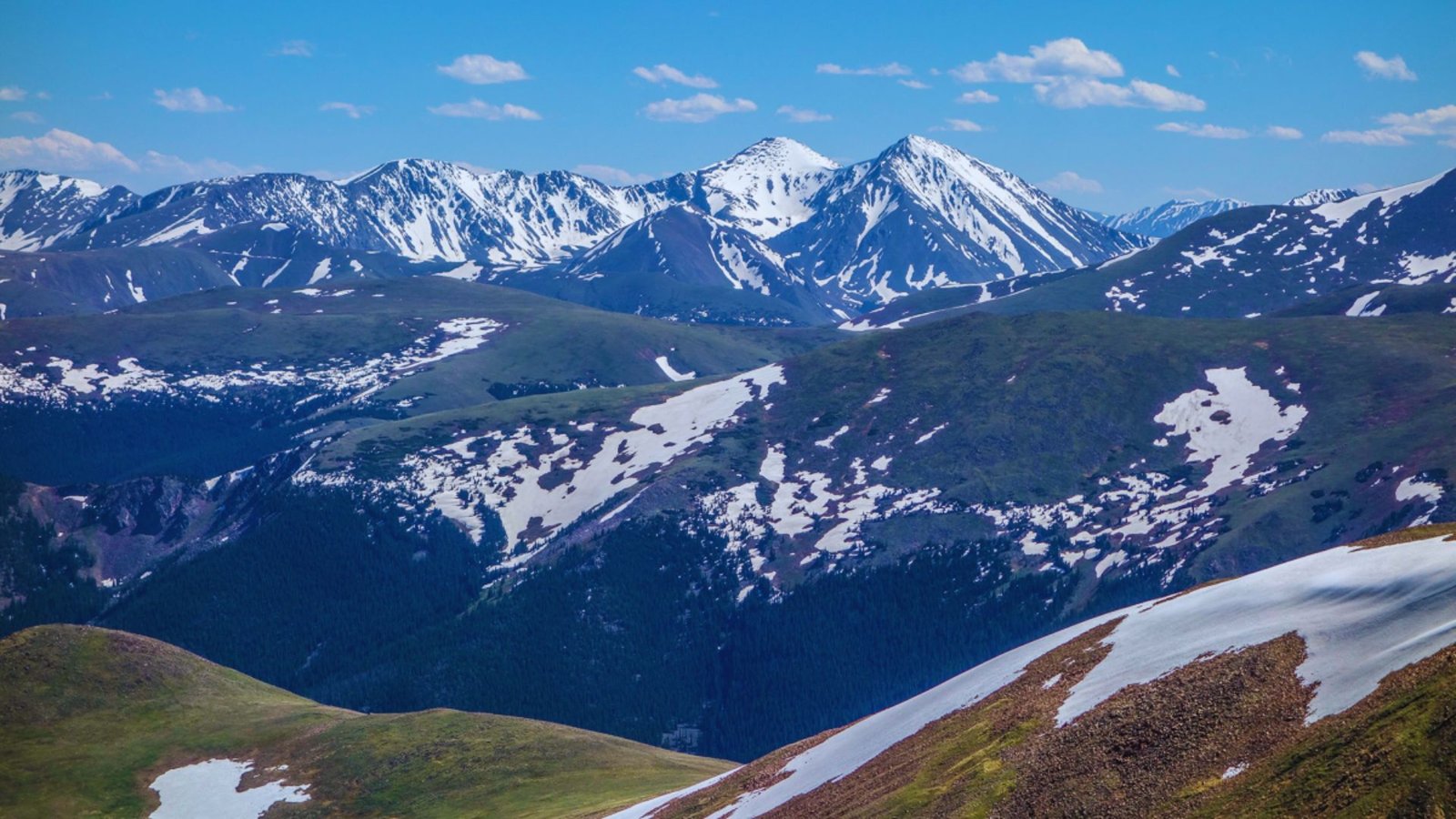

Looking for the best hikes in Denver? I’ve spent years hitting these trails, and I’m here to help you find your next favorite spot. This guide covers 11 amazing trails that range from easy lakeside walks to challenging mountain peaks.
I’ll show you what to expect, how to prepare, and which trail matches your skill level perfectly.
You’ll learn about permits, parking, and timing so you can plan with confidence. I’ve hiked every corner of this region, and these trails never disappoint me.
Let’s get you out on the trail today.
What to Know Before Hiking in Denver?
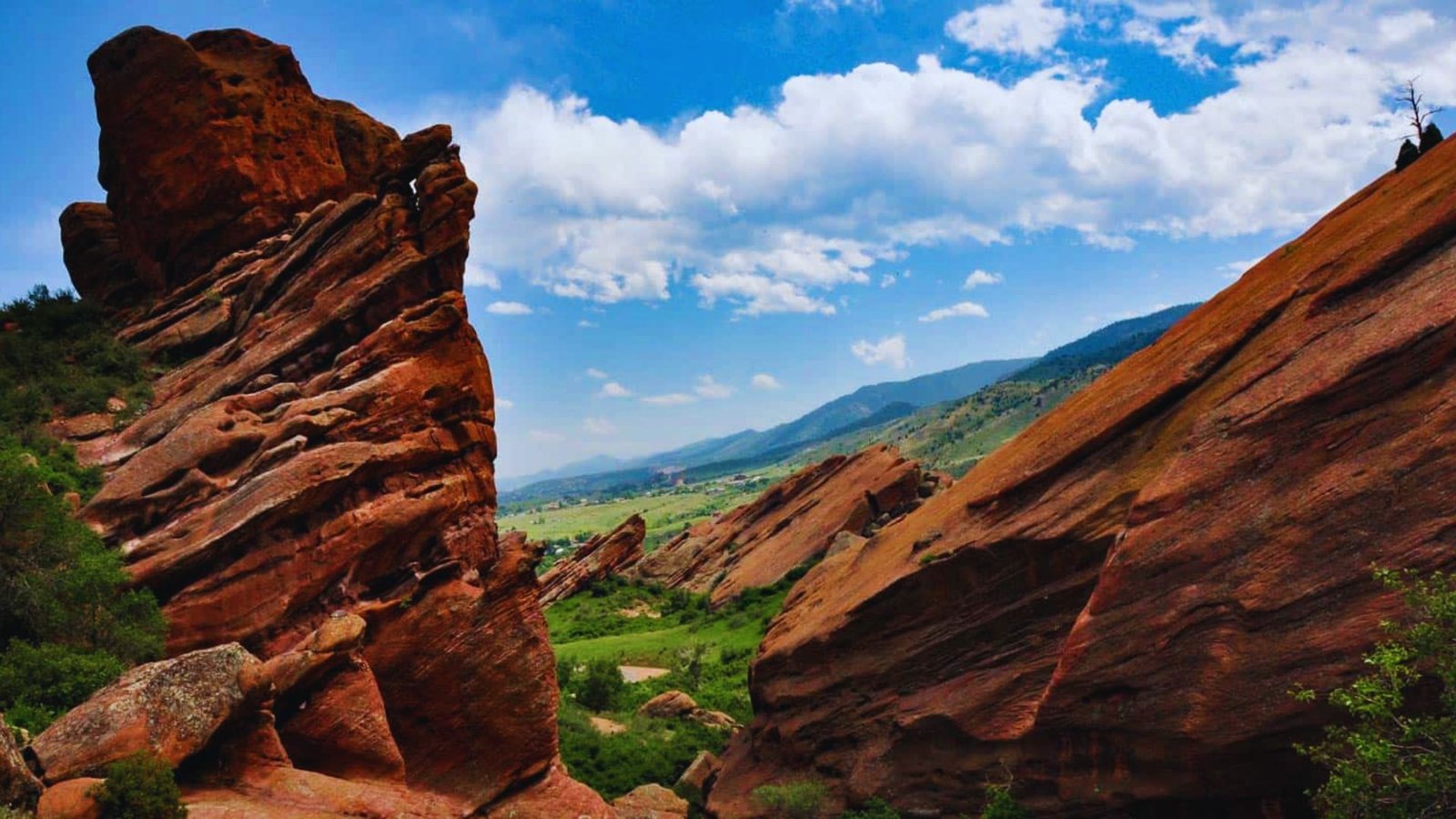
Planning ahead carefully makes your hiking experience safer and way more fun for everyone on the trail.
Best Time of Year for Hikes in Denver
Summer is prime time for hikes in Denver. Most trails open fully between June and September. Snow melts by late June at higher elevations. July and August bring wildflowers and warm weather.
Fall offers vibrant colors from mid-September through October. Crowds thin out after Labor Day. Winter hiking works at lower elevations. Many trails stay accessible year-round. Spring can be tricky with mud and lingering snow.
Trail Difficulty & Fitness Expectations
Know your limits before you start. Easy trails work for beginners and families with minimal elevation gain. Moderate trails require decent fitness with 500 to 1,500 feet of climbing. Challenging trails demand experience and strength, often climbing over 2,000 feet.
Start with easier trails if you’re new to hiking. Build up gradually. Listen to your body.
Permits, Reservations & Entry Fees
Most trails don’t need permits for day hiking. Rocky Mountain National Park charges an entrance fee. Indian Peaks Wilderness has limited parking. Arrive early or reserve a spot online. Weekends fill up fast in summer.
Parking, Trailheads & Getting There
Early arrival matters. Popular trailheads fill by 7 or 8 AM on weekends. Most trails sit 30 to 90 minutes from downtown Denver. Some trailheads require high-clearance vehicles. Others work fine with regular cars.
How Long Most Day Hikes in Denver Take
Plan for 3 to 6 hours for moderate trails. Easy walks might take 1 to 2 hours. Challenging routes can take 6 to 8 hours or more. I always add an extra hour to my estimates.
11 Incredible Hikes in Denver You’ll Love
These trails offer something for every type of hiker, from peaceful alpine lakes to rugged mountain peaks.
1. Chief Mountain Trail
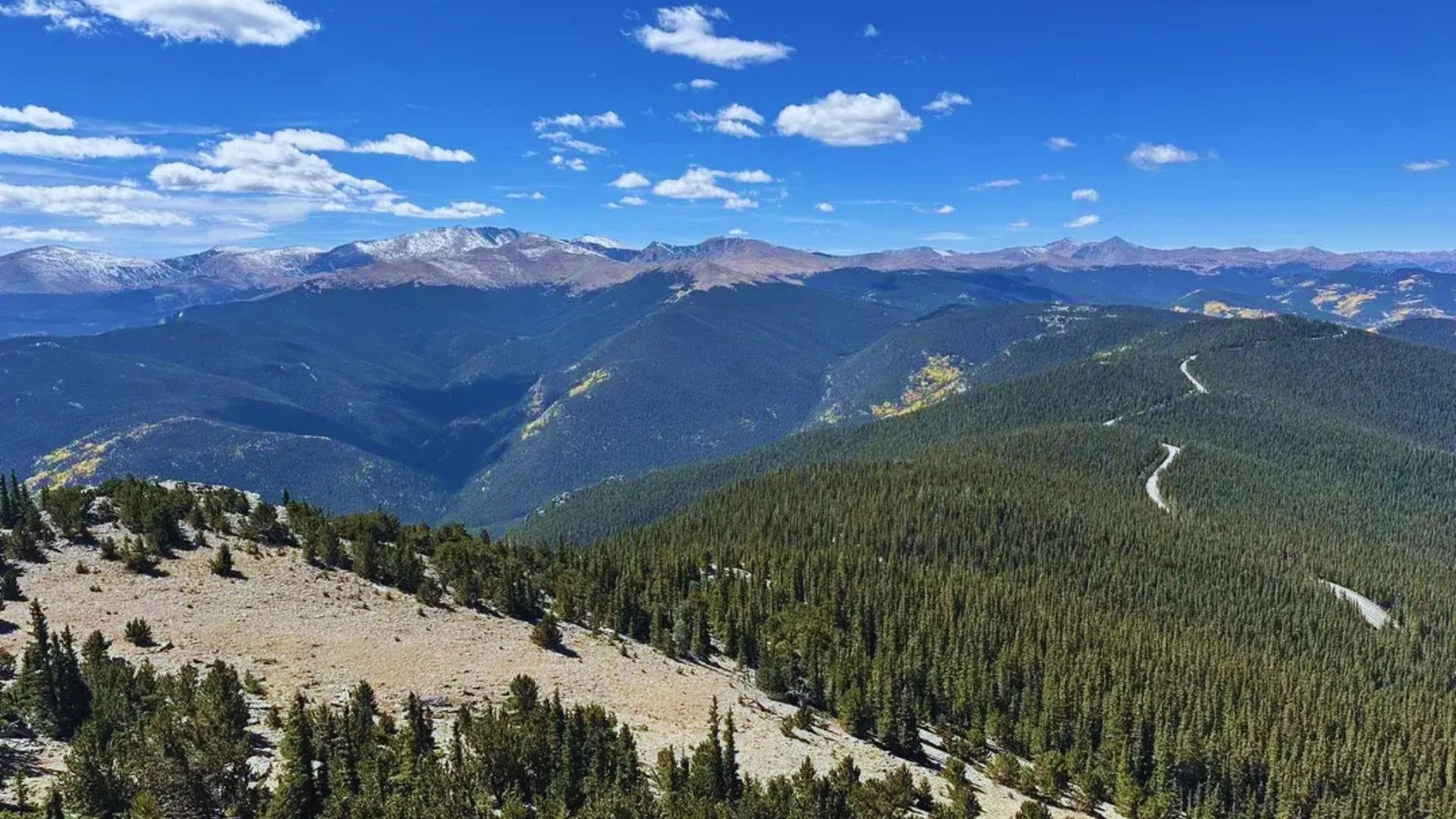
This trail climbs to panoramic views of the Indian Peaks. The route gains about 1,400 feet over 3 miles. Wildflowers cover the slopes in July.
You’ll hike through pine forests before reaching open meadows. The summit offers 360-degree views. Bring plenty of water and start early to avoid afternoon storms.
2. Mount Falcon Castle Trail
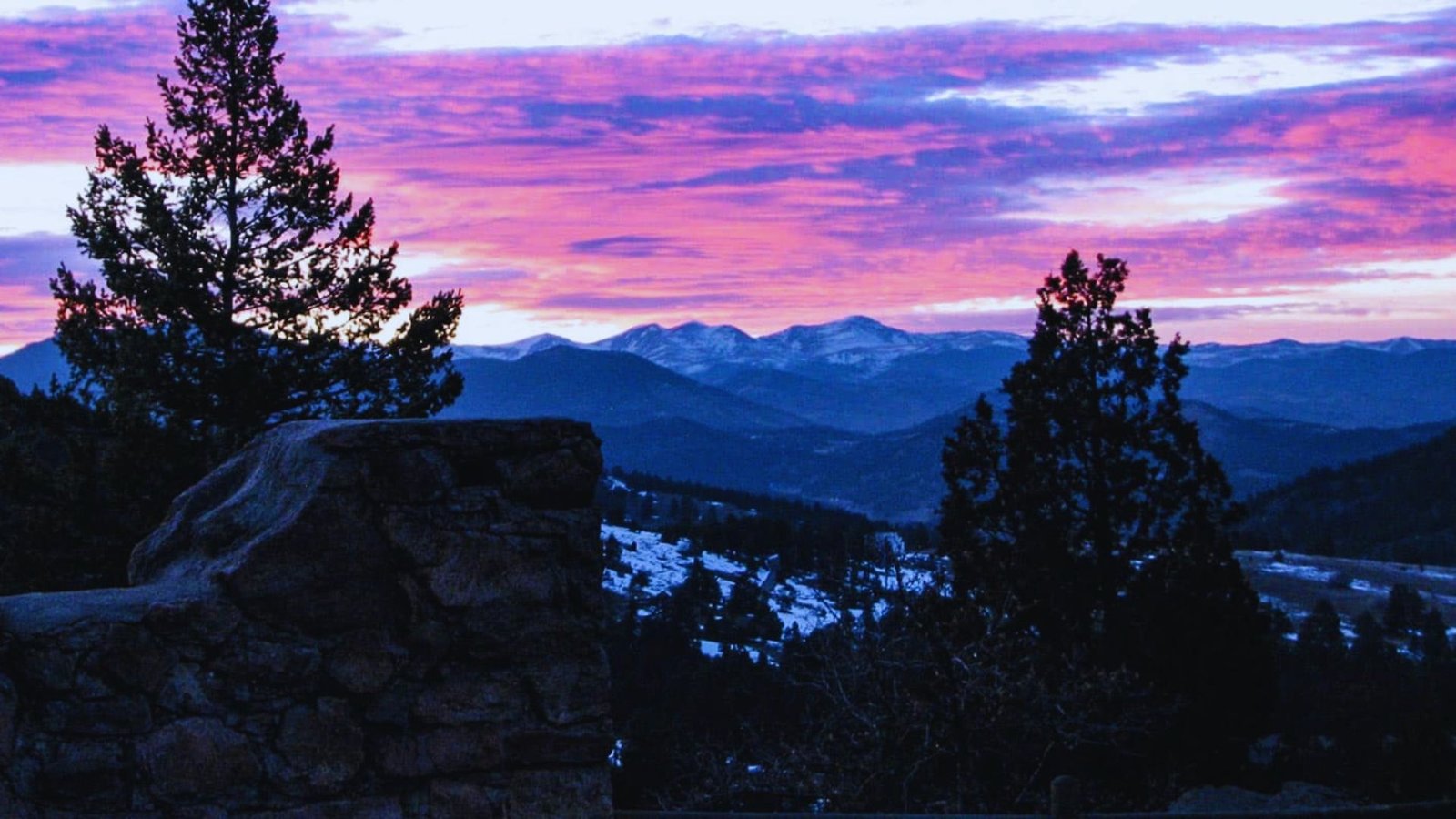
Castle ruins make this hike feel special. The trail runs 3.7 miles round trip with moderate climbing. Stone walls and foundations remain from a 1900s mansion that burned down. Red Rocks are visible to the south.
This trail stays open most of the year. It’s great for winter hiking when higher trails have snow.
3. Lake Isabelle
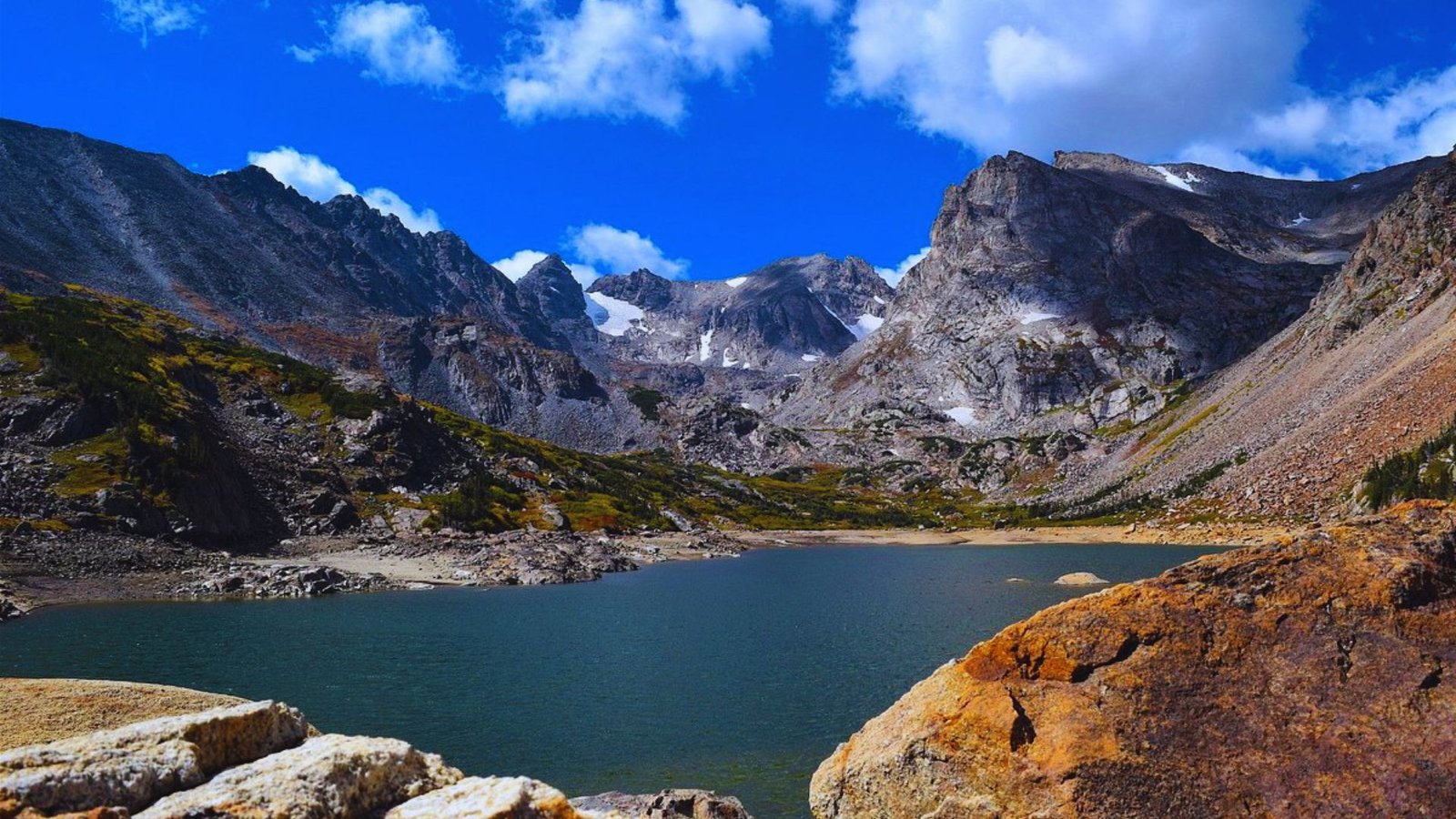
Crystal-clear water reflects the surrounding peaks perfectly. The trail covers 4.3 miles round trip with about 350 feet of climbing. The lake sits in a basin surrounded by jagged mountains. Wildflowers bloom thick in July and August.
Arrive before 7 AM or after 3 PM to find parking. This trail gets crowded on summer weekends.
4. Chautauqua Park & Flatirons Trails
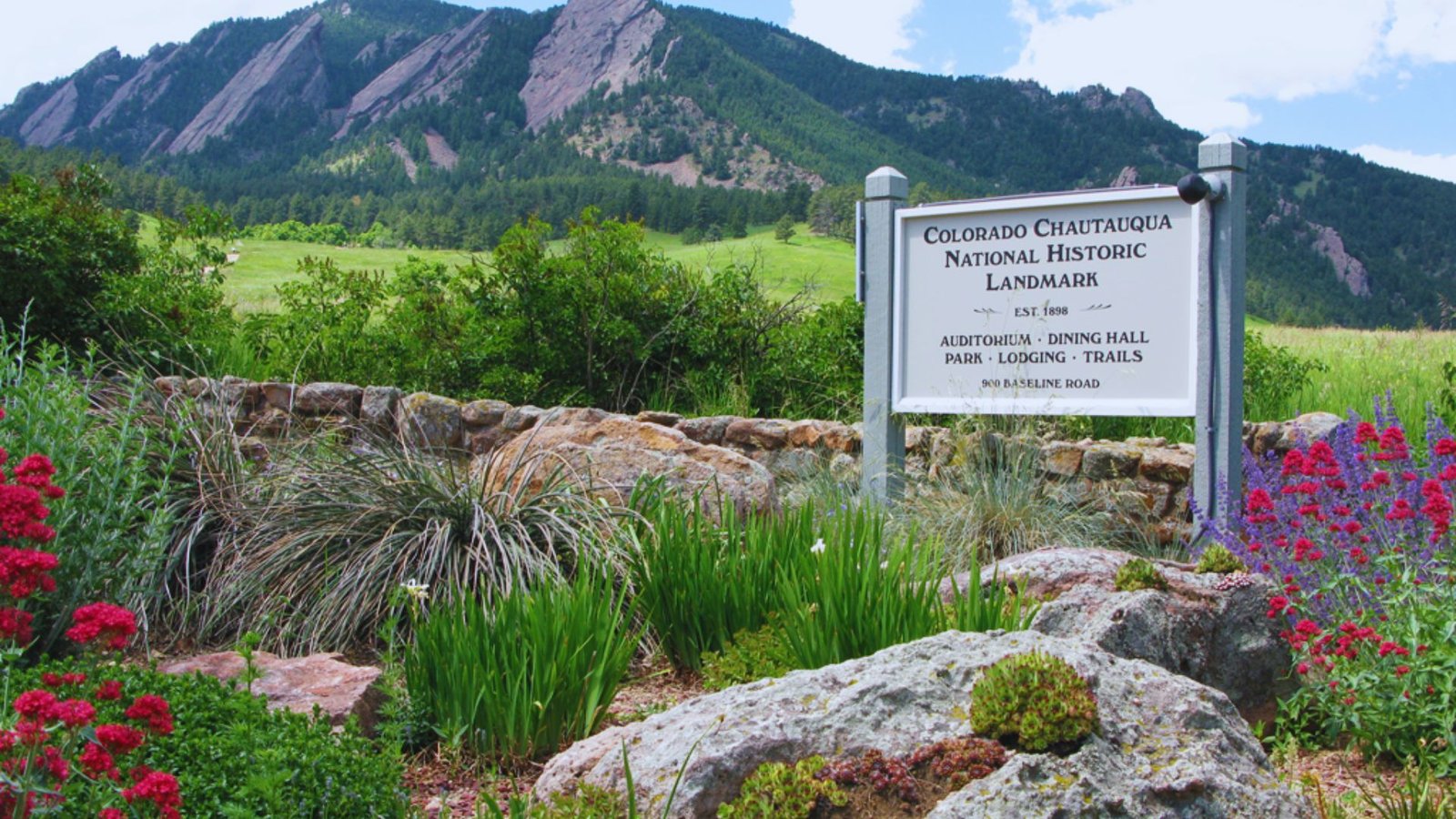
Multiple trail options start from this historic park. The easy Chautauqua Trail loops for 2.5 miles. Harder routes climb the Flatirons for bigger challenges.
The Flatirons are Boulder’s famous tilted rock formations. This is one of the most accessible hiking areas near Denver. Perfect for first-timers or casual walks.
5. Mills Lake
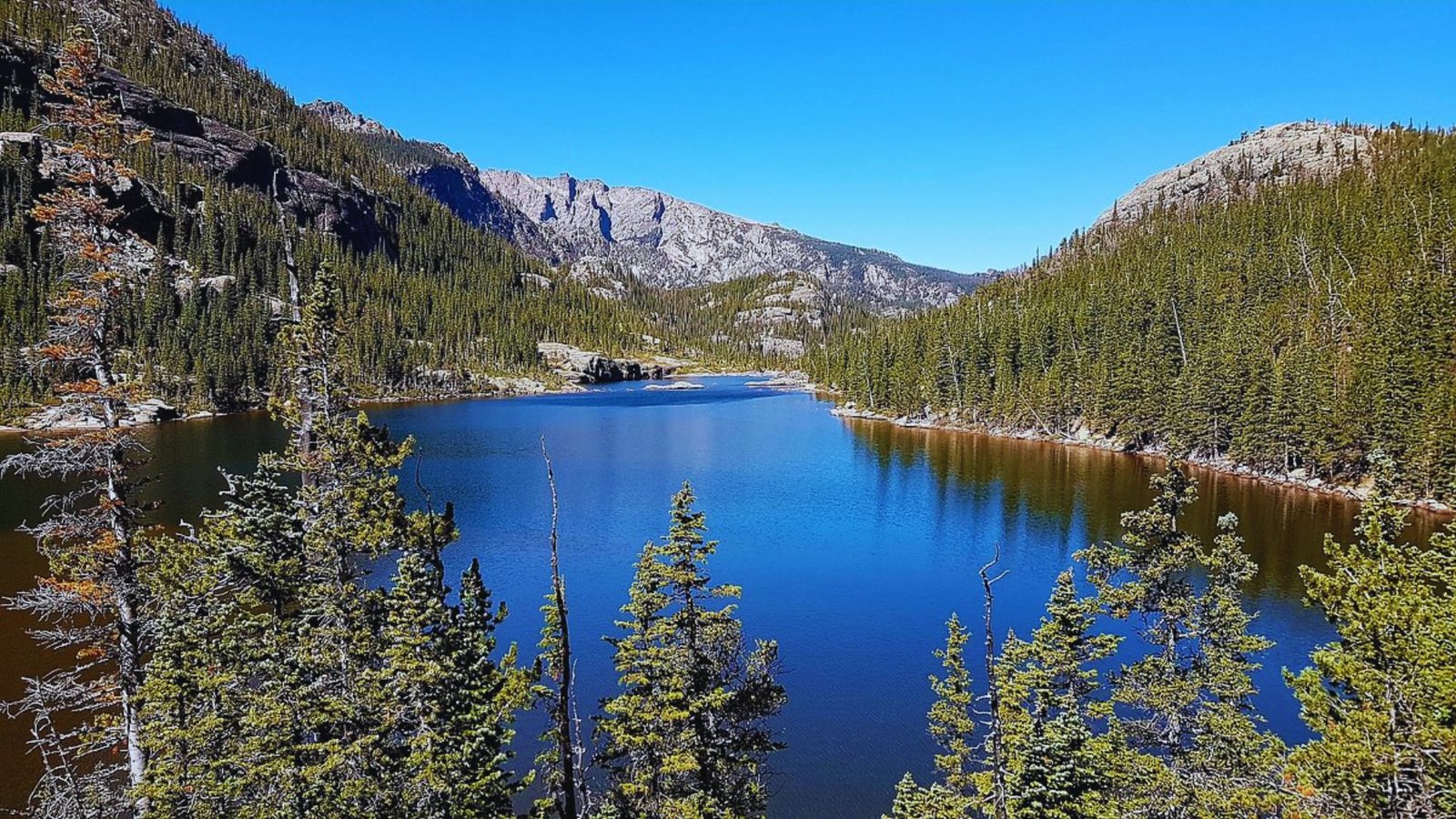
This lake might be the prettiest in Rocky Mountain National Park. The trail goes 5.6 miles round trip with 700 feet of climbing. Longs Peak towers above the lake’s calm water. The reflection is incredible on still mornings.
You need a park pass to enter. Parking fills early, so plan accordingly.
6. Silver Dollar Lake
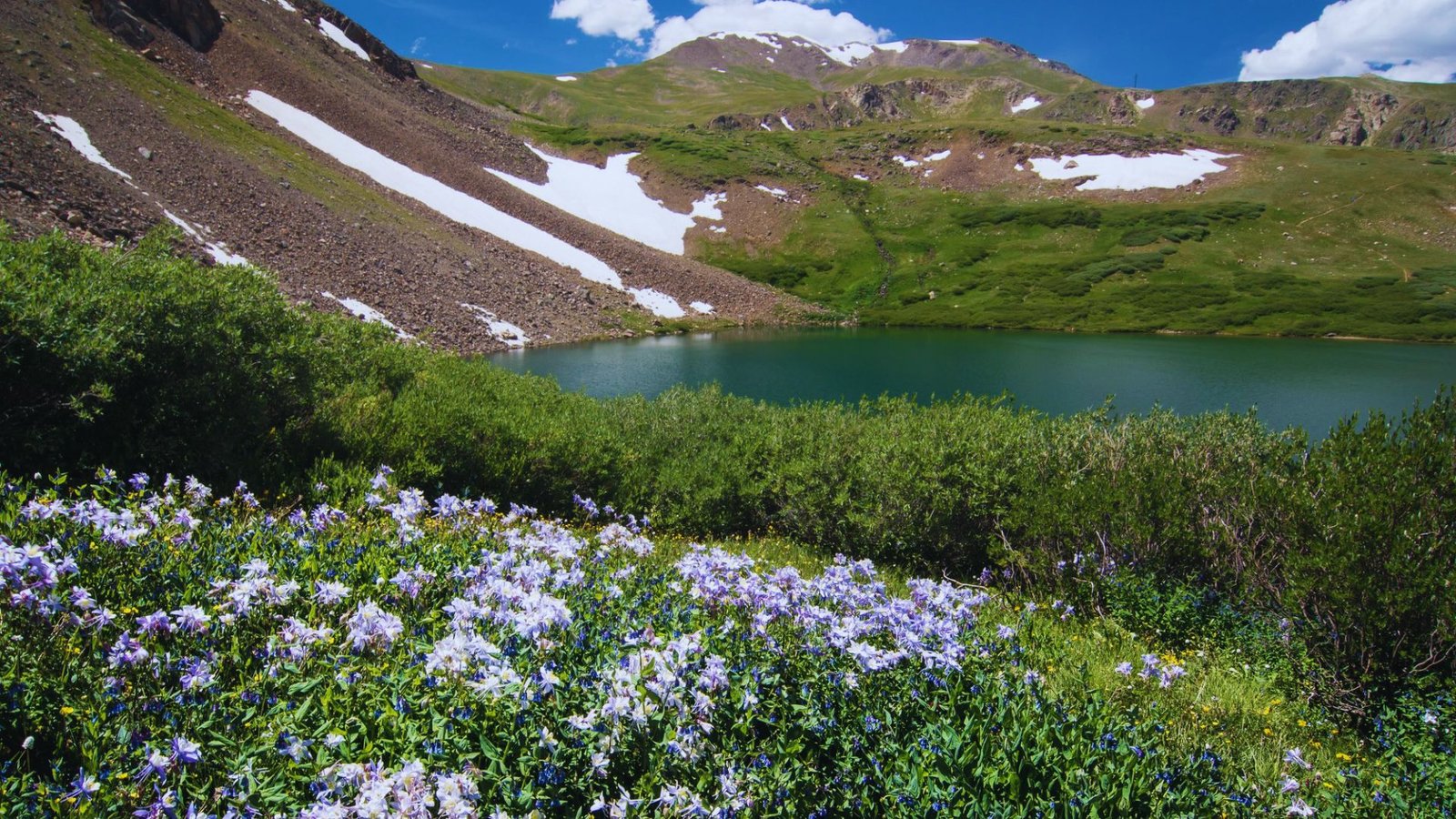
Alpine scenery defines this challenging hike. The trail climbs 3,000 feet over 5 miles one way. The lake sits in a rocky cirque at 12,300 feet. Snow often lingers into July.
This hike requires good fitness and altitude preparation. The views make every step worth it.
7. Square Top Lakes
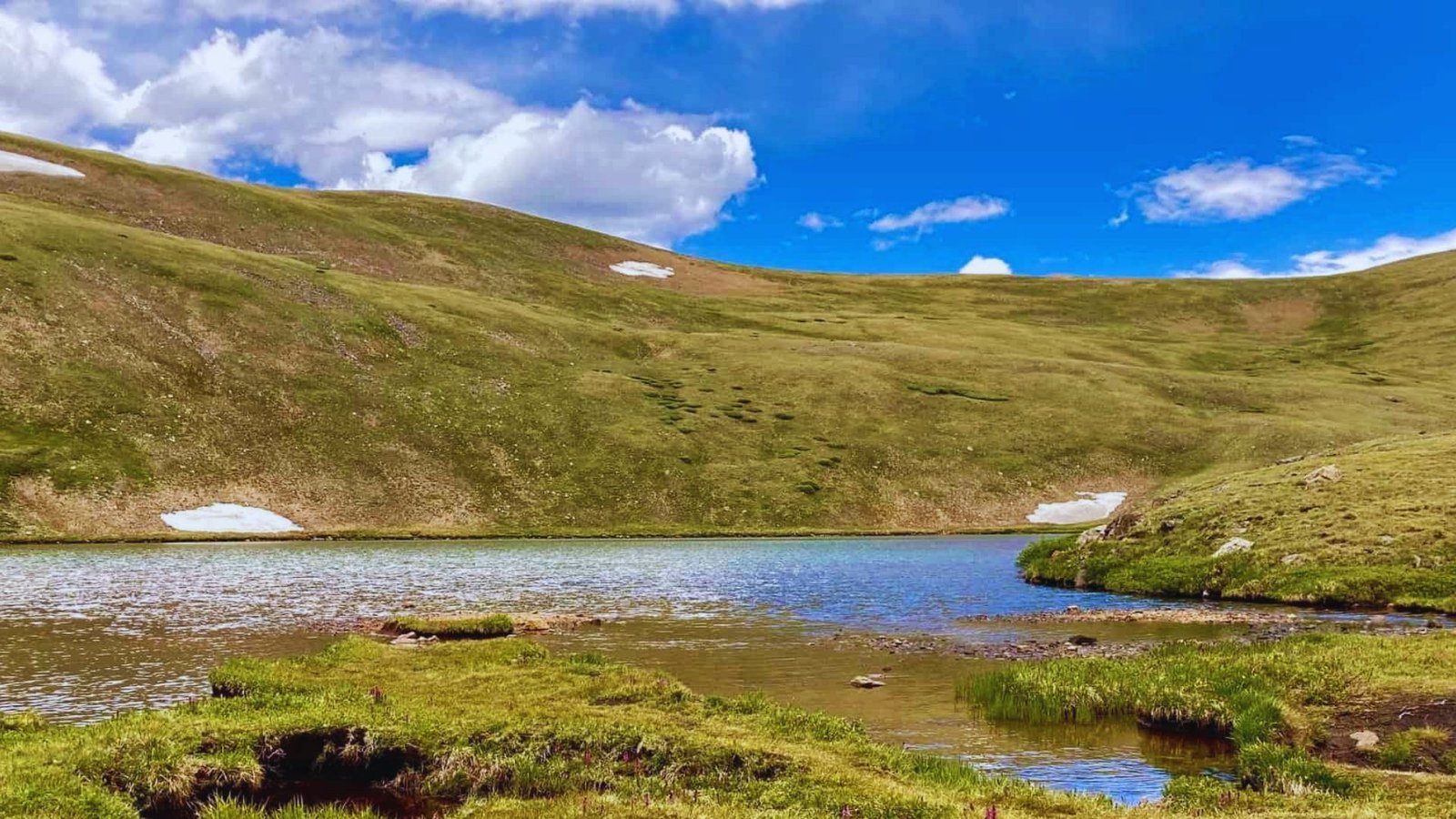
Two scenic lakes await you on this moderate trail. The round trip covers about 7 miles with 1,700 feet of elevation gain. The lower lake makes a good turnaround point for casual hikers.
This trail sees fewer crowds than nearby options. It’s a hidden gem in the Indian Peaks.
8. Loch Lomond
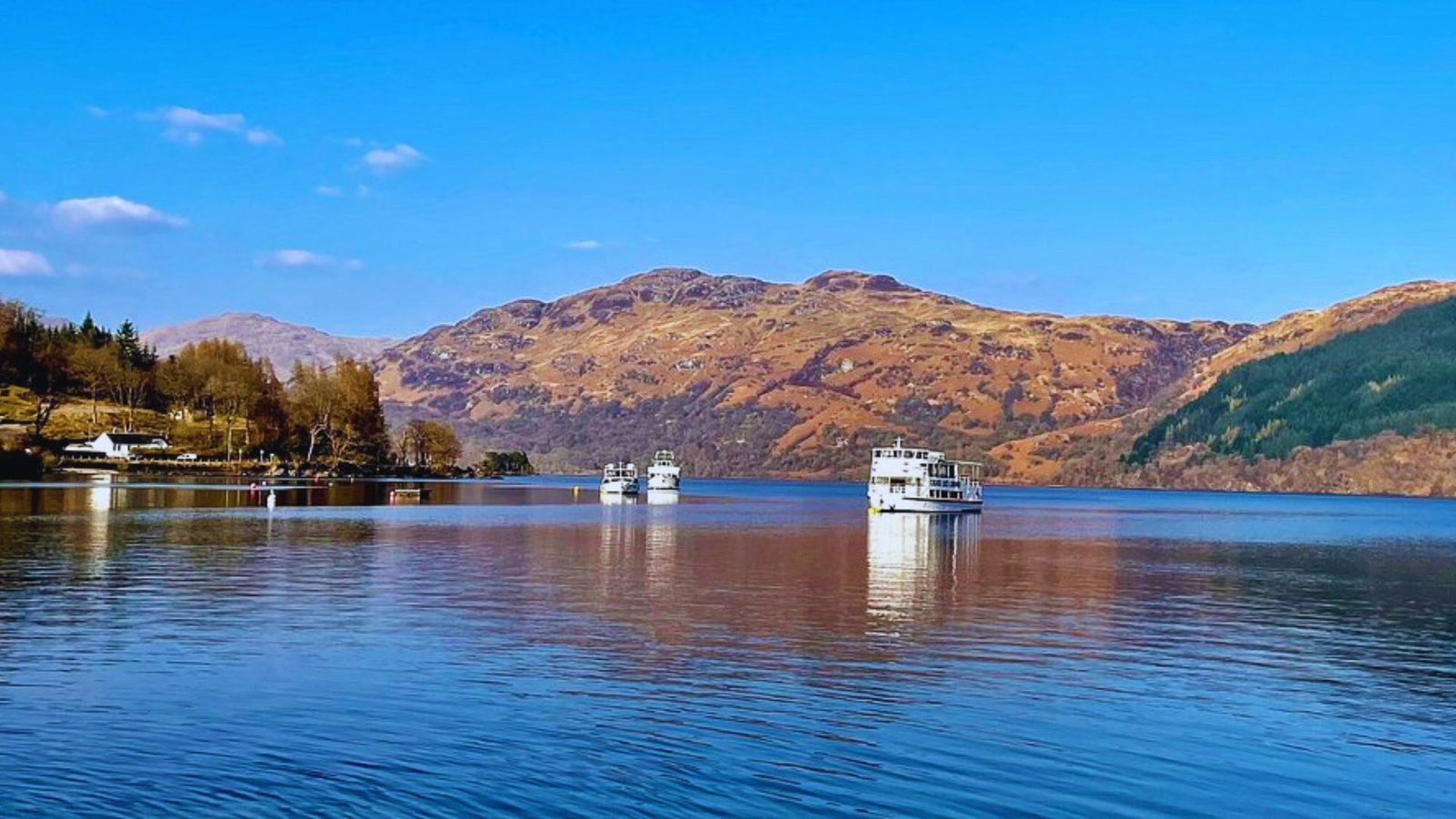
A shorter but steep trail leads to this alpine lake. You’ll hike 3 miles round trip and gain about 900 feet quickly. Waterfalls cascade near the trail in early summer.
This hike works well for families with older kids. The distance is manageable, but the climb is real.
9. Mount Flora
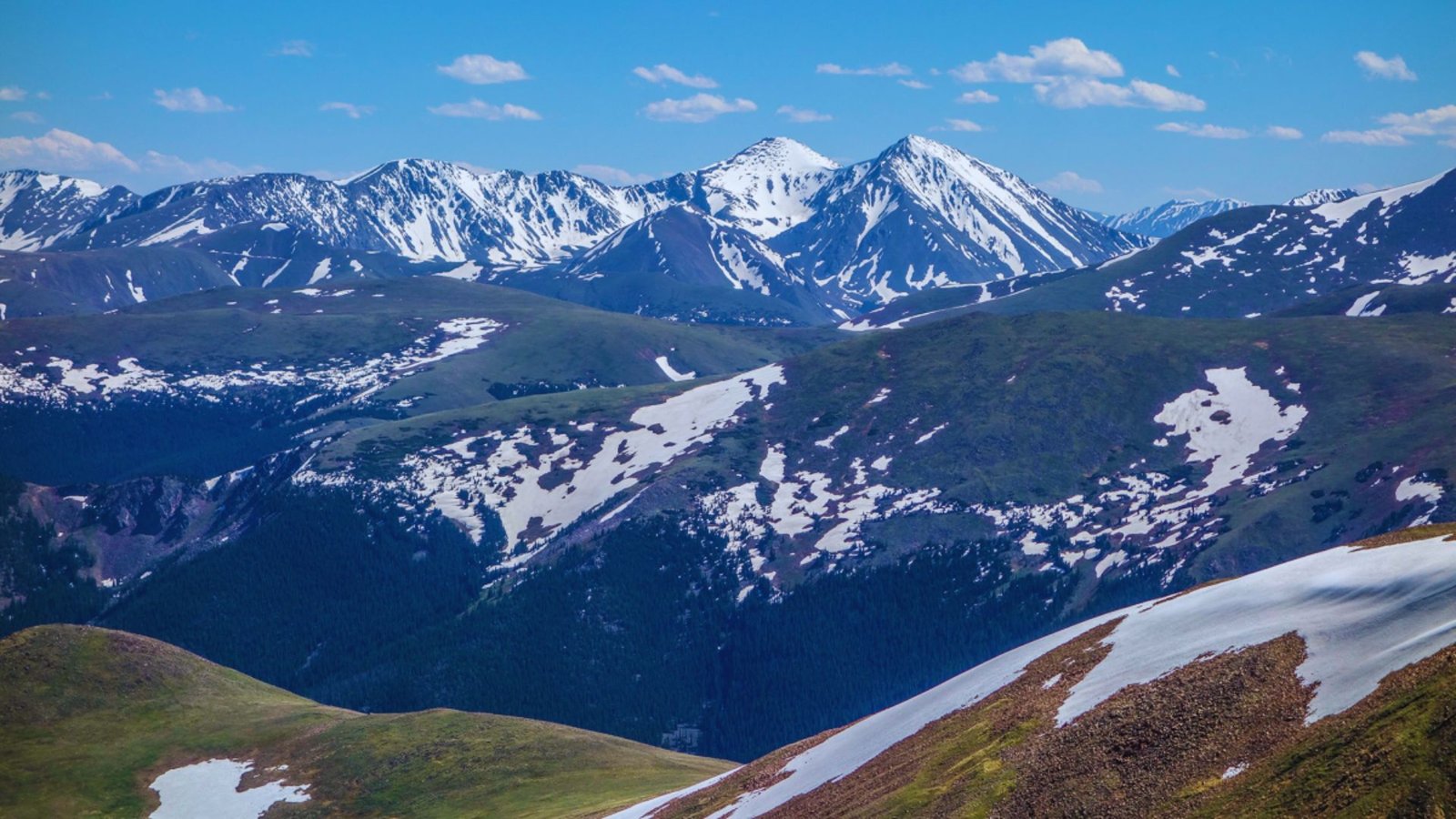
Summit a 13,000-foot peak on this challenging trail. The route covers 7 miles round trip with 2,300 feet of elevation gain. Tundra flowers bloom across the summit in July.
Start before dawn to avoid lightning risk. This hike requires acclimatization to altitude.
10. Sugarloaf Mountain

An easier peak hike with big rewards. The trail runs 1.5 miles round trip with only 500 feet of climbing. 360-degree views include the Continental Divide and plains.
The short distance makes this perfect for sunrise or sunset. Families love this trail.
11. Mohawk Lakes
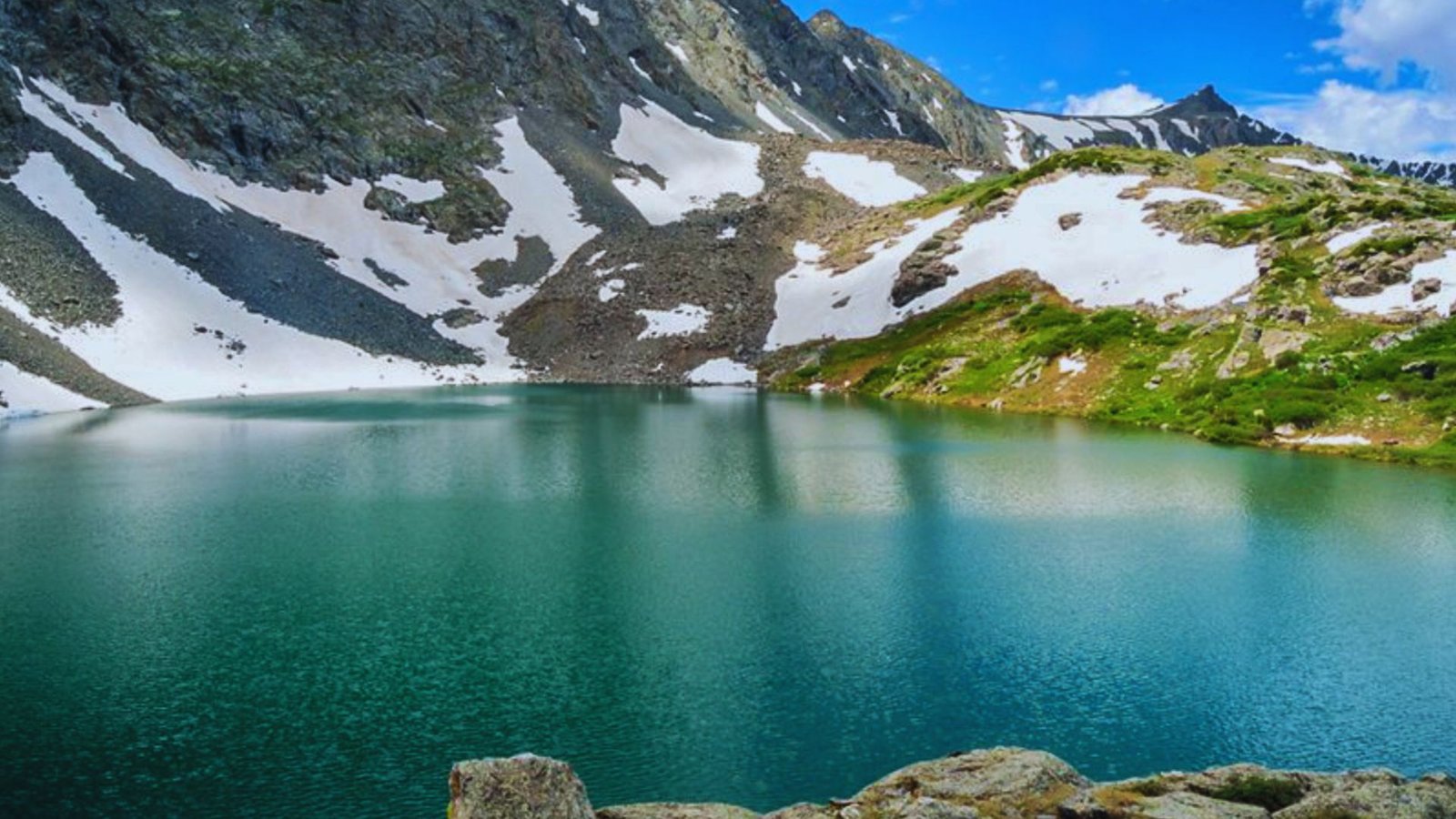
This strenuous trail climbs to pristine alpine lakes. The round trip measures 8 miles with 2,800 feet of elevation gain. Old mining ruins dot the landscape. Waterfalls pour down rocky cliffs.
Give yourself a full day for this hike. The scenery is some of the best near Denver.
Best Hikes in Denver by Difficulty
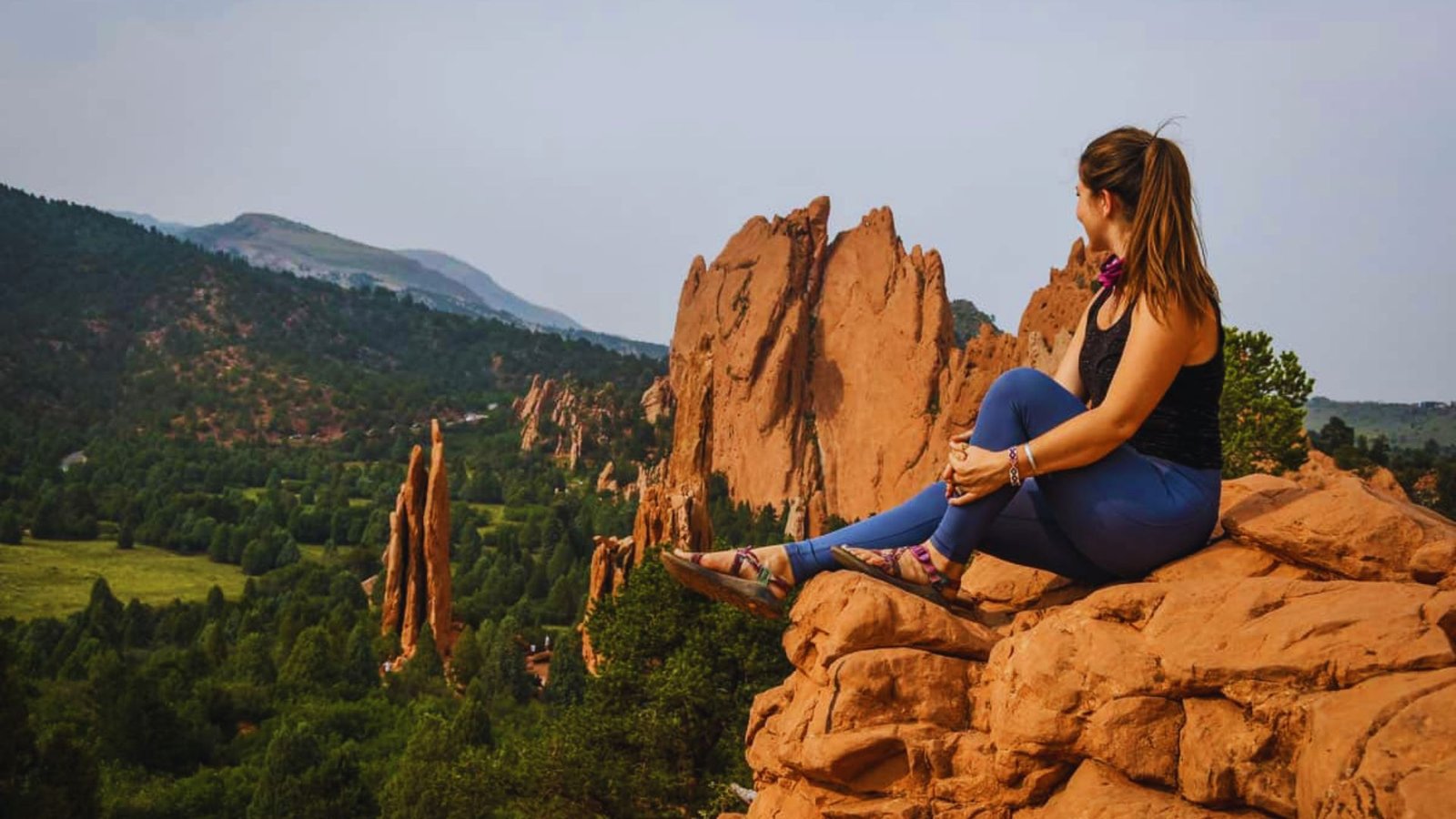
Choose trails that match your current fitness level and hiking experience for the safest and best results.
Easy Hikes in Denver
Sugarloaf Mountain offers the easiest summit experience. Chautauqua Park has gentle loops perfect for families. These trails have minimal elevation gain and good footing. Beginners should start here.
Moderate Hikes in Denver
Lake Isabelle, Mills Lake, and Mount Falcon Castle Trail fall in this category. You need decent fitness but not expert skills. Most people handle moderate trails with proper preparation.
Challenging Hikes in Denver Colorado
Silver Dollar Lake, Mount Flora, and Mohawk Lakes test your limits. High elevation, steep grades, and long distances require training and experience. Don’t attempt these hikes without proper acclimatization. I always respect the mountain.
Important Hiking Tips for Denver Trails
Smart preparation keeps you safe and comfortable on every hike.
- Mountain weather shifts fast. Get below the treeline by 1 PM during monsoon season. If you hear thunder, descend immediately. Always bring rain gear.
- Drink more water than you think you need. Altitude dehydrates you faster. I carry at least 2 liters for moderate hikes. Take breaks often and watch for headaches or nausea.
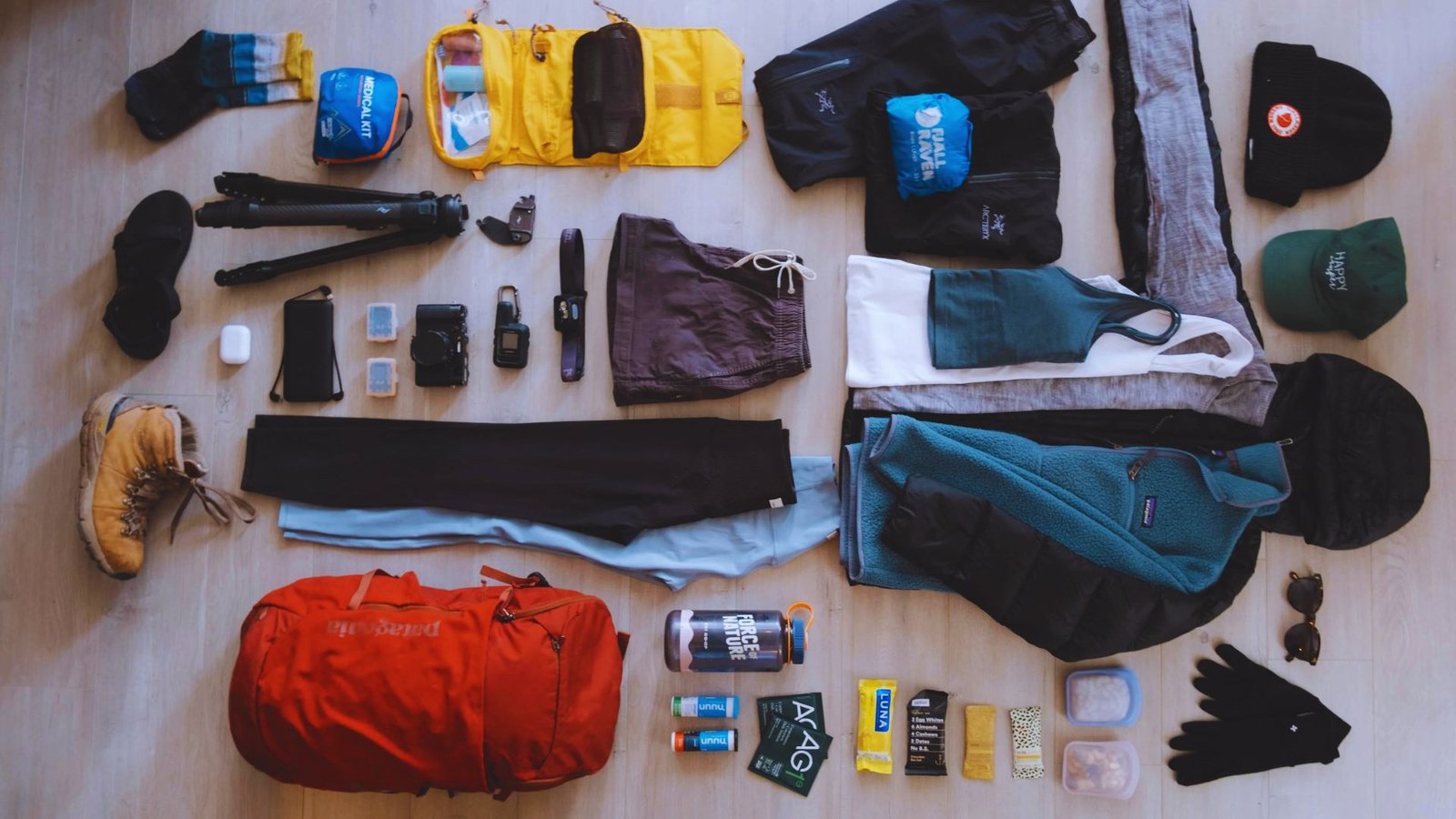
- Pack water (2-3 liters), snacks, sunscreen, hat, sunglasses, rain jacket, warm layers, first aid kit, map, and headlamp for every hike.
- Make noise on the trail so you don’t surprise animals. Never approach wildlife for photos. Keep at least 100 feet away from large animals like moose and bears.
- Stay on marked trails always. Pack out everything you bring in. Photograph wildflowers but don’t pick them.
- Treeline sits around 11,000 feet. Plan to summit early and descend before noon. Bring windproof layers and turn back if weather looks threatening.
Conclusion
These hikes in Denver have given me some of my best outdoor memories. I’ve watched sunrises from peaks, found quiet spots by alpine lakes, and challenged myself on steep climbs.
Start with trails that match your ability and work up from there.
Respect the weather, pack smart, and take care of these trails we all love. Each trail has something special to offer.
Which hike will you try first? Drop a comment below and share your hiking plans with me. Get out there and make some memories. Trust me, you won’t regret it.
Frequently Asked Questions
What is the easiest hike near Denver for beginners?
Sugarloaf Mountain is perfect for beginners. The trail is only 1.5 miles round trip with just 500 feet of climbing. You get summit views without the difficulty.
When is the best time to hike in Denver?
July through September offers the best conditions. Most high-elevation trails are snow-free by late June. Wildflowers peak in mid-July, and weather is most stable during these months.
Do I need a permit to hike in Denver?
Most trails don’t require permits for day hiking. Rocky Mountain National Park needs an entrance pass. Some popular trailheads require timed entry reservations during peak season, so check ahead.
How do I prepare for altitude when hiking in Denver?
Drink lots of water before and during your hike. Take it slow and rest often when climbing. Spend a day or two at elevation before attempting high peaks above 12,000 feet.
What should I bring on a day hike near Denver?
Pack 2-3 liters of water, snacks, sunscreen, a hat, warm layers, and a rain jacket. Bring a first aid kit, map, and headlamp for safety. The weather changes fast in the mountains.