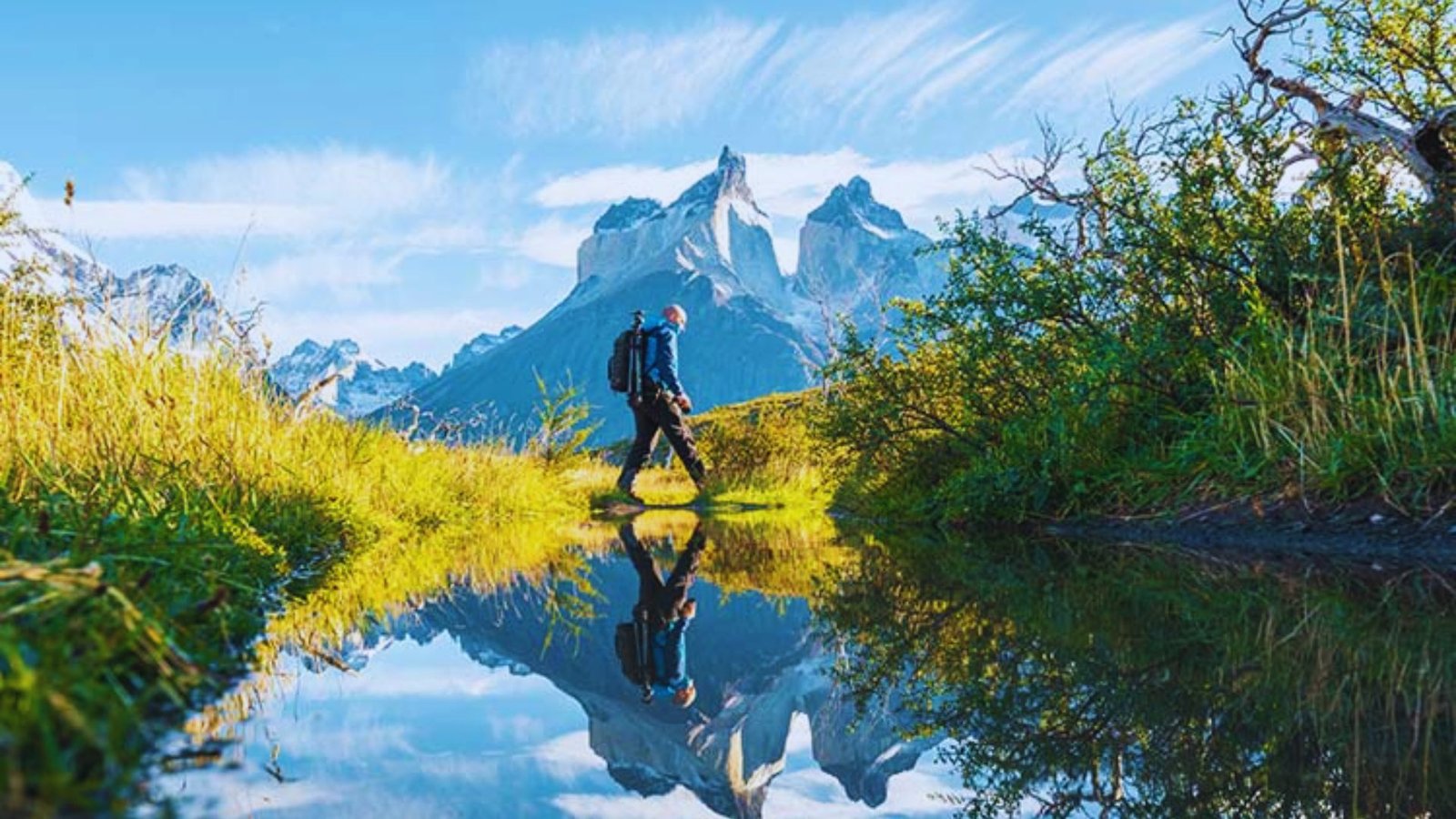

Thinking about hiking solo but feeling nervous? You’re not alone. I’ve been there too, and I’m here to help you stay safe on the trail. This guide covers hiking alone safety tips that actually work in real situations.
You’ll learn how to assess risks, prepare properly, and handle challenges when they come up. I’ll cover trail selection, gear, communication plans, and what to do in emergencies.
I’ve hiked solo for years, and these tips keep me safe every time.
Let’s build your confidence and get you ready for your first solo hike.
Is Hiking Alone Safe?
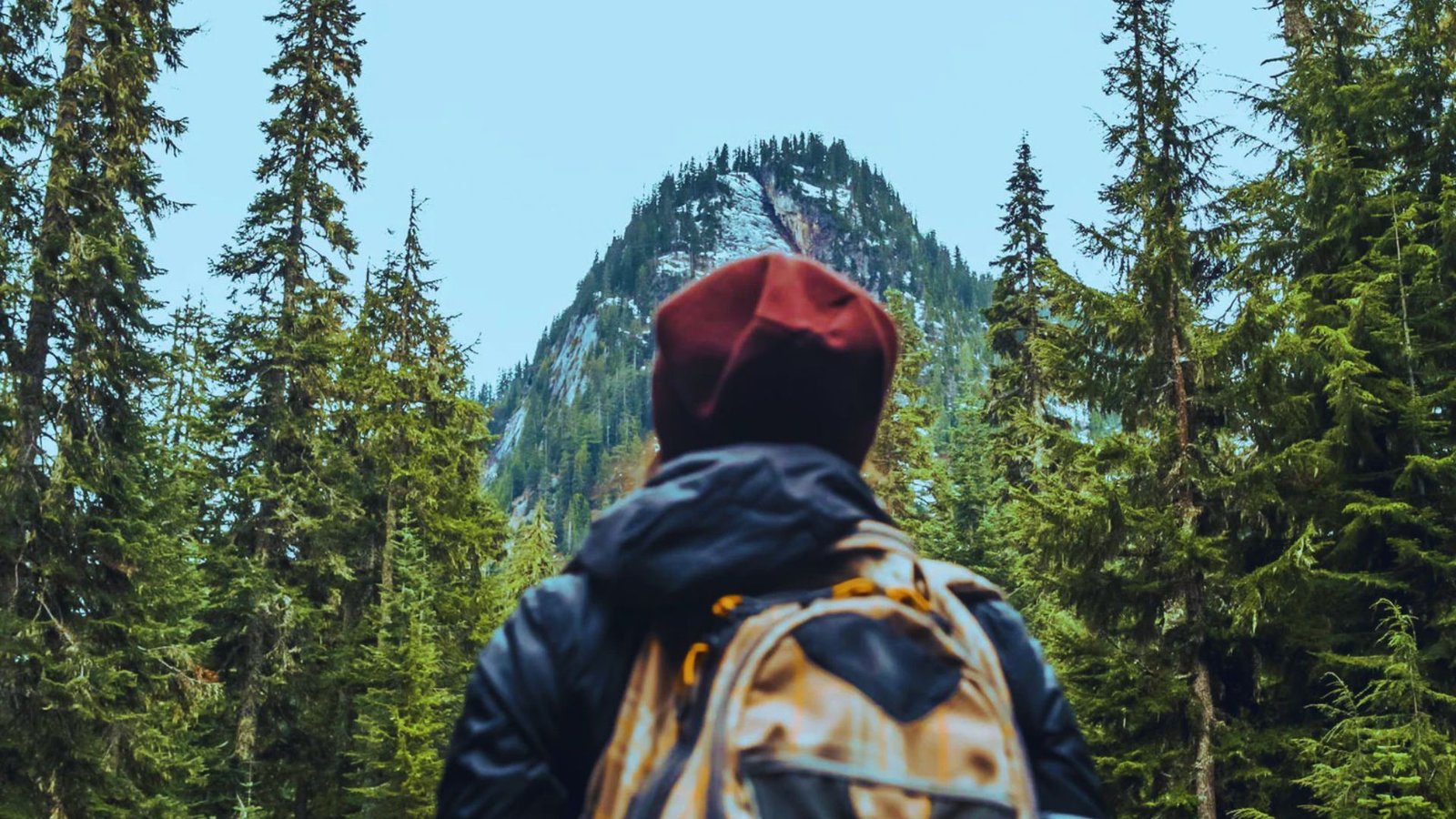
Solo hiking carries risks, but proper preparation makes it manageable for most people. Thousands hike solo daily without problems. The key is knowing your limits and planning well. Certain risks increase when alone since no one can help immediately if you get hurt.
However, most solo hikers stay safe by choosing appropriate trails and preparing thoroughly. Your experience level matters most, so beginners should start with easy, popular trails while experienced hikers can handle challenging terrain.
Well-marked trails near civilization are safer than remote backcountry routes. Check weather forecasts before you go, know what your body can handle, and stick to daytime hiking for better visibility and safety.
Hiking Alone as a Woman
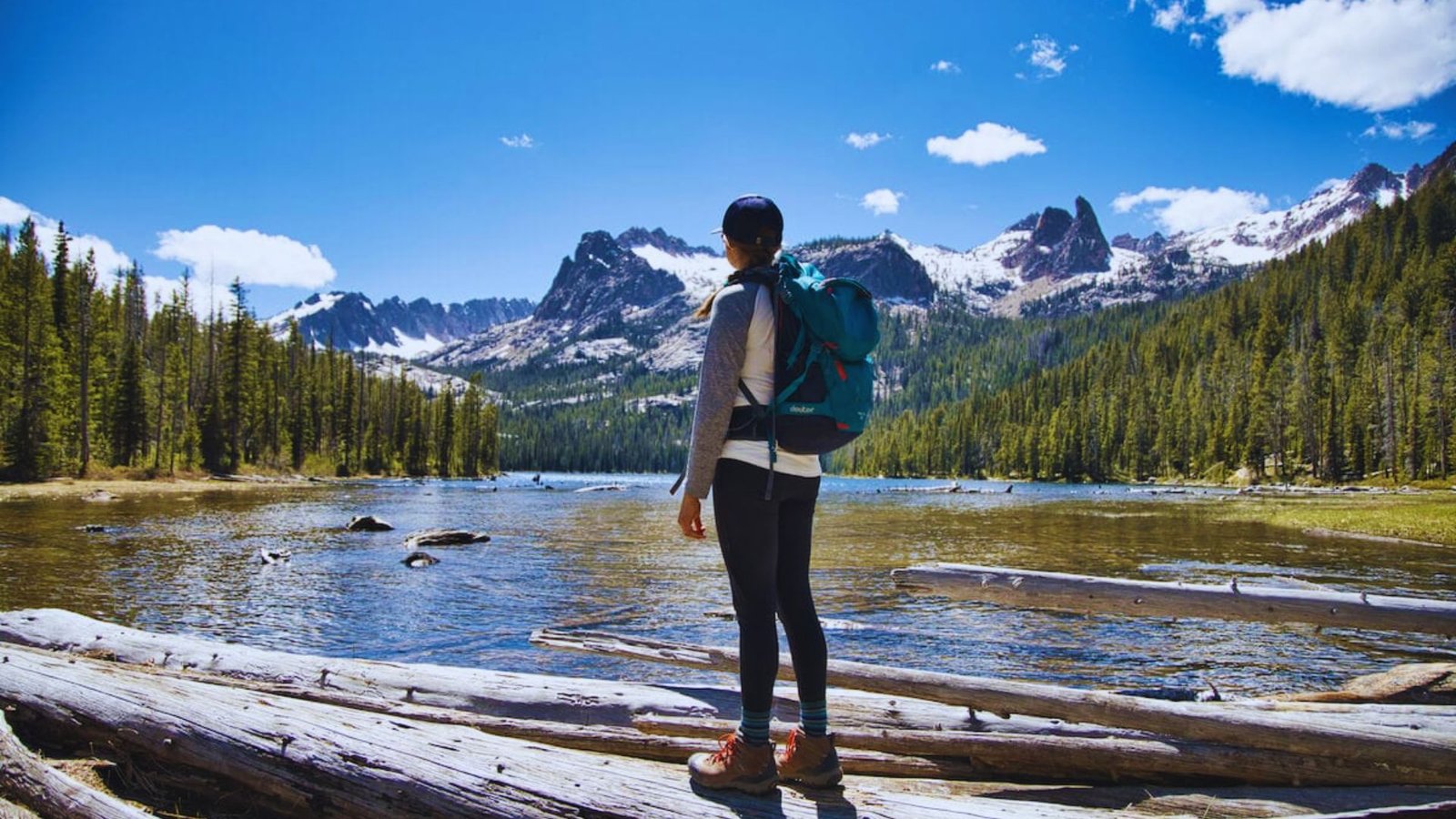
Women face specific safety concerns when hiking solo, but smart planning reduces most risks significantly.
Is it Safe to go Hiking Alone as a Woman
Yes, women can hike alone safely. Many women do it regularly. But you need to take extra precautions.
Trust your gut always. If a trail or situation feels wrong, leave. Choose popular trails for your first solo hikes. More people around means more safety.
Tell someone your plans every time. Share your route, start time, and expected return. Carry a phone and keep it charged. Consider a personal alarm. Some women carry pepper spray or other defense tools.
Safety Challenges Women may Face on Solo Hikes
Unwanted attention happens sometimes on trails. Keep interactions brief if someone makes you uncomfortable. Don’t share too much information with strangers on the trail.
Being alone can make you a target for theft or worse. Keep valuables hidden. Physical strength differences matter in emergencies. Plan routes you can handle independently.
Some women feel more vulnerable in remote areas. This is normal. Start with busier trails to build confidence. I always tell my partner exactly where I’m going. It’s non-negotiable.
Is Hiking Alone Dangerous in Certain Situations?
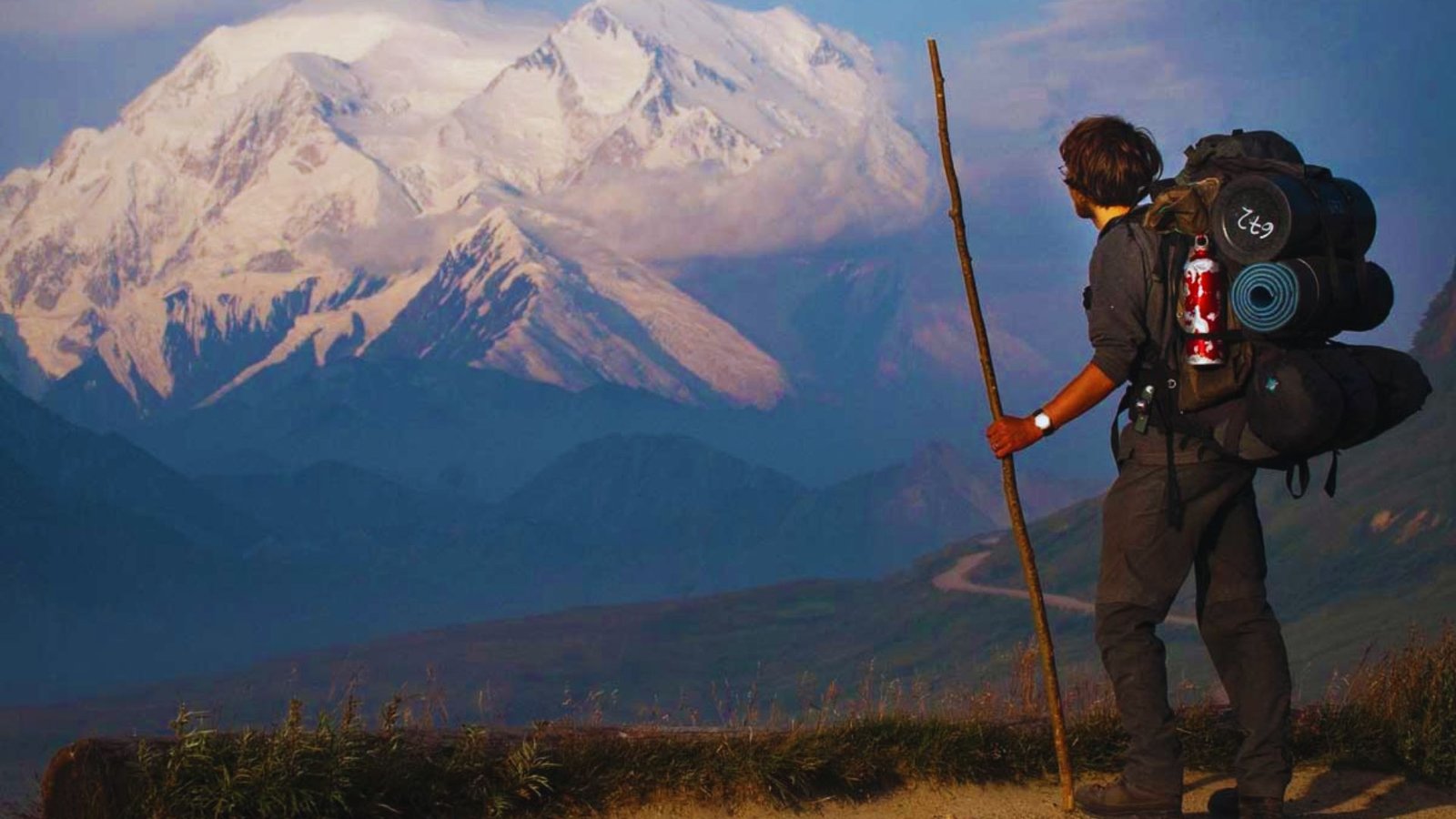
Understanding when solo hiking becomes risky helps you make smarter decisions about your outdoor plans.
Is Hiking Alone Dangerous in Remote Areas
Remote hiking raises the stakes significantly. Getting hurt far from help is serious. Rescue can take hours or days.
Cell service is often nonexistent in backcountry areas. You can’t call for help easily. Satellite communicators become necessary gear. Remote trails have fewer other hikers. You might go all day without seeing anyone.
route finding is harder in remote areas. Trails might be poorly marked or overgrown. I avoid remote solo hikes unless I’m very experienced with the area.
When Hiking Alone Becomes Risky
Bad weather makes solo hiking dangerous. Thunderstorms, heavy rain, or snow create serious hazards. Winter conditions increase risks dramatically. Cold injuries happen faster when you’re solo.
Difficult terrain like steep climbs or river crossings are riskier alone. Night hiking solo is generally unwise. Visibility drops and wildlife becomes more active.
Medical conditions make solo hiking riskier. If you have health issues, consider hiking with others.
How to Reduce Danger when Hiking Solo
Start with short, easy trails close to civilization. Build your skills gradually before attempting harder routes.
Carry safety gear appropriate for the conditions. This includes route finding tools, first aid, extra food and water, and communication devices.
Hike during optimal times. Avoid extreme heat, cold, or storm seasons. Stay on established trails always. Bushwhacking alone is asking for trouble.
Consider a GPS device or satellite messenger for remote areas. These can save your life when cell service fails.
Common Mistakes to Avoid When Hiking Alone
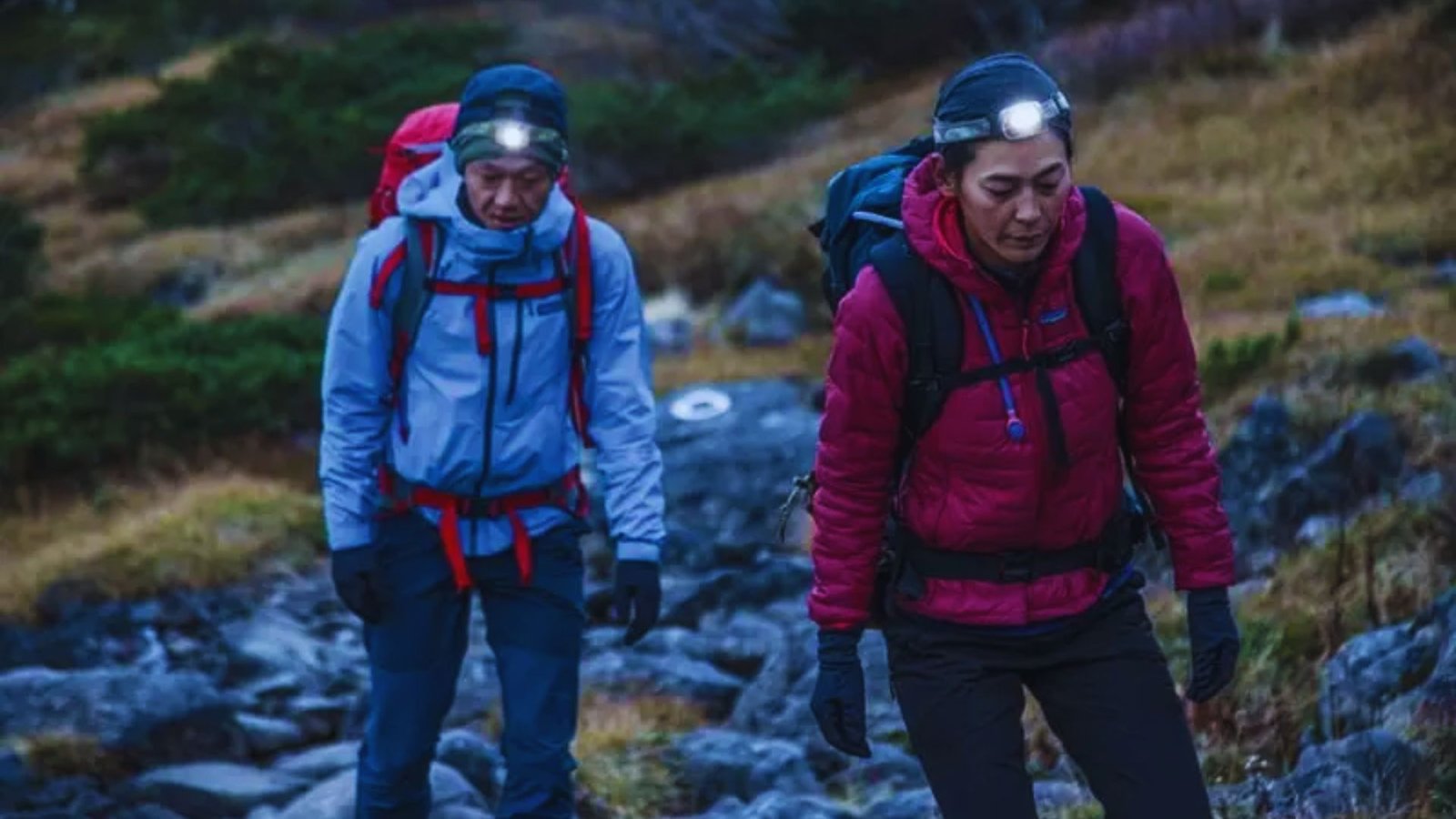
Learning from others’ errors helps you stay safe without learning the hard way on the trail.
Skipping Preparation and Research
Many solo hikers underestimate how important preparation is. They hit the trail without checking conditions or reading about the route.
Not studying the map beforehand causes route finding problems. Failing to check weather forecasts leads to dangerous situations. Mountain weather changes fast and can turn deadly.
Skipping the gear check means forgetting critical items. Make a checklist and use it every time. Not researching wildlife leaves you unprepared for encounters.
Ignoring Weather and Daylight Changes
Starting too late in the day is a common error. You need enough daylight to finish safely. Add buffer time for unexpected delays.
Not watching the sky for weather changes puts you at risk. Continuing when storms approach is dangerous. Poor judgment or overconfidence kills people. Turn back when the weather worsens.
Failing to bring layers for temperature drops causes problems. Not bringing a headlamp means getting caught in darkness. Always carry one even on day hikes.
Overestimating Physical Ability or Experience
Choosing trails too difficult for your skill level causes trouble. Be honest about your abilities. Start easy and progress slowly.
Pushing through pain or exhaustion leads to injuries or mistakes. Listen to your body. Ignoring warning signs like dizziness or chest pain is foolish. These signal serious problems.
Not accounting for altitude effects catches people off guard. Higher elevations tire you faster. Trying new gear or skills on solo hikes is risky. Test everything with others first.
Tips for Hiking Alone Safely
- These practical steps will help you prepare properly and handle challenges when you’re on your own.
- Research your trail thoroughly and check recent trip reports, weather forecasts, and trail conditions online
- Choose well-marked, beginner-friendly trails with good signage and ranger patrots
- Share your complete hiking plan with someone trustworthy including trailhead location, route name, and expected return time
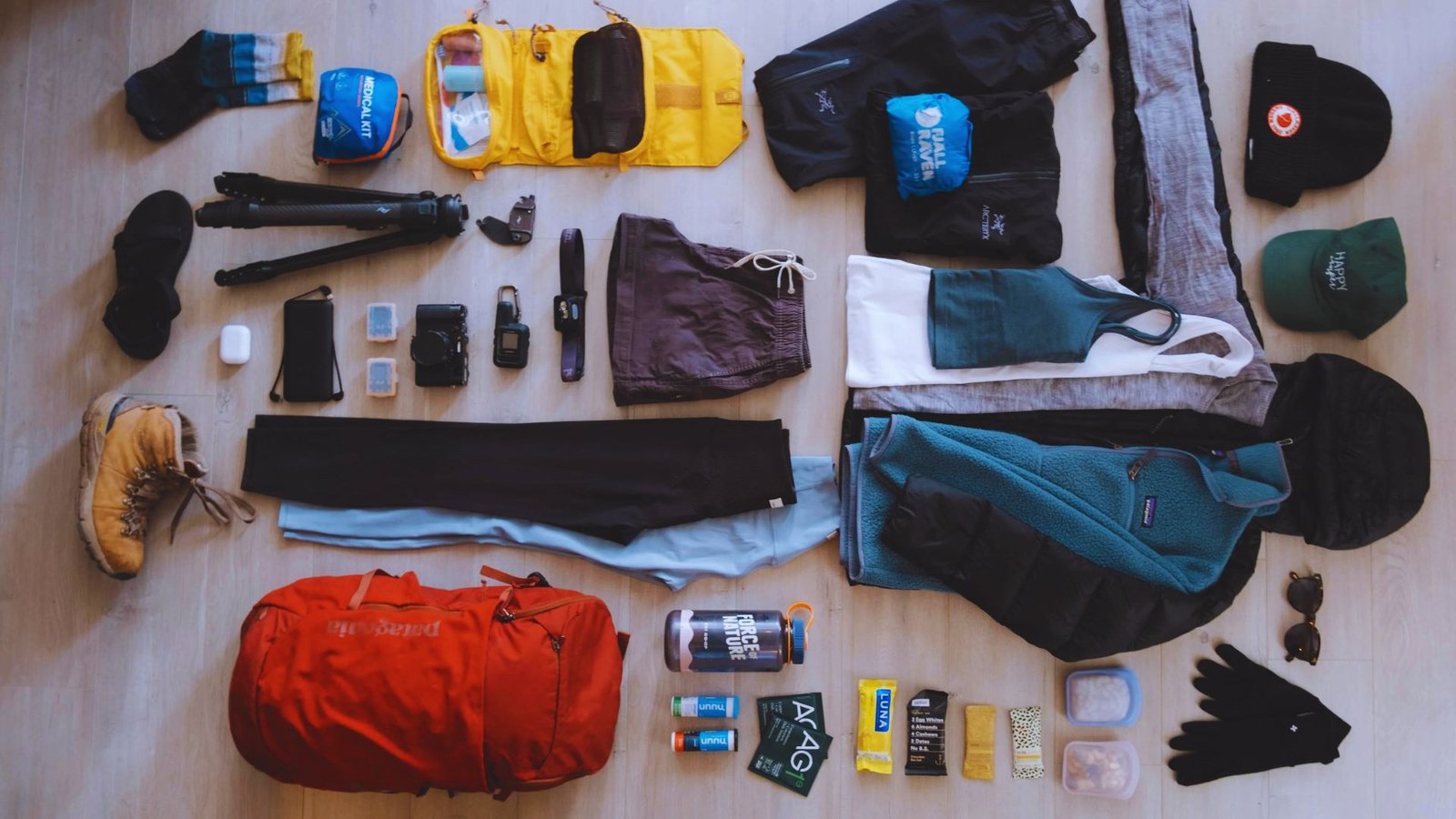
- Pack charged phone with battery pack, paper map and compass, first aid kit, whistle, extra water and snacks, and headlamp
- Stay alert and trust your instincts, turn back immediately if something feels wrong
- Sign trail registers and tell park rangers your plans at the trailhead
Conclusion
Solo hiking is completely safe when you prepare well and make smart choices. I’ve learned that confidence on the trail comes from knowing I’ve done my homework and packed properly.
Start with easy trails, tell someone your plans, and trust your instincts out there. The freedom of hiking alone is worth the extra planning it requires.
Every solo hike teaches me something new about myself and the outdoors.
Which hiking alone safety tips will you use first? Share your solo hiking experiences in the comments below.
Get out there and enjoy the trail on your own terms.
Frequently Asked Questions
What Should I do if I get Lost while Hiking Alone?
Stop moving and stay calm. Use your map and landmarks to figure out where you are. If you can’t find the trail, stay put and call for help or use your whistle.
Is it Better to Hike Alone in the Morning or Afternoon?
Morning is safer for solo hiking. You have more daylight ahead and the weather is usually calmer. Finish before afternoon storms build in mountain areas.
What Gear is Most Important for Solo Hikers?
Phone with battery pack, map and compass, first aid kit, extra food and water, whistle, and headlamp are critical. Communication devices matter most when you’re alone.
How do I Build Confidence for Hiking Alone?
Start with short, easy trails near busy areas. Gradually increase distance and difficulty. Hike the same trail multiple times to build familiarity before trying new routes.
Should I tell Park Rangers I’m Hiking Alone?
Yes, if rangers are available at the trailhead. Sign trail registers and inform rangers of your plans. This creates a record if search teams need to find you.