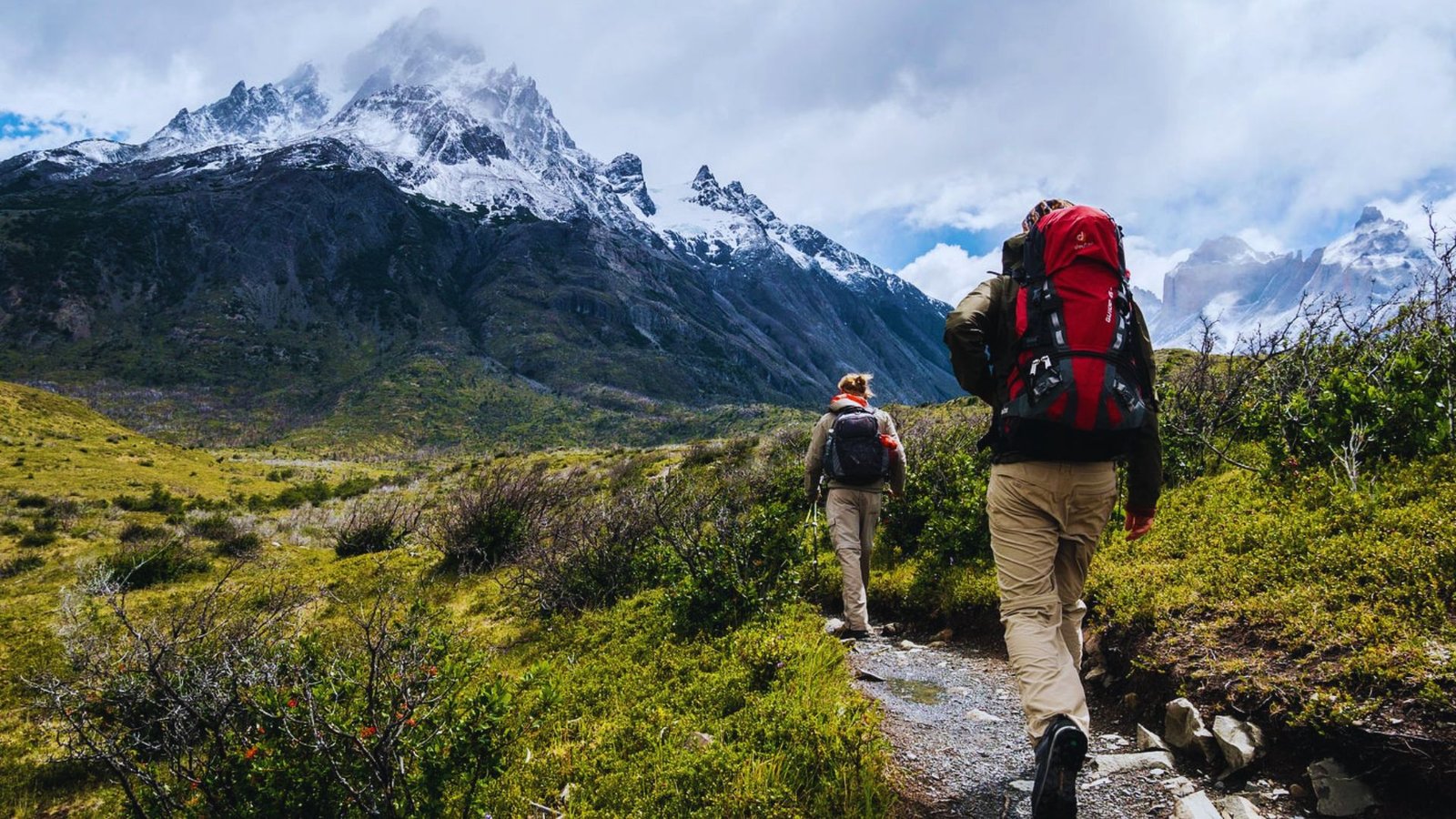

I started my hiking hobby two years ago, and it changed how I spend my weekends. You’re here because you want to start hiking but don’t know where to begin. I get it.
This guide will walk you through everything you need, from choosing your first trail, packing the right gear, staying safe, and building confidence on the path.
I’ve learned from my own mistakes and wins on the trails. You’ll learn what hiking really involves, how to plan properly, what to bring, and how to make this hobby stick.
Let’s get you ready for your first hike.
Hiking Hobby Description and Core Basics
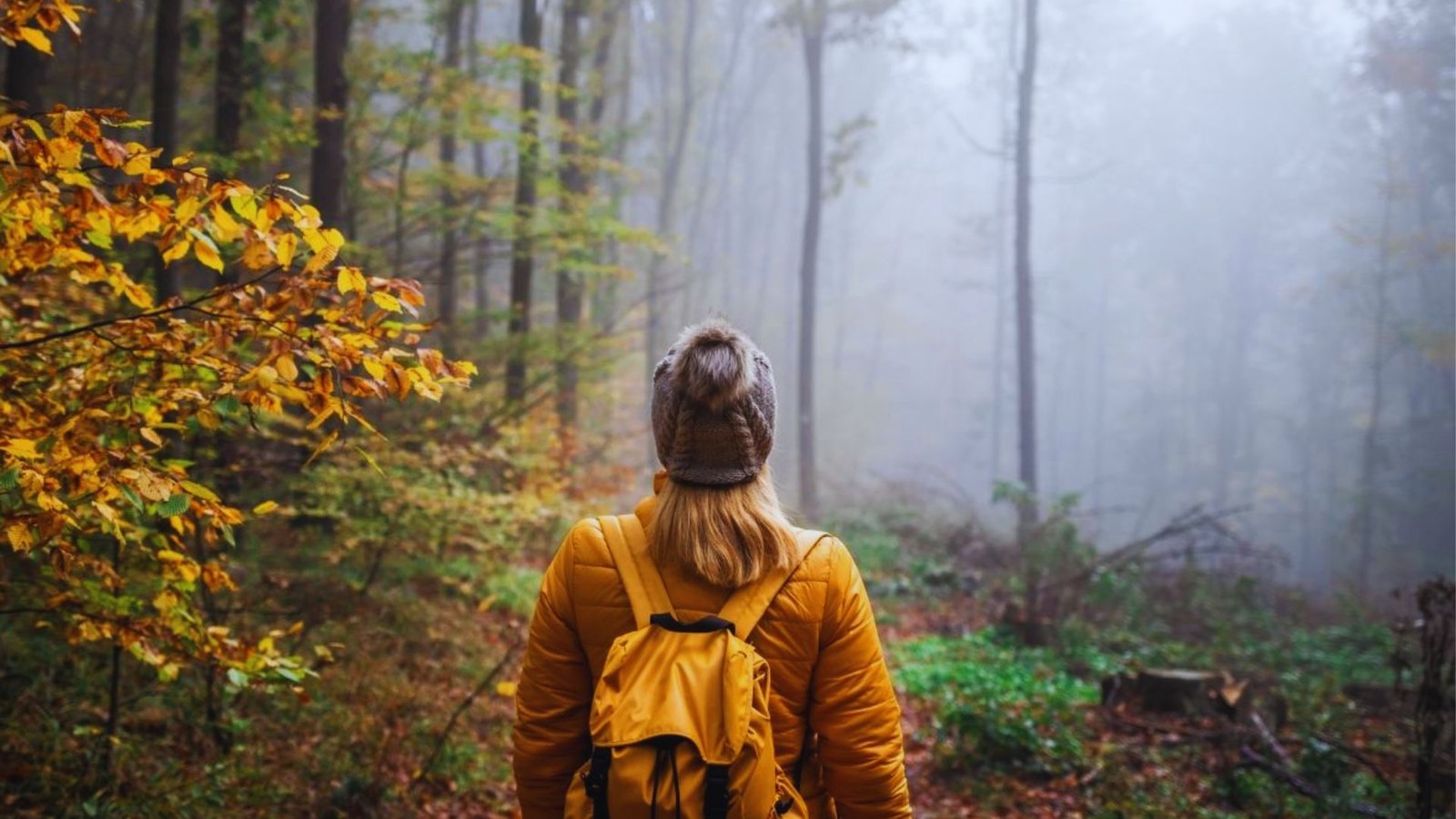
Here’s what hiking actually means and how it’s different from your everyday walks around the neighborhood or local parks.
What does a hiking hobby actually mean? It’s walking on trails for fun, fitness, or both. You pick a path, wear good shoes, and spend time outside. Trails can be smooth dirt paths or rocky mountain routes. Hiking is different from walking around your neighborhood.
Trails have changes in height, uneven ground, and natural settings. Some trails are flat and easy. Others climb steep hills. You choose based on what you can handle right now.
Starting Hiking Hobby the Right Way
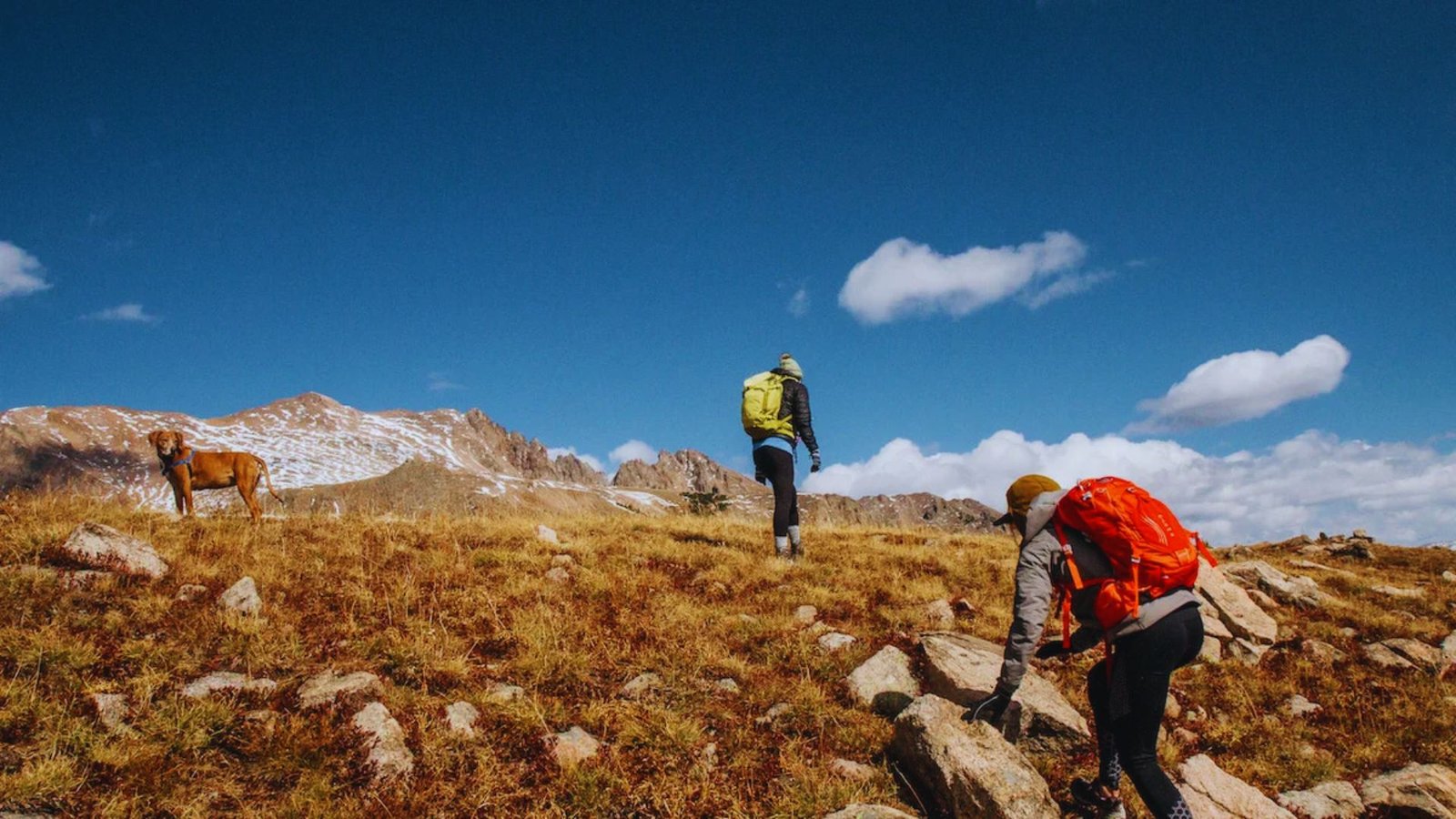
How you start matters, so here’s how to set yourself up for success from day one with smart goals and realistic time planning.
Setting Realistic First Goals
Set small goals first. Your first hike should be short, maybe 2-3 miles on flat ground. Don’t pick a mountain trail right away. Find trails marked “easy” or “beginner-friendly.” Check online trail databases for ratings.
Planning Your Time on the Trail
Plan for how long you’ll be out. A 3-mile hike might take 1-2 hours with breaks. Add extra time for your first few trips. You’ll walk slower than you think while learning the rhythm of trail walking.
Types of Hiking Beginners Should Know
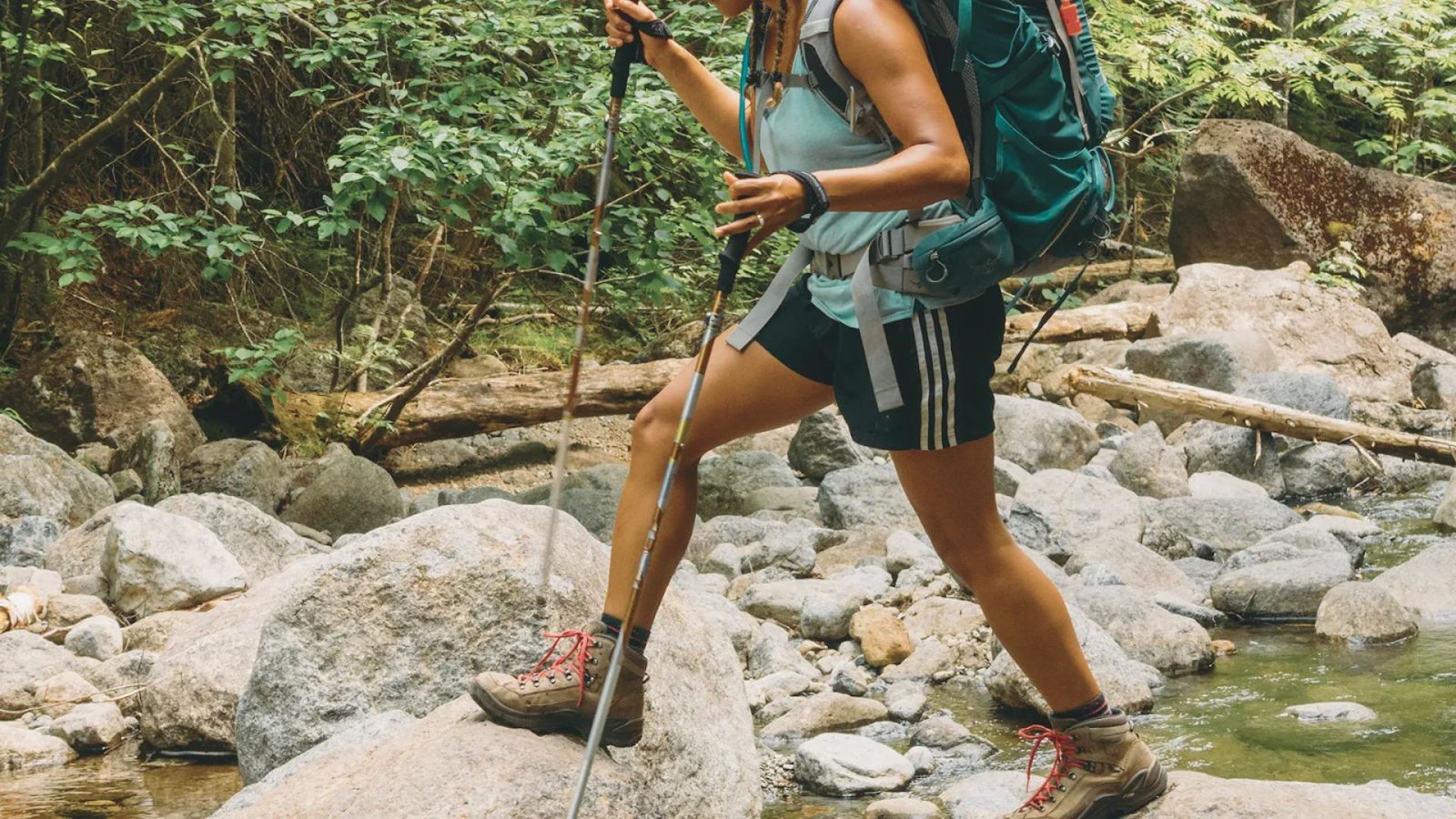
Not all hiking is the same, and knowing the different types helps you pick what fits your goals and skill level.
Day Hiking for Newcomers
Day hiking means going out and coming back the same day. Most beginners start here. You don’t need to carry camping gear or cook on the trail.
Pack a small backpack with water, snacks, and basic safety items. Most day hikes last between 2-6 hours. This gives you time to enjoy nature without the stress of overnight planning.
Backpacking Basics
Backpacking involves camping overnight on the trail with a heavy pack. It requires more gear and experience. You’ll need a tent, sleeping bag, and cooking supplies, making your pack weigh 20-40 pounds.
Fastpacking and Long-Distance Options
Fastpacking combines running and hiking for faster trips. Long-distance hiking means walking trails that take weeks or months. Start with day hikes. Build your strength and knowledge. Then try longer types when you’re ready.
Planning Before You Reach the Trail
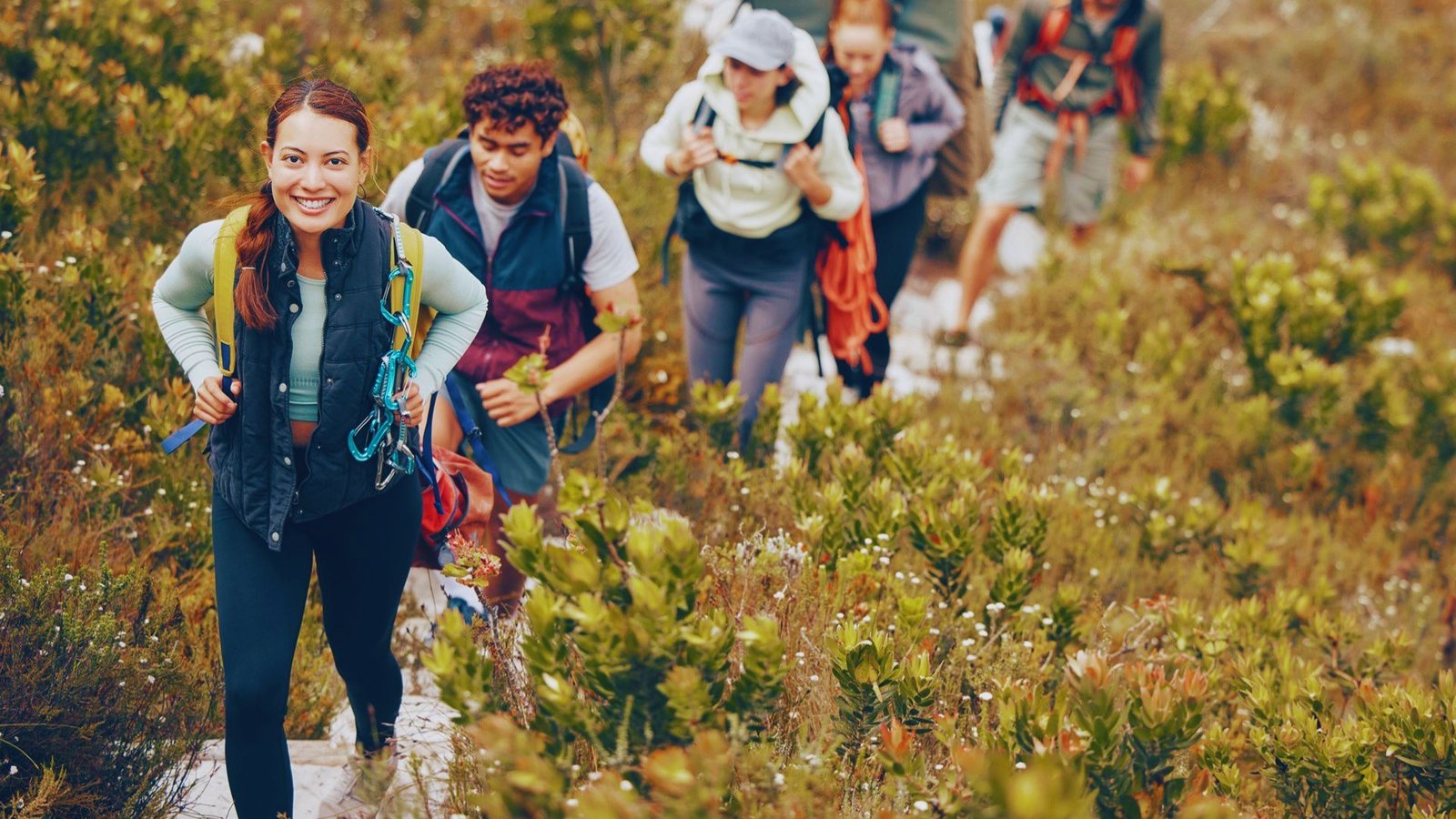
Good preparation makes the difference between a great hike and a stressful one, so research your trail and check permits ahead of time.
Researching Your Trail
Research your trail online first. Use websites like All Trails or local park sites. Check the total distance and how much the trail climbs. A 4-mile hike with 1,000 feet of climbing is harder than a flat 4-mile walk.
Understanding Permits and Access
Some trails need permits or parking passes. Check if you need to reserve spots ahead of time. Read recent reviews from other hikers. They’ll mention current trail conditions and problems to watch for.
Weather and Trail Conditions
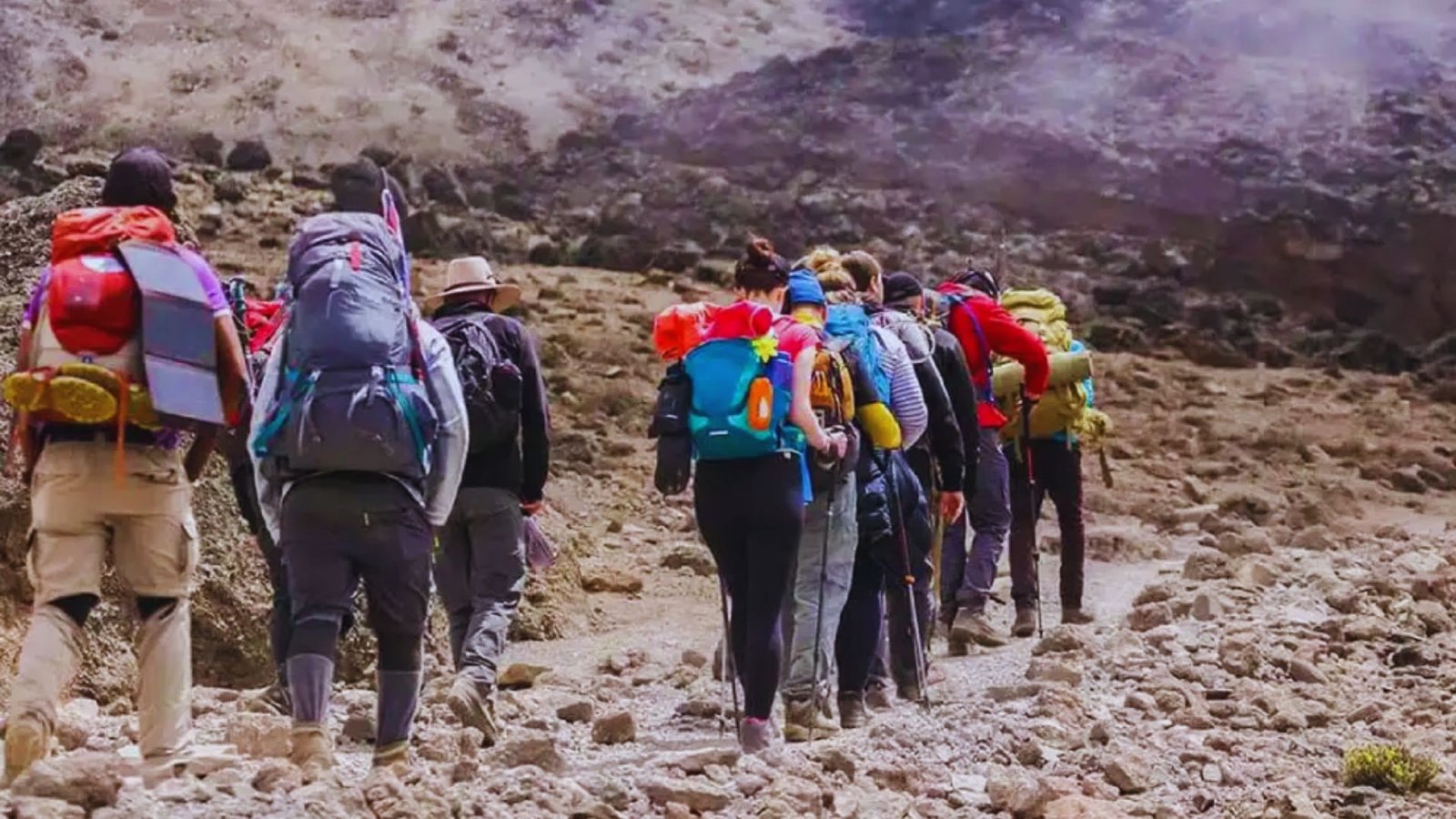
Mother nature decides if your hike is safe or dangerous, so always check conditions before you leave home.
Checking the Forecast
Always check the forecast before you leave home. Rain makes trails slippery and dangerous, hot days need extra water, and cold weather requires warm layers.
Check the weather again the morning of your hike, as conditions can change quickly in mountainous areas.
Seasonal Trail Changes
Different seasons bring different challenges. Spring trails might have mud or snow. Summer brings heat and bugs. Fall has shorter daylight hours. Winter can close some trails completely.
Look for trail status updates on official park websites. Closed trails are closed for your safety.
What to Bring When Starting Hiking Hobby?
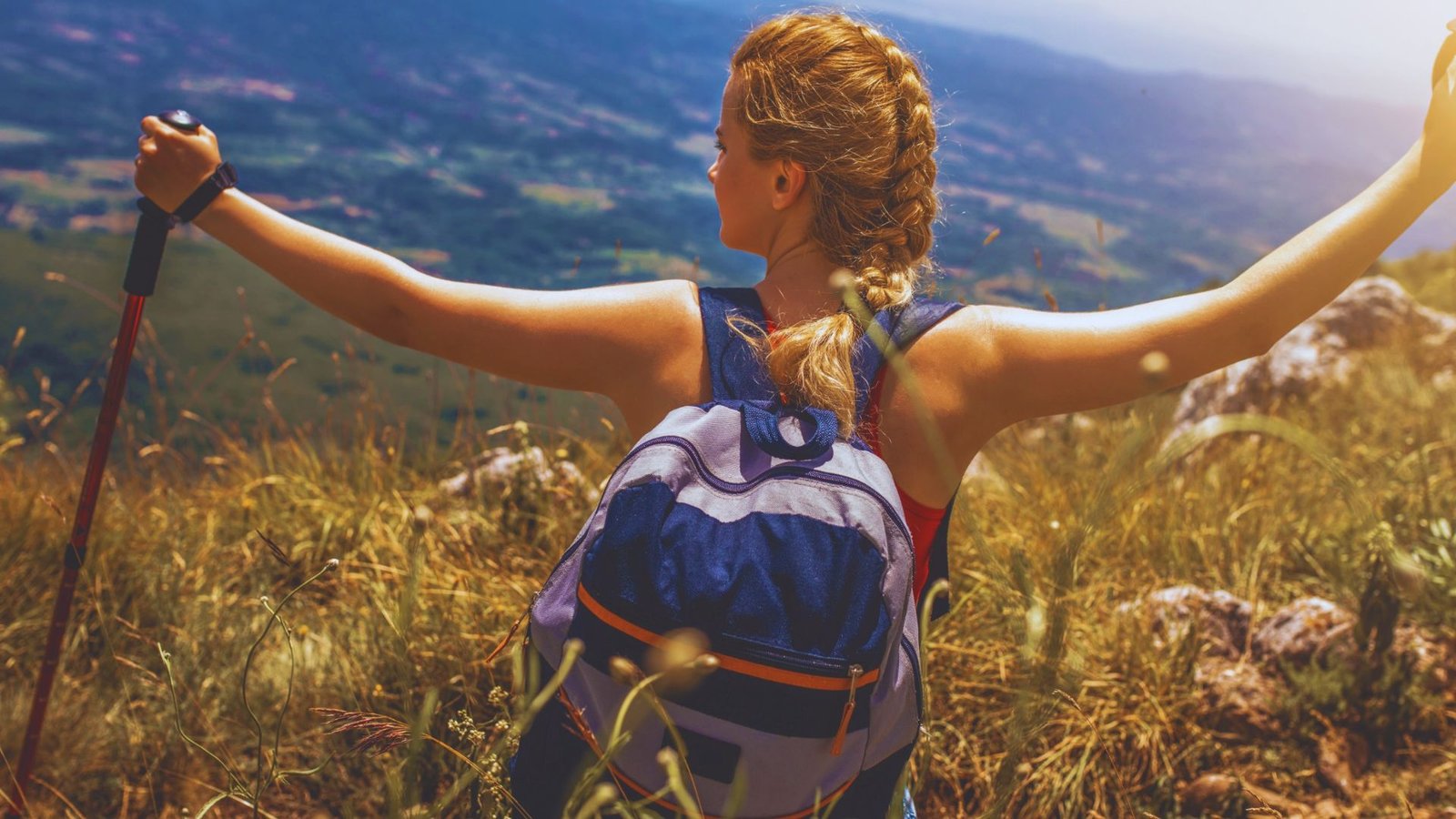
Packing the right items keeps you comfortable and safe on the trail, even on short and easy hikes.
Choosing the Right Backpack
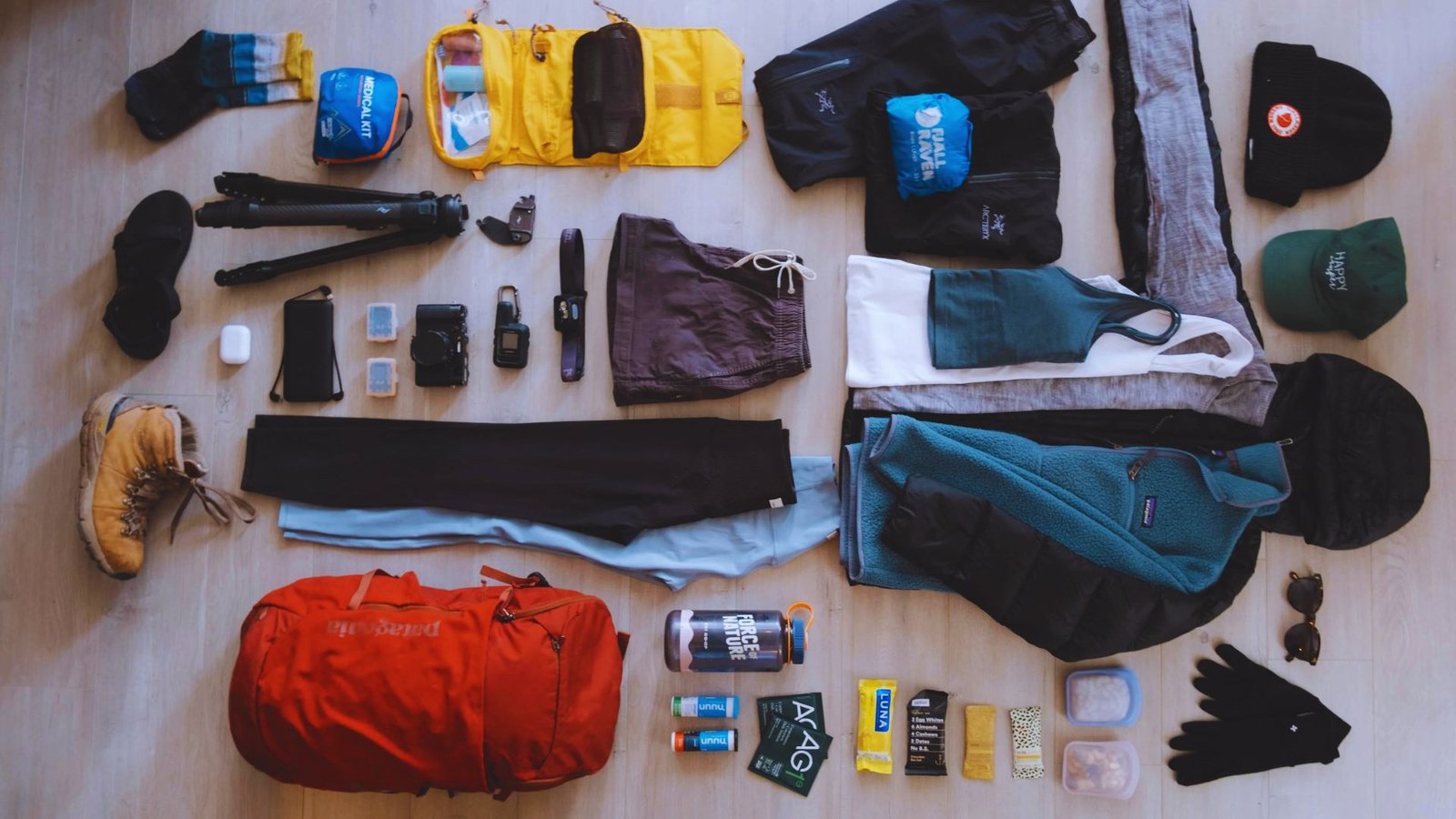
Your backpack should fit well and not hurt your shoulders. Bring a first aid kit with bandages and pain medicine. Pack a flashlight or headlamp even for day hikes. Carry a map or download trail maps on your phone.
Water and Food Planning
Bring more water than you think you need. A good rule is one liter per two hours of hiking. Pack snacks with protein and carbs like nuts, bars, or fruit. Don’t forget sunscreen and a hat.
What to Wear for a Hiking Hobby?
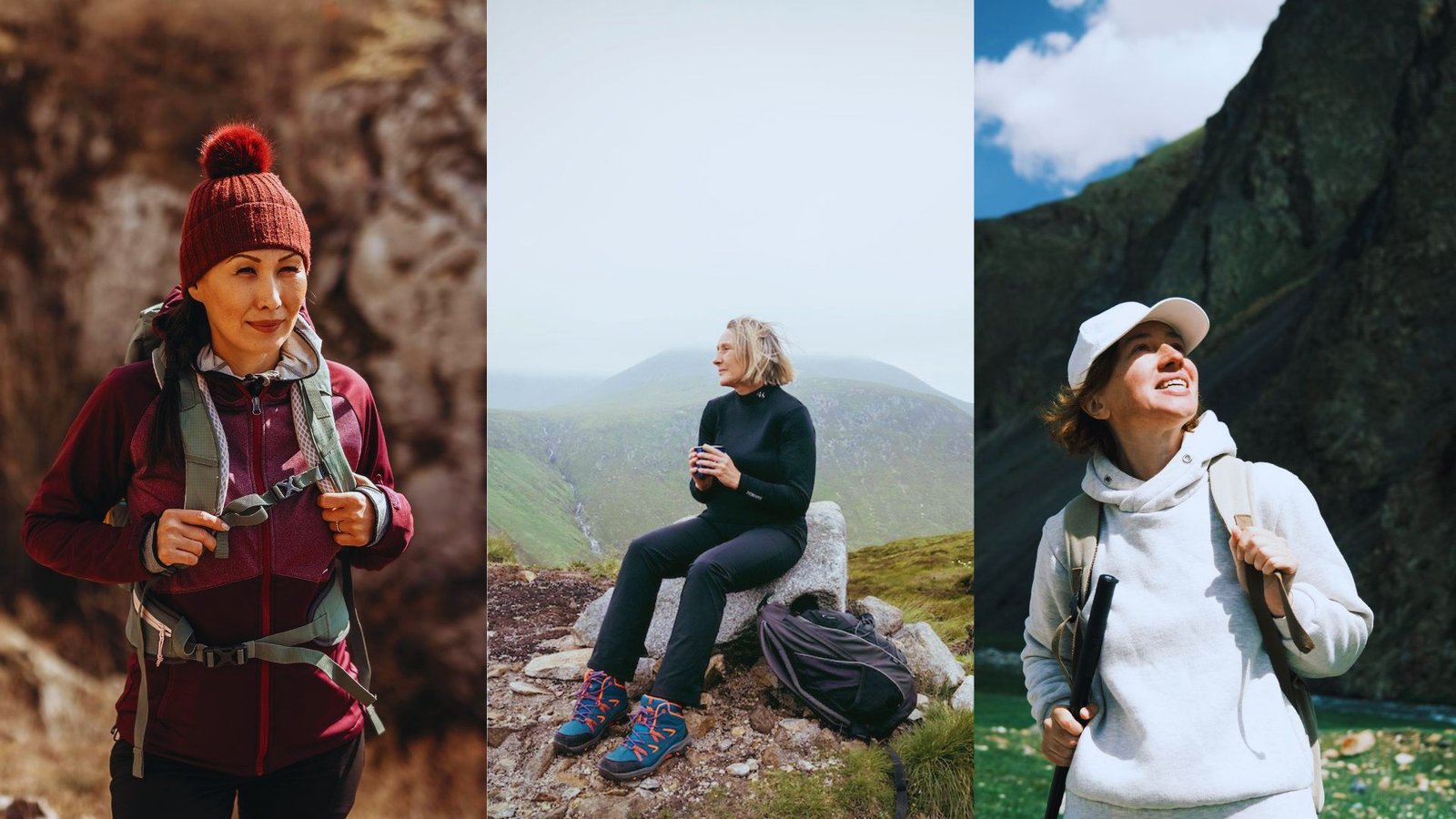
The right clothing makes hiking easier and protects you from the elements no matter what season you hike in.
Choosing the Right Fabrics
Avoid cotton clothing. It stays wet and makes you cold. Wear synthetic fabrics or merino wool that dry fast. Use layers you can add or remove. Start with a base layer, add an insulating layer, and bring a waterproof outer layer.
Footwear Selection Tips
Good hiking boots or trail shoes matter more than fancy clothes. Your footwear should have grip and ankle support. Break in new shoes before your first long hike to avoid blisters.
Managing Common Beginner Concerns
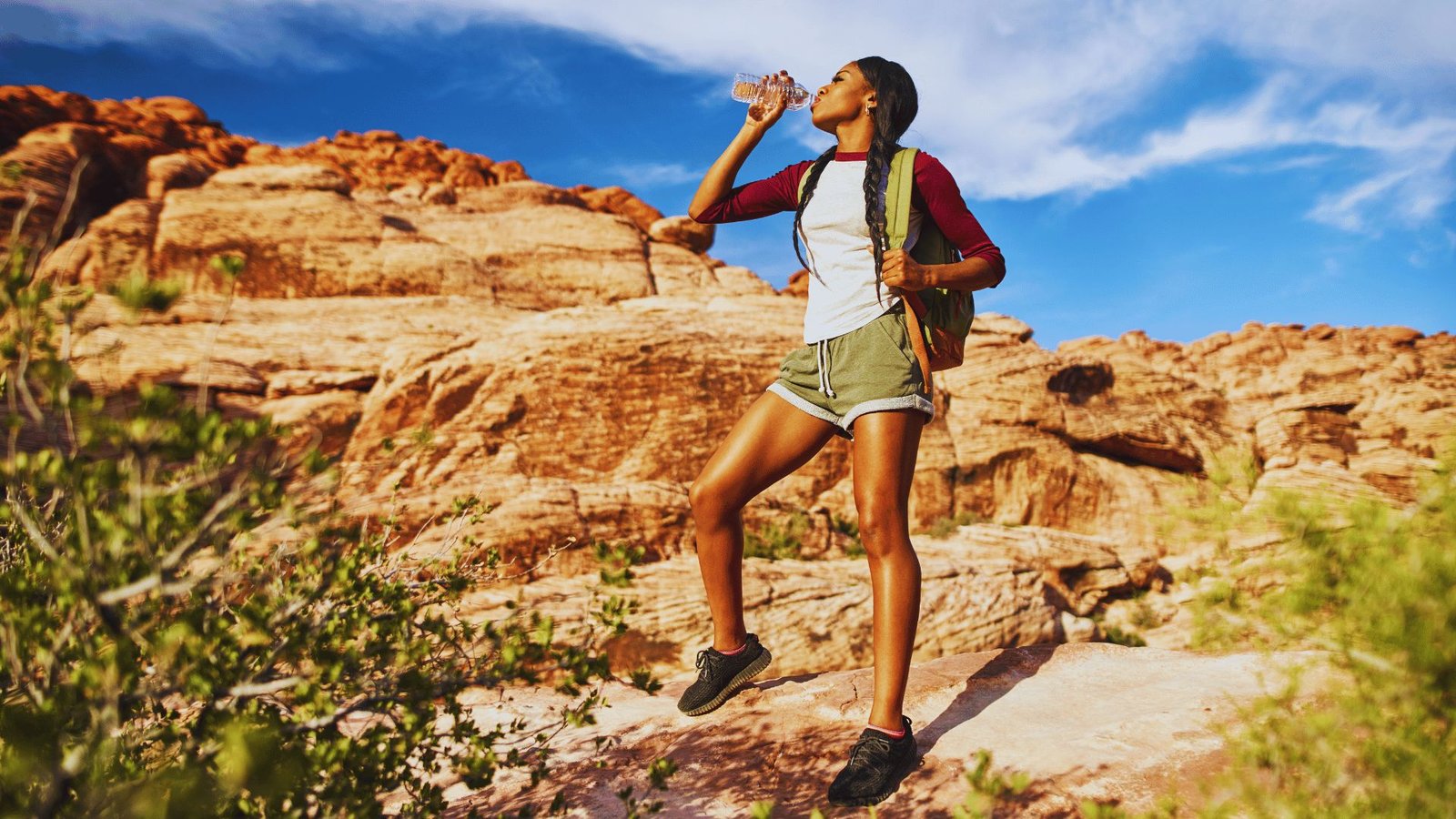
Every new hiker worries about these things, but they’re all manageable with the right approach and common sense.
Avoiding Getting Lost
Getting lost worries most new hikers. Stay on marked trails. Look for blazes, cairns, or signs. If you’re unsure, turn back to the last marker you saw.
Wildlife Awareness
Wildlife is usually more scared of you than you are of them. Make noise while walking. Don’t approach animals. Store food properly.
Hiking with Others
Hiking with others helps build confidence. Join local hiking groups or bring friends. You’ll learn from people with more experience.
Trail Etiquette for a Responsible Hiking Hobby
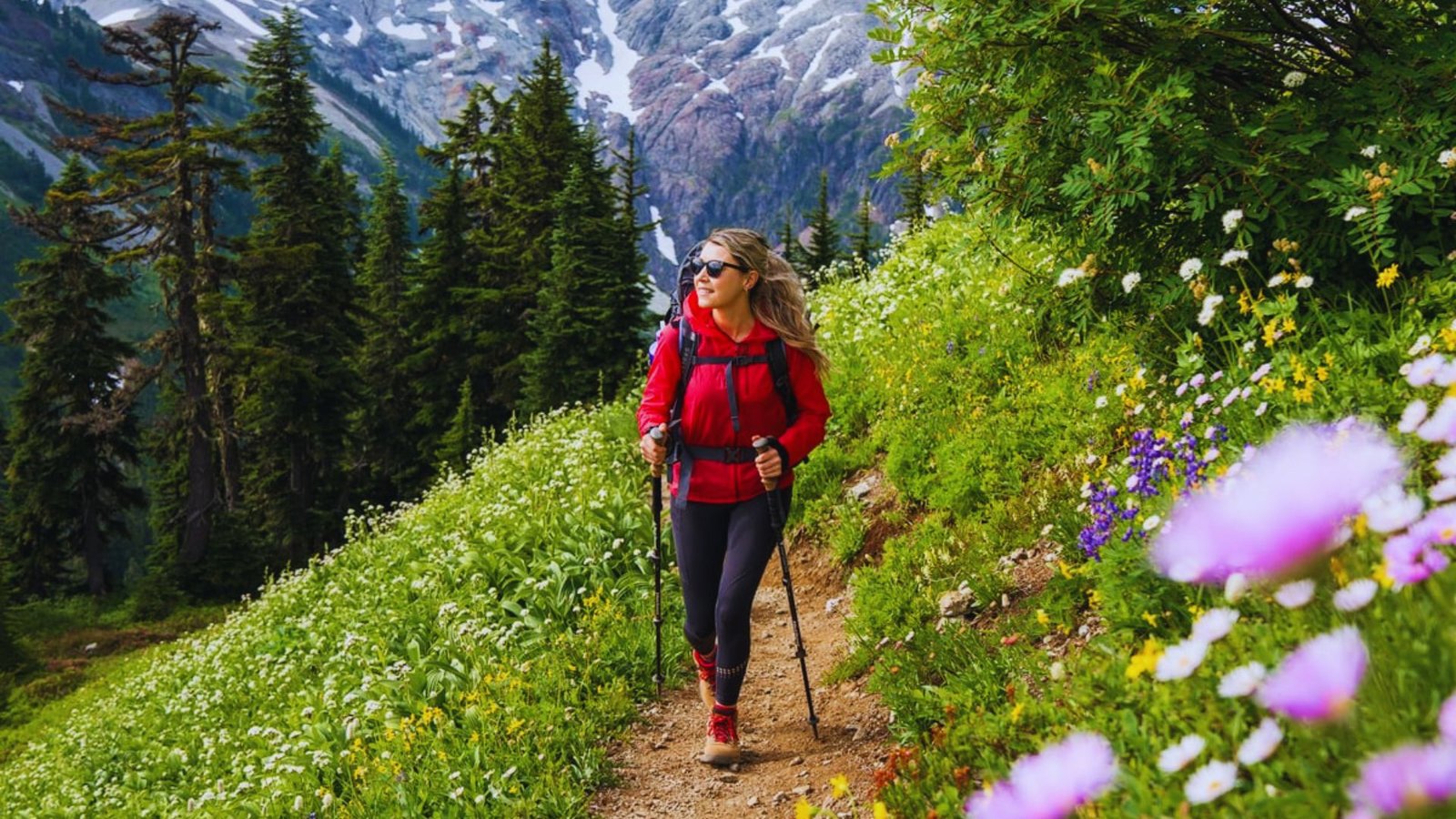
Following trail rules keeps everyone safe and protects nature for future hikers who want to enjoy these trails.
Respecting Other Hikers
Uphill hikers have the right of way. Step aside if you’re coming downhill. Pass others on the left and say “hello.” Move to the side of the trail when stopping for breaks or photos.
If you’re hiking with a group, walk single file on narrow paths. Let faster hikers pass you when they ask politely.
Leave No Trace Principles
Pack out everything you bring in. Yes, that includes food wrappers and toilet paper. Stay on the trail even when it’s muddy. Cutting corners damages plants and causes erosion.
If you need to use the bathroom on the trail, go at least 200 feet away from water sources. Bury waste 6-8 inches deep and pack out toilet paper in a sealed bag.
Keeping Trails Peaceful
Keep noise levels reasonable. Others came for nature sounds, not your music. Use headphones if you want to listen to something while hiking. Talk at normal volumes with your hiking partners.
Loud conversations and music disturb wildlife and ruin the experience for other hikers seeking quiet time in nature.
Getting Involved With Trail Care
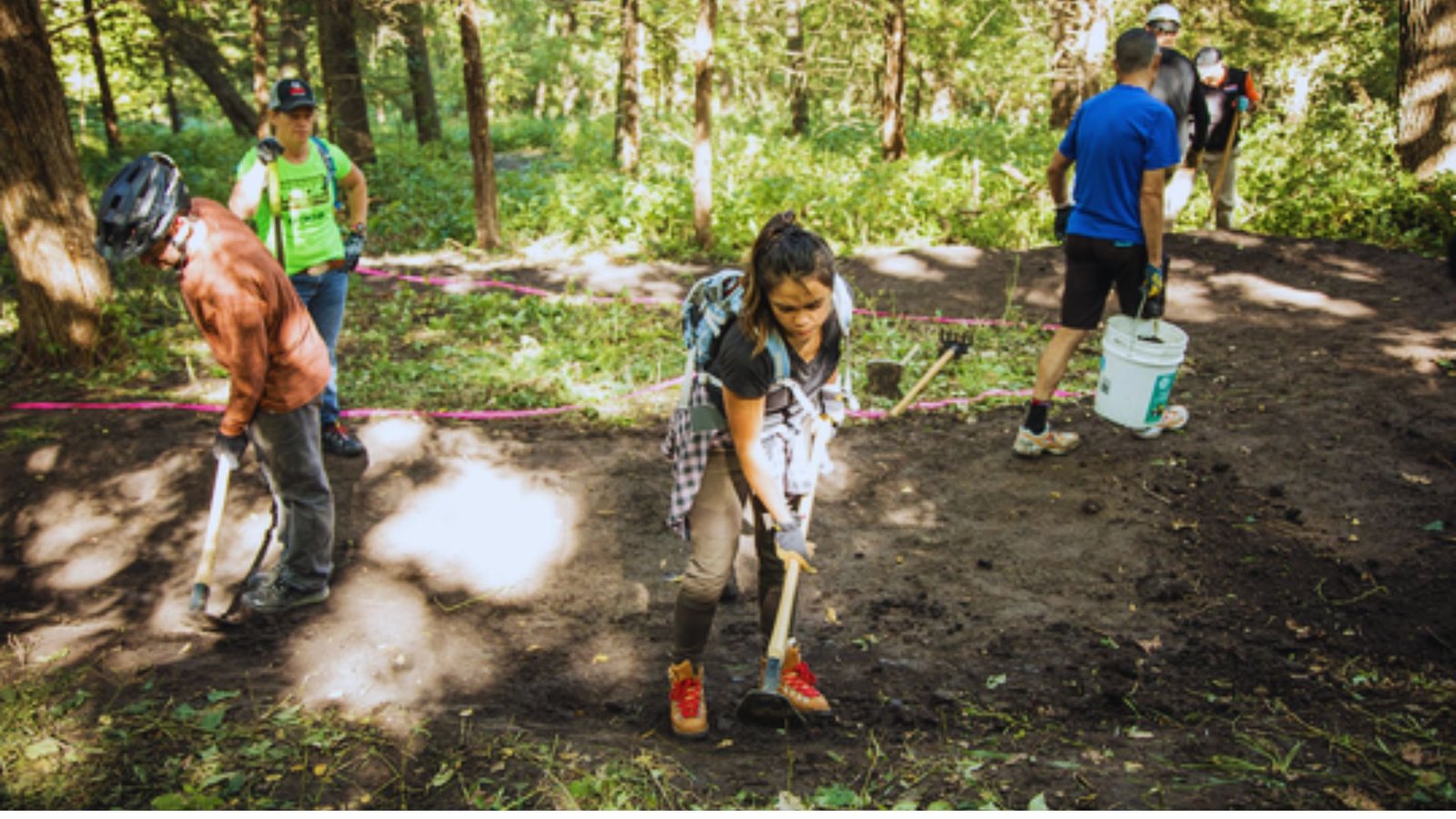
Trails don’t maintain themselves, and you can help keep them open, safe, and accessible for all hikers.
Volunteer Opportunities
Trails need maintenance to stay safe and usable. Look for volunteer days with local hiking clubs or park services. You’ll help clear brush, fix erosion, or mark trails. It’s a great way to meet other hikers.
Supporting Trail Organizations
Many areas have “Friends of” groups that support specific parks. Supporting these organizations helps keep trails open. Some groups host group hikes and skill-building workshops for beginners.
Safety Tips for a Hiking Hobby
These simple safety steps can prevent problems and keep your hikes fun, safe, and worry free always.
- Tell someone where you’re going and when you’ll be back. This is basic safety.
- Know your limits. If you feel tired or the trail gets too hard, turn around. There’s no shame in heading back early.
- Bring a charged phone but don’t rely on cell service. Many trails have no signal.
- Learn basic first aid.
- Know how to treat blisters, scrapes, and sprains.
Conclusion
Your hiking hobby starts with one simple step onto a trail. I remember my first hike feeling nervous about every little thing. Now it’s my favorite part of the week. Start small, stay safe, and give yourself time to learn.
The trails will always be there when you’re ready for more. Don’t wait for perfect conditions or perfect fitness. Just pick an easy trail and go.
You’ll learn something new each time you walk outside. What’s stopping you from planning your first hike this weekend? Share your hiking plans or questions in the comments below.
Frequently Asked Questions
How do I choose my first hiking trail?
Look for trails rated “easy” with less than 3 miles total distance. Pick something close to home with good reviews. Flat trails or loops work best for your first few hikes.
What should I bring on a short day hike?
Pack water, snacks, a first aid kit, sunscreen, and a map. Bring a charged phone and tell someone where you’re going. Dress in layers you can adjust.
Can I start a hiking hobby if I’m not very fit?
Yes, absolutely. Start with short, flat trails and build up slowly. Hiking at your own pace improves fitness over time. Listen to your body and rest when needed.
How much does starting a hiking hobby cost?
You can start with basic items you already own. Good shoes are the main investment, usually $60-120. Everything else can be borrowed or bought gradually as you hike more.
Is it safe to hike alone as a beginner?
Starting with others is safer while you learn. Join local groups or bring friends. If you hike alone, pick popular trails, tell someone your plans, and stay on marked paths.