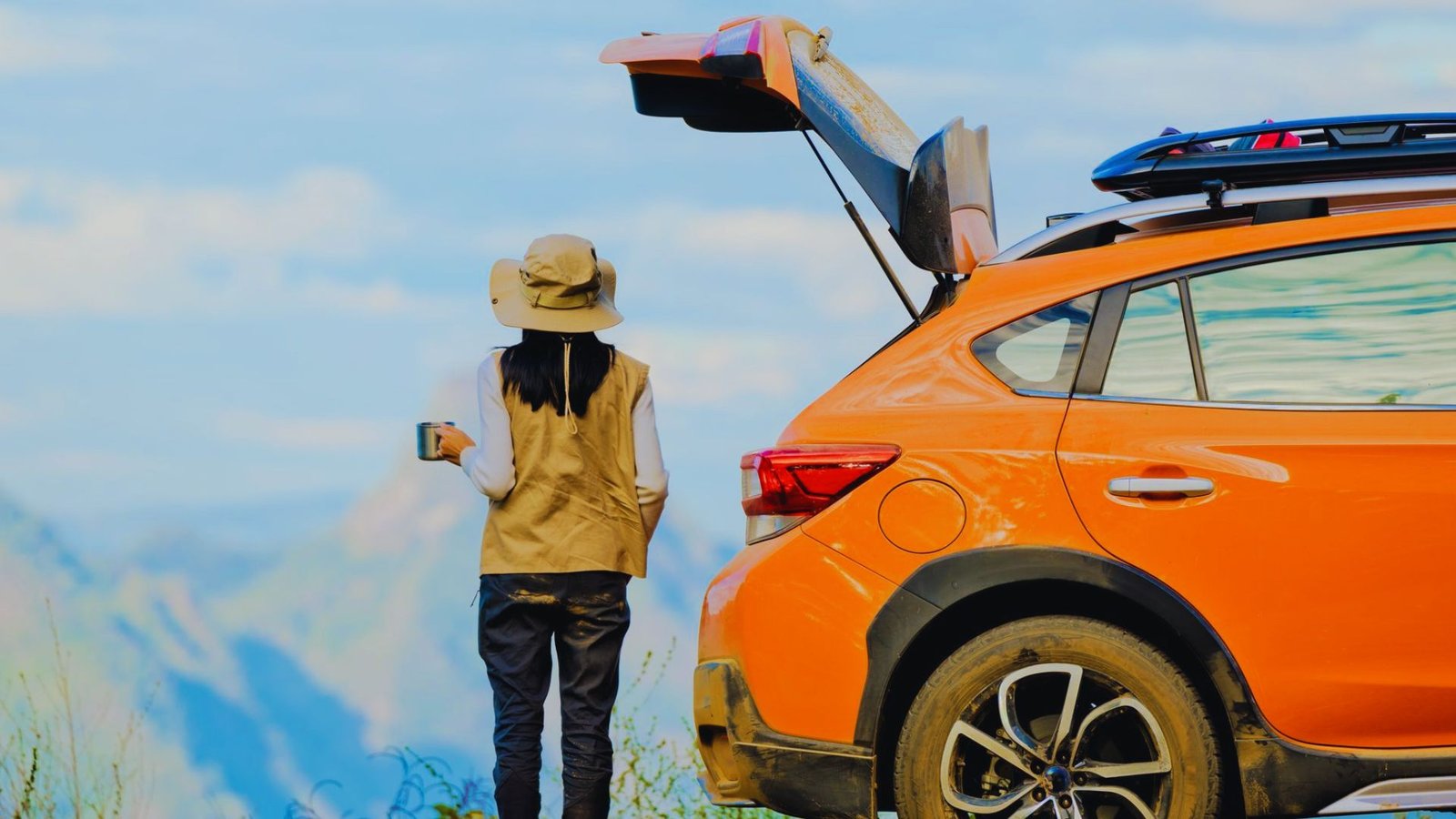

Road trip camping lets you travel freely while saving money on hotels. I’ve spent years camping from my car, and I’m here to help you do it right.
This guide covers planning your route, choosing the right vehicle, packing basic gear, and staying safe on the road.
You’ll learn about campground booking, food prep, and budget tips. I’ll show you how to sleep comfortably in your car and avoid rookie mistakes.
Road trip camping works for solo travelers, couples, and families. Trust me-I’ve made every mistake so you don’t have to.
Let’s get you ready for your first trip.
What Is Road Trip Camping?
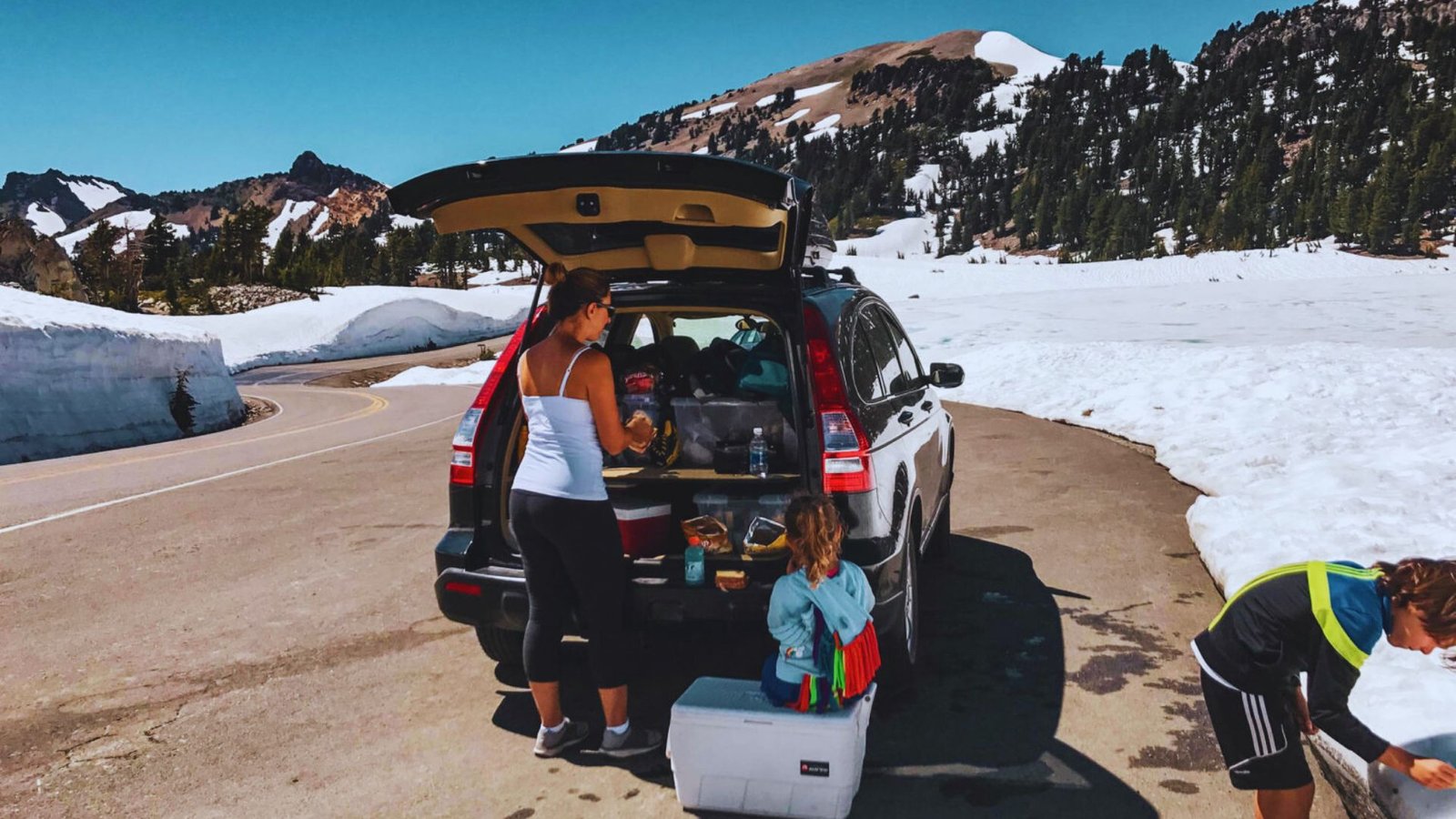
Alt Text: A woman and a child are packing a car with luggage, preparing for a road trip camping adventure.
Road trip camping means traveling by car and sleeping at campgrounds or in your vehicle along the way. It’s different from traditional camping where you drive to one spot and stay put. With road trip camping, you move from place to place, visiting new areas each day.
You can camp in national parks, state forests, or even rest stops. The car becomes your mobile basecamp. You pack light but smart, bringing only what fits in your vehicle. This style works great for seeing road trip camping across America or tackling solo road trip camping trips.
It’s camping meets road travel. You get the freedom of the open road plus the low cost of outdoor sleeping. No fancy RV needed-just a reliable car and the right gear.
How to Plan a Road Trip Camping Experience
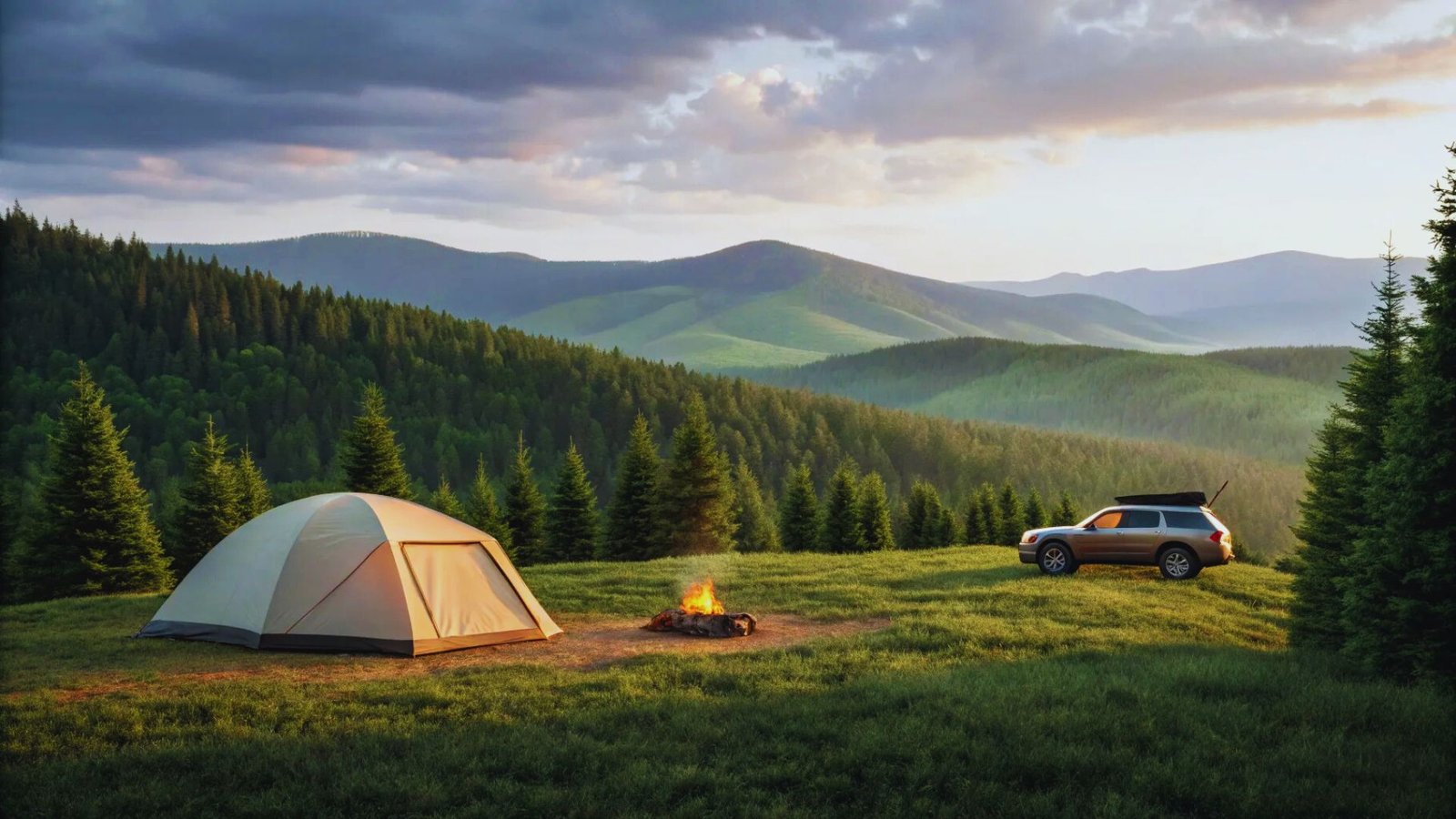
Alt Text:Scenic view of a mountain campsite with tents, surrounded by trees and a clear blue sky, ideal for a road trip adventure.
Map your route, timing, and destinations before hitting the road
Choosing the Best Road Trip Camping Destinations
Pick places that match your interests. Love beaches? Head to coastal campgrounds. Prefer mountains? Choose national parks with hiking trails. Start with popular spots like Yellowstone or Yosemite if you’re new.
Check if campgrounds allow tent camping or car camping. Read reviews online to see what other campers say. Look for destinations with multiple campgrounds nearby for backup options. Mix famous spots with hidden gems to avoid crowds.
Road Trip Camping Planner Route & Timing
Use a road trip camping planner app or spreadsheet to organize your stops. Plot your route on Google Maps first. Don’t plan more than 4-5 hours of driving per day. Book summer trips in winter for popular routes.
Spring and fall offer fewer crowds and lower prices. Avoid holiday weekends unless you book months ahead. Leave buffer days for rest or weather delays.
How Long Should a Road Trip Camping Trip Be?
Start with 3-5 days for your first trip. Experienced campers can go 2-3 weeks or longer. Weekend trips work for nearby destinations.
Cross-country routes need at least 10-14 days. Factor in drive time-you’ll spend about 30% of your trip behind the wheel.
Road Trip Camping by Car What You Should Know
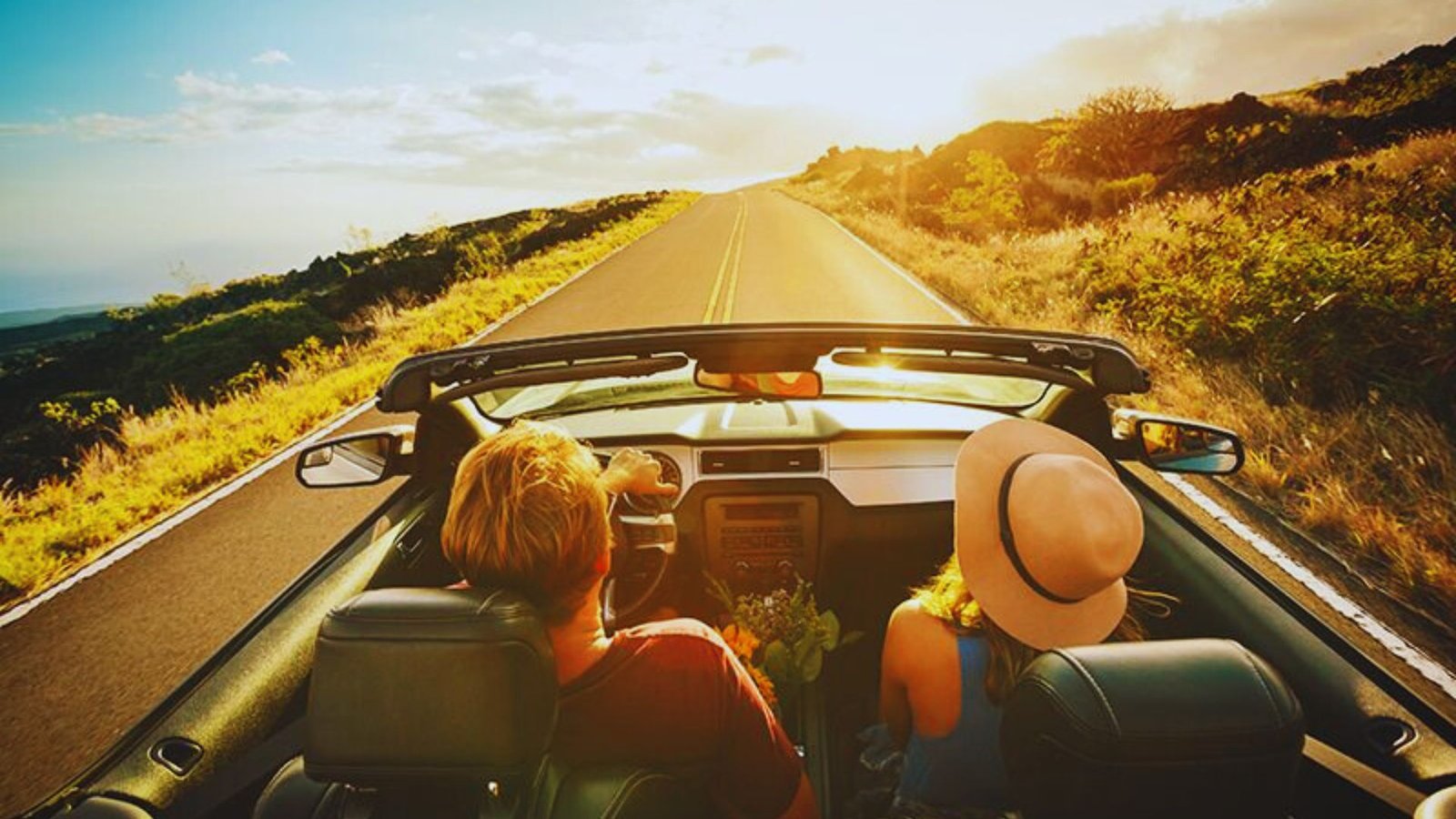
Alt Text: Two people enjoying a road trip in a convertible car, driving along a scenic road.
Understand vehicle options and legal requirements for car camping
Road Trip Camping Car vs Van vs RV
Road trip camping car setups are the cheapest option. Cars get better gas mileage than vans or RVs. Vans offer more sleeping space and storage.
RVs provide toilets and showers but cost more to drive and park. Choose based on your budget and trip length.
Best Road Trip Camping Vehicle for Comfort
The best road trip camping vehicle depends on how you sleep. SUVs let you fold seats flat for a bed. Hatchbacks work if you’re under 6 feet tall.
Minivans give families room to spread out. Test your sleeping setup at home before leaving. Add a foam mattress topper for comfort.
Road Trip Camping Car USA Rules & Basics
Road trip camping car USA laws vary by state and city. Some places ban sleeping in vehicles. National forests often permit free dispersed camping. Cities usually prohibit overnight parking on streets.
Walmart and some rest stops let travelers park overnight. Always check local rules before sleeping in your car. Keep window curtains for privacy and park in well-lit areas.
Booking Campgrounds & Overnight Parking
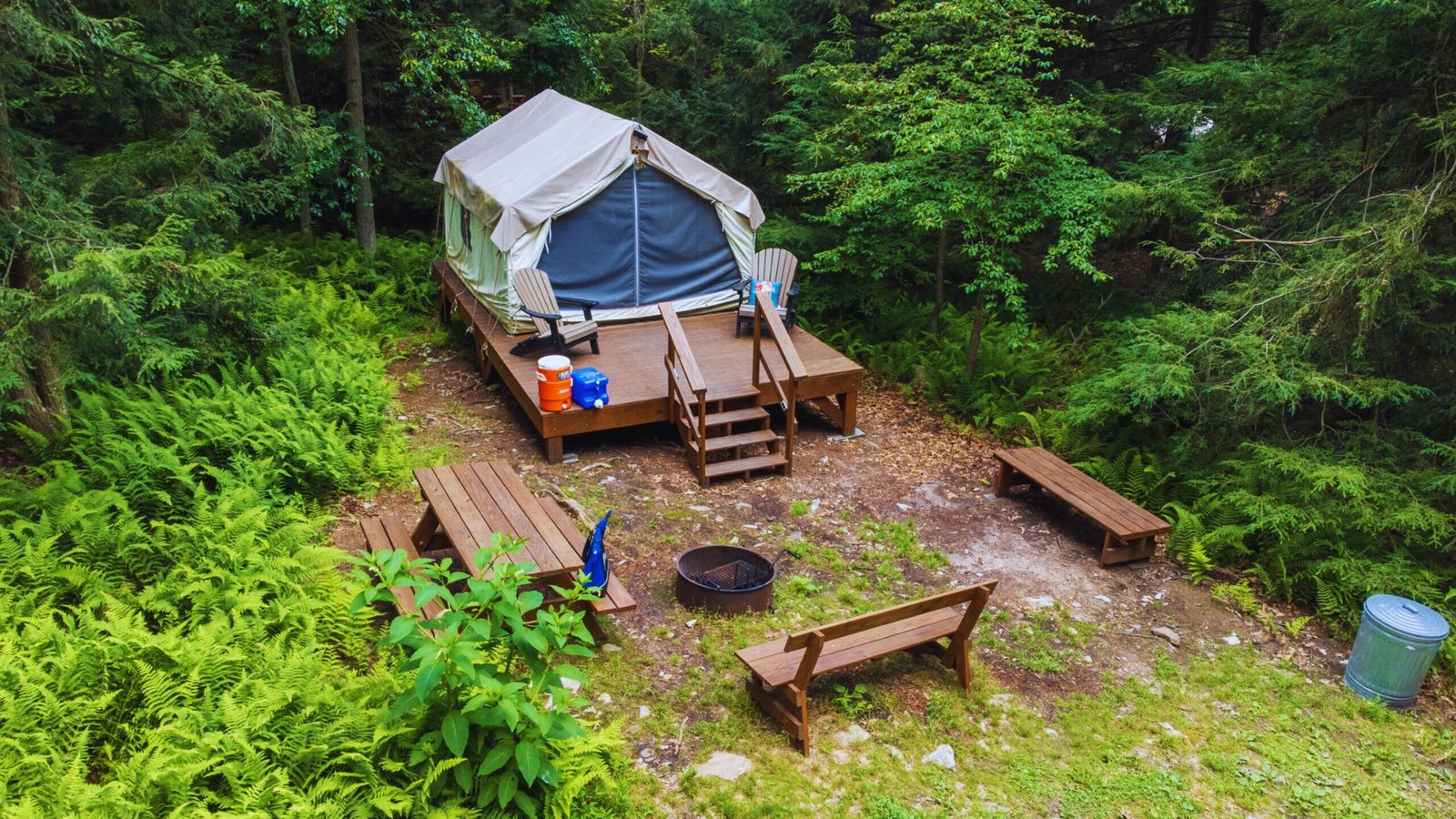
Alt Text: A tent set up in the woods beside a picnic table and benches, ideal for camping and outdoor gatherings.
Secure camping spots and know your free vs paid options
Free vs Paid Camping on a Road Trip
Free camping exists on public lands like national forests and BLM areas. You get no amenities. Paid campgrounds offer showers, toilets, and sometimes wifi.
Prices range from $10 to $50 per night. Mix both to save money. Apps like iOverlander show free camping locations.
When to Book Campsites for Popular Routes
Book national park campgrounds 6 months in advance. Popular routes need 2-3 months advance booking. Summer requires the longest lead time.
Some campgrounds keep sites for walk-ins. Arrive early in the morning to snag these spots. First-come first-serve campgrounds fill by noon in peak season.
Road Trip Camping on the Oregon Coast
Oregon coast road trip camping offers wide ocean views and forest campsites. Popular spots include Cape Lookout and Harris Beach state parks.
Book these 6 months ahead for summer weekends. The coast stays cool year-round-bring warm layers. Fall and spring have better availability.
Road Trip Camping Basic Gear You Must Pack
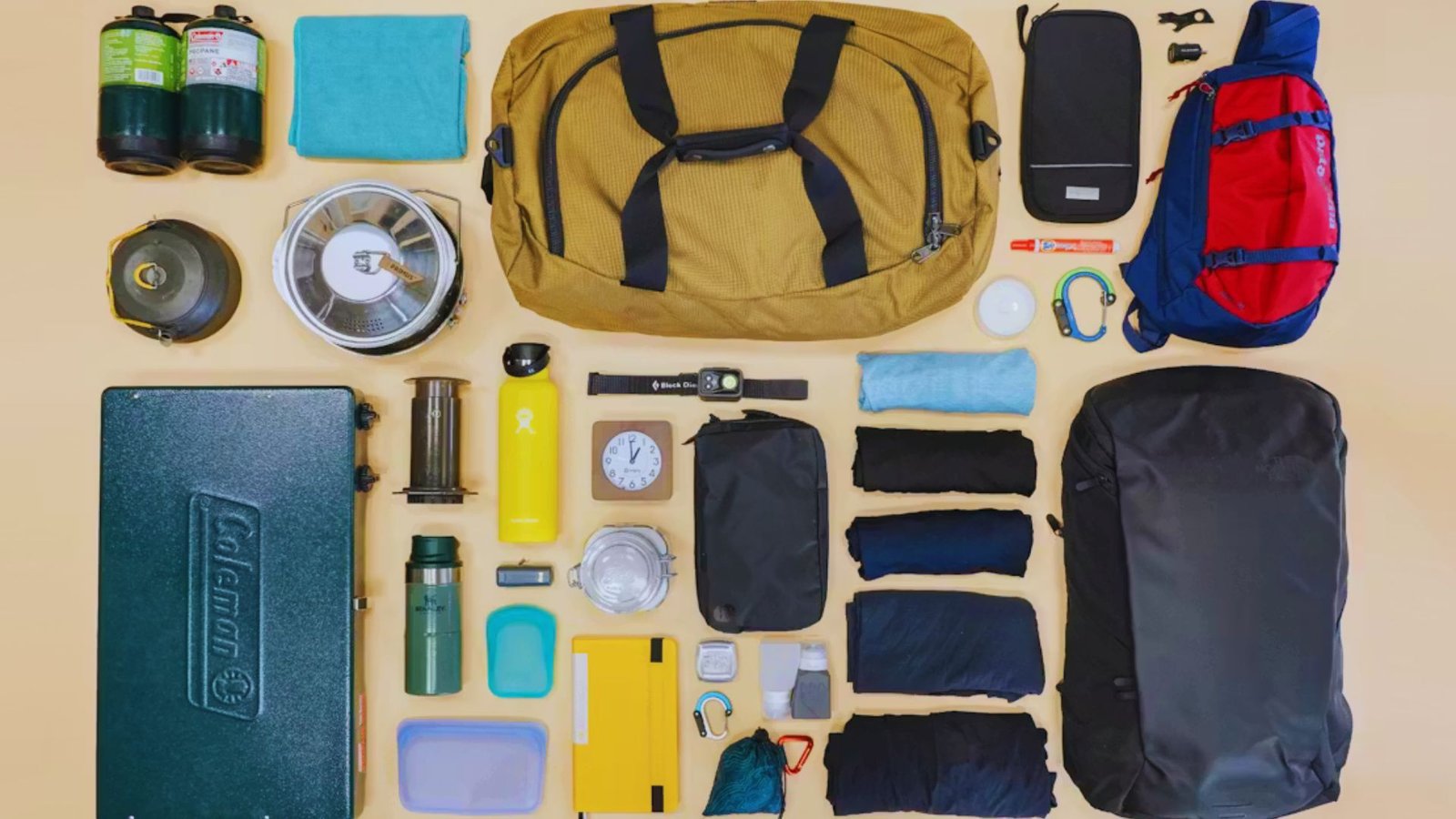
Alt Text: A table displaying essential camping gear from a backpack, including a tent, sleeping bag, and cooking supplies.
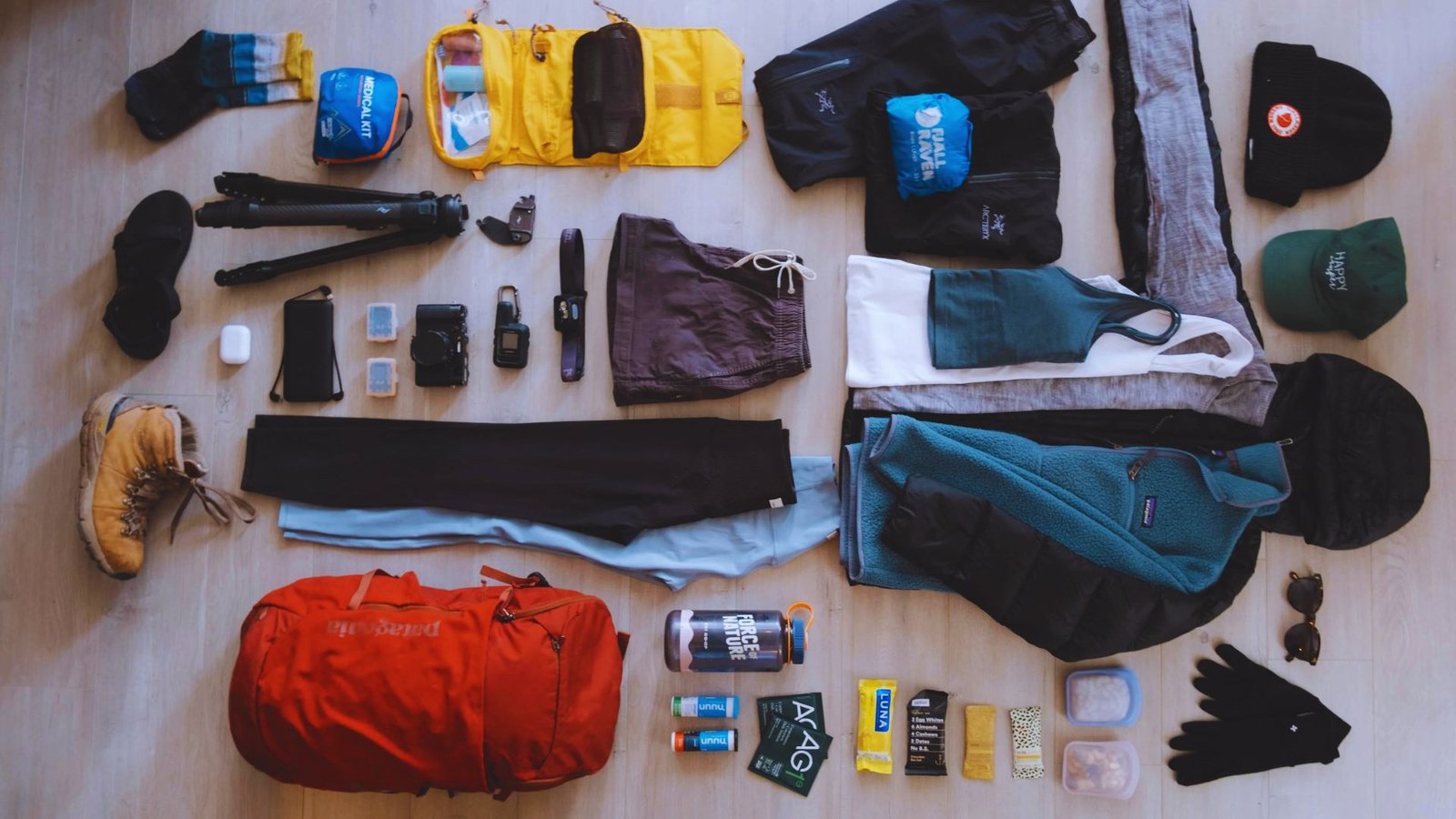
Pack a sleeping bag, pillow, foam pad, camp stove, fuel, lighter, pot, utensils, cooler with ice packs, first aid kit, headlamp, flashlight with extra batteries, water bottles, toiletries, toilet paper, layered clothing, rain jacket, warm fleece, phone charger, power bank, trash bags, multi-tool, and maps.
Adjust your gear for the season-summer needs sunscreen and bug spray, while winter requires an insulated sleeping bag rated to 0°F, thermal underwear, and hand warmers. Spring and fall demand rain gear and extra socks.
Beginners should start with a reliable sleeping bag and basic tent, or sleep in your car initially. Use a cooler instead of a camp fridge and borrow gear from friends before buying. Add items gradually as you learn what you actually need on the road.
Food & Cooking While Road Trip Camping
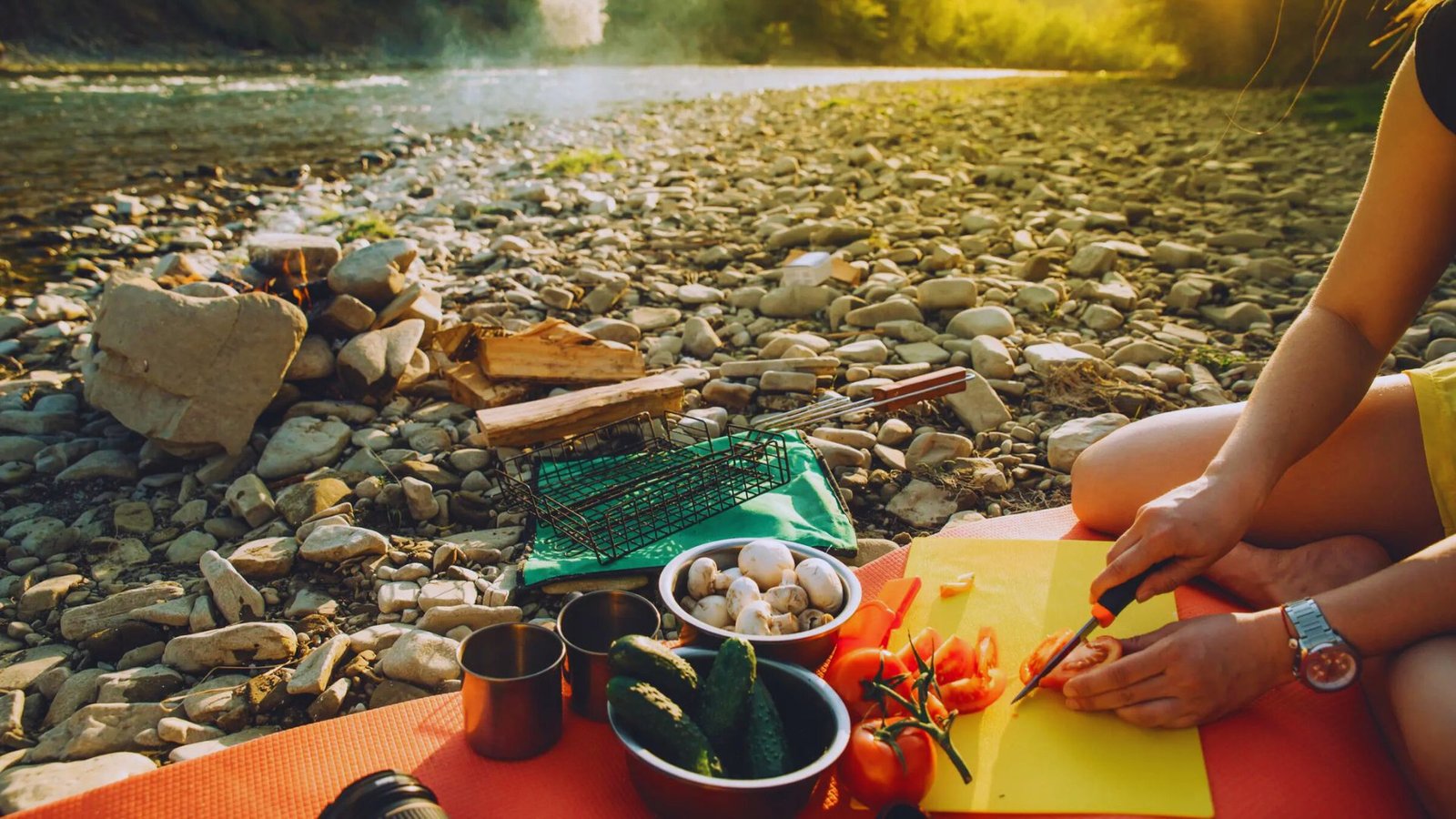
Alt Text: A woman sits on the ground by a river, enjoying a picnic near a table filled with food while camping on a road trip.
Plan meals and store food safely on the road
Easy Meal Planning for Road Trip Camping
Keep meals simple. Breakfast instant oatmeal or scrambled eggs. Lunch sandwiches and trail mix. Dinner pasta or canned soup. Prep ingredients at home.
One-pot meals reduce cleanup. Plan no-cook options like peanut butter and crackers. Don’t rely on eating out-it drains your budget.
Grocery Shopping on the Road
Stop at grocery stores every 2-3 days. Stock up in larger towns before heading to remote areas. Drain cooler water daily and refill with fresh ice.
Avoid glass containers. Choose shelf-stable milk and packaged foods for longer trips.
Safety & Vehicle Preparation for Road Trip Camping
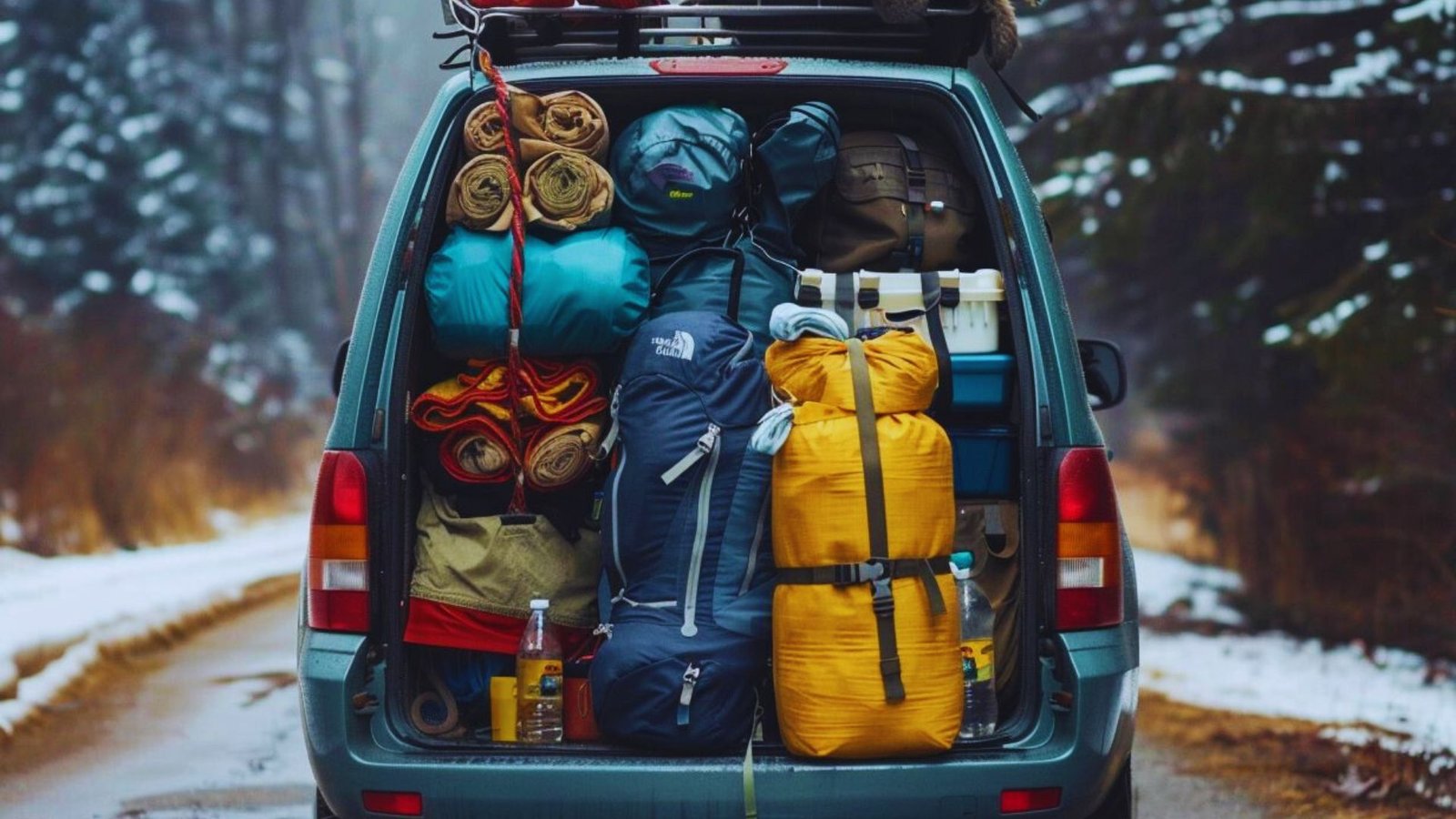
Alt Text: A van loaded with luggage on the back, ready for a road trip camping adventure.
Get your car ready and pack emergency supplies
Vehicle Maintenance Checklist Before You Go
Check oil level, tire pressure, brake pads, coolant, battery, all lights, spare tire, air filter, and belts. Get a tune-up if your car hasn’t been serviced in 6 months. Top off all fluids before departure.
Emergency Gear for Remote Camping
Pack jumper cables, tire repair kit, basic tools, extra oil and coolant, tow strap, road flares, duct tape, paper maps, and emergency cash. Keep your phone charged. Download offline maps. Tell someone your route.
Staying Safe While Solo Road Trip Camping
Park near other campers. Keep doors locked while sleeping. Share your location with someone at home. Check in daily. Stay in paid campgrounds with hosts for added security.
Road Trip Camping Tips for a Smooth Trip
Here are top road trip camping tips to avoid mistakes and stay comfortable on the road
- Test all gear at home before leaving and start with a weekend trip close by
- Arrive at campgrounds before 3 PM to claim spots and set up in daylight
- Park on level ground and use a foam mattress for better sleep in your car
- Pack a separate bag for daily basic gear so you don’t dig through everything
- Book campgrounds ahead in summer and get vehicle maintenance done first
- Keep your headlamp in the same pocket and crack windows for air circulation
- Don’t overpack or plan too many driving hours-leave time to enjoy camping
Conclusion
Road trip camping combines freedom and budget travel perfectly. I’ve camped across 30 states, and the planning gets easier each time. Start small with weekend trips, invest in quality sleep gear, and book ahead for popular spots.
Your first trip won’t be perfect, but you’ll learn fast.Pack light, stay flexible, and respect nature. The best memories happen when plans change unexpectedly.
Ready to hit the road? Share your camping questions in the comments below, or check out our gear guides to start packing smarter today.
Frequently asked questions
How much does road trip camping cost per day?
Road trip camping costs $50-100 per day including campgrounds, gas, and food. Free camping on public lands cuts costs to $30-50 daily.
Can I sleep in my car at any campground?
Most campgrounds allow sleeping in your car at designated campsites. Always check campground rules before booking as some require tents or RVs.
What’s the best vehicle for road trip camping?
SUVs and minivans work best because seats fold flat for sleeping. Hatchbacks suit solo travelers under 6 feet tall.
Do I need reservations for campgrounds?
National parks need reservations 3-6 months ahead in summer. Less crowded campgrounds can be booked 2-4 weeks out.
Is road trip camping safe for solo travelers?
Solo road trip camping is safe with precautions like parking near others and sharing your location. Stick to established campgrounds with hosts.