
Rock climbing looks scary. But here’s the truth: anyone can learn it. This guide shows you exactly how to start climbing, from your first gym visit to your first outdoor route.
You’ll learn what gear you need, which climbing style fits you best, and how to stay safe. We cover costs, techniques, and where to find beginner-friendly spots near you.
No experience needed. Just a willingness to try something new. I’ve taught dozens of first-timers who thought they couldn’t climb. Most of them were wrong.
Let’s get you started the right way.
What Is Rock Climbing for Beginners?
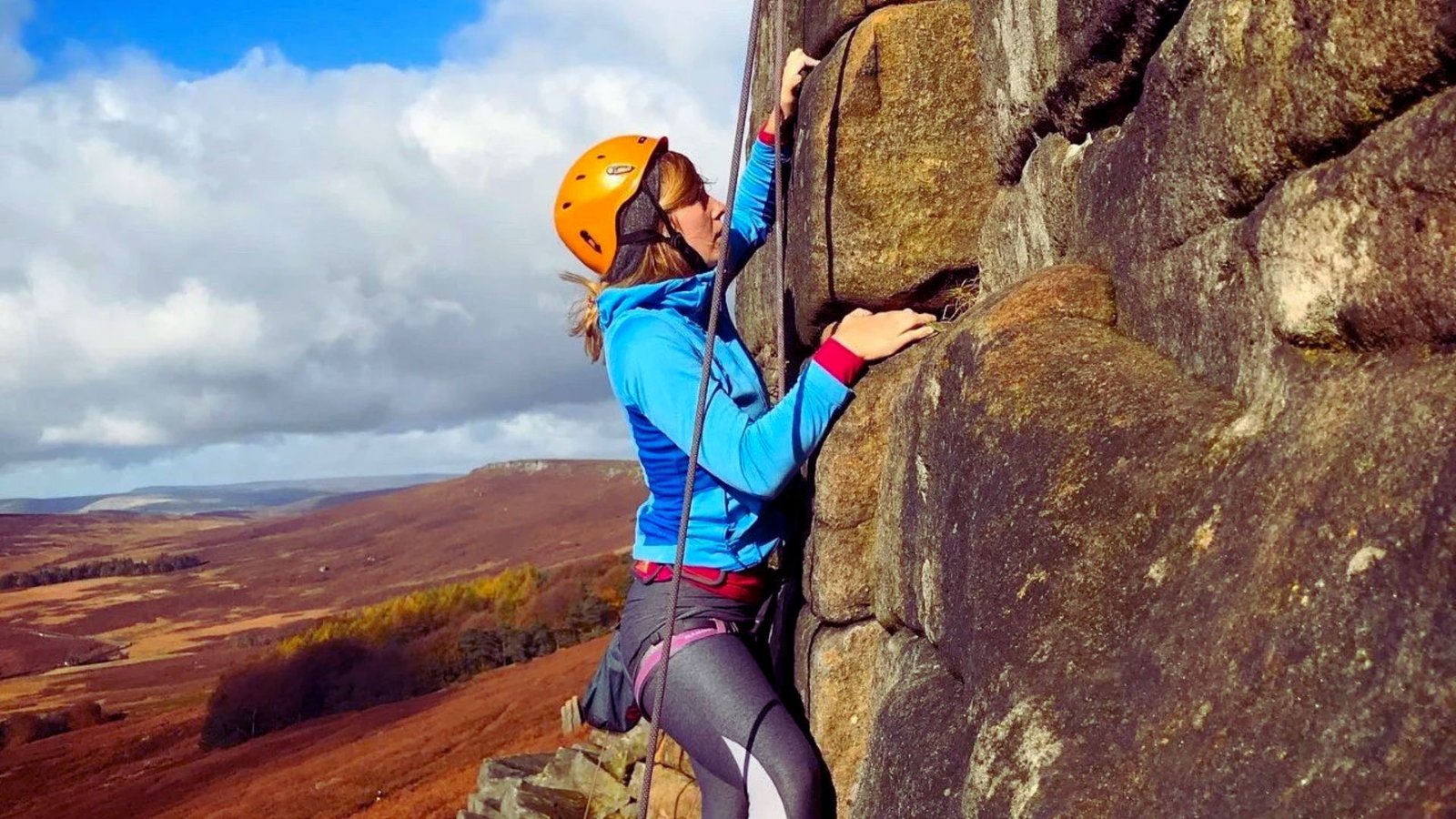
Rock climbing is moving up walls using holds, with beginners starting on simple routes using safety equipment to build skills.
Rock climbing means moving from bottom to top using holds on a wall or rock face. Safety comes first. You’ll use either ropes that catch you when you fall or thick mats below short walls.
A partner called a belayer controls your rope and keeps you safe. Routes are specific paths up the wall, each with a difficulty rating.
Here’s what surprises most people: climbing isn’t about arm strength. Your legs do most of the work. Arms are mainly for balance.
The goal is problem-solving with your body. Common fears include falling, though the rope or mat catches you. Heights can be intimidating, but you start low and work up gradually.
Technique beats strength every time. Most beginners complete their first route in one session. You’ll probably do better than you think.
Types of Rock Climbing for Beginners
Three main styles exist: bouldering, indoor climbing, and outdoor climbing, each offering different challenges and learning opportunities.
Indoor Rock Climbing for Beginners
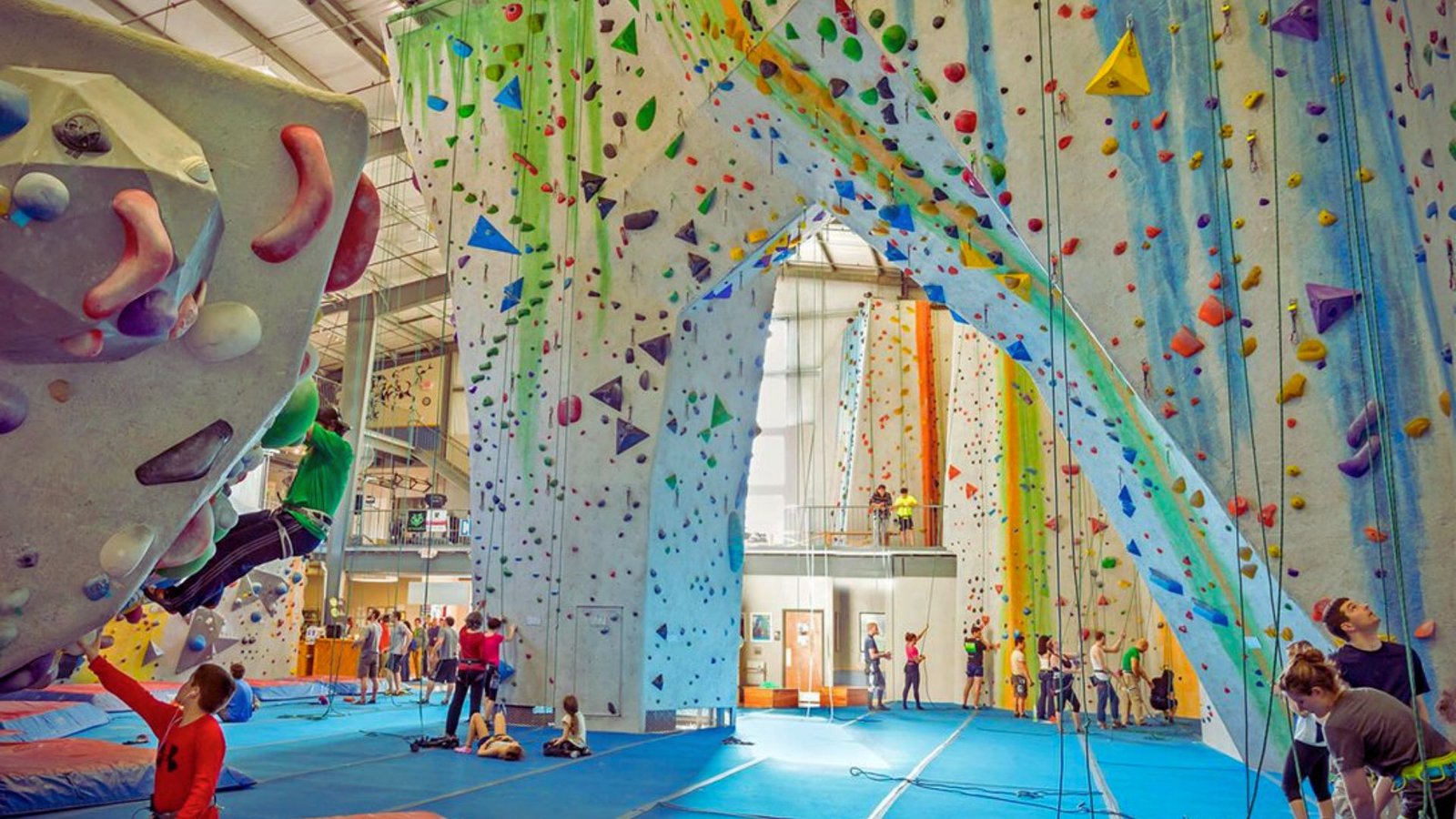
Indoor gyms provide controlled environments perfect for learning basics before heading outdoors.
Indoor gyms are perfect for learning. They offer climate control, helpful staff, and color-coded routes by difficulty.
Rental gear is available and soft surfaces keep you safe. You can try multiple routes in one visit. Progress happens fast when you climb twice a week.
Take an intro class to learn safety systems and basic techniques in 1-2 hours.
Outdoor Rock Climbing for Beginners
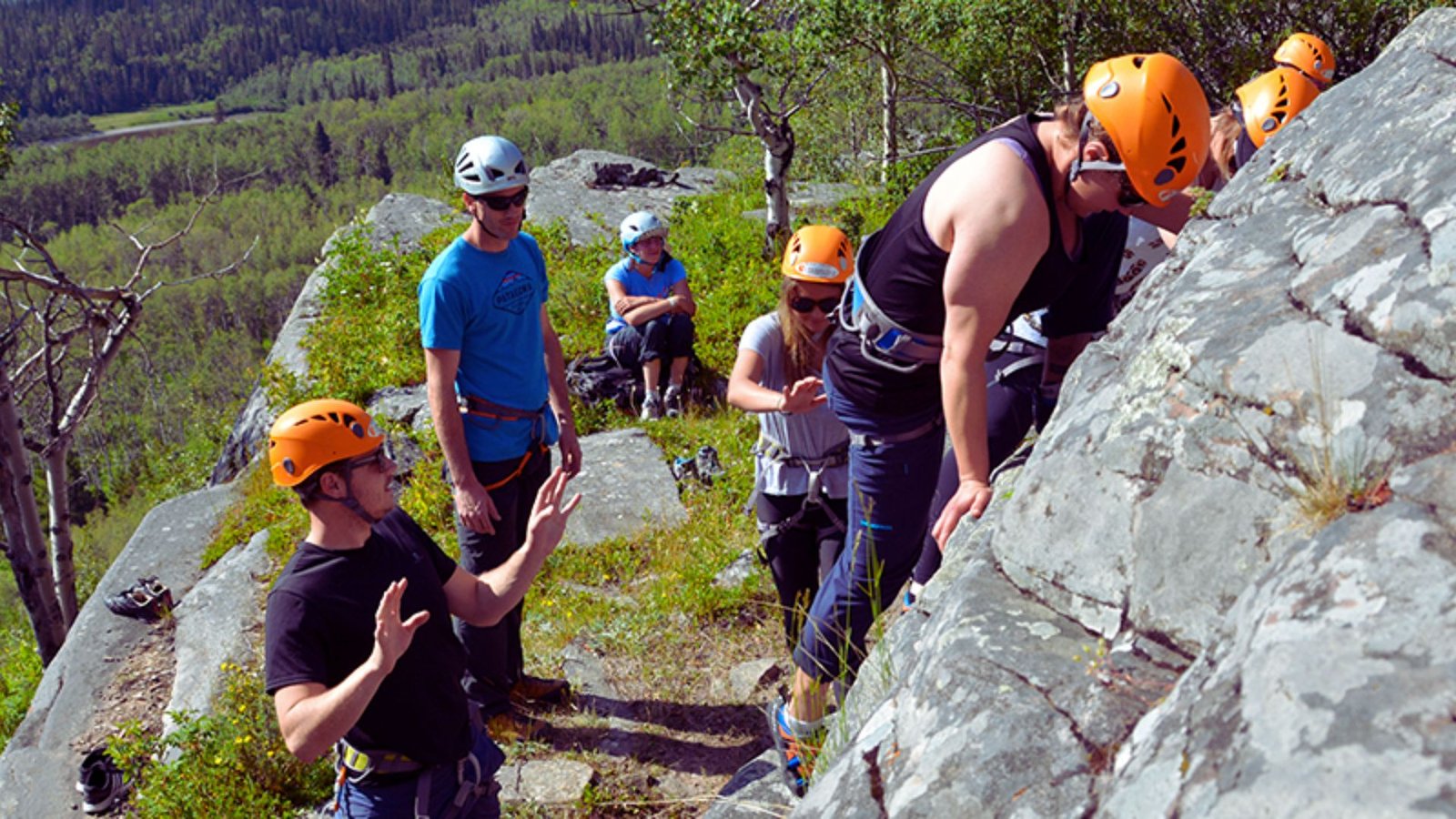
Real rock offers different challenges and requires more knowledge than gym climbing.
Real rock feels different than plastic holds. Wait a few months before going outside. Build your skills indoors first.
When ready, go with experienced climbers or hire a guide. Outdoor climbing requires knowledge of anchor systems, rock quality, and weather. Don’t rush this step.
Top-Rope Climbing for Beginners
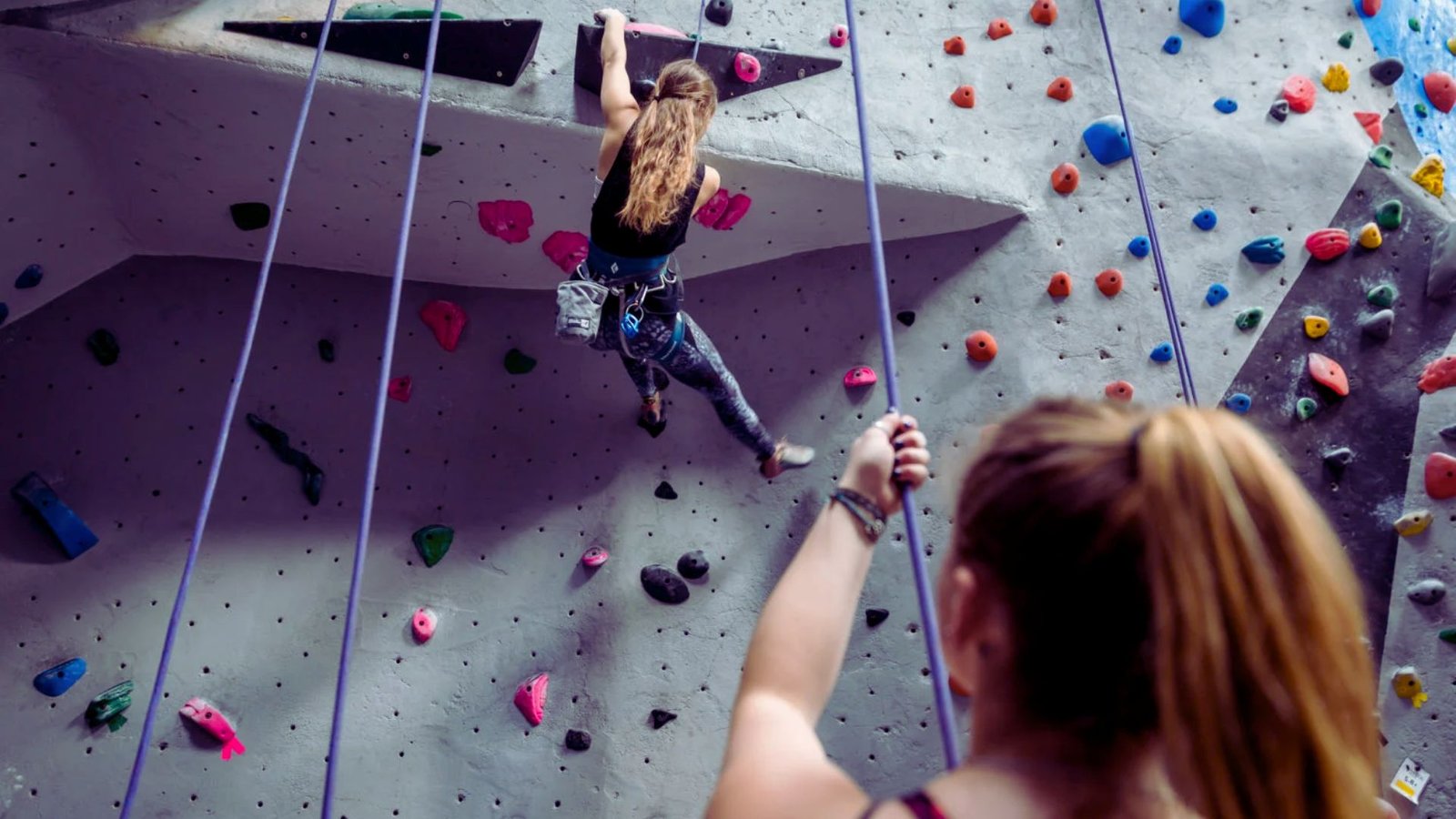
Rope anchored from the top makes this the safest way to climb high walls while building endurance.
Top-rope climbing uses a rope anchored at the top of the route. The rope stays above you. If you slip, you drop only a few inches.
Routes are 30-60 feet tall, building stamina and endurance. Your partner manages the rope below.
Most gyms require a belay certification class that takes 1-2 hours and covers knots, belay devices, and safety.
Sport Climbing for Beginners
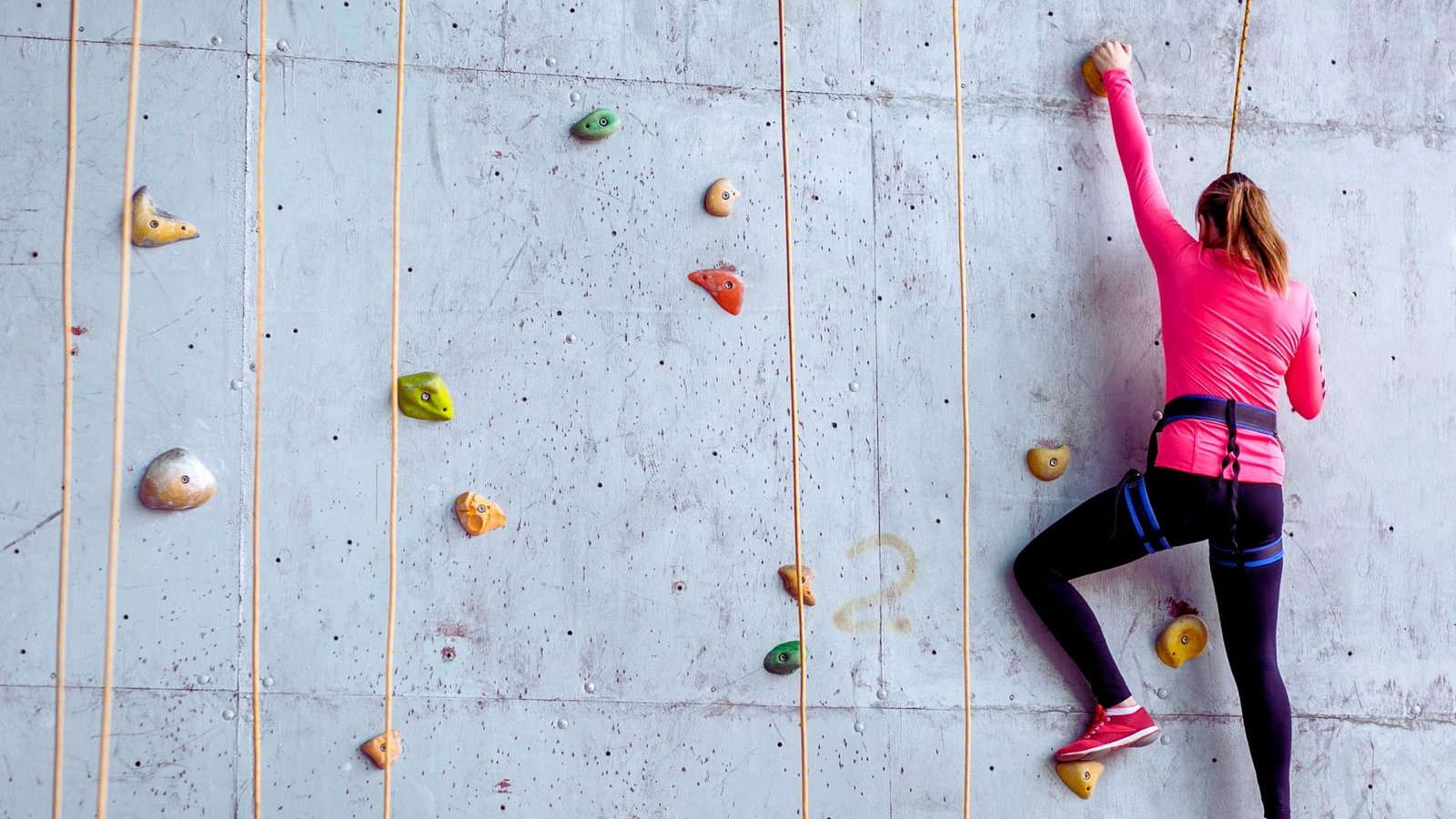
Pre-bolted routes require clipping skills and represent the next step after mastering top-rope climbing.
Sport climbing uses pre-bolted routes with permanent anchors. You clip your rope into bolts as you climb up. Bolts are placed every 6-10 feet. The rope stays below you, so falls are longer than top-rope.
Most climbers wait 6-12 months before trying sport climbing. Take a lead climbing class to learn clipping techniques and fall management.
How to Start Rock Climbing for Beginners
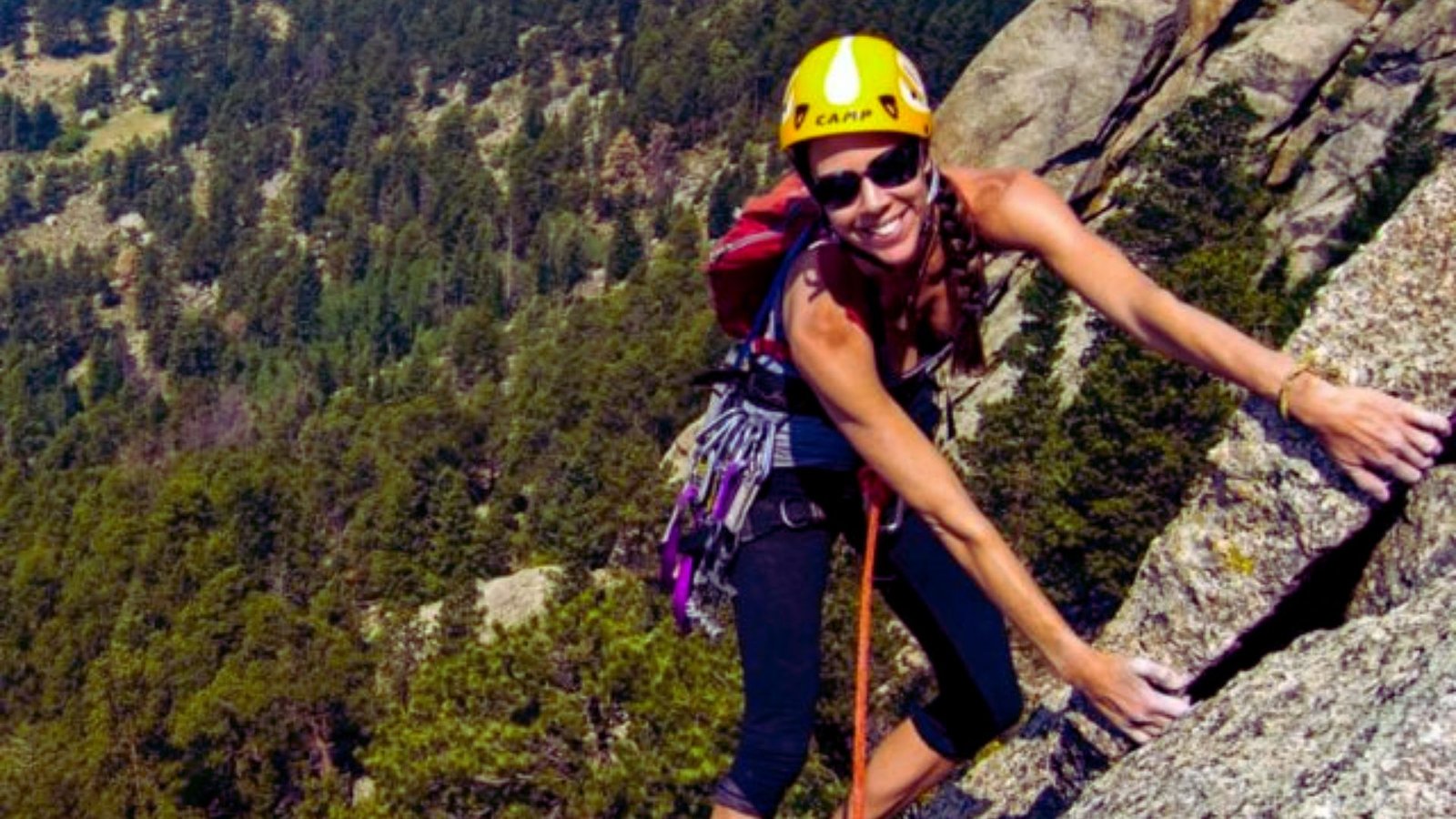
Find a local gym, take an intro class, and rent gear so you can start climbing the same day.
Search “climbing gym near me” or “bouldering gym [your city].” Most cities have at least one gym. Look for intro class schedules, day pass prices, and gear rental options.
Call ahead and ask if they welcome solo beginners. Some gyms pair you with staff or other new climbers. Rural areas might have outdoor climbing clubs.
Check Facebook groups or local outdoor shops. A Google Maps search shows ratings and photos.
Here’s the typical progression. Month 1-3 focuses on indoor bouldering. Learn to fall safely, build basic footwork, get comfortable with heights, and go 2-3 times per week. Month 3-6 adds rope climbing.
Take a belay class, practice top-rope with partners, work on endurance, and learn knots and safety checks. Month 6 and beyond introduces outdoor options.
Join gym outdoor trips, hire a guide, climb with experienced friends, and start on easy outdoor routes. Take your time. Rushing leads to bad habits or injuries.
Learning Resources for Rock Climbing Beginners
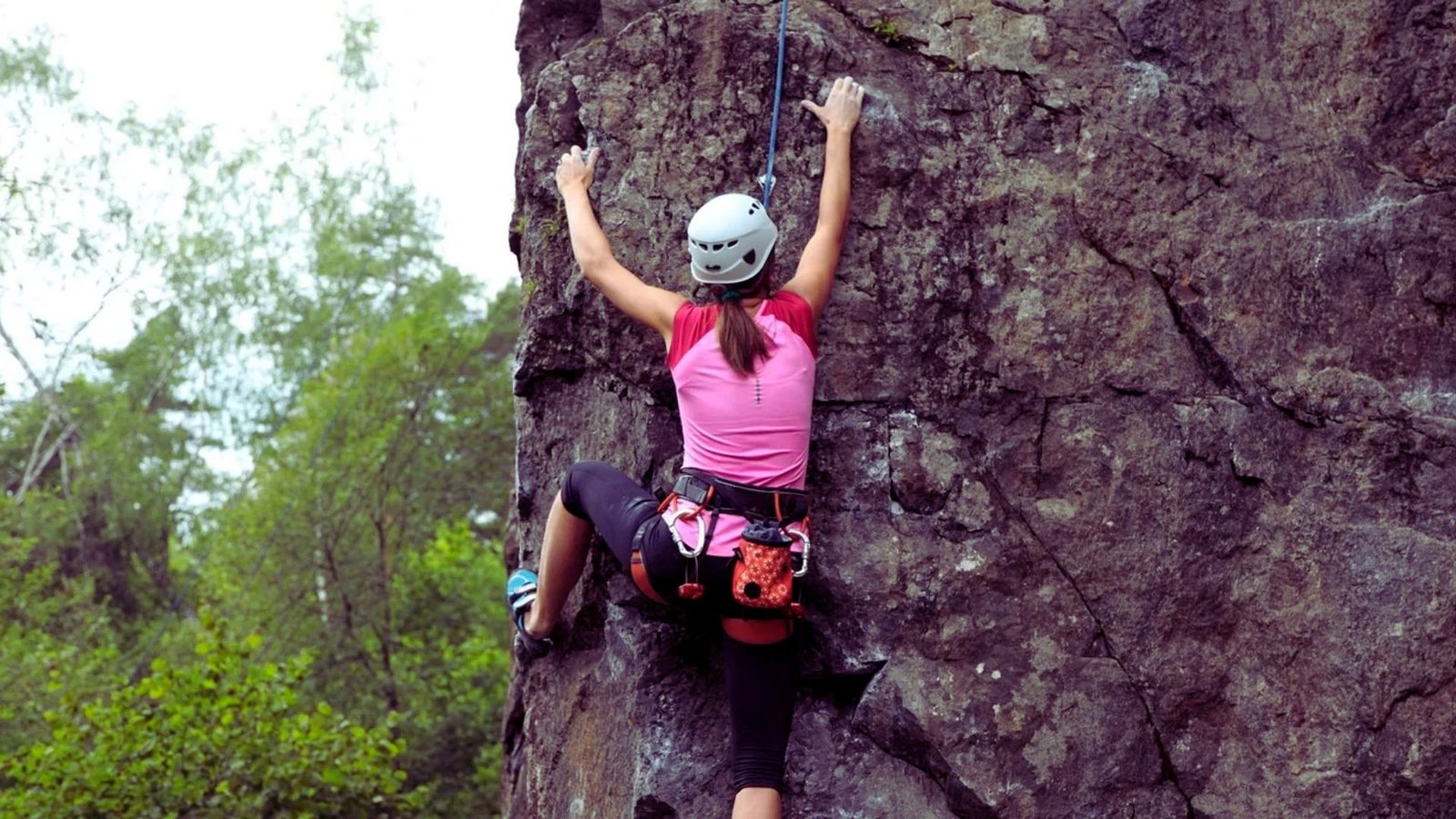
Books, classes, and guided programs teach proper technique and safety faster than learning alone.
“Mountaineering: The Freedom of the Hills” covers outdoor climbing safety and systems. “The Self-Coached Climber” offers training plans and technique tips.
“Rock Climbing: The AMGA Single Pitch Manual” is the industry standard for outdoor climbing. YouTube channels work too.
Search for footwork tutorials, knot tying, and belay lessons. Books give you knowledge. Practice gives you skill.
Take an intro class at your gym. You’ll learn in 1-2 hours what takes weeks to figure out alone. Classes cover gym tours, basic techniques, safety systems, belay device use, and knots.
Guided outdoor trips teach wilderness skills. Guides handle anchors, route finding, and safety while you focus on climbing.
Programs range from $50 day classes to $500 weekend courses. Many gyms include intro classes with membership. Ask.
Rock Climbing for Beginners Tips
These five tips help you progress faster, avoid injuries, and enjoy climbing more from day one.
- Start with bouldering or top-rope for the lowest barrier to entry. Bouldering needs no partner. Top-rope gives height with maximum safety. Both build basic skills.
- Focus on footwork before strength because your feet matter more than your hands. Try the quiet feet drill by making no sound when placing feet. Technique beats strength.
- Learn to fall and rest properly to build confidence. Take small practice falls every session. Rest by hanging straight-armed and shaking out your arms. Good climbers rest often.
- Don’t over-grip the holds to avoid the forearm pump. Match your grip to the hold size. Big holds get loose grip, small holds get focused pressure. Use minimum grip needed.
- Avoid overtraining because two to three sessions per week is plenty. Your body needs adaptation time. Warning signs include finger pain, elbow pain, and fatigue. Take rest days seriously.
Conclusion
Climbing challenges you physically and mentally, so start small, stay safe, and you’ll see why people get hooked.
I remember my first climb. Hands shaking, legs wobbling, convinced I’d fall. But I didn’t. The rope held. My feet held. And something clicked.
You’ll have that moment too. Maybe on your first session. Maybe your fifth. But it will happen, and you’ll understand why climbers keep coming back.
Start with one gym visit. Just one. See how it feels. Most beginners surprise themselves. Drop a comment below about your first climbing experience or questions about getting started.
Let’s keep this conversation going.
Frequently Asked Questions
Do I need to be strong to start rock climbing?
No. Climbing uses technique more than strength. Your legs do most of the work, not your arms. Beginners with good footwork outperform stronger climbers who muscle through routes.
How much does it cost to try rock climbing?
Your first session costs $25-40 total including gym entry and rental gear. Monthly memberships run $60-90. Buying shoes costs $80-120. Climbing is cheaper than many outdoor sports.
Is rock climbing safe for beginners?
Yes, when you follow safety rules. Indoor gyms use tested equipment and safety systems. Take an intro class to learn proper techniques. Injuries happen mostly from overtraining, not climbing itself.
Can I rock climb alone as a beginner?
Yes for bouldering since it doesn’t require a partner. Rope climbing needs a belayer. Many gyms have auto-belay systems for solo rope climbing or can pair you with other climbers.
How long does it take to get good at climbing?
Most beginners complete their first routes immediately. Real improvement shows after 2-3 months of regular climbing. Getting “good” takes years, but progress happens every session if you focus on technique.