
Top rope or lead climbing? This choice confuses many new climbers. You need to know which one fits your skill level and goals.
This guide breaks down 7 key differences between these two climbing styles. You’ll learn about safety, equipment, and progression paths.
We’ll help you choose the right option and build trust in your climbing decisions. Trust matters in climbing. You trust your rope, your belayer, and your abilities.
Making informed choices builds that trust from day one.This info works for gym newbies and outdoor climbers alike.
By the end, you’ll know exactly which style to start with and when to level up.
What Is Top Rope Climbing?
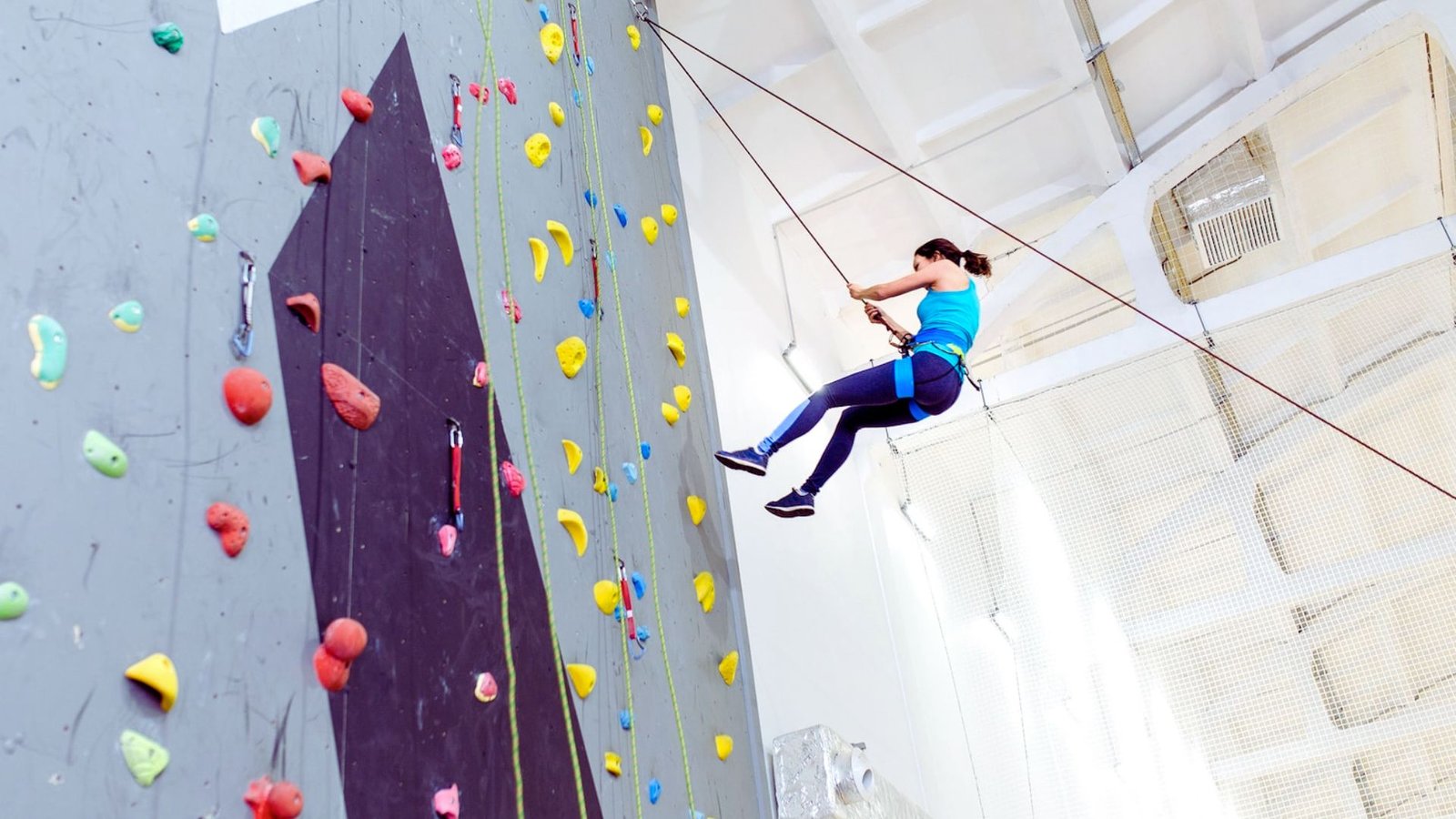
Top rope climbing uses a rope anchored above you. Your belayer keeps you safe from the ground. This setup is standard in most indoor gyms.
The rope runs through an anchor at the top of the wall. One end ties to your harness. The other connects to your belayer below.
When you climb, your belayer pulls in slack. The rope stays tight above you the whole time. Indoor gyms pre-install anchors on most walls.
You just climb up. The system catches you instantly if you slip. Top rope works great for beginners. Lower fall risk makes it safer to learn.
You only drop a few inches when you fall. Your belayer has full control of the rope. Building technique comes easier when you’re not scared.
You can focus on footwork and hand positions. You can climb longer routes without fear. Your muscles get stronger. Your confidence grows.
What Is Lead Climbing?
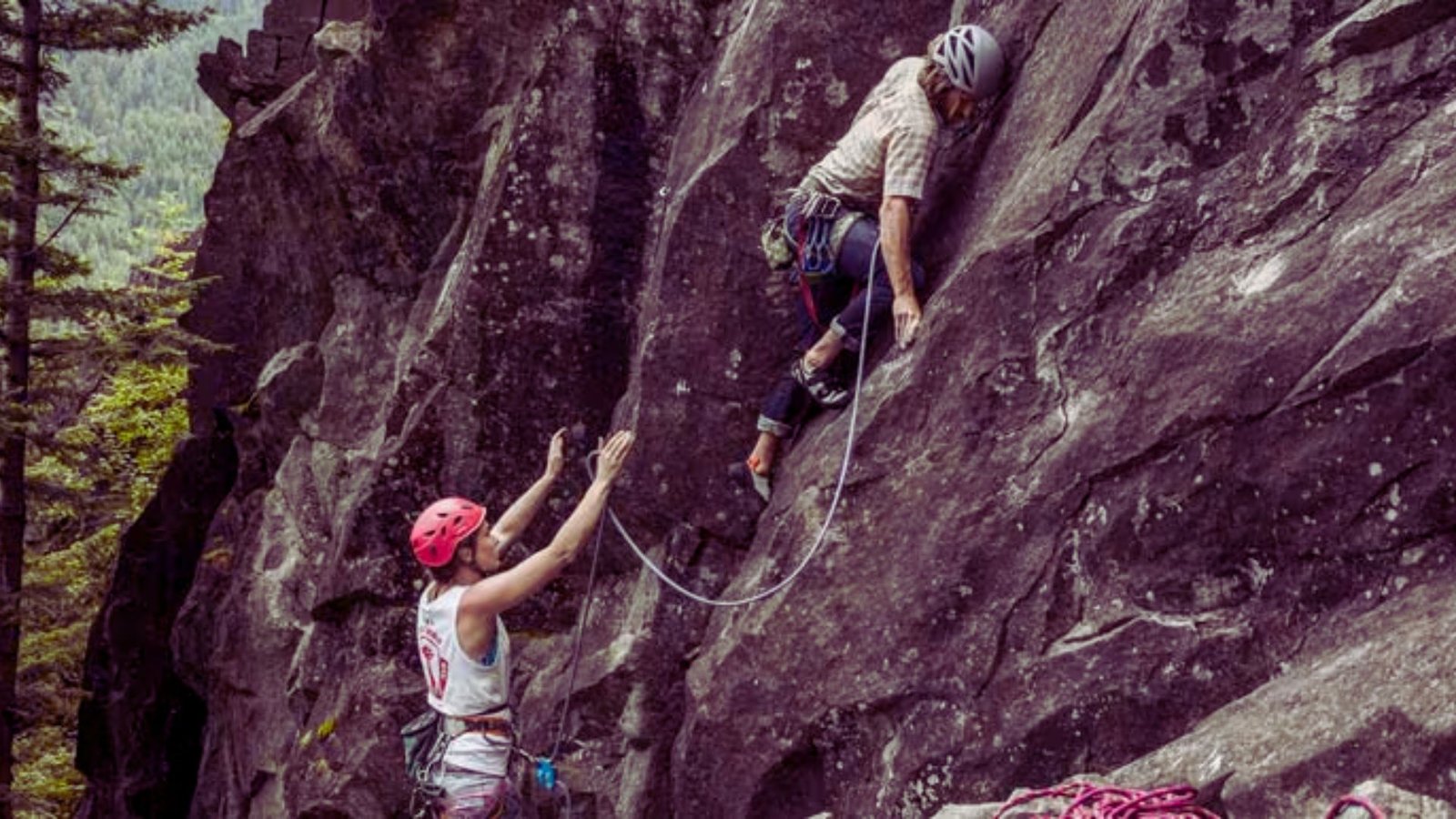
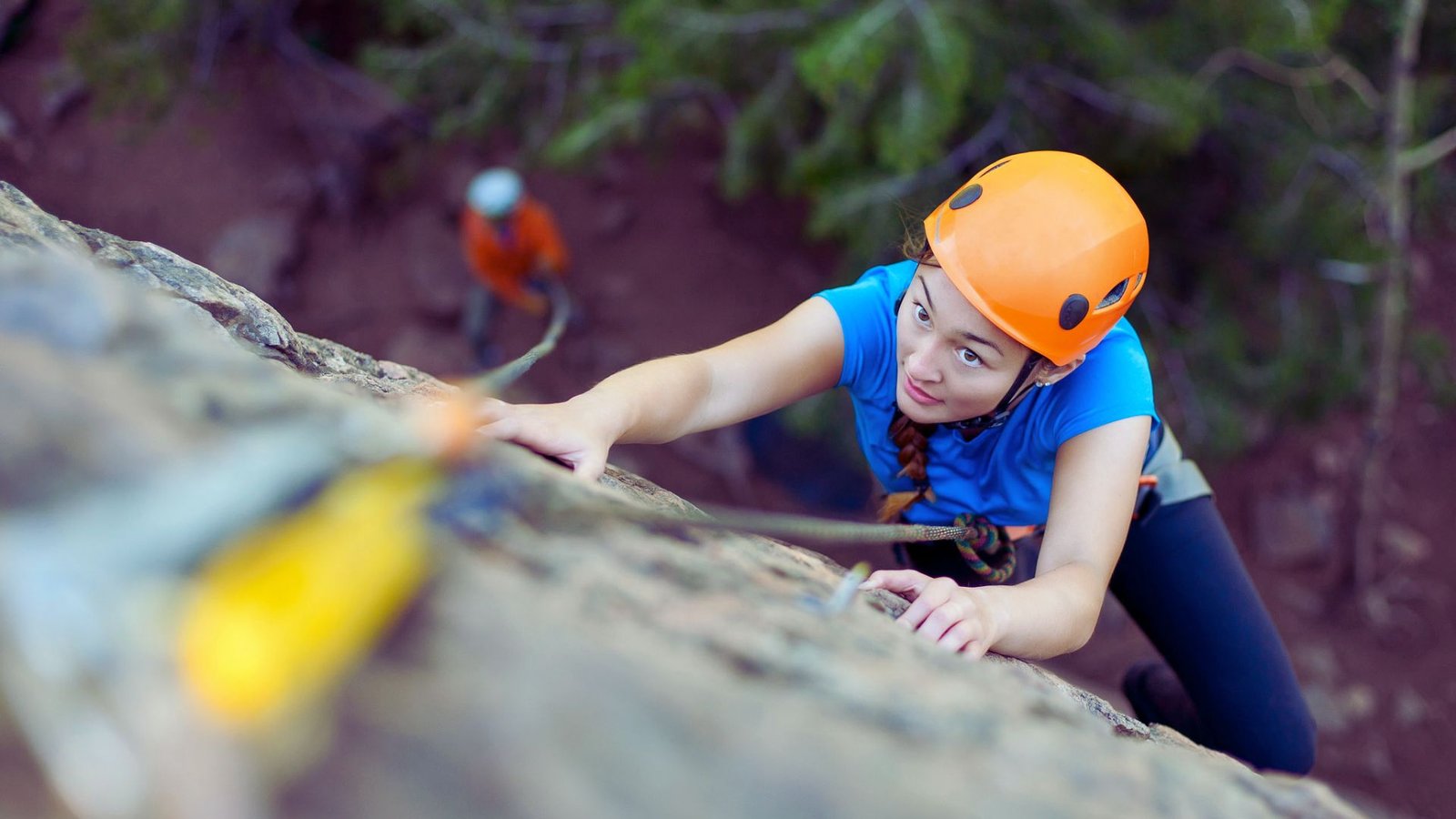
Lead climbing means you clip the rope as you go. You start with the rope on the ground. Protection sits below you, not above.
You carry the rope up with you. Quickdraws hang on the wall every few feet. You clip your rope into each one as you pass.
The rope trails behind and below you. Indoor lead walls have pre-placed bolts with quickdraws. Outdoor sport climbing requires you to hang your own quickdraws on bolts.
The belayer feeds rope out as you climb higher. Lead climbing demands more from you. Mental stress increases because falls are longer.
You drop past your last clip. That means bigger air time. Physical demands go up too. You clip while hanging on. Your forearms burn.
You need better endurance. Most gyms require certification before you can lead climb. You must pass a test. Your belayer needs training too.
Top Rope vs Lead Climbing: 7 Key Differences
Here’s how these two climbing styles compare side by side.
1. Rope Setup and Anchoring
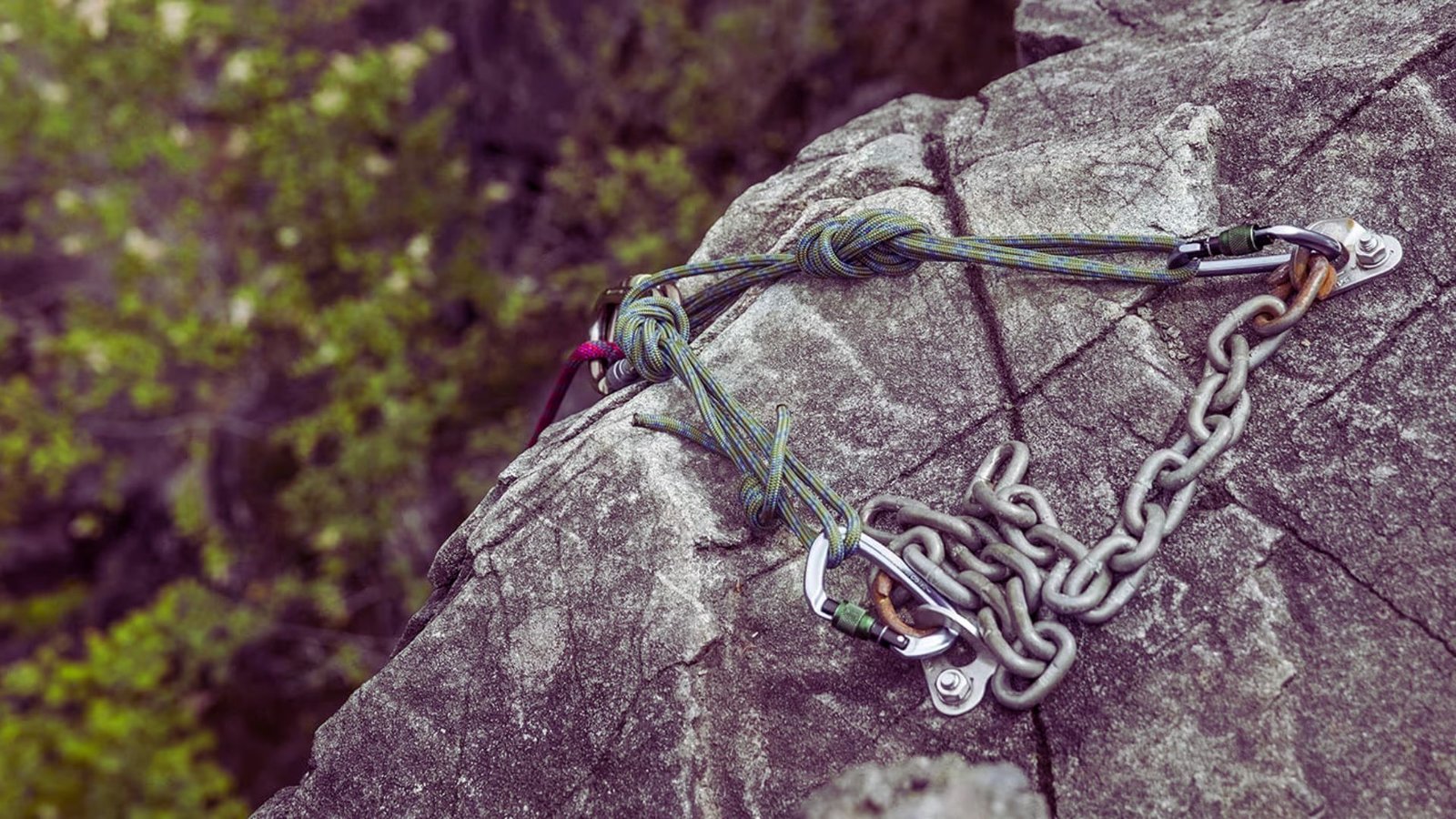
The anchor position determines how your entire climbing system works.
Top rope setup is simple. The anchor stays fixed above you. Someone sets it up once. Multiple climbers can use the same rope all day.
Lead climbing setup changes constantly. You create your own protection line as you ascend. Each climber starts fresh from the ground. You clip the rope into quickdraws yourself.
The anchor position changes everything about how you fall and how the rope behaves.
2. Belay Technique and Responsibility
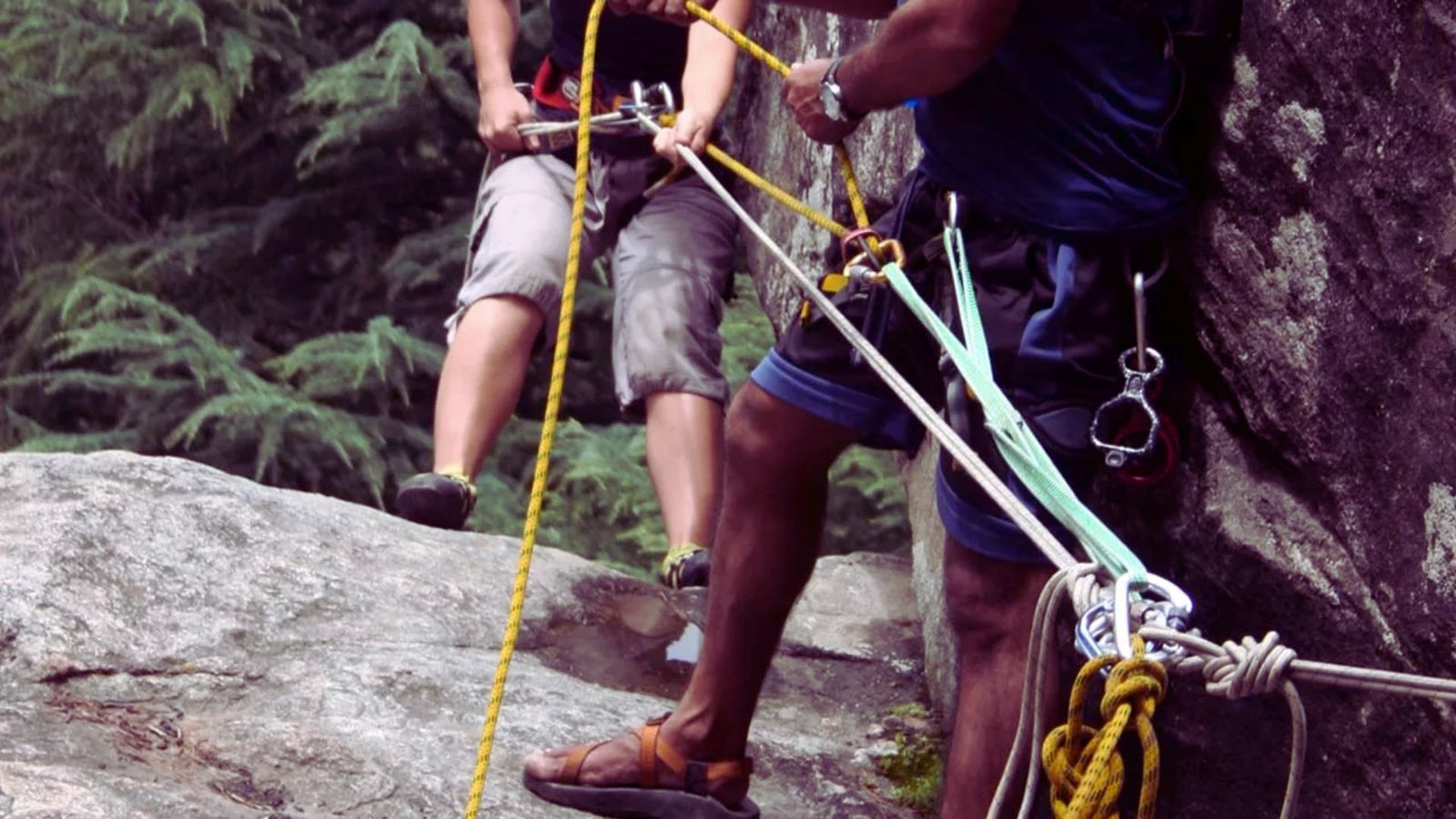
Your belayer’s job changes completely between these two styles.
Top rope belaying is straightforward. You pull rope in as the climber goes up. Slack stays minimal. Catching falls is easy.
Lead belaying requires skill and attention. You feed rope out instead of taking it in. Too much slack creates long falls. Too little slack pulls the climber off the wall.
Lead belayers must understand dynamic belays. They give a little rope when catching falls. This reduces impact force on the climber and anchors. Experience matters here. Bad belaying causes injuries.
3. Fall Risk and Safety
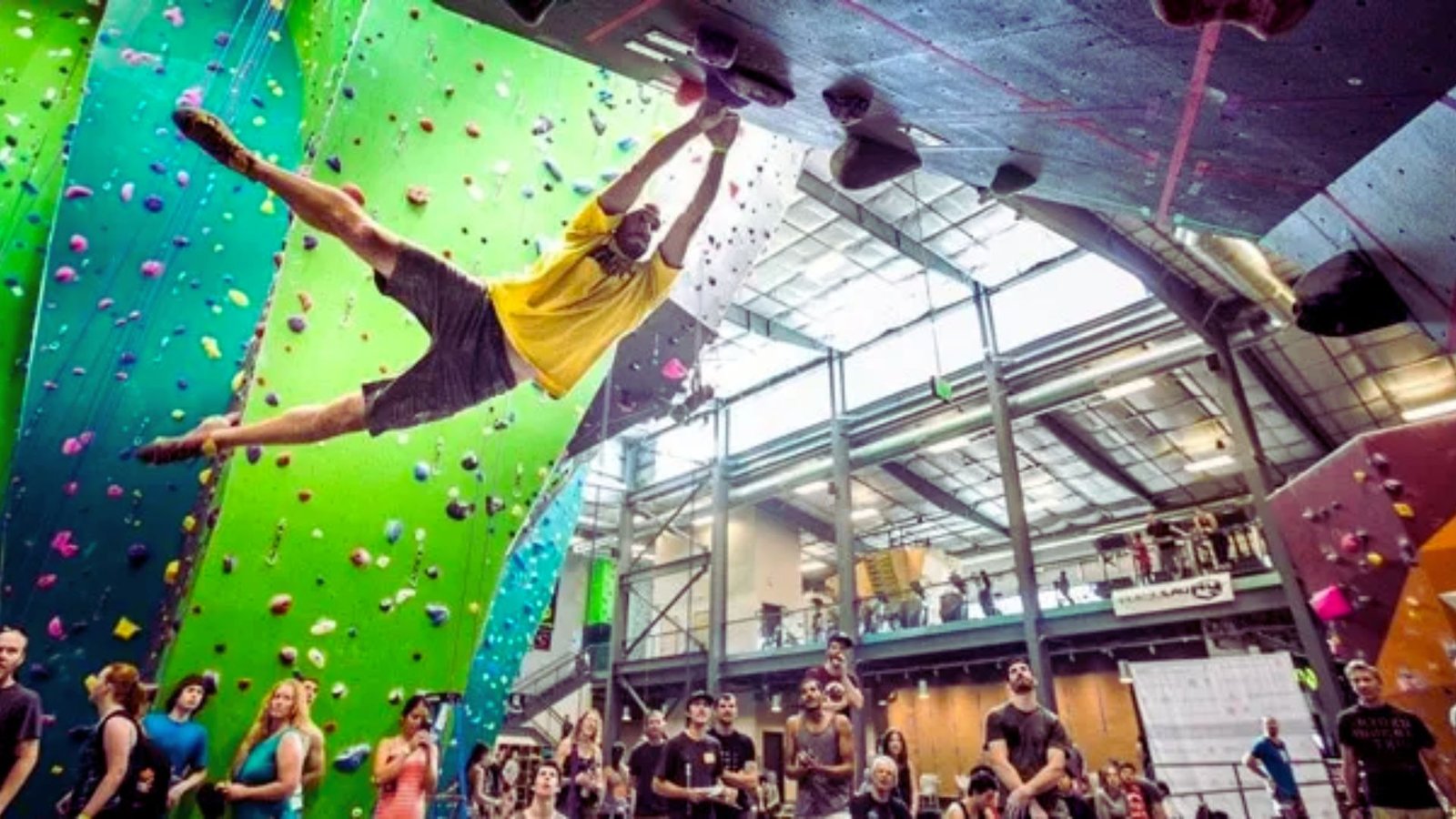
Fall distances vary dramatically between top rope and lead climbing.
Top rope falls are short and controlled. You drop maybe 6 to 12 inches. The rope catches you almost instantly. Falls feel gentle.
Lead climbing falls are longer and scarier. You fall past your last clip point. Then you keep going the same distance below it. Add rope stretch.
A fall from 3 feet above your last clip means a 6 to 8 foot drop.
4. Skill Level and Learning Curve
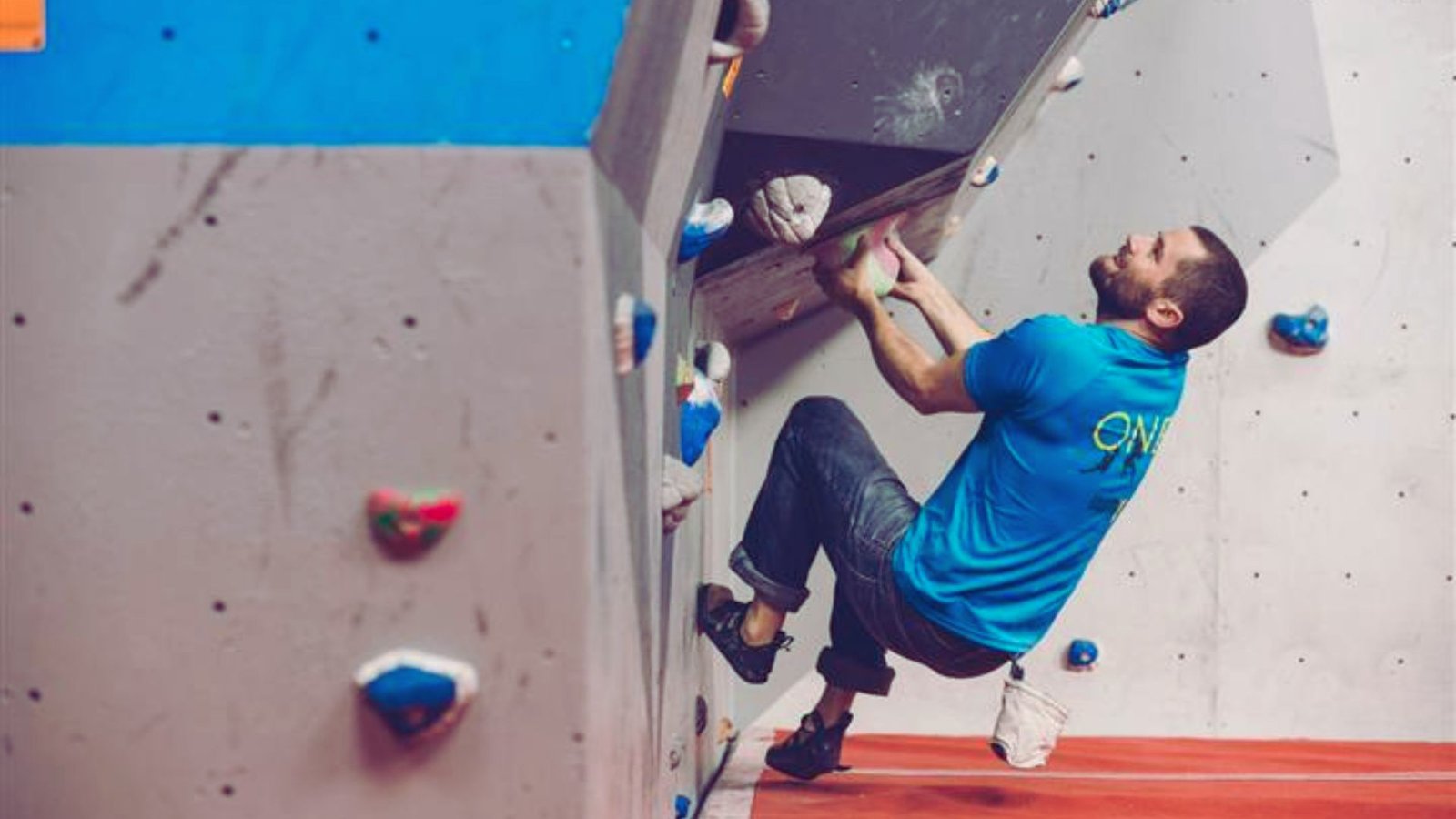
Your experience level determines which style you should start with.
Top rope is perfect for beginners. You learn basic climbing moves. Fear stays low. You build strength safely.
Most climbers spend months on top rope. You should feel comfortable on multiple routes. Know how to fall. Trust your belayer completely.
Transition to lead when you’re ready.
Signs you’re ready: you climb 5.9 or 5.10 routes easily, you understand belaying well, you’re comfortable with heights, and falling doesn’t panic you.
5. Physical and Mental Difficulty
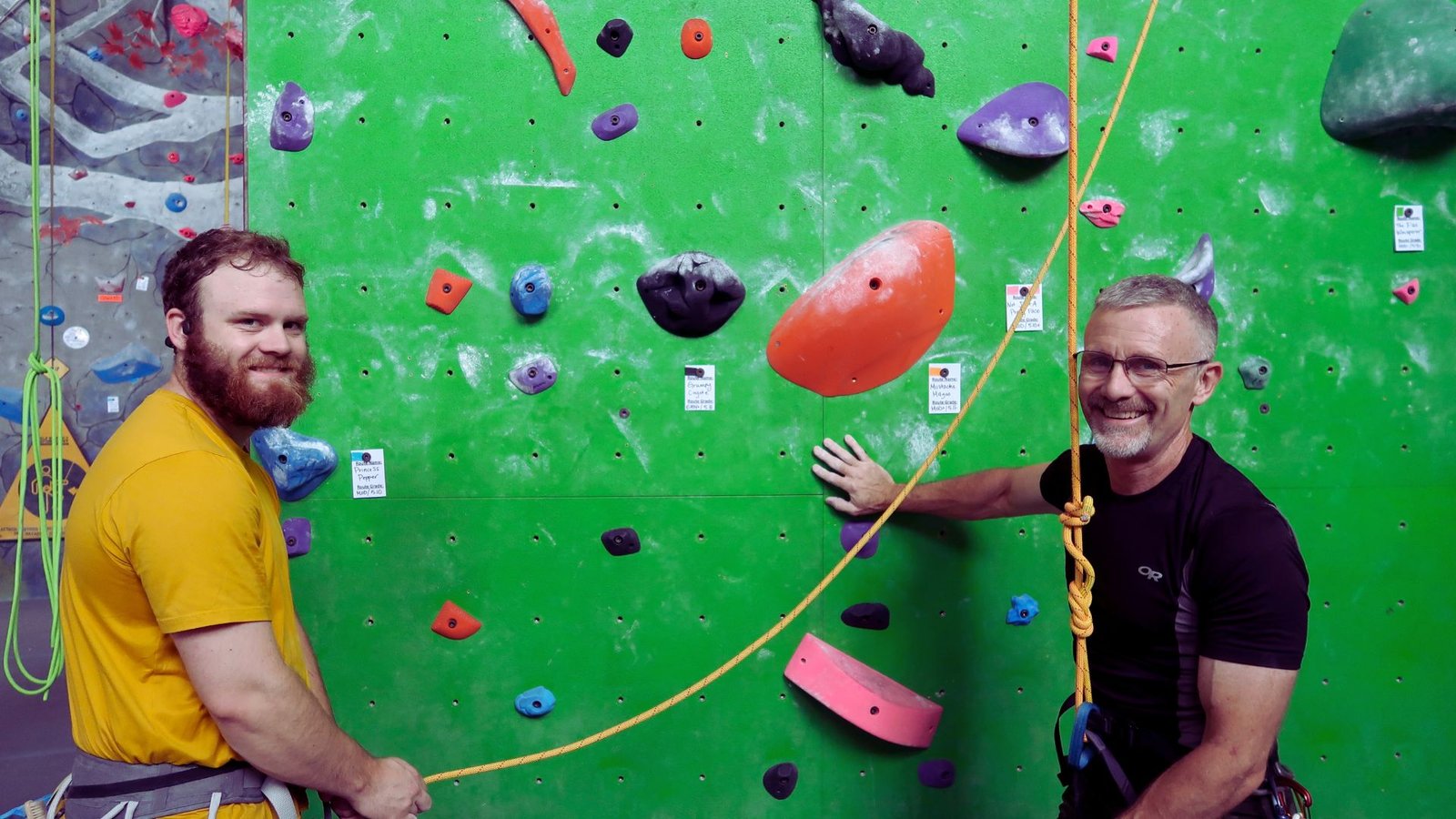
Lead climbing challenges your brain just as much as your muscles.
Top rope builds endurance. You climb longer routes. Rests happen on the wall. Your belayer keeps you safe while you shake out your arms.
Lead climbing tests your mind as much as your body. Fear of falling makes routes feel harder. You must clip while tired. Your forearms burn from holding on. You can’t rest as easily.
Route reading changes with lead climbing. You plan where to clip. You look for rest spots before hard sections. You think three moves ahead. Mental fatigue sets in faster.
6. Gear and Equipment Requirements
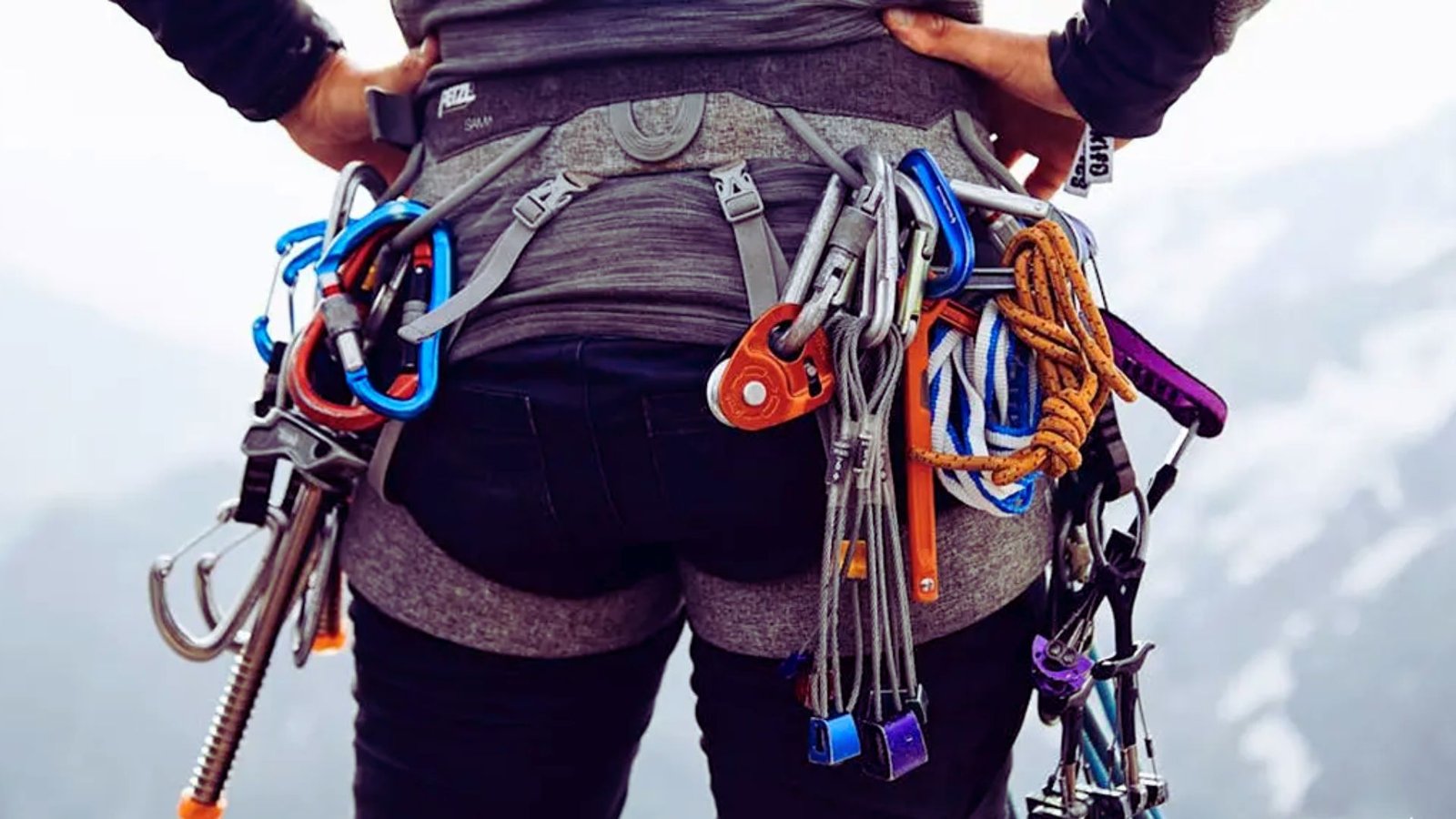
Lead climbing demands more equipment and a bigger budget.
Top rope gear is basic: Harness,Climbing shoes, Chalk bag, Belay device, Locking carabiner
Lead climbing adds more gear: All the top rope stuff, Multiple quickdraws (12 to 15 for most routes), Longer rope (60 to 70 meters for outdoor climbing), Helmet (critical outdoors).
Gyms often rent quickdraws. Outdoor climbers must own complete gear sets. The cost adds up quickly.
7. Accessibility and Where You Can Climb
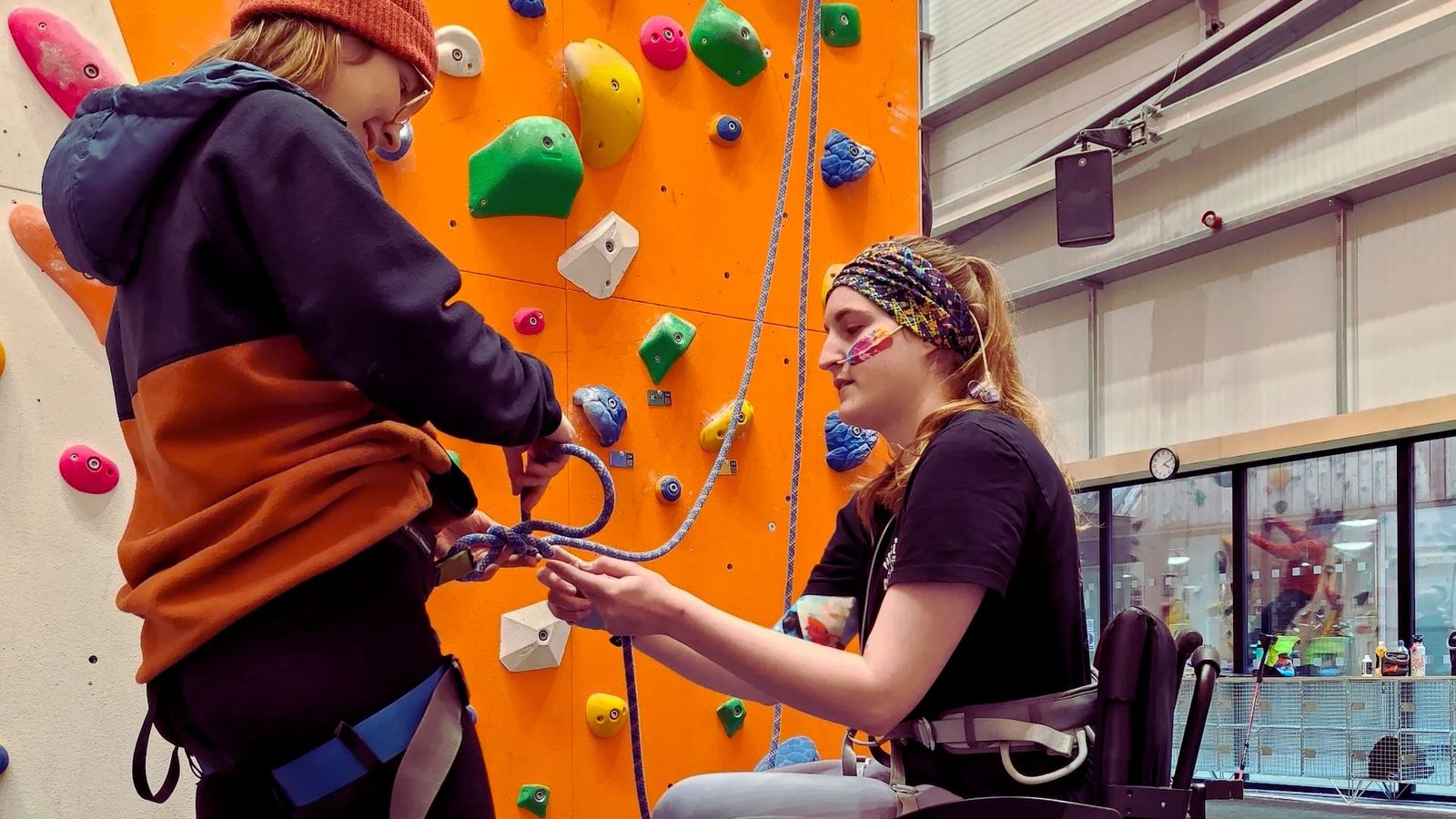
Lead skills open up way more climbing locations.
Top rope access is everywhere. Every climbing gym has top rope walls. Outdoor top rope spots exist but need setup. Someone must climb up first to place anchors. This limits options.
Lead climbing opens more doors. Sport climbing crags have bolted routes ready to go. No pre-setup needed. You just show up and climb.
Outdoor climbing favors lead skills. Most cliffs don’t have top rope anchors. You must climb to access them. Learning to lead means climbing in more places.
Safety Tips for Both: Top Rope and Lead Climbing
Both styles need careful attention to safety basics and proper technique.
- Use clear communication. Say “On belay?” “Belay on!” “Climbing!” “Climb on!” Stay loud and don’t assume your belayer heard you.
- Check your harness and knot every time. Double back your buckle. Tie a figure-eight follow-through. Have your belayer check it.
- Verify your belayer’s setup. Check their belay device and locking carabiner before you leave the ground.
- Clip at your waist level. Never clip above your head. You’re off balance and risk a bigger fall.
- Avoid backclipping. The rope must run from the wall side to your side through the carabiner. Practice until it’s automatic.
Conclusion
I spent my first year on top rope before trying to lead. That patience paid off. Top rope and lead climbing both have their place. Top rope builds your foundation.
Lead climbing expands your possibilities. You don’t need to choose one forever. Start safe. Progress when ready.
Listen to your gut about what feels right. Every climber follows their own timeline. Try both styles and see what excites you.
What’s your climbing goal this year? Drop a comment below and share where you’re at in your climbing path. Keep reaching higher!
Frequently Asked Questions
Is top rope climbing safer than lead climbing?
Yes, top rope climbing is safer for most people. Falls are shorter and more controlled. The rope stays above you, so you only drop a few inches. Lead climbing has longer falls and more risk factors.
How long should I top rope before trying lead climbing?
Most climbers spend 3 to 6 months on top rope first. You should feel comfortable on various routes and grades. Confidence with falling and trusting your belayer matters more than time spent climbing.
Do I need special certification to lead climb in a gym?
Most gyms require lead climbing certification before you can use their lead walls. You’ll take a class that covers clipping, belaying, and safety. Some gyms let you lead with a waiver instead.
What gear costs more for lead climbing compared to top rope?
Lead climbing requires quickdraws, which cost $15 to $25 each. You need 12 to 15 for most routes. You might also want a longer rope and helmet for outdoor climbing. Expect to spend $200 to $400 extra.
Can I do lead climbing outdoors if I only lead climb in gyms?
Outdoor lead climbing is different from gym climbing. Outdoor routes need more skills like route finding and anchor building. Take an outdoor climbing course or go with experienced climbers before leading outside on your own.