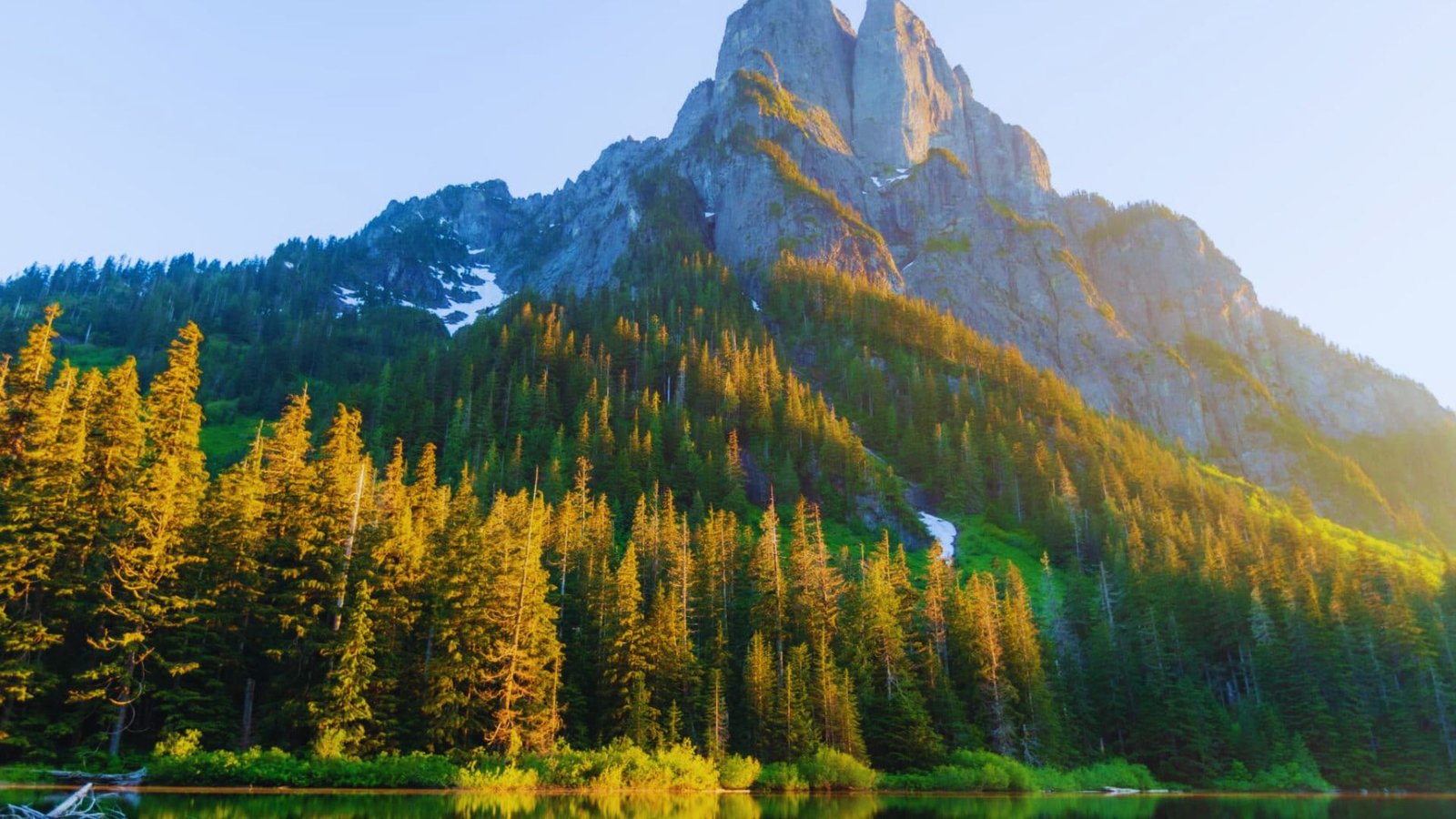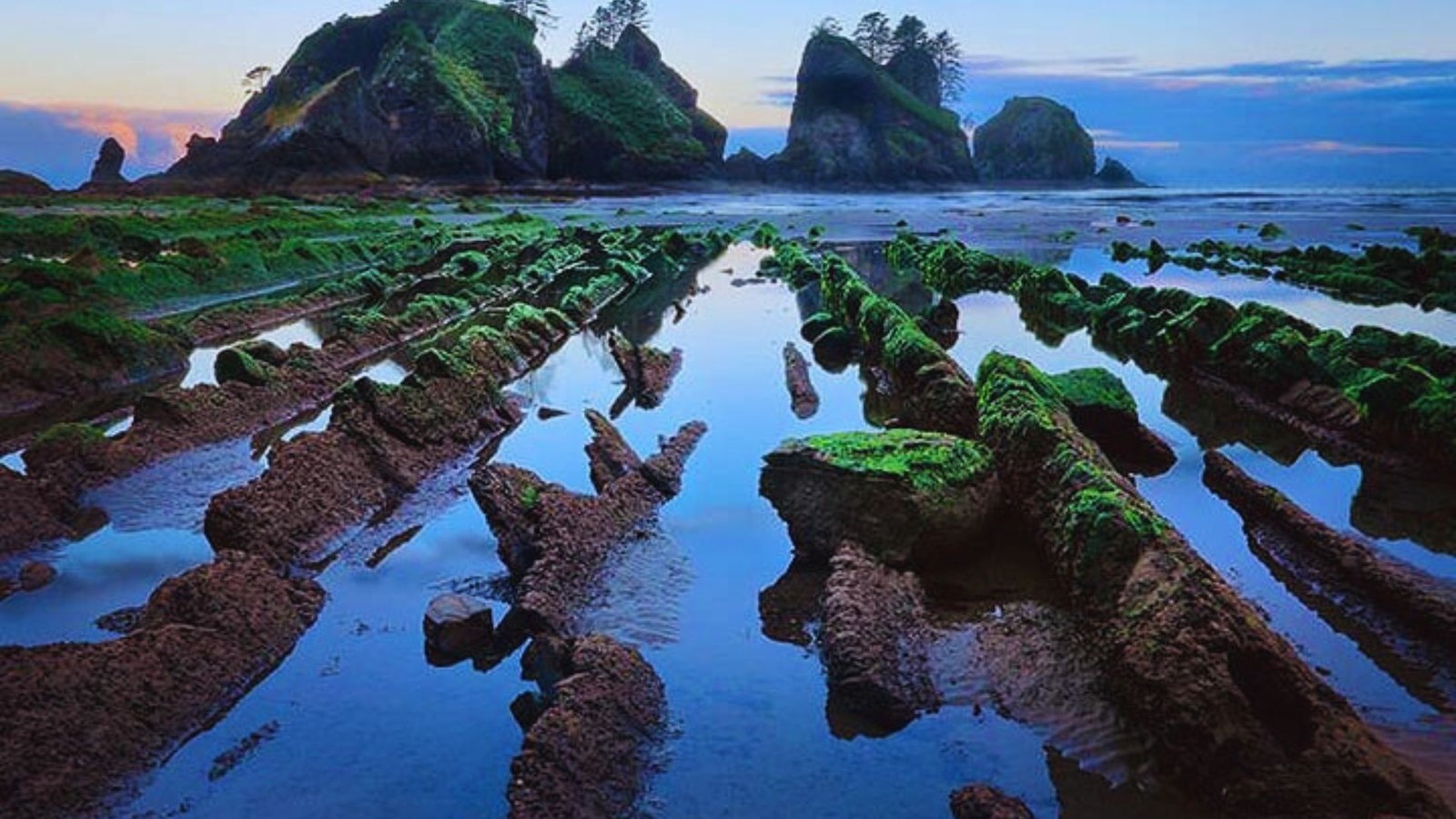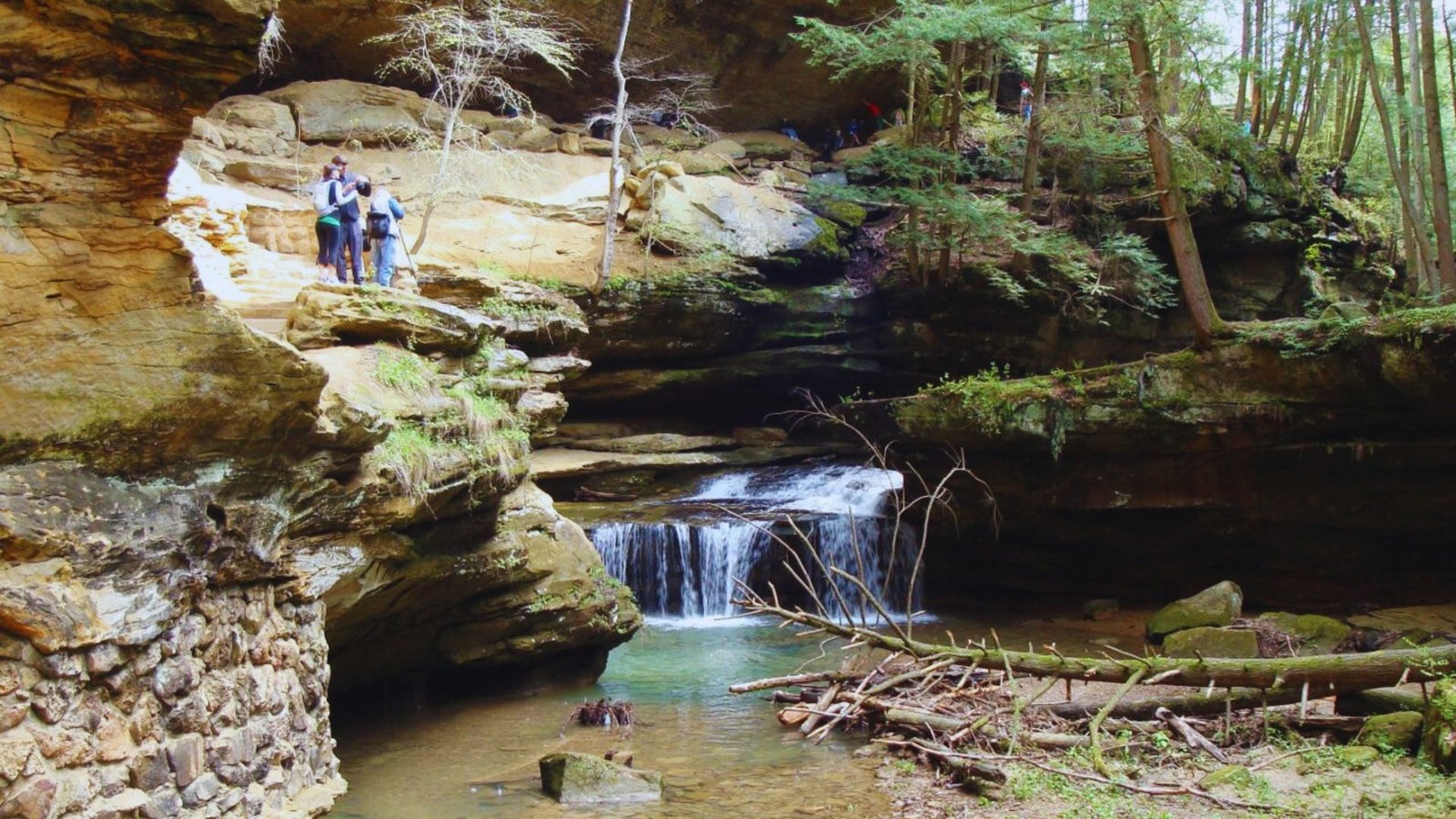
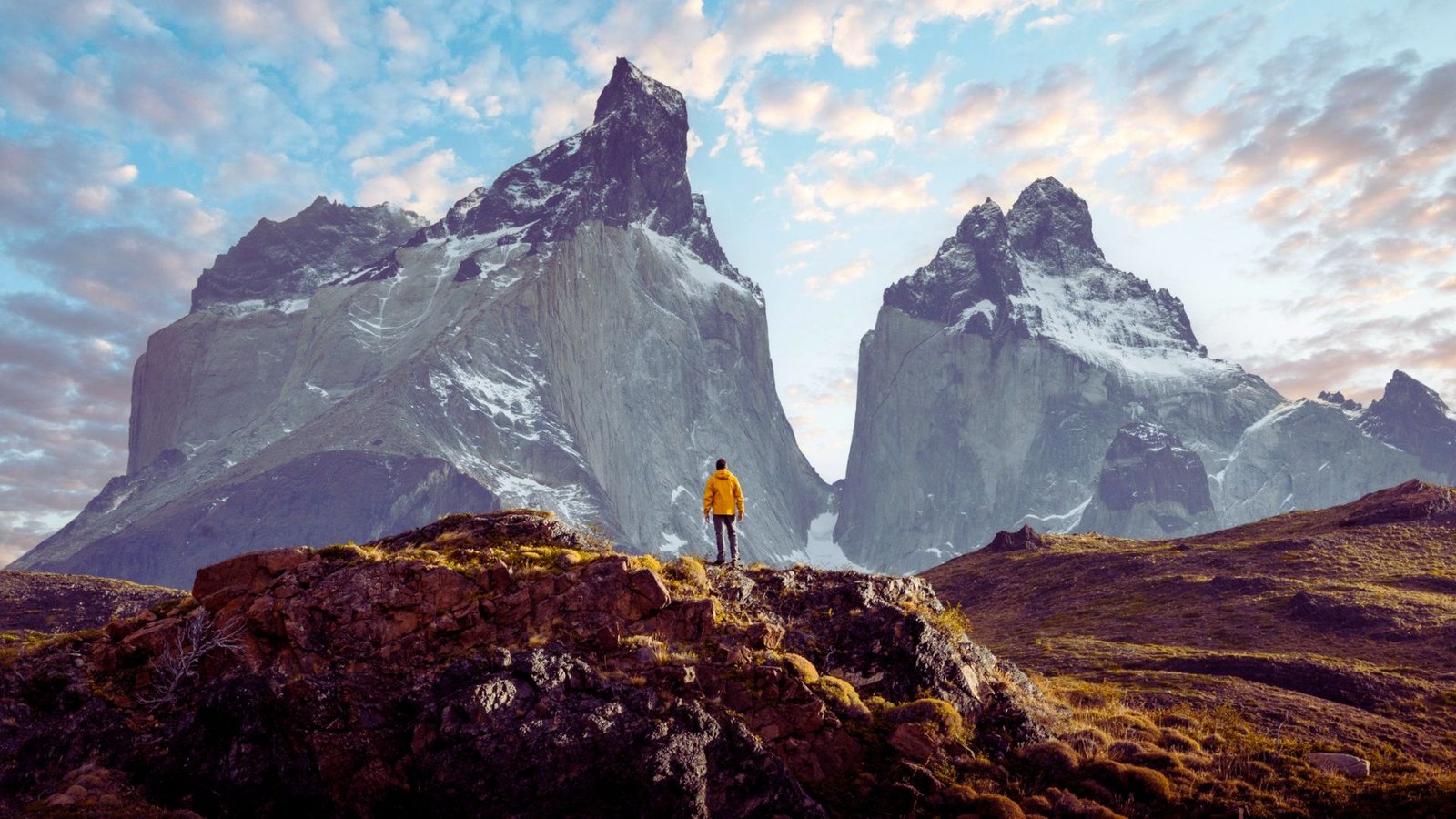

Alt text: A man stands atop a mountain, overlooking a breathtaking view of surrounding peaks and valleys.
Patagonia offers some of the world’s most dramatic hiking routes. This guide covers the top trails in Chile and Argentina, from day hikes to multi-week circuits.
You’ll learn which routes match your skill level, when to go, and what gear you need. I’ve spent years researching these trails and talking to hikers who’ve completed them.
You’ll find honest advice based on real experiences. This isn’t about selling you a dream. It’s about giving you the tools to plan a safe, rewarding trek.
Short on time? Start with the W Trek. Want solitude? Try Cerro Castillo.
Let’s get you ready.
Why Patagonia Is a Global Trekking Paradise
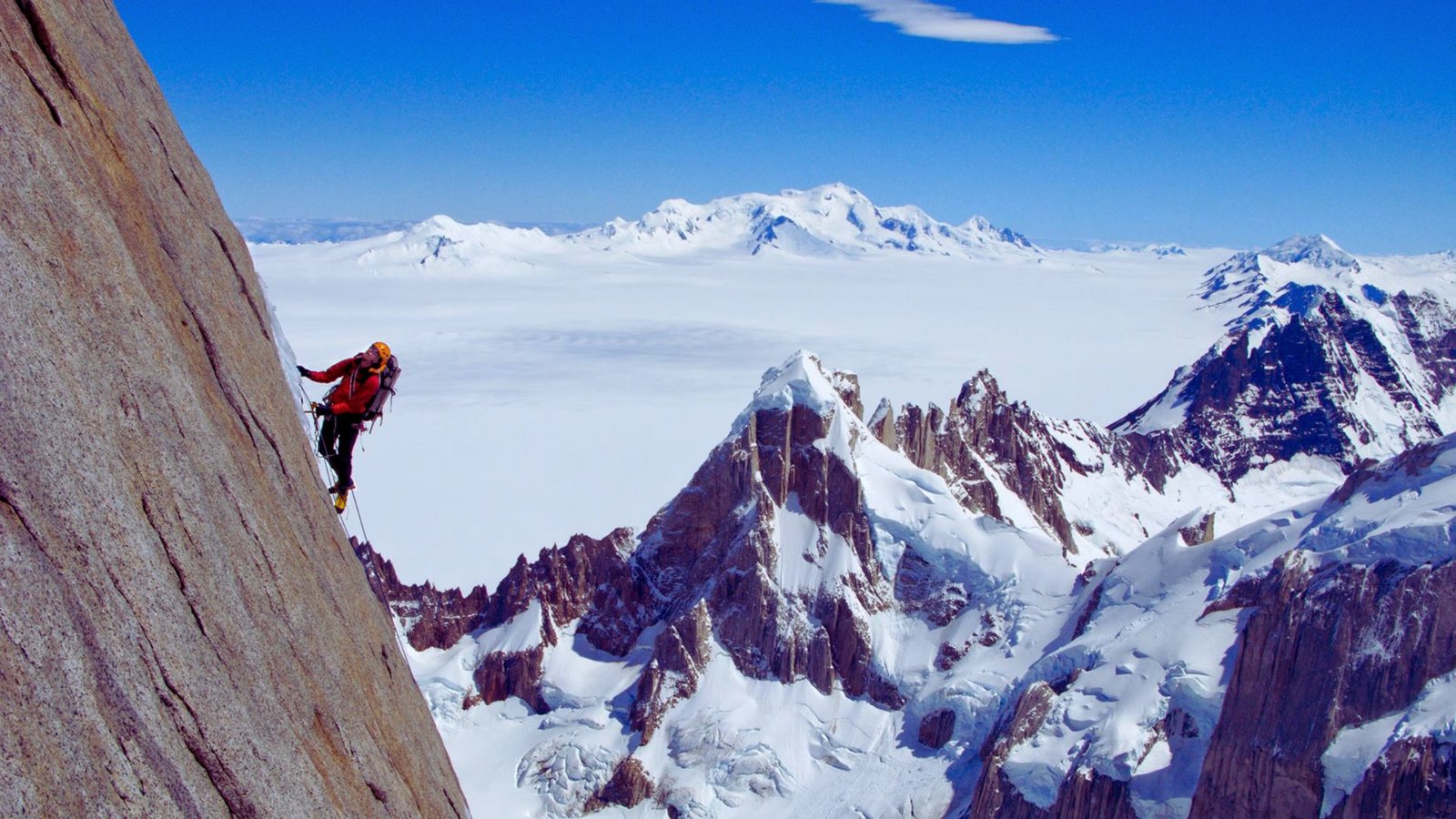
Alt text: A climber ascends a rocky mountain, with snow-capped peaks visible in the background.
Patagonia sits at the southern tip of South America, split between Chile and Argentina. Massive glaciers, turquoise lakes, and granite peaks rise straight from the plains.
Well-marked trails range from easy day hikes to challenging two-week circuits. You can walk beneath hanging glaciers, cross mountain passes, and camp beside crystal-clear rivers. Rangers patrol popular areas during peak season.
Chilean Patagonia centers on Torres del Paine National Park. The trails here see more hikers but offer better infrastructure with refugios offering meals and beds.
Argentine Patagonia includes El Chalten and the Fitz Roy massif. These trails are less crowded and often free to access, but more remote.
The terrain is equally impressive in both countries. Many hikers visit both on one trip using border crossings for extended treks.
Best Trekking Trails in Patagonia
From iconic day hikes to demanding circuits, Patagonia’s trails offer options for every skill level and timeline available.
1. Laguna de Los Tres (Fitz Roy)
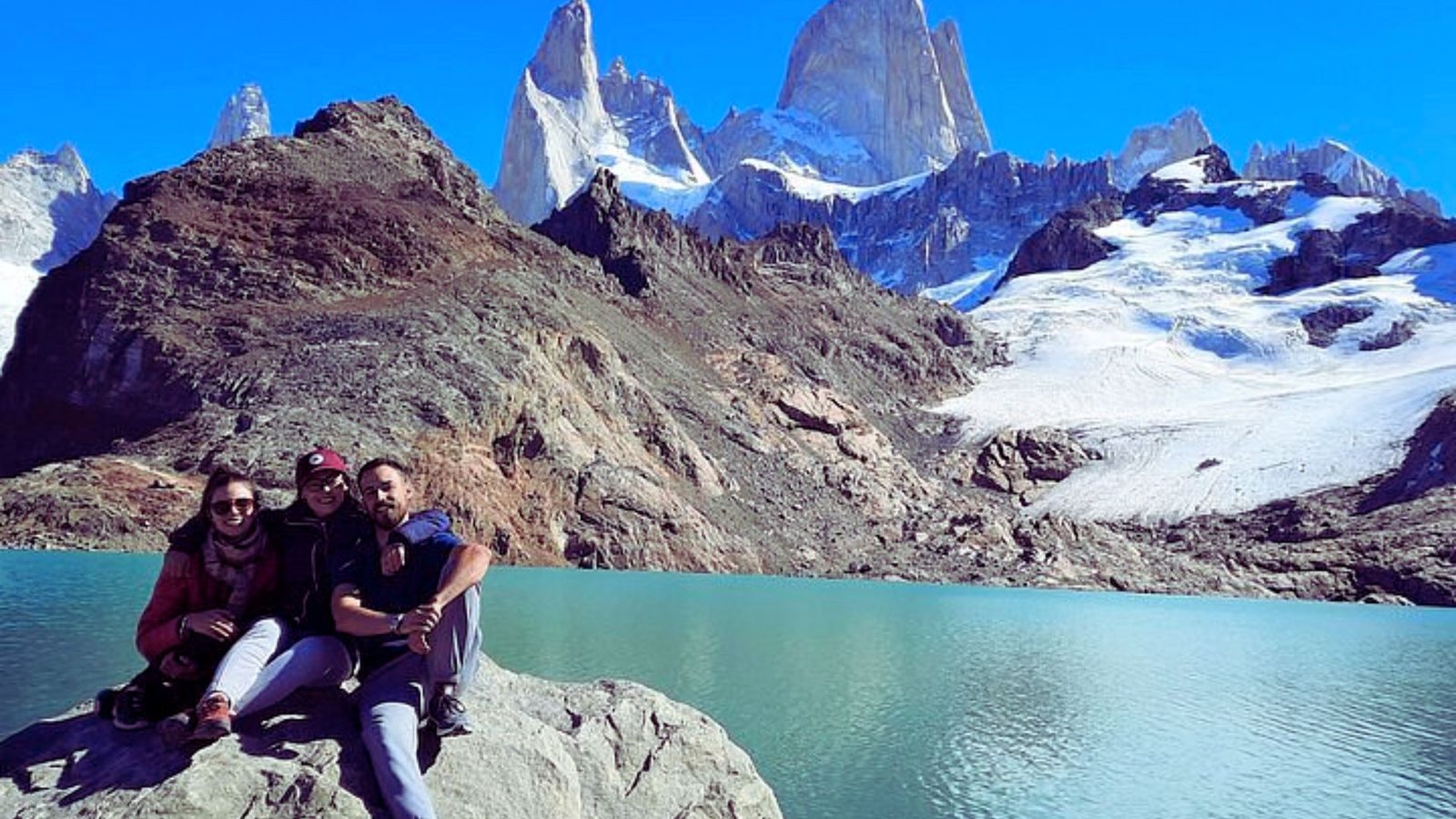
Alt text:Three friends seated on a rock near a calm lake, sharing a moment together in a picturesque outdoor setting.
This classic El Chalten day hike rewards early risers with perfect reflections of Mount Fitz Roy.
This 20-kilometer day hike leads to a lagoon beneath Mount Fitz Roy. Start early from El Chalten. The trail climbs through lenga forests before breaking into open terrain.
The final hour is a brutal push up steep switchbacks. Your reward is a glacial lake with Fitz Roy reflected in still water.
Get there before 8 AM for the best light and smallest crowds. The hike takes 8-10 hours round trip. Bring plenty of water and snacks.
2. Laguna Torre Trek
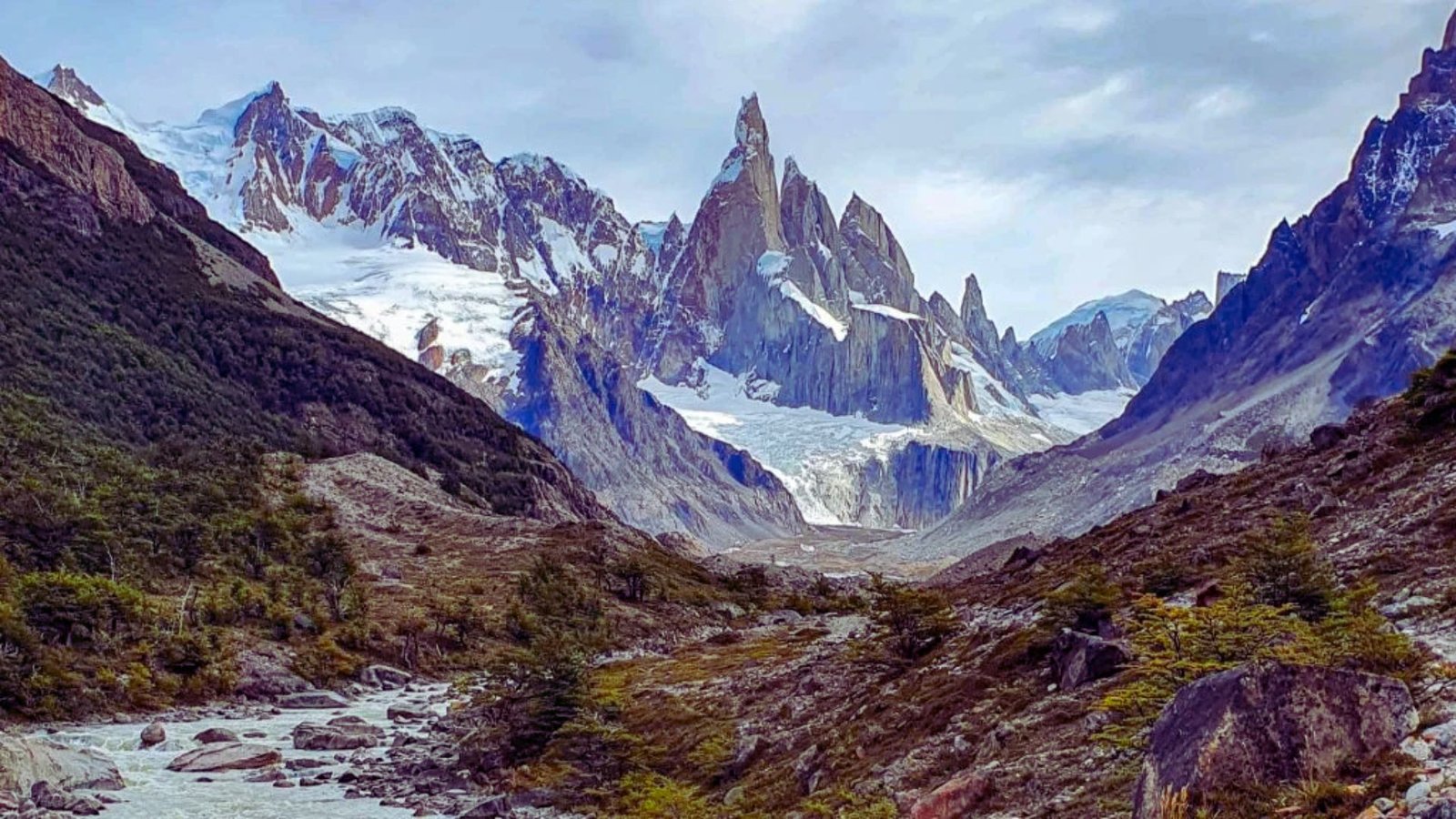
Alt text: Breathtaking view of Patagonia’s mountains, featuring dramatic peaks and a picturesque landscape under a bright sky.
See Cerro Torre’s ice-covered spire rising above an iceberg-filled lake on this easier El Chalten route.
Another El Chalten classic, this 18-kilometer route leads to Laguna Torre and its iceberg-filled waters. Cerro Torre’s ice-plastered spire rises behind the lake.
The trail is easier than Laguna de Los Tres, with gentle grades through forest and meadows. Strong winds hit the final stretch near the lake.
Budget 6-8 hours for the round trip. You can combine both treks in a long day, but it’s exhausting.
3. Mirador Las Torres – Torres del Paine
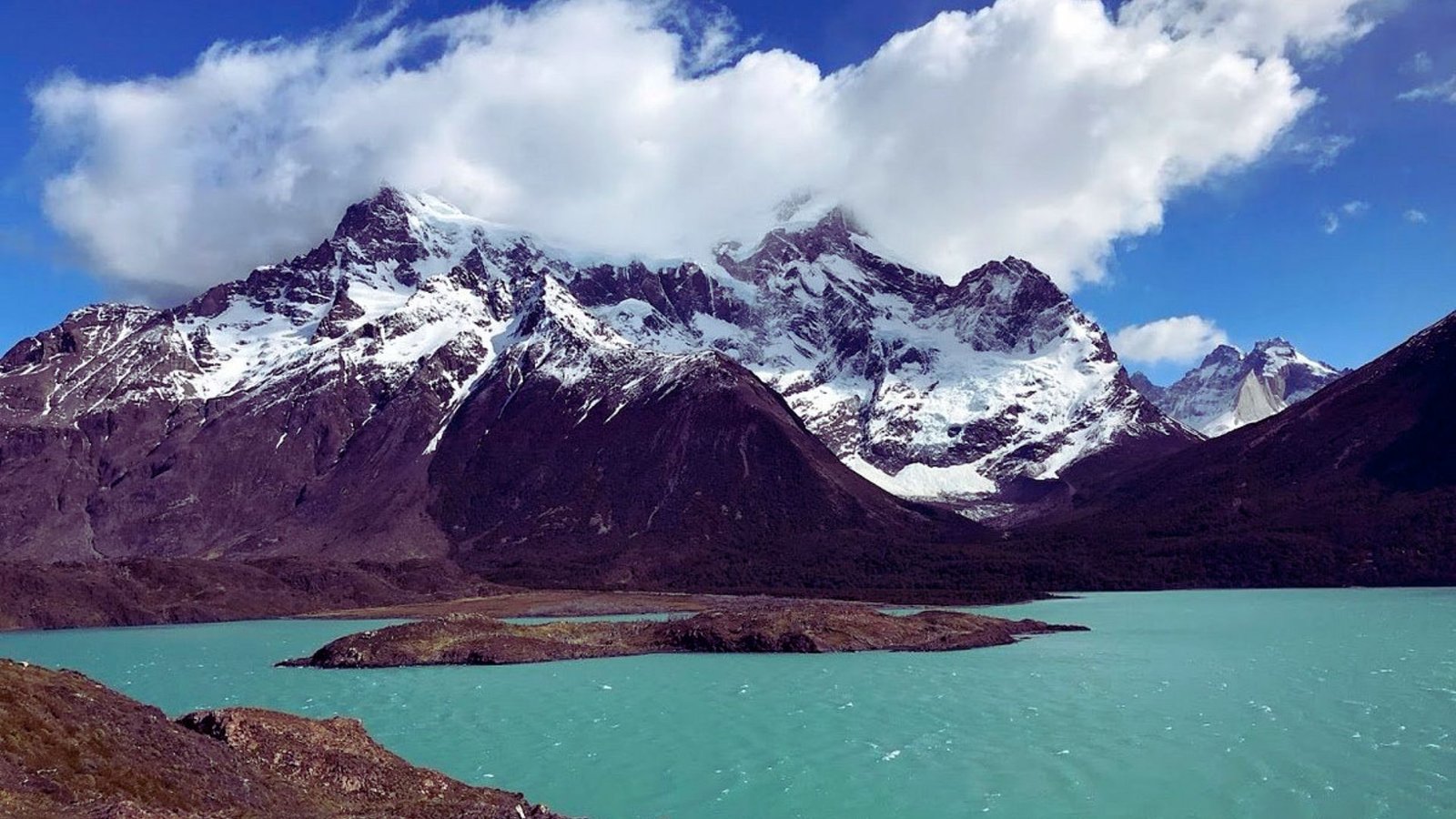
Alt text:. A picturesque lake in Patagonia, framed by rugged mountains and lush greenery, showcasing the region’s natural beauty.
The iconic sunrise hike to view three granite towers is Torres del Paine’s signature trail.
This iconic hike rewards you with views of three granite towers. Start from Hotel Las Torres por Refugio El Chileno.
The 11-kilometer trail gains 700 meters, with the last kilometer being a steep boulder scramble. Most hikers do this as a day trip from Puerto Natales.
Allow 7-9 hours round trip. Go at sunrise if you can handle a 4 AM start. The towers glow pink in early light.
4. W Trek Patagonia
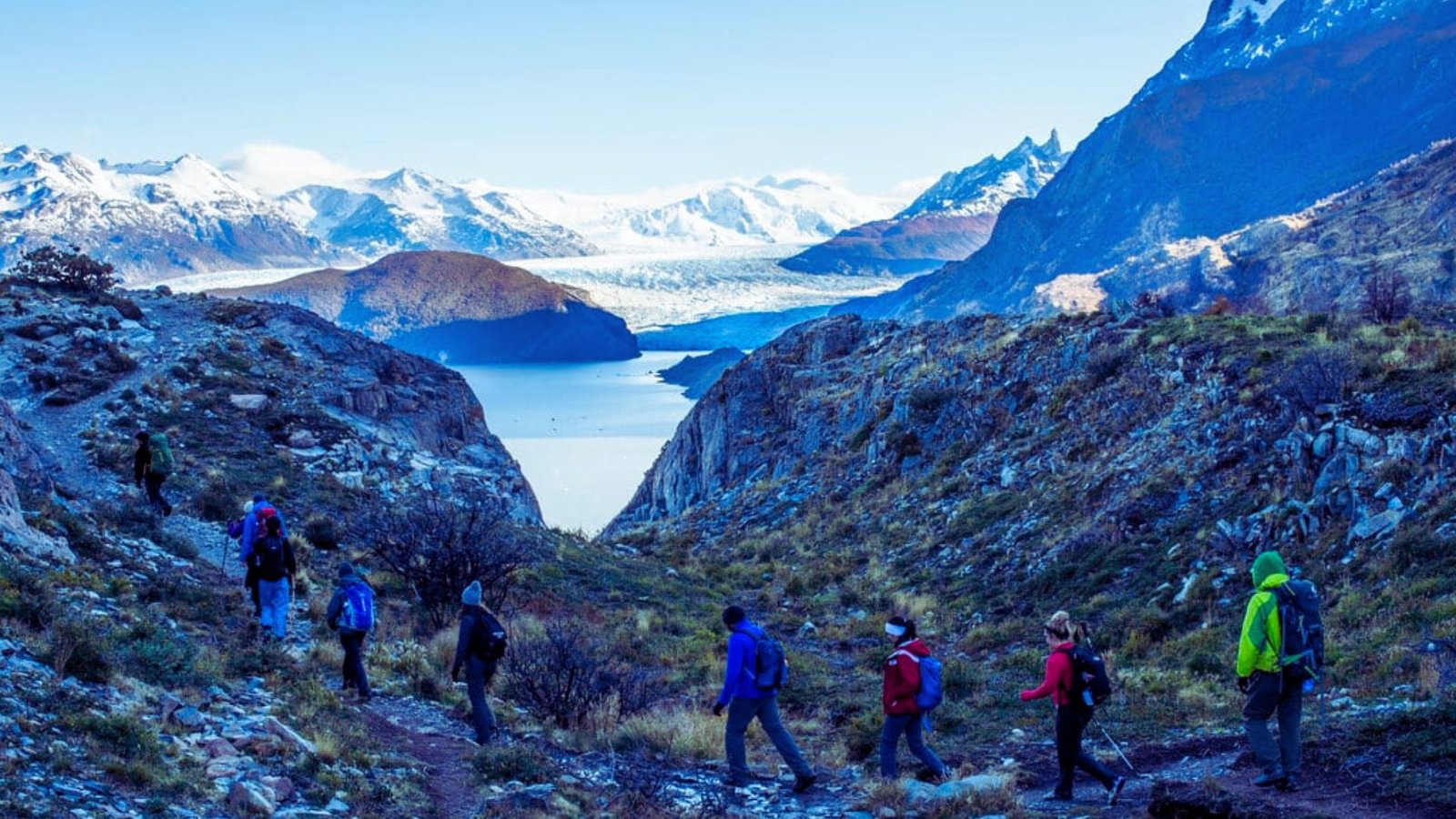
Alt text: A group of hikers on a mountain trail, with a picturesque lake and majestic mountains behind them
Patagonia’s most popular multi-day route visits Torres del Paine’s highlights over four to five days.
The W Trek covers 80 kilometers over four to five days. You’ll visit the Torres, French Valley, and Grey Glacier.
The route follows a W shape through Torres del Paine. Most hikers walk west to east, ending at Paine Grande.
You can stay in refugios or camp. Book months ahead for peak season. This is the most popular multi-day trek in Patagonia. Expect crowds but good trail infrastructure.
5. O Circuit Torres del Paine
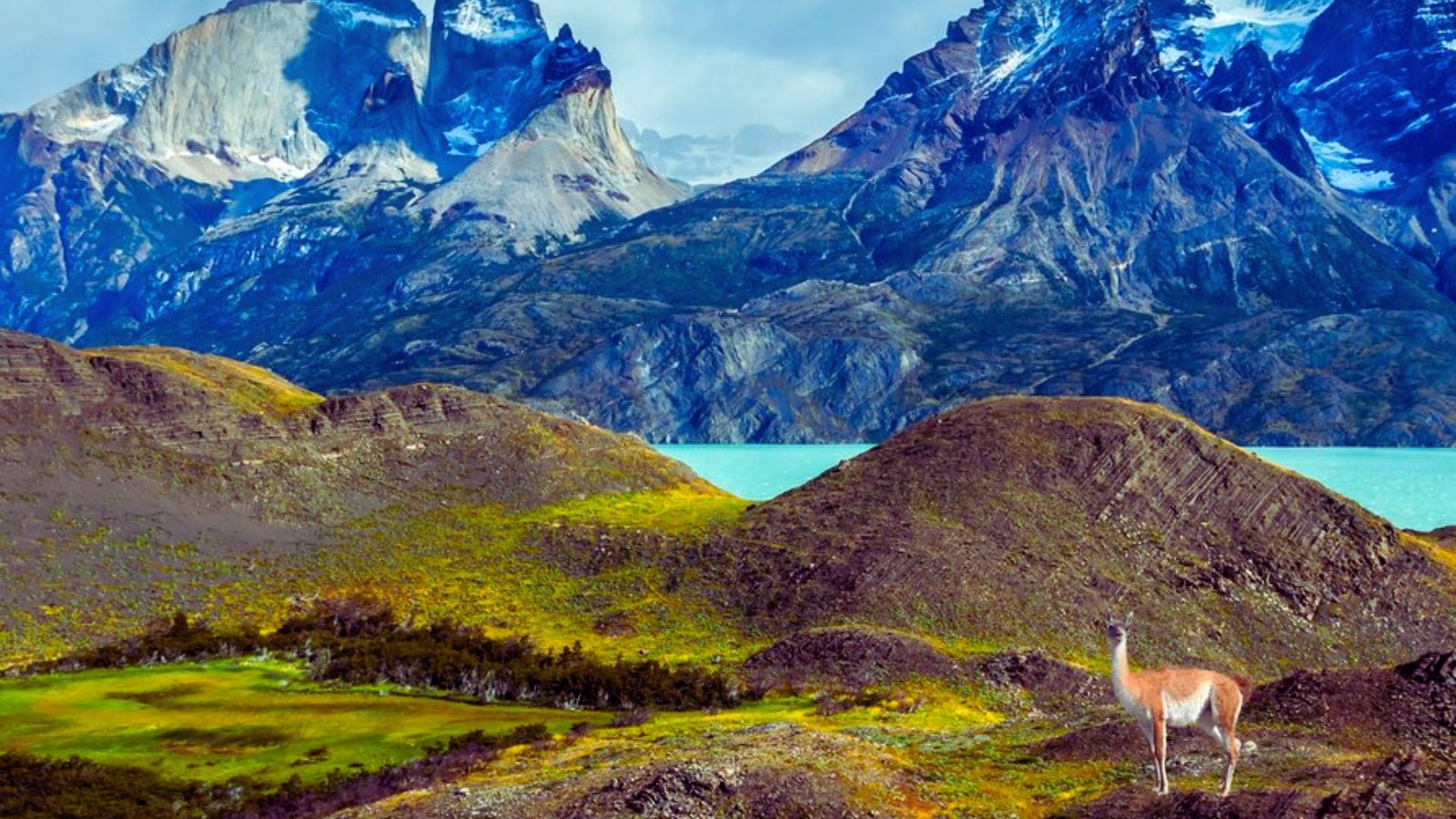
Alt text: A gazelle stands gracefully on a hill, framed by towering mountains in the background.
The full loop around Torres del Paine adds remote backcountry to the W Trek for serious hikers.
The O Circuit adds the remote backside of Torres del Paine to the W Trek. The total distance is 130 kilometers over 8-10 days.
You’ll cross the John Gardner Pass, the trek’s most challenging section. This involves steep climbs and potential snow, even in summer.
The backside sees far fewer hikers. You’ll camp in designated sites. This route demands experience and proper gear.
6. Cerro Castillo Circuit
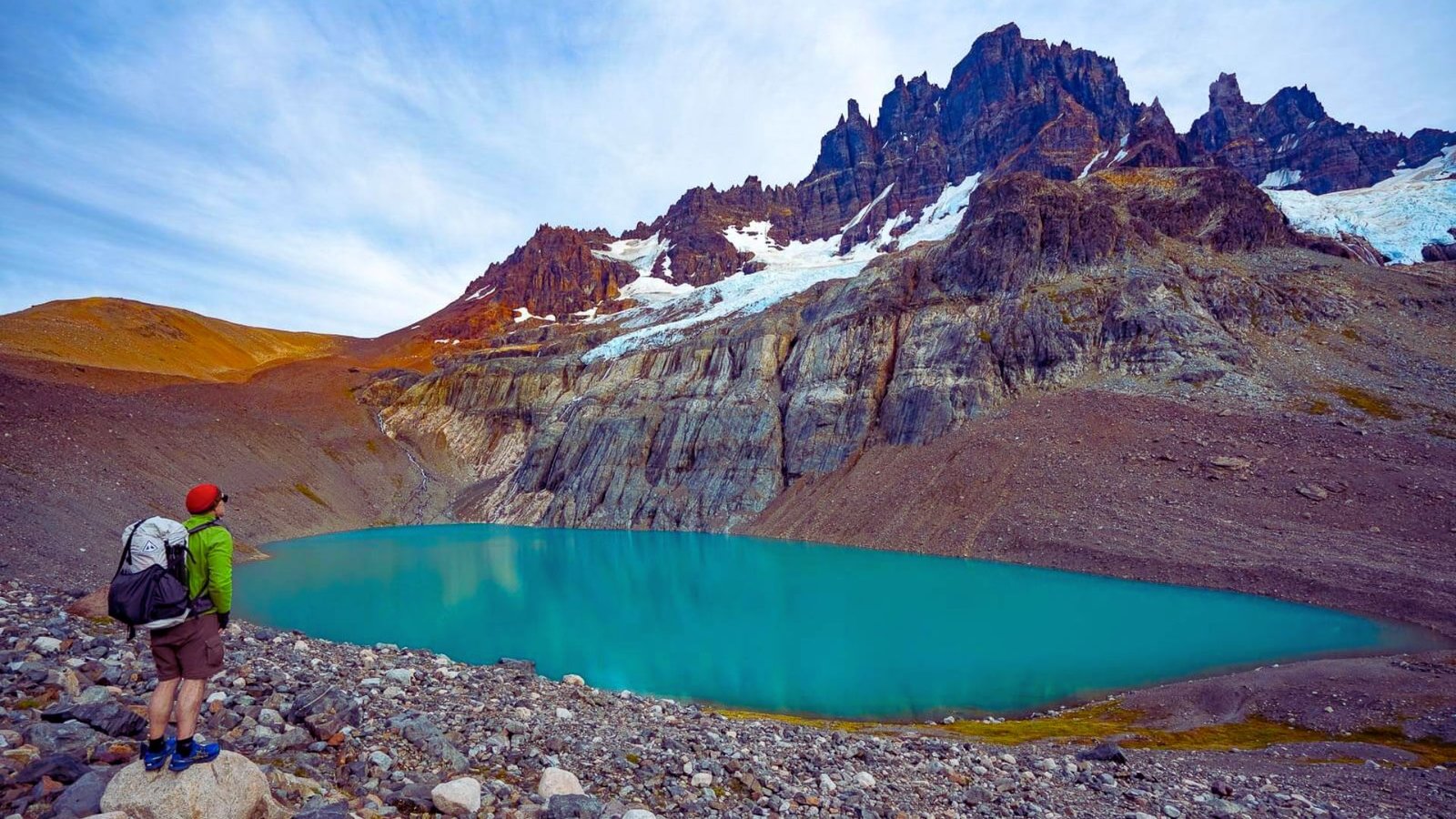
Alt text: Majestic Torres del Paine in Patagonia, Chile, featuring towering granite peaks surrounded by vibrant green landscapes
A wilder alternative to Torres del Paine with castle-shaped peaks and fewer crowds.
This 60-kilometer loop in Chilean Patagonia takes four days. The trail circles around Cerro Castillo, a castle-shaped peak south of Coyhaique.
You’ll cross two high passes and camp in river valleys. The terrain is wilder and less maintained than Torres del Paine.
Expect route-finding challenges and creek crossings. Far fewer hikers means more solitude. Start from Villa Cerro Castillo village.
7. Huemul Circuit
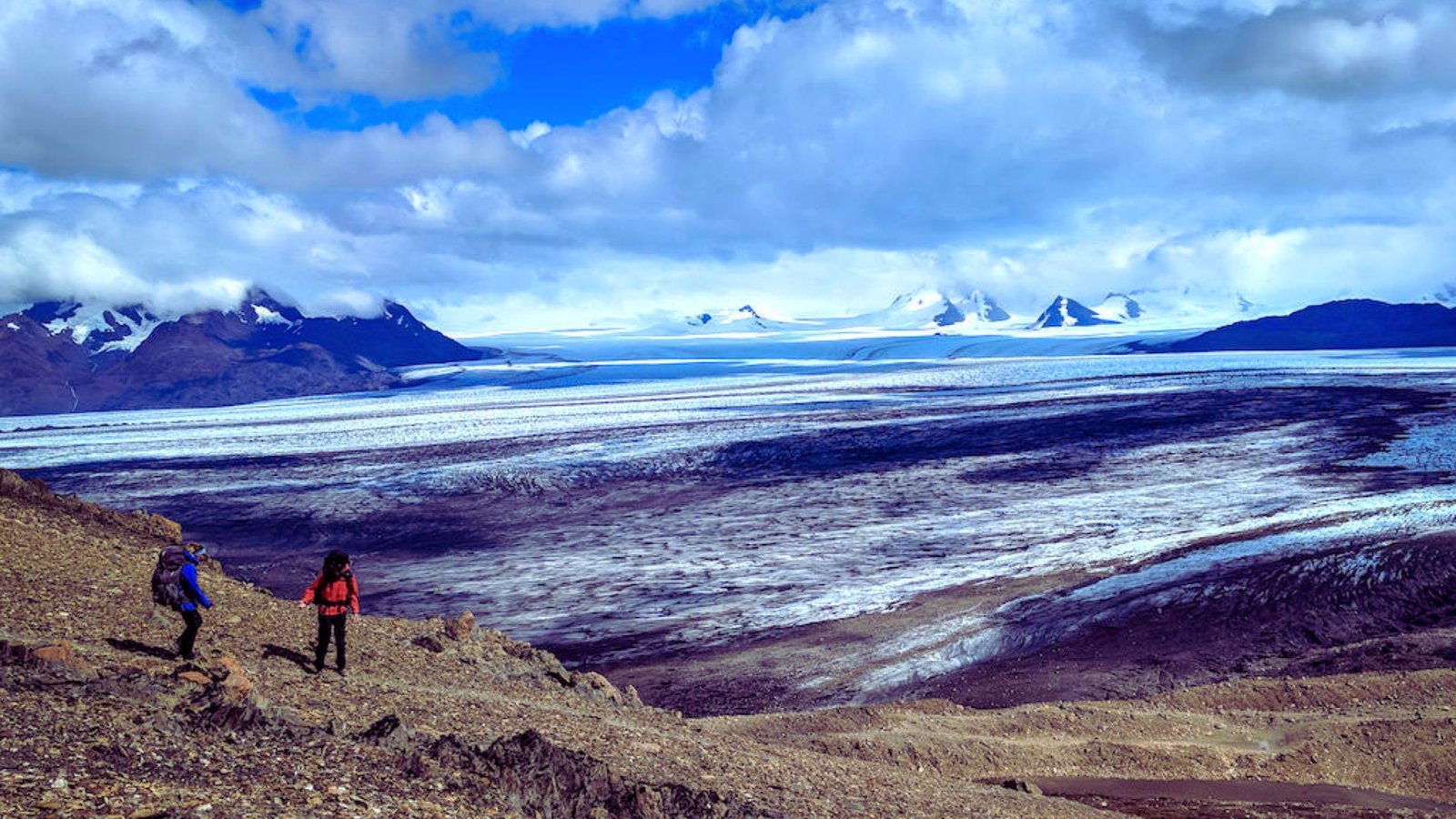
Alt text: Two individuals trekking on a mountain path, with a glacier looming in the background.
One of Patagonia’s toughest accessible treks crosses two glaciers and demands technical skills.
A demanding 60-kilometer loop near El Chalten. This trek crosses two glaciers and requires crampons and ice axes.
You’ll ford rivers and scramble over boulder fields. Most hikers take four days. Weather can shut down the route entirely.
Only attempt this if you have glacier travel experience. It’s one of Patagonia’s toughest accessible treks. The views of Viedma Glacier are worth the effort.
8. Dientes de Navarino Circuit
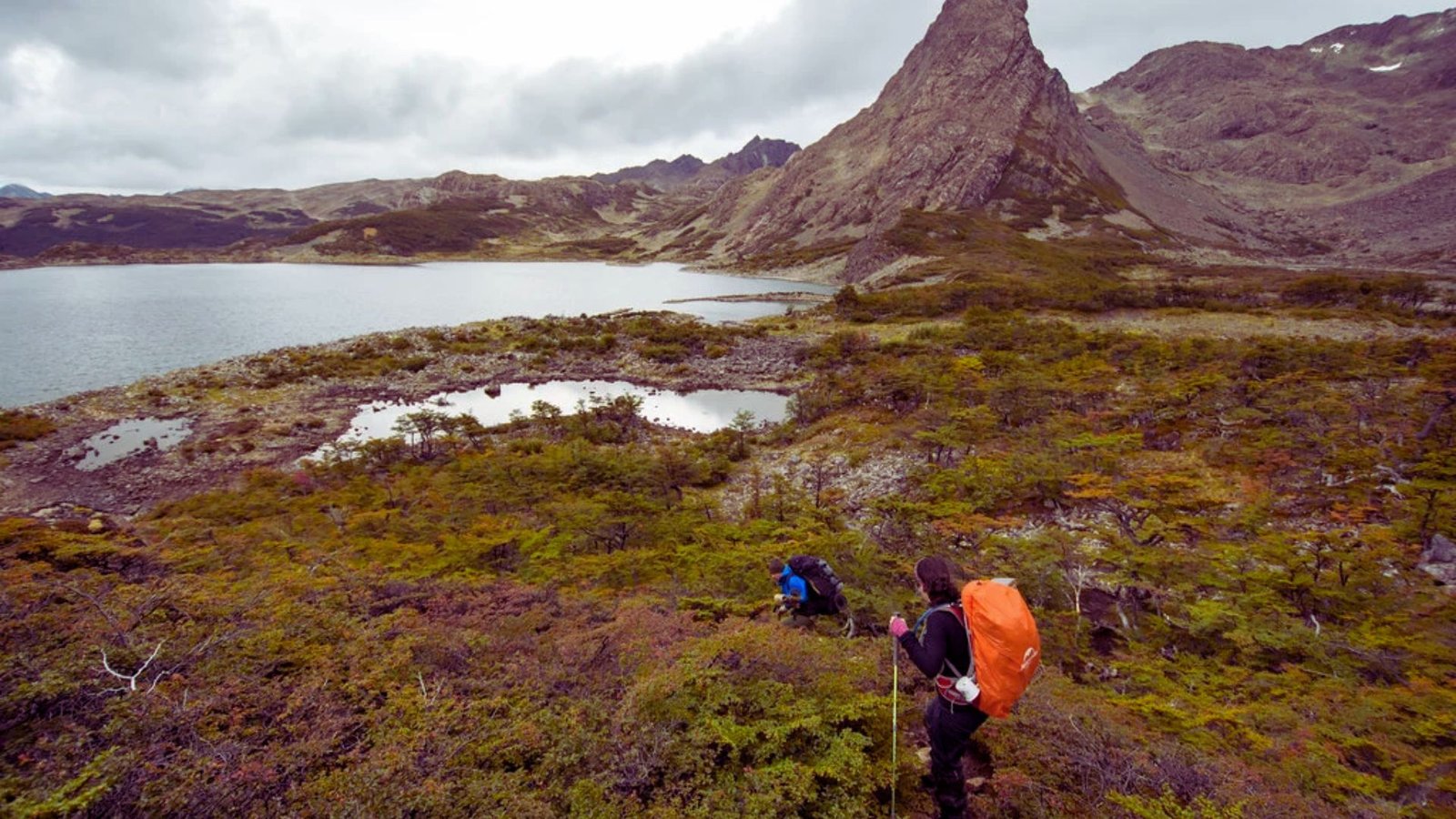
Alt text: Hikers trekking along a scenic trail leading to the iconic Torres del Paine mountains in Chile.
The southernmost trek in Patagonia challenges experienced backpackers with brutal winds and no marked trails.
Located on Navarino Island near Cape Horn, this 53-kilometer circuit is Patagonia’s most southerly trek.
You’ll walk above the treeline the entire time, exposed to brutal winds. The route takes four to five days and requires solid navigation skills.
There are no marked trails in many sections. The weather is worse than anywhere else in Patagonia. This is for experienced backpackers only. The remoteness is unmatched.
9. Villarica Traverse
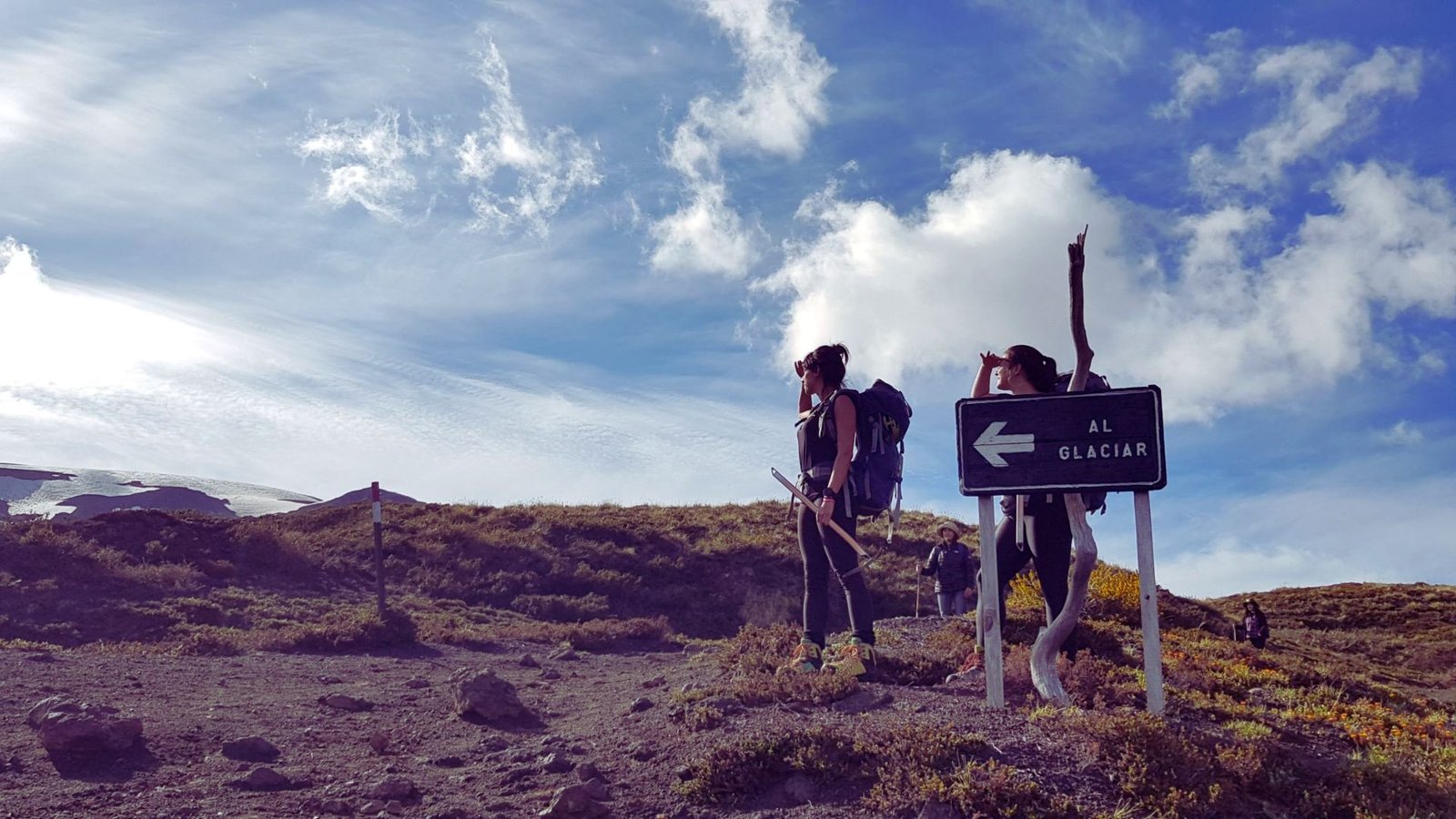
Alt text: Two people stand beside a mountain sign, surrounded by rocky terrain and a clear blue sky.
A gentler option near Pucon combines volcanic landscapes with forest trails over two to three days.
A two to three-day trek near Pucon in Chile’s Lake District. The 40-kilometer route connects volcanic landscapes with forest trails.
You can summit Volcan Villarica (weather permitting) as an add-on. The trek is less technical than southern Patagonia routes.
Good for acclimatizing before heading south. Book refugios in advance during summer months.
Trekking Patagonia Safety Tips
Proper permits, awareness of conditions, and emergency planning keep hikers safe in Patagonia’s remote and weather-exposed terrain.
- Book Torres del Paine campsites and refugios online months ahead through CONAF. El Chalten trails are free but check in with rangers and share your route and return date.
- Download weather apps like Windy and check forecasts daily. Morning weather often predicts the day. Delay exposed sections if heavy rain or high winds are forecast.
- Know bail-out points on your route where you can exit early if needed. Rivers swell during heavy rain, making crossings dangerous.
- Carry offline maps and a GPS device for backcountry routes. Cell service disappears on trails. Leave detailed trip plans with someone at home including expected return dates.
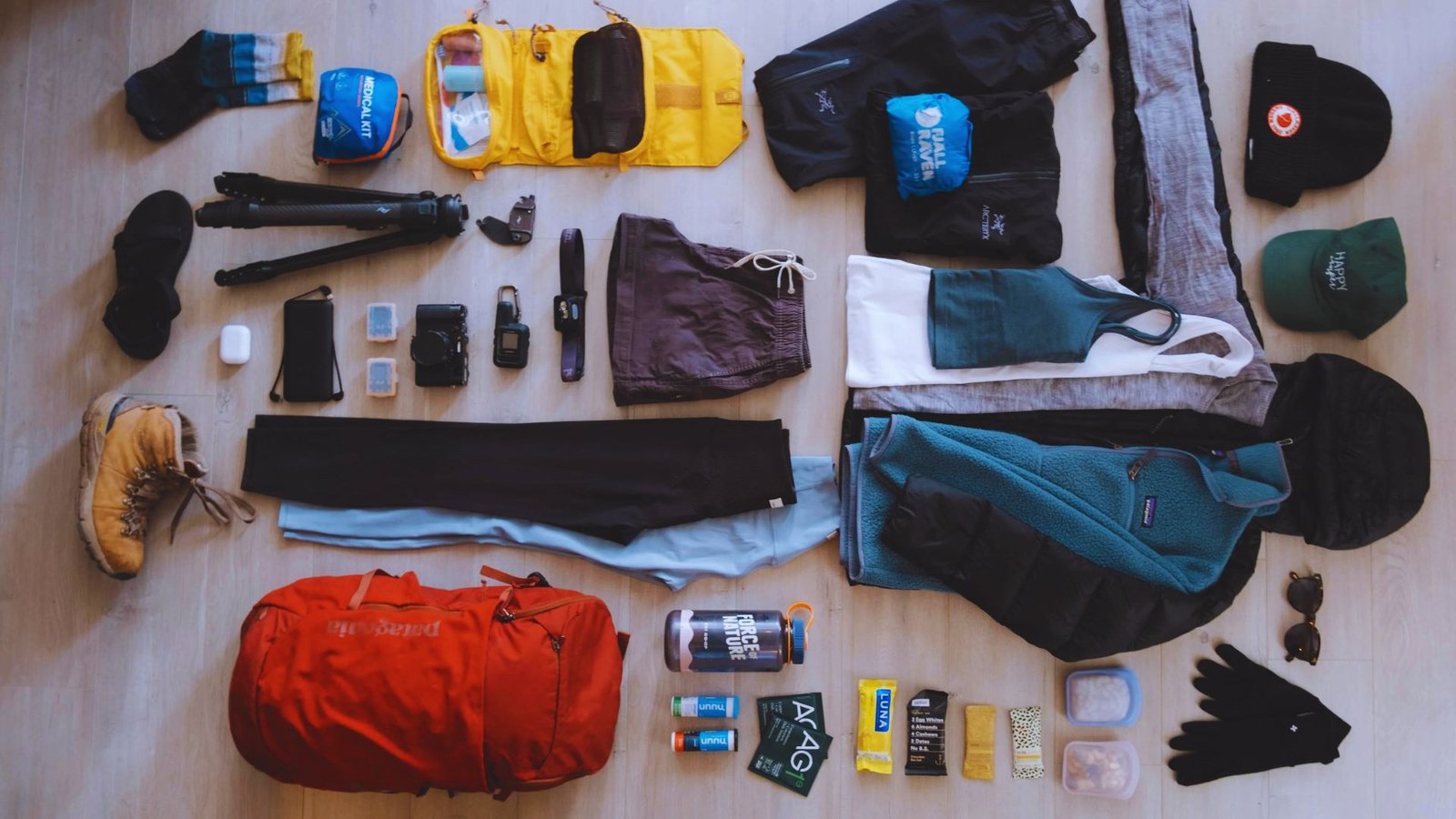
- Pack extra food for weather delays and know basic first aid. Wet plus cold equals hypothermia risk even in summer. Rescue response times are slow in remote areas.
Conclusion
Patagonia changed how I think about wild places. The scale, the weather, the raw feeling of being truly remote. It’s challenging, yes, but manageable with good prep.
Start with the W Trek if you’re new to multi-day hiking. Build from there. The trails will test you. They’ll also reward you with moments you’ll remember forever.
Don’t let fear of planning stop you. One step at a time. Book those flights. I’d love to hear which trail you choose first. Drop a comment below, or share this guide with someone planning their own Patagonia trek.
Frequently Asked Questions
How difficult is trekking in Patagonia?
Most trails are moderate. The W Trek suits fit beginners. The O Circuit and Huemul require experience. Wind and rain are the main challenges.
What is the best month to trek Patagonia?
January and February offer stable weather and long daylight. December and March have fewer crowds but unpredictable conditions. Avoid April through October without winter experience.
Do I need a guide for trekking in Patagonia?
Popular trails like the W Trek are well-marked for independent hiking. Technical routes like Huemul Circuit require guides or glacier skills.
How much does a Patagonia trek cost?
Budget camping trips cost $50-80 per day. Refugio treks run $150-250 daily. Guided luxury tours cost $400-600 per day.
Can you trek Patagonia year-round?
Only December through March suit most hikers. May through October requires technical winter skills and extreme cold tolerance.