
Packing for the W Trek in Torres del Paine can feel overwhelming. I’ve done this trek twice, and I learned the hard way what matters and what doesn’t. This complete W Trek packing list covers everything you need for Patagonia’s unpredictable weather.
You’ll get seasonal adjustments, gear recommendations, and practical tips from real trail experience.
I’ll show you how to pack light, stay dry, and handle wind, rain, and sunshine in one day. From refugio stays to camping setups, this guide solves your packing problems.
Trust me, getting your gear right makes all the difference on this trek.
What to Know Before Packing for the W Trek?
The W Trek takes 4-5 days and covers roughly 50 miles through Torres del Paine National Park in Chilean Patagonia.
You have two accommodation options-refugios (mountain huts with meals and beds) or camping. Book both months in advance during peak season.
The trail is of moderate difficulty with some challenging sections and elevation gains up to 2,000 feet. Weather changes rapidly and unpredictably.
You can experience sun, wind, rain, and cold in a single day. Winds regularly exceed 50 mph and can reach 80 mph.
The park has strict environmental rules including packing out all waste and staying on marked trails. Rangers check permits at entry points. Water is available from streams and refugios along the route. Understanding these basics helps you pack the right gear for your trek.
The Best W Trek Packing List (Core Essentials)
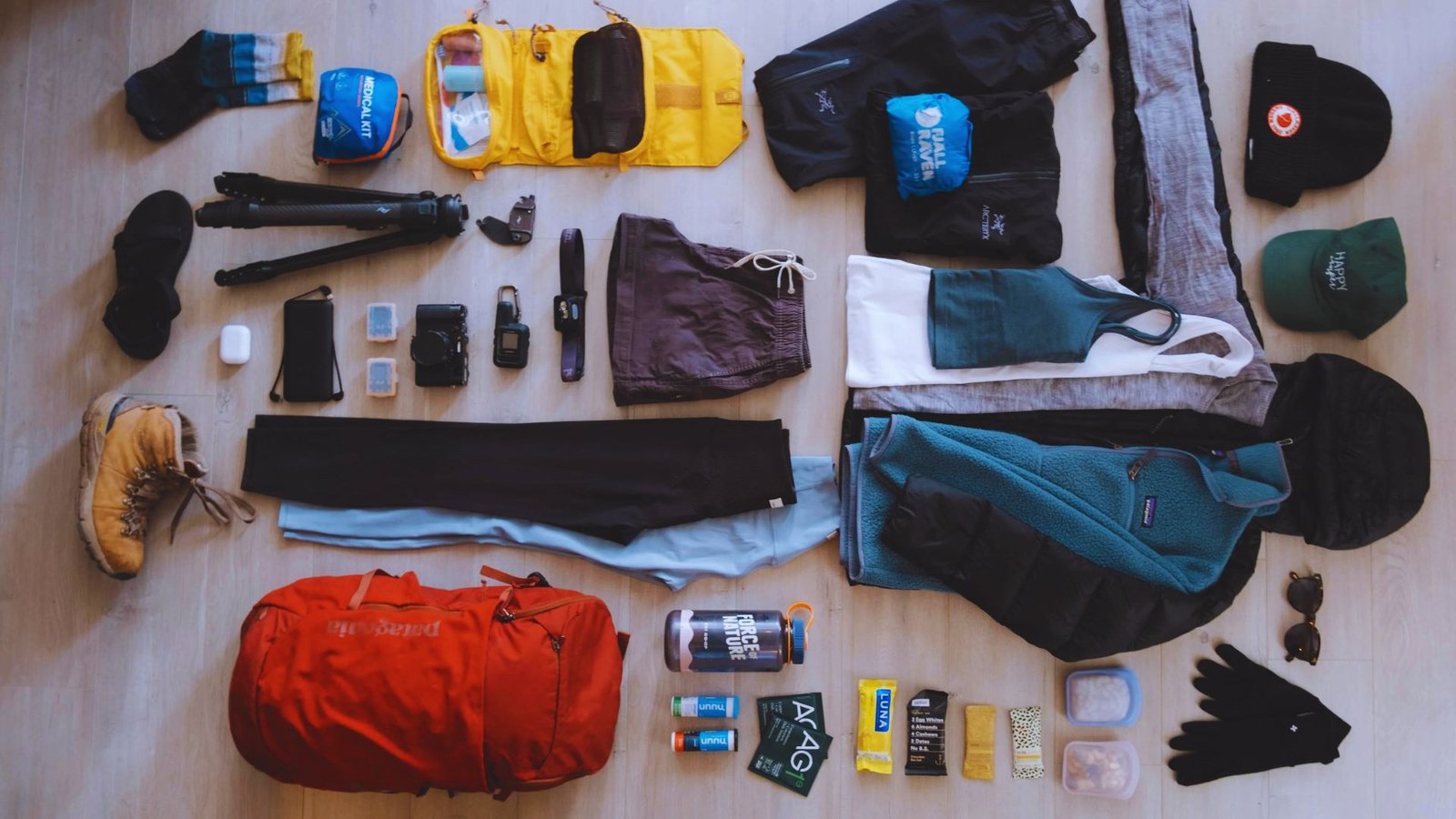
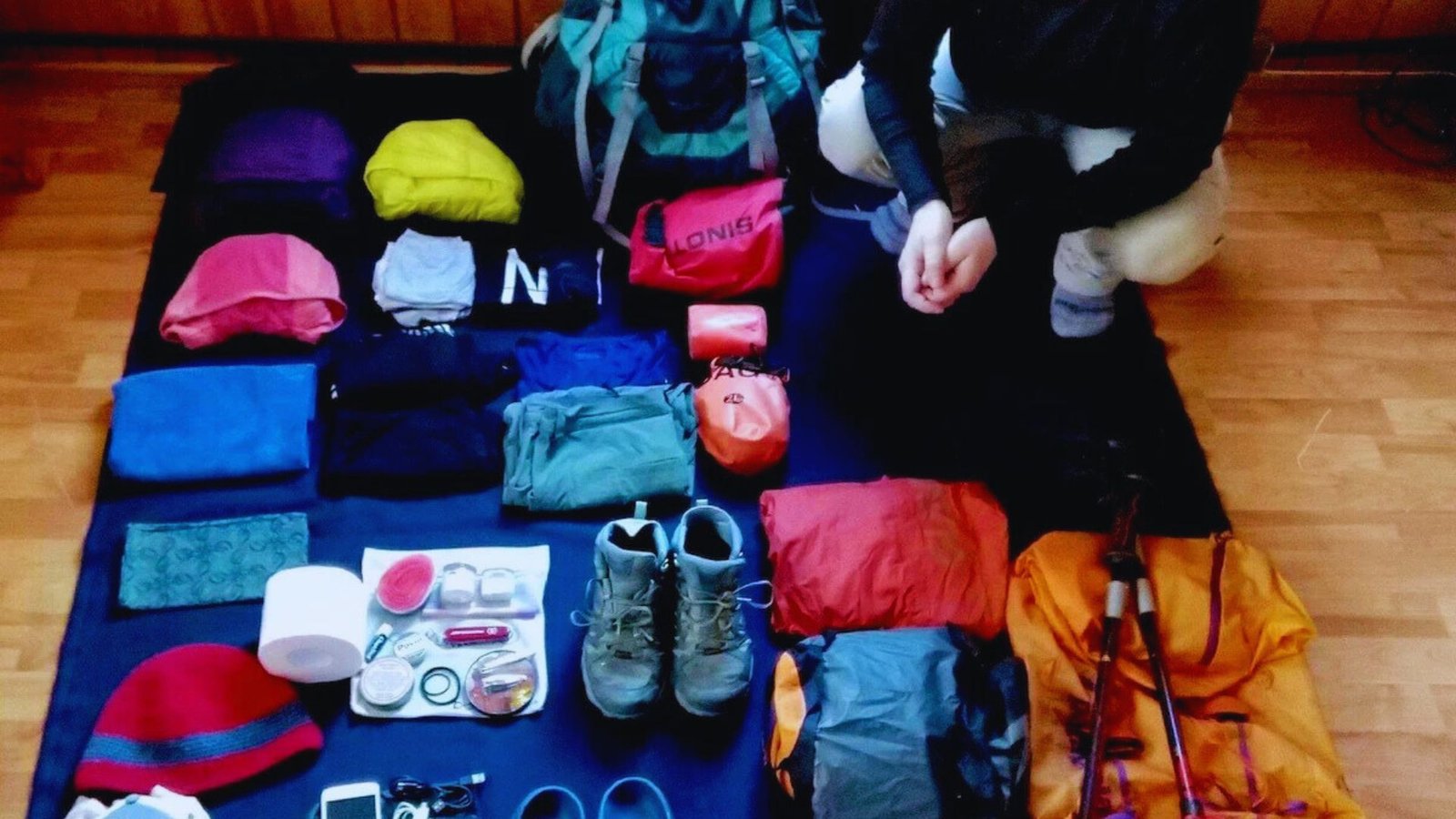
Numbered checklist of necessary gear and clothing for hiking the W Trek in Torres del Paine.
1. Backpack (40-50L for Refugio | 50-65L for Camping)
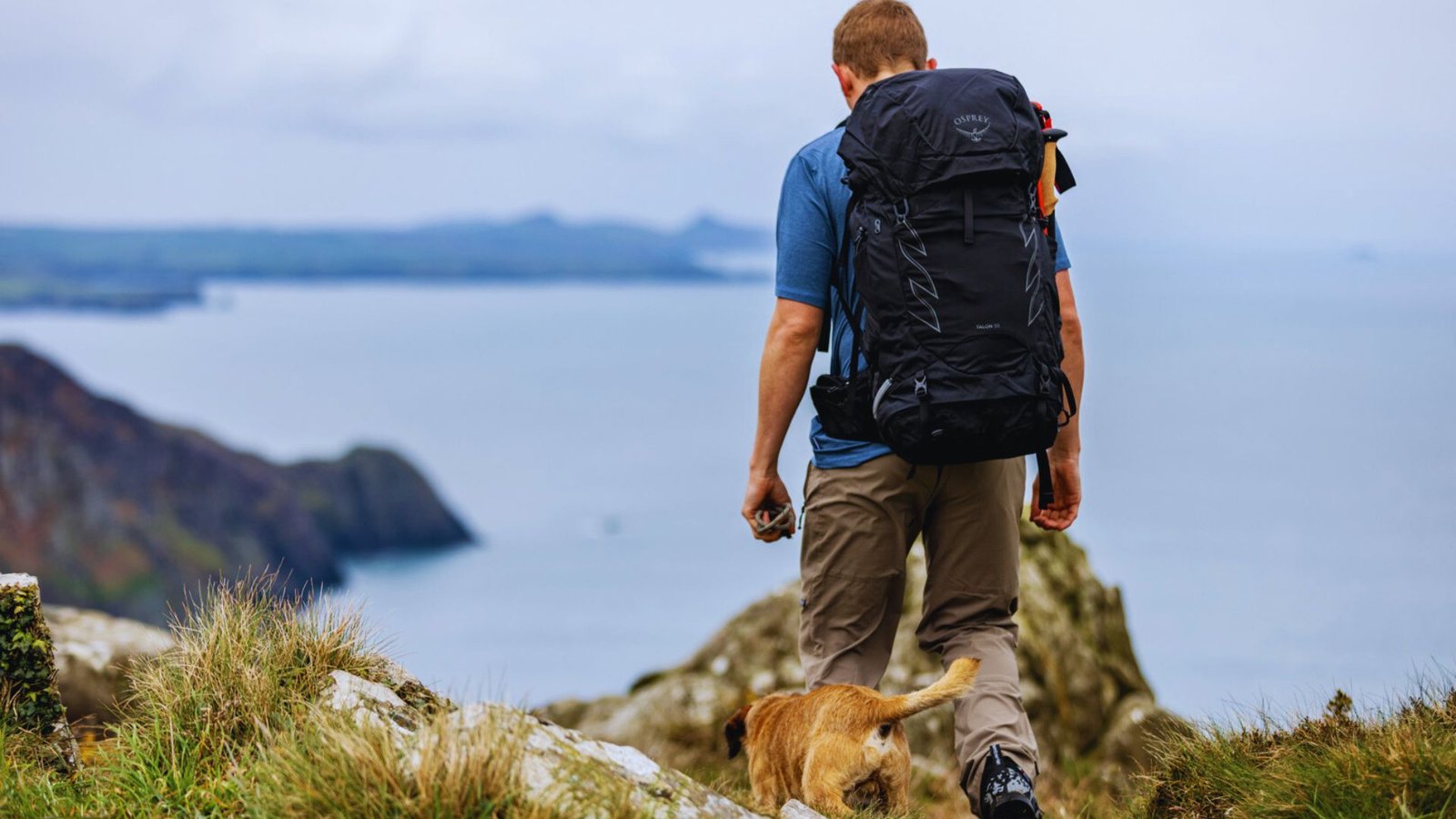
Choose based on your accommodation style. Refugio hikers can go lighter with 40-50L. Campers need 50-65L for a tent and sleeping bag. Make sure it has a good hip belt and fits your torso length. Rain cover is a must.
2. Waterproof Jacket & Rain Pants (Patagonia Weather Ready)
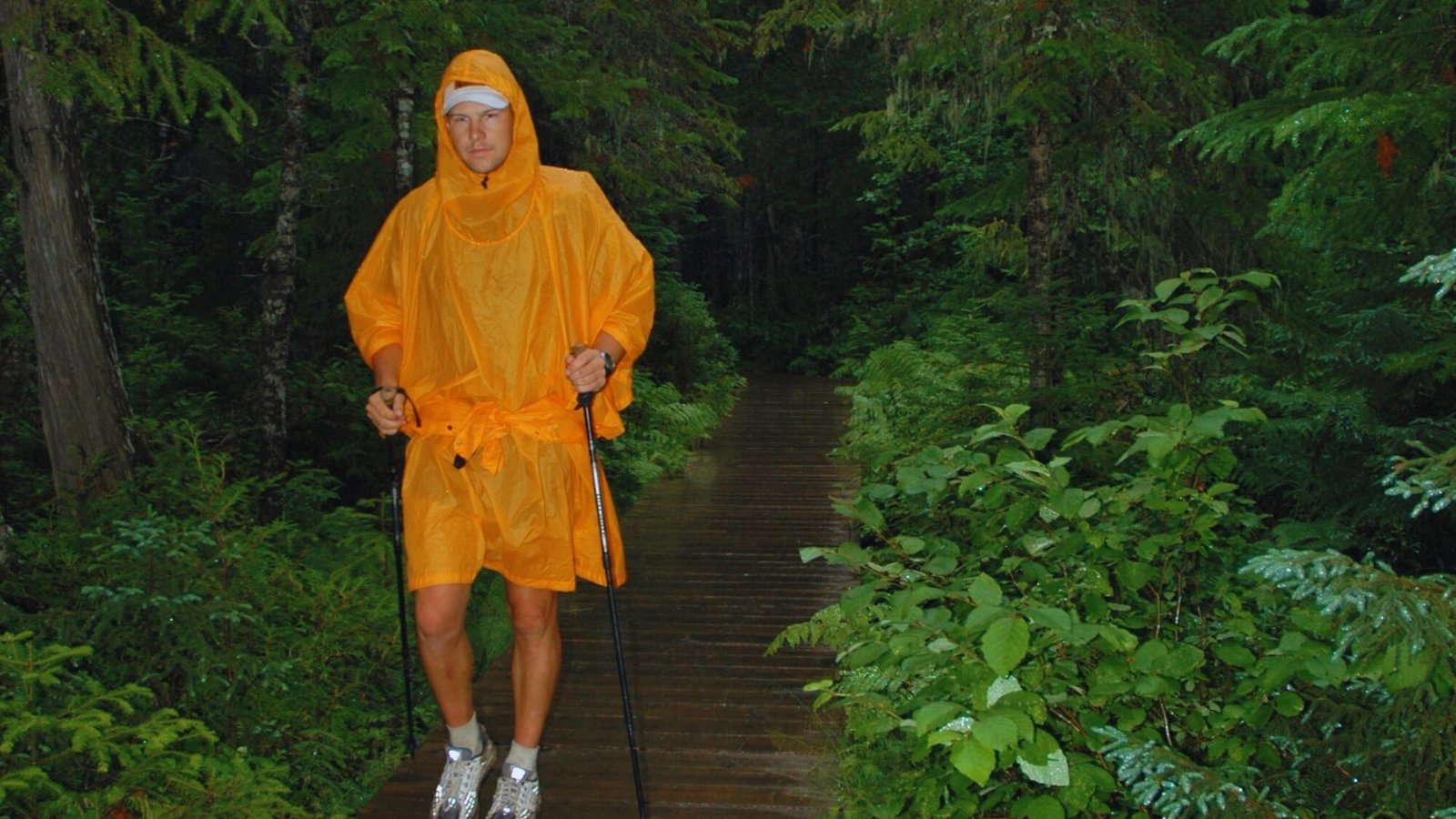
You will get rained on. Non-negotiable items. Get a proper waterproof jacket with sealed seams, not just water-resistant. Rain pants save you from misery when wind drives rain sideways. I wore mine almost daily.
3. Insulated Layer (Down or Synthetic Jacket)
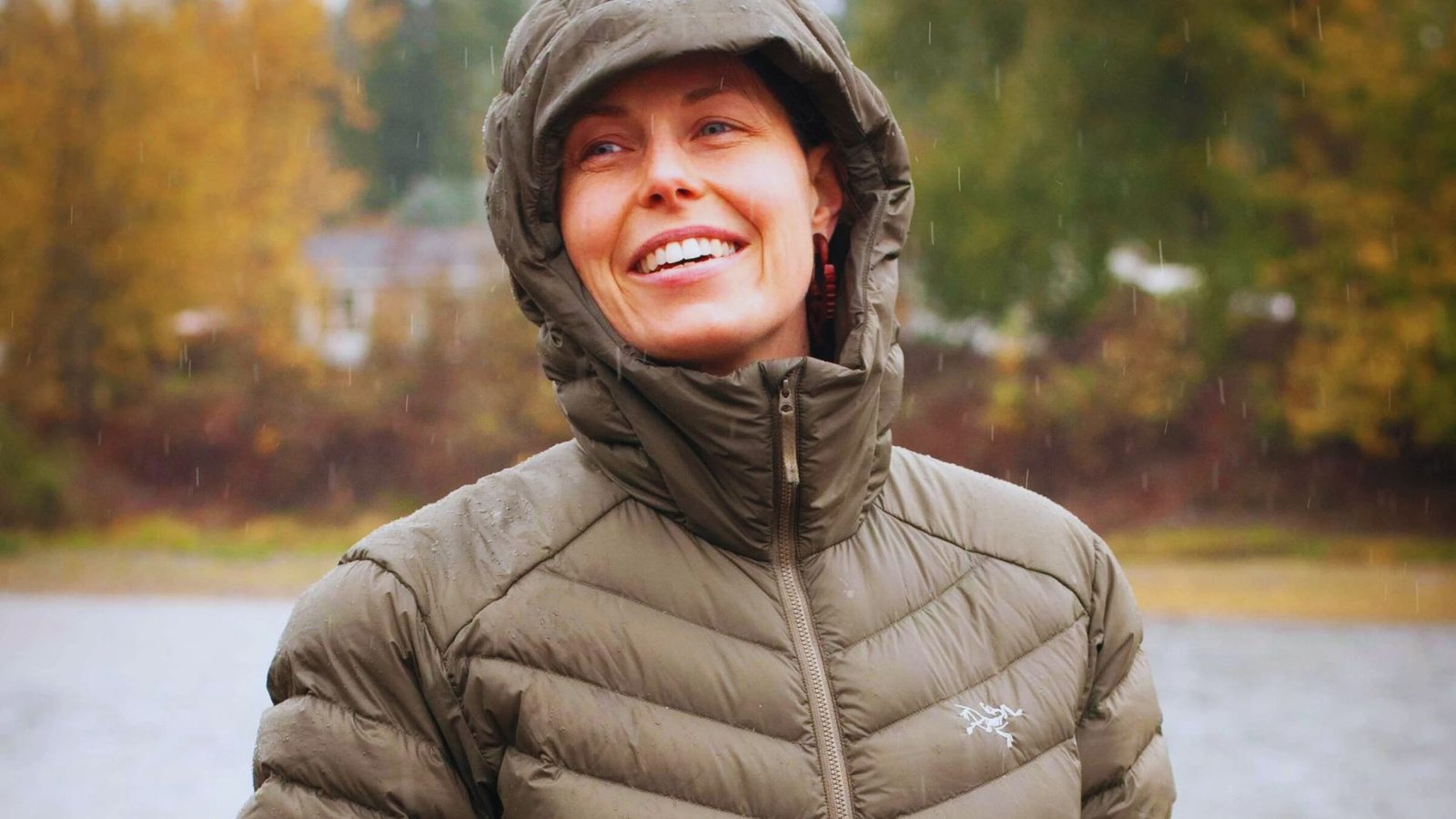
Temperatures drop fast after sunset and at higher elevations. Down packs smaller but loses warmth when wet. Synthetic works better in damp conditions. I carried both a light down jacket and a synthetic layer.
4. Base Layers (Merino or Moisture-Wicking)
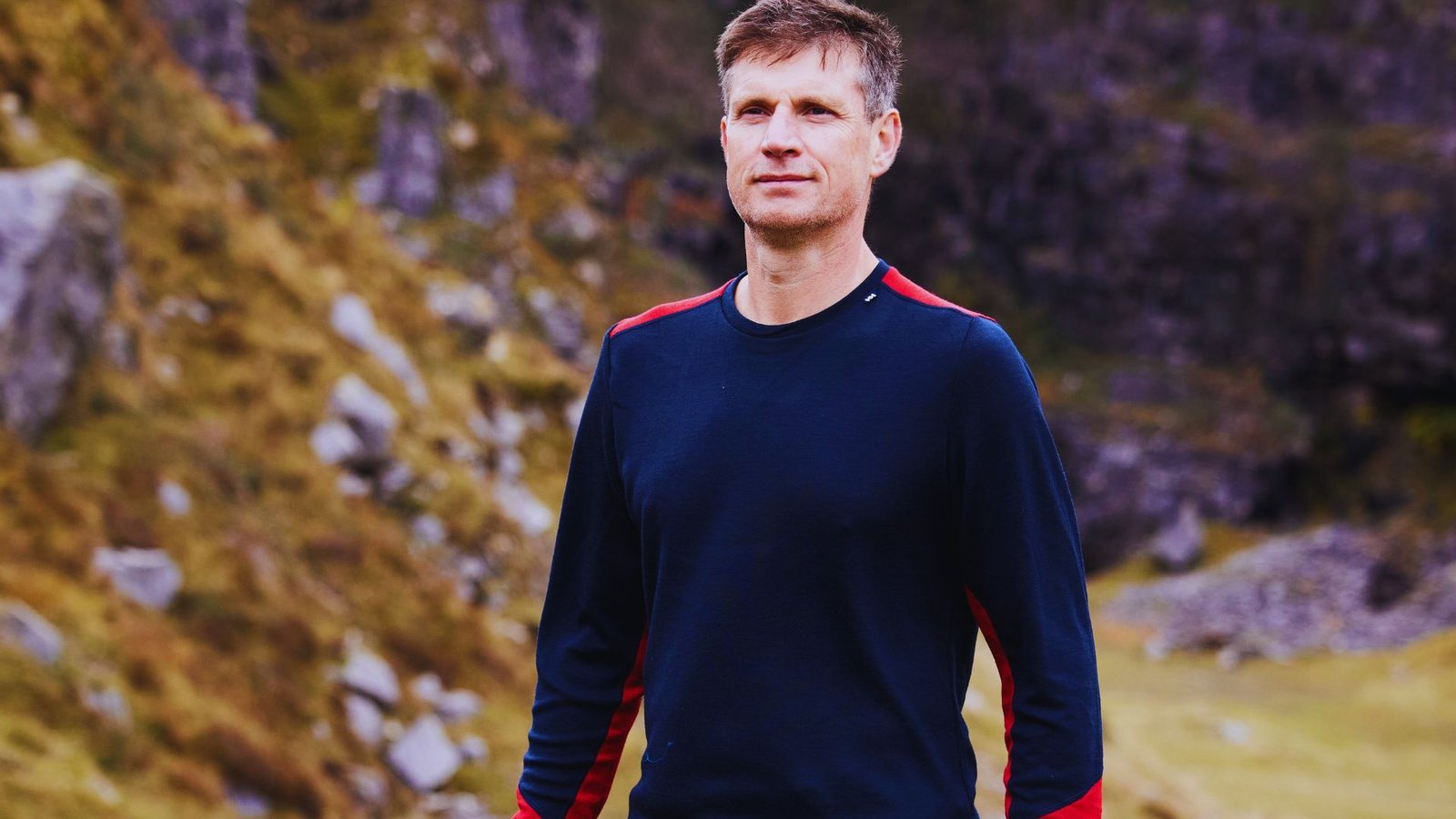
Bring two sets minimum. Merino wool regulates temperature and resists odor. One set for hiking, one for sleeping. Skip cotton completely. Long sleeve tops and bottoms work for all seasons.
5. Trekking Pants (1-2 Pairs)
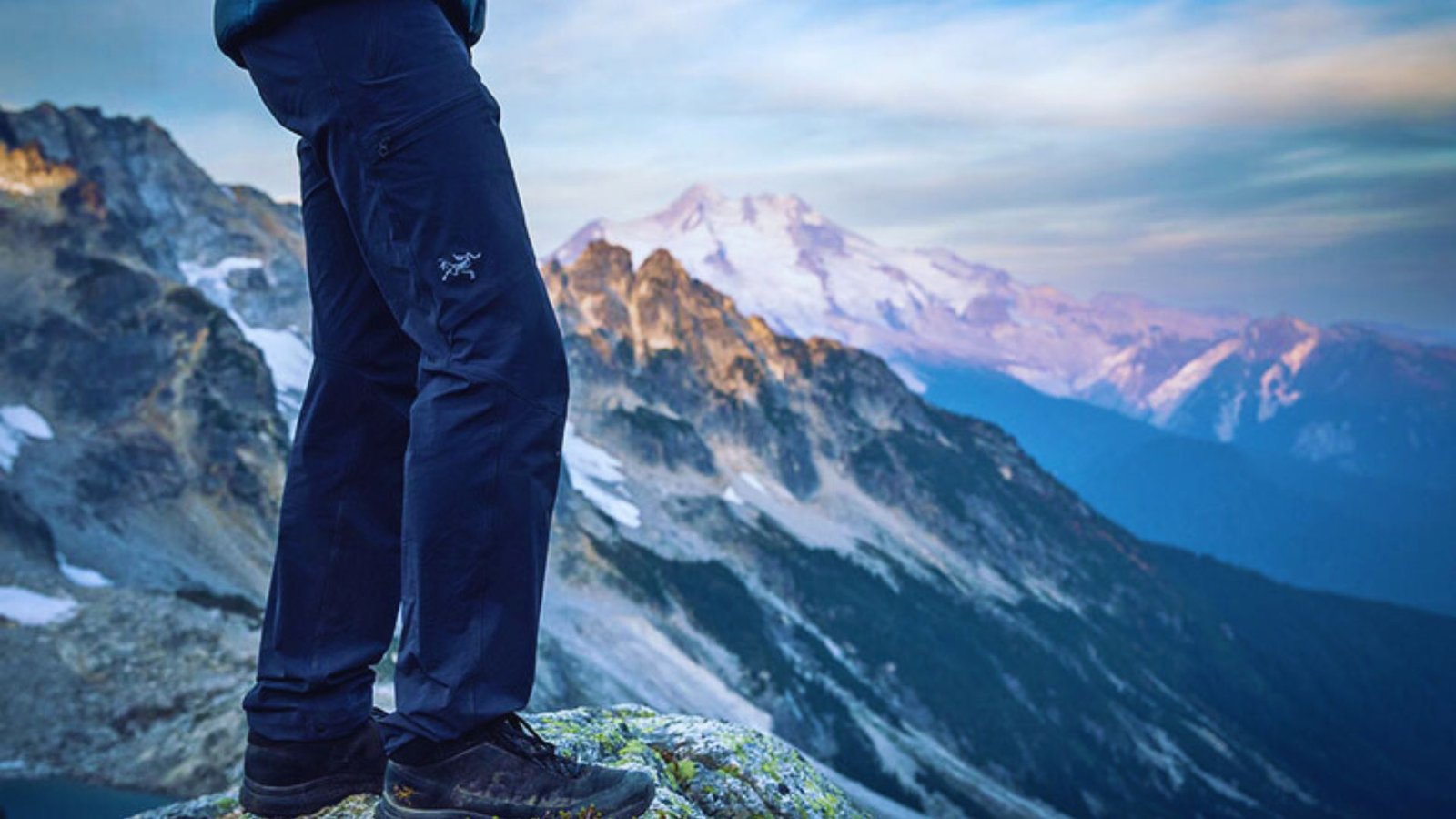
Quick-dry hiking pants with some stretch. One pair works for refugio stays. Campers might want two. Convertible zip-offs give you shorts options for warm days. Avoid jeans.
6. Hiking Socks (Day Pair + Night Pair Strategy)
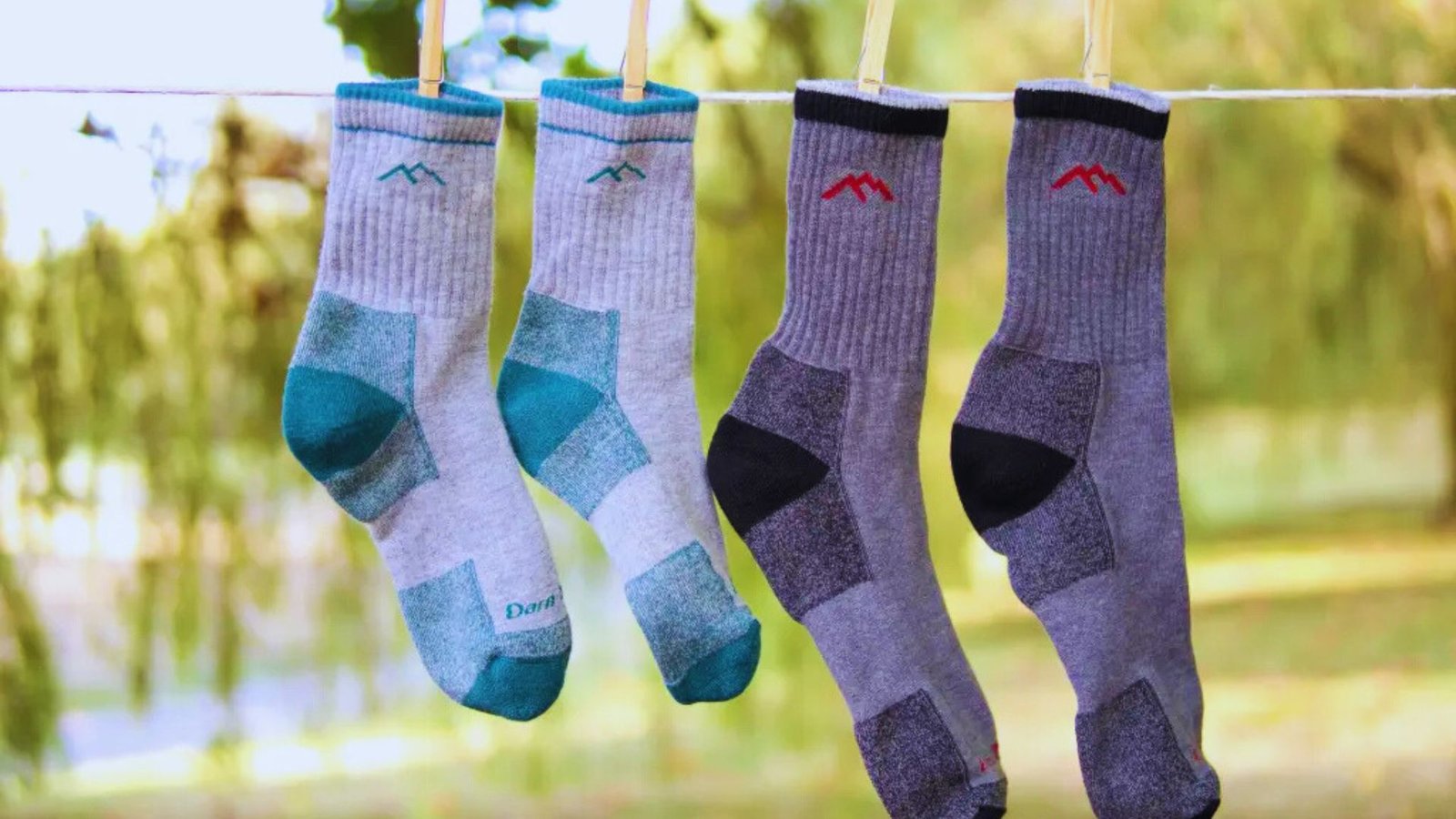
Bring 3-4 pairs of good hiking socks. Wool or synthetic blend. Wear one pair while hiking, keep a dry pair for camp. Rotate them. Blisters end treks, and wet socks cause blisters.
7. Waterproof Hiking Boots
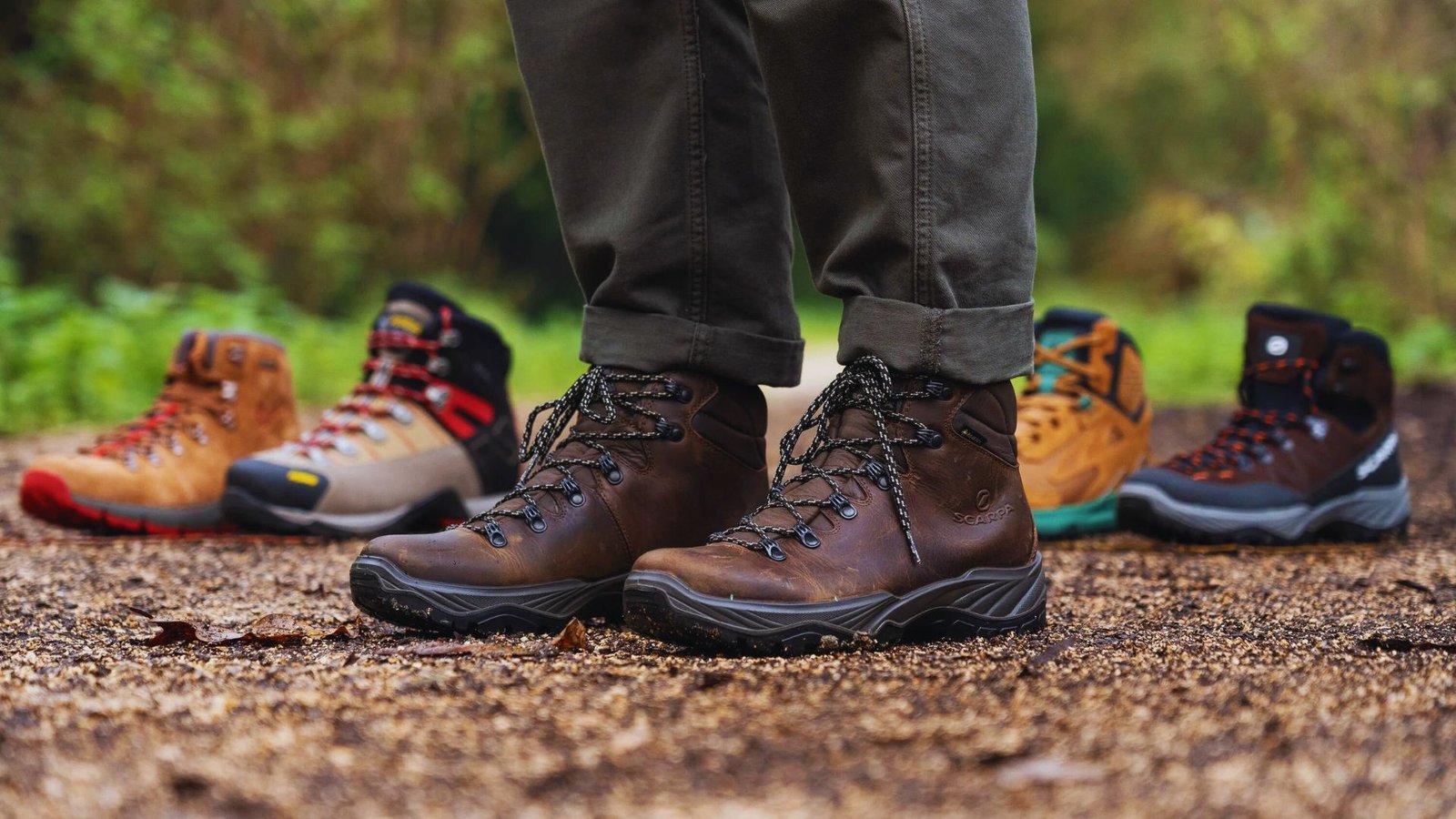
Broken-in boots are critical. The trail has mud, river crossings, and rocky sections. Ankle support helps on uneven terrain. Waterproof membrane keeps feet dry. Break them in before you fly to Chile.
8. Camp Shoes or Sandals
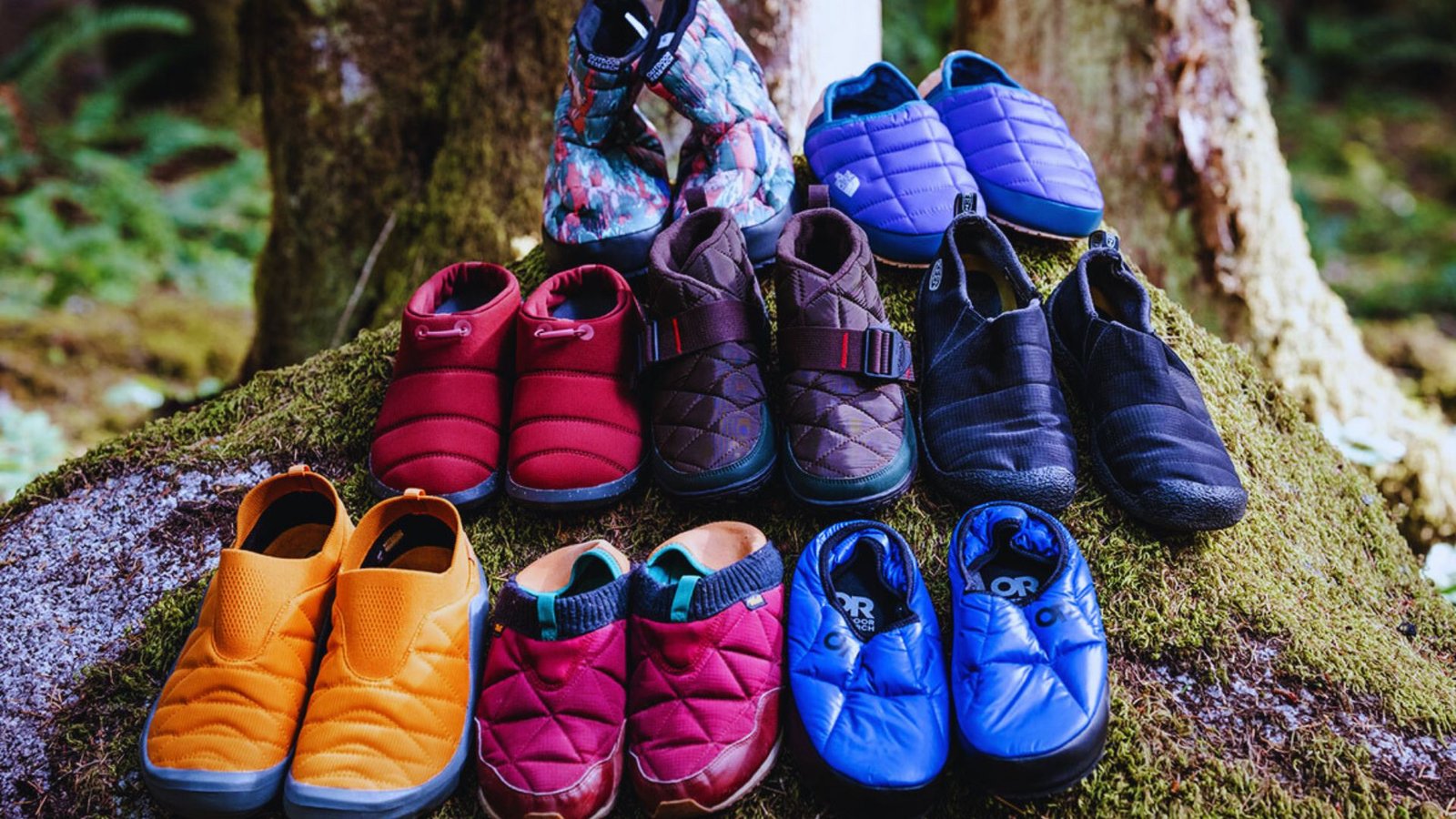
Your feet need a break after hiking all day. Lightweight sandals or camp shoes let your feet breathe at refugios. Skip heavy flip-flops. Closed-toe sandals work for short walks too.
9. Toiletries (Minimal & Eco-Friendly)
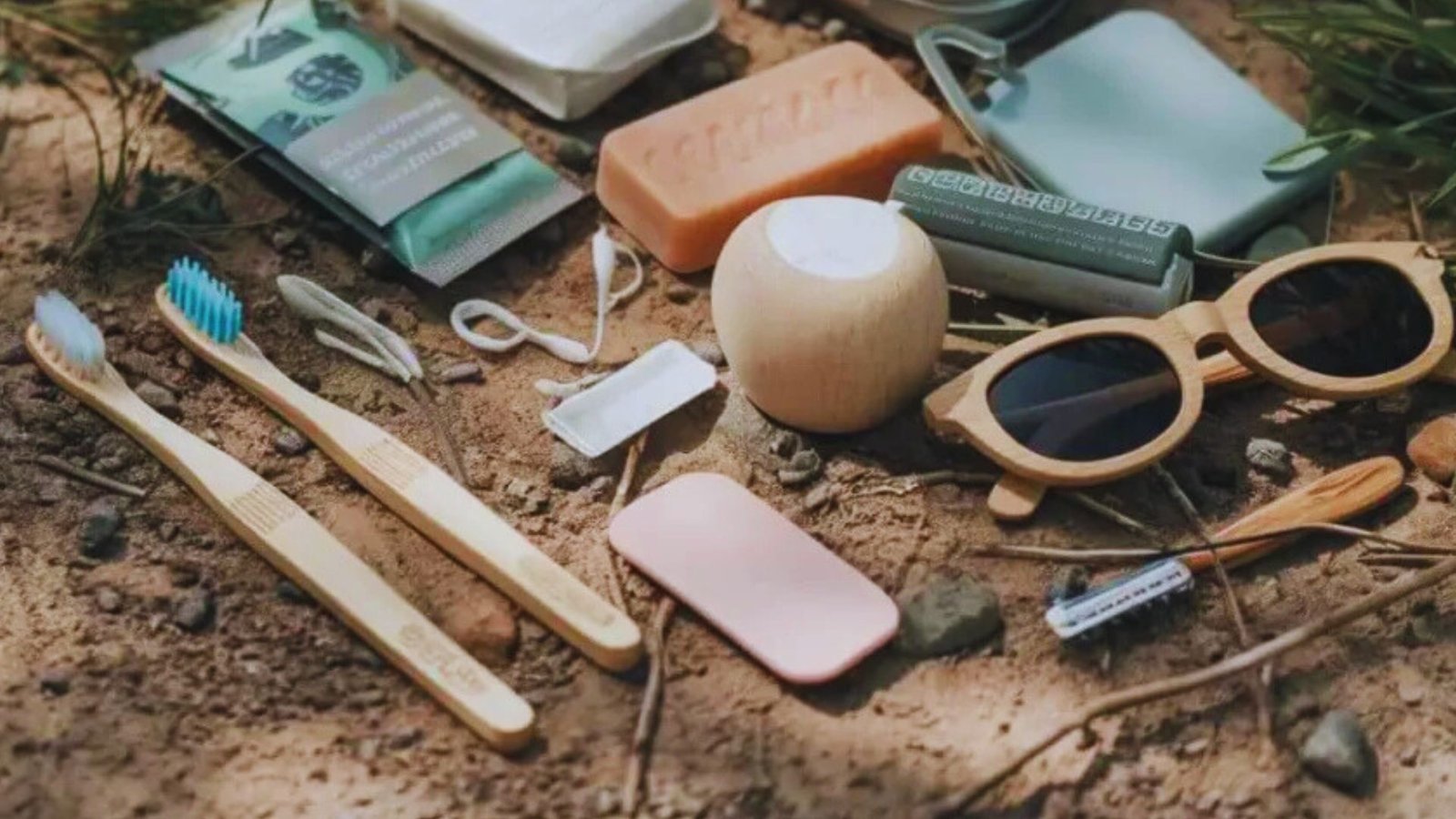
Biodegradable soap, toothbrush, toothpaste, sunscreen, and lip balm. A small towel. Toilet paper in a ziplock bag. Everything goes in your pack when you leave. The park has strict rules about waste.
Patagonia W Trek Packing List by Season
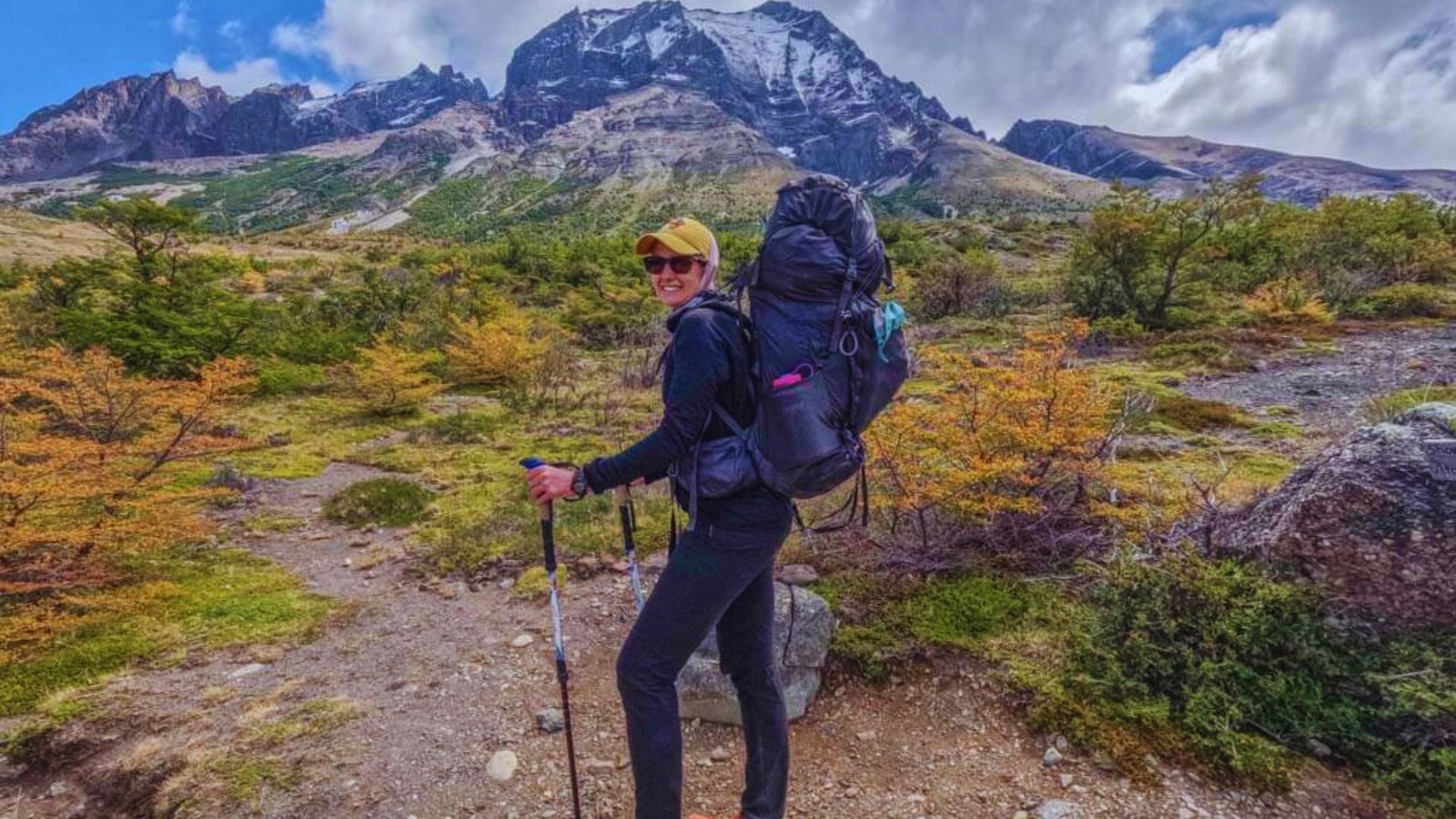
Seasonal packing adjustments for hiking the W Trek during different months and weather conditions.
W Trek Packing List December (Wind + UV Protection Focus)
December marks early summer with long daylight hours and strong winds. UV protection becomes critical at this latitude. Pack high SPF sunscreen, UV-protective clothing, and quality sunglasses.
Winds can hit 60+ mph. Bring a buff or balaclava to protect your face. Temperatures range from 40-60°F during the day.
W Trek Packing List January (Peak Season Heat + Strong Winds)
January offers peak season warmth but even stronger winds. This is the busiest month with the best weather overall. You’ll still need all your layers, but you might hike in just a base layer and light jacket some days.
Sun protection is vital. Temperatures can reach 65°F in sunny spots but drop to freezing at night.
Shoulder Season Packing (March & October Extra Layers)
Shoulder seasons (March and October) require extra insulation. March sees autumn colors and fewer crowds. October brings spring conditions with more snow at higher elevations.
Add an extra warm layer and warmer sleeping bag. Weather becomes less predictable. Rain increases, and temperatures drop to 35-50°F during the day.
Torres del Paine W Trek Packing List
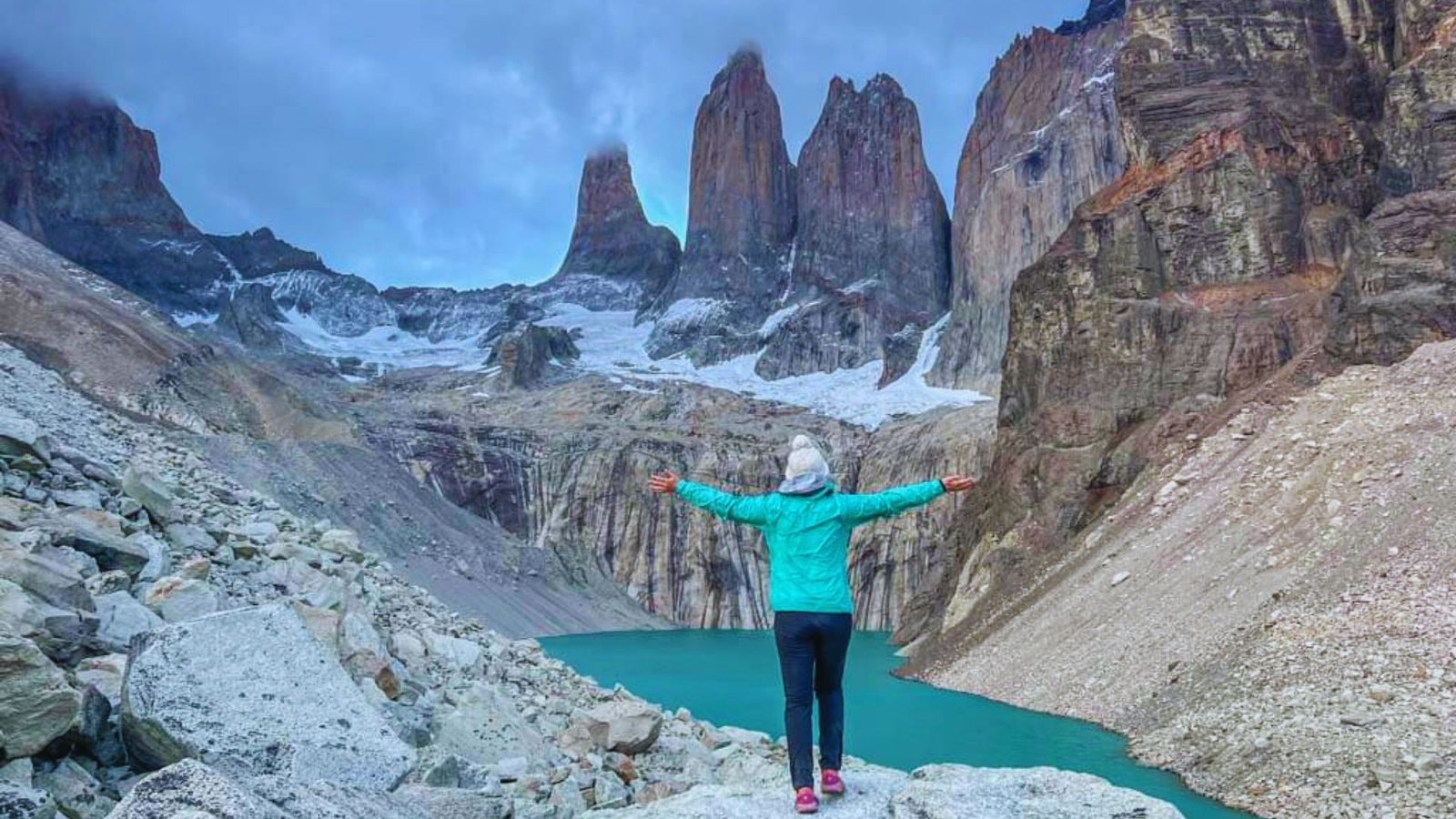
Practical advice for organizing gear, managing weight, and handling Patagonia’s challenging weather conditions.
Layering System for Rapid Weather Changes
The layering system saves you from weather chaos. Start with a moisture-wicking base layer against your skin. Add an insulating mid-layer like fleece or down. Top with a waterproof shell.
You’ll constantly adjust layers as the weather shifts. I changed layers 4-5 times daily. Keep your rain jacket accessible in an outside pocket.
How to Waterproof Your Backpack Properly
Waterproofing your backpack properly prevents wet gear disasters. Most packs come with rain covers, but wind blows them off. Use dry bags inside your pack for critical items like sleeping bags, electronics, and dry clothes.
Double bag if needed. A trash compactor bag lining your entire pack adds another layer of protection.
Sustainable Bathroom Essentials (Pack Out Everything)
Sustainable bathroom practices matter in Torres del Paine. Pack out all toilet paper and hygiene products in sealed bags. Don’t bury anything.
The park provides composting toilets at most camps, but not everywhere. Bring hand sanitizer. Leave no trace means exactly that.
Weight Limit – How Much You Should Carry
Weight limits depend on your fitness and experience. Most hikers carry 15-25 pounds for refugio stays. Campers carry 25-35 pounds with a tent and sleeping bag.
Over 40 pounds gets uncomfortable fast. Weigh your pack before you go. Cut unnecessary items ruthlessly.
W Trek Safety Tips & Gear
- Pack a first aid kit. Include blister patches, pain relievers, bandages, antiseptic, and personal medications. Medical help is hours away.
- Watch the weather closely. Wind can knock you down. Check forecasts daily and turn back if conditions get dangerous.
- Use trekking poles. They help with balance in wind, reduce knee strain, and improve stability on rocky sections.
- Stay hydrated. Drink stream water and add electrolyte tablets. Dehydration happens fast at elevation and in wind.
- Carry emergency communication. Cell service is unreliable. Satellite messenger or locator beacon helps in emergencies. Share your itinerary.
- Follow leave no trace rules. Pack out all the trash. Stay on trails. Camp only in designated areas. Respect wildlife.
Conclusion
Packing smart for the W Trek means preparing for every kind of weather in one day. This W Trek packing list has everything you need to stay comfortable and hike safely. I’ve made the mistakes so you don’t have to.
Focus on layering, waterproofing your gear, and packing only what matters. The right preparation lets you focus on the incredible scenery instead of cold, wet feet.
Get your gear dialed in, and you’ll have an amazing time in Patagonia. Drop a comment below with your packing questions or tips from your own trek.
Frequently Asked Questions
What size backpack do I need for the W Trek?
A 40-50L backpack works for refugio stays. Campers need 50-65L to fit a tent, sleeping bag, and cooking gear. Choose based on your accommodation style.
Can I do the W Trek without waterproof gear?
No. Rain and wind hit the trail regularly, even in summer. A waterproof jacket and rain pants are mandatory. You’ll use them almost daily.
What’s the best time to hike the W Trek?
December to March offers the best weather and longest days. January is the warmest but most crowded. March has fewer people and autumn colors.
Do I need trekking poles for the W Trek?
Highly recommended but not required. Poles help with balance in wind, reduce knee strain on descents, and improve stability on rocky terrain.
How much should my W Trek pack weigh?
Aim for 15-25 pounds for refugio stays and 25-35 pounds for camping. Over 40 pounds gets uncomfortable fast on long hiking days.