
Curious about bouldering? You’re in the right place. This guide explains what bouldering is and how to get started. We’ll cover the basics, share helpful tips, and show you why climbers love it.
I’ve helped hundreds of beginners take their first steps on the wall. You’ll learn the difference between bouldering and other climbing styles.
Plus, you’ll find out what gear you need and how to stay safe.
This isn’t just about physical strength. Bouldering trains your mind to solve problems. It builds confidence with every climb.
By the end, you’ll be ready to try it yourself. Let’s get climbing.
What Is Bouldering? Definition & Meaning
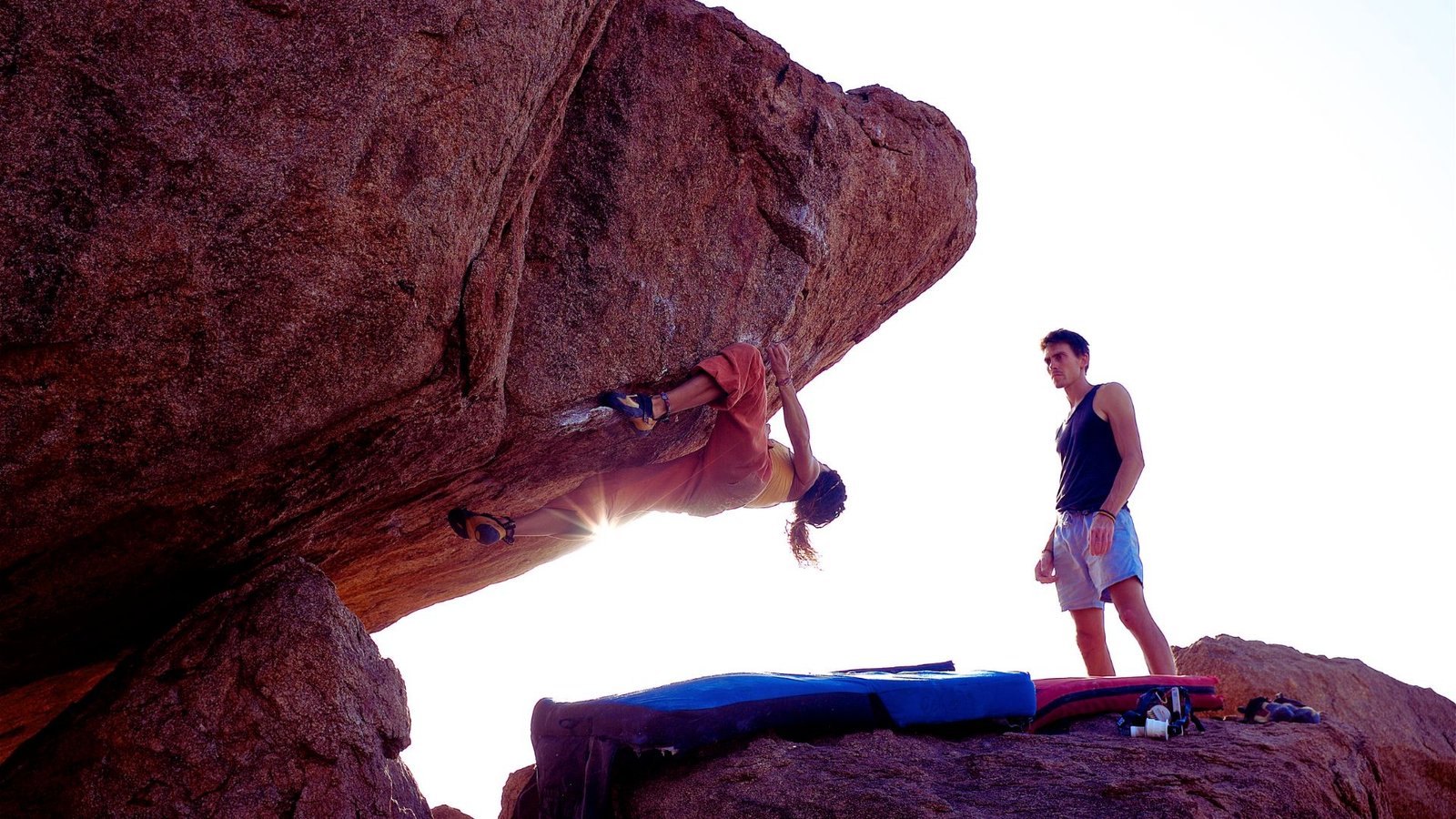
Bouldering is climbing short rock walls or artificial holds without ropes. It focuses on strength, technique, and problem-solving skills.
Bouldering is rock climbing done on small formations or artificial walls. Routes are usually 10 to 15 feet high. You don’t use ropes or harnesses. Instead, crash pads below cushion your falls.
The focus is on short, challenging sequences called “problems.” Each problem tests your strength and thinking. The goal is to reach the top using specific holds. It’s like solving a physical puzzle on the wall.
Most problems take 30 seconds to a few minutes. You can boulder indoors at gyms or outdoors on real rocks.
The term comes from climbing on boulders in nature. As a sport, bouldering has competitions and scoring systems. It rewards power, balance, and creativity. It’s now an Olympic event watched worldwide.
How Bouldering Works
Bouldering gyms provide holds on walls with color-coded routes. You solve climbing problems using strength, balance, and strategy.
What is a Bouldering Gym?
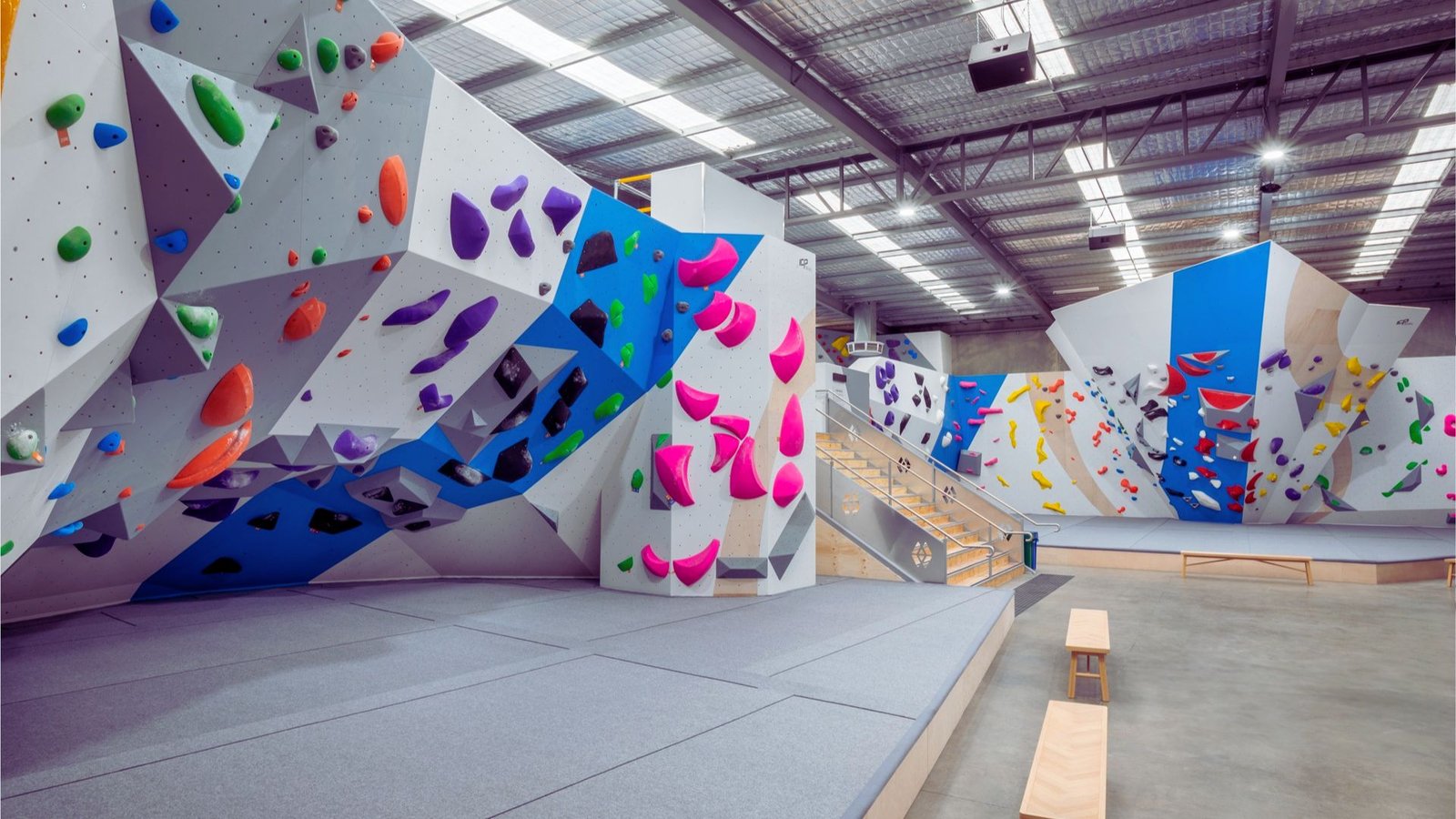
Indoor facilities with climbing walls, padded floors, and color-coded routes for all skill levels.
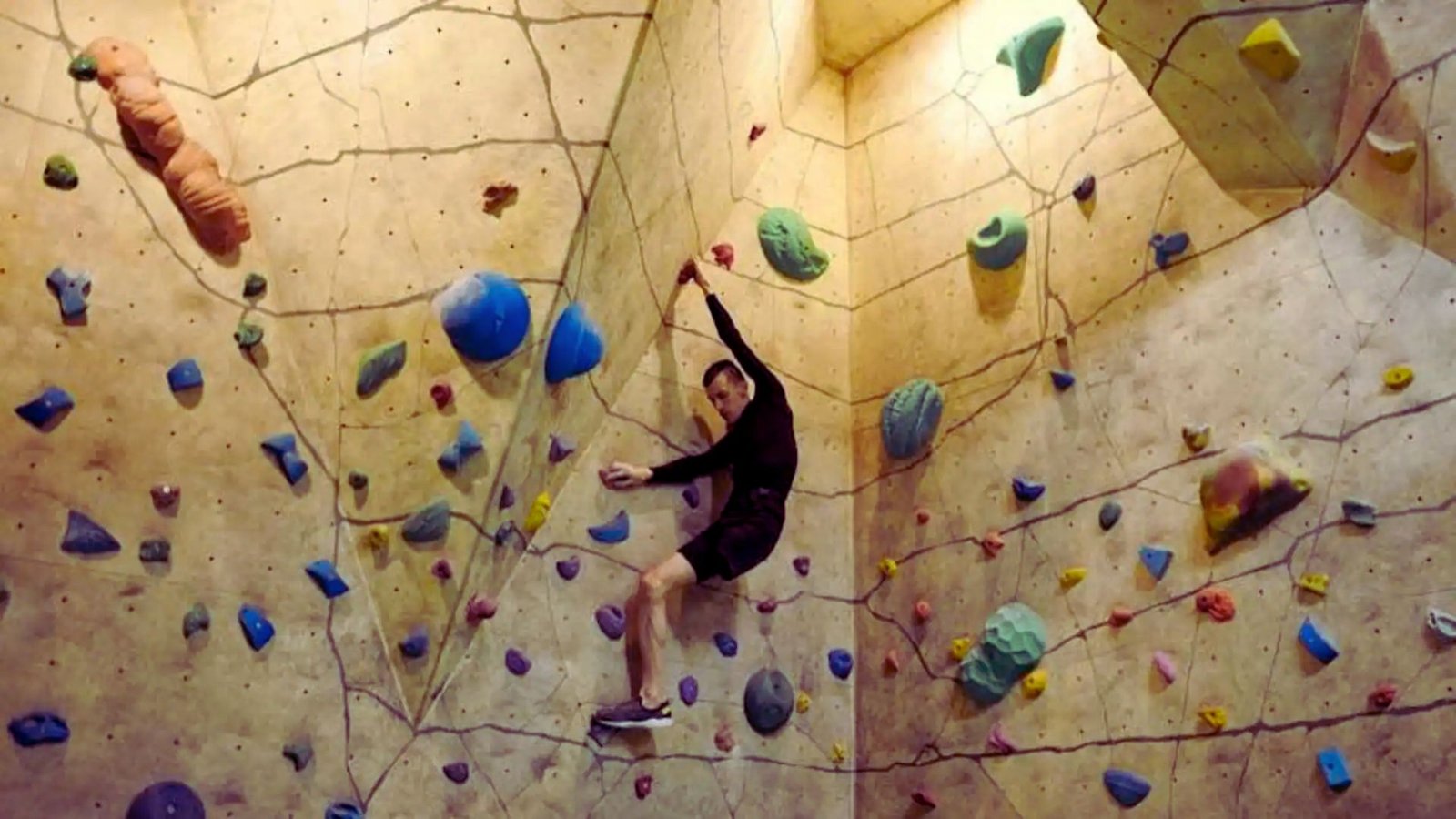
A bouldering gym is an indoor facility with climbing walls covered in plastic holds. These holds come in different sizes and textures.
The walls range from vertical to overhanging. Floor padding covers the entire climbing area, usually 12 to 18 inches thick.
Most gyms set new routes every few weeks. Staff members called “route setters” design the problems using different hold combinations.
What is Bouldering when Indoor Rock Climbing?
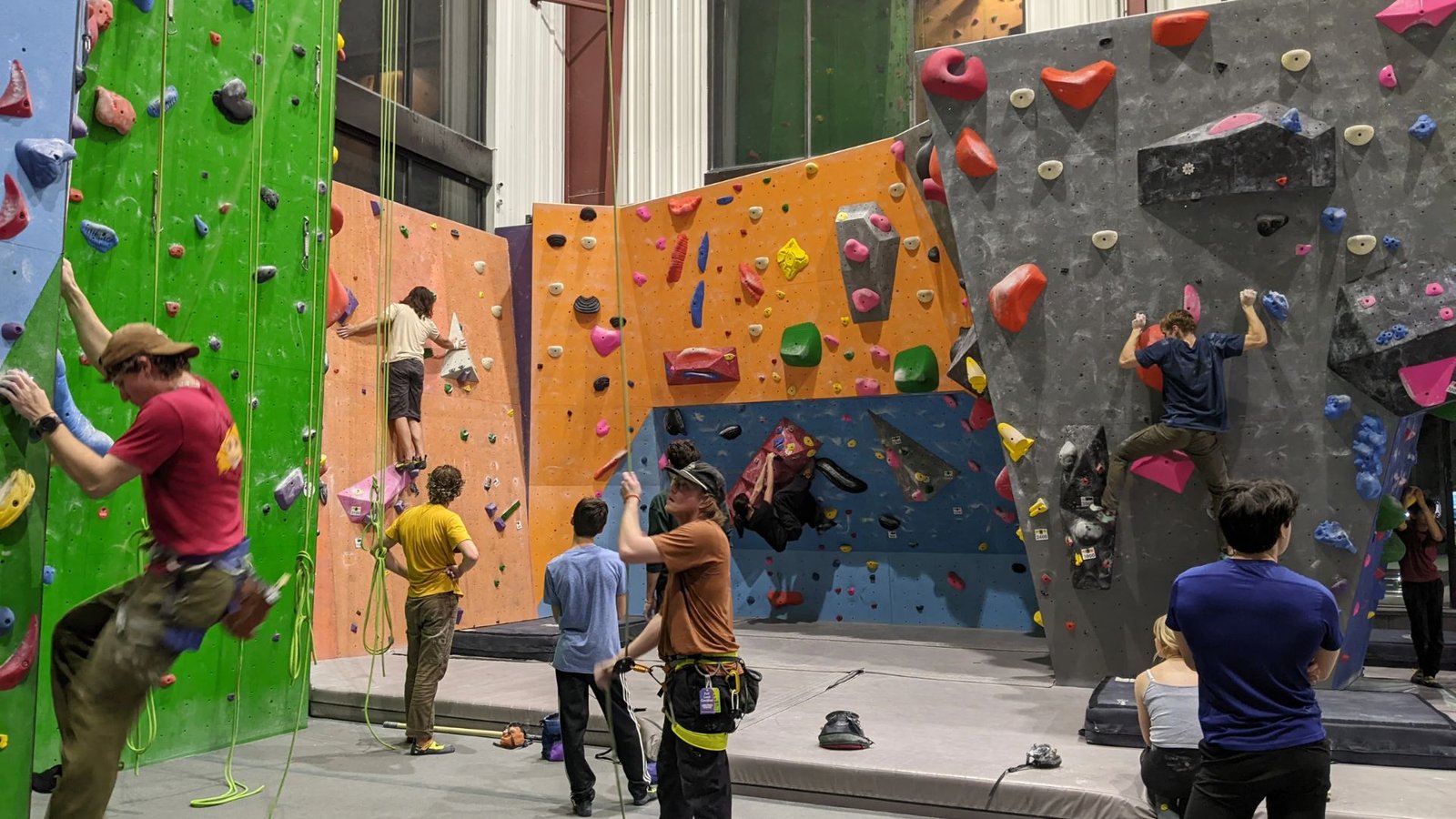
The following color-coded holds from start to finish on short walls with thick padding below.
Indoor bouldering happens in controlled gym settings. Routes are marked by colored tape or holds. Each color represents one problem. You follow only those holds from start to finish.
You place your hands on marked starting holds near the ground. Then you climb upward following the color.
The problem ends when you control the top hold with both hands. Gyms rate each problem by difficulty.
Equipment & Safety Needs
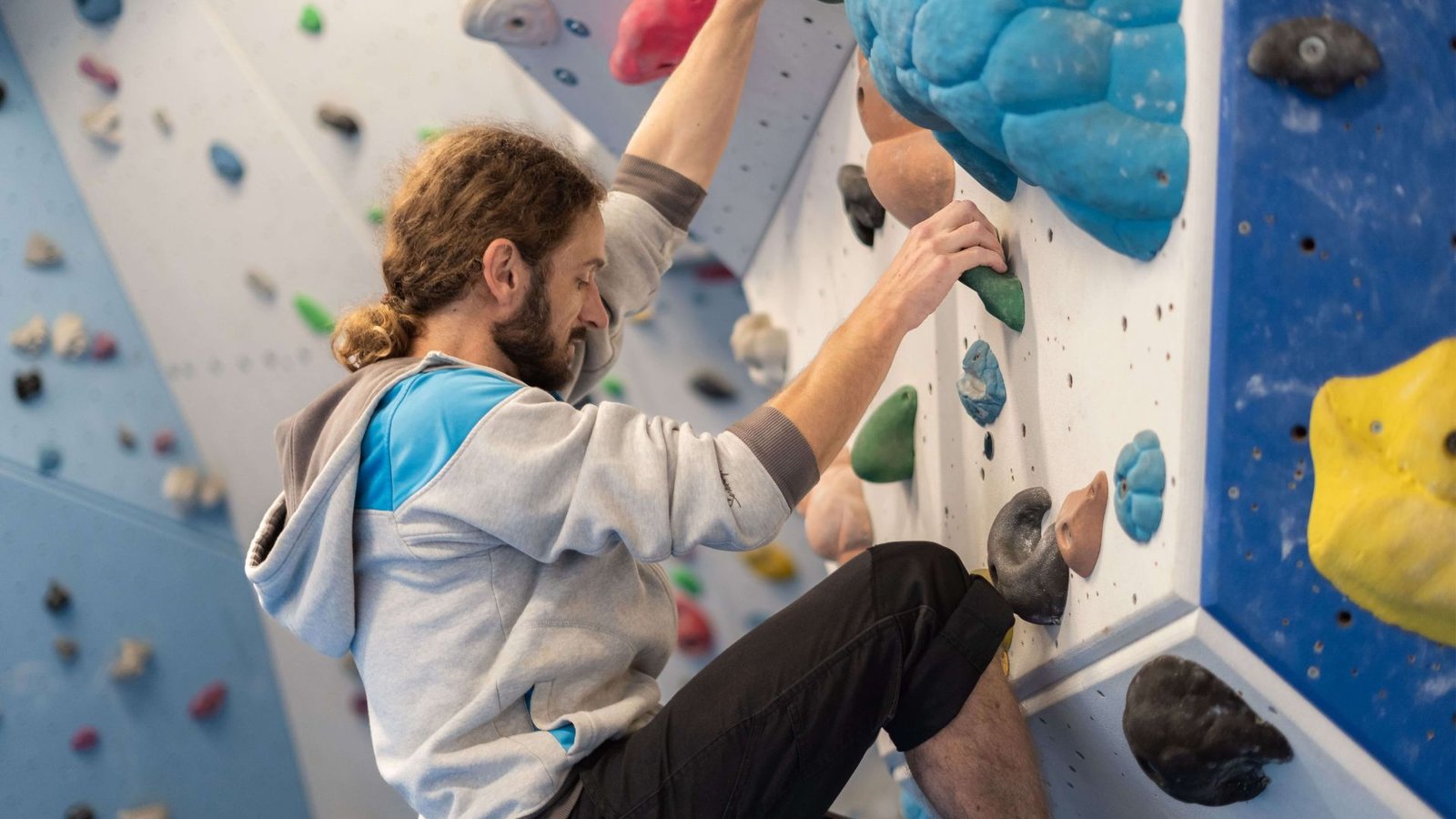
Climbing shoes, chalk, and crash pads are the basics you need to get started.
Climbing shoes are the most important gear. These tight-fitting shoes have sticky rubber soles that help you stand on small holds. You can rent shoes at gyms or buy your own.
Chalk keeps your hands dry. Climbers carry chalk in small bags attached to their waist.
Crash pads are thick foam mats.
Outdoor boulderers carry portable pads. Indoor gyms have permanent padding installed.
Understanding Bouldering “Problems” and Circuits
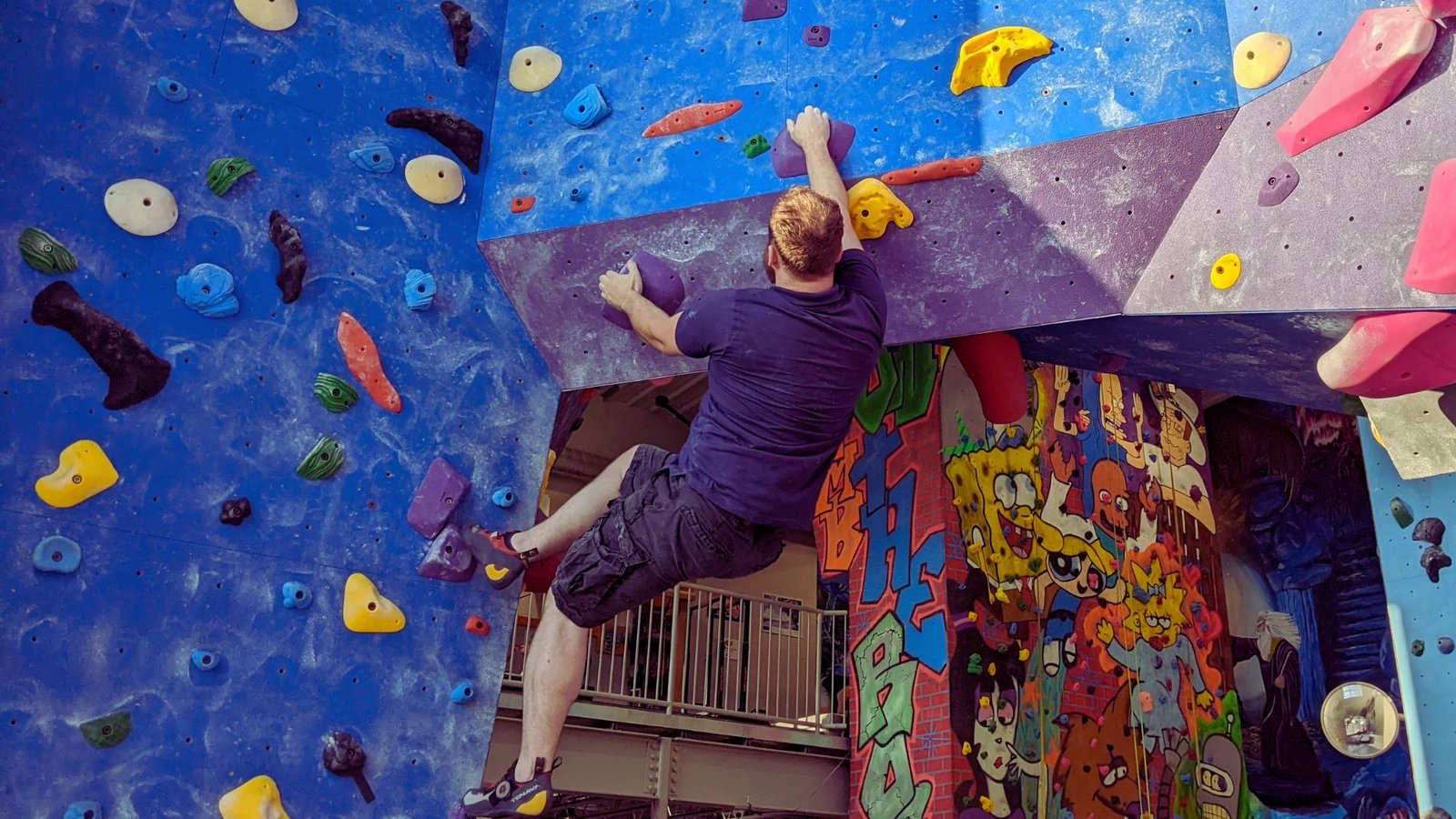
Each route is a puzzle to solve, grouped by difficulty into color-coded circuits.
Each climbing route is called a “problem.” You must figure out the sequence of moves. Some problems have obvious solutions. Others require creative thinking.
Circuits are groups of problems at similar difficulty. Gyms often color-code circuits. For example, all yellow problems might be beginner level.
Climbers “send” a problem when they complete it without falling. “Flashing” means sending on your first try.
Bouldering vs Other Types of Climbing
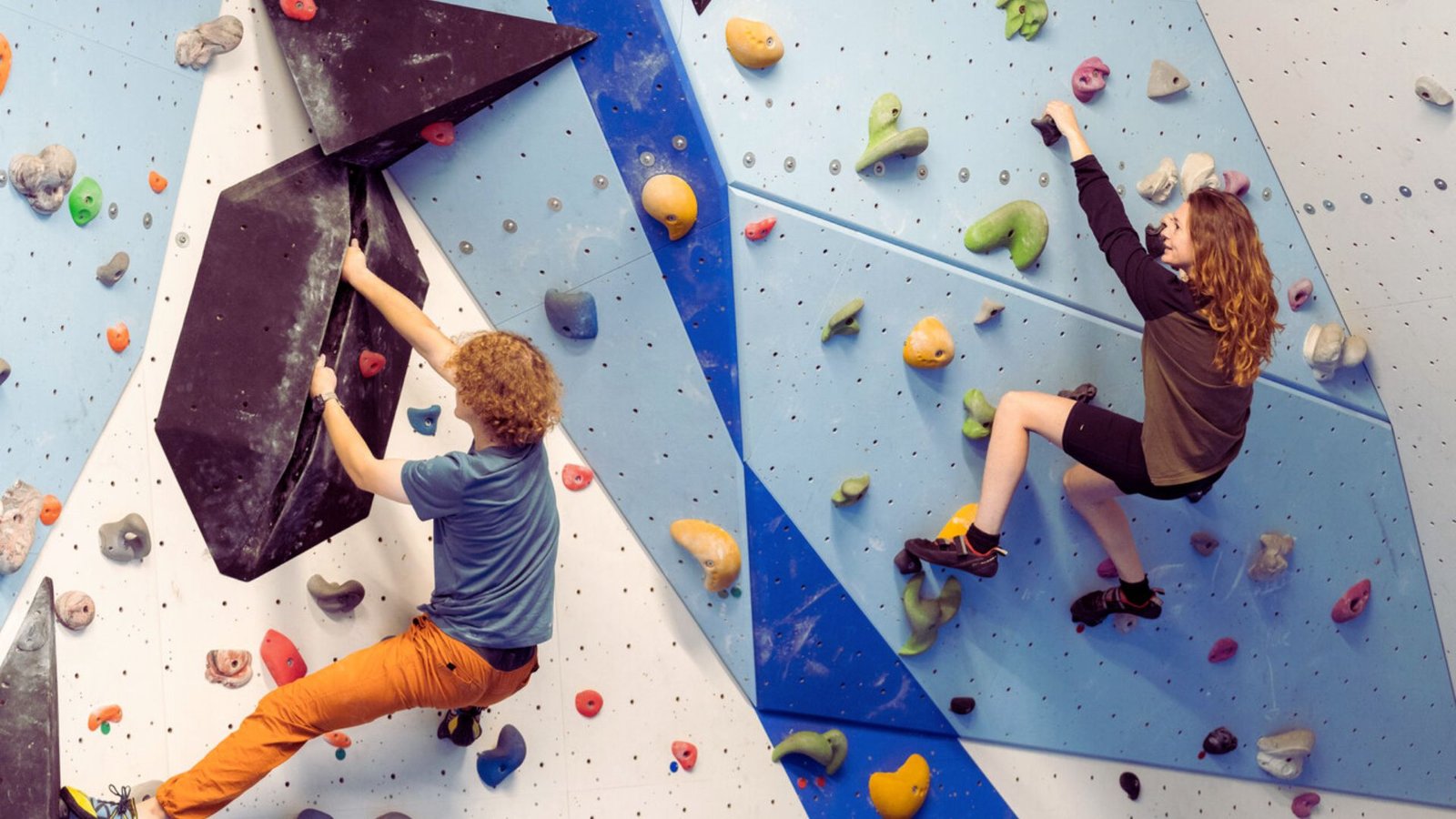
Here’s a quick comparison to help you understand how bouldering stacks up against traditional roped climbing
| Feature | Bouldering | Roped Climbing |
|---|---|---|
| Height | 10-15 feet max | 30+ feet to hundreds of feet |
| Gear | Shoes, chalk, crash pads | Harness, rope, carabiners, belay device |
| Duration | 30 seconds to 3 minutes | 10-30+ minutes per route |
| Focus | Power and technical moves | Endurance and route reading |
| Partner | Optional, can climb solo | Required for belaying |
| Style | Short, intense sequences | Long, sustained climbing |
Health & Fitness Benefits
Bouldering offers a complete workout for both body and mind, making it more than just another fitness activity.
Full-Body Strength
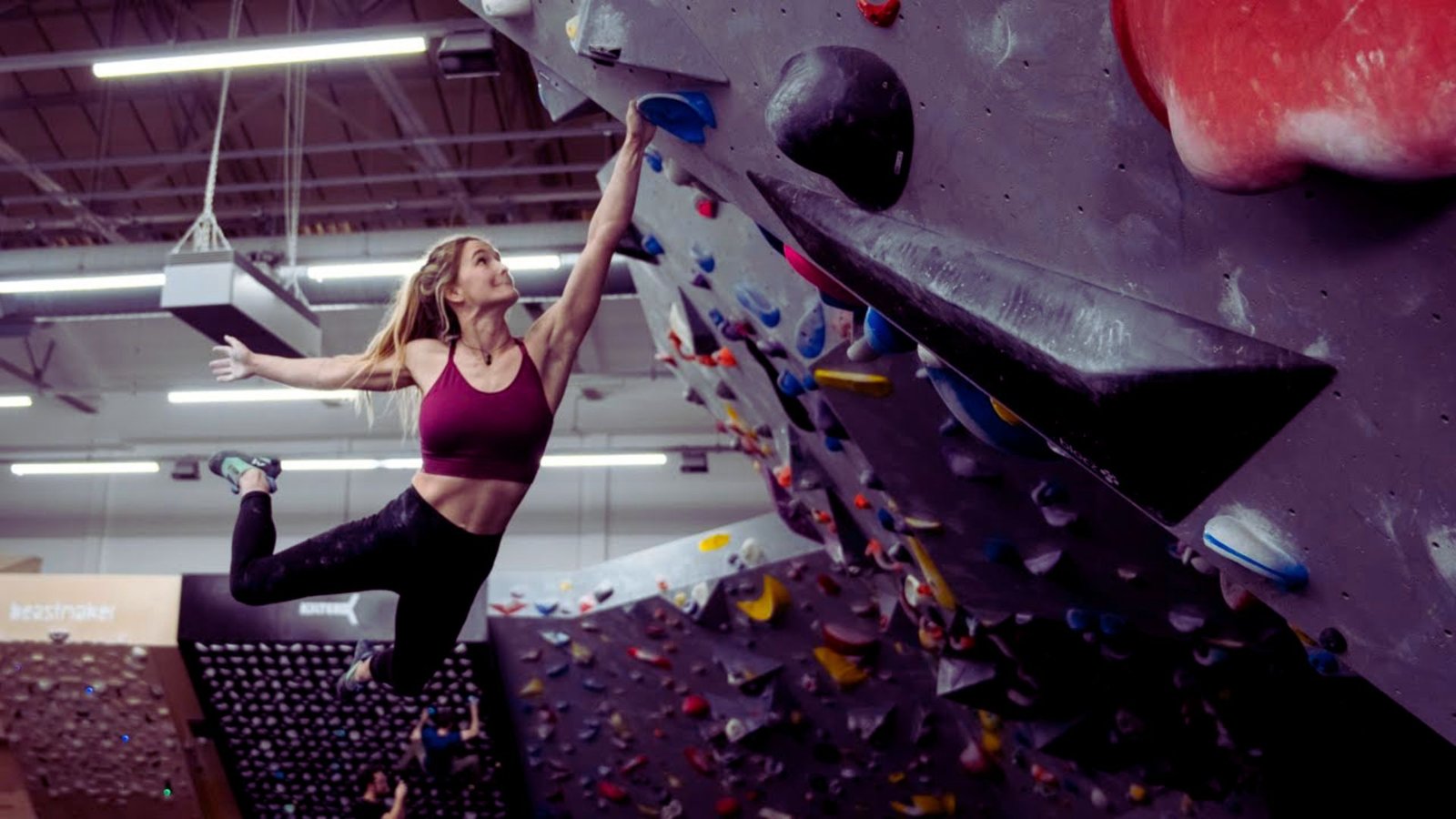
Bouldering delivers a comprehensive workout that engages every major muscle group. Your fingers, forearms, and grip get notably stronger within weeks.
Pulling moves build back and shoulder muscles while your legs power you upward. Core muscles engage constantly as you twist, balance, and stabilize throughout each problem.
Improved Flexibility
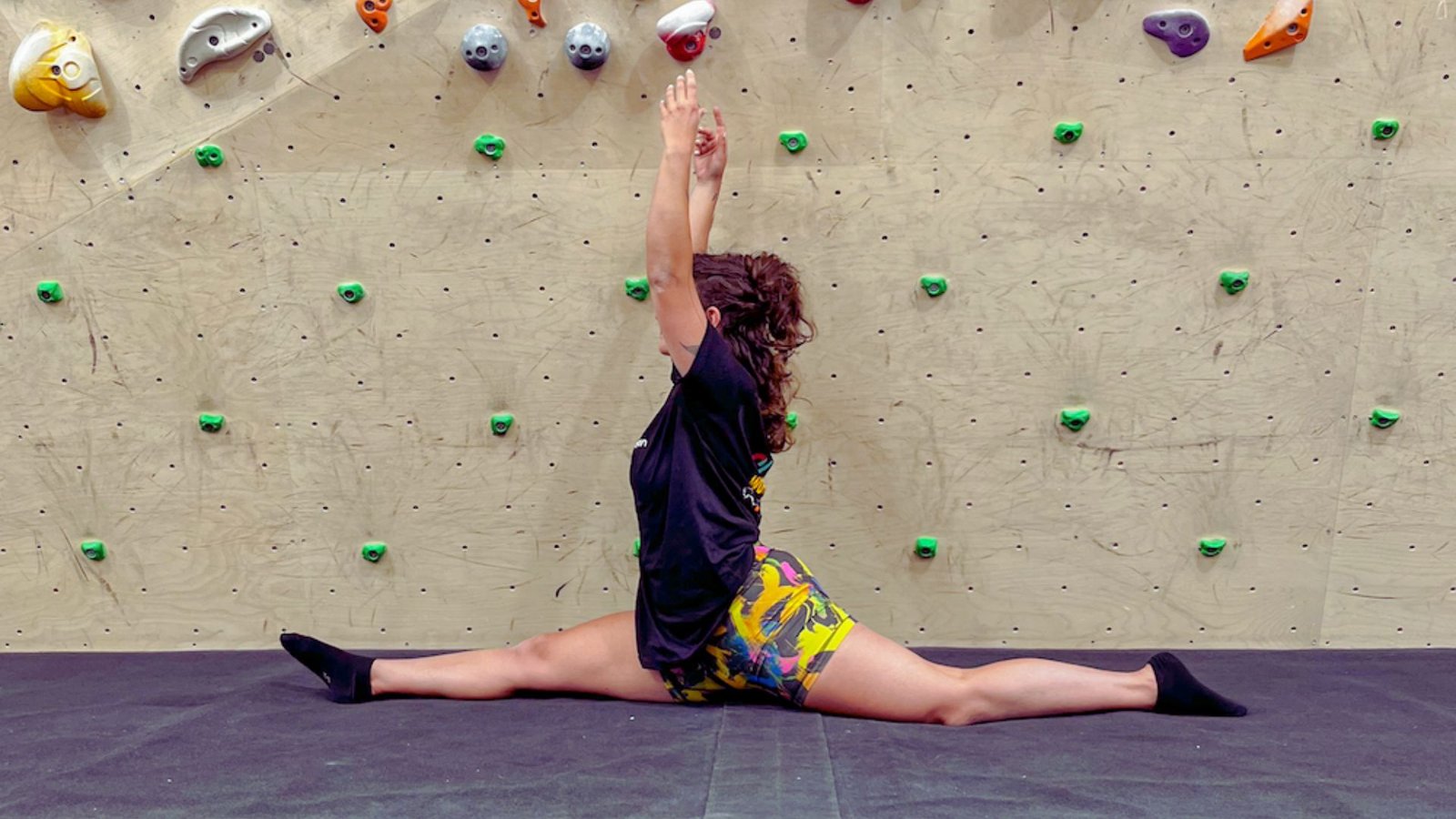
Flexibility improves naturally through high steps and wide reaches that stretch your hips and shoulders.
The dynamic movements required in bouldering gently push your range of motion without traditional stretching routines.
Cardiovascular Fitness
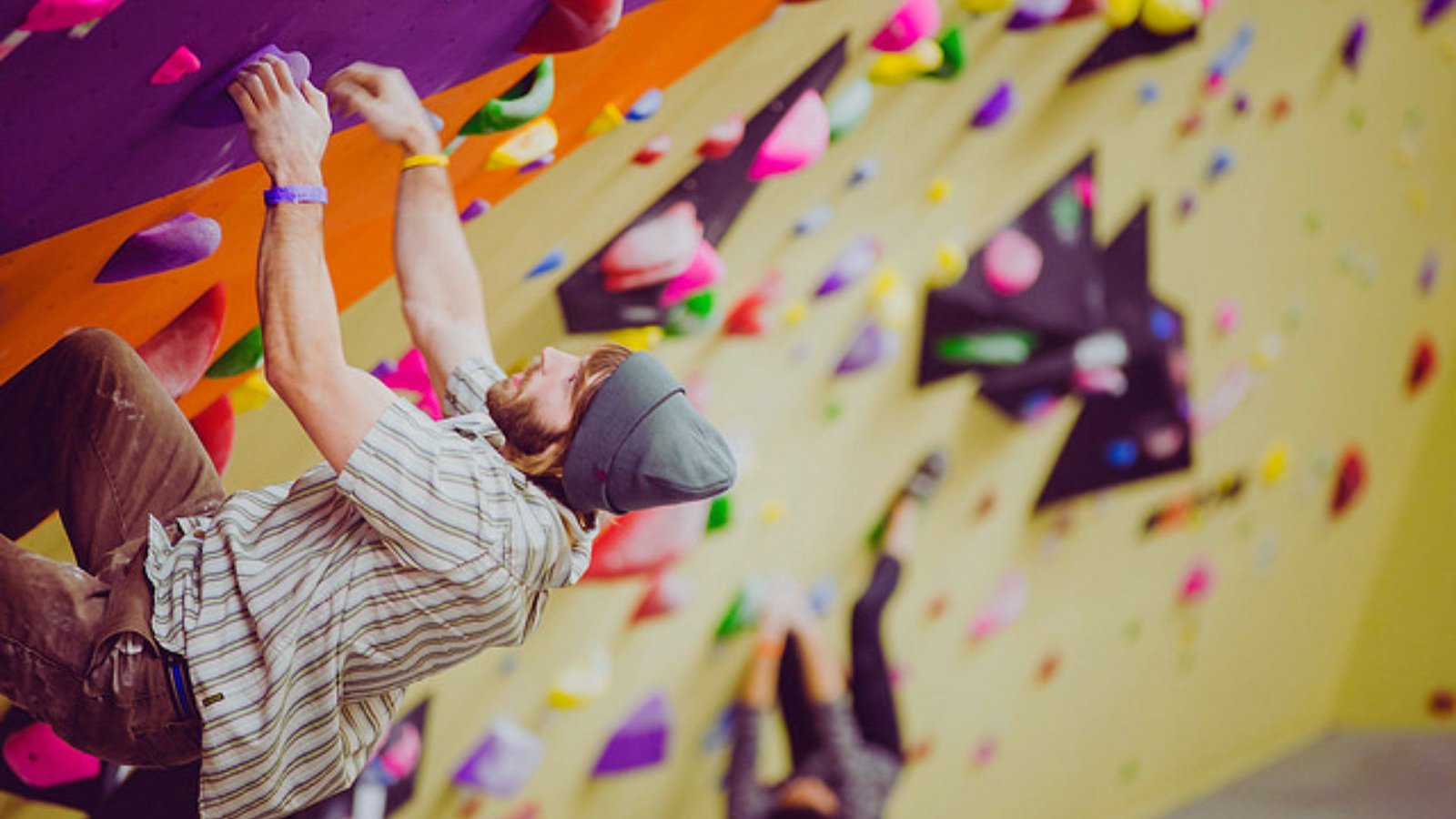
Your heart rate rises during attempts, creating natural interval training.
This provides excellent cardiovascular benefits while you focus on the challenge ahead rather than monotonous cardio exercises.
Mental Focus and Clarity

Complete focus is required on the wall. You can’t think about work or worries while climbing.
This creates a meditative state that clears mental clutter and promotes mindfulness.
Techniques & Tips for Beginners
Learning proper technique from the start will help you progress faster and avoid injuries.
- Read the route first. Stand back and visualize your moves. Spot the holds you’ll use and plan where to place your feet before you start climbing.
- Focus on footwork, not just hands. Your legs are stronger than your arms. Use them to push yourself up. Keep your hips close to the wall to keep weight over your feet.
- Avoid overgripping holds. Beginners squeeze too hard, which tires their forearms quickly. Grip just hard enough to stay on. Rest with straight arms when possible.
- Warm up properly and rest adequately. Start with easy routes to warm muscles. Take rest days between sessions. Your fingers and tendons need recovery time to avoid injuries.
- Learn technique over relying on strength. Watch experienced climbers and practice smooth movements. Try different methods if one sequence doesn’t work. Focus on your own progress, not comparing yourself to others.
Conclusion
I still remember my first time bouldering. My arms shook, my fingers hurt, and I couldn’t even finish the easiest problem. But I was hooked.
The puzzle-solving aspect grabbed me instantly. Now, years later, it’s become a regular part of my life. You don’t need to be strong or athletic to start.
You just need curiosity and willingness to try. Find a local gym this week. Rent some shoes. Give it a shot.
The climbing community will welcome you. Start your bouldering fun today and see where it takes you!
Frequently Asked Questions
Is bouldering harder than regular climbing?
Bouldering problems are shorter but more intense than roped routes. Each move tends to be harder, but you don’t need endurance for long climbs, making it more accessible for beginners.
Can I boulder if I’m afraid of heights?
Yes! Bouldering walls are only 10 to 15 feet tall, so you stay close to the ground. Many people with height fears love bouldering because it doesn’t trigger their phobia.
How long does it take to get good at bouldering?
Most people see improvement within a few weeks of regular climbing. Sending your first V3 or V4 might take 3 to 6 months of consistent practice.
Do I need to be in shape before starting?
No prior fitness is required. Bouldering builds the specific strength you need as you practice. Start with easy problems and progress naturally.
What should I wear for bouldering?
Wear comfortable athletic clothes that allow full movement like stretchy pants or shorts. You’ll need climbing shoes, which you can rent at gyms, plus a water bottle.