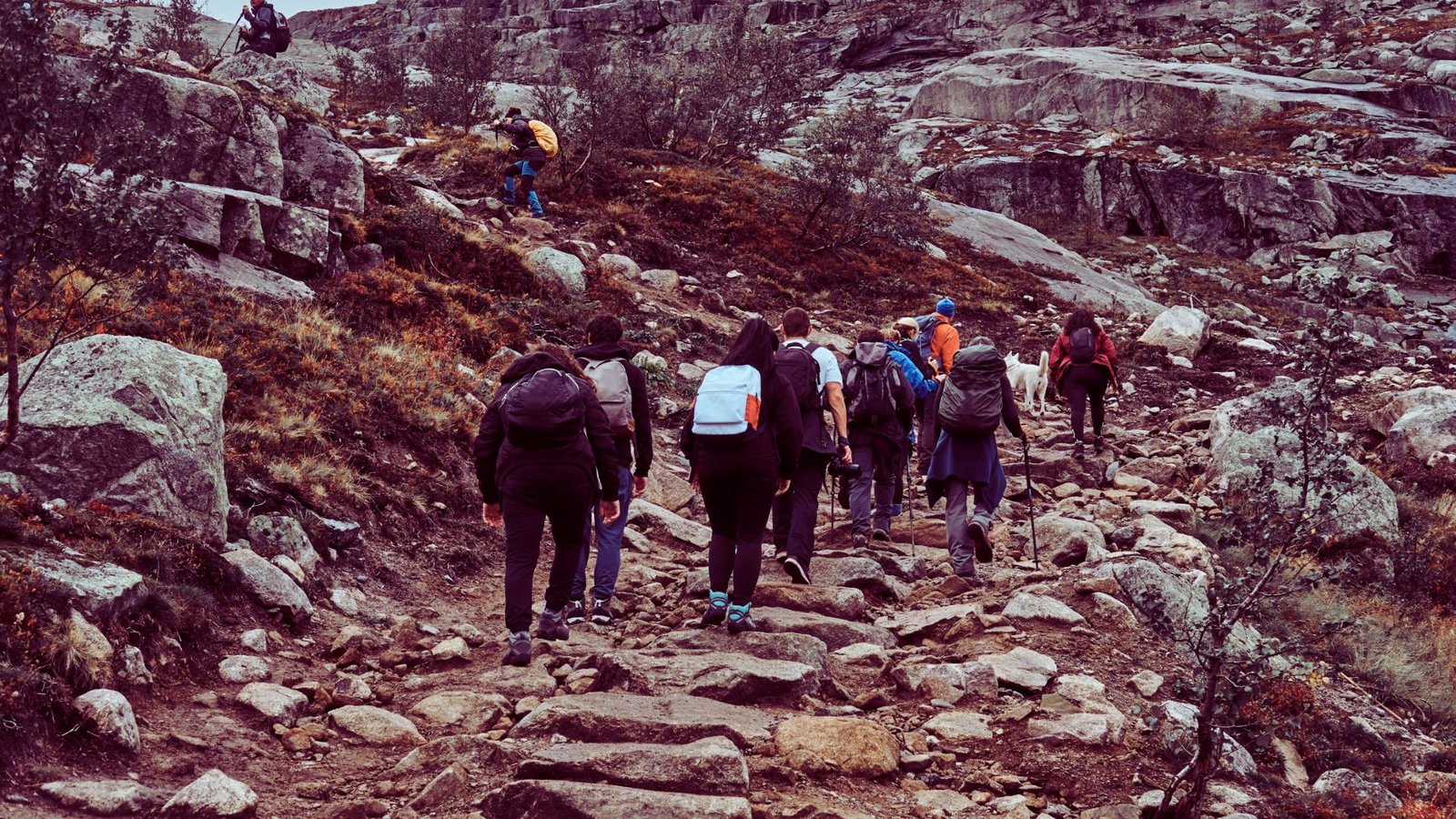

Trekking is a multi-day walking activity through natural terrain. This section covers its popularity, types, and main benefits.
What is trekking? If you’re curious about this outdoor activity, you’re in the right place. I’ve spent years on trails and I’ll share everything you need to know.
In this guide, I’ll explain what trekking means, how it differs from hiking, and why millions love it. You’ll learn about different trek types, required gear, and health benefits. I’ll also give you beginner-friendly tips to start safely.
From my own experience, trekking changed how I see nature and fitness. Let’s get you ready for the trails.
What Is Trekking?
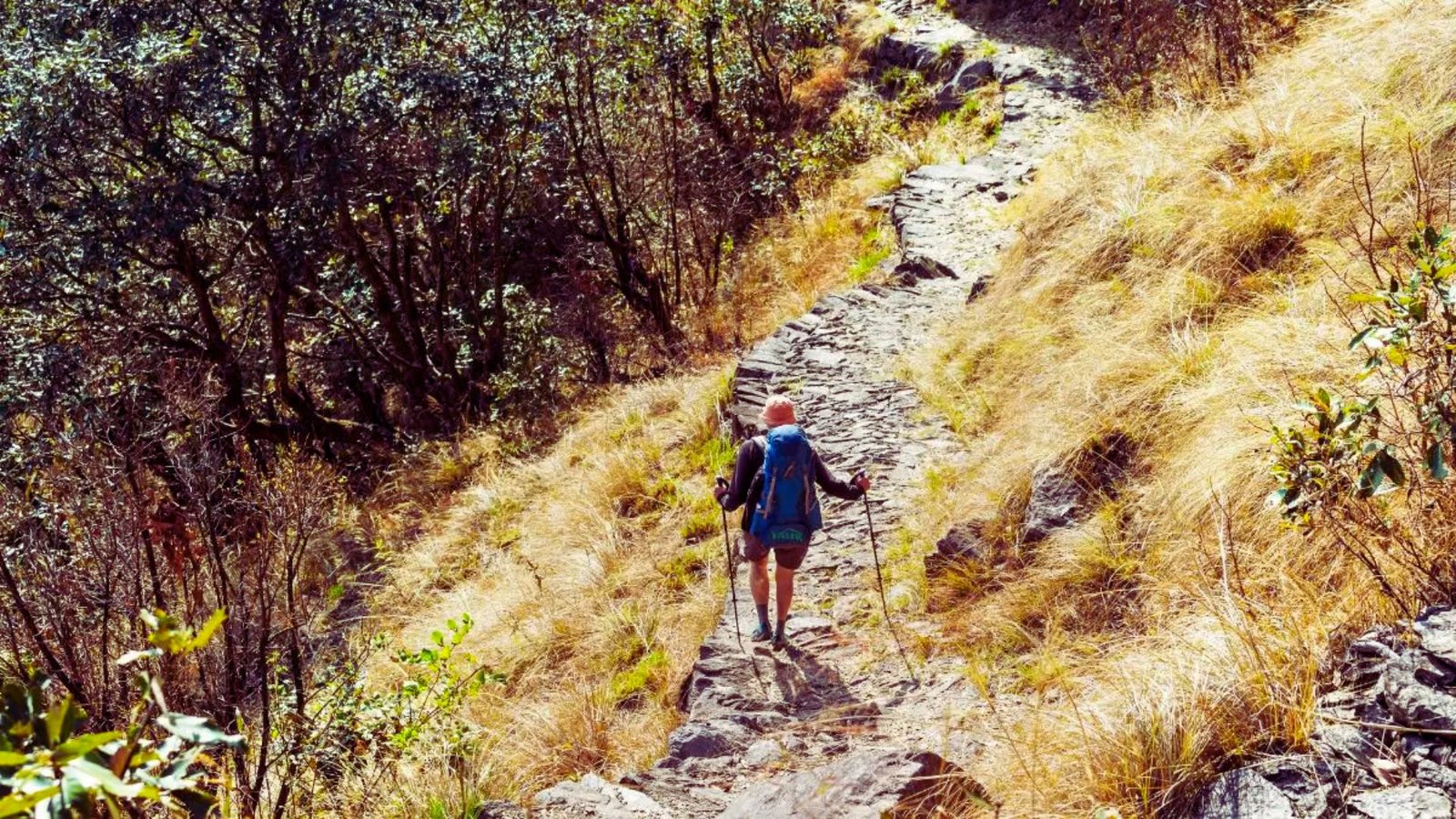
This section defines trekking in simple terms and explains what it involves from different perspectives and educational contexts.
Trekking is a long walk through natural areas that usually takes multiple days. You carry your supplies on your back and travel through mountains, forests, or remote places.
Unlike a short walk, trekking requires planning, proper gear, and physical fitness.
Wikipedia defines it as a form of walking over multiple days in challenging terrain. The Oxford Dictionary calls it a long, difficult walk in mountainous regions.
Most sources agree: trekking involves sustained effort and basic survival skills.
In physical education, trekking is an outdoor sport that builds endurance and strength. Schools use it to teach survival skills, map reading, and camping basics.
In mountaineering, trekking is how climbers approach base camps and acclimatize to higher altitudes.
Trekking Gear Explained
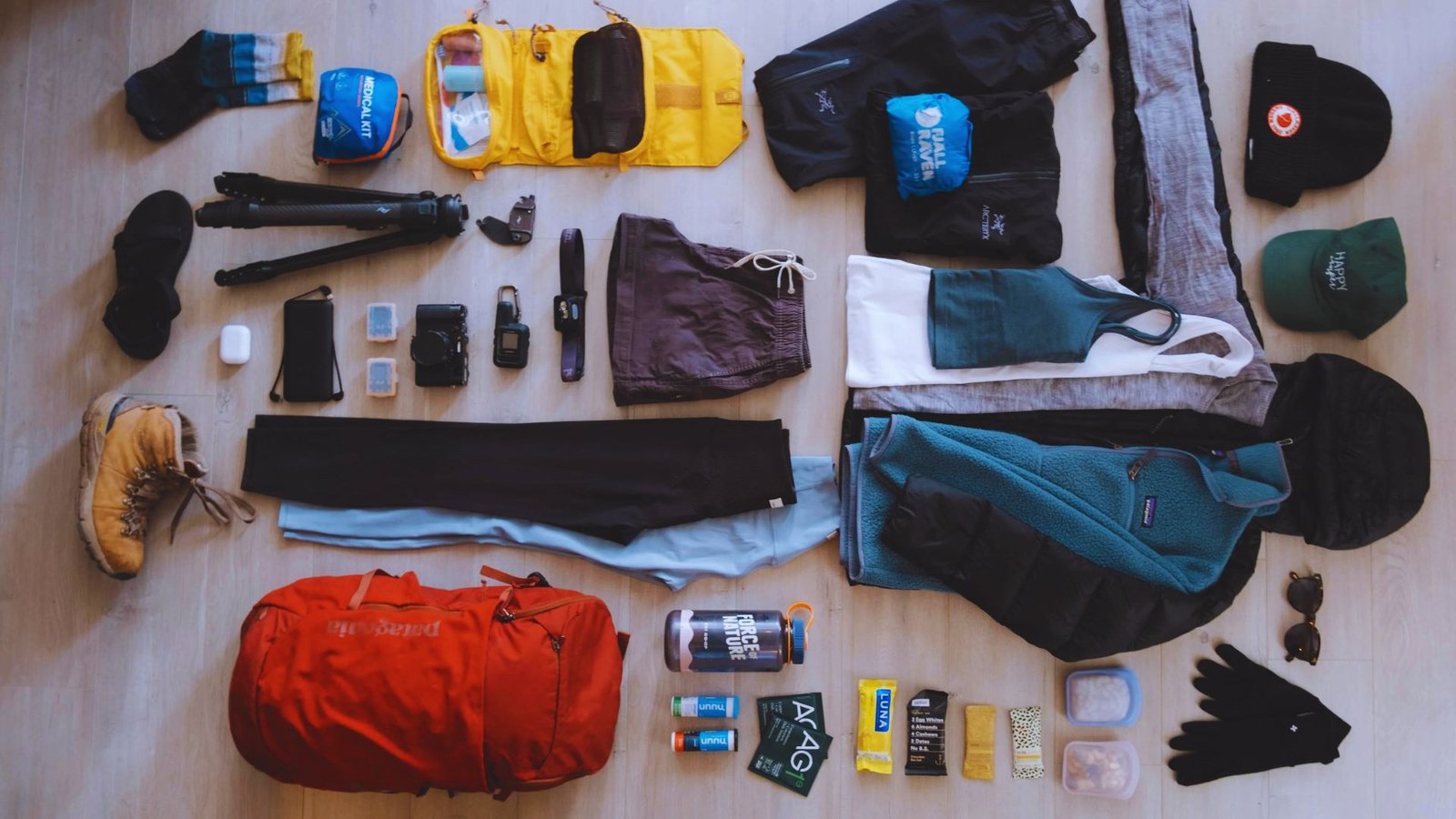
Proper gear makes trekking safer and more comfortable, from footwear to poles and backpacks.
What Is Trekking Shoes & Why They Matter
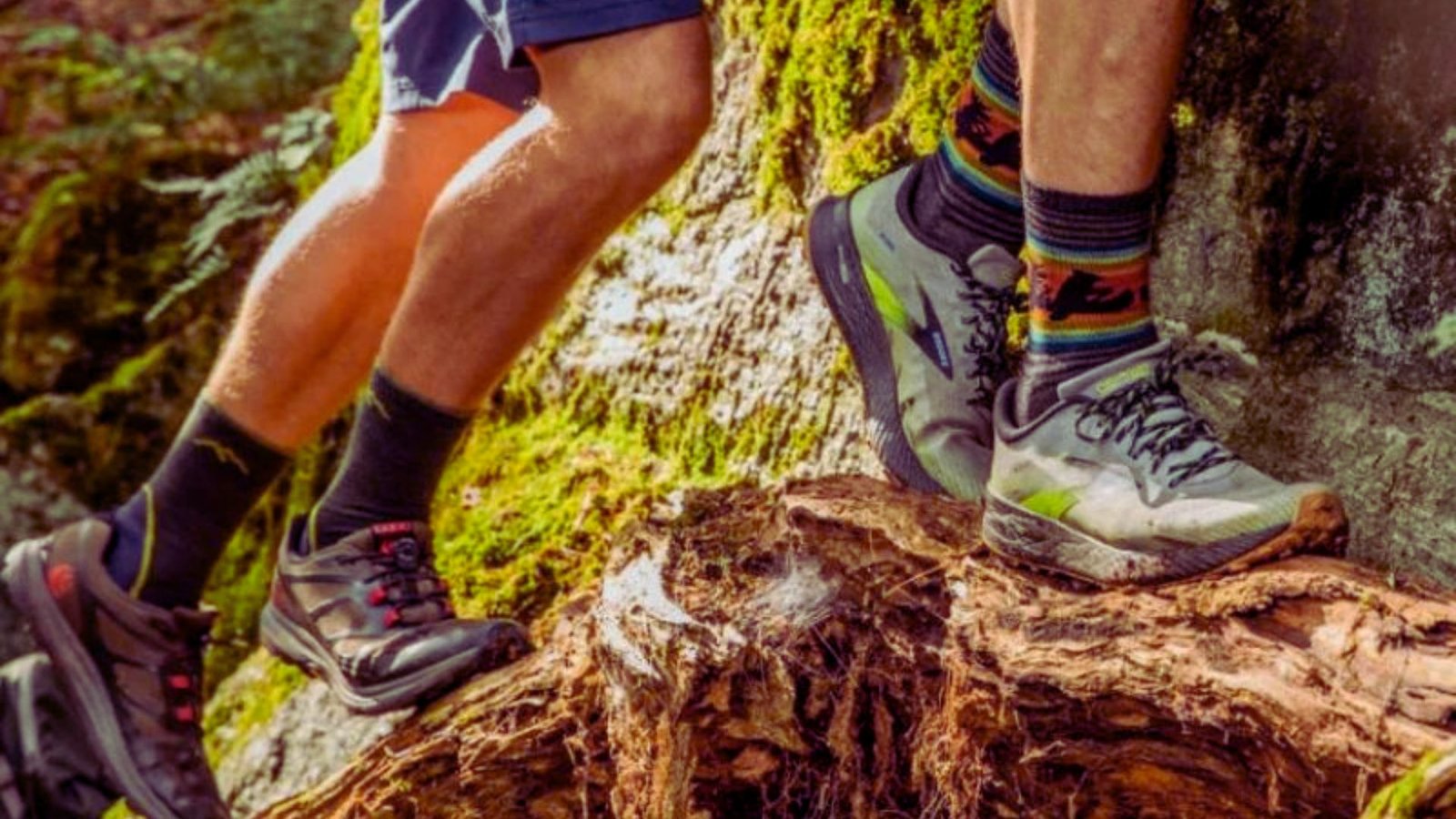
Quality trekking shoes protect your feet and prevent injuries on rough terrain.
Trekking shoes are boots designed for rough terrain. They provide ankle support and grip.
Good trekking shoes prevent injuries and protect your feet from rocks and roots.
Waterproof materials keep feet dry. This prevents blisters and discomfort. The sole must be durable and handle sharp stones and slippery surfaces.
Invest in quality footwear. Your feet carry you through the entire trek.
What Is Trekking Pole & Trekking Poles Used For
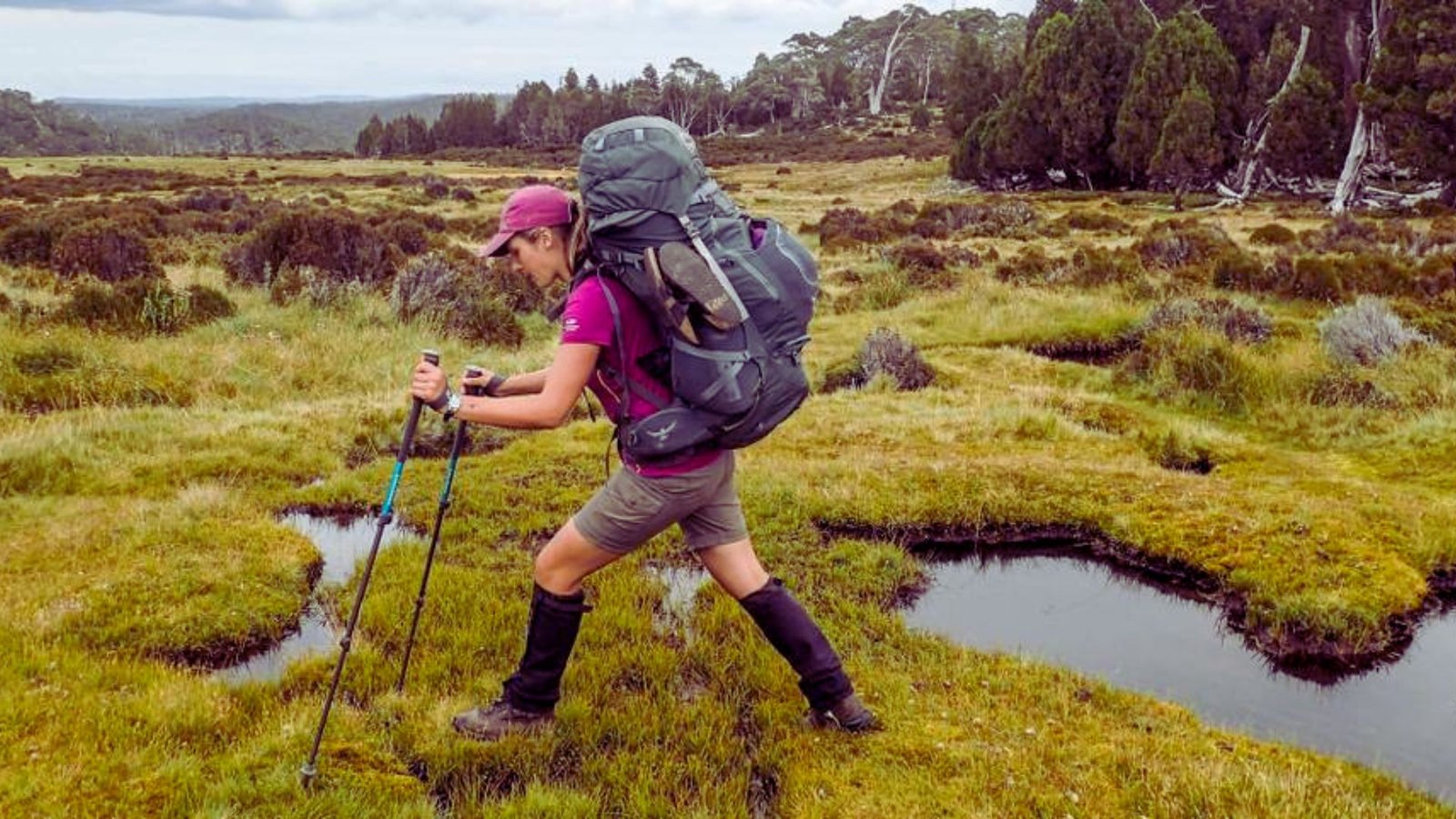
Trekking poles improve balance, reduce joint stress, and make descents easier.
Trekking poles are walking sticks that help with balance and reduce joint stress.
Using poles distributes weight better, so your legs don’t work as hard.
They’re helpful on descents. Poles absorb impact and protect your knees. Two poles work better than one and provide stability on uneven ground.
Adjustable poles fit different heights. Collapse them when not needed.
Backpack, Clothing, and Safety Gear
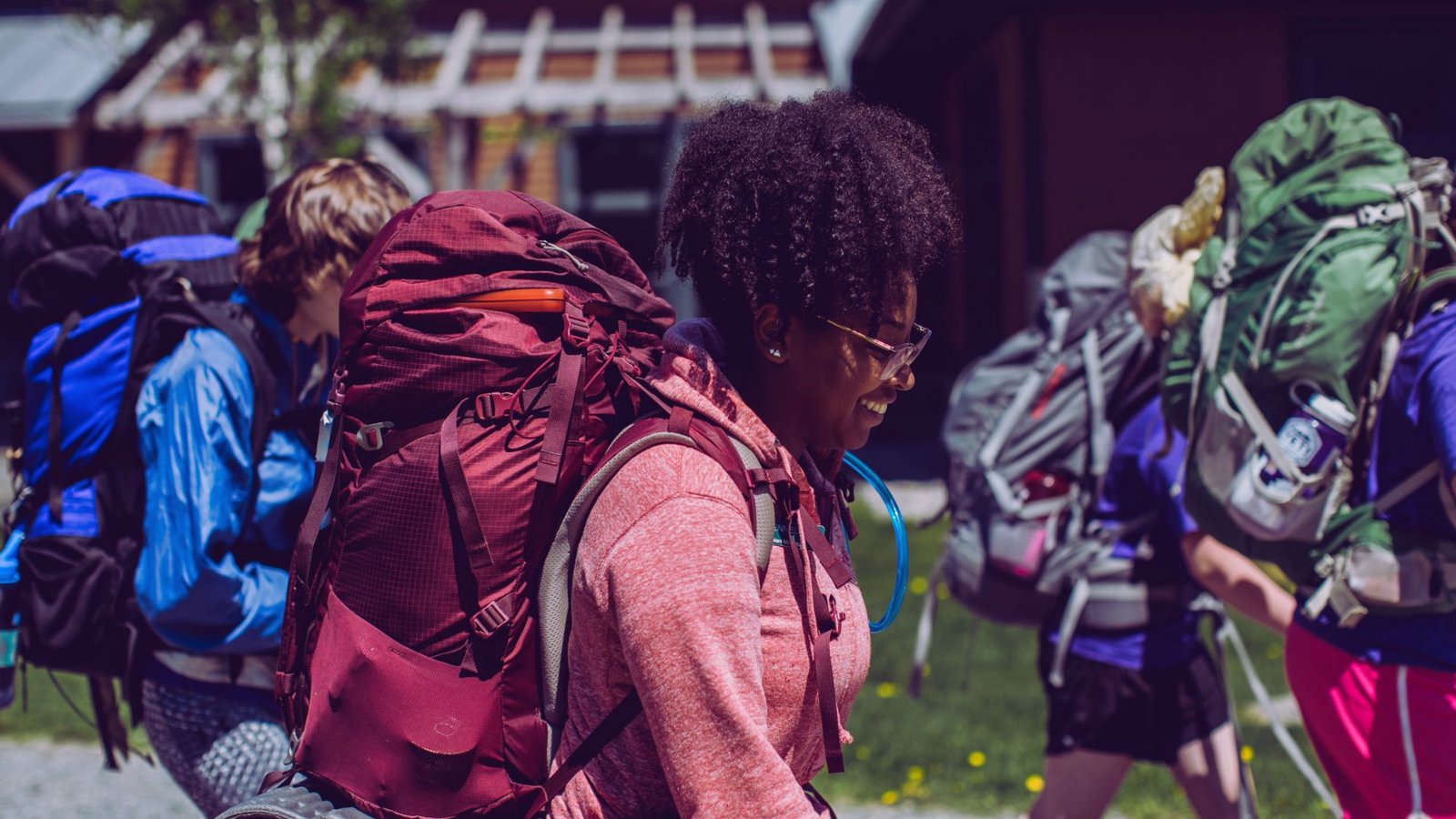
Pack smart with the right backpack, layered clothing, and mandatory safety items.
Your backpack carries everything you need. Choose one with proper weight distribution.
Layered clothing handles temperature changes. Start with moisture-wicking base layers.
A rain jacket is mandatory. Weather changes fast in mountains and forests. Safety gear includes a first aid kit, headlamp, whistle, and emergency blanket.
Don’t overpack. Carry only what you truly need.
Health & Lifestyle Benefits of Trekking
Trekking improves physical fitness, mental health, and personal growth while reducing stress.
Physical Fitness Benefits
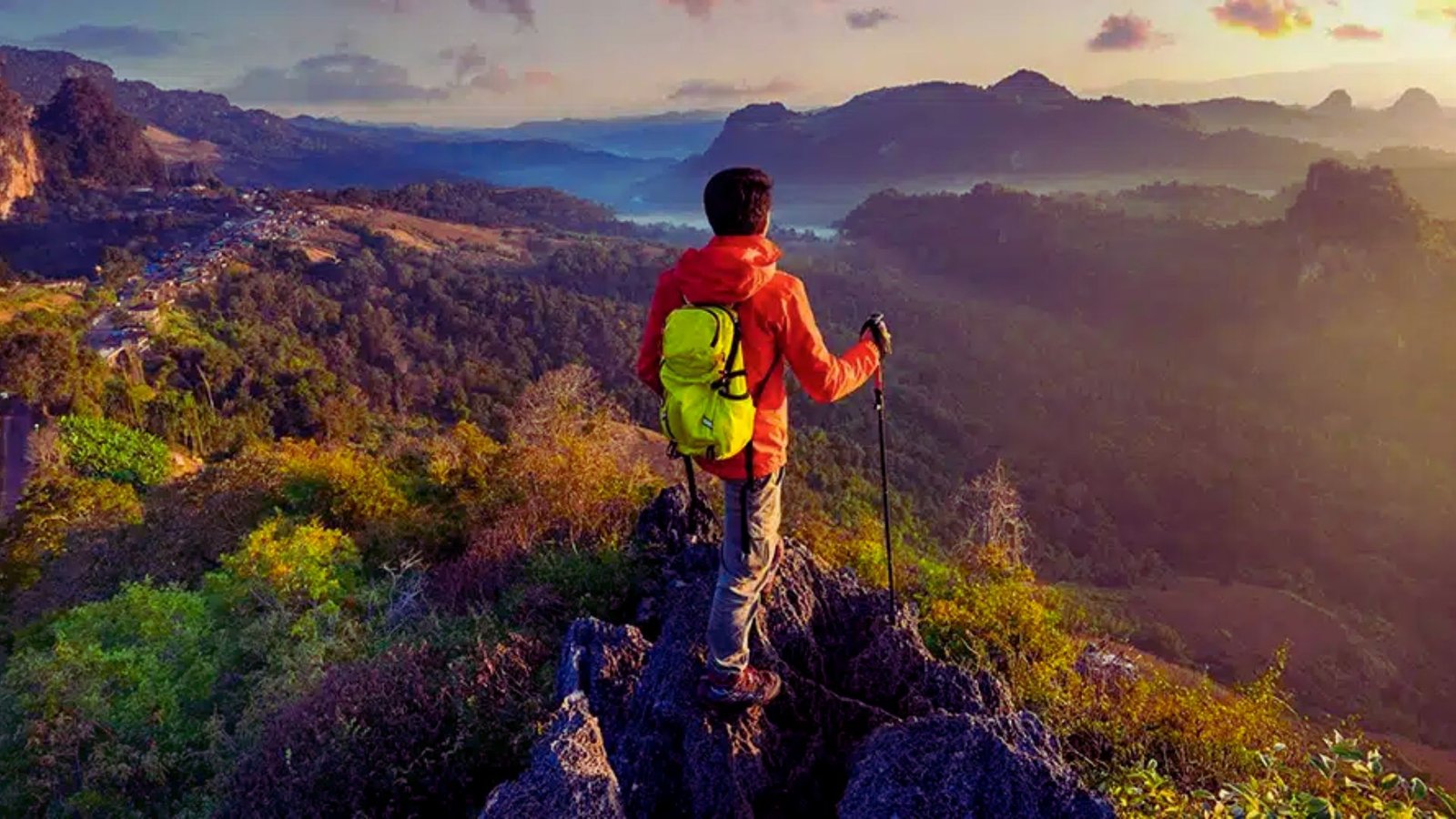
Trekking strengthens your heart, builds muscles, and improves overall body fitness.
Trekking builds cardiovascular strength. Your heart and lungs work harder at altitude. Leg muscles grow stronger as climbing hills engages quads, hamstrings, and calves.
Core stability improves. You balance on uneven surfaces constantly. Weight management becomes easier since trekking burns significant calories daily.
Bone density increases. Weight-bearing activity strengthens your skeleton.
Mental Health & Stress Relief
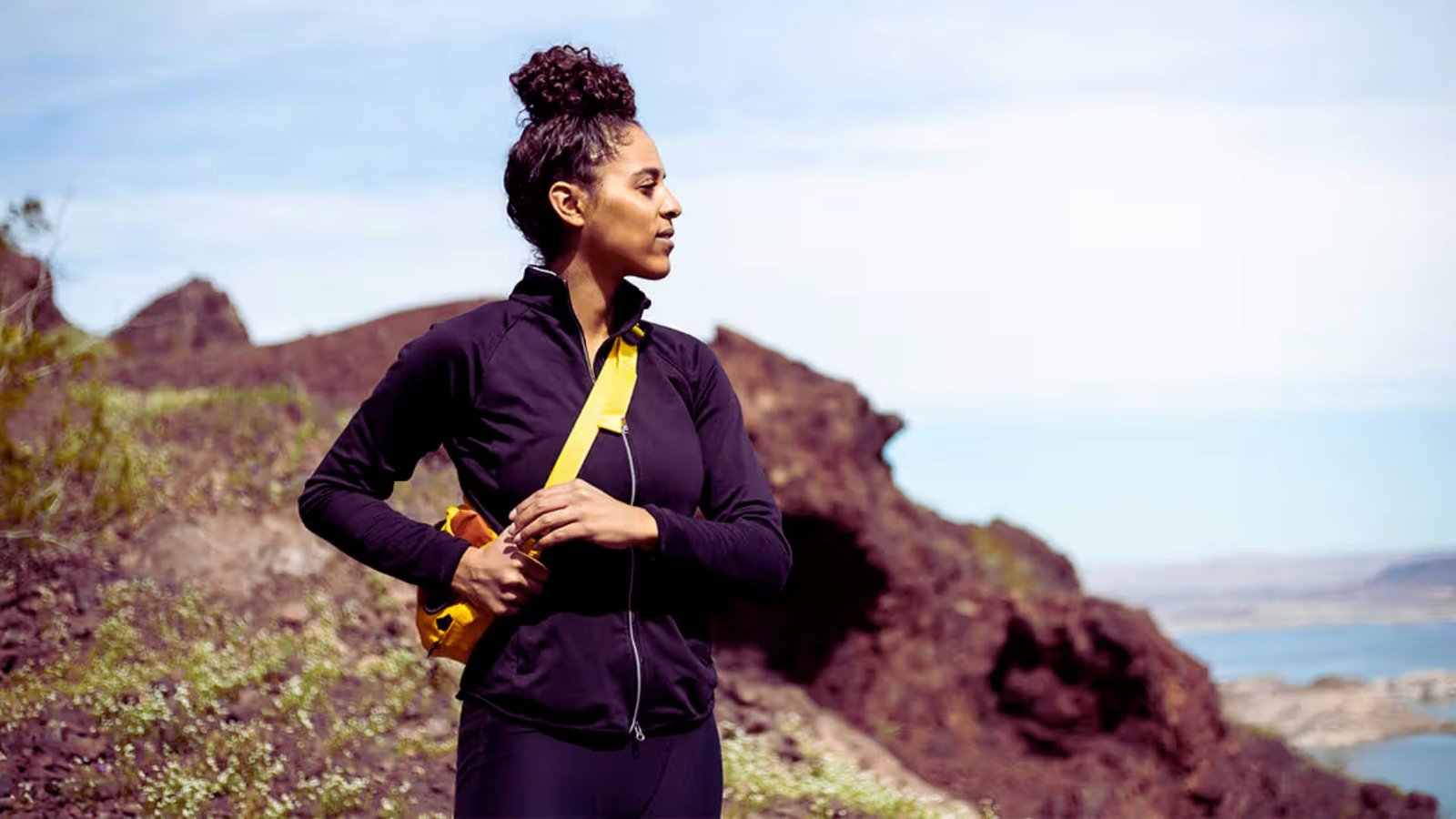
Nature exposure clears your mind, boosts confidence, and improves sleep quality.
Nature exposure reduces stress hormones. You feel calmer away from daily pressures. The rhythm of walking clears your mind and has meditative qualities.
Accomplishing a trek boosts confidence. You prove your capability to yourself. Screen time drops to zero, and this digital detox refreshes your brain.
Sleep quality improves dramatically. Physical exhaustion leads to deep rest.
Social & Personal Growth Benefits
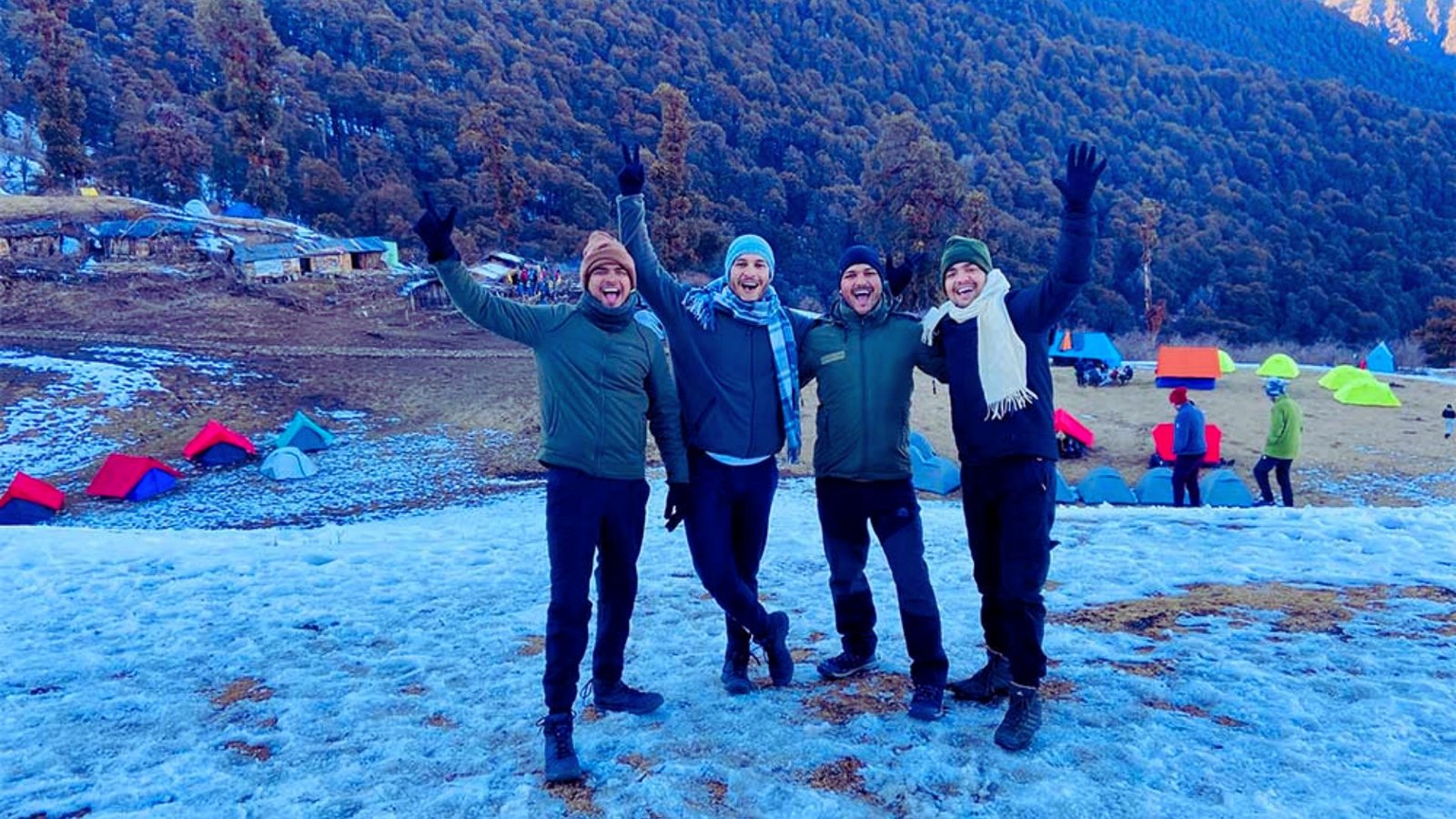
Trekking builds friendships, teaches problem-solving, and broadens cultural perspectives.
Trekking with others builds friendships. Shared challenges create strong bonds. You learn problem-solving skills as unexpected situations require creative thinking.
Self-reliance grows stronger. You depend less on modern conveniences. Cultural exposure happens naturally as many treks pass through local communities.
Perspective shifts occur. Time in nature changes how you view daily problems.
Best Places in the World for Trekking
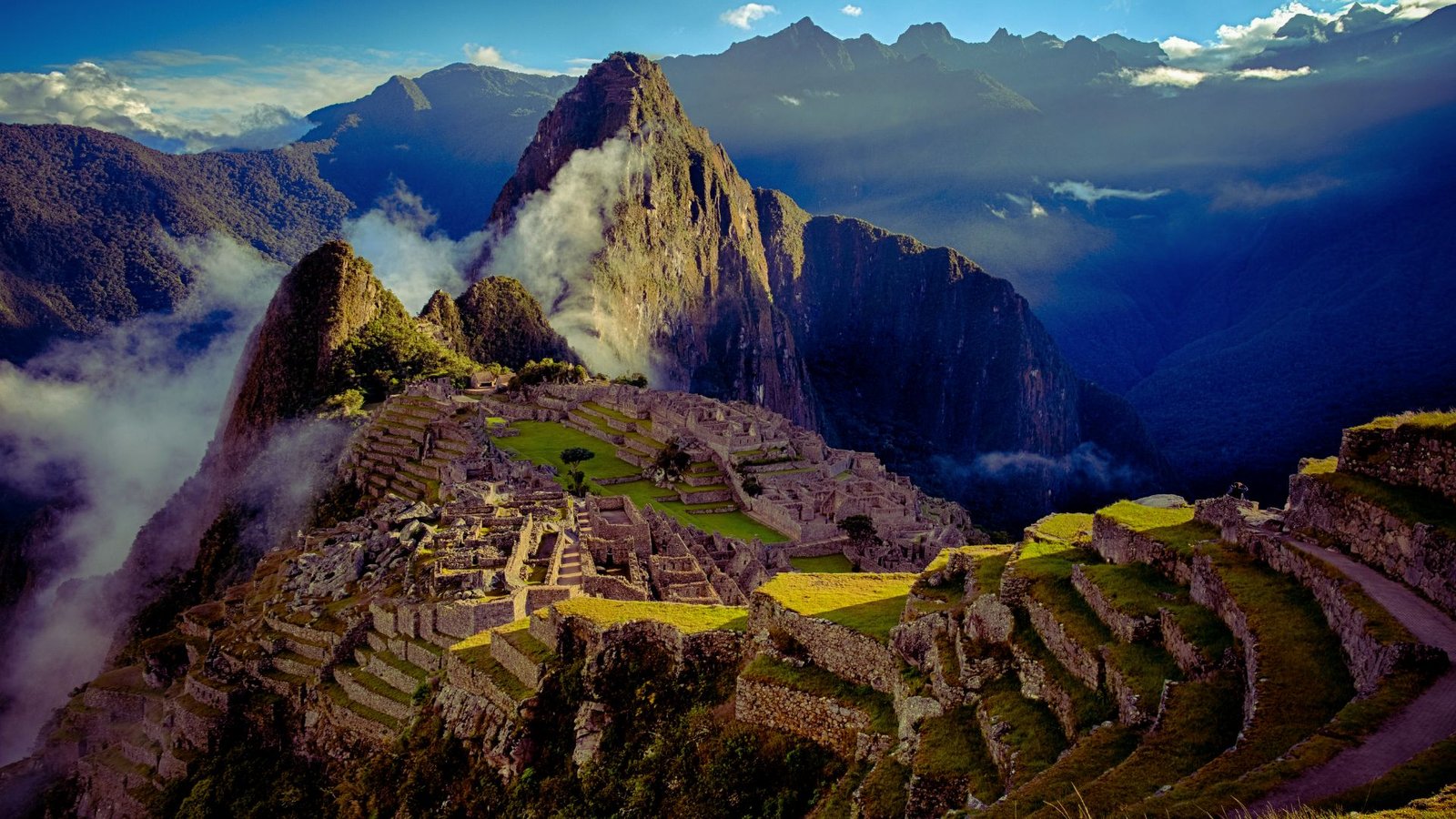
Top trekking destinations span continents, from Himalayan peaks to Amazon jungles, with options matching every skill level and preference.
The world offers incredible trekking destinations for all experience levels.
Nepal leads with Everest Base Camp and Annapurna Circuit. Peru features the Inca Trail to Machu Picchu. New Zealand offers Milford Track and Routeburn Track.
Switzerland has the Tour du Mont Blanc. Patagonia showcases Torres del Paine and Fitz Roy. Mountain destinations like the Himalayas and Alps require altitude acclimatization.
Jungle destinations like the Amazon and Borneo bring heat, humidity, and wildlife. Choose based on your preference for climate and scenery.
Beginners should try Nepal’s Poon Hill or New Zealand’s day treks. Intermediate trekkers can attempt Annapurna Base Camp or Salkantay Trek.
Advanced trekkers tackle Everest Base Camp or Kilimanjaro.Research visa requirements, permits, and trail conditions before booking.
Tips for Beginners & First-Time Trekkers
Beginners succeed by choosing appropriate routes, training beforehand, and following safety guidelines.
- Choose beginner-friendly routes-Start with short, well-marked treks that have support infrastructure like lodges and guides. Check difficulty ratings carefully and don’t overestimate your current fitness level.
- Train for at least three months-Walk regularly and include hill work in your training. Strengthen your core and legs, then practice with a loaded backpack to prepare your body.
- Pack smart and light-Your backpack shouldn’t exceed 20% of your body weight. Use multi-use items, distribute weight properly with heavy items close to your back, and test all gear at home.
- Stay hydrated and eat well-Drink water before you feel thirsty and eat small amounts frequently. Pack high-calorie foods like nuts, dried fruit, and energy bars to maintain energy levels.
- Follow safety guidelines-Check weather forecasts before departing, tell someone your route and timeline, and learn basic first aid. Turn back if conditions worsen and respect local regulations.
Conclusion
Hiking Olympic National Park changed how I see the outdoors. The moss-draped rainforest trails felt like stepping into another world.
I still think about that first sunrise from Hurricane Hill.You don’t need to be an expert. Start with an easy trail like Hall of Mosses. Build your confidence over time.
Check conditions before you go, pack the right gear, and respect the wilderness.
Pick one trail from this guide and make it happen. Share your favorite hiking Olympic National Park experience in the comments below. Your next great outdoor story starts here.
Frequently Asked Questions
What Is a Trekking Bike?
A trekking bike is a bicycle for long-distance touring on mixed terrain. It’s different from walking treks but shares the name. These bikes have sturdy frames, multiple gears, and gear mounts.
What Are Trekking Brainly Questions Explained?
Brainly is an educational platform for homework questions. Students ask about trekking definitions, benefits, and differences from hiking. Teachers assign these topics in PE and geography classes.
What Is Trekking and Trekking?
This is a typing error in search engines. People mean “What is trekking?” Trekking is a multi-day walking activity through natural terrain.
How Long Does a Typical Trek Last?
Beginner treks last 2-5 days. Intermediate routes take 1-2 weeks. Advanced expeditions extend for a month or longer based on distance and difficulty.
Can Anyone Go Trekking Regardless of Age?
Yes, with proper route selection. Children handle easy trails, seniors succeed on gentle routes. Physical fitness matters more than age. Consult a doctor before challenging treks.